





GET FIT TECH
Sign up for the FREE digital edition of Fit Tech magazine and also get the Fit Tech ezine and breaking news email alerts.
Not right now, thanksclose this window I've already subscribed!
EGYM | Fit Tech promotion
features

Promotional Feature: Wattbikes used in Saracens training

The Wattbike makes athletes accountable to themselves, their coaches and teammates. The consistency and reliability of the data means that there is no hiding behind the numbers, making it the perfect tool to ensure the best team is selected for the new season

Published in Health Club Management 2016 issue 9

PREPARING PLAYERS FOR THE PITCH
A rugby player’s training routine is often perceived as being the toughest of any sport. Gruelling, physical and high intensity. The Wattbike has formed a crucial part of the England Rugby strength and conditioning programme, with players using the bike for preseason, rehabilitation, recovery and offloading.

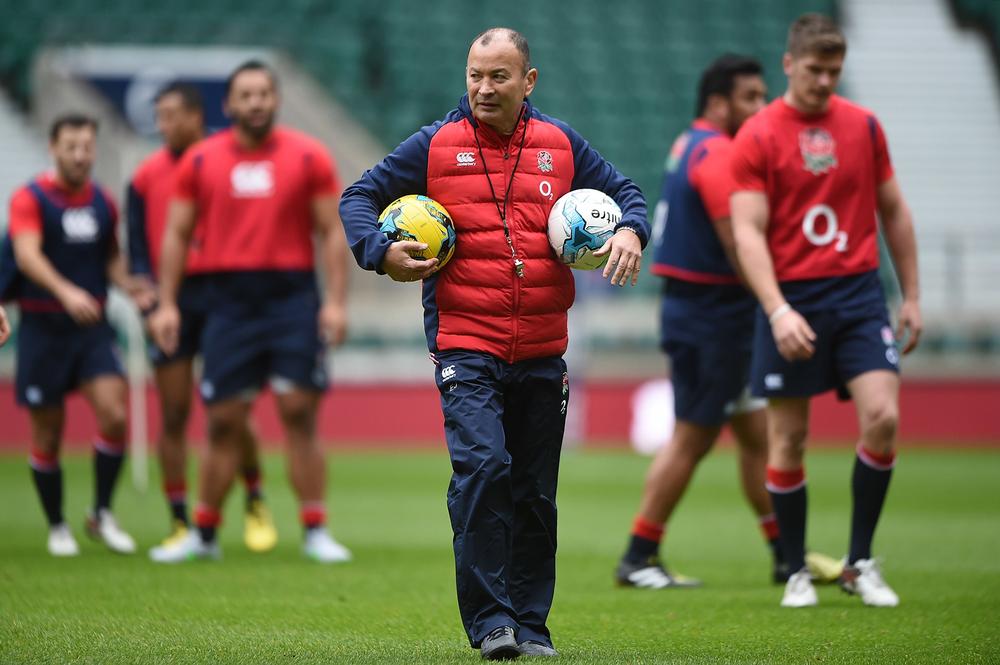
England coach, Eddie Jones comments: “From personal experience, I know the value of the Wattbike. Whether it’s recovery from illness, rehab from injury, or pushing performance levels to new heights, the detailed data the Wattbike delivers is invaluable.”

There are no secrets in rugby training, just immense attention to detail and how you use the tools at your disposal is key. Wattbike fits into this category and all the top teams are using it. We’re just trying to use it more effectively!”

Newly-appointed Harlequins forwards coach, and former England forwards coach, Graham Rowntree adds: “Using the Wattbike has been one of the most influential factors in improving our fitness. In rugby it’s all about repeated power outputs and being able to hold intensity into the 80th minute of a game.”

The Wattbike does so much more than any other training tool; its accuracy, reliability and consistency, in regards to its training data, are all extremely precise which is great for sport specific training and when having to make comparisons between the team.”

As well as testing maximum power output, the inbuilt assessments allow coaches and players to ensure they are always training in the correct ‘zones’, with the ability to analyse and progress this over a long period of time.

Jones continues: “The Wattbike enables the players to break new ground, uninhibited by personal expectations.

"We can accurately match up the demands of the game by position and then push the players to their limit and beyond, safe in the knowledge that there's no impact injury danger.”

The Saracens, who were victorious double champions this season, winning both the Premiership and European Cup, also use the Wattbike through the season.

Phillip Morrow, performance director explains: “The Wattbike is a tough piece of training equipment, that can be used to challenge all of your energy systems as well as pushing the legs to produce force when you’re fatigued. The ability to measure power output is great for setting targets for the players as well as giving us the capability to manipulate sessions to target different aspects of training.”

With six bikes, the Saracens focus on conditioning sessions throughout the season as a form of offload training, limiting the amount of running the players are doing, which is key for the larger, load bearing players. The full squad then work on the bikes for maximum energy sprints and general energy system training through pre-season.

Philip adds: “We also make use of the bikes a lot with our injured and rehabbing players when they are limited with the amount of ‘on feet’ work they can do.”

Saracens and England-capped player, Richard Wigglesworth, suffered a shoulder injury this year in the Championship Cup final with just two weeks left of the season. Over the summer, he carried out a 12-week rehabilitation programme, where the Wattbike played a central role:

“My injury means I can’t run for eight out of the 12-week rehab period, so I needed an alternative to maintain my fitness. The Wattbike, and the resistance it allows, are the closest thing I can do to replicate the ‘running week’ of pre-season training that the rest of the team will be doing.” Richard says. “Rugby is obviously an extremely physically-demanding game. And power training is completely key. Powerful players win games, and training on the Wattbike plays a big part in keeping this a focus for the team.”

As a team, the Saracens always finish the weight programmes with a Wattbike peak power test. We’re a competitive bunch and you’ll often find people crowded around your bike comparing numbers. However, it’s hard to beat the power of Billy (Vunipola)!”

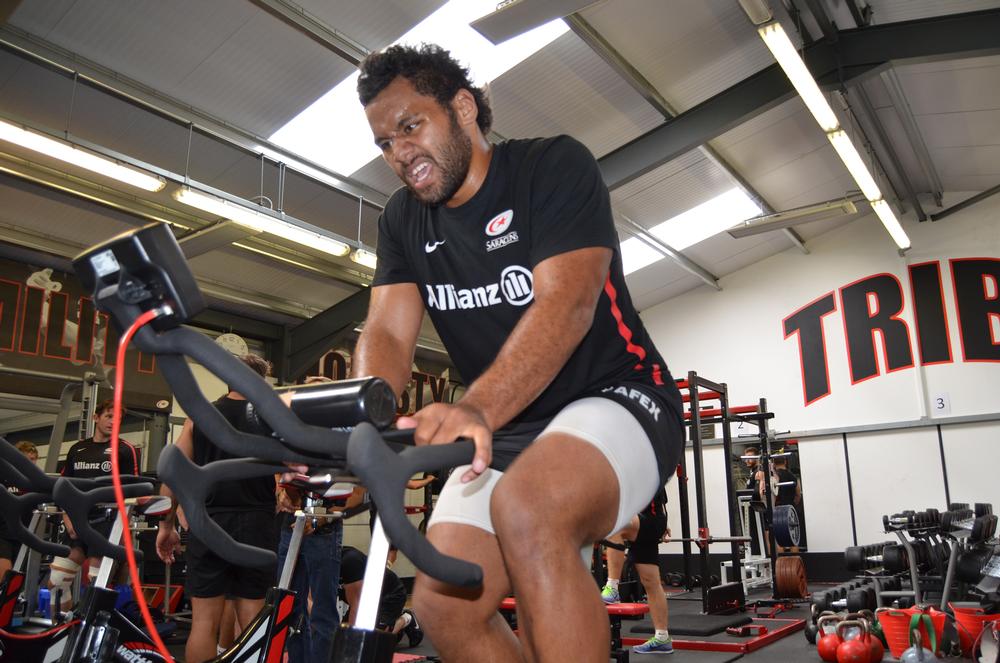
Saracens and England back-row, Billy Vunipola is renowned for his power and force, and is a player to be reckoned with on the Wattbike. Billy says: “The Wattbike plays a massive part of our anaerobic and off-feet, aerobic work. It saves us loading our legs every day, as in pre-season you get through a lot of running, so the bikes allow us to still improve fitness but not aggravate the joints.”

We use the bikes every other day through pre-season, and on Monday mornings through the season – and there’s definitely no hiding on the Wattbike.”

FOOTBALL
For managers and coaches, structuring their team’s pre-season training correctly, and making accurate comparisons between players, makes all the difference to their prospects for the season.

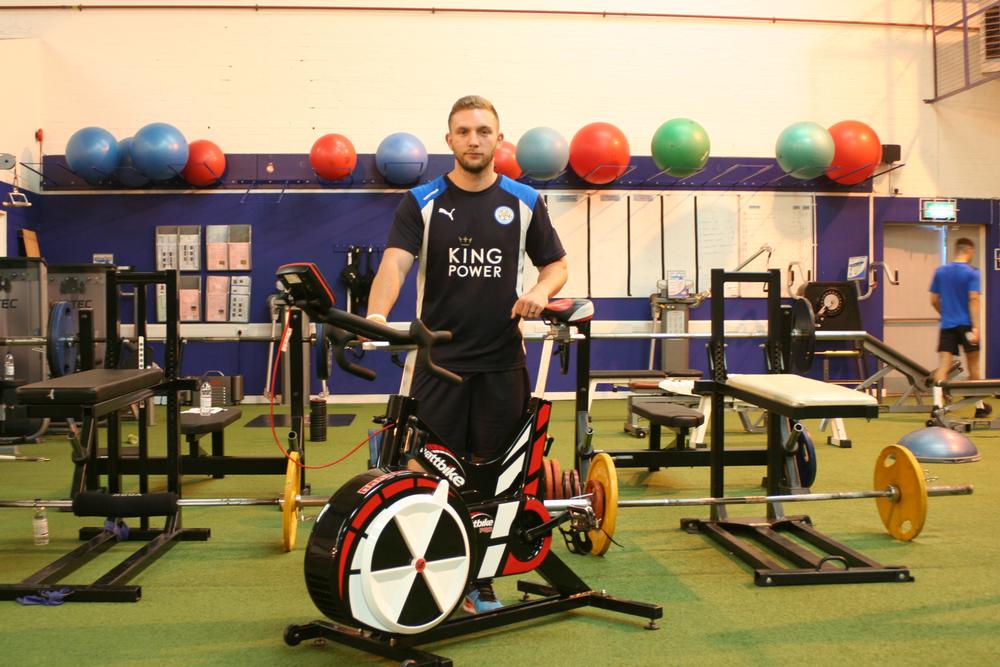
Recent Premier League winners, Leicester City Football Club, had an incredible season and have been using the Wattbike for power development and conditioning since 2012. Mitchell Willis, LCFC strength & power coach, explains:

“I first came across the Wattbike when I worked with the Leicester Tigers in 2009, where they were used extensively with the academy and first team squads. When I moved to Leicester City in 2012, the Wattbikes were amongst the first pieces of equipment that came to the new gym.”

We never considered any other bikes, I knew the Wattbikes well; how to use them, the physical qualities and the amount of feedback the performance monitors provide. We have a philosophy of ‘training = testing and testing = training’ and we continually monitor performance, so Wattbike perfectly matches this.”

The team use the bikes for power development which involves intermittent supramaximal bursts with extended recovery periods. This allows lower limb power to develop, whilst safely overloading the players using the air resistance and magnet settings. Conditioning sessions focus on longer intervals of continuous work, targeting specific energy system development.

Mitchell continues: “The bikes have also played a key role with international players who have returned late to us this pre-season – we administered additional ‘off-feet- conditioning sessions using the bikes to help bring them up to speed with the rest of the squad.”

Player's time on the bikes is dependent on the phase, training or injury status. Some players perform up to three sessions per week. Midfielders, Andy King and Matty James use the Wattbike frequently; Andy mainly for power development and Matty for his rehab.”
Sign up here to get Fit Tech's weekly ezine and every issue of Fit Tech magazine free on digital.
Gallery
More features
Editor's letter

Into the fitaverse

Fitness is already among the top three markets in the metaverse, with new technology and partnerships driving real growth and consumer engagement that looks likely to spill over into health clubs, gyms and studios
Fit Tech people

Ali Jawad

Paralympic powerlifter and founder, Accessercise
Users can easily identify which facilities in the UK are accessible to the disabled community
Fit Tech people

Hannes Sjöblad

MD, DSruptive
We want to give our users an implantable tool that allows them to collect their health data at any time and in any setting
Fit Tech people

Jamie Buck

Co-founder, Active in Time
We created a solution called AiT Voice, which turns digital data into a spoken audio timetable that connects to phone systems
Profile

Fahad Alhagbani: reinventing fitness

The team is young and ambitious, and the awareness of technology is very high. We share trends and out-of-the-box ideas almost every day
Opinion

Building on the blockchain

For small sports teams looking to compete with giants, blockchain can be a secret weapon explains Lars Rensing, CEO of Protokol
Innovation

Bold move

We ended up raising US$7m in venture capital from incredible investors, including Andreessen Horowitz, Khosla Ventures, Primetime Partners, and GingerBread Capital
App analysis

Check your form

Sency’s motion analysis technology is allowing users to check their technique as they exercise. Co-founder and CEO Gal Rotman explains how
Profile

New reality

Sam Cole, CEO of FitXR, talks to Fit Tech about taking digital workouts to the next level, with an immersive, virtual reality fitness club
Profile

Sohail Rashid

My vision was to create a platform that could improve the sport for lifters at all levels and attract more people, similar to how Strava, Peloton and Zwift have in other sports
Ageing

Reverse Ageing

Many apps help people track their health, but Humanity founders Peter Ward and Michael Geer have put the focus on ageing, to help users to see the direct repercussions of their habits. They talk to Steph Eaves
App analysis

Going hybrid

Workout Anytime created its app in partnership with Virtuagym. Workout Anytime’s Greg Maurer and Virtuagym’s Hugo Braam explain the process behind its creation
Research

Physical activity monitors boost activity levels

Researchers at the University of Copenhagen have conducted a meta analysis of all relevant research and found that the body of evidence shows an impact
Editor's letter

Two-way coaching

Content providers have been hugely active in the fit tech market since the start of the pandemic. We expect the industry to move on from delivering these services on a ‘broadcast-only’ basis as two-way coaching becomes the new USP
Fit Tech People

Laurent Petit

Co-founder, Active Giving
The future of sports and fitness are dependent on the climate. Our goal is to positively influence the future of our planet by instilling a global vision of wellbeing and a sense of collective action
Fit Tech People

Adam Zeitsiff

CEO, Intelivideo
We don’t just create the technology and bail – we support our clients’ ongoing hybridisation efforts
Fit Tech People

Anantharaman Pattabiraman

CEO and co-founder, Auro
When you’re undertaking fitness activities, unless you’re on a stationary bike, in most cases it’s not safe or necessary to be tied to a screen, especially a small screen
Fit Tech People

Mike Hansen

Managing partner, Endorphinz
We noticed a big gap in the market – customers needed better insights but also recommendations on what to do, whether that be customer acquisition, content creation, marketing and more
More features
Fitbench creates modular training solutions designed to support efficient, high-quality workouts in a wide range ...
Matrix provides equipment to facilities in all market sectors including private health clubs, residential housing, ...
22-23 Sep 2026
Four Seasons Hotel Bangkok at Chao Phraya River, Bangkok , Thailand
Fitbench creates modular training solutions designed to support efficient, high-quality workouts in a wide range ...
Matrix provides equipment to facilities in all market sectors including private health clubs, residential housing, ...
Get Fit Tech
Sign up for the free Fit Tech ezine and breaking news alerts
Sign up
22-23 Sep 2026
Four Seasons Hotel Bangkok at Chao Phraya River, Bangkok , Thailand

latest fit tech news

PureGym is encouraging people to step away from their screens and go for a walk, in a new initiative timed ...
news • 29 May 2026
Active people app, Strava, has overhauled its strength training experience, allowing gym-goers to automatically log and share their lifts from ...
news • 27 May 2026

Fitness First UK is embracing digital wellness technology by installing Kip’s tap-to-activate phone controls across its UK estate. Kip tags ...
news • 22 May 2026
The world’s first awareness ring has been launched. Designed to promote presence, focus and calm via gentle haptic vibrations, the ...
news • 13 May 2026
Center Parcs’ Aqua Sana Forest Spa, Woburn Forest, UK, has transformed an unused space into a touchless wellness area called ...
news • 12 May 2026
Gharieni Group has launched a new company, Cobotics Innovations, to create automated wellness experiences. The first solution is a robotic ...
product innovation • 07 May 2026

US-based robotics wellness company Aescape Inc has entered insolvency proceedings following the sale of substantially all of its ...

news • 06 May 2026
Fitness platform, Zing Coach, has teamed up with Les Mills, in a partnership that gives its users access to group ...
news • 23 Apr 2026

TMActive is launching a new Active Wellbeing Studio next month in Tonbridge, UK, specifically aimed at people who face higher ...
news • 13 Apr 2026

Indian billionaire, Deepinder Goyal, is working on a device called Temple that aims to track blood flow to the brain ...
news • 10 Apr 2026
More fit tech news
features

Promotional Feature: Wattbikes used in Saracens training

The Wattbike makes athletes accountable to themselves, their coaches and teammates. The consistency and reliability of the data means that there is no hiding behind the numbers, making it the perfect tool to ensure the best team is selected for the new season

Published in Health Club Management 2016 issue 9

PREPARING PLAYERS FOR THE PITCH
A rugby player’s training routine is often perceived as being the toughest of any sport. Gruelling, physical and high intensity. The Wattbike has formed a crucial part of the England Rugby strength and conditioning programme, with players using the bike for preseason, rehabilitation, recovery and offloading.

England coach, Eddie Jones comments: “From personal experience, I know the value of the Wattbike. Whether it’s recovery from illness, rehab from injury, or pushing performance levels to new heights, the detailed data the Wattbike delivers is invaluable.”

There are no secrets in rugby training, just immense attention to detail and how you use the tools at your disposal is key. Wattbike fits into this category and all the top teams are using it. We’re just trying to use it more effectively!”

Newly-appointed Harlequins forwards coach, and former England forwards coach, Graham Rowntree adds: “Using the Wattbike has been one of the most influential factors in improving our fitness. In rugby it’s all about repeated power outputs and being able to hold intensity into the 80th minute of a game.”

The Wattbike does so much more than any other training tool; its accuracy, reliability and consistency, in regards to its training data, are all extremely precise which is great for sport specific training and when having to make comparisons between the team.”

As well as testing maximum power output, the inbuilt assessments allow coaches and players to ensure they are always training in the correct ‘zones’, with the ability to analyse and progress this over a long period of time.

Jones continues: “The Wattbike enables the players to break new ground, uninhibited by personal expectations.

"We can accurately match up the demands of the game by position and then push the players to their limit and beyond, safe in the knowledge that there's no impact injury danger.”

The Saracens, who were victorious double champions this season, winning both the Premiership and European Cup, also use the Wattbike through the season.

Phillip Morrow, performance director explains: “The Wattbike is a tough piece of training equipment, that can be used to challenge all of your energy systems as well as pushing the legs to produce force when you’re fatigued. The ability to measure power output is great for setting targets for the players as well as giving us the capability to manipulate sessions to target different aspects of training.”

With six bikes, the Saracens focus on conditioning sessions throughout the season as a form of offload training, limiting the amount of running the players are doing, which is key for the larger, load bearing players. The full squad then work on the bikes for maximum energy sprints and general energy system training through pre-season.

Philip adds: “We also make use of the bikes a lot with our injured and rehabbing players when they are limited with the amount of ‘on feet’ work they can do.”

Saracens and England-capped player, Richard Wigglesworth, suffered a shoulder injury this year in the Championship Cup final with just two weeks left of the season. Over the summer, he carried out a 12-week rehabilitation programme, where the Wattbike played a central role:

“My injury means I can’t run for eight out of the 12-week rehab period, so I needed an alternative to maintain my fitness. The Wattbike, and the resistance it allows, are the closest thing I can do to replicate the ‘running week’ of pre-season training that the rest of the team will be doing.” Richard says. “Rugby is obviously an extremely physically-demanding game. And power training is completely key. Powerful players win games, and training on the Wattbike plays a big part in keeping this a focus for the team.”

As a team, the Saracens always finish the weight programmes with a Wattbike peak power test. We’re a competitive bunch and you’ll often find people crowded around your bike comparing numbers. However, it’s hard to beat the power of Billy (Vunipola)!”

Saracens and England back-row, Billy Vunipola is renowned for his power and force, and is a player to be reckoned with on the Wattbike. Billy says: “The Wattbike plays a massive part of our anaerobic and off-feet, aerobic work. It saves us loading our legs every day, as in pre-season you get through a lot of running, so the bikes allow us to still improve fitness but not aggravate the joints.”

We use the bikes every other day through pre-season, and on Monday mornings through the season – and there’s definitely no hiding on the Wattbike.”

FOOTBALL
For managers and coaches, structuring their team’s pre-season training correctly, and making accurate comparisons between players, makes all the difference to their prospects for the season.

Recent Premier League winners, Leicester City Football Club, had an incredible season and have been using the Wattbike for power development and conditioning since 2012. Mitchell Willis, LCFC strength & power coach, explains:

“I first came across the Wattbike when I worked with the Leicester Tigers in 2009, where they were used extensively with the academy and first team squads. When I moved to Leicester City in 2012, the Wattbikes were amongst the first pieces of equipment that came to the new gym.”

We never considered any other bikes, I knew the Wattbikes well; how to use them, the physical qualities and the amount of feedback the performance monitors provide. We have a philosophy of ‘training = testing and testing = training’ and we continually monitor performance, so Wattbike perfectly matches this.”

The team use the bikes for power development which involves intermittent supramaximal bursts with extended recovery periods. This allows lower limb power to develop, whilst safely overloading the players using the air resistance and magnet settings. Conditioning sessions focus on longer intervals of continuous work, targeting specific energy system development.

Mitchell continues: “The bikes have also played a key role with international players who have returned late to us this pre-season – we administered additional ‘off-feet- conditioning sessions using the bikes to help bring them up to speed with the rest of the squad.”

Player's time on the bikes is dependent on the phase, training or injury status. Some players perform up to three sessions per week. Midfielders, Andy King and Matty James use the Wattbike frequently; Andy mainly for power development and Matty for his rehab.”

Sign up here to get Fit Tech's weekly ezine and every issue of Fit Tech magazine free on digital.
Gallery
More features
Editor's letter

Into the fitaverse

Fitness is already among the top three markets in the metaverse, with new technology and partnerships driving real growth and consumer engagement that looks likely to spill over into health clubs, gyms and studios
Fit Tech people

Ali Jawad

Paralympic powerlifter and founder, Accessercise
Users can easily identify which facilities in the UK are accessible to the disabled community
Fit Tech people

Hannes Sjöblad

MD, DSruptive
We want to give our users an implantable tool that allows them to collect their health data at any time and in any setting
Fit Tech people

Jamie Buck

Co-founder, Active in Time
We created a solution called AiT Voice, which turns digital data into a spoken audio timetable that connects to phone systems
Profile

Fahad Alhagbani: reinventing fitness

The team is young and ambitious, and the awareness of technology is very high. We share trends and out-of-the-box ideas almost every day
Opinion

Building on the blockchain

For small sports teams looking to compete with giants, blockchain can be a secret weapon explains Lars Rensing, CEO of Protokol
Innovation

Bold move

We ended up raising US$7m in venture capital from incredible investors, including Andreessen Horowitz, Khosla Ventures, Primetime Partners, and GingerBread Capital
App analysis

Check your form

Sency’s motion analysis technology is allowing users to check their technique as they exercise. Co-founder and CEO Gal Rotman explains how
Profile

New reality

Sam Cole, CEO of FitXR, talks to Fit Tech about taking digital workouts to the next level, with an immersive, virtual reality fitness club
Profile

Sohail Rashid

My vision was to create a platform that could improve the sport for lifters at all levels and attract more people, similar to how Strava, Peloton and Zwift have in other sports
Ageing

Reverse Ageing

Many apps help people track their health, but Humanity founders Peter Ward and Michael Geer have put the focus on ageing, to help users to see the direct repercussions of their habits. They talk to Steph Eaves
App analysis

Going hybrid

Workout Anytime created its app in partnership with Virtuagym. Workout Anytime’s Greg Maurer and Virtuagym’s Hugo Braam explain the process behind its creation
Research

Physical activity monitors boost activity levels

Researchers at the University of Copenhagen have conducted a meta analysis of all relevant research and found that the body of evidence shows an impact
Editor's letter

Two-way coaching

Content providers have been hugely active in the fit tech market since the start of the pandemic. We expect the industry to move on from delivering these services on a ‘broadcast-only’ basis as two-way coaching becomes the new USP
Fit Tech People

Laurent Petit

Co-founder, Active Giving
The future of sports and fitness are dependent on the climate. Our goal is to positively influence the future of our planet by instilling a global vision of wellbeing and a sense of collective action
Fit Tech People

Adam Zeitsiff

CEO, Intelivideo
We don’t just create the technology and bail – we support our clients’ ongoing hybridisation efforts
Fit Tech People

Anantharaman Pattabiraman

CEO and co-founder, Auro
When you’re undertaking fitness activities, unless you’re on a stationary bike, in most cases it’s not safe or necessary to be tied to a screen, especially a small screen
Fit Tech People

Mike Hansen

Managing partner, Endorphinz
We noticed a big gap in the market – customers needed better insights but also recommendations on what to do, whether that be customer acquisition, content creation, marketing and more
More features








