



GET FIT TECH
Sign up for the FREE digital edition of Fit Tech magazine and also get the Fit Tech ezine and breaking news email alerts.
Not right now, thanksclose this window I've already subscribed!
EGYM | Fit Tech promotion
features

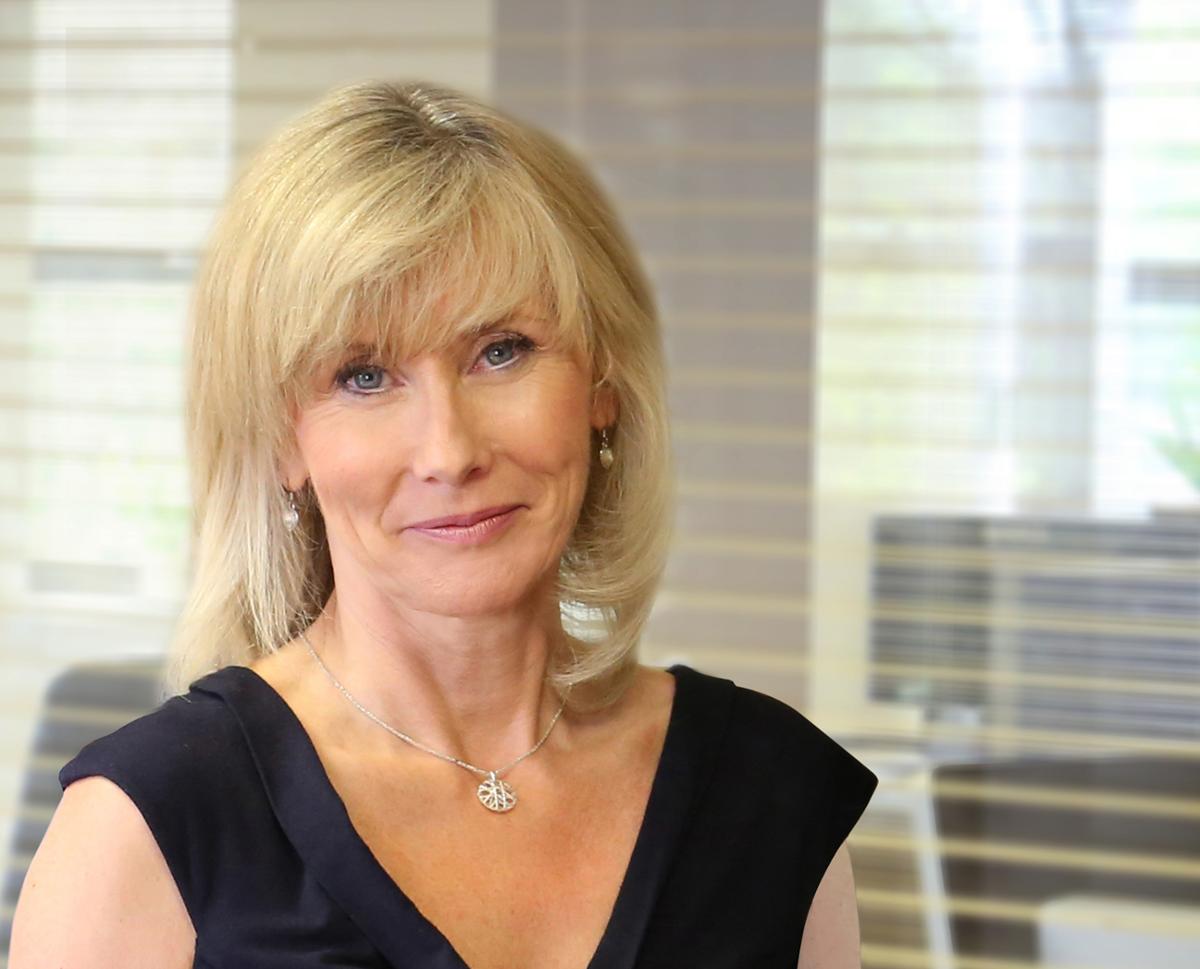
HCM People: Jenny Patrickson

MD, Active IQ

Many fitness professionals don’t feel skilled enough to work with people with a health issue

Published in Health Club Management 2024 issue 10

What’s the purpose of the 2024 Skills Gap Report?
We have a lot of anecdotal feedback around the state of education and the workforce situation within our sector and we wanted to have some concrete evidence as to the lay of the land.

We also wanted to give learners a voice and understand their perspective. As an awarding organisation, our direct customers are training providers, while fitness professionals are once removed, so we wanted to find out about the issues they’re facing and their views on the opportunities in the sector.

What were the findings?
They confirmed what we were aware of: health clubs, gyms and leisure centres are struggling to find people with the right skills to fill roles, especially to deal with the increasingly diverse range of members.

Year on year, since the pandemic, there’s been a decline in the number of people being certified and there are less people coming into the sector looking for a career – plus the churn is too high. In addition, employers who are taking people on and then not supporting them in their continuing professional development or not upskilling them, are seeing the most churn.

Where are the skills shortfalls and is the training fit for purpose?
I think it is fit for purpose: we have training up to level four. Despite this, many fitness professionals don’t feel skilled enough to work with people with disabilities, or those with an injury or a health issue. They also report feeling that they lack the necessary skills to manage their own businesses and to find and retain clients. Business skills are included in qualifications now, but they weren’t 10 years ago.

Responsibility for upskilling people lies with both the employer and the employee, even with a self-employed model. If an employer thinks that someone can enter a role with the breadth of skills, knowledge and behaviour they need for their business right from the off, then they’re wrong. The qualification is just the start of the journey. Employers are responsible for upskilling team members while employees are responsible for becoming lifelong learners.

Are there enough career progression opportunities in the sector?
We received feedback about the lack of progression opportunities in the sector, but I think this is more about perception than reality, because training opportunities and progression opportunities do exist – this is something CIMSPA has been working on. We also work with Future Fit to create bespoke management qualifications and career opportunities to allow people to move into management.

However, having such a large proportion of the industry unable to see a career pathway is a clear call to action for employers, awarding bodies and training providers to increase the visibility of career progression while also highlighting success cases. Development of CPD also needs to be paired with a clearly communicated path explaining how careers can be advanced as skills are developed.

The industry needs to do a better job of marketing its own opportunities and ensure it’s seen as an attractive option for potential employees and taken seriously as a career choice.

Is anybody making recommendations about pay and benefits and contracts?
This is one of the issues we’ve been banging the drum about for years, along with CIMSPA, EMD and UK Active. One of the problems after the pandemic was that it was a candidate’s world in terms of jobs and opportunities and other sectors offered better pay.

Is cost a barrier to companies investing in training?
It doesn’t have to be. If an organisation sets up its own academy, or works with a training provider and if it’s clever with how it bolts on CPD to qualifications it doesn’t have to break the bank.

One opportunity that’s being missed is apprenticeships. We’ve had the same apprenticeships available for many years now and there’s no group within our operator environment blazing the trail to get new apprenticeships that join the link between healthcare and fitness. Employers with a pay bill of more than £3m are already paying an apprenticeship levy, so there are many benefits for the development of new apprenticeships, otherwise this levy will get wasted.

The higher the apprenticeship level goes, the higher the wage that goes with it and the higher the funding. The apprenticeship levy can also be used for other types of training as well, so there’s a massive opportunity for employers to fund training for their workforce.

How prepared are we in terms of trends, such as training people who are on weight loss medications?
In terms of weight loss medication support, we’ve been speaking to Dane Vishnubala, our chief medical advisor, and he feels this needs medical research, so there’s no quick fix. However, it’s possible that we could provide training that’s online and non-regulated, but accredited and delivered by someone like Dane who has a medical background.

That would be the fastest and safest way of delivering that bolt-on, because getting a programme of learning regulated through the government structure takes many months.

Insurers can be more squeamish about non-regulated qualifications, however, so that’s something we would need to check.

Who is doing training well?
We’re working with a number of employers in the UK, including David Lloyd, Virgin Active and Freedom Leisure, who either have academies or are in the process of setting them up.

They’re taking the core qualification, knowledge and skills that are essential to their roles, and building their own culture, ethos and values into the training. One of our private training providers has also bolted on CPD from The Well HQ on women’s health, so they’re already thinking outside of the box in terms of adding value.

Key takeaways from Active IQ’s 2024 Skills Gap Report

✼ 20 per cent of fitness professionals feel there are plenty of opportunities for career progression

✼ 52 per cent of fitness professionals feel improving their business skills would make it easier to be successful

✼ 41 per cent feel unprepared to help those with chronic illnesses

✼ 60 per cent of fitness professionals feel they don’t have enough knowledge in injury prevention or treatment to assist clients

✼ The number of certifications being completed is decreasing

✼ 32 per cent of fitness professionals feel they do not have the required skills and education to train customers across various areas of diversity

✼ 43 per cent of respondents believe there are limited or no opportunities to develop and progress their careers

✼ The skills gap is being exacerbated by technological advancements, shifts in consumer behaviour, evolving health and wellbeing trends and an increased awareness of diversity and holistic health

✼ 42 per cent of gyms and leisure centres have fitness instructor vacancies

✼ Beyond injury, 35 per cent of fitness professionals feel it is difficult to customise for those with physical disabilities

✼ 45 per cent of fitness professionals feel they haven’t received enough training on how menstruation and menopause can impact physical and mental wellbeing goals

Sign up here to get Fit Tech's weekly ezine and every issue of Fit Tech magazine free on digital.
Gallery
More features
Editor's letter

Into the fitaverse

Fitness is already among the top three markets in the metaverse, with new technology and partnerships driving real growth and consumer engagement that looks likely to spill over into health clubs, gyms and studios
Fit Tech people

Ali Jawad

Paralympic powerlifter and founder, Accessercise
Users can easily identify which facilities in the UK are accessible to the disabled community
Fit Tech people

Hannes Sjöblad

MD, DSruptive
We want to give our users an implantable tool that allows them to collect their health data at any time and in any setting
Fit Tech people

Jamie Buck

Co-founder, Active in Time
We created a solution called AiT Voice, which turns digital data into a spoken audio timetable that connects to phone systems
Profile

Fahad Alhagbani: reinventing fitness

Let’s live in the future to improve today
Opinion

Building on the blockchain

For small sports teams looking to compete with giants, blockchain can be a secret weapon explains Lars Rensing, CEO of Protokol
Innovation

Bold move

Our results showed a greater than 60 per cent reduction in falls for individuals who actively participated in Bold’s programme
App analysis

Check your form

Sency’s motion analysis technology is allowing users to check their technique as they exercise. Co-founder and CEO Gal Rotman explains how
Profile

New reality

Sam Cole, CEO of FitXR, talks to Fit Tech about taking digital workouts to the next level, with an immersive, virtual reality fitness club
Profile

Sohail Rashid

35 million people a week participate in strength training. We want Brawn to help this audience achieve their goals
Ageing

Reverse Ageing

Many apps help people track their health, but Humanity founders Peter Ward and Michael Geer have put the focus on ageing, to help users to see the direct repercussions of their habits. They talk to Steph Eaves
App analysis

Going hybrid

Workout Anytime created its app in partnership with Virtuagym. Workout Anytime’s Greg Maurer and Virtuagym’s Hugo Braam explain the process behind its creation
Research

Physical activity monitors boost activity levels

Researchers at the University of Copenhagen have conducted a meta analysis of all relevant research and found that the body of evidence shows an impact
Editor's letter

Two-way coaching

Content providers have been hugely active in the fit tech market since the start of the pandemic. We expect the industry to move on from delivering these services on a ‘broadcast-only’ basis as two-way coaching becomes the new USP
Fit Tech People

Laurent Petit

Co-founder, Active Giving
The future of sports and fitness are dependent on the climate. Our goal is to positively influence the future of our planet by instilling a global vision of wellbeing and a sense of collective action
Fit Tech People

Adam Zeitsiff

CEO, Intelivideo
We don’t just create the technology and bail – we support our clients’ ongoing hybridisation efforts
Fit Tech People

Anantharaman Pattabiraman

CEO and co-founder, Auro
When you’re undertaking fitness activities, unless you’re on a stationary bike, in most cases it’s not safe or necessary to be tied to a screen, especially a small screen
Fit Tech People

Mike Hansen

Managing partner, Endorphinz
We noticed a big gap in the market – customers needed better insights but also recommendations on what to do, whether that be customer acquisition, content creation, marketing and more
More features
Power Plate's range of products include whole body vibration platforms, targeted vibration products and the ...
Panatta's mission is to create machines that are aesthetically pleasing, functional and competitive in price ...
22-23 Sep 2026
Four Seasons Hotel Bangkok at Chao Phraya River, Bangkok , Thailand
Power Plate's range of products include whole body vibration platforms, targeted vibration products and the ...
Panatta's mission is to create machines that are aesthetically pleasing, functional and competitive in price ...
Get Fit Tech
Sign up for the free Fit Tech ezine and breaking news alerts
Sign up
22-23 Sep 2026
Four Seasons Hotel Bangkok at Chao Phraya River, Bangkok , Thailand

latest fit tech news

PureGym is encouraging people to step away from their screens and go for a walk, in a new initiative timed ...
news • 29 May 2026
Active people app, Strava, has overhauled its strength training experience, allowing gym-goers to automatically log and share their lifts from ...
news • 27 May 2026

Fitness First UK is embracing digital wellness technology by installing Kip’s tap-to-activate phone controls across its UK estate. Kip tags ...
news • 22 May 2026
The world’s first awareness ring has been launched. Designed to promote presence, focus and calm via gentle haptic vibrations, the ...
news • 13 May 2026
Center Parcs’ Aqua Sana Forest Spa, Woburn Forest, UK, has transformed an unused space into a touchless wellness area called ...
news • 12 May 2026
Gharieni Group has launched a new company, Cobotics Innovations, to create automated wellness experiences. The first solution is a robotic ...
product innovation • 07 May 2026

US-based robotics wellness company Aescape Inc has entered insolvency proceedings following the sale of substantially all of its ...

news • 06 May 2026
Fitness platform, Zing Coach, has teamed up with Les Mills, in a partnership that gives its users access to group ...
news • 23 Apr 2026

TMActive is launching a new Active Wellbeing Studio next month in Tonbridge, UK, specifically aimed at people who face higher ...
news • 13 Apr 2026

Indian billionaire, Deepinder Goyal, is working on a device called Temple that aims to track blood flow to the brain ...
news • 10 Apr 2026
More fit tech news
features

HCM People: Jenny Patrickson

MD, Active IQ

Many fitness professionals don’t feel skilled enough to work with people with a health issue

Published in Health Club Management 2024 issue 10

What’s the purpose of the 2024 Skills Gap Report?
We have a lot of anecdotal feedback around the state of education and the workforce situation within our sector and we wanted to have some concrete evidence as to the lay of the land.

We also wanted to give learners a voice and understand their perspective. As an awarding organisation, our direct customers are training providers, while fitness professionals are once removed, so we wanted to find out about the issues they’re facing and their views on the opportunities in the sector.

What were the findings?
They confirmed what we were aware of: health clubs, gyms and leisure centres are struggling to find people with the right skills to fill roles, especially to deal with the increasingly diverse range of members.

Year on year, since the pandemic, there’s been a decline in the number of people being certified and there are less people coming into the sector looking for a career – plus the churn is too high. In addition, employers who are taking people on and then not supporting them in their continuing professional development or not upskilling them, are seeing the most churn.

Where are the skills shortfalls and is the training fit for purpose?
I think it is fit for purpose: we have training up to level four. Despite this, many fitness professionals don’t feel skilled enough to work with people with disabilities, or those with an injury or a health issue. They also report feeling that they lack the necessary skills to manage their own businesses and to find and retain clients. Business skills are included in qualifications now, but they weren’t 10 years ago.

Responsibility for upskilling people lies with both the employer and the employee, even with a self-employed model. If an employer thinks that someone can enter a role with the breadth of skills, knowledge and behaviour they need for their business right from the off, then they’re wrong. The qualification is just the start of the journey. Employers are responsible for upskilling team members while employees are responsible for becoming lifelong learners.

Are there enough career progression opportunities in the sector?
We received feedback about the lack of progression opportunities in the sector, but I think this is more about perception than reality, because training opportunities and progression opportunities do exist – this is something CIMSPA has been working on. We also work with Future Fit to create bespoke management qualifications and career opportunities to allow people to move into management.

However, having such a large proportion of the industry unable to see a career pathway is a clear call to action for employers, awarding bodies and training providers to increase the visibility of career progression while also highlighting success cases. Development of CPD also needs to be paired with a clearly communicated path explaining how careers can be advanced as skills are developed.

The industry needs to do a better job of marketing its own opportunities and ensure it’s seen as an attractive option for potential employees and taken seriously as a career choice.

Is anybody making recommendations about pay and benefits and contracts?
This is one of the issues we’ve been banging the drum about for years, along with CIMSPA, EMD and UK Active. One of the problems after the pandemic was that it was a candidate’s world in terms of jobs and opportunities and other sectors offered better pay.

Is cost a barrier to companies investing in training?
It doesn’t have to be. If an organisation sets up its own academy, or works with a training provider and if it’s clever with how it bolts on CPD to qualifications it doesn’t have to break the bank.

One opportunity that’s being missed is apprenticeships. We’ve had the same apprenticeships available for many years now and there’s no group within our operator environment blazing the trail to get new apprenticeships that join the link between healthcare and fitness. Employers with a pay bill of more than £3m are already paying an apprenticeship levy, so there are many benefits for the development of new apprenticeships, otherwise this levy will get wasted.

The higher the apprenticeship level goes, the higher the wage that goes with it and the higher the funding. The apprenticeship levy can also be used for other types of training as well, so there’s a massive opportunity for employers to fund training for their workforce.

How prepared are we in terms of trends, such as training people who are on weight loss medications?
In terms of weight loss medication support, we’ve been speaking to Dane Vishnubala, our chief medical advisor, and he feels this needs medical research, so there’s no quick fix. However, it’s possible that we could provide training that’s online and non-regulated, but accredited and delivered by someone like Dane who has a medical background.

That would be the fastest and safest way of delivering that bolt-on, because getting a programme of learning regulated through the government structure takes many months.

Insurers can be more squeamish about non-regulated qualifications, however, so that’s something we would need to check.

Who is doing training well?
We’re working with a number of employers in the UK, including David Lloyd, Virgin Active and Freedom Leisure, who either have academies or are in the process of setting them up.

They’re taking the core qualification, knowledge and skills that are essential to their roles, and building their own culture, ethos and values into the training. One of our private training providers has also bolted on CPD from The Well HQ on women’s health, so they’re already thinking outside of the box in terms of adding value.

Key takeaways from Active IQ’s 2024 Skills Gap Report

✼ 20 per cent of fitness professionals feel there are plenty of opportunities for career progression

✼ 52 per cent of fitness professionals feel improving their business skills would make it easier to be successful

✼ 41 per cent feel unprepared to help those with chronic illnesses

✼ 60 per cent of fitness professionals feel they don’t have enough knowledge in injury prevention or treatment to assist clients

✼ The number of certifications being completed is decreasing

✼ 32 per cent of fitness professionals feel they do not have the required skills and education to train customers across various areas of diversity

✼ 43 per cent of respondents believe there are limited or no opportunities to develop and progress their careers

✼ The skills gap is being exacerbated by technological advancements, shifts in consumer behaviour, evolving health and wellbeing trends and an increased awareness of diversity and holistic health

✼ 42 per cent of gyms and leisure centres have fitness instructor vacancies

✼ Beyond injury, 35 per cent of fitness professionals feel it is difficult to customise for those with physical disabilities

✼ 45 per cent of fitness professionals feel they haven’t received enough training on how menstruation and menopause can impact physical and mental wellbeing goals

Sign up here to get Fit Tech's weekly ezine and every issue of Fit Tech magazine free on digital.
Gallery
More features
Editor's letter

Into the fitaverse

Fitness is already among the top three markets in the metaverse, with new technology and partnerships driving real growth and consumer engagement that looks likely to spill over into health clubs, gyms and studios
Fit Tech people

Ali Jawad

Paralympic powerlifter and founder, Accessercise
Users can easily identify which facilities in the UK are accessible to the disabled community
Fit Tech people

Hannes Sjöblad

MD, DSruptive
We want to give our users an implantable tool that allows them to collect their health data at any time and in any setting
Fit Tech people

Jamie Buck

Co-founder, Active in Time
We created a solution called AiT Voice, which turns digital data into a spoken audio timetable that connects to phone systems
Profile

Fahad Alhagbani: reinventing fitness

Let’s live in the future to improve today
Opinion

Building on the blockchain

For small sports teams looking to compete with giants, blockchain can be a secret weapon explains Lars Rensing, CEO of Protokol
Innovation

Bold move

Our results showed a greater than 60 per cent reduction in falls for individuals who actively participated in Bold’s programme
App analysis

Check your form

Sency’s motion analysis technology is allowing users to check their technique as they exercise. Co-founder and CEO Gal Rotman explains how
Profile

New reality

Sam Cole, CEO of FitXR, talks to Fit Tech about taking digital workouts to the next level, with an immersive, virtual reality fitness club
Profile

Sohail Rashid

35 million people a week participate in strength training. We want Brawn to help this audience achieve their goals
Ageing

Reverse Ageing

Many apps help people track their health, but Humanity founders Peter Ward and Michael Geer have put the focus on ageing, to help users to see the direct repercussions of their habits. They talk to Steph Eaves
App analysis

Going hybrid

Workout Anytime created its app in partnership with Virtuagym. Workout Anytime’s Greg Maurer and Virtuagym’s Hugo Braam explain the process behind its creation
Research

Physical activity monitors boost activity levels

Researchers at the University of Copenhagen have conducted a meta analysis of all relevant research and found that the body of evidence shows an impact
Editor's letter

Two-way coaching

Content providers have been hugely active in the fit tech market since the start of the pandemic. We expect the industry to move on from delivering these services on a ‘broadcast-only’ basis as two-way coaching becomes the new USP
Fit Tech People

Laurent Petit

Co-founder, Active Giving
The future of sports and fitness are dependent on the climate. Our goal is to positively influence the future of our planet by instilling a global vision of wellbeing and a sense of collective action
Fit Tech People

Adam Zeitsiff

CEO, Intelivideo
We don’t just create the technology and bail – we support our clients’ ongoing hybridisation efforts
Fit Tech People

Anantharaman Pattabiraman

CEO and co-founder, Auro
When you’re undertaking fitness activities, unless you’re on a stationary bike, in most cases it’s not safe or necessary to be tied to a screen, especially a small screen
Fit Tech People

Mike Hansen

Managing partner, Endorphinz
We noticed a big gap in the market – customers needed better insights but also recommendations on what to do, whether that be customer acquisition, content creation, marketing and more
More features