






















latest fit tech news


US-based robotics wellness company Aescape Inc has entered insolvency proceedings following the sale of substantially all of its ...


Trends: Courting success
Padel and pickleball are experiencing exponential growth and more health clubs could be tapping into their popularity, as Luigi Carraro and Karen Mitchell explain


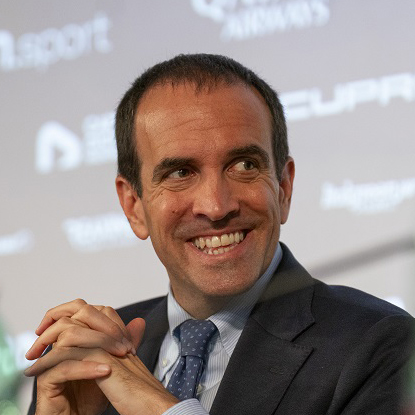
The International Padel Federation (FIP) was established in 1991 and since my first election as president in 2018, we’ve seen a 250 per cent increase in affiliated federations, growing from 32 in 2018 to 87 today.
To fully grasp the scale, I should explain that we expanded from eight million players in 50 countries in 2018 to 30 million in 150 countries in 2024. This represents the fastest growth in sport’s history, not due to any magic wand, but the collective effort of passionate individuals across the FIP family worldwide.
In the early months of 2025, 16 new countries officially joined the FIP. Globally, padel clubs have surpassed 23,000, up from 19,000 last year, with over 70,000 courts, up from 7,000 clubs and 21,000 courts in 2018 – which were mostly concentrated in Spain and Argentina.
Today, these two countries account for just 35 per cent of global courts, with the remaining 65 per cent spread across five continents.
Grassroots development is a top priority for us. We work closely with national federations to ensure growth in all countries, leveraging local resources and expertise to boost participation.
There’s now a unified world ranking, a Race to the Finals and a FIP-governed professional and youth tournament system, as well as world and continental team competitions.
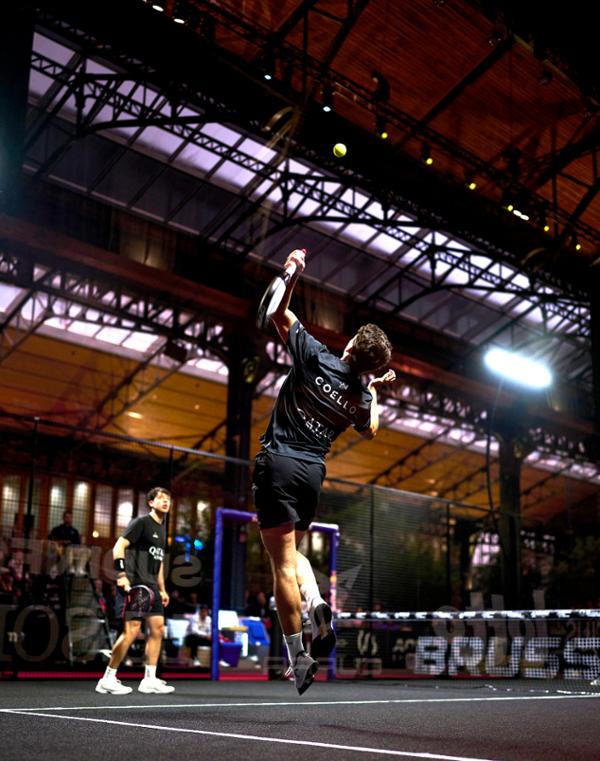
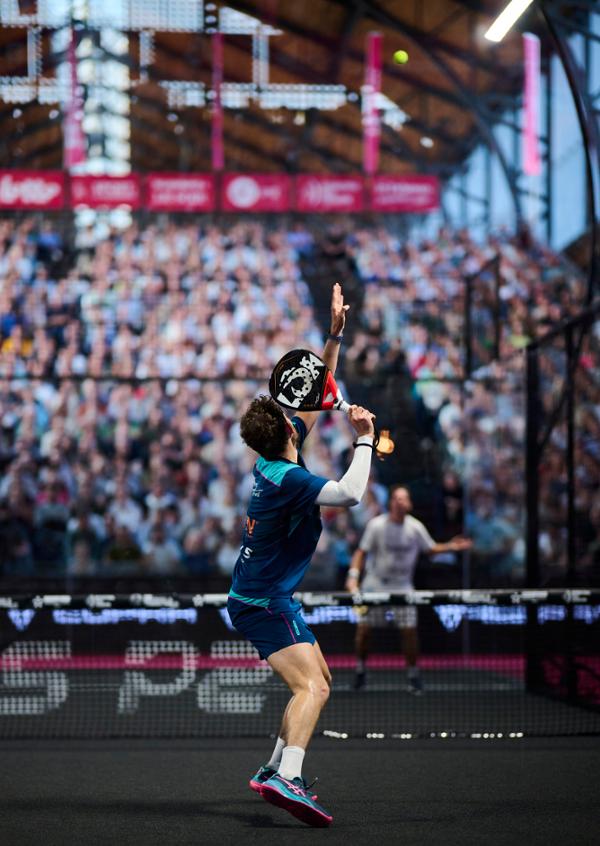
evated our sport to new heights, thanks to Nasser Al-Khelaifi’s vision, his passion for sports, and Qatar Sports Investments. The 24 Premier Padel tournaments worldwide showcase the best male and female players, offering spectacular events that serve as a powerful vehicle for promoting padel.
Also, two key projects in our development strategy are the Cupra FIP Tour and the FIP Promises Tour. The former provides players with opportunities to gain international experience and improve their FIP rankings, offering a vital platform for emerging talents. The latter targets young athletes, offering high-level tournaments essential for nurturing the next generation of champions.
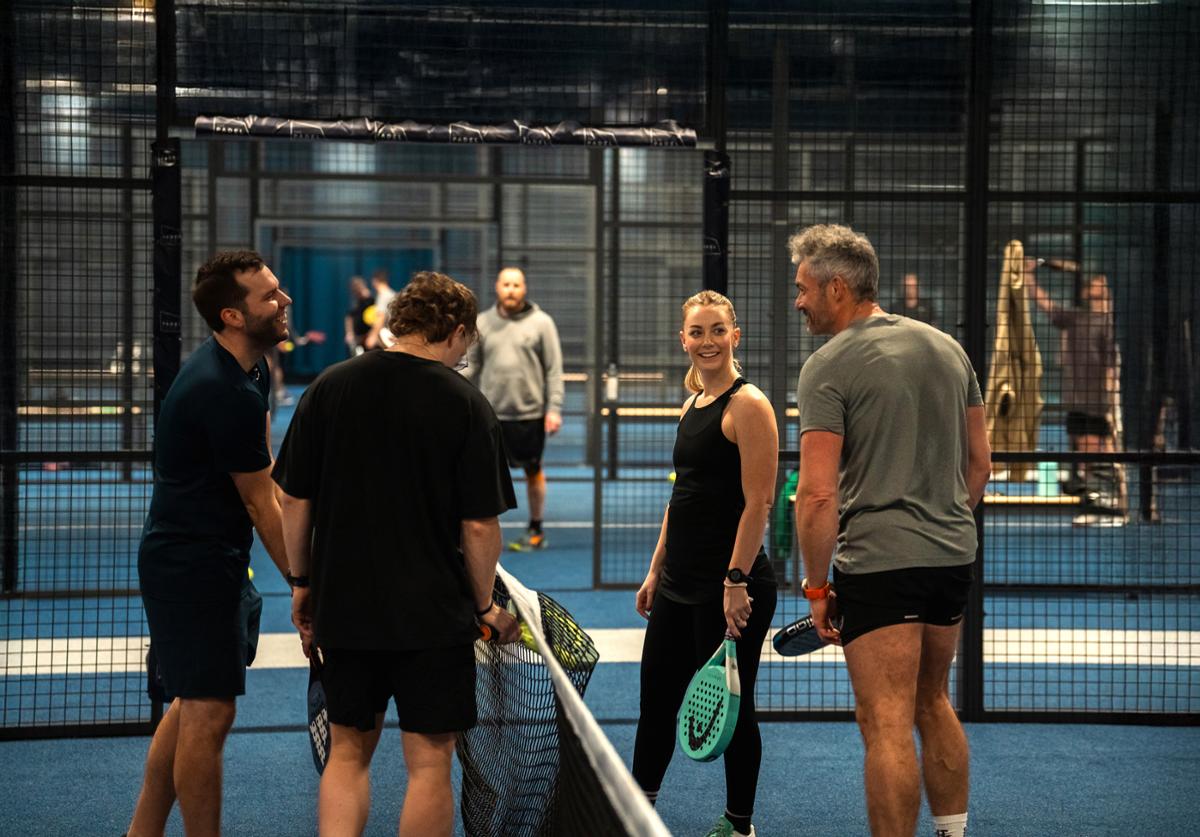
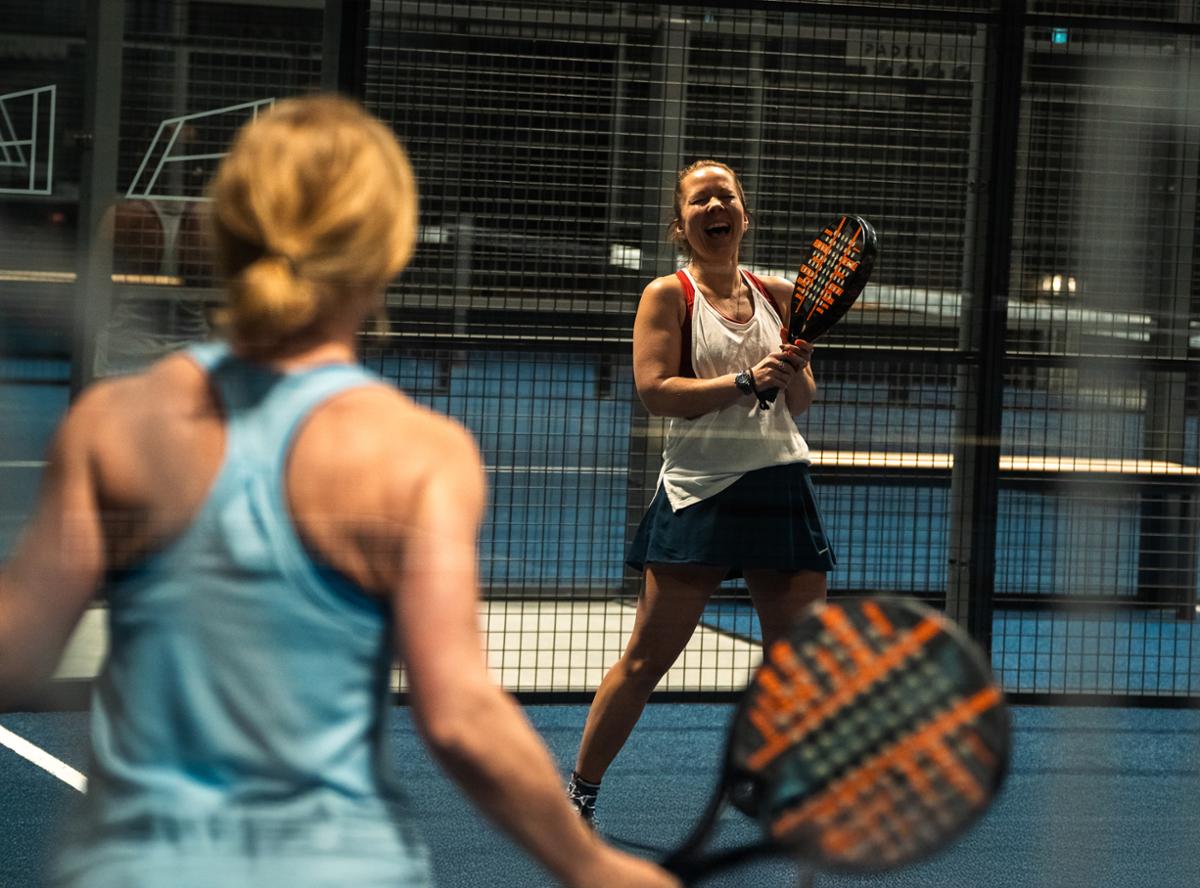
From an individual perspective, padel greatly contributes to mental and physical wellbeing, socialisation and inclusion. In padel clubs, men and women regularly play together, sharing the court much like in a gym or fitness space. Moreover, the fun and ease of approach are fundamental factors for anyone looking to promote padel.
The introduction of new competitions such as the FIP Intercontinental Cup – a Europe vs Americas challenge inspired by golf’s Ryder Cup and Laver Cup for tennis – which is among the most anticipated developments, alongside the FIP World Cup Pairs in Kuwait, which will take place in November this year.
The FIP Intercontinental Cup is scheduled to be held in London in 2026, marking the city’s first major padel event.
Our vision for padel’s future is to continue promoting access to the sport at all levels and ensure its sustainability through smart, innovative policies.
Our main objective remains Olympic inclusion, a goal we’re diligently pursuing with passion and pragmatism, fully aware that padel deserves to be represented alongside the Olympic rings.
We aim to see padel in all health clubs and sports centres and why not in schools, as an inclusive sport rooted in communities?
Luigi Carraro is president of the world governing body for padel tennis, whose mission is to govern, promote, and develop padel globally – grounded in principles of integrity, inclusivity, social interaction and cultural exchange.
The FIP World Padel Report 2024 captures the sport’s extraordinary global growth – not just in numbers but also geographically.
Regions such as Asia and the Middle East are becoming significant expansion centres, transforming padel into a global sport and moving it beyond its traditional European and Latin American focus.
The sport has seen a rise in female participation: today, 40 per cent of padel players worldwide are women, highlighting the success of efforts to promote gender equality both on and off the court. This trend is evident among amateurs and at the professional level, with more female athletes competing internationally and gaining visibility.
National federations affiliated to FIP: 71
Host countries: 130
Clubs and facilities: 19,800
Courts: 63,000
Amateur: 30 million
Professional: 600,000
Percentage of female players: 40 per cent

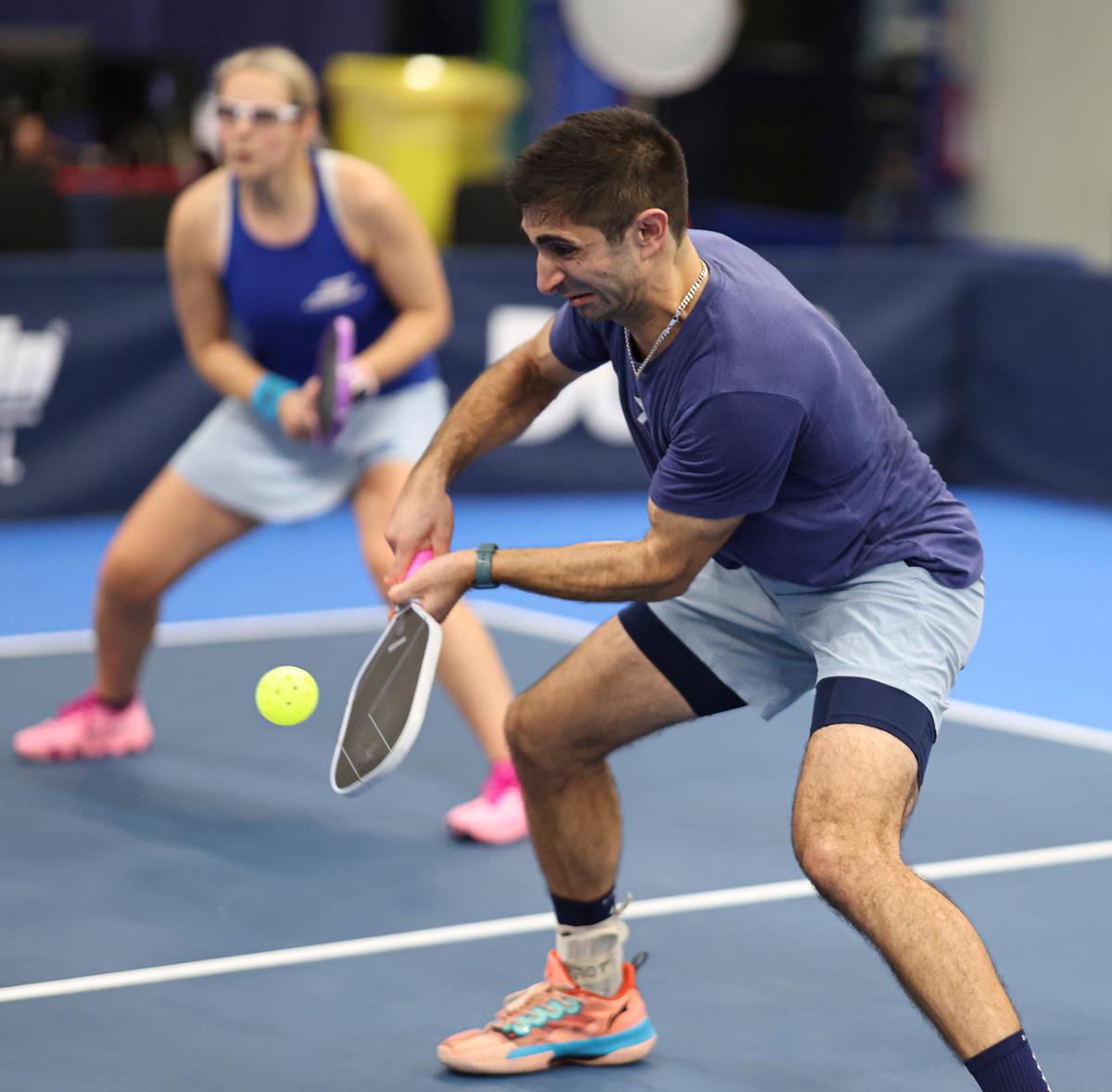
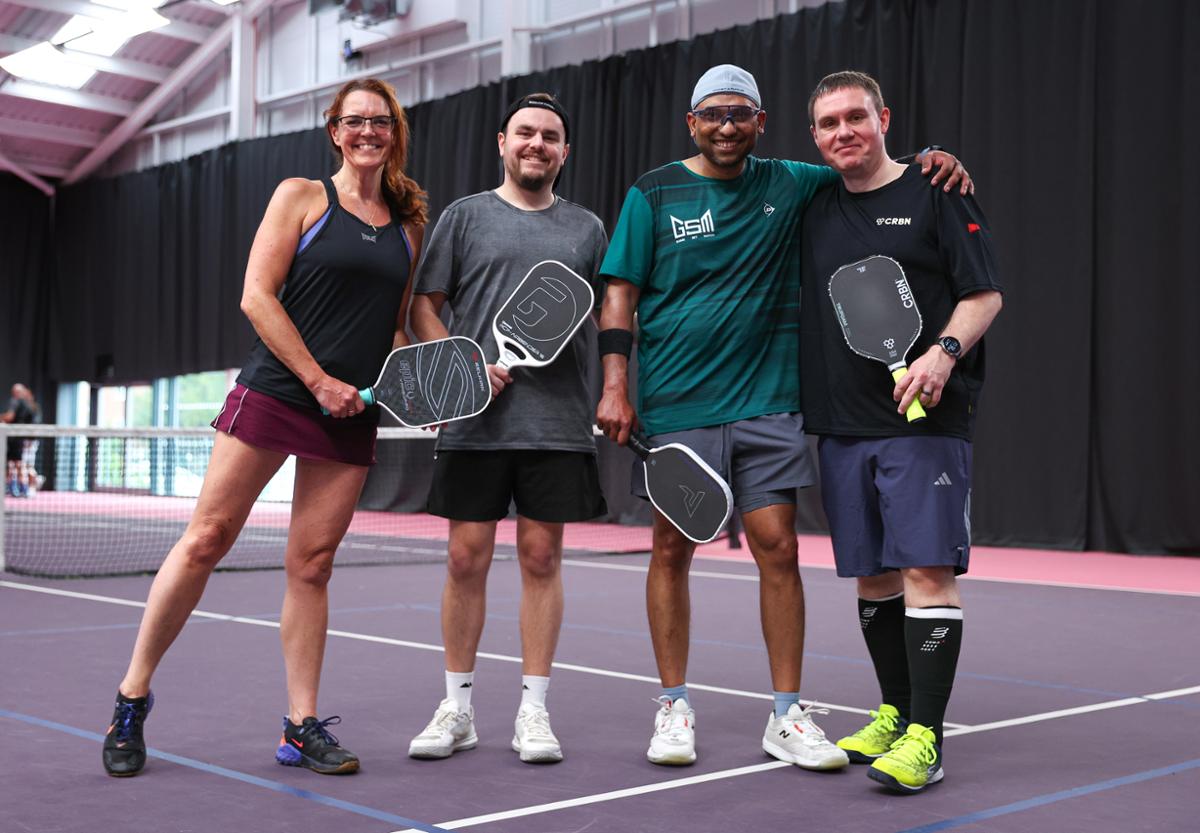
In the past year alone, we’ve seen a 79 per cent increase in registered members in the UK. We estimate that over 45,000 people now play pickleball regularly at nearly 1,000 venues across the country. The number of venues has grown in step with player demand – it’s truly an exciting time for the sport.
We’ve also seen explosive growth in competitive and social events. The appetite for leagues, festivals and tournaments has never been higher. Last year’s English Nationals attracted over 1,000 registrations, while the English Open welcomed more than 2,000 players – making it the largest pickleball event in Europe.
Doubles leagues are now running in every region, with some areas hosting multiple leagues due to high demand, while tournaments are being organised by both clubs and commercial providers across the country.
With official recognition from Sport England and Pickleball England confirmed as the National Governing Body, we’ve set an ambitious target: one million players by 2030.
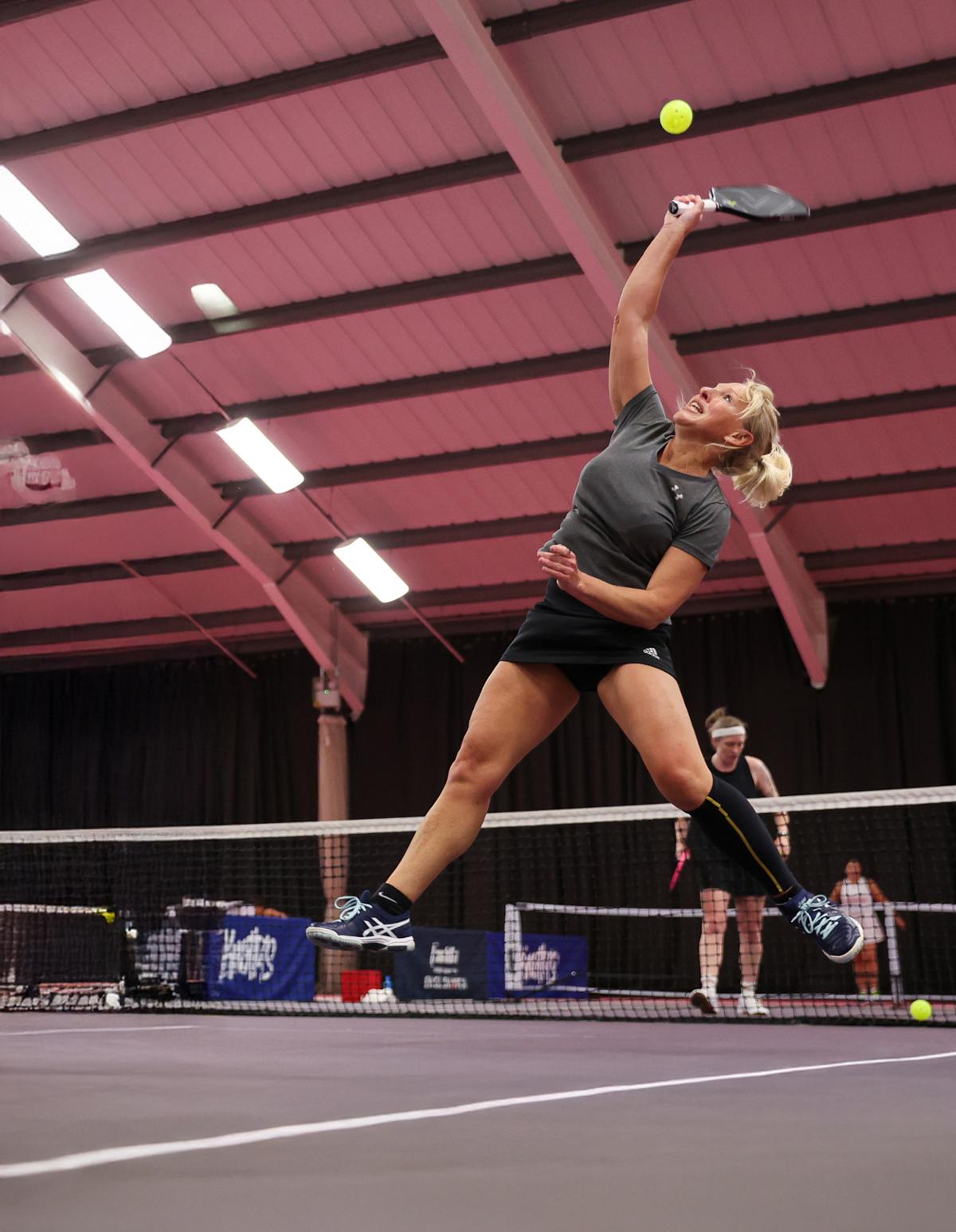
Pickleball appeals to a wide demographic – it’s accessible, easy to learn and enjoyable for all ages and fitness levels. It’s especially attractive to those seeking fun, low-impact social exercise.
Many players tell us it’s a great mental break from daily stress, encouraging recreational play and social interaction, which keeps people coming back. Pickleball can be played as a family, appealing to children, adults and grandparents. So if you want to attract a wider range of age groups, pickleball is perfect.
It delivers real physical benefits in a fun, social package. A 160-pound person can burn around 250 calories in 30 minutes of casual play – and up to 350 calories in a more intense session. For a 200-pound individual, those numbers rise to 350 and 475 calories, respectively.
On average, players rack up between 4,000-5,000 steps in an hour of casual play, and even more – up to 7,000 – when playing competitively. It’s a great cardiovascular workout that improves coordination, agility and mental wellbeing, all without being intimidating.
Since launching PbE, we’ve appointed regional directors to promote growth across every area of England. These directors are now supported by county representatives, forming a strong national network of local advocates. Over the next few years, we plan to expand this volunteer base even further at the county level to increase community reach and support.
A key part of our grassroots strategy is the development of the PbE Curriculum – a structured pathway designed to support and train new facilitators (or ‘activators’) who introduce the game in clubs, schools and communities.
The curriculum also supports the progression of those looking to become club-level coaches and we’re expanding it further to include performance coaching for more advanced players and competitive environments.
By providing high-quality training and clear development pathways, we’re helping ensure that pickleball is not only growing in numbers but also in quality, with knowledgeable, passionate people guiding its expansion at every level.
Karen Mitchell discovered pickleball in 2015 and quickly became hooked. Her passion for the game led her to co-found Pickleball England (PbE) in late 2018, with the organisation officially launching to the public in January 2019.
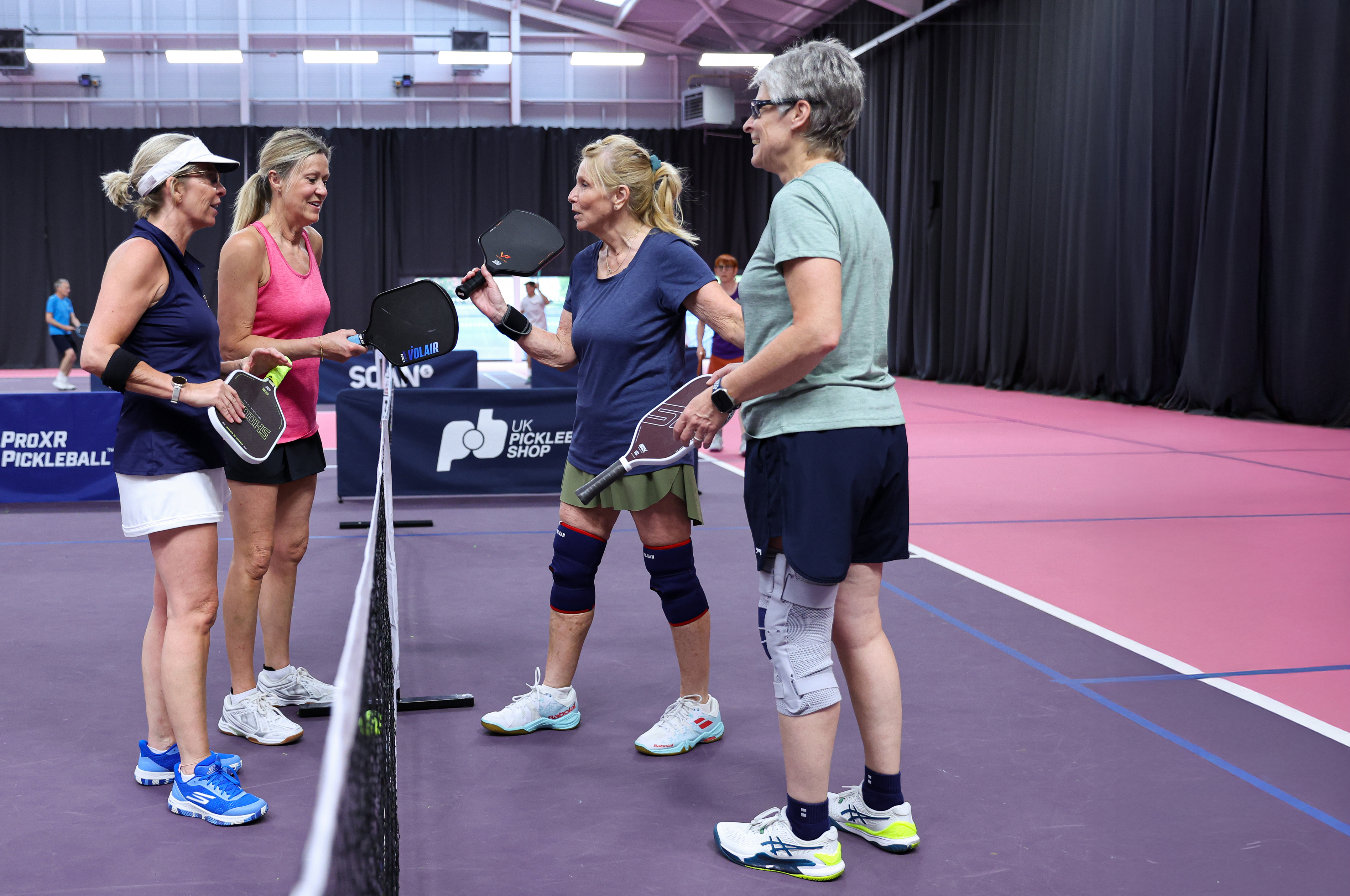
Pickleball is typically played on a badminton-sized court, with a recommended minimum of five feet of clearance around the perimeter.
Many dance studios or multi-use spaces can be repurposed for play, provided the flooring is hard and there’s a ceiling height of at least 15 feet to allow for the ball trajectory.
To get started, clubs need basic equipment – paddles, balls and a portable or fixed net – along with court lines. It’s also important to have trained facilitators who can guide new players. Pickleball England offers low-cost workshops (£50) across the country to train these individuals.
By offering pickleball, clubs can attract a more diverse member base, increase daytime usage, and provide a fun, inclusive activity that keeps members engaged and active.
Padel is traditionally played as doubles, while pickleball can be both singles and doubles.
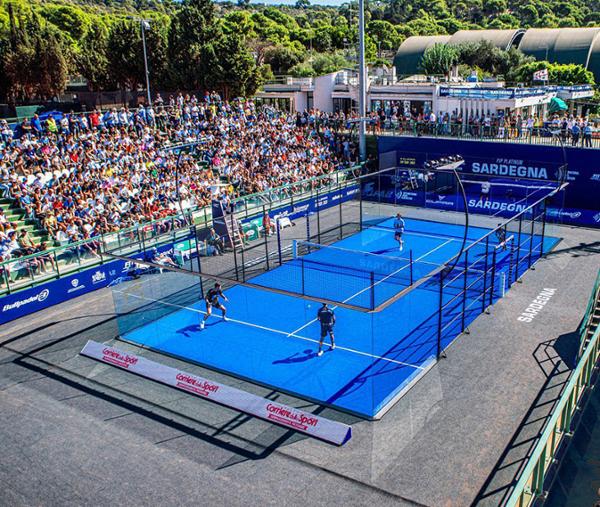
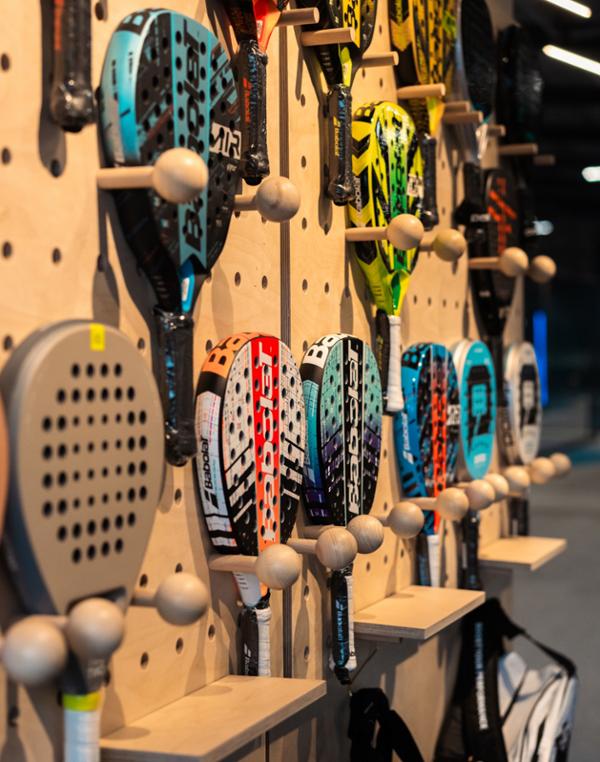
Padel courts are slightly bigger than pickleball courts. A padel court is 20m x 10m, while a pickleball court is 13.41m x 6.09m.
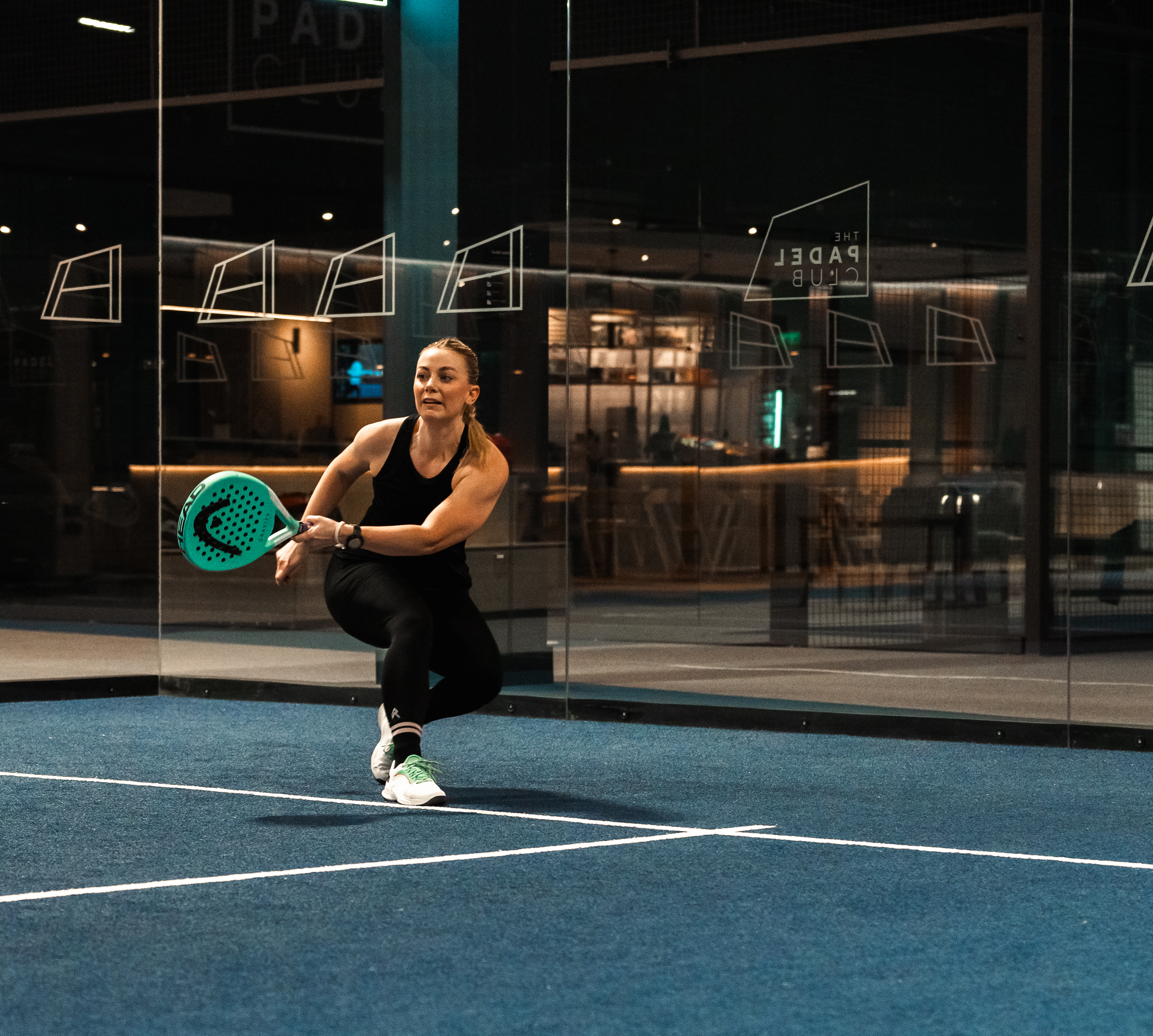
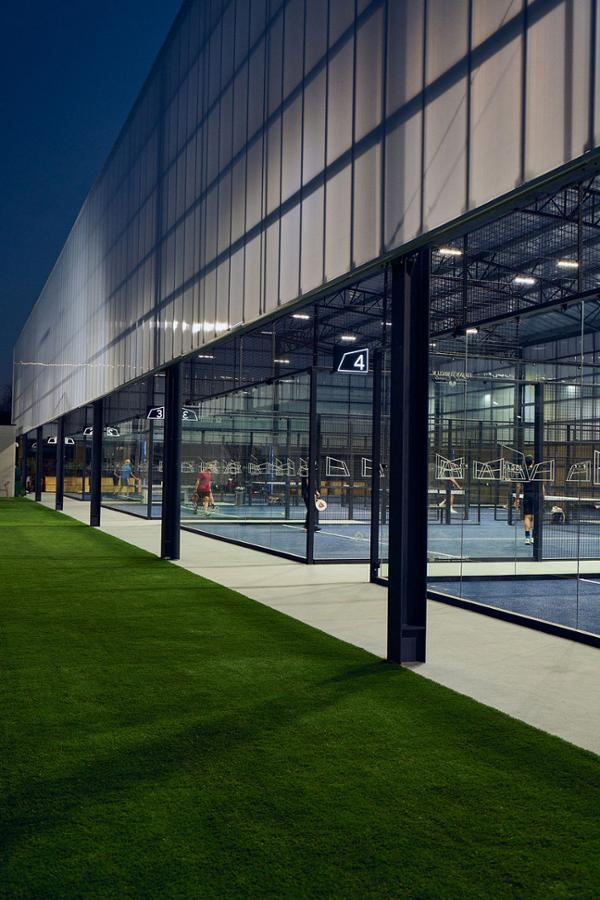
A padel court is surrounded by glass walls and a metal cage, and the walls can be used to play off. Pickleball courts are open
For play, padel uses a less pressurised tennis ball, while pickleball uses a plastic ball with between 26-40 holes for less bounce, making it an ideal sport for smaller courts and facilities.
International Padel Federation www.padelfip.com
Pickleball England www.pickleballengland.org
LTA Padel www.ltapadel.org.uk
The Padel Directory Powered by Vitality www.hcmmag.com/ThePadelDirectory
The Padel Book 2025 Powered by SAPCA and LTA Padel www.hcmmag.com/ThePadelBook25
Into the fitaverse

Ali Jawad

Hannes Sjöblad

Jamie Buck


Building on the blockchain

Bold move

Check your form


New reality

Sohail Rashid

Reverse Ageing

Going hybrid

Physical activity monitors boost activity levels

Two-way coaching

Laurent Petit

Adam Zeitsiff

Anantharaman Pattabiraman

Mike Hansen

