



GET FIT TECH
Sign up for the FREE digital edition of Fit Tech magazine and also get the Fit Tech ezine and breaking news email alerts.
Not right now, thanksclose this window I've already subscribed!
EGYM | Fit Tech promotion
features

Sports Technology: Technological revolution

From fan engagement apps to the array of gadgets designed to enhance performance and training techniques, technology is radically altering the face of sports. We look at some of the products at the heart of this revolution

Published in Sports Management Handbook 2014 issue 1

A Premier League manager uses DNA profiling to assess which of his players is most likely to pick up an injury and adjusts training sessions accordingly. A legend of the national football team receives a much-needed massage during play from the shirt he is wearing. And sitting in the stadium, a fan uses his mobile phone to not only purchase a seat upgrade, but also book a once-in-a-lifetime experience out on the field of play.

These are not visions of the future but are all things that are happening now. Combined with a plethora of other developments, they represent the leading edge of how technology is changing the way sport is played, analysed, coached and watched. And they are not just applicable to the top echelons of the sporting world – but to all varieties of amateurs, fitness enthusiasts and fans.

Unlocking performance potential
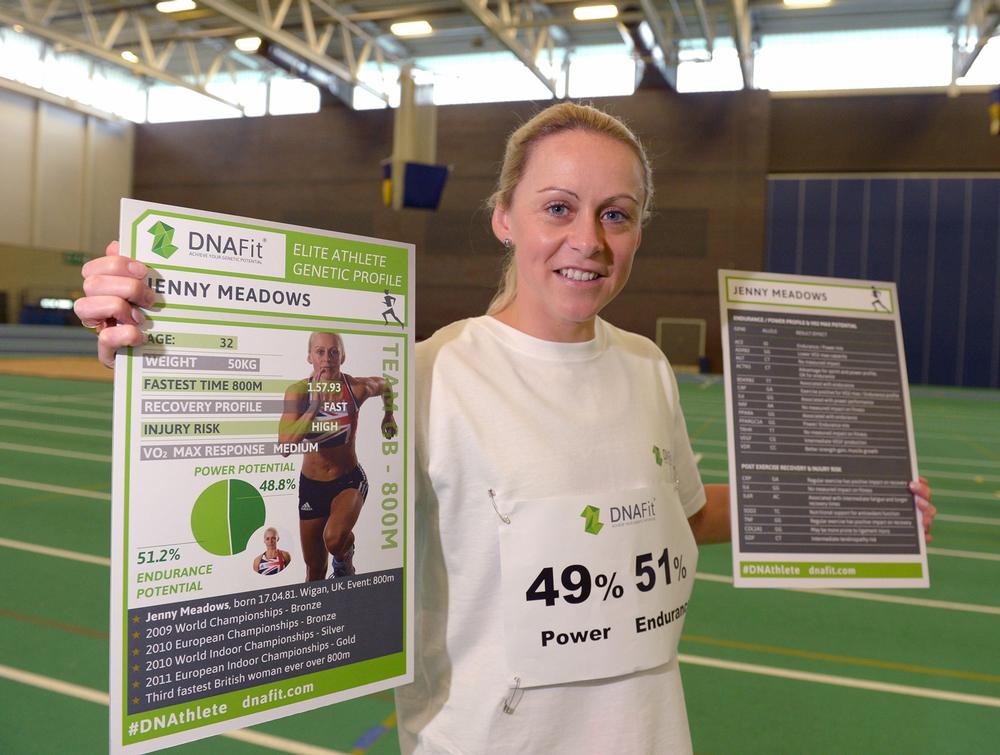
Professional sports coaches and managers have long used statistical analysis to inform their decisions, but new technologies are revolutionising the process to offer a means of predicting anything from injuries to the outcomes of games. UK-based company DNAFit is pioneering a DNA test which analyses genes linked to areas of sporting performance, with the idea of creating a unique training and nutritional programme for an athlete’s individual genetic profile.

After taking swabs from the athletes’ mouths, the company conducts a specially-developed test of the DNA to assess key sporting areas such as power, endurance, speed of recovery and susceptibility to injury. The test also provides information on tolerance to various food types such as carbohydrates and saturated fats.

Two anonymous English Premier League clubs and a top European football club have reportedly used DNAFit’s test to discover the best training methods for individual footballers and assess who are the most likely candidates to pick up an injury. The product is also available to complete beginners, allowing anyone to match their results against the professional athletes who've made their results public.

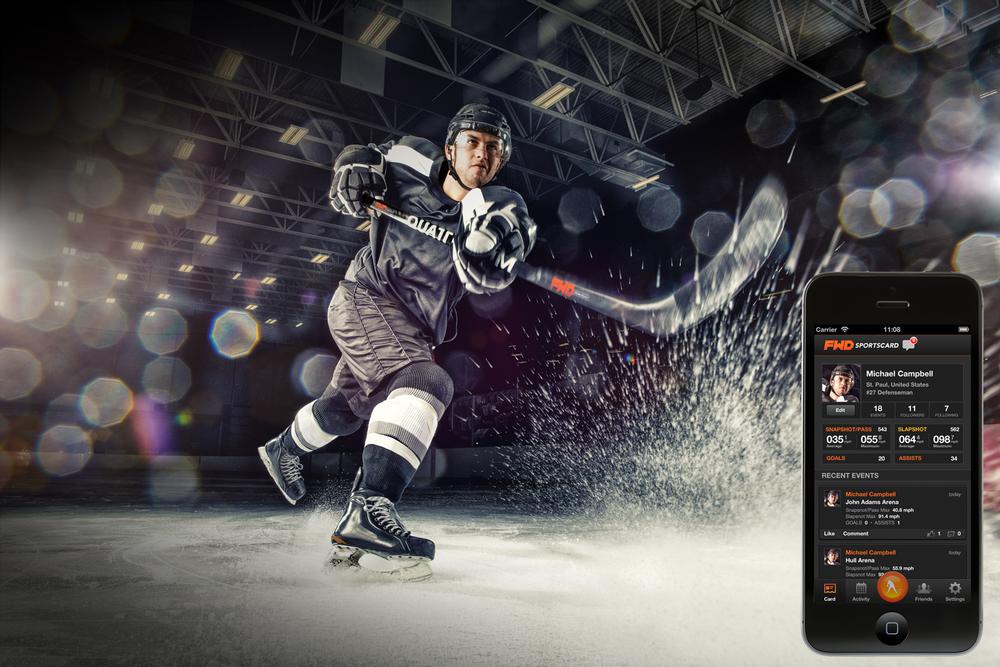
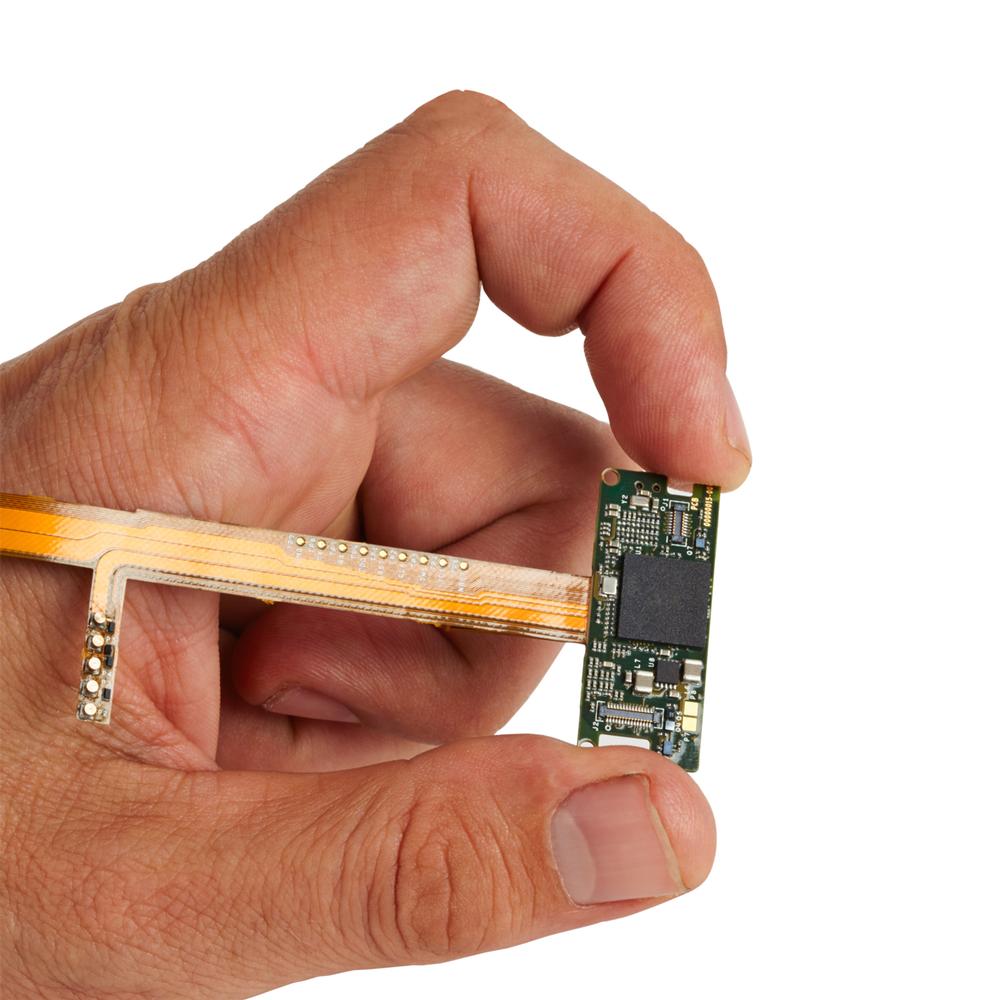
Canada’s Quattriuum has developed a completely different type of technology but has also made it available to players of all abilities. FWD Powershot is a sensor that fits in the end of an ice hockey stick, allowing its user to measure different aspects of their performance and potentially improve their power or form.

The FWD features a high-performance miniaturised platform incorporated into the device to process algorithms used to detect and analyse complex movements, resulting in players being able to collect data related to the acceleration and speed of the stick, the angles and duration of movement, as well as the speed of the stick’s rotation.

The seven-inch long sensor weighs only 50 grams – so does not add a significant bulk to a player’s stick. It works via bluetooth connection, and Quattriuum has released a mobile app called FWD Sportscard that records statistics on up to 1,000 shots, with a range of 10 metres. The FWD is also linked to social networks, meaning users can also compare stats with other players around the world.

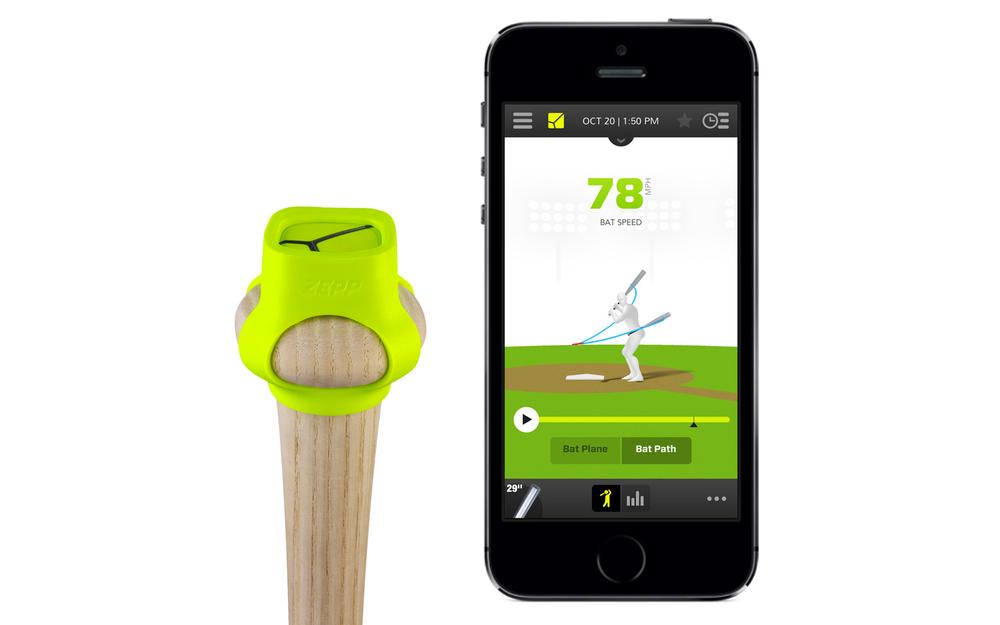
In a similar vein, US startup company Zepp has developed its own sensor to measure the movements of baseball, golf and tennis players' actions. The one-inch sensor attaches to the various pieces of equipment used in the sports and tracks a number of metrics, with the data transferred to apps on Android or iOS devices. The information it provides can then be used to target areas for improvement, offering players and coaches the chance to observe, assess and manipulate data to adjust training regimes.

Track and improve
These sensors are among an ever-increasing array of products able to gather data with the aim of improving performance – whether they are wearable on the wrist, wrapped around an arm, embedded in a shirt or placed in running shoes, or in the above cases, a hockey stick or golf club.

The field is growing at such a rate that many technology giants are taking a real interest. Both Apple and Samsung have unveiled activity and fitness tracking platforms, which would be available to customers of all levels of ability and aim to bring a range of information together into one space to create a complete profile of a user’s health and fitness.

Apple’s Healthkit tracker comes with a user-facing app called Health, and will feature a number of high-profile collaborations with companies such as Nike. It is also working with renowned US health provider Mayo Clinic to integrate medical information via the new platform, which will be part of its new operating system iOS 8 for both iPhones and iPads.

“Developers have created a vast array of healthcare devices and accompanying applications – everything from monitoring your activity level, to your heart rate, to your weight, as well as chronic medical conditions like high blood pressure and diabetes,” said Craig Federighi, Apple's senior vice president of software engineering in June 2014. “But up until now the information gathered by those applications lives in silos. So far you haven't been able to get a single, comprehensive picture of your health situation.

"But now you can. HealthKit provides a single place that applications can contribute to a composite profile of your activity and health.”

Samsung has unveiled a prototype wristband, Simband, and the technology platform Sami (Samsung Architecture Multimedia Interactions). Simband will likely feature wi-fi and Bluetooth connectivity, while Sami would serve as a cloud-based system to store all of the collected information. Using a number of digital display systems, Sami would then be able to present its user with a number of different readings related to their health and fitness.

The company hopes to have a beta version of both the Simband and the resulting digital interfaces used for Sami by the end of 2014, in order to give other developers the chance to help progress ideas toward collecting and sharing health-related data.

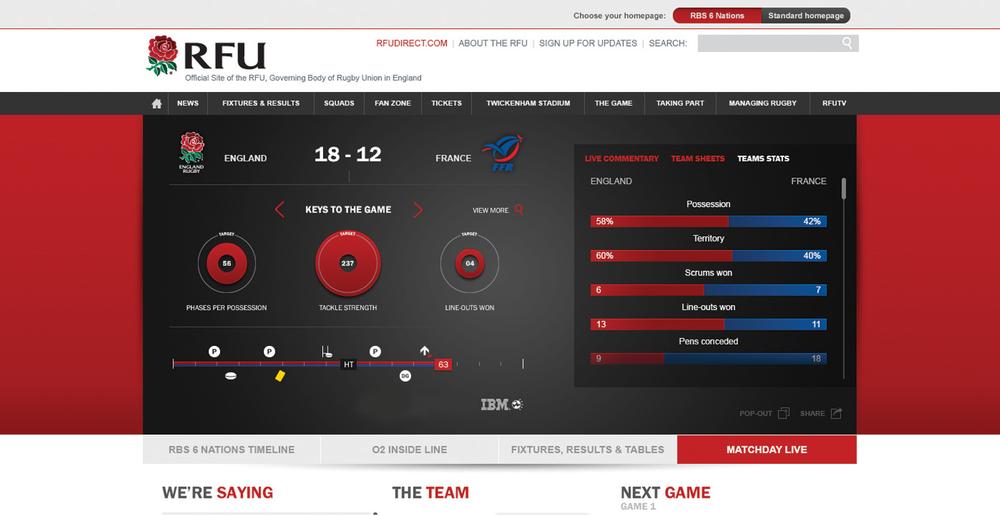
Another big player, computer giant IBM, is focused on developing predictive analytics to aid predicting the outcomes of games. It's developed a tracking system designed to forecast who is most likely to win tennis matches. IBM's SlamTracker combines 39m data points gathered from seven years of Grand Slam tennis matches to determine each player’s pattern of play.

Used at the 2013 and 2014 Wimbledon Championships, footage was taken from 3D cameras placed around the court as games were played to monitor how players were performing. The research data was then compared with footage to establish critical aspects of play that could help to determine the winner of the game. A similar system was tested during rugby’s Six Nations tournament, and IBM has also been using its predictive analytics software in the English Premier League, where games featuring three top teams have been monitored.

The IBM system has the additional benefit of enhancing fan engagement, with fans able to observe a range of stats and metrics while games are played live. For this reason, the system has been put into operation on governing body the Rugby Football Union’s website. Similarly, the player-specific data that is obtained through devices such as Zepp and the FWD Powershot could potentially be used to supply viewers or commentators with more detailed information and analysis.

Fan engagement and participation
New technologies designed to improve the fan experience cover more than just data analysis, however. Australia-headquartered Wearable Experiments (We:eX) has developed a shirt which enables fans to experience the same sensory sensations as athletes in real-time during games and contests.

The Alert Shirt receives real-time sports data transmitted via a Bluetooth smartphone app to a set of electronics embedded within the jersey. It then converts this data into powerful sensations that simulate live sports action, allowing fans to gain a sensual experience based on what is happening to sportspeople during an event.

“Wearable technology must be intuitive and seamless within our daily lives, enhancing our life experience while connecting us to other people and the world," says Billie Whitehouse, designer and director at We:eX. Our new product is a major first step in the right direction. Alert Shirt is about connecting humans across vast distances and bringing the emotions, frustrations and joys of the active game to life in a way that we've never been able to experience."

The shirt could, for an example, feature the latest sensation that professional footballers are experiencing – an in-game “micro massage”. In manufacturing shirts for Italy’s national team to wear at the 2014 World Cup, Puma added micro-massage taping laced into the fabric to “provide players with a faster, more effective energy supply to the active muscles”. It is another example, though, of a technology that could easily filter down to the general consumer market.

Elsewhere, apps provide an ideal platform for sports teams to engage with their fans because they are easy to use, are mobile and have a vast potential user database. One obvious method of using an app is to enhance fans’ social experience during game play. Professional rugby club Newcastle Falcons has done just that by partnering with local technology company Spontly, producing an app that enables fans to take photos and post commentary during a match which will be instantly available online.

A major stumbling block for such apps though is stadium connectivity. To get round this, Spontly says it uses compression techniques and an outbox function that stores and then sends the posts in the background as and when there is a connection, therefore relying more on 3G than a wi-fi connection.

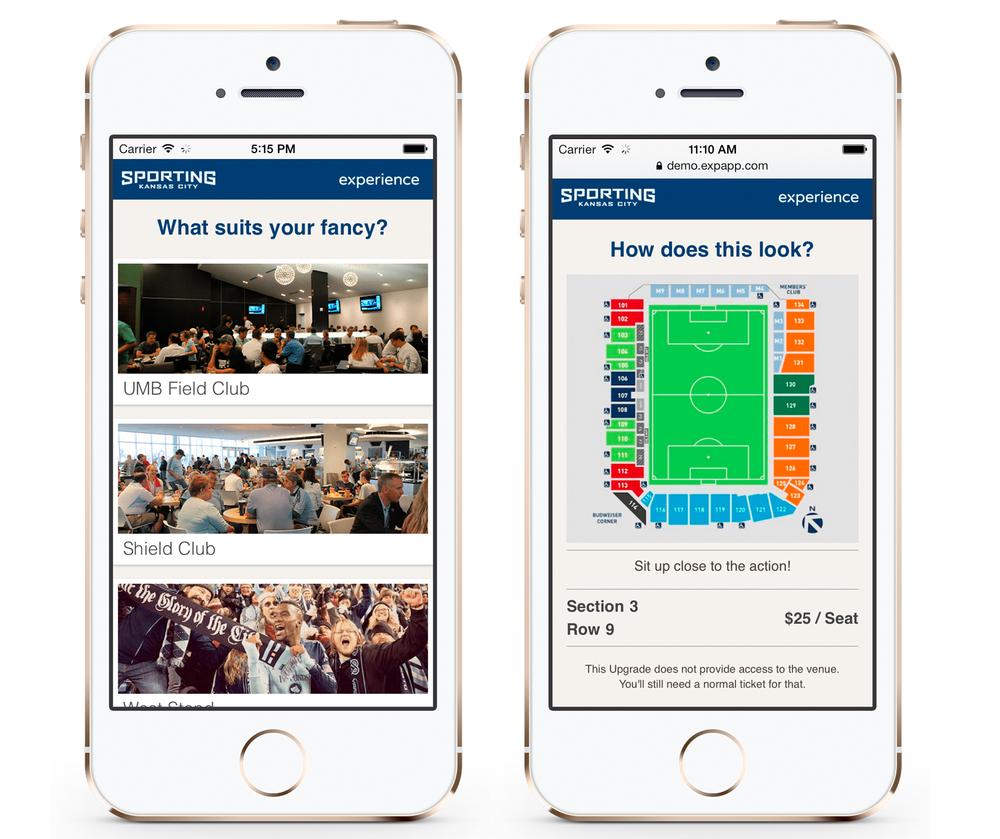
US company Experience has taken the use of apps a step further. The company will implement technology for Major League Soccer club Sporting Kansas City offering fans the chance to purchase seat upgrades and one-of-a-kind experiences – such as attending player meet and greets at the team’s Sporting Park – from their mobile devices.

The technology will be integrated into the existing Sporting Club Uphoria mobile application for iOS and Android, which offers video highlights and live stats among other features. In addition to the fan benefits, the tool also captures data and integrates with customer relationship management systems, allowing the sports teams to make marketing decisions in real-time and provide more focused offerings to fans.

Other apps focus directly on encouraging participation in sports, helping teams or local clubs find new members, matching game opponents or training partners, or discovering other enthusiasts to cover for injured teammates. For example, Canadian software company Geosports has developed an app specifically designed to try and increase participation in sport. It allows users to advertise the sport they want to practice, along with the time and date that they are available, with a notification being sent out to other users with the same interest near to their chosen location.

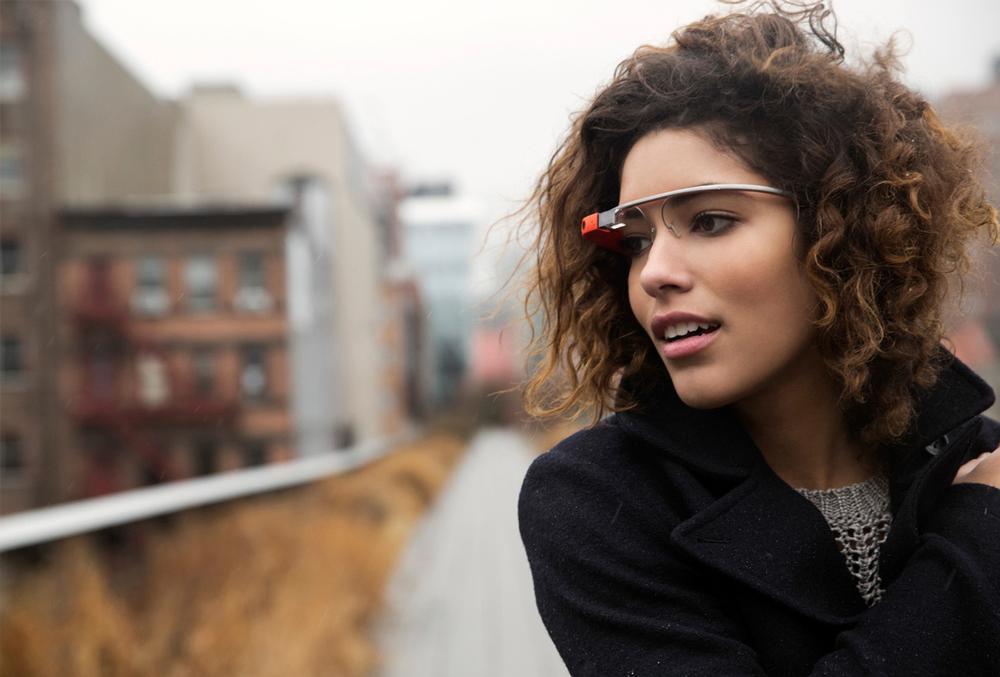
Finally, augmented reality has the potential to completely transform the way fans experience sports events. Google Glass, with its small heads up display, could offer the fan all sorts of information during a game, from stats, news and videos to presenting directions to the venue and to their seats, as well as pricing and special offers for merchandise or food.

NBA basketball team the Orlando Magic utilised Google Glass technology for a game against the Brooklyn Nets during the 2013-14 season. Fitting two players, broadcasters and the mascot, Stuff, with Google Glass eyewear, their varying perspectives of the in-game experience were captured in real-time and projected on a high-definition video board at the team’s Amway Center arena, using CrowdOptic’s software platform. This gave fans a unique insight into game day events, and the team is currently exploring ways to incorporate the technology at other games next season.

A device such as Avegant Glyph’s Virtual Retina Display has the potential to take the fan experience even further. With this headset, an image is created when a low-powered colour LED is reflected onto an array of two million micromirrors, which shape the light into a two-dimensional image that is beamed straight onto the wearer's retina. In theory, this offers the chance to experience a sport as if sitting in the front row, with a 45 degree field of view, no TV outline, head tracking capabilities, and built-in audio, all delivered via a streaming media application.

It is still early days for such technology but the possibilities are numerous.

Facility-based improvements
Another major strand to the integration of technology into the sports industry is in managing the stadiums and facilities that the sports are played in. A good example of this is Dutch football club AFC Ajax’s home, The Amsterdam ArenA. A contract with the Municipality of Amsterdam was signed in April 2014 which will facilitate the use of tablets and smartphones in the stadium and implement new methods of crowd management around the arena.

In the coming years the stadium will also innovate the use of energy grids, improved connectivity and the use of applications for visitors attending the venue and its surrounding areas.

Ajax’s home stadium will also become a testing ground for new tech innovations and ideas, with stadium owners Ajax pushing forward with the formation of an onsite "Living Lab".

The logic behind the idea will allow for companies to test their inventions and ideas, with successful creations being promoted by the stadium and its partners for application in other venues and recreational sites across the world.

Although these developments all appear positive, crowd management techniques can be a controversial issue. The use of face recognition technology, for an example, is already being used to monitor sports fans – as well as identify "known troublemakers" – at the gates of stadiums – and is becoming more prominent.

Already in use in the US, South America and Germany, the technology is used to scan and save the images of people entering grounds, with the data being stored on a country-wide database.

Although there may be concerns about a possible invasion of privacy, the aim of using such technology to eradicate sports-related violence and troublesome fans is a noble one, and neatly illustrates the sheer variety of uses for new technology in sport. The revolution is only just beginning.
Sign up here to get Fit Tech's weekly ezine and every issue of Fit Tech magazine free on digital.
Gallery
More features
Editor's letter

Into the fitaverse

Fitness is already among the top three markets in the metaverse, with new technology and partnerships driving real growth and consumer engagement that looks likely to spill over into health clubs, gyms and studios
Fit Tech people

Ali Jawad

Paralympic powerlifter and founder, Accessercise
Users can easily identify which facilities in the UK are accessible to the disabled community
Fit Tech people

Hannes Sjöblad

MD, DSruptive
We want to give our users an implantable tool that allows them to collect their health data at any time and in any setting
Fit Tech people

Jamie Buck

Co-founder, Active in Time
We created a solution called AiT Voice, which turns digital data into a spoken audio timetable that connects to phone systems
Profile

Fahad Alhagbani: reinventing fitness

Let’s live in the future to improve today
Opinion

Building on the blockchain

For small sports teams looking to compete with giants, blockchain can be a secret weapon explains Lars Rensing, CEO of Protokol
Innovation

Bold move

We ended up raising US$7m in venture capital from incredible investors, including Andreessen Horowitz, Khosla Ventures, Primetime Partners, and GingerBread Capital
App analysis

Check your form

Sency’s motion analysis technology is allowing users to check their technique as they exercise. Co-founder and CEO Gal Rotman explains how
Profile

New reality

Sam Cole, CEO of FitXR, talks to Fit Tech about taking digital workouts to the next level, with an immersive, virtual reality fitness club
Profile

Sohail Rashid

The app is free and it’s $40 to participate in one of our virtual events
Ageing

Reverse Ageing

Many apps help people track their health, but Humanity founders Peter Ward and Michael Geer have put the focus on ageing, to help users to see the direct repercussions of their habits. They talk to Steph Eaves
App analysis

Going hybrid

Workout Anytime created its app in partnership with Virtuagym. Workout Anytime’s Greg Maurer and Virtuagym’s Hugo Braam explain the process behind its creation
Research

Physical activity monitors boost activity levels

Researchers at the University of Copenhagen have conducted a meta analysis of all relevant research and found that the body of evidence shows an impact
Editor's letter

Two-way coaching

Content providers have been hugely active in the fit tech market since the start of the pandemic. We expect the industry to move on from delivering these services on a ‘broadcast-only’ basis as two-way coaching becomes the new USP
Fit Tech People

Laurent Petit

Co-founder, Active Giving
The future of sports and fitness are dependent on the climate. Our goal is to positively influence the future of our planet by instilling a global vision of wellbeing and a sense of collective action
Fit Tech People

Adam Zeitsiff

CEO, Intelivideo
We don’t just create the technology and bail – we support our clients’ ongoing hybridisation efforts
Fit Tech People

Anantharaman Pattabiraman

CEO and co-founder, Auro
When you’re undertaking fitness activities, unless you’re on a stationary bike, in most cases it’s not safe or necessary to be tied to a screen, especially a small screen
Fit Tech People

Mike Hansen

Managing partner, Endorphinz
We noticed a big gap in the market – customers needed better insights but also recommendations on what to do, whether that be customer acquisition, content creation, marketing and more
More features
Panatta's mission is to create machines that are aesthetically pleasing, functional and competitive in price ...
CoverMe Fitness, an app for seamless, on-demand management and cover solutions for sports and fitness ...
22-23 Sep 2026
Four Seasons Hotel Bangkok at Chao Phraya River, Bangkok , Thailand
Panatta's mission is to create machines that are aesthetically pleasing, functional and competitive in price ...
CoverMe Fitness, an app for seamless, on-demand management and cover solutions for sports and fitness ...
Get Fit Tech
Sign up for the free Fit Tech ezine and breaking news alerts
Sign up
22-23 Sep 2026
Four Seasons Hotel Bangkok at Chao Phraya River, Bangkok , Thailand

latest fit tech news

Longevitix, a clinical platform for preventive and longevity medicine, has launched its AI-powered intelligence system to help physicians deliver continuous, ...
news • 08 Jun 2026

Fitness First UK is integrating red light therapy into its yoga and Pilates classes through a partnership with Bon Charge. ...
news • 08 Jun 2026
PureGym is encouraging people to step away from their screens and go for a walk, in a new initiative timed ...
news • 29 May 2026
Active people app, Strava, has overhauled its strength training experience, allowing gym-goers to automatically log and share their lifts from ...
news • 27 May 2026

Fitness First UK is embracing digital wellness technology by installing Kip’s tap-to-activate phone controls across its UK estate. Kip tags ...
news • 22 May 2026
The world’s first awareness ring has been launched. Designed to promote presence, focus and calm via gentle haptic vibrations, the ...
news • 13 May 2026
Center Parcs’ Aqua Sana Forest Spa, Woburn Forest, UK, has transformed an unused space into a touchless wellness area called ...
news • 12 May 2026
Gharieni Group has launched a new company, Cobotics Innovations, to create automated wellness experiences. The first solution is a robotic ...
product innovation • 07 May 2026

US-based robotics wellness company Aescape Inc has entered insolvency proceedings following the sale of substantially all of its ...

news • 06 May 2026
Fitness platform, Zing Coach, has teamed up with Les Mills, in a partnership that gives its users access to group ...
news • 23 Apr 2026
More fit tech news
features

Sports Technology: Technological revolution

From fan engagement apps to the array of gadgets designed to enhance performance and training techniques, technology is radically altering the face of sports. We look at some of the products at the heart of this revolution

Published in Sports Management Handbook 2014 issue 1

A Premier League manager uses DNA profiling to assess which of his players is most likely to pick up an injury and adjusts training sessions accordingly. A legend of the national football team receives a much-needed massage during play from the shirt he is wearing. And sitting in the stadium, a fan uses his mobile phone to not only purchase a seat upgrade, but also book a once-in-a-lifetime experience out on the field of play.

These are not visions of the future but are all things that are happening now. Combined with a plethora of other developments, they represent the leading edge of how technology is changing the way sport is played, analysed, coached and watched. And they are not just applicable to the top echelons of the sporting world – but to all varieties of amateurs, fitness enthusiasts and fans.

Unlocking performance potential
Professional sports coaches and managers have long used statistical analysis to inform their decisions, but new technologies are revolutionising the process to offer a means of predicting anything from injuries to the outcomes of games. UK-based company DNAFit is pioneering a DNA test which analyses genes linked to areas of sporting performance, with the idea of creating a unique training and nutritional programme for an athlete’s individual genetic profile.

After taking swabs from the athletes’ mouths, the company conducts a specially-developed test of the DNA to assess key sporting areas such as power, endurance, speed of recovery and susceptibility to injury. The test also provides information on tolerance to various food types such as carbohydrates and saturated fats.

Two anonymous English Premier League clubs and a top European football club have reportedly used DNAFit’s test to discover the best training methods for individual footballers and assess who are the most likely candidates to pick up an injury. The product is also available to complete beginners, allowing anyone to match their results against the professional athletes who've made their results public.

Canada’s Quattriuum has developed a completely different type of technology but has also made it available to players of all abilities. FWD Powershot is a sensor that fits in the end of an ice hockey stick, allowing its user to measure different aspects of their performance and potentially improve their power or form.

The FWD features a high-performance miniaturised platform incorporated into the device to process algorithms used to detect and analyse complex movements, resulting in players being able to collect data related to the acceleration and speed of the stick, the angles and duration of movement, as well as the speed of the stick’s rotation.

The seven-inch long sensor weighs only 50 grams – so does not add a significant bulk to a player’s stick. It works via bluetooth connection, and Quattriuum has released a mobile app called FWD Sportscard that records statistics on up to 1,000 shots, with a range of 10 metres. The FWD is also linked to social networks, meaning users can also compare stats with other players around the world.

In a similar vein, US startup company Zepp has developed its own sensor to measure the movements of baseball, golf and tennis players' actions. The one-inch sensor attaches to the various pieces of equipment used in the sports and tracks a number of metrics, with the data transferred to apps on Android or iOS devices. The information it provides can then be used to target areas for improvement, offering players and coaches the chance to observe, assess and manipulate data to adjust training regimes.

Track and improve
These sensors are among an ever-increasing array of products able to gather data with the aim of improving performance – whether they are wearable on the wrist, wrapped around an arm, embedded in a shirt or placed in running shoes, or in the above cases, a hockey stick or golf club.

The field is growing at such a rate that many technology giants are taking a real interest. Both Apple and Samsung have unveiled activity and fitness tracking platforms, which would be available to customers of all levels of ability and aim to bring a range of information together into one space to create a complete profile of a user’s health and fitness.

Apple’s Healthkit tracker comes with a user-facing app called Health, and will feature a number of high-profile collaborations with companies such as Nike. It is also working with renowned US health provider Mayo Clinic to integrate medical information via the new platform, which will be part of its new operating system iOS 8 for both iPhones and iPads.

“Developers have created a vast array of healthcare devices and accompanying applications – everything from monitoring your activity level, to your heart rate, to your weight, as well as chronic medical conditions like high blood pressure and diabetes,” said Craig Federighi, Apple's senior vice president of software engineering in June 2014. “But up until now the information gathered by those applications lives in silos. So far you haven't been able to get a single, comprehensive picture of your health situation.

"But now you can. HealthKit provides a single place that applications can contribute to a composite profile of your activity and health.”

Samsung has unveiled a prototype wristband, Simband, and the technology platform Sami (Samsung Architecture Multimedia Interactions). Simband will likely feature wi-fi and Bluetooth connectivity, while Sami would serve as a cloud-based system to store all of the collected information. Using a number of digital display systems, Sami would then be able to present its user with a number of different readings related to their health and fitness.

The company hopes to have a beta version of both the Simband and the resulting digital interfaces used for Sami by the end of 2014, in order to give other developers the chance to help progress ideas toward collecting and sharing health-related data.

Another big player, computer giant IBM, is focused on developing predictive analytics to aid predicting the outcomes of games. It's developed a tracking system designed to forecast who is most likely to win tennis matches. IBM's SlamTracker combines 39m data points gathered from seven years of Grand Slam tennis matches to determine each player’s pattern of play.

Used at the 2013 and 2014 Wimbledon Championships, footage was taken from 3D cameras placed around the court as games were played to monitor how players were performing. The research data was then compared with footage to establish critical aspects of play that could help to determine the winner of the game. A similar system was tested during rugby’s Six Nations tournament, and IBM has also been using its predictive analytics software in the English Premier League, where games featuring three top teams have been monitored.

The IBM system has the additional benefit of enhancing fan engagement, with fans able to observe a range of stats and metrics while games are played live. For this reason, the system has been put into operation on governing body the Rugby Football Union’s website. Similarly, the player-specific data that is obtained through devices such as Zepp and the FWD Powershot could potentially be used to supply viewers or commentators with more detailed information and analysis.

Fan engagement and participation
New technologies designed to improve the fan experience cover more than just data analysis, however. Australia-headquartered Wearable Experiments (We:eX) has developed a shirt which enables fans to experience the same sensory sensations as athletes in real-time during games and contests.

The Alert Shirt receives real-time sports data transmitted via a Bluetooth smartphone app to a set of electronics embedded within the jersey. It then converts this data into powerful sensations that simulate live sports action, allowing fans to gain a sensual experience based on what is happening to sportspeople during an event.

“Wearable technology must be intuitive and seamless within our daily lives, enhancing our life experience while connecting us to other people and the world," says Billie Whitehouse, designer and director at We:eX. Our new product is a major first step in the right direction. Alert Shirt is about connecting humans across vast distances and bringing the emotions, frustrations and joys of the active game to life in a way that we've never been able to experience."

The shirt could, for an example, feature the latest sensation that professional footballers are experiencing – an in-game “micro massage”. In manufacturing shirts for Italy’s national team to wear at the 2014 World Cup, Puma added micro-massage taping laced into the fabric to “provide players with a faster, more effective energy supply to the active muscles”. It is another example, though, of a technology that could easily filter down to the general consumer market.

Elsewhere, apps provide an ideal platform for sports teams to engage with their fans because they are easy to use, are mobile and have a vast potential user database. One obvious method of using an app is to enhance fans’ social experience during game play. Professional rugby club Newcastle Falcons has done just that by partnering with local technology company Spontly, producing an app that enables fans to take photos and post commentary during a match which will be instantly available online.

A major stumbling block for such apps though is stadium connectivity. To get round this, Spontly says it uses compression techniques and an outbox function that stores and then sends the posts in the background as and when there is a connection, therefore relying more on 3G than a wi-fi connection.

US company Experience has taken the use of apps a step further. The company will implement technology for Major League Soccer club Sporting Kansas City offering fans the chance to purchase seat upgrades and one-of-a-kind experiences – such as attending player meet and greets at the team’s Sporting Park – from their mobile devices.

The technology will be integrated into the existing Sporting Club Uphoria mobile application for iOS and Android, which offers video highlights and live stats among other features. In addition to the fan benefits, the tool also captures data and integrates with customer relationship management systems, allowing the sports teams to make marketing decisions in real-time and provide more focused offerings to fans.

Other apps focus directly on encouraging participation in sports, helping teams or local clubs find new members, matching game opponents or training partners, or discovering other enthusiasts to cover for injured teammates. For example, Canadian software company Geosports has developed an app specifically designed to try and increase participation in sport. It allows users to advertise the sport they want to practice, along with the time and date that they are available, with a notification being sent out to other users with the same interest near to their chosen location.

Finally, augmented reality has the potential to completely transform the way fans experience sports events. Google Glass, with its small heads up display, could offer the fan all sorts of information during a game, from stats, news and videos to presenting directions to the venue and to their seats, as well as pricing and special offers for merchandise or food.

NBA basketball team the Orlando Magic utilised Google Glass technology for a game against the Brooklyn Nets during the 2013-14 season. Fitting two players, broadcasters and the mascot, Stuff, with Google Glass eyewear, their varying perspectives of the in-game experience were captured in real-time and projected on a high-definition video board at the team’s Amway Center arena, using CrowdOptic’s software platform. This gave fans a unique insight into game day events, and the team is currently exploring ways to incorporate the technology at other games next season.

A device such as Avegant Glyph’s Virtual Retina Display has the potential to take the fan experience even further. With this headset, an image is created when a low-powered colour LED is reflected onto an array of two million micromirrors, which shape the light into a two-dimensional image that is beamed straight onto the wearer's retina. In theory, this offers the chance to experience a sport as if sitting in the front row, with a 45 degree field of view, no TV outline, head tracking capabilities, and built-in audio, all delivered via a streaming media application.

It is still early days for such technology but the possibilities are numerous.

Facility-based improvements
Another major strand to the integration of technology into the sports industry is in managing the stadiums and facilities that the sports are played in. A good example of this is Dutch football club AFC Ajax’s home, The Amsterdam ArenA. A contract with the Municipality of Amsterdam was signed in April 2014 which will facilitate the use of tablets and smartphones in the stadium and implement new methods of crowd management around the arena.

In the coming years the stadium will also innovate the use of energy grids, improved connectivity and the use of applications for visitors attending the venue and its surrounding areas.

Ajax’s home stadium will also become a testing ground for new tech innovations and ideas, with stadium owners Ajax pushing forward with the formation of an onsite "Living Lab".

The logic behind the idea will allow for companies to test their inventions and ideas, with successful creations being promoted by the stadium and its partners for application in other venues and recreational sites across the world.

Although these developments all appear positive, crowd management techniques can be a controversial issue. The use of face recognition technology, for an example, is already being used to monitor sports fans – as well as identify "known troublemakers" – at the gates of stadiums – and is becoming more prominent.

Already in use in the US, South America and Germany, the technology is used to scan and save the images of people entering grounds, with the data being stored on a country-wide database.

Although there may be concerns about a possible invasion of privacy, the aim of using such technology to eradicate sports-related violence and troublesome fans is a noble one, and neatly illustrates the sheer variety of uses for new technology in sport. The revolution is only just beginning.
Sign up here to get Fit Tech's weekly ezine and every issue of Fit Tech magazine free on digital.

Gallery
More features
Editor's letter

Into the fitaverse

Fitness is already among the top three markets in the metaverse, with new technology and partnerships driving real growth and consumer engagement that looks likely to spill over into health clubs, gyms and studios
Fit Tech people

Ali Jawad

Paralympic powerlifter and founder, Accessercise
Users can easily identify which facilities in the UK are accessible to the disabled community
Fit Tech people

Hannes Sjöblad

MD, DSruptive
We want to give our users an implantable tool that allows them to collect their health data at any time and in any setting
Fit Tech people

Jamie Buck

Co-founder, Active in Time
We created a solution called AiT Voice, which turns digital data into a spoken audio timetable that connects to phone systems
Profile

Fahad Alhagbani: reinventing fitness

Let’s live in the future to improve today
Opinion

Building on the blockchain

For small sports teams looking to compete with giants, blockchain can be a secret weapon explains Lars Rensing, CEO of Protokol
Innovation

Bold move

We ended up raising US$7m in venture capital from incredible investors, including Andreessen Horowitz, Khosla Ventures, Primetime Partners, and GingerBread Capital
App analysis

Check your form

Sency’s motion analysis technology is allowing users to check their technique as they exercise. Co-founder and CEO Gal Rotman explains how
Profile

New reality

Sam Cole, CEO of FitXR, talks to Fit Tech about taking digital workouts to the next level, with an immersive, virtual reality fitness club
Profile

Sohail Rashid

The app is free and it’s $40 to participate in one of our virtual events
Ageing

Reverse Ageing

Many apps help people track their health, but Humanity founders Peter Ward and Michael Geer have put the focus on ageing, to help users to see the direct repercussions of their habits. They talk to Steph Eaves
App analysis

Going hybrid

Workout Anytime created its app in partnership with Virtuagym. Workout Anytime’s Greg Maurer and Virtuagym’s Hugo Braam explain the process behind its creation
Research

Physical activity monitors boost activity levels

Researchers at the University of Copenhagen have conducted a meta analysis of all relevant research and found that the body of evidence shows an impact
Editor's letter

Two-way coaching

Content providers have been hugely active in the fit tech market since the start of the pandemic. We expect the industry to move on from delivering these services on a ‘broadcast-only’ basis as two-way coaching becomes the new USP
Fit Tech People

Laurent Petit

Co-founder, Active Giving
The future of sports and fitness are dependent on the climate. Our goal is to positively influence the future of our planet by instilling a global vision of wellbeing and a sense of collective action
Fit Tech People

Adam Zeitsiff

CEO, Intelivideo
We don’t just create the technology and bail – we support our clients’ ongoing hybridisation efforts
Fit Tech People

Anantharaman Pattabiraman

CEO and co-founder, Auro
When you’re undertaking fitness activities, unless you’re on a stationary bike, in most cases it’s not safe or necessary to be tied to a screen, especially a small screen
Fit Tech People

Mike Hansen

Managing partner, Endorphinz
We noticed a big gap in the market – customers needed better insights but also recommendations on what to do, whether that be customer acquisition, content creation, marketing and more
More features