



EGYM | Fit Tech promotion
features

Talking point: Everyone's talking about ... Generation Anxious

The mental health of our young people is in crisis and the fitness and sports industries have the power to help. Kath Hudson reports

Published in Health Club Management 2025 issue 4

During the pandemic there was a 300 per cent increase in eating disorders in the UK and a recent report published in The Lancet shows an alarming increase in hospitalisations among young people – especially teenage girls – for eating disorders and self harm. If we don’t take decisive action now, the next statistic we’re going to be up against is a spike in young people taking their own lives, or dying from starvation.

Eating disorders are more prevalent in athletes than the general population and according to the University of Loughborough, 20 per cent of athletes suffer, compared with 1 to 2 per cent of the general population, making this especially relevant to our sector.

There’s a great deal that the physical activity sector could do to deliver positive change. Importantly, fitness professionals need to know enough to not exacerbate the problem and be trained to recognise the signs of disordered training and food restriction and then feel confident to make an intervention and signpost to expert help.

In many ways, eating disorders are incredibly complex, which is why education is needed, however, they are also quite simple. They can grow from a feeling of not being enough, which can lead to feelings of inadequacy and even self-hatred. They end when the individual allows themselves to feel they are enough, so they can love themselves out of the darkness.

Helping members believe they’re enough is something fitness professionals could do. In turn management and owners can support their own staff in making them feel enough too.

Although people often join gyms because they want to make a change in their life, anything gyms can do to foster self-acceptance can have far reaching benefits, especially among young people whose self-perception is increasingly likely to have been warped by social media.

Why are these shocking statistics occurring? What can operators do to help? We ask the experts…
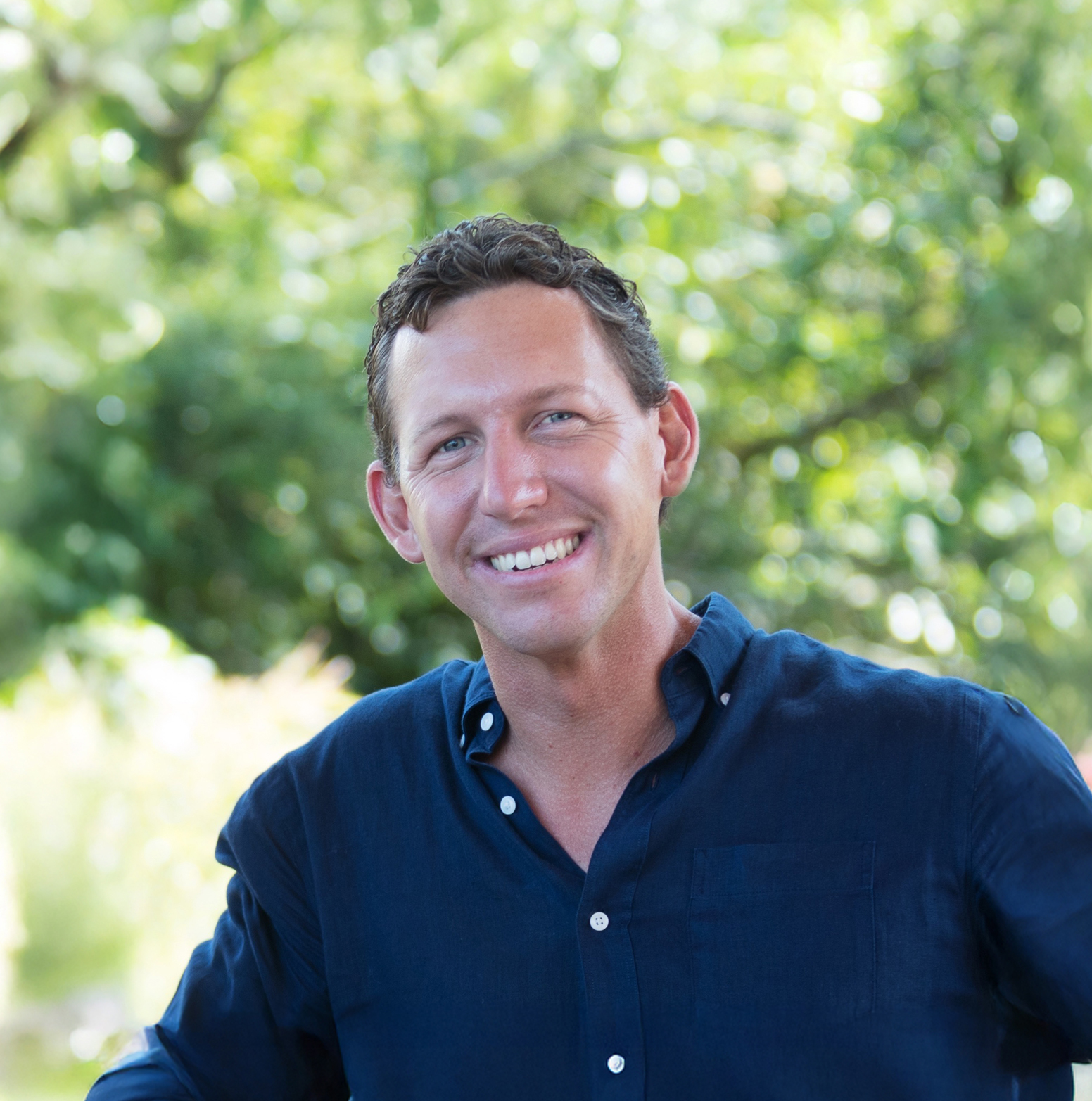
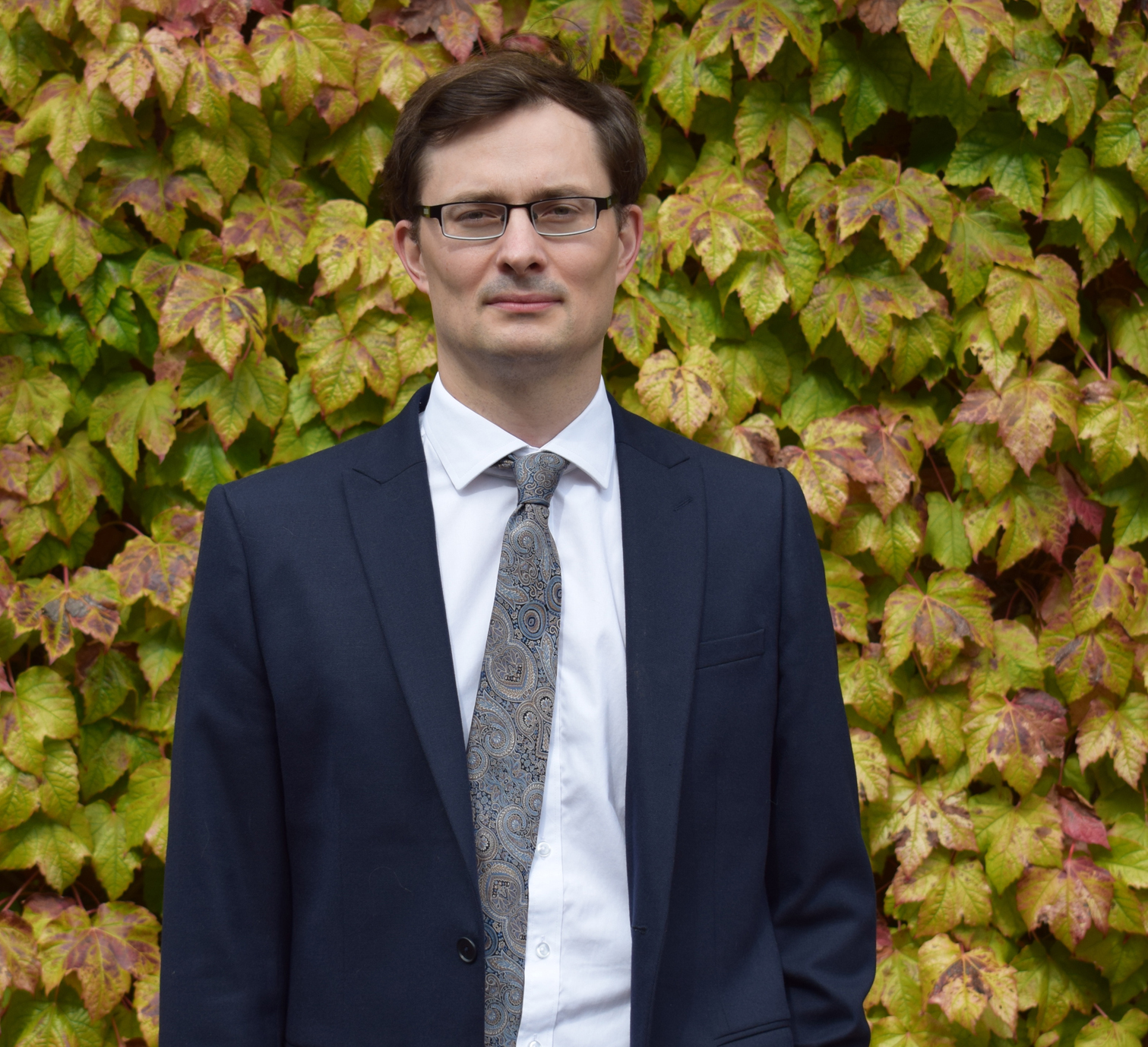
Tim Jack Adams
Founder, GreenX7
Tim Jack Adams

I grew up in a time before smartphones and social media – before filters, likes and endless scrolling. Born in 1982, my world existed within my local community. Life was lived outdoors, friendships were face-to-face and comparison didn’t stretch across the globe, it stopped at the end of your street.

Sure, there were challenges – bullies existed then too – but when the day ended, you could come home, shut the door and feel safe.

Now imagine being a teenager who has never really known that kind of peace.

Today’s youth carry their critics in their pockets. Their value is measured by views, not by the depth of their character. Their influencers are untouchable, their self-worth filtered and their nervous systems constantly activated by a world that never switches off.

It’s no wonder we’re facing a youth mental health crisis. Almost 40,000 children are admitted to general hospital wards every year for acute mental illness. That’s not just alarming, it’s heartbreaking.

But there is hope and I believe it starts with us. As leaders in the fitness industry, we’re in a unique position. We don’t just help people look good, we help them feel.

We provide community, consistency and connection and right now, that connection might just be the most important thing we offer.

Connection fosters belonging, it creates meaning, makes young people feel seen and valued beyond their appearance or achievements. Sometimes it’s as simple as asking, “How are you, really?” and sticking around for the answer. It’s putting our phones down and being fully present, inviting them into spaces that build them up not tear them down.

Let’s not just model physical strength, let’s model emotional resilience, vulnerability and realness, because when we show up like that, we give permission for the next generation to do the same.

Let’s help them remember happiness isn’t something you scroll to find, it’s something you feel when you’re truly connected to yourself, to others and to real life. Let’s create an environment that says, I see you and I hear you.

Almost 40,000 children are admitted to general hospital wards every year in the UK for acute mental illness
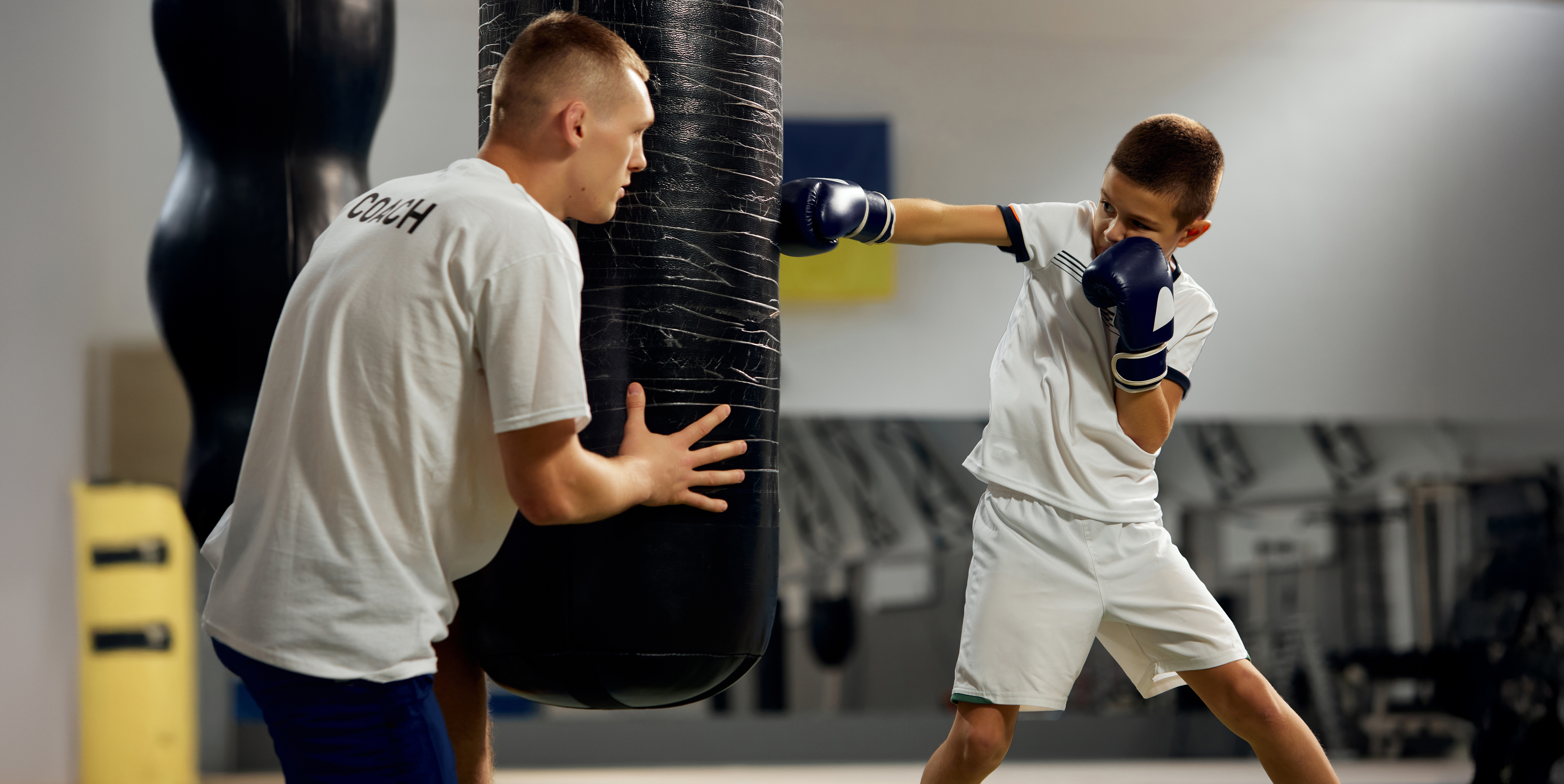
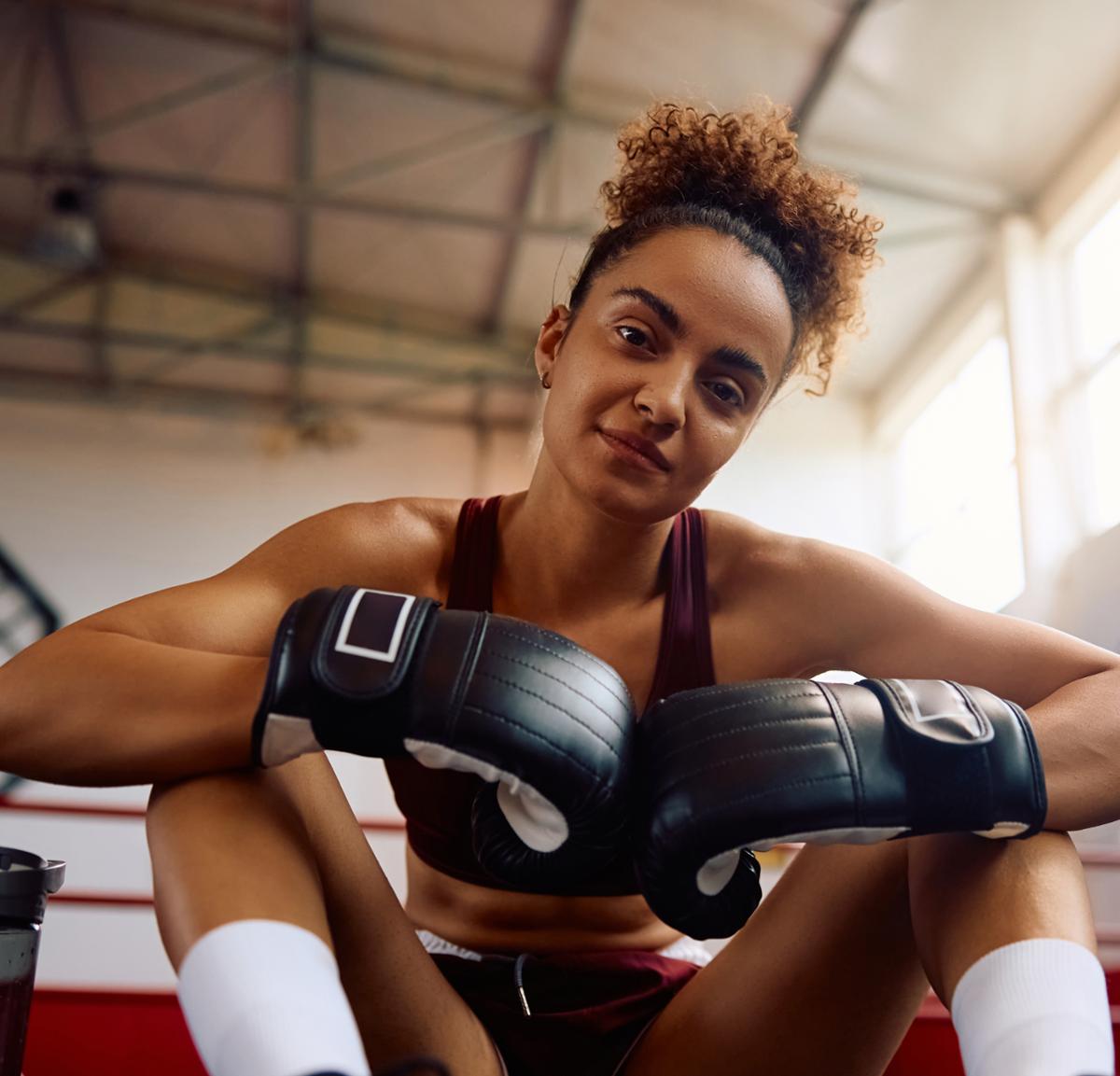
Excessive exercising could be one sign of an eating disorder / photo: Shutterstock / Daxiao Productions
Eating disorders
What to look out for

✻ Spending a lot of time thinking about food, weight or body shape

✻ Becoming stressed or anxious when they aren’t able to do as much exercise as they think they should

✻ Irritability and low mood

✻ Excessively counting calories or restricting their diet

✻ Binge eating

✻ Excessive exercising

If you’re working with someone who’s disclosed that they’ve had an eating disorder, BEAT recommends having an open conversation with them before you start training or coaching them. You can ask questions such as:

✻ What kind of impact does exercise have on you, and why are you interested in participating in exercise now?

✻ What are your triggers?

✻ What do you do to look after yourself, and how can I support you in that?

Tom Quinn
Director of External Affairs, Eating disorder charity, BEAT
Tom Quinn / photo: BEAT

The relationship between exercise and eating disorders is complex and while not every person will struggle with exercise as part of their illness, it’s important to recognise that over-exercising can be a symptom. When someone has an eating disorder, decisions around exercise should always be made with the input of a medical professional. Many people who are unwell will be asked to stop exercising, but some can develop a more positive relationship with exercise when further along in their recovery journey.

Eating disorders don’t have a ‘look’ and can affect anyone, regardless of gender or background. We estimate that around one in four people with eating disorders are male, and the majority of eating disorders don’t cause weight loss.

If you think somebody you’re working with is unwell, we’d recommend reaching out sensitively. Have a plan for what you want to say and arrange for a private place to speak. Try to avoid talking to them before, during or after mealtimes as these tend to be particularly stressful for people with eating disorders. Don’t focus on weight or food – instead, you should focus on their changes in behaviour and sensitively express concern for their wellbeing. It’s also very important that you know where to direct them for help. Anyone who thinks they may have an eating disorder should contact their GP as soon as possible.

Fitness and nutrition are complex, and everybody will have a different relationship with their food and body. We’d encourage those working in the fitness industry to engage with eating disorder and nutrition specialists who could help with understanding how to support people.

Recovery is always possible and we’d like to reiterate the importance of encouraging people you think may be unwell to speak to their GP. Advice and resources on how to speak to a medical professional about eating disorders and what to do if a person is being denied care they’re entitled to are available on the BEAT website at www.beateatingdisorders.org.uk.

We’d encourage those working in the fitness industry to engage with eating disorder and nutrition specialists
Around one in four people with eating disorders are male / photo: Shutterstock / Master1305
Suggested code of conduct for health club operators

✻ Fitness professionals should receive training in how to spot eating disorders or overtraining and how to intervene

✻ Under-18s should join in-person, not online, with a parent/caregiver present so the gym has their contact details and the permission to contact them with any concerns

✻ Operators should demonstrate a duty of care towards young people and forge more than a transactional relationship with them. Fitness professionals should monitor their training, how often they are coming and look out for signs of overtraining and undereating

✻ If there are any concerns, the operator should speak to the young person and the caregivers. Anyone suffering from an eating disorder is likely to be in denial, and potentially defensive, so it’s important that caregivers are made aware, signposted to agencies who can help and encouraged to engage with GPs and ask for a referral to the local eating disorder service as soon as possible. The waiting lists are long and once eating disorders take hold there can be a swift deterioration

✻ Have awareness posters in the club – for example on toilet doors about the signs and where to go for help

✻ Invite experts in to give awareness talks

✻ Do whatever you can to let young people feel they are enough

✻ Make sure recovery and relaxation is built into their programme

✻ Coach young people in tools to cope with anxiety, for example the physiological sigh – a long inhale through the nose, topped up by another short inhale and then a long exhale through the mouth

✻ The industry should call out the fitfluencers spewing out harmful ideas and creating unrealistic standards

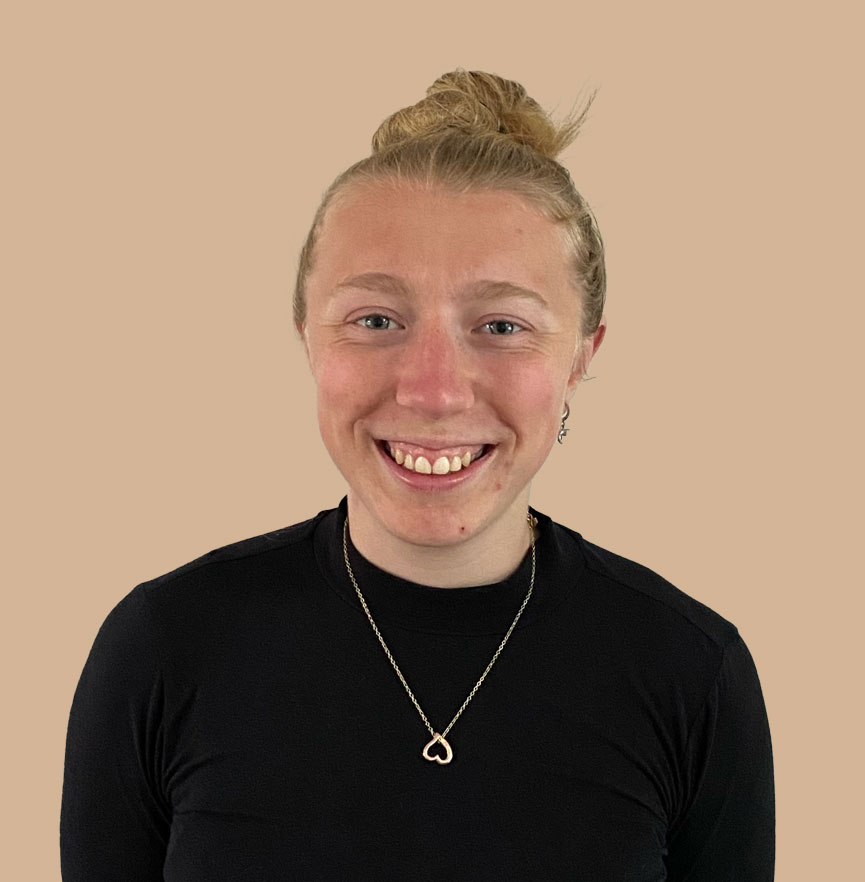
Cerian Harries
Former elite swimmer and campaigner for eating disorder awareness
Cerian Harries / photo: Cerian Harries

During lockdown, when I was waiting to see a gynaecologist because my periods had stopped and I couldn’t allow myself to eat a piece of my 18th birthday cake, I finally accepted the fact that I had an issue with overtraining and undereating. I reached out to my strength and conditioning coach and he adapted his PT skills to help me gain weight and work on my mental health to get over my fear of food. He literally saved my life.

At the time I was very underweight but I was convinced I was really fat and that eating would slow me down in the pool. I always felt sad and my relationships were breaking down with my family, who were very worried about me. I felt like I was losing my identity – eating disorders take away your sense of self and change who you are.

My eating disorder awareness video shows what goes on behind the scenes in many elite sports. It can be a toxic environment where many athletes just feel like a number to get results, which in turn makes you feel like you’re not enough and that feeling of unworthiness is at the root of eating disorders.

Elite sport is a highly competitive environment and you are praised if you’re lean and driven. Athletes do whatever their coaches say, but many coaches are outdated with their knowledge, especially around female physiology. Until education and safeguarding is put in place no sport is entirely immune to these kinds of problems.

Swimming had always been my safe place, but it was also the place that was causing me harm. I didn’t realise it at the time, but I was always so drained and kept getting colds. As athletes we keep pushing through even when our bodies are screaming at us to stop.

The hunger gave me a feeling of power. I felt like if I could ignore it then I could do anything. There was something comforting about being hungry, especially given the intense feelings of guilt, shame and fear I felt about eating. Sometimes it would take an hour to convince myself to eat a meal and then the guilt and shame could go on for a whole day, or sometimes two.

I think the rise in eating disorders has a lot to do with social media, as well as unrealistic expectations and standards around body image. Social media can be good, because there are people out there trying to raise awareness and share their stories to create change, but there’s also the darker side where eating disorders are glamorised.

Education must be focused on the coaches, as they have power and influence and this needs to go hand in hand with action. We also need national governing bodies to recognise the issues that are going on and not just brush them under the carpet until something really bad happens and they are forced to change.

For the fitness industry, the emphasis should be put on health and strength and sustainable habits rather than a quick fix. I’m glad to see there is now more messaging about women being strong and powerful and not the smallest version of themselves. I think certainly we have better role models than I ever had when I was growing up.

Now I’ve stepped away from elite swimming I really enjoy Crossfit and the community aspect of it and just doing sport for enjoyment. I track my strength progress in the gym to see if I’m getting stronger, but I won’t count anything else. I stopped wearing a watch when I was recovering to stop the constant fixation on how many calories I’d burned.

Eating disorders take away your sense of self and change who you are
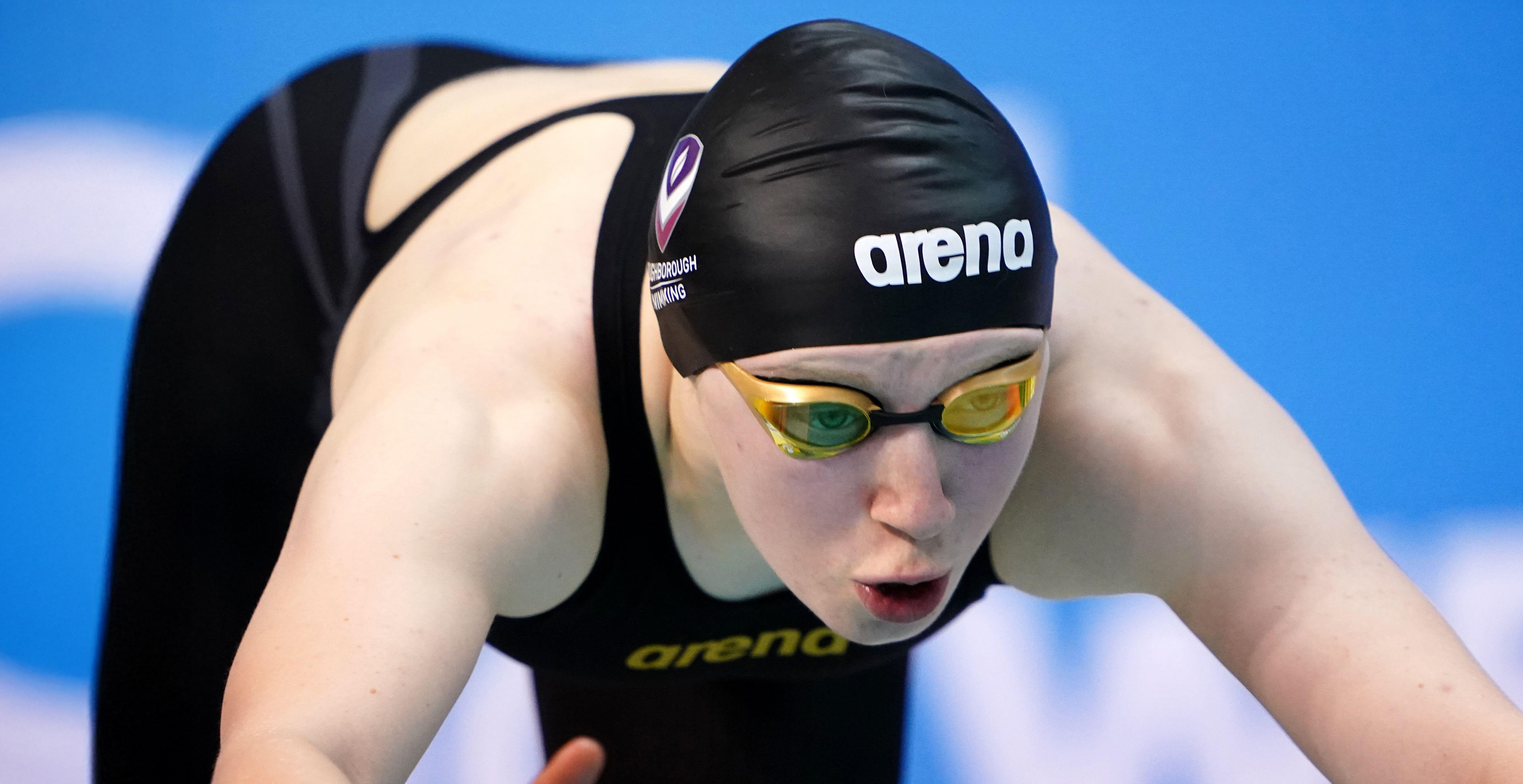
Harries says her swimming coach ‘literally saved her life’ / photo: PA Images / Alamy Stock Photo
Further help

The National Eating Disorders Association has a toolkit to help coaches and trainers understand how to support clients with eating disorders. www.nationaleatingdisorders.org

hartered Physiotherapists in Mental Health has produced a leaflet with information around exercise and how to judge when exercise is becoming compulsive. www.hcmmag.com/PEDPM

The BEAT website has helpful resources and the helpline is open from 3pm to 8pm every weekday. www.beateatingdisorders.org.uk

Sign up here to get Fit Tech's weekly ezine and every issue of Fit Tech magazine free on digital.
More features
Editor's letter

Into the fitaverse

Fitness is already among the top three markets in the metaverse, with new technology and partnerships driving real growth and consumer engagement that looks likely to spill over into health clubs, gyms and studios
Fit Tech people

Ali Jawad

Paralympic powerlifter and founder, Accessercise
Users can easily identify which facilities in the UK are accessible to the disabled community
Fit Tech people

Hannes Sjöblad

MD, DSruptive
We want to give our users an implantable tool that allows them to collect their health data at any time and in any setting
Fit Tech people

Jamie Buck

Co-founder, Active in Time
We created a solution called AiT Voice, which turns digital data into a spoken audio timetable that connects to phone systems
Profile

Fahad Alhagbani: reinventing fitness

Alexa can help you book classes, check trainers’ bios and schedules, find out opening times, and a host of other information
Opinion

Building on the blockchain

For small sports teams looking to compete with giants, blockchain can be a secret weapon explains Lars Rensing, CEO of Protokol
Innovation

Bold move

We ended up raising US$7m in venture capital from incredible investors, including Andreessen Horowitz, Khosla Ventures, Primetime Partners, and GingerBread Capital
App analysis

Check your form

Sency’s motion analysis technology is allowing users to check their technique as they exercise. Co-founder and CEO Gal Rotman explains how
Profile

New reality

Sam Cole, CEO of FitXR, talks to Fit Tech about taking digital workouts to the next level, with an immersive, virtual reality fitness club
Profile

Sohail Rashid

The app is free and it’s $40 to participate in one of our virtual events
Ageing

Reverse Ageing

Many apps help people track their health, but Humanity founders Peter Ward and Michael Geer have put the focus on ageing, to help users to see the direct repercussions of their habits. They talk to Steph Eaves
App analysis

Going hybrid

Workout Anytime created its app in partnership with Virtuagym. Workout Anytime’s Greg Maurer and Virtuagym’s Hugo Braam explain the process behind its creation
Research

Physical activity monitors boost activity levels

Researchers at the University of Copenhagen have conducted a meta analysis of all relevant research and found that the body of evidence shows an impact
Editor's letter

Two-way coaching

Content providers have been hugely active in the fit tech market since the start of the pandemic. We expect the industry to move on from delivering these services on a ‘broadcast-only’ basis as two-way coaching becomes the new USP
Fit Tech People

Laurent Petit

Co-founder, Active Giving
The future of sports and fitness are dependent on the climate. Our goal is to positively influence the future of our planet by instilling a global vision of wellbeing and a sense of collective action
Fit Tech People

Adam Zeitsiff

CEO, Intelivideo
We don’t just create the technology and bail – we support our clients’ ongoing hybridisation efforts
Fit Tech People

Anantharaman Pattabiraman

CEO and co-founder, Auro
When you’re undertaking fitness activities, unless you’re on a stationary bike, in most cases it’s not safe or necessary to be tied to a screen, especially a small screen
Fit Tech People

Mike Hansen

Managing partner, Endorphinz
We noticed a big gap in the market – customers needed better insights but also recommendations on what to do, whether that be customer acquisition, content creation, marketing and more
More features
Panatta's mission is to create machines that are aesthetically pleasing, functional and competitive in price ...
Orbit4 is a digital operations platform designed to help fitness and leisure operators manage assets, ...
22-23 Sep 2026
Four Seasons Hotel Bangkok at Chao Phraya River, Bangkok , Thailand
Panatta's mission is to create machines that are aesthetically pleasing, functional and competitive in price ...
Orbit4 is a digital operations platform designed to help fitness and leisure operators manage assets, ...
Get Fit Tech
Sign up for the free Fit Tech ezine and breaking news alerts
Sign up
22-23 Sep 2026
Four Seasons Hotel Bangkok at Chao Phraya River, Bangkok , Thailand

latest fit tech news

PureGym is encouraging people to step away from their screens and go for a walk, in a new initiative timed ...
news • 29 May 2026
Active people app, Strava, has overhauled its strength training experience, allowing gym-goers to automatically log and share their lifts from ...
news • 27 May 2026

Fitness First UK is embracing digital wellness technology by installing Kip’s tap-to-activate phone controls across its UK estate. Kip tags ...
news • 22 May 2026
The world’s first awareness ring has been launched. Designed to promote presence, focus and calm via gentle haptic vibrations, the ...
news • 13 May 2026
Center Parcs’ Aqua Sana Forest Spa, Woburn Forest, UK, has transformed an unused space into a touchless wellness area called ...
news • 12 May 2026
Gharieni Group has launched a new company, Cobotics Innovations, to create automated wellness experiences. The first solution is a robotic ...
product innovation • 07 May 2026

US-based robotics wellness company Aescape Inc has entered insolvency proceedings following the sale of substantially all of its ...

news • 06 May 2026
Fitness platform, Zing Coach, has teamed up with Les Mills, in a partnership that gives its users access to group ...
news • 23 Apr 2026

TMActive is launching a new Active Wellbeing Studio next month in Tonbridge, UK, specifically aimed at people who face higher ...
news • 13 Apr 2026

Indian billionaire, Deepinder Goyal, is working on a device called Temple that aims to track blood flow to the brain ...
news • 10 Apr 2026
More fit tech news
features

Talking point: Everyone's talking about ... Generation Anxious

The mental health of our young people is in crisis and the fitness and sports industries have the power to help. Kath Hudson reports

Published in Health Club Management 2025 issue 4

During the pandemic there was a 300 per cent increase in eating disorders in the UK and a recent report published in The Lancet shows an alarming increase in hospitalisations among young people – especially teenage girls – for eating disorders and self harm. If we don’t take decisive action now, the next statistic we’re going to be up against is a spike in young people taking their own lives, or dying from starvation.

Eating disorders are more prevalent in athletes than the general population and according to the University of Loughborough, 20 per cent of athletes suffer, compared with 1 to 2 per cent of the general population, making this especially relevant to our sector.

There’s a great deal that the physical activity sector could do to deliver positive change. Importantly, fitness professionals need to know enough to not exacerbate the problem and be trained to recognise the signs of disordered training and food restriction and then feel confident to make an intervention and signpost to expert help.

In many ways, eating disorders are incredibly complex, which is why education is needed, however, they are also quite simple. They can grow from a feeling of not being enough, which can lead to feelings of inadequacy and even self-hatred. They end when the individual allows themselves to feel they are enough, so they can love themselves out of the darkness.

Helping members believe they’re enough is something fitness professionals could do. In turn management and owners can support their own staff in making them feel enough too.

Although people often join gyms because they want to make a change in their life, anything gyms can do to foster self-acceptance can have far reaching benefits, especially among young people whose self-perception is increasingly likely to have been warped by social media.

Why are these shocking statistics occurring? What can operators do to help? We ask the experts…

Tim Jack Adams
Founder, GreenX7
Tim Jack Adams

I grew up in a time before smartphones and social media – before filters, likes and endless scrolling. Born in 1982, my world existed within my local community. Life was lived outdoors, friendships were face-to-face and comparison didn’t stretch across the globe, it stopped at the end of your street.

Sure, there were challenges – bullies existed then too – but when the day ended, you could come home, shut the door and feel safe.

Now imagine being a teenager who has never really known that kind of peace.

Today’s youth carry their critics in their pockets. Their value is measured by views, not by the depth of their character. Their influencers are untouchable, their self-worth filtered and their nervous systems constantly activated by a world that never switches off.

It’s no wonder we’re facing a youth mental health crisis. Almost 40,000 children are admitted to general hospital wards every year for acute mental illness. That’s not just alarming, it’s heartbreaking.

But there is hope and I believe it starts with us. As leaders in the fitness industry, we’re in a unique position. We don’t just help people look good, we help them feel.

We provide community, consistency and connection and right now, that connection might just be the most important thing we offer.

Connection fosters belonging, it creates meaning, makes young people feel seen and valued beyond their appearance or achievements. Sometimes it’s as simple as asking, “How are you, really?” and sticking around for the answer. It’s putting our phones down and being fully present, inviting them into spaces that build them up not tear them down.

Let’s not just model physical strength, let’s model emotional resilience, vulnerability and realness, because when we show up like that, we give permission for the next generation to do the same.

Let’s help them remember happiness isn’t something you scroll to find, it’s something you feel when you’re truly connected to yourself, to others and to real life. Let’s create an environment that says, I see you and I hear you.

Almost 40,000 children are admitted to general hospital wards every year in the UK for acute mental illness
Excessive exercising could be one sign of an eating disorder / photo: Shutterstock / Daxiao Productions
Eating disorders
What to look out for

✻ Spending a lot of time thinking about food, weight or body shape

✻ Becoming stressed or anxious when they aren’t able to do as much exercise as they think they should

✻ Irritability and low mood

✻ Excessively counting calories or restricting their diet

✻ Binge eating

✻ Excessive exercising

If you’re working with someone who’s disclosed that they’ve had an eating disorder, BEAT recommends having an open conversation with them before you start training or coaching them. You can ask questions such as:

✻ What kind of impact does exercise have on you, and why are you interested in participating in exercise now?

✻ What are your triggers?

✻ What do you do to look after yourself, and how can I support you in that?

Tom Quinn
Director of External Affairs, Eating disorder charity, BEAT
Tom Quinn / photo: BEAT

The relationship between exercise and eating disorders is complex and while not every person will struggle with exercise as part of their illness, it’s important to recognise that over-exercising can be a symptom. When someone has an eating disorder, decisions around exercise should always be made with the input of a medical professional. Many people who are unwell will be asked to stop exercising, but some can develop a more positive relationship with exercise when further along in their recovery journey.

Eating disorders don’t have a ‘look’ and can affect anyone, regardless of gender or background. We estimate that around one in four people with eating disorders are male, and the majority of eating disorders don’t cause weight loss.

If you think somebody you’re working with is unwell, we’d recommend reaching out sensitively. Have a plan for what you want to say and arrange for a private place to speak. Try to avoid talking to them before, during or after mealtimes as these tend to be particularly stressful for people with eating disorders. Don’t focus on weight or food – instead, you should focus on their changes in behaviour and sensitively express concern for their wellbeing. It’s also very important that you know where to direct them for help. Anyone who thinks they may have an eating disorder should contact their GP as soon as possible.

Fitness and nutrition are complex, and everybody will have a different relationship with their food and body. We’d encourage those working in the fitness industry to engage with eating disorder and nutrition specialists who could help with understanding how to support people.

Recovery is always possible and we’d like to reiterate the importance of encouraging people you think may be unwell to speak to their GP. Advice and resources on how to speak to a medical professional about eating disorders and what to do if a person is being denied care they’re entitled to are available on the BEAT website at www.beateatingdisorders.org.uk.

We’d encourage those working in the fitness industry to engage with eating disorder and nutrition specialists
Around one in four people with eating disorders are male / photo: Shutterstock / Master1305
Suggested code of conduct for health club operators

✻ Fitness professionals should receive training in how to spot eating disorders or overtraining and how to intervene

✻ Under-18s should join in-person, not online, with a parent/caregiver present so the gym has their contact details and the permission to contact them with any concerns

✻ Operators should demonstrate a duty of care towards young people and forge more than a transactional relationship with them. Fitness professionals should monitor their training, how often they are coming and look out for signs of overtraining and undereating

✻ If there are any concerns, the operator should speak to the young person and the caregivers. Anyone suffering from an eating disorder is likely to be in denial, and potentially defensive, so it’s important that caregivers are made aware, signposted to agencies who can help and encouraged to engage with GPs and ask for a referral to the local eating disorder service as soon as possible. The waiting lists are long and once eating disorders take hold there can be a swift deterioration

✻ Have awareness posters in the club – for example on toilet doors about the signs and where to go for help

✻ Invite experts in to give awareness talks

✻ Do whatever you can to let young people feel they are enough

✻ Make sure recovery and relaxation is built into their programme

✻ Coach young people in tools to cope with anxiety, for example the physiological sigh – a long inhale through the nose, topped up by another short inhale and then a long exhale through the mouth

✻ The industry should call out the fitfluencers spewing out harmful ideas and creating unrealistic standards

Cerian Harries
Former elite swimmer and campaigner for eating disorder awareness
Cerian Harries / photo: Cerian Harries

During lockdown, when I was waiting to see a gynaecologist because my periods had stopped and I couldn’t allow myself to eat a piece of my 18th birthday cake, I finally accepted the fact that I had an issue with overtraining and undereating. I reached out to my strength and conditioning coach and he adapted his PT skills to help me gain weight and work on my mental health to get over my fear of food. He literally saved my life.

At the time I was very underweight but I was convinced I was really fat and that eating would slow me down in the pool. I always felt sad and my relationships were breaking down with my family, who were very worried about me. I felt like I was losing my identity – eating disorders take away your sense of self and change who you are.

My eating disorder awareness video shows what goes on behind the scenes in many elite sports. It can be a toxic environment where many athletes just feel like a number to get results, which in turn makes you feel like you’re not enough and that feeling of unworthiness is at the root of eating disorders.

Elite sport is a highly competitive environment and you are praised if you’re lean and driven. Athletes do whatever their coaches say, but many coaches are outdated with their knowledge, especially around female physiology. Until education and safeguarding is put in place no sport is entirely immune to these kinds of problems.

Swimming had always been my safe place, but it was also the place that was causing me harm. I didn’t realise it at the time, but I was always so drained and kept getting colds. As athletes we keep pushing through even when our bodies are screaming at us to stop.

The hunger gave me a feeling of power. I felt like if I could ignore it then I could do anything. There was something comforting about being hungry, especially given the intense feelings of guilt, shame and fear I felt about eating. Sometimes it would take an hour to convince myself to eat a meal and then the guilt and shame could go on for a whole day, or sometimes two.

I think the rise in eating disorders has a lot to do with social media, as well as unrealistic expectations and standards around body image. Social media can be good, because there are people out there trying to raise awareness and share their stories to create change, but there’s also the darker side where eating disorders are glamorised.

Education must be focused on the coaches, as they have power and influence and this needs to go hand in hand with action. We also need national governing bodies to recognise the issues that are going on and not just brush them under the carpet until something really bad happens and they are forced to change.

For the fitness industry, the emphasis should be put on health and strength and sustainable habits rather than a quick fix. I’m glad to see there is now more messaging about women being strong and powerful and not the smallest version of themselves. I think certainly we have better role models than I ever had when I was growing up.

Now I’ve stepped away from elite swimming I really enjoy Crossfit and the community aspect of it and just doing sport for enjoyment. I track my strength progress in the gym to see if I’m getting stronger, but I won’t count anything else. I stopped wearing a watch when I was recovering to stop the constant fixation on how many calories I’d burned.

Eating disorders take away your sense of self and change who you are
Harries says her swimming coach ‘literally saved her life’ / photo: PA Images / Alamy Stock Photo
Further help

The National Eating Disorders Association has a toolkit to help coaches and trainers understand how to support clients with eating disorders. www.nationaleatingdisorders.org

hartered Physiotherapists in Mental Health has produced a leaflet with information around exercise and how to judge when exercise is becoming compulsive. www.hcmmag.com/PEDPM

The BEAT website has helpful resources and the helpline is open from 3pm to 8pm every weekday. www.beateatingdisorders.org.uk

Sign up here to get Fit Tech's weekly ezine and every issue of Fit Tech magazine free on digital.
More features
Editor's letter

Into the fitaverse

Fitness is already among the top three markets in the metaverse, with new technology and partnerships driving real growth and consumer engagement that looks likely to spill over into health clubs, gyms and studios
Fit Tech people

Ali Jawad

Paralympic powerlifter and founder, Accessercise
Users can easily identify which facilities in the UK are accessible to the disabled community
Fit Tech people

Hannes Sjöblad

MD, DSruptive
We want to give our users an implantable tool that allows them to collect their health data at any time and in any setting
Fit Tech people

Jamie Buck

Co-founder, Active in Time
We created a solution called AiT Voice, which turns digital data into a spoken audio timetable that connects to phone systems
Profile

Fahad Alhagbani: reinventing fitness

Alexa can help you book classes, check trainers’ bios and schedules, find out opening times, and a host of other information
Opinion

Building on the blockchain

For small sports teams looking to compete with giants, blockchain can be a secret weapon explains Lars Rensing, CEO of Protokol
Innovation

Bold move

We ended up raising US$7m in venture capital from incredible investors, including Andreessen Horowitz, Khosla Ventures, Primetime Partners, and GingerBread Capital
App analysis

Check your form

Sency’s motion analysis technology is allowing users to check their technique as they exercise. Co-founder and CEO Gal Rotman explains how
Profile

New reality

Sam Cole, CEO of FitXR, talks to Fit Tech about taking digital workouts to the next level, with an immersive, virtual reality fitness club
Profile

Sohail Rashid

The app is free and it’s $40 to participate in one of our virtual events
Ageing

Reverse Ageing

Many apps help people track their health, but Humanity founders Peter Ward and Michael Geer have put the focus on ageing, to help users to see the direct repercussions of their habits. They talk to Steph Eaves
App analysis

Going hybrid

Workout Anytime created its app in partnership with Virtuagym. Workout Anytime’s Greg Maurer and Virtuagym’s Hugo Braam explain the process behind its creation
Research

Physical activity monitors boost activity levels

Researchers at the University of Copenhagen have conducted a meta analysis of all relevant research and found that the body of evidence shows an impact
Editor's letter

Two-way coaching

Content providers have been hugely active in the fit tech market since the start of the pandemic. We expect the industry to move on from delivering these services on a ‘broadcast-only’ basis as two-way coaching becomes the new USP
Fit Tech People

Laurent Petit

Co-founder, Active Giving
The future of sports and fitness are dependent on the climate. Our goal is to positively influence the future of our planet by instilling a global vision of wellbeing and a sense of collective action
Fit Tech People

Adam Zeitsiff

CEO, Intelivideo
We don’t just create the technology and bail – we support our clients’ ongoing hybridisation efforts
Fit Tech People

Anantharaman Pattabiraman

CEO and co-founder, Auro
When you’re undertaking fitness activities, unless you’re on a stationary bike, in most cases it’s not safe or necessary to be tied to a screen, especially a small screen
Fit Tech People

Mike Hansen

Managing partner, Endorphinz
We noticed a big gap in the market – customers needed better insights but also recommendations on what to do, whether that be customer acquisition, content creation, marketing and more
More features