






















latest fit tech news


US-based robotics wellness company Aescape Inc has entered insolvency proceedings following the sale of substantially all of its ...


Specifier: Great coverage
With a vast selection of flooring types and designs on offer, how can operators ensure they make the right selection? asks Julie Cramer


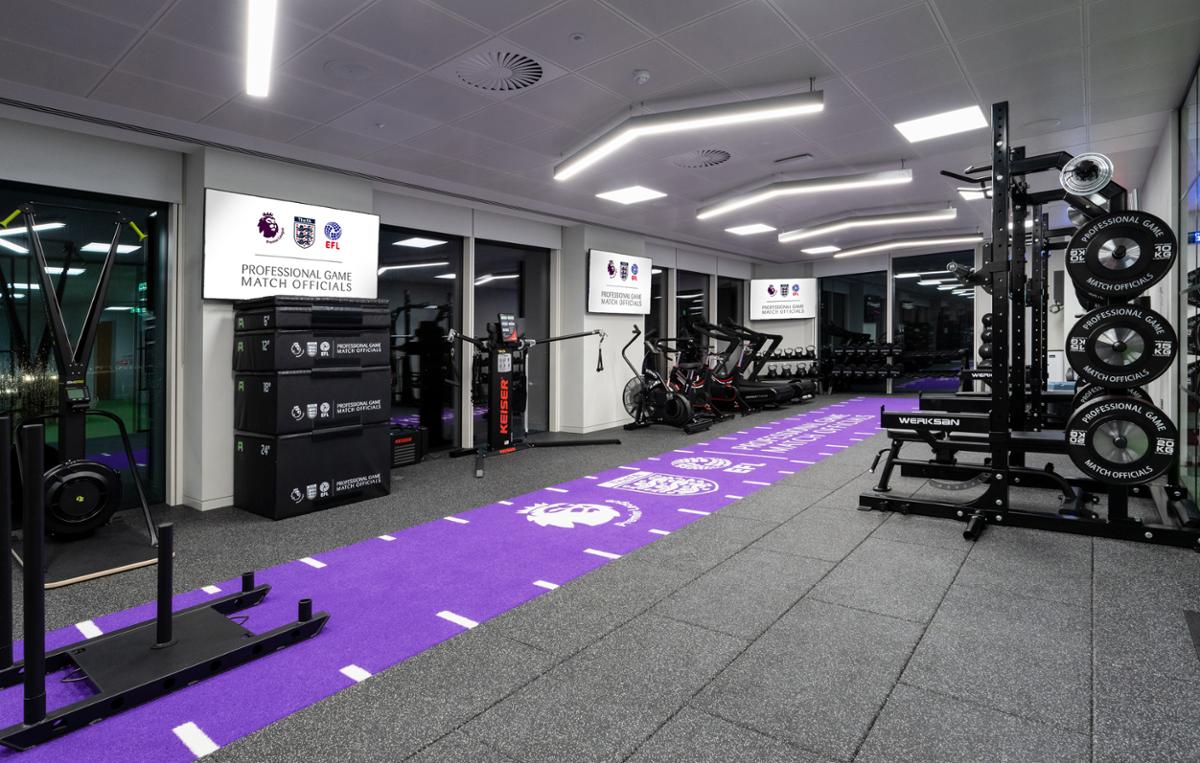

Renewing a gym floor is an ideal opportunity to refresh layouts and revitalise a gym space.
General workout zones, cardio spaces and heavy-load weight training areas require tailored flooring solutions to support equipment, meet user needs and protect the subfloor.
Refurbishment times vary depending on the project, unit size, layout and requirements. A standard 400sqm facility typically takes about a week, including the installation of flooring tiles, turf, lifting platforms and ramp edges to minimise trip hazards.
Our process begins with a site visit, during which we assess the subfloor and the layout, discuss the operator’s vision and recommend solutions. We consider factors such as the size, usage patterns and any additional design features that are needed, such as customising the flooring with bespoke colours or branding to reflect the health club’s identity or to create zones.
We provide advice and project management support to guide operators through the refurbishment. This includes 3D renderings to visualise the outcome, product recommendations and advice if we identify any issues. We also support operators beyond installation, offering guidance on maintaining flooring and returning after 12 months to ensure everything is performing as expected.
Our most popular products are 30mm and 40mm rubber tiles, which provide impact resistance and sound absorption for functional and heavy-lifting areas.
TOP TIPS:
Choosing the right flooring is one of the most important decisions operators can make when refurbishing a gym. Selecting sub-standard products or cutting corners to save money often leads to issues such as premature wear, poor noise control or damage to the subfloor. This not only increases maintenance costs, but can also disrupt operations if repairs or replacements are needed.
More: www.aperformance.co.uk
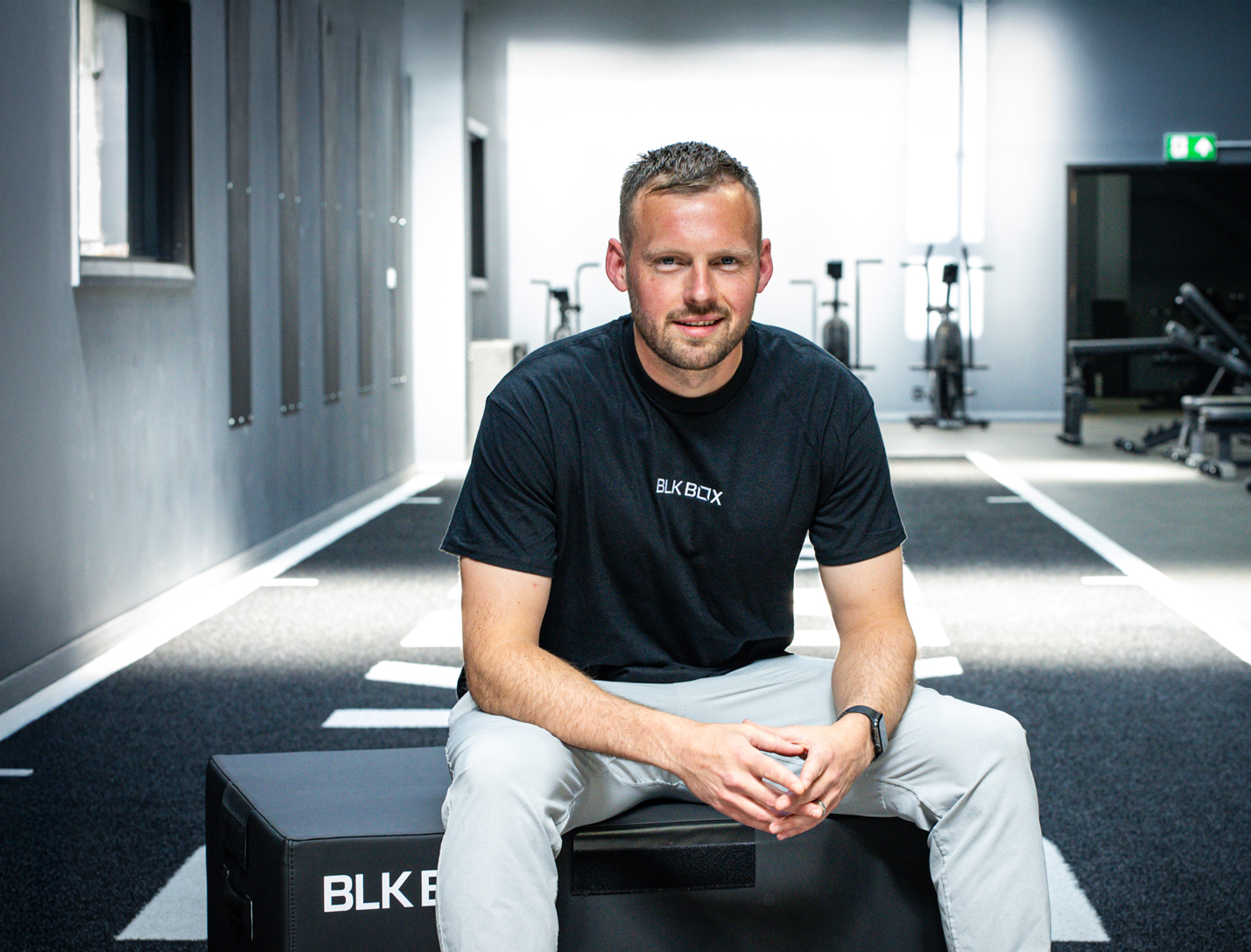
Flooring is the foundation to your facility and the solutions chosen will dictate the activities that are able to take place. Choose the correct solutions and you’ll have flexibility and versatility – choose the wrong ones and you’ll be unable to adapt to the demands of your clientele.
If you’re considering replacing flooring, ensure the budget allocated reflects its importance – your members interact with the floor 100 per cent of the time and as such it’s your most important piece of equipment.
Allow time for proper due diligence, taking into consideration time to order and review samples, lead times of suppliers and manufacturers in addition to the time required to complete the refurbishment itself.
I’d advise at least 12 weeks for this process – if you don’t leave yourself ample time, you’ll fall into a cycle of installing whatever solution is available. We’ve configured our warehouse to hold large volumes of flooring, as we know how frustrating it is for clients to wait on long lead times.
Demand for our rolled options – Foundation and Fusion – continues to grow. Installation is more labour-intensive than traditional tiles, however, our team handles the entire process, ensuring a flawless finish. A critical factor is the sub-floor, which must be strong and level to meet performance demands. If preparation is needed, this may involve grinding, sanding, levelling, or building up the surface.
TOP TIPS:
Flooring is fundamental. Consider the best solutions early, allocate the right budget and engage an expert to build from the ground up. Prioritise environmental credentials and full circularity, from installation to disposal, ensuring sustainability alongside performance. Invest wisely now, and you’ll reap the rewards for years to come.
More: www.blkboxfitness.com
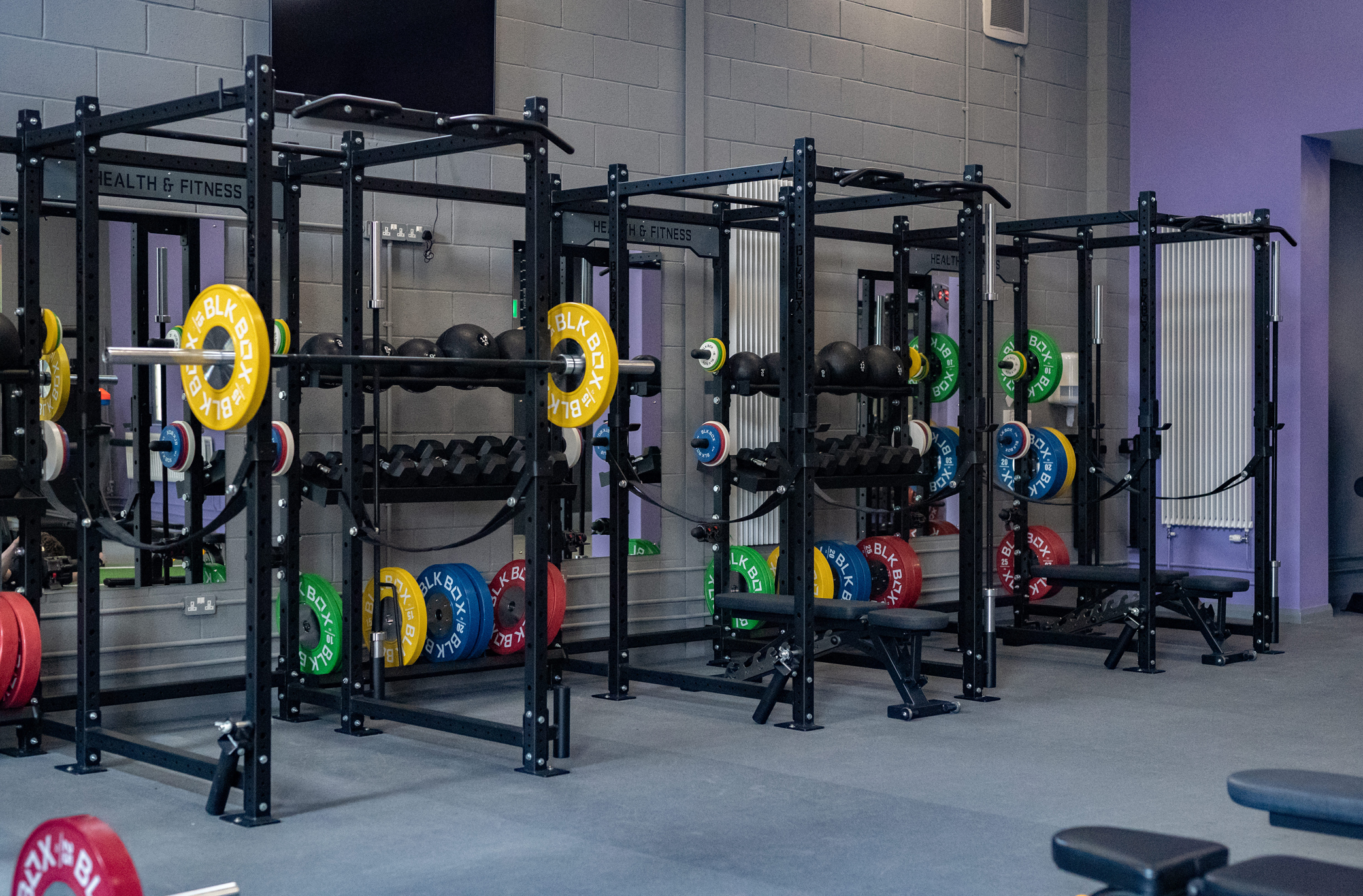
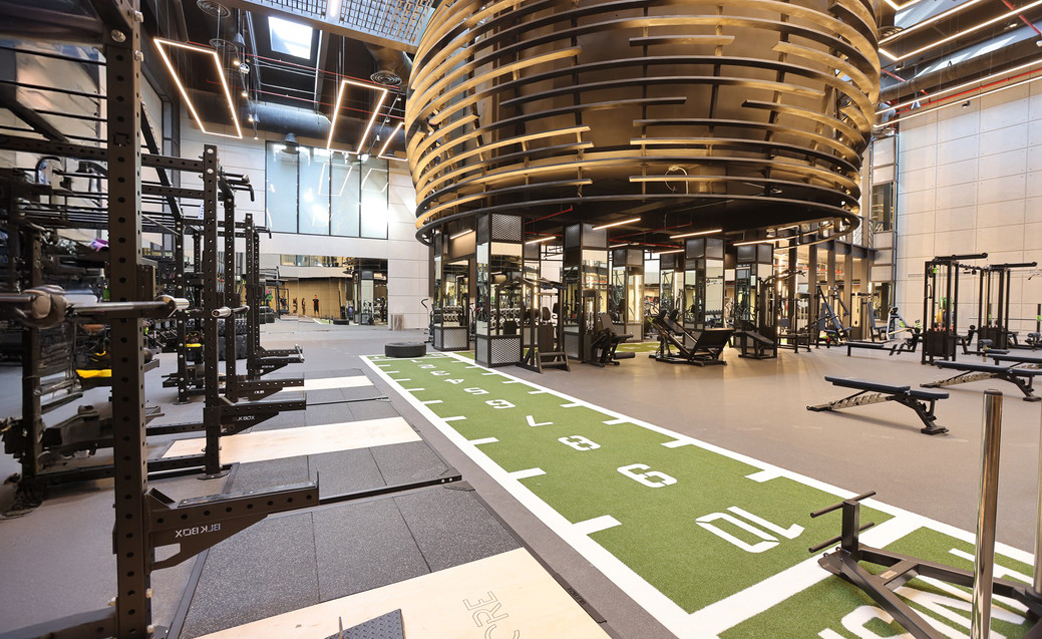

Refurbishment presents an excellent opportunity to think about the training space layout as a whole – and how it flows – to create a more appealing member journey. This may be the opportune time to consider different flooring colours and materials to create dedicated zones based on the training type.
Building from the ground up is key to ensuring a gym space can support modern training.
Operators should invest time in planning the placement of strength and conditioning areas and then select the correct flooring solutions to be installed. Rushed or poorly considered planning can lead to costly adjustments later.
The project timeline varies depending on the gym size, location and the type of gym equipment that’s being installed, along with any prep work required to the subfloor.
Having experienced refurbishments in the trust/local authority sector, we find a 400-500sq m gym refurbishment will take between 14-21 days. This includes the removal of old equipment and flooring, the installation of new flooring, equipment, AV systems and electrical work, and final interior design touches, including painting, lighting and mirrors.
Leave a minimum of two days for a deep clean once the installers have left and two days for staff training.
Most popular is our 32mm Duratrain high-impact rubber tile, which is specified for strength, free weight and functional training spaces.
Installation is straightforward due to its loose-lay design and the tiles connect to one another via a built-in connection system, meaning there’s no need for additional caps or adhesives.
TOP TIPS:
Never overlook the importance of subfloor preparation. Ensure this is of an adequate structure before designing the space. Having to fix an issue post-installation can be expensive and disruptive to members. Planning and consultation with flooring experts can prevent headaches and ensure a smooth installation process.
More: www.indigofitness.com
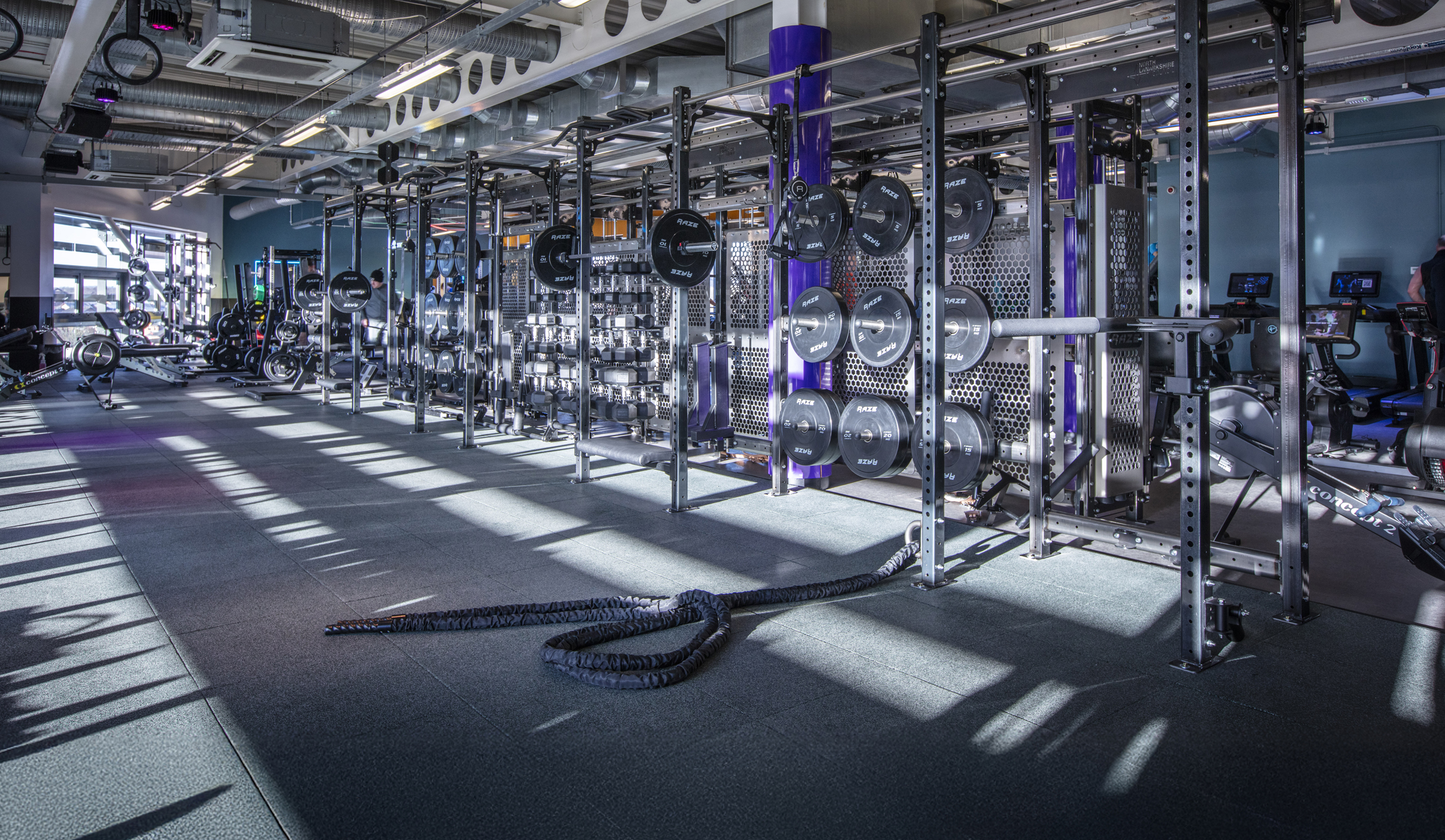

Operators should begin by assessing needs, considering factors such as moisture levels, foot traffic and activity types to ensure the selection of appropriate materials.
It’s crucial to set a realistic budget that accounts for materials, installation and any downtime.
Choosing durable, low-maintenance, and safety-compliant flooring is key, as is hiring professional installers. Operators should also prioritise sustainability by opting for eco-friendly options and allow for ongoing maintenance and unexpected issues, to ensure a smooth process.
Allow four to eight weeks for a full gym floor refurbishment, depending on the scale and complexity of the project. This includes planning, sourcing materials, installation, and curing time if required. During this period, take the opportunity to refine and enhance the facility by optimising the layout for improved traffic flow, upgrading to durable, slip-resistant flooring, and incorporating zoned areas using colours or textures for added functionality and safety.
Enhancing the gym’s aesthetics with modern designs aligned to the brand and installing shock-absorbing surfaces to reduce injury risks are additional steps that can elevate the overall member experience.
Installing flooring such as Endurance or Extreme virgin rubber tiles involves key steps such as subfloor preparation to ensure the surface is clean, dry, level and the room is cleared. Allow the tiles to acclimatise in the area for 24-48 hours before installation.
The installation process is straightforward, featuring a loose-lay, interlocking system for easy replacement and seamless fitting. Tiles can be cut to fit, then after installation, the surface cleaned with a pH neutral product to maintain appearance and performance.
TOP TIPS:
Plan flooring layouts to optimise material use and minimise waste. Establish a proper cleaning routine to extend durability and ensure impact resistance for high-traffic areas. Thinking long term is key – choosing the right flooring prevents expensive replacements later.
More: www.pavigym.com
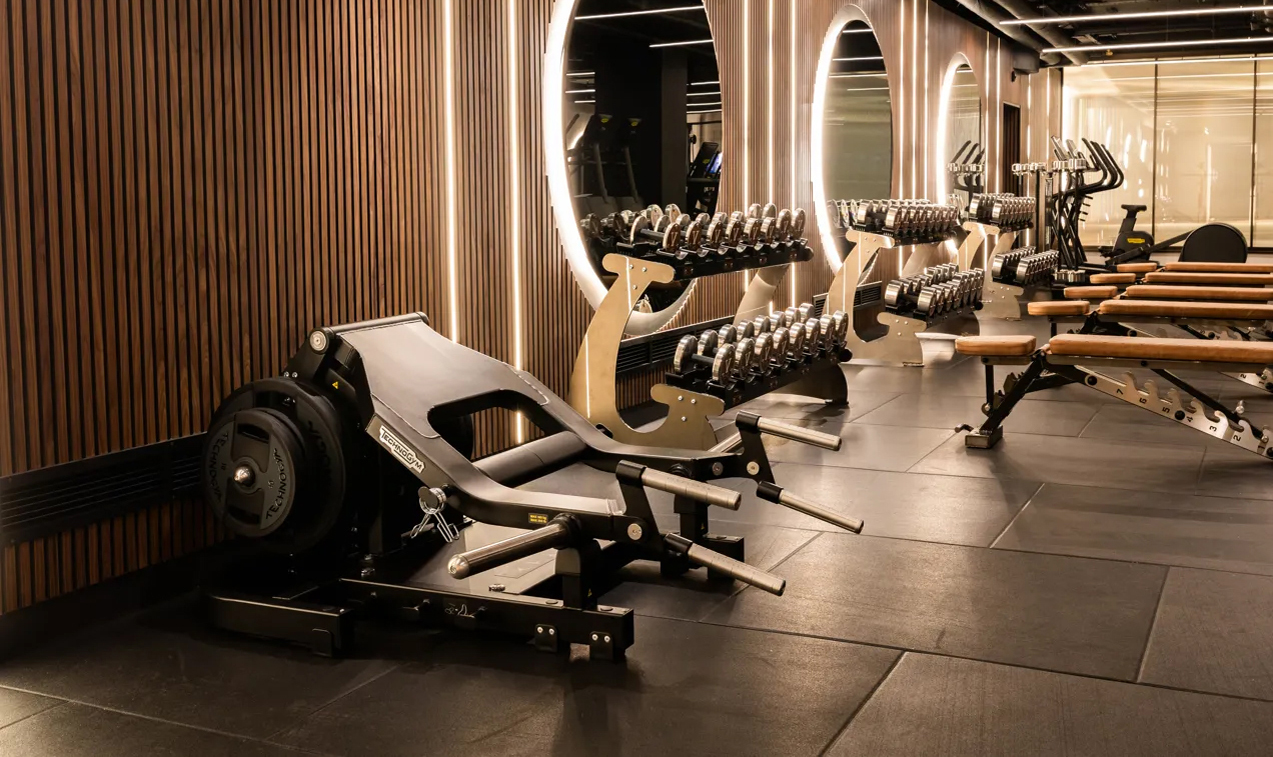

Start by understanding how you want to zone your gym, including the equipment being offered and the size of each zone. You can then choose the optimum flooring type for each area.
Zoned flooring gives your gym an appealing, premium aesthetic, plus we often find defined zones help keep equipment in the correct part of the gym, rather than it being taken and left elsewhere.
There are lots of ways to save money by varying your flooring; simply laying 25-40mm tiles throughout may provide flexibility when it comes to moving equipment around, but it isn’t the cheapest option.
Every job is different and as with most things, it often takes longer than you’d expect to do it properly.
Flooring is the foundation of every workout, so it’s important to get it right, with high-quality products laid by a specialist gym floor installer. If not, you’ll end up redoing it later at great cost and member inconvenience.
Sub-floor preparation is key and can take time, including the removal and disposal of (or recycling of) all the old flooring and sometimes also the laying of latex screeds to ensure a perfect finish.
You also have to methodically lay flooring, moving in one direction: you can’t have lots of fitters starting in different places, as it won’t join up.
Although we advise varied, zoned flooring – especially for larger gyms – our 25mm tiles are as close as it gets to one-size-fits-all, being suitable for strength and functional zones, home gyms and HIIT studios. This makes products such as Ecore’s Performance Ultra Tile a popular choice.
These 25mm tiles are one of the simplest flooring types to install; in some cases, you might not even have to remove old flooring.
TOP TIPS:Health club flooring is a specialist area and installation requires gym-specific expertise. Too often we see clubs where flooring has been installed by companies that usually do offices or other commercial spaces and it’s gone wrong: bubbling, peeling corners, trip hazards from lifted sections, tiles that don’t meet and wrinkled turf tracks. Do your due diligence when it comes to installers.
More: www.physicalcompany.co.uk
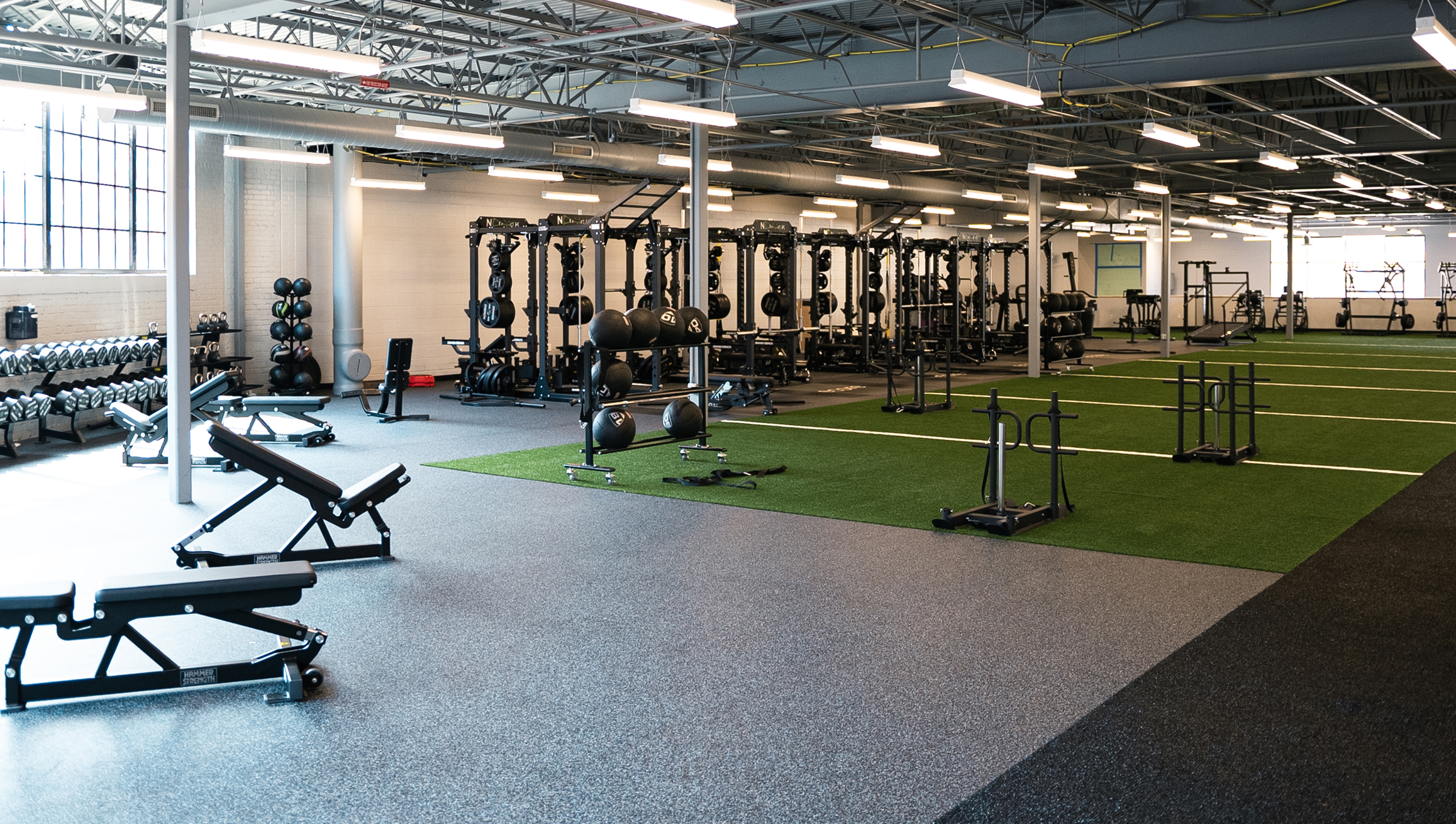

Replacing floors in an open gym environment will likely cause disruption to your usual business operations. Before work commences and in co-operation with your nominated flooring provider, a practical plan can be created.
All matters relating to the health and safety aspects of performing the task, potential duration of the work, deliveries, handling of materials, general housekeeping, and of course budget, should be discussed.
You can also assess the specification of various floor finishes, taking into consideration colour, price, availability and suitability.
As guidance, for an area measuring 250sq m, I’d suggest allocating one to two days to uplift, remove, and dispose of old floors plus two to three days to install new flooring. You could also use this opportunity to expand your free weights and functional training areas.
Our Sportec rubber floor coverings are held in large quantities in our warehouse, and are available to purchase at short notice in sheet or tile formats.
Generally, our heavy-duty interconnecting rubber tiles are installed in free weights areas, whereas our sheet rubber flooring is utilised in exercise studios, functional training spaces and stretch areas.
We’ve also developed a cushioned and seamless polyurethane flooring system which is well-suited to holistic wellbeing spaces.
TOP TIPS
• You’ll have many types of floor finishes to choose from, but selecting an unsuitable one could prove costly in the longer term.
• Engage with a supplier who’ll guide you through options and possibilities, ensuring you make informed product choices.
More: www.tvs-group.co.uk
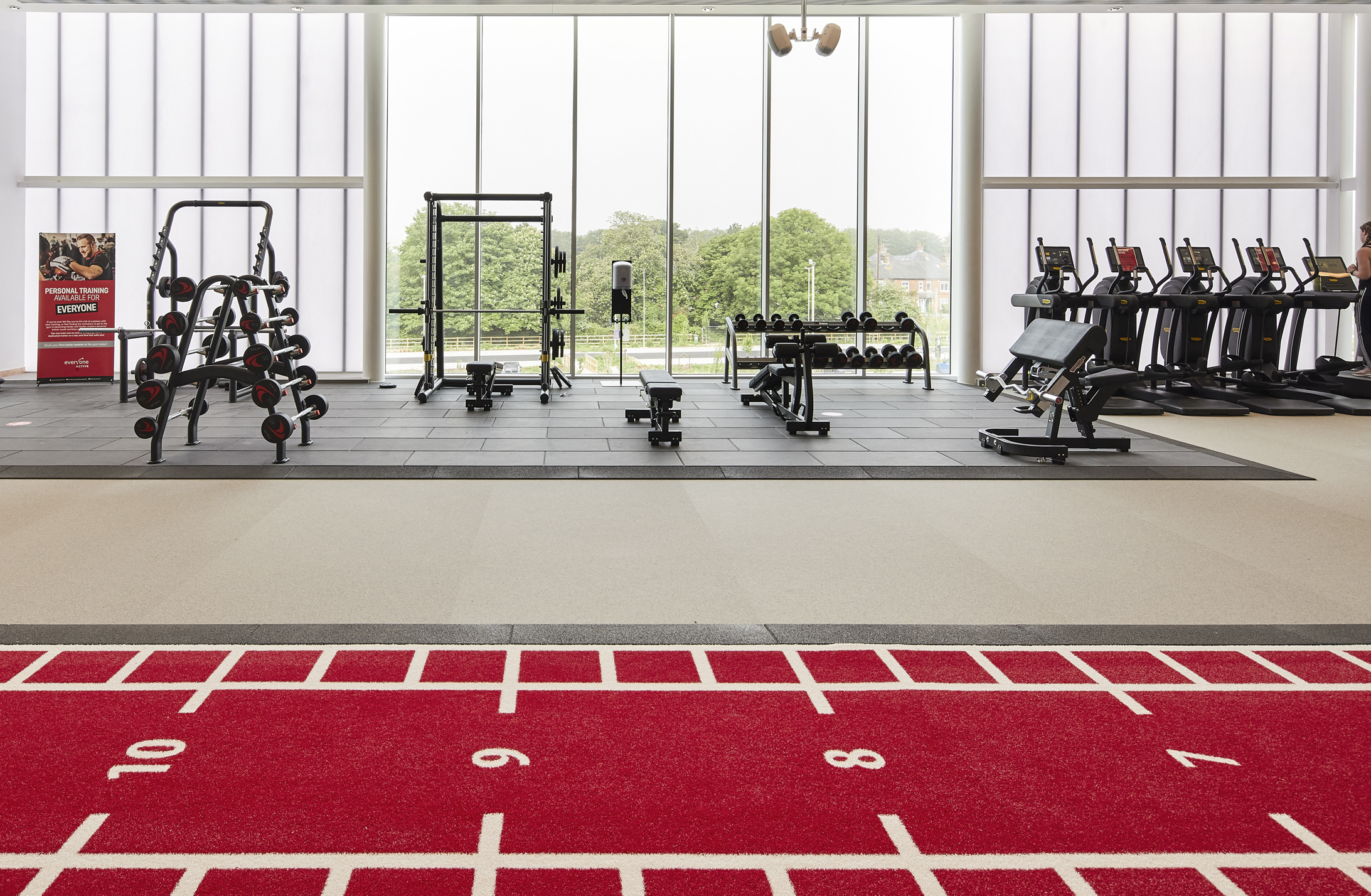
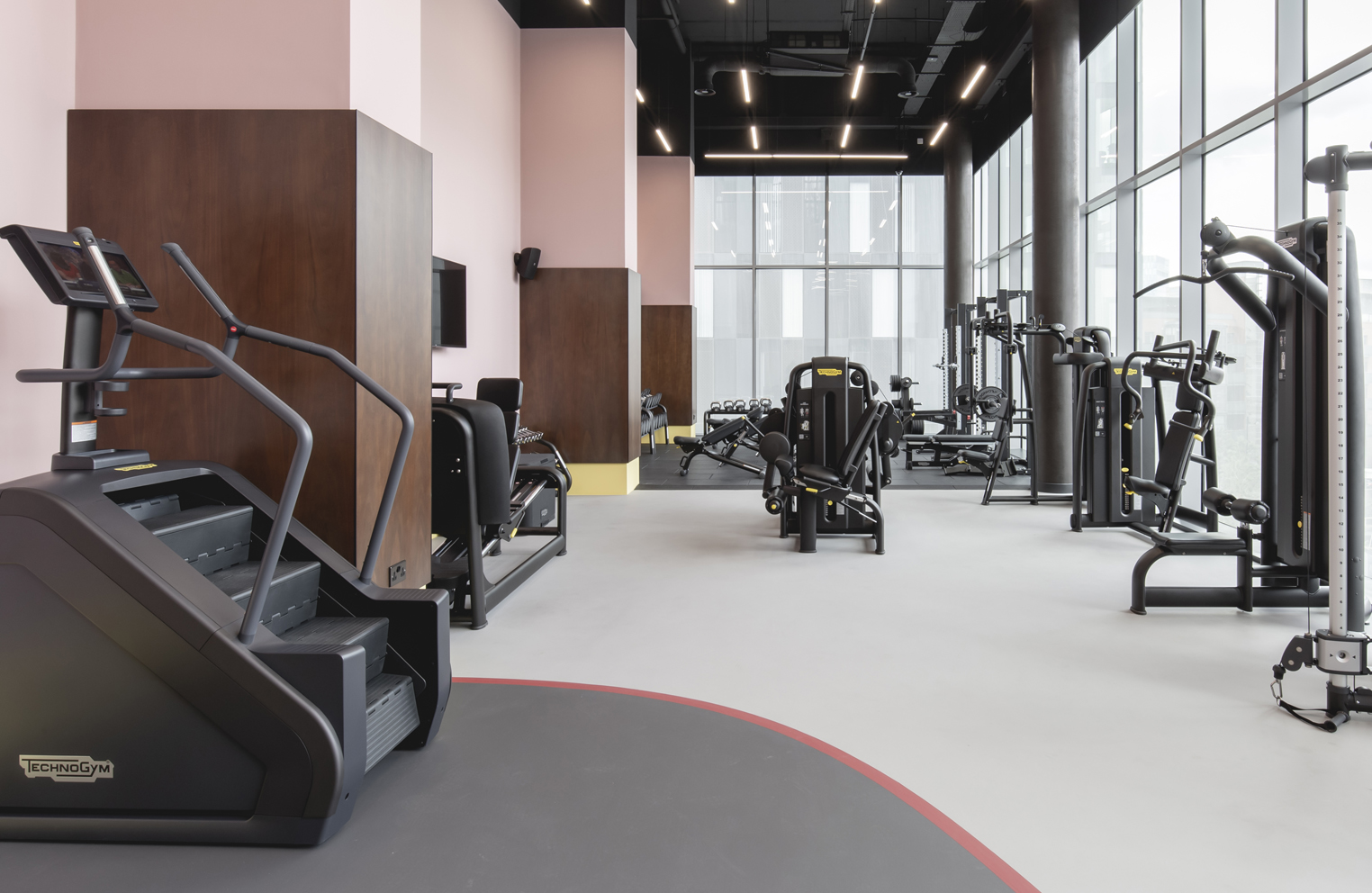

Replacing floors can be a major undertaking and proper preparation ensures the process goes smoothly, with minimal disruption.
The timeline can’t be specified exactly, as every project has different requirements, although three to nine months is a guideline.
During each project phase, we make sure someone is available with advice and assistance, as this automatically leads to the flooring project being refined and improved along the way.
If an operator wants to install a product such as Regupol Everroll flooring, we assist with pre-planning and quotation right through to the final Regupol décor, the timetable, on site conditions and contract signing.
TOP TIPS:
Share your goals, concerns and deadlines with other involved parties at a very early stage to avoid encountering problems during the realisation phase.
More: www.regupol.com and www.hcmmag.com/RegupolCtoC

Into the fitaverse

Ali Jawad

Hannes Sjöblad

Jamie Buck


Building on the blockchain

Bold move

Check your form


New reality

Sohail Rashid

Reverse Ageing

Going hybrid

Physical activity monitors boost activity levels

Two-way coaching

Laurent Petit

Adam Zeitsiff

Anantharaman Pattabiraman

Mike Hansen

