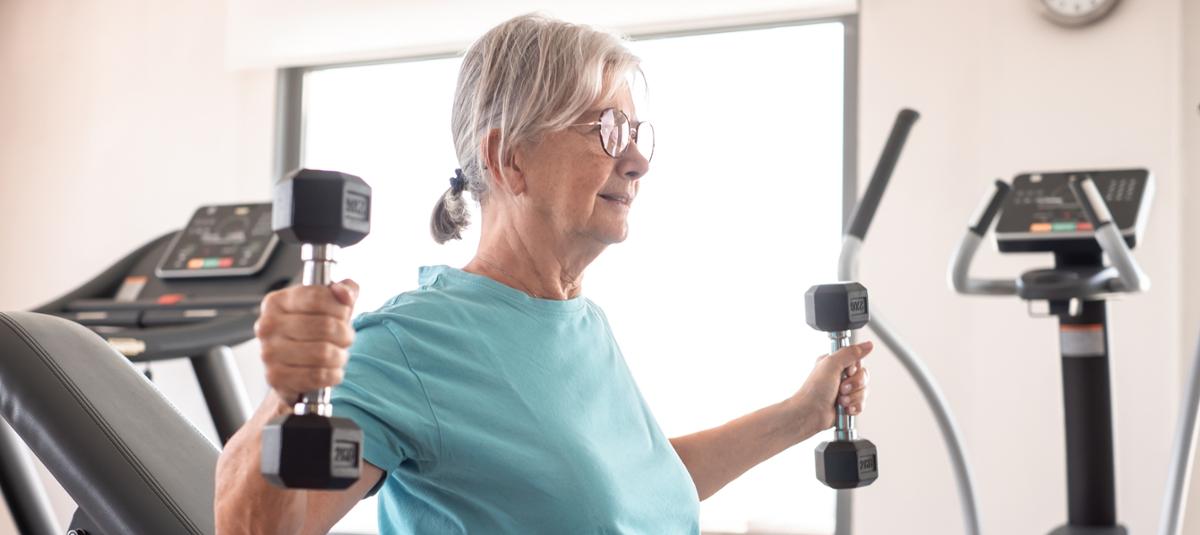








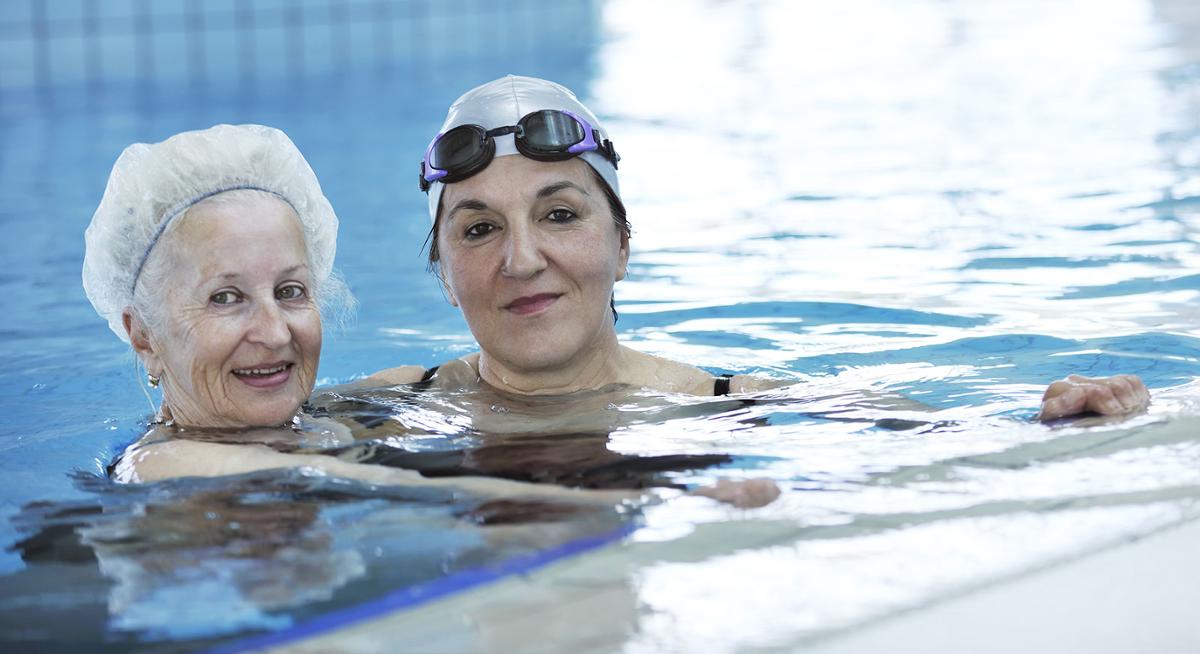
Co-located environments can be effective in promoting physical activity by providing a single point of access and a seamless transition between health and leisure, normalising physical activity by making it visible.
For healthcare and exercise professionals, it also makes it easier to promote physical activity and breaks down the barriers for those who feel they do not belong in a gym or leisure centre. For those with long-term health conditions who may be fearful about exercising, the co-location model, with on-hand clinicians, can feel more safe than a leisure centre.
However, although the environments may be seamless, the experience tends to be less so, because of a disconnect between the two sides and fully leveraging the co-location model calls for closer collaboration between the fitness and healthcare professionals.
Education and opportunities
Making the most of the opportunity which co-location hubs present is a multifacted approach that involves buy-in from service commissioners, healthcare and fitness professionals, architects and planners.
Architects need to design spaces with a single point of access, a centralised reception and a seamless journey flow between healthcare and leisure services that facilitates easy observation of physical activity opportunities. Spaces for healthcare professionals and exercise professionals to eat, share stories and build relationships would improve integration.
From the fitness professionals’ side, offering some free or discounted physical activity opportunities to patients attending clinical appointments and timing them to coincide with their appointments could also help this cohort to take the leap into a more active lifestyle.
Educating healthcare professionals about successful experiences of working with patients with long-term conditions can give them the confidence they need to make a safe recommendation. Allowing healthcare professionals to use facilities themselves can also lead to them becoming stronger advocates.
Finally, working with healthcare service providers and commissioners to align business models – such as organisational objectives, IT systems and performance metrics – improves integration and, in turn, the effectiveness of the model.
Call for integration
Overall, my research found that co-locating healthcare services with leisure facilities holds great potential to promote physical activity to a new cohort.
With the right conditions in place, this model has the potential to improve the health outcomes of individuals with chronic conditions, while also creating a more integrated and accessible healthcare system that encourages active lifestyles and offers a novel and promising approach to encouraging physical activity as both a prevention and treatment for non-communicable diseases.
However, the co-location model requires careful planning and implementation to overcome the challenges and maximise the potential. It’s not merely about creating adjacent facilities, but an opportunity to consider how the interaction of these spaces and cultures can become more than the sum of their parts in terms of how they promote physical activity.
Dr Natalie Grinvalds' doctoral research explored how, why, for whom and under what circumstances co-locating healthcare with leisure services works (or does not) to promote physical activity, particularly for individuals with long term conditions.