









The modern gym floor is evolving and not just in aesthetic terms. Across the UK, more operators are rethinking how they serve ageing populations, deconditioned members and communities increasingly disconnected from traditional fitness offers.
Under the guidance of group and functional training specialist Lynn Wilson, Matrix Fitness is leading that evolution with a fresh approach that blends intelligent space design, coaching support and adaptable programming to meet today’s wellbeing challenges.
“There’s a shift happening,” Wilson explains. “Operators are trying to reach new audiences – older adults, inactive members, those returning to exercise, but they’re doing it with the same equipment, class formats and coaching models that were designed for performance, not progression. It’s time to rethink the experience.”
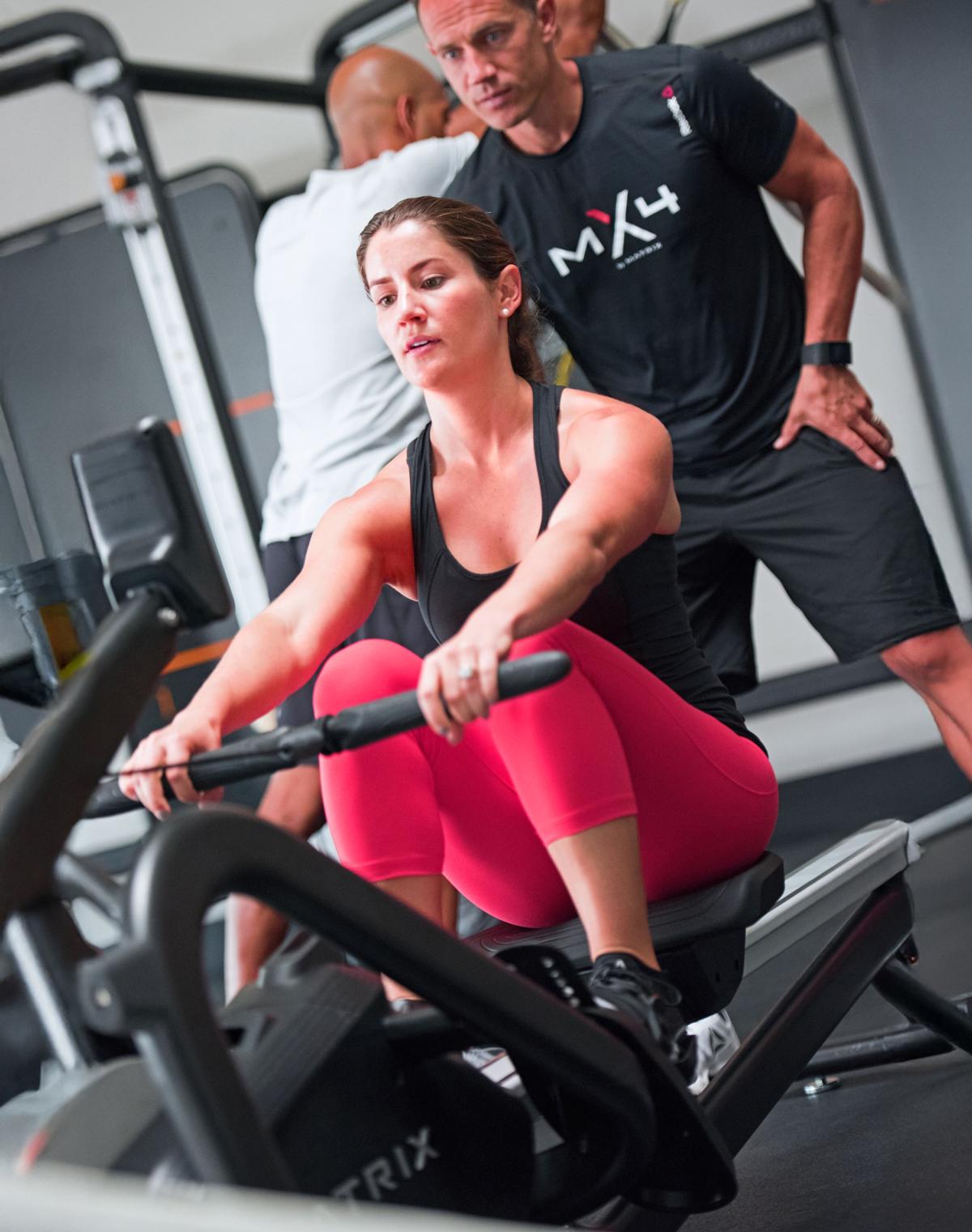
Wilson’s insight comes from hands-on work with operators across sectors, from leisure trusts to hospitality brands, helping them unlock the true potential of small group training and functional fitness zones. Through initiatives such as MX4 Active, Matrix has demonstrated how programming tailored to clarity, repetition and confidence-building creates meaningful change, both in how members engage and how clubs perform.
“The goal isn’t scaled-back intensity,” she says. “It’s a completely different experience, one that meets people where they are.”
BRIDGING THE SKILLS GAP
Behind the scenes, a quiet staffing shift has created new training needs. Many operators are relying more on gym instructors and personal trainers to deliver group sessions, not traditionally their comfort zone. Studio based Exercise-to-Music qualified instructors remain vital, Wilson stresses, but many small group training spaces now rely on Level 2 or Level 3 staff stepping into these roles without the necessary tools or confidence.
To support this, Matrix has worked with major brands across the sector to progress their trainers from working one-on-one with clients to having expertise as class leaders via a four-hour workshop that’s already been rolled out with major brands across sectors. “It’s about helping instructors understand the flow of a session, how to use music effectively, how to coach for engagement,” Wilson explains. “These aren’t just soft skills, they’re critical to success in today’s group environments.”
Wilson is also seeing a transformation in how operators approach gym design. “We’re helping clients get more from every square metre, especially in sites without dedicated rigs or studios,” she notes. “Functional zones are being carved out in clever ways and with the right programming and coaching support, these spaces can become the heart of the member experience.”
Matrix acts not only as an equipment supplier, but also as a strategic partner. Advising on everything from layout and user flow to instructor development and long-term programming. It’s this consultative approach that helps operators build facilities that serve communities, not just memberships.
PIVOTING TO HEALTH
As the public health landscape evolves, gyms are increasingly seen as part of the wider health solution. With NHS and government focus on prevention, social prescribing and physical activity, facilities that align with this agenda are better positioned to thrive. “This is about more than just retention,” says Wilson. “It’s about impact. When clubs deliver accessible, meaningful sessions, they don’t just support wellbeing, they contribute to a preventative health strategy.”
Matrix is working closely with operators involved in GP referral, social prescribing and community activation, helping align gym provision with NHS goals.
At the heart of this strategy is small group training, the format that links programming, people and place. “SGT isn’t just a product,” Wilson concludes. “It’s a delivery model that creates structure, confidence and connection. For many members, it’s the first time they feel seen and supported in a fitness space. That’s powerful – and it builds long-term engagement.”