








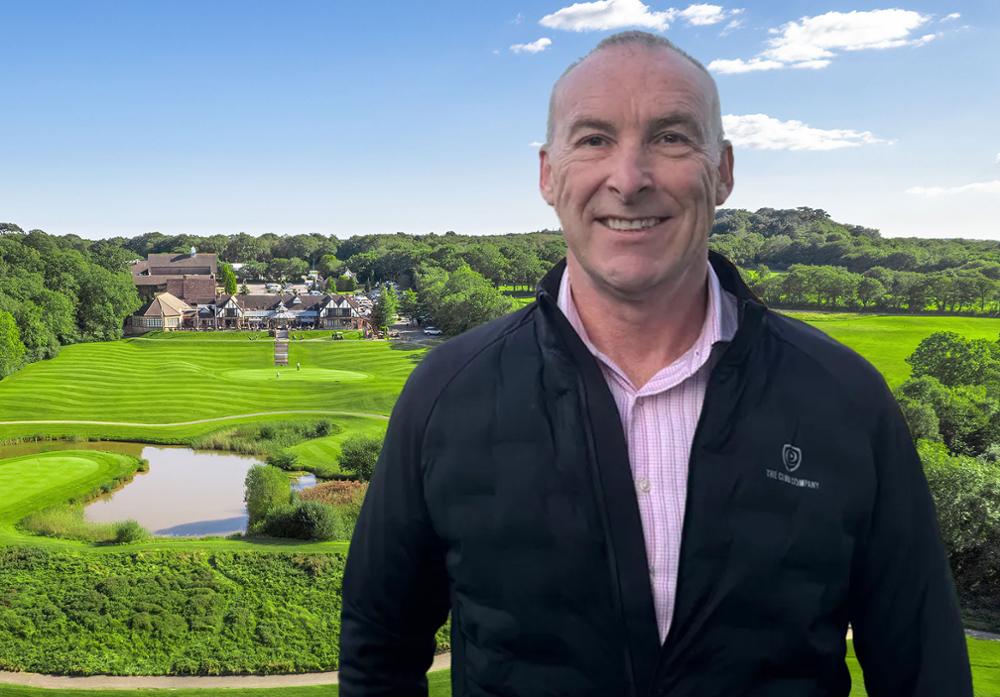
Tell us about The Club Company
We’re the UK’s largest collection of country clubs. Now operating 18 properties following three recent acquisitions, ours is a multifaceted operation with golf, health clubs and hotels.
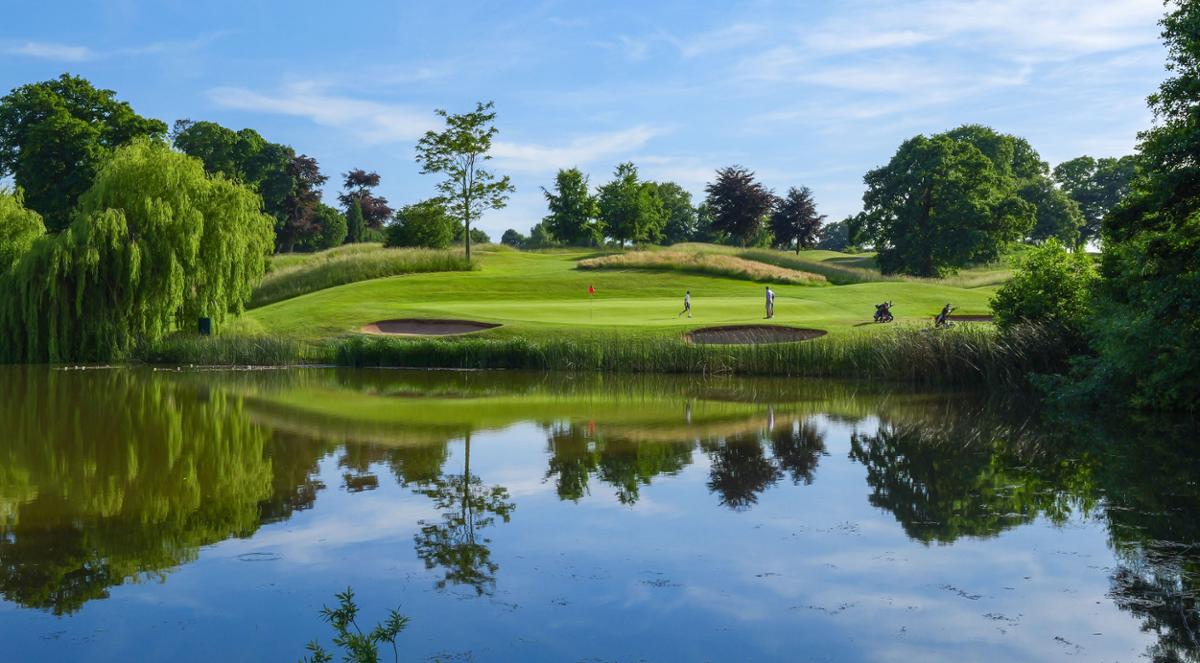
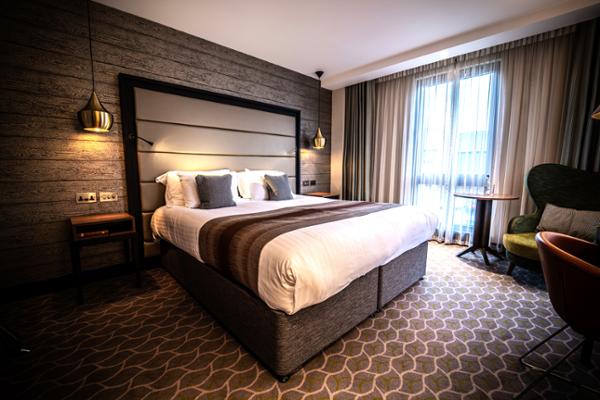
Golf is at the heart of every club, but 14 currently also have a health club and eight also have a hotel.
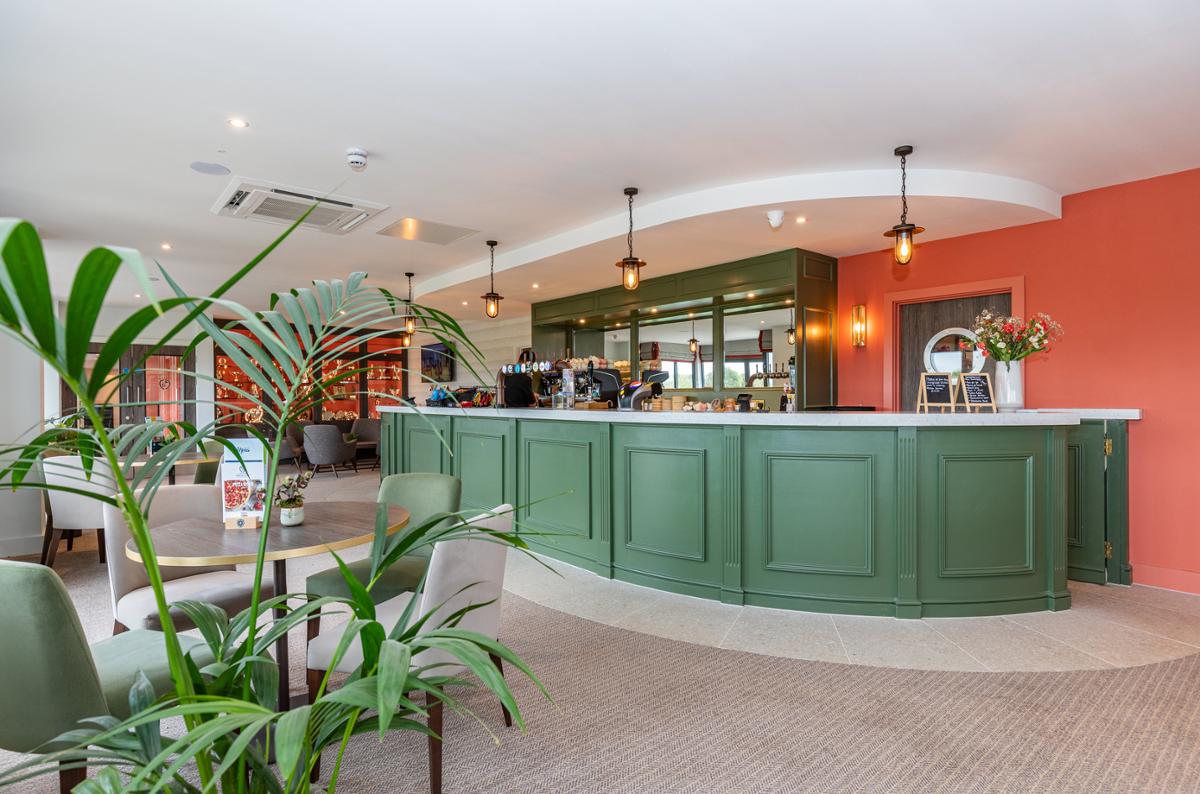
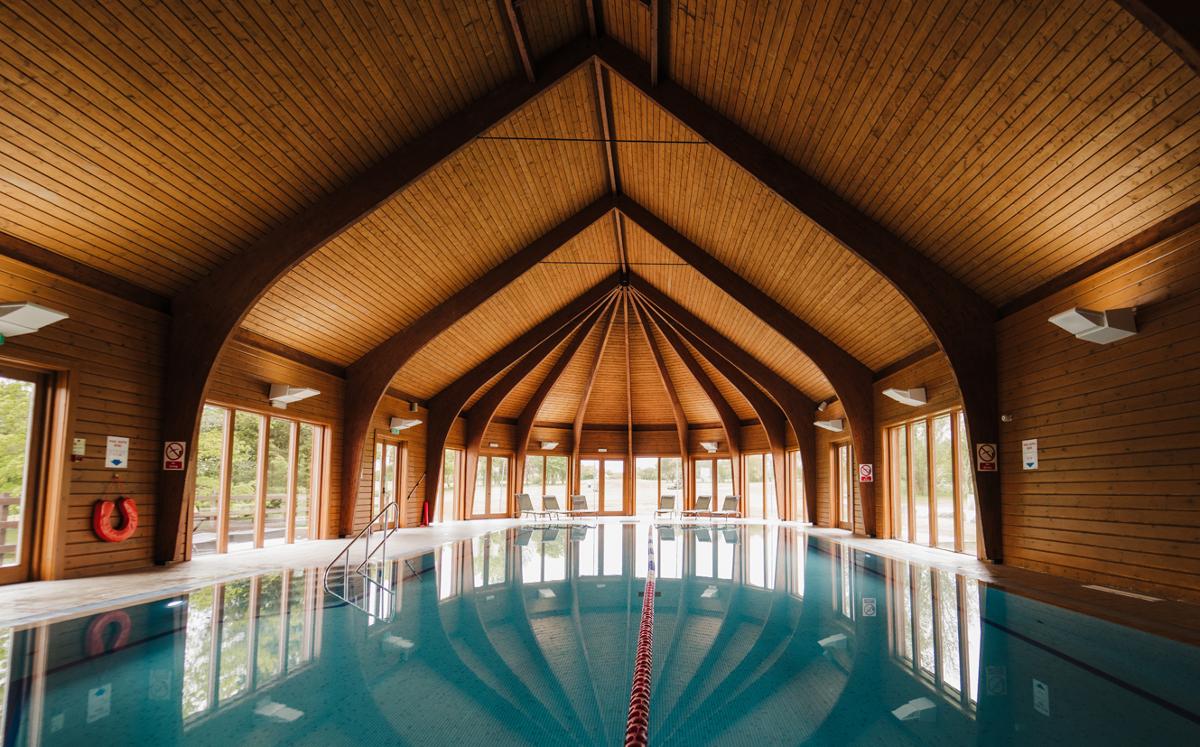
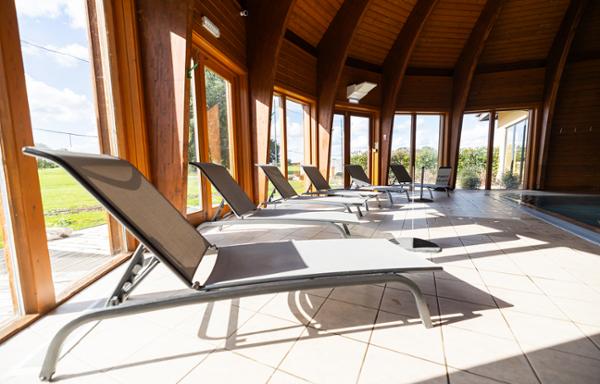
They’re truly beautiful clubs in beautiful surroundings; I don’t think there are many health clubs in the UK with better spaces or views. We’re family-friendly – children are welcome in many areas, including our pools – although we do have one club that’s adult-only.
Whether you’re 18 or 80-years-old, it’s a magic potion with all the different facets that come together. There’s so much more to do than at a traditional golf club and people come for so many different reasons. As a result, our tagline is ‘Your You Place’. Our members choose how to enjoy our clubs.
What’s the business model?
We operate a subscription model where over half our revenues are from members, be it golf members or health members.
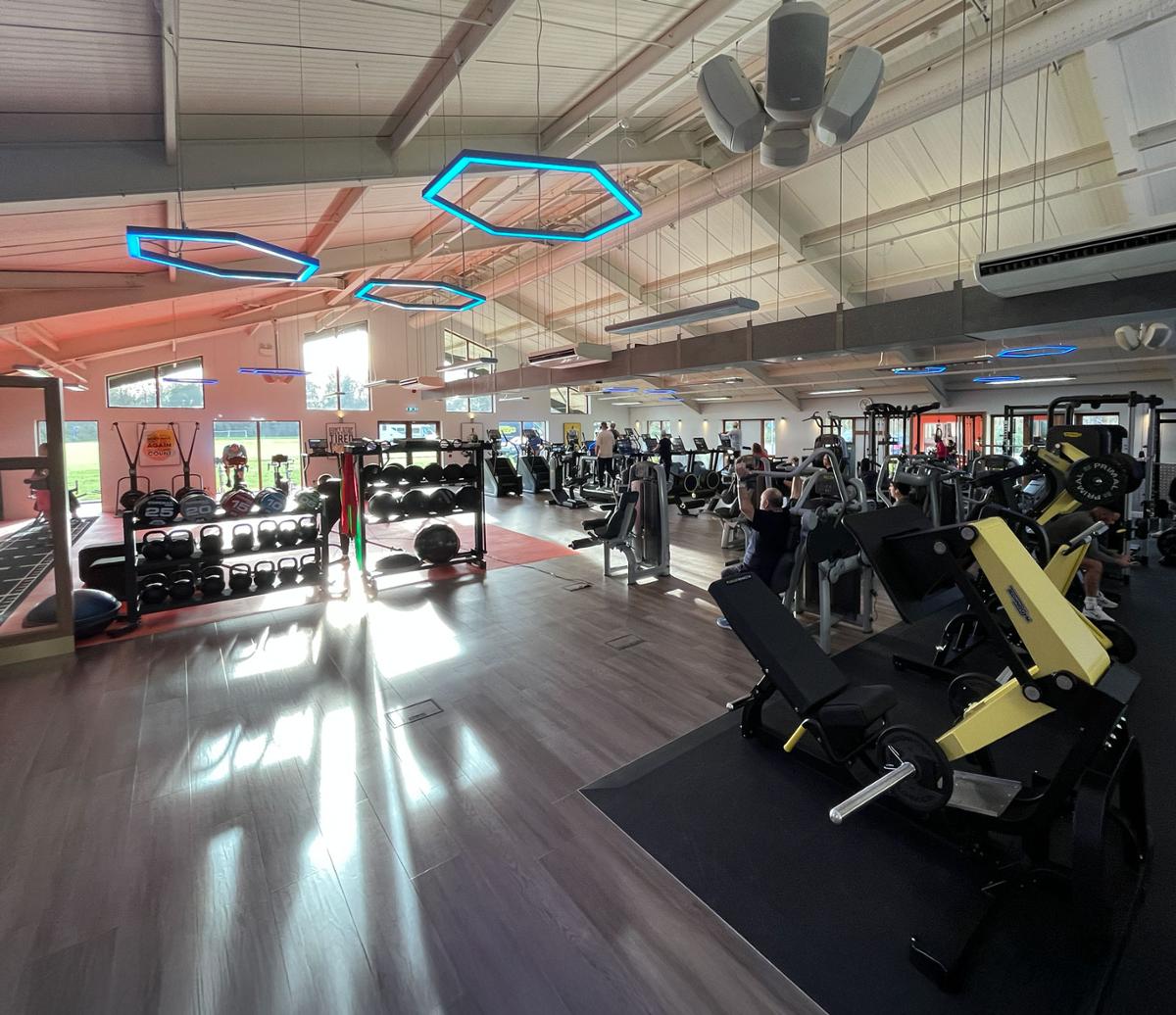
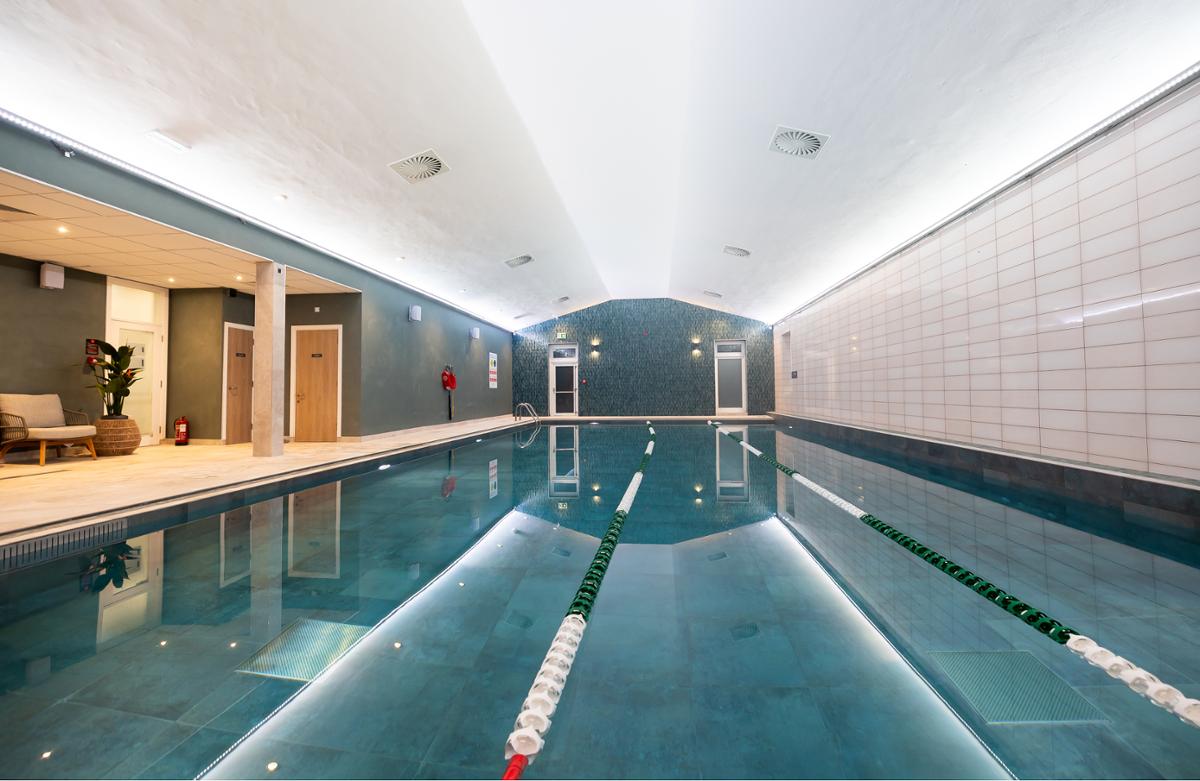
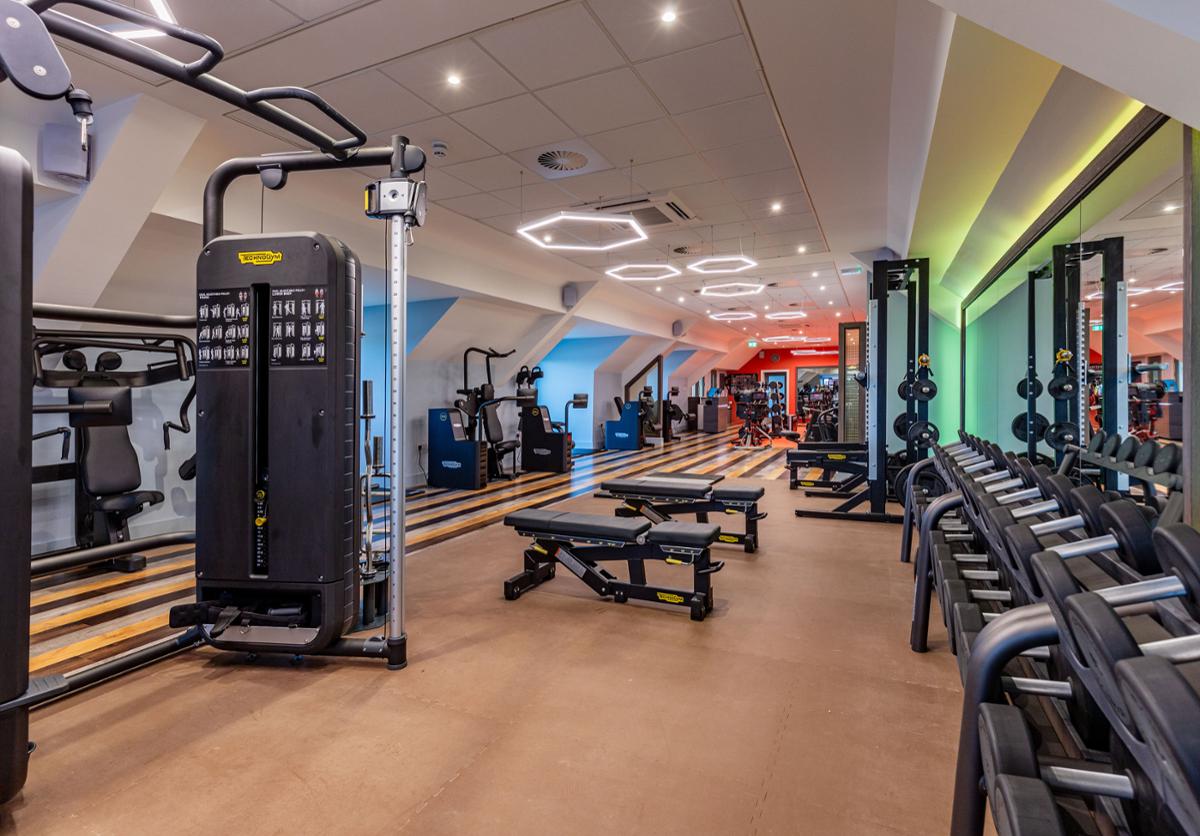
Golf members get the health club included in their membership, with 65 per cent using it on a frequent or occasional basis. Alternatively, they can choose to be a member of the health club only, enjoying access to our gyms, studios, swimming pools, sauna, steam and spa pools.
The remainder of our revenues come from our members contributing to the ecosystem of the club: food and beverage, golf buggy hire, golf pro shops, personal training, spa treatments and so on. We also get a lot of visitors coming to play golf, as well as guests staying in our hotels.
Our members also use our hotels. As Club Company members, they have access to all 18 clubs, so we see a lot of people using their membership to explore the UK, stay at our hotels and play golf or use the health club for free while they’re there. Our average hotel occupancy rate is well over 80 per cent.
This means it’s a well-balanced business in terms of overheads, revenues, seasonality and employment. We de-risk the business by being multifaceted and largely weather-agnostic.
Is The Club Company brand consumer-facing?
The primary brand that’s established in the local community is always the club’s name, with The Club Company as the secondary brand.
Doing this enables us to strike a balance between synergy and sovereignty. Each club is unique, but beneath this diversity sits a framework of consistency across elements such as F&B and gym equipment.
This approach also allows us to maintain a local feel while communicating the benefits of being part of a collection and the powerful fact that if somebody joins one of our clubs, they have access to them all.
You joined the business in 2020. What’s happened since then?
I joined three weeks before lockdown number three, so it was straight into crisis management mode. During this time, we began to look at cultural evolution within the team, creating a glass-half-full view rather than glass-half-empty after a torrid period of survival during COVID.
We did a lot of work around training and retention of our team, including reward – not just in terms of pay but also benefits and training. We now have a stronger team with stronger performance management.
We then had to rebuild the business. Golf was the first area to reopen and saw a huge boom – people just wanted to get outdoors – but the whole business is now performing very strongly. We have a record number of members, surpassing 50,000. Some of that is through acquisition, but a lot of it is organic. We also have record revenues and profitability.
Members are paying more and staying longer: 41 months on average for health and 60 months for golf. In return, we work hard to offer value: since I joined the business, we’ve invested heavily in member feedback and into the product itself, across fitness, swimming, golf and the whole country club offering.
We’re laser-focused on looking after existing members who’ve been very loyal to us; many have been with us for decades. We’re very self-critical, exploring what we could do better and see no point in expanding unless we first continue to service our existing guests.
What is your strategy now?
It’s threefold – improve, enhance and expand.
Improve is about organic growth, doing what we do better, while ‘enhance’ is about enhancing facilities at existing clubs for the benefit of our members. We have a plethora of existing planning permissions to add everything from swimming pools to pergolas, driving ranges to hotels.
Looking specifically at the three clubs we’ve bought recently – one in Rutland Water, one in Cheshire and one in Nottinghamshire – they don’t have gyms and it’s very much our intention to add health clubs, making them more rounded country clubs, rather than just golf clubs.
The current golf members will get a health club facility they don’t have to pay extra for and it will also attract a new cohort of health-only customers. We expect to more than double the membership of each club, as well as increasing dwell time.
In the way of evidence, we recently invested several million pounds in Cams Hall Estate in Hampshire, adding a stunning health club into a previously golf-only environment. It’s been a roaring success. We’ve gained around 1,000 health members, as well as more golf members who see the value of having something additional to golf: the swimming pool, wellness and fitness environment.
Finally, Expand is about increasing the footprint of The Club Company. We’ve already added three clubs and with our successful playbook, we believe there’s plenty of scope for further growth. Of course, the more we do so, the more value we bring to our members who can visit any of our clubs.
How have you enhanced your gyms?
The Club Company has a decades-long history with Technogym and in July of last year, we were one of its first customers worldwide to introduce Technogym Checkup. This self-assessment tool calculates your wellness age based not only on your aerobic capacity, but also your flexibility, strength and cognitive capacity. It’s about overall mental as well as physical wellness, which fits well with our Your ‘You Place’ philosophy.
We’ve worked hard on personal training, too, and have seen double-digit growth every year for the last four years. We’re really focusing on PT not only as a revenue-driver, but also as an engagement tool.
Meanwhile, we have extremely high group exercise attendance, so we’re constantly fine-tuning around customer demand. We offer Les Mills and have also introduced Hybr1d – our take on Hyrox – across all our gyms, both on group exercise timetables and through events and social competitions. We also run Float Fit – paddle board classes in the swimming pool environment where members can do yoga, high-intensity training and so on. That’s currently available in three clubs and is rolling out to a further three.
We’re blessed to have over 3,500 acres of land within the portfolio – in beautiful Green Belt golfing areas of suburban England – and we continually look at ways to maximise that space. We’re exploring options for outdoor gyms – perhaps bootcamps or outdoor pods, as it makes sense to introduce greater diversity in our fitness offering by bringing the inside out.
We also try to bring the outside, in, not only in our fitness offering but across the country club environment. Where feasible, we’re adding beautiful pergolas with retractable roofs, so when the weather isn’t playing ball, you can still go outside to enjoy anything from circuit training to a dining experience.
What about non-fitness enhancements to the business?
We have padel in three of our clubs at the moment. Subject to demographic analysis, ROI forecasts and planning permissions, we’ll introduce it in another four, as the sport grows in popularity.
There’s also been some great innovation in golf over the last few years. On-course golf is growing at a reasonable level, but the growth of off-course golf is exponential. We’ve converted nine driving ranges into Strike Shack-branded entertainment areas where you can play numerous different games and virtual courses.
This has been transformational in terms of usage, bringing a new audience into golf as well as helping expert golfers practise. This year, our nine Strike Shack ranges will see something like 35 million balls being hit. It’s a great pathway into full 18-hole or nine-hole golf membership.
In fact, part of our strategy is to broaden the audience for golf, getting more women and youngsters involved. Over 60 per cent of our health members are female and every time they come, they see our beautiful golf courses. Going from nothing to a full 18 holes is intimidating, but if we have more pathways into golf – Strike Shack and nine-hole memberships for example – more people might be tempted to have a go.
Tell us about your expansion plans.
Momentum drives momentum, and success drives success. You have to earn the right to get further investment, but we’ve had three consecutive years of generating record revenues, member numbers and profitability.
Our investor, Epiris, is highly supportive. Alongside investment in our existing clubs, we’re therefore also acquisitive. We want to grow and we believe our playbook can be successfully parachuted into other golf clubs, adding new facilities to create multifaceted country clubs.
We’re constantly talking about expansion; a large part of my role in leading the business is looking at new opportunities. I won’t name names, but I’m confident of adding two more clubs in the next 12 months. In fact, I’m confident we’ll continue to grow by two clubs a year for at least the next five years.
This is possible because there’s a lot of white space. To put this into perspective, the heart of our business is golf clubs – we add facilities to earn the right to call ourselves country clubs – and there are 2,500 golf clubs in the UK.
We have 0.6 per cent of the market and we’re clear market leaders. You name me any other business where the leader has less than 1 per cent of the market.
When combined with our ambition and our playbook – all our learnings, battle scars and triumphs – this white space means a huge and very exciting opportunity for growth in the UK.
In the short to medium term, we have a lot of opportunities to enhance our existing clubs, but we’re ambitious to grow and there’s a huge opportunity in the UK and overseas, which is why I would also never say never to going into places such as Ireland, Spain and Portugal.