



GET FIT TECH
Sign up for the FREE digital edition of Fit Tech magazine and also get the Fit Tech ezine and breaking news email alerts.
Not right now, thanksclose this window I've already subscribed!
EGYM | Fit Tech promotion
features

Insight: Future talent

How do we attract the next generation of group exercise instructors? Abi Harris asks what it will take to make the sector a compelling career choice

Published in Health Club Management 2025 issue 1

It’s no secret some operators are finding recruitment challenging after many fitness professionals left the sector post-lockdowns.

In a bid to unlock growth opportunities when it comes to hiring great group exercise instructors, Les Mills’ recent research, Nurturing the Next Gen: Blueprint for Instructor Recruitment (www.hcmmag.com/LMInextgen), looked at how Gen Zers perceive career opportunities in the sector.

They found that respondents with a high level of interest in training to be a group exercise instructor like the idea of working in a fitness environment, upskilling and being paid to work out, but feel the lack of mentors is a barrier. They also have the perception of the training being intimidating or overwhelming and the work being poorly paid.

Most important to them is earning a living wage (71 per cent), followed by the availability of pathways for progression (61 per cent).

Gen Zers attach a lot of importance to social issues – more than half said they want their employer to care about diversity, equity and inclusion, for their employer’s values to align with their own and for their employer to care about the environment.

Following the publication of this research, we asked six industry experts how they believe operators can best recruit and retain the next generation of group exercise instructors…


Martin Franklin
Les Mills International
photo: Les Mills

As every operator knows, instructors are the backbone of a thriving group training operation, with the ability to make a decisive difference to a facility’s fortunes and retention efforts.

Bringing on board the next generation of talent helps young prospects feel welcome in our facilities and can ease the labour shortages many are still grappling with.

Our new report, Nurturing the Next Gen: Blueprint for Instructor Recruitment, shares insights from 2,500 young people globally who are open to working in the fitness industry. We asked them about the role of the group training instructor, their motivations, aspirations and barriers to entry. A standout finding is their need for ongoing support. The joint top barriers to starting an instructor journey are a lack of mentor and a lack of confidence to train.

These fears can be allayed by demonstrating they’ll continue to have the support of existing instructors once they’ve qualified. This way, the next generation get expert feedback and mentorship, while your current instructors feel valued and gain the opportunity to enhance their mentoring skills. Couple this with the fact incoming prospects told us they’re motivated to help others develop a love of fitness and it’s clear to see the incredible role instructors play in our industry.

The good news for clubs? There’s not far to go when it comes to seeking the Next Gen out. 60 per cent of strong instructor prospects are already taking part in group training. Priming your existing instructors to scout their studio and tap the participants they think have what it takes to make the leap is a light-touch activity.

For clubs in need of support, our CIMSPA-accredited Les Mills Group Fitness Management course covers the recruitment and selection of rockstar instructors.

Crucially, your instructor pipeline is only as good as the amount of people you attract into your group training studio and this comes down to the importance you place on it. We’re seeing a record number of training bookings for our courses, so breaking down barriers and offering all members incentives to enter the studio is key to growing the pool of potential prospects.

It’s clear to see the incredible role instructors play in our industry
Qualified instructors can gain experience from mentoring new staff / photo: Les Mills / Dean Podmore
Tara Dillon
CIMSPA
photo: CIMSPA

As the sector’s chartered professional body, ensuring that the idea of joining our sector appeals to the next generation of professionals is essential to making sure we have a pipeline of talent that can deliver on future needs.

Our sector offers great benefits to those starting their career, including flexible, opportunities to work with different groups of consumers, as well as options for both employment and self-employment. It can fit around other life commitments, enabling an individual to build a working pattern and style that suits them.

The Workforce Insight Report 2023 (www.hcmmag.com/workforceinsight23) revealed that 30 per cent of jobs in the sector are held by those between 16-24 years of age – three times the average of all occupations across all sectors.

While it’s positive that roles in our sector are attractive to young people, it is essential we ensure clear career pathways are available and communicated if we’re to avoid high turnover.

According to Youth Employment UK, an independent social enterprise founded to tackle youth unemployment, meaningful career progression, having a role that makes a difference and strong training and development opportunities are all important factors in a young person’s career choice, in addition to flexibility, stability and salary considerations.

Achieving greater recognition of the contribution that professionals in our sector make to the health and wellbeing of communities and the social and economic value they add, will help more young people see impactful career opportunities.

In addition, linking professional status to career progression that’s aligned with training and development will ensure roles in our sector can be perceived with the same esteem and value as other professions.

Through the CIMSPA Careers Hub and a partnership with Unifrog, an organisation that supports 1.9 million students in almost 3,000 schools and colleges with career choices, we’re showing young people and others the great career opportunities that exist in our vibrant sector.

Linking professional status to career progression will ensure roles in our sector are perceived as having the same value as other professions
Having a role which makes a difference is important to young people / photo: Shutterstock / SeventyFour
Lisa Skelton
Active IQ
photo: Active iQ

The fitness industry faces an urgent challenge in not only attracting, but also retaining the next generation of fitness professionals.

Research from our recent Skills Gap Report, found that 43 per cent of fitness professionals believe there are limited or no opportunities for career development and it’s clear the industry must make significant changes to meet the expectations of future talent.

Operators must prioritise career progression and development opportunities; only 20 per cent of current fitness professionals believe there are ‘plenty’ of opportunities to grow within the industry, a sentiment that needs to change if we want to attract fresh talent. It’s essential that operators showcase the various career paths available – whether that’s moving into management, specialisations or business ownership – and actively support their staff in pursuing them.

One of the most effective ways to achieve this is through Continuing Professional Development [CPD] programmes, which can keep young instructors engaged and motivated by offering them the tools and knowledge to advance their careers. Operators should ensure this is a core part of their employment offering – it could include partnerships with training providers, subsidised courses or in-house mentoring schemes.

Providing opportunities for instructors to upskill will help keep them passionate about the industry and improve retention.

Ultimately, the future of the fitness industry hinges on creating a culture where development and progression are prioritised. By addressing these concerns and offering real, tangible opportunities for growth, we can attract the next generation of fitness instructors and ensure the long-term success of the sector.

The future of the fitness industry hinges on creating a culture where progression is prioritised
The long-term success of the sector is at stake / photo: Shutterstock / Ground Picture
Dean Zweck
Total Fitness
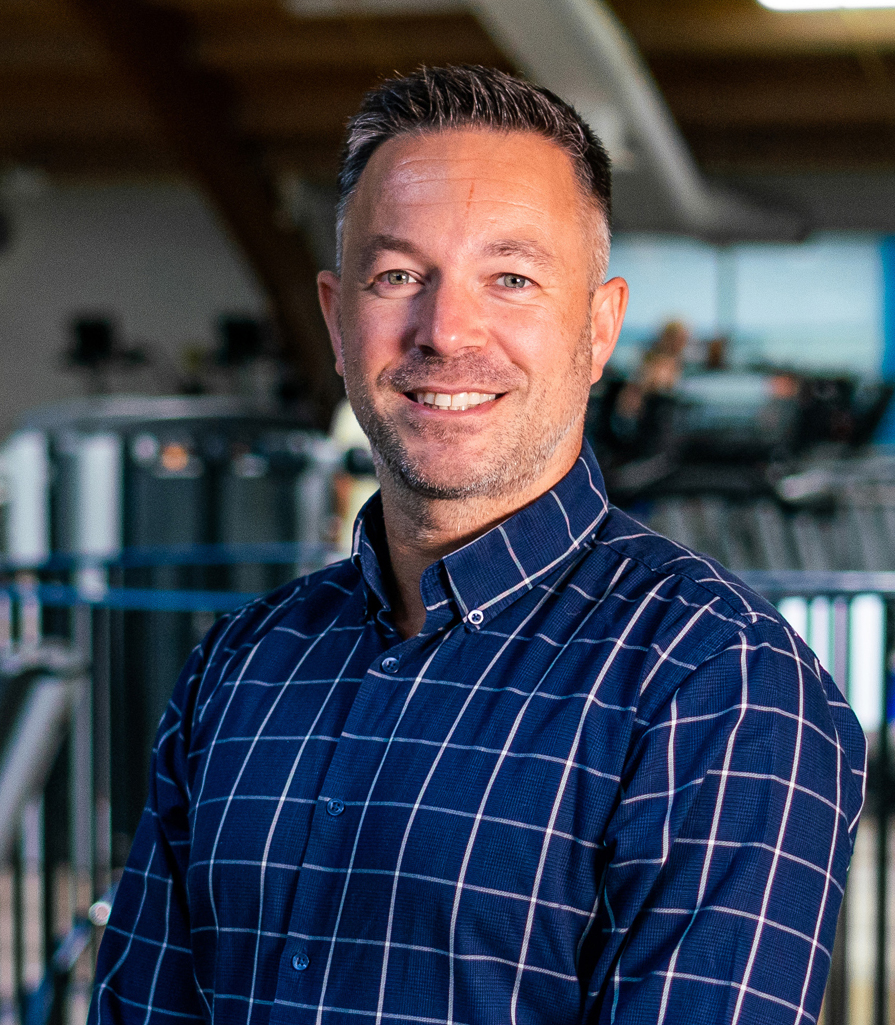
Zweck is focused on understanding Gen Zers / photo: Total Fitness

Our research suggests that while classes are one of the biggest drivers of visits – and we deliver a lot, over 1,000 a week – this isn’t the preferred workout choice for Gen Z.

Gen Zers have a higher level of social anxiety, so training in larger groups isn’t for them and creates a barrier to group exercise attendance. Younger people generally prefer to train with their gym buddy; we see a lot of pairs training together or by themselves following their favourite Tik Tok influencer.

For Gen Z, a motivator to working in the sector is the ability to turn their fitness passion into a career, so if they require a mentor to steer them into class delivery, it may need to come via a different source than through participation. To be attractive to this generation, there are a couple of key focuses for us.

An important consideration Gen Zers have when choosing an employer is relatability to their purpose. Alongside our company purpose, we have a clear employee value proposition – ‘more is possible’. This ultimately means making our team members’ roles as rich and rewarding as we can. We believe in a culture that lets people be their true self at work, with flexible career progression. This appeals to Gen Zers, giving us an advantage when it comes to recruiting the top talent from this demographic.

Gen Zers also over-index on the importance of personal development through their careers, and this is a vital cog in retention, improving engagement, enthusiasm and commitment. We’ve seen high demand for traditional group exercise classes such as aqua and Pilates and more modern disciplines such as our Coach by Colour class and Sound Bath. In response we now dedicate a higher percentage of our training budget to upskilling team members in group exercise delivery.

Having a clear purpose and development journey is important to attract Gen Zers and we still have work to do as an industry to ensure important factors are met – such as pay and working conditions – to increase the volume of applicants for group exercise positions.

While we may not have all the answers right now, we’ll continue to work with and listen to Gen Zers as we work to engage with them.

We now dedicate a higher percentage of our training budget to upskilling team members in group exercise delivery
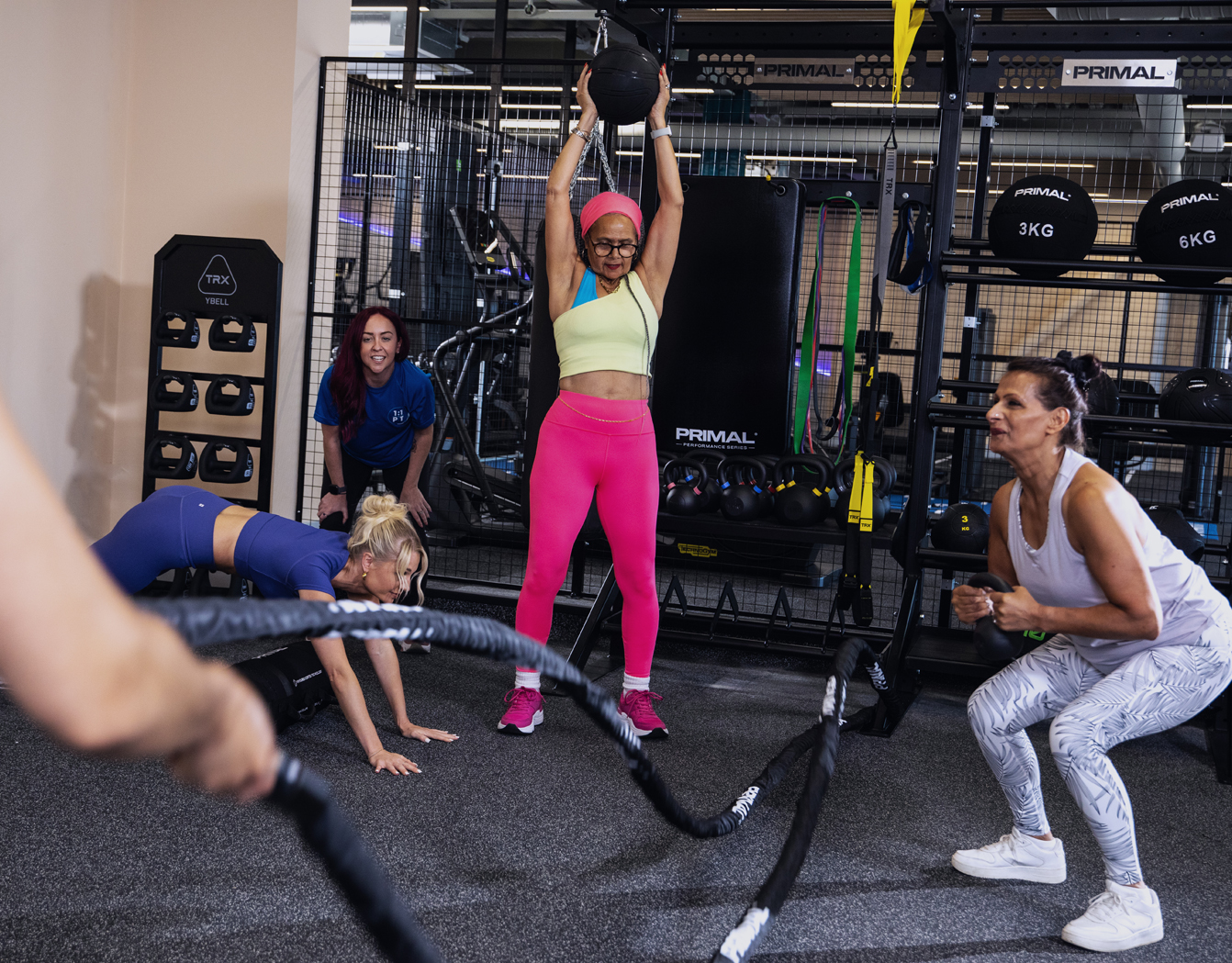
Total Fitness delivers over 1,000 group exercise classes a week / photo: Total Fitness
Emma Barry
CoverMe Ambassador
photo: STARLAFORTUNATO

Social media influencers are shaping the aspirations of Gen Z, with 53 per cent seeing this as a legitimate career path, while trust in social media personalities is skyrocketing, especially among younger generations.

A staggering 57 per cent of Gen Z dream of influencer stardom, according to Morning Consult. At the same time, Les Mills’ research shows aspiring fitness instructors are social media savvy, eagerly sharing their journeys and becoming organic brand ambassadors for their clubs. Surely this is a match made in marketing heaven?

I believe it’s time to give the instructor role an influencer makeover. Group exercise instruction isn’t just about leading workouts; it’s about building a loyal following and creating unforgettable experiences. Instructors are the ultimate community architects, bringing diverse crowds together under the banner of fitness. Their role is ripe for personal branding opportunities that resonate with the influencer-aspirant generation.

However, instructor pay needs a serious upgrade to reflect the importance of their role.

These fitness maestros are often the unsung heroes of retention. Don’t be fooled by the invisible thread between a group class and membership fees – it’s often the club’s lifeline. Mytime Active’s recent timetable analysis by Les Mills revealed a third of all members are unique group exercise users.

Without a pulsating group fitness programme, the club’s heartbeat flatlines.

There’s a lot we can learn from boutiques, which are attracting next-gen instructors with trendy crowds, top-notch training, Insta-worthy apparel, and flexible schedules. Their formula speaks directly to Gen Zs’ career aspirations and desire for a work-life balance that allows for content creation and community building.

We need to look to technology to engage with savvy Gen Z; solutions such as the CoverMe on-demand fitness professional management app that speaks their language, meets them where they are and offers engagement rewards and perks, from Sweaty Betty and Myzone to CIMSPA and FitPro (www.covermeapp.co).

The potential to lure fresh talent and ensure clubs’ long-term viability is enormous if the sector can flex to appeal to the next wave of fitness superstars.

We can learn from boutiques, that are attracting next-gen instructors with top-notch training, Insta-worthy apparel and flexible schedules
Operators can tap Gen Z’s influencer aspirations / photo: Les Mills / Dean Podmore
Gill Cummings-Bell
EMD UK
photo: EMD UK

Recruiting group exercise instructors remains a challenge for operators, with a 30 per cent decline in staffing levels post pandemic.

Teaching the public for the first few times can be a tough gig, particularly for a young Gen Z teacher – standing on a stage with all eyes on you can be terrifying. Even more so as many newbies to group exercise teaching have often only studied their craft with training providers under simulation, meaning they’re teaching the public for the first time with no real live experience at all.

A mentoring scheme can help nurture passionate individuals into teaching a real class and building their confidence. There are many great inspirational group exercise teachers working for operators who have a vast knowledge and experience that can be shared with new teachers.

Our EMD UK Instructor Survey 2023 found prospective instructors want to work for an operator in health clubs and leisure centres, rather than out on their own, as they’re inspired by a first-class workforce of established group exercise teachers and want to follow in their footsteps.

In our experience group exercise teachers are great givers and love to build a community. ‘Instructors are grown, not recruited’, so identifying group exercise mentors within an established teaching team lets every employer develop a safe space for new instructors to be nurtured and grown.

The recent Les Mills research, Nurturing the Next Gen: Blueprint for Instructor Recruitment, confirmed that 60 per cent of new prospects are already class members. After all, it’s generally the inspirational group exercise teachers who lead their class members to become the stars of the future.

This natural organic flow sits at an operator’s fingertips ready to be tapped into, but a mentoring scheme is crucial to the success of growing and retaining these group exercise teachers.

Les Mills found the number one top barrier to becoming an instructor was a preceived lack of mentoring, so overcoming this is vital not only to the recruitment of new instructors, but also to their retention.

In our experience group exercise teachers are great givers and love to build a community
Around 60 per cent of potential instructors are class members / photo: Shutterstock / Serhii Bobyk
Sign up here to get Fit Tech's weekly ezine and every issue of Fit Tech magazine free on digital.
More features
Editor's letter

Into the fitaverse

Fitness is already among the top three markets in the metaverse, with new technology and partnerships driving real growth and consumer engagement that looks likely to spill over into health clubs, gyms and studios
Fit Tech people

Ali Jawad

Paralympic powerlifter and founder, Accessercise
Users can easily identify which facilities in the UK are accessible to the disabled community
Fit Tech people

Hannes Sjöblad

MD, DSruptive
We want to give our users an implantable tool that allows them to collect their health data at any time and in any setting
Fit Tech people

Jamie Buck

Co-founder, Active in Time
We created a solution called AiT Voice, which turns digital data into a spoken audio timetable that connects to phone systems
Profile

Fahad Alhagbani: reinventing fitness

Alexa can help you book classes, check trainers’ bios and schedules, find out opening times, and a host of other information
Opinion

Building on the blockchain

For small sports teams looking to compete with giants, blockchain can be a secret weapon explains Lars Rensing, CEO of Protokol
Innovation

Bold move

We ended up raising US$7m in venture capital from incredible investors, including Andreessen Horowitz, Khosla Ventures, Primetime Partners, and GingerBread Capital
App analysis

Check your form

Sency’s motion analysis technology is allowing users to check their technique as they exercise. Co-founder and CEO Gal Rotman explains how
Profile

New reality

Sam Cole, CEO of FitXR, talks to Fit Tech about taking digital workouts to the next level, with an immersive, virtual reality fitness club
Profile

Sohail Rashid

The app is free and it’s $40 to participate in one of our virtual events
Ageing

Reverse Ageing

Many apps help people track their health, but Humanity founders Peter Ward and Michael Geer have put the focus on ageing, to help users to see the direct repercussions of their habits. They talk to Steph Eaves
App analysis

Going hybrid

Workout Anytime created its app in partnership with Virtuagym. Workout Anytime’s Greg Maurer and Virtuagym’s Hugo Braam explain the process behind its creation
Research

Physical activity monitors boost activity levels

Researchers at the University of Copenhagen have conducted a meta analysis of all relevant research and found that the body of evidence shows an impact
Editor's letter

Two-way coaching

Content providers have been hugely active in the fit tech market since the start of the pandemic. We expect the industry to move on from delivering these services on a ‘broadcast-only’ basis as two-way coaching becomes the new USP
Fit Tech People

Laurent Petit

Co-founder, Active Giving
The future of sports and fitness are dependent on the climate. Our goal is to positively influence the future of our planet by instilling a global vision of wellbeing and a sense of collective action
Fit Tech People

Adam Zeitsiff

CEO, Intelivideo
We don’t just create the technology and bail – we support our clients’ ongoing hybridisation efforts
Fit Tech People

Anantharaman Pattabiraman

CEO and co-founder, Auro
When you’re undertaking fitness activities, unless you’re on a stationary bike, in most cases it’s not safe or necessary to be tied to a screen, especially a small screen
Fit Tech People

Mike Hansen

Managing partner, Endorphinz
We noticed a big gap in the market – customers needed better insights but also recommendations on what to do, whether that be customer acquisition, content creation, marketing and more
More features
FIBO pursues the vision of a strong and healthy society and as a global network ...
Wattbike’s mission is to make Wattbike the ultimate training partner for improving health and performance. ...
22-23 Sep 2026
Four Seasons Hotel Bangkok at Chao Phraya River, Bangkok , Thailand
FIBO pursues the vision of a strong and healthy society and as a global network ...
Wattbike’s mission is to make Wattbike the ultimate training partner for improving health and performance. ...
Get Fit Tech
Sign up for the free Fit Tech ezine and breaking news alerts
Sign up
22-23 Sep 2026
Four Seasons Hotel Bangkok at Chao Phraya River, Bangkok , Thailand

latest fit tech news

PureGym is encouraging people to step away from their screens and go for a walk, in a new initiative timed ...
news • 29 May 2026
Active people app, Strava, has overhauled its strength training experience, allowing gym-goers to automatically log and share their lifts from ...
news • 27 May 2026

Fitness First UK is embracing digital wellness technology by installing Kip’s tap-to-activate phone controls across its UK estate. Kip tags ...
news • 22 May 2026
The world’s first awareness ring has been launched. Designed to promote presence, focus and calm via gentle haptic vibrations, the ...
news • 13 May 2026
Center Parcs’ Aqua Sana Forest Spa, Woburn Forest, UK, has transformed an unused space into a touchless wellness area called ...
news • 12 May 2026
Gharieni Group has launched a new company, Cobotics Innovations, to create automated wellness experiences. The first solution is a robotic ...
product innovation • 07 May 2026

US-based robotics wellness company Aescape Inc has entered insolvency proceedings following the sale of substantially all of its ...

news • 06 May 2026
Fitness platform, Zing Coach, has teamed up with Les Mills, in a partnership that gives its users access to group ...
news • 23 Apr 2026

TMActive is launching a new Active Wellbeing Studio next month in Tonbridge, UK, specifically aimed at people who face higher ...
news • 13 Apr 2026

Indian billionaire, Deepinder Goyal, is working on a device called Temple that aims to track blood flow to the brain ...
news • 10 Apr 2026
More fit tech news
features

Insight: Future talent

How do we attract the next generation of group exercise instructors? Abi Harris asks what it will take to make the sector a compelling career choice

Published in Health Club Management 2025 issue 1

It’s no secret some operators are finding recruitment challenging after many fitness professionals left the sector post-lockdowns.

In a bid to unlock growth opportunities when it comes to hiring great group exercise instructors, Les Mills’ recent research, Nurturing the Next Gen: Blueprint for Instructor Recruitment (www.hcmmag.com/LMInextgen), looked at how Gen Zers perceive career opportunities in the sector.

They found that respondents with a high level of interest in training to be a group exercise instructor like the idea of working in a fitness environment, upskilling and being paid to work out, but feel the lack of mentors is a barrier. They also have the perception of the training being intimidating or overwhelming and the work being poorly paid.

Most important to them is earning a living wage (71 per cent), followed by the availability of pathways for progression (61 per cent).

Gen Zers attach a lot of importance to social issues – more than half said they want their employer to care about diversity, equity and inclusion, for their employer’s values to align with their own and for their employer to care about the environment.

Following the publication of this research, we asked six industry experts how they believe operators can best recruit and retain the next generation of group exercise instructors…

Martin Franklin
Les Mills International
photo: Les Mills

As every operator knows, instructors are the backbone of a thriving group training operation, with the ability to make a decisive difference to a facility’s fortunes and retention efforts.

Bringing on board the next generation of talent helps young prospects feel welcome in our facilities and can ease the labour shortages many are still grappling with.

Our new report, Nurturing the Next Gen: Blueprint for Instructor Recruitment, shares insights from 2,500 young people globally who are open to working in the fitness industry. We asked them about the role of the group training instructor, their motivations, aspirations and barriers to entry. A standout finding is their need for ongoing support. The joint top barriers to starting an instructor journey are a lack of mentor and a lack of confidence to train.

These fears can be allayed by demonstrating they’ll continue to have the support of existing instructors once they’ve qualified. This way, the next generation get expert feedback and mentorship, while your current instructors feel valued and gain the opportunity to enhance their mentoring skills. Couple this with the fact incoming prospects told us they’re motivated to help others develop a love of fitness and it’s clear to see the incredible role instructors play in our industry.

The good news for clubs? There’s not far to go when it comes to seeking the Next Gen out. 60 per cent of strong instructor prospects are already taking part in group training. Priming your existing instructors to scout their studio and tap the participants they think have what it takes to make the leap is a light-touch activity.

For clubs in need of support, our CIMSPA-accredited Les Mills Group Fitness Management course covers the recruitment and selection of rockstar instructors.

Crucially, your instructor pipeline is only as good as the amount of people you attract into your group training studio and this comes down to the importance you place on it. We’re seeing a record number of training bookings for our courses, so breaking down barriers and offering all members incentives to enter the studio is key to growing the pool of potential prospects.

It’s clear to see the incredible role instructors play in our industry
Qualified instructors can gain experience from mentoring new staff / photo: Les Mills / Dean Podmore
Tara Dillon
CIMSPA
photo: CIMSPA

As the sector’s chartered professional body, ensuring that the idea of joining our sector appeals to the next generation of professionals is essential to making sure we have a pipeline of talent that can deliver on future needs.

Our sector offers great benefits to those starting their career, including flexible, opportunities to work with different groups of consumers, as well as options for both employment and self-employment. It can fit around other life commitments, enabling an individual to build a working pattern and style that suits them.

The Workforce Insight Report 2023 (www.hcmmag.com/workforceinsight23) revealed that 30 per cent of jobs in the sector are held by those between 16-24 years of age – three times the average of all occupations across all sectors.

While it’s positive that roles in our sector are attractive to young people, it is essential we ensure clear career pathways are available and communicated if we’re to avoid high turnover.

According to Youth Employment UK, an independent social enterprise founded to tackle youth unemployment, meaningful career progression, having a role that makes a difference and strong training and development opportunities are all important factors in a young person’s career choice, in addition to flexibility, stability and salary considerations.

Achieving greater recognition of the contribution that professionals in our sector make to the health and wellbeing of communities and the social and economic value they add, will help more young people see impactful career opportunities.

In addition, linking professional status to career progression that’s aligned with training and development will ensure roles in our sector can be perceived with the same esteem and value as other professions.

Through the CIMSPA Careers Hub and a partnership with Unifrog, an organisation that supports 1.9 million students in almost 3,000 schools and colleges with career choices, we’re showing young people and others the great career opportunities that exist in our vibrant sector.

Linking professional status to career progression will ensure roles in our sector are perceived as having the same value as other professions
Having a role which makes a difference is important to young people / photo: Shutterstock / SeventyFour
Lisa Skelton
Active IQ
photo: Active iQ

The fitness industry faces an urgent challenge in not only attracting, but also retaining the next generation of fitness professionals.

Research from our recent Skills Gap Report, found that 43 per cent of fitness professionals believe there are limited or no opportunities for career development and it’s clear the industry must make significant changes to meet the expectations of future talent.

Operators must prioritise career progression and development opportunities; only 20 per cent of current fitness professionals believe there are ‘plenty’ of opportunities to grow within the industry, a sentiment that needs to change if we want to attract fresh talent. It’s essential that operators showcase the various career paths available – whether that’s moving into management, specialisations or business ownership – and actively support their staff in pursuing them.

One of the most effective ways to achieve this is through Continuing Professional Development [CPD] programmes, which can keep young instructors engaged and motivated by offering them the tools and knowledge to advance their careers. Operators should ensure this is a core part of their employment offering – it could include partnerships with training providers, subsidised courses or in-house mentoring schemes.

Providing opportunities for instructors to upskill will help keep them passionate about the industry and improve retention.

Ultimately, the future of the fitness industry hinges on creating a culture where development and progression are prioritised. By addressing these concerns and offering real, tangible opportunities for growth, we can attract the next generation of fitness instructors and ensure the long-term success of the sector.

The future of the fitness industry hinges on creating a culture where progression is prioritised
The long-term success of the sector is at stake / photo: Shutterstock / Ground Picture
Dean Zweck
Total Fitness
Zweck is focused on understanding Gen Zers / photo: Total Fitness

Our research suggests that while classes are one of the biggest drivers of visits – and we deliver a lot, over 1,000 a week – this isn’t the preferred workout choice for Gen Z.

Gen Zers have a higher level of social anxiety, so training in larger groups isn’t for them and creates a barrier to group exercise attendance. Younger people generally prefer to train with their gym buddy; we see a lot of pairs training together or by themselves following their favourite Tik Tok influencer.

For Gen Z, a motivator to working in the sector is the ability to turn their fitness passion into a career, so if they require a mentor to steer them into class delivery, it may need to come via a different source than through participation. To be attractive to this generation, there are a couple of key focuses for us.

An important consideration Gen Zers have when choosing an employer is relatability to their purpose. Alongside our company purpose, we have a clear employee value proposition – ‘more is possible’. This ultimately means making our team members’ roles as rich and rewarding as we can. We believe in a culture that lets people be their true self at work, with flexible career progression. This appeals to Gen Zers, giving us an advantage when it comes to recruiting the top talent from this demographic.

Gen Zers also over-index on the importance of personal development through their careers, and this is a vital cog in retention, improving engagement, enthusiasm and commitment. We’ve seen high demand for traditional group exercise classes such as aqua and Pilates and more modern disciplines such as our Coach by Colour class and Sound Bath. In response we now dedicate a higher percentage of our training budget to upskilling team members in group exercise delivery.

Having a clear purpose and development journey is important to attract Gen Zers and we still have work to do as an industry to ensure important factors are met – such as pay and working conditions – to increase the volume of applicants for group exercise positions.

While we may not have all the answers right now, we’ll continue to work with and listen to Gen Zers as we work to engage with them.

We now dedicate a higher percentage of our training budget to upskilling team members in group exercise delivery
Total Fitness delivers over 1,000 group exercise classes a week / photo: Total Fitness
Emma Barry
CoverMe Ambassador
photo: STARLAFORTUNATO

Social media influencers are shaping the aspirations of Gen Z, with 53 per cent seeing this as a legitimate career path, while trust in social media personalities is skyrocketing, especially among younger generations.

A staggering 57 per cent of Gen Z dream of influencer stardom, according to Morning Consult. At the same time, Les Mills’ research shows aspiring fitness instructors are social media savvy, eagerly sharing their journeys and becoming organic brand ambassadors for their clubs. Surely this is a match made in marketing heaven?

I believe it’s time to give the instructor role an influencer makeover. Group exercise instruction isn’t just about leading workouts; it’s about building a loyal following and creating unforgettable experiences. Instructors are the ultimate community architects, bringing diverse crowds together under the banner of fitness. Their role is ripe for personal branding opportunities that resonate with the influencer-aspirant generation.

However, instructor pay needs a serious upgrade to reflect the importance of their role.

These fitness maestros are often the unsung heroes of retention. Don’t be fooled by the invisible thread between a group class and membership fees – it’s often the club’s lifeline. Mytime Active’s recent timetable analysis by Les Mills revealed a third of all members are unique group exercise users.

Without a pulsating group fitness programme, the club’s heartbeat flatlines.

There’s a lot we can learn from boutiques, which are attracting next-gen instructors with trendy crowds, top-notch training, Insta-worthy apparel, and flexible schedules. Their formula speaks directly to Gen Zs’ career aspirations and desire for a work-life balance that allows for content creation and community building.

We need to look to technology to engage with savvy Gen Z; solutions such as the CoverMe on-demand fitness professional management app that speaks their language, meets them where they are and offers engagement rewards and perks, from Sweaty Betty and Myzone to CIMSPA and FitPro (www.covermeapp.co).

The potential to lure fresh talent and ensure clubs’ long-term viability is enormous if the sector can flex to appeal to the next wave of fitness superstars.

We can learn from boutiques, that are attracting next-gen instructors with top-notch training, Insta-worthy apparel and flexible schedules
Operators can tap Gen Z’s influencer aspirations / photo: Les Mills / Dean Podmore
Gill Cummings-Bell
EMD UK
photo: EMD UK

Recruiting group exercise instructors remains a challenge for operators, with a 30 per cent decline in staffing levels post pandemic.

Teaching the public for the first few times can be a tough gig, particularly for a young Gen Z teacher – standing on a stage with all eyes on you can be terrifying. Even more so as many newbies to group exercise teaching have often only studied their craft with training providers under simulation, meaning they’re teaching the public for the first time with no real live experience at all.

A mentoring scheme can help nurture passionate individuals into teaching a real class and building their confidence. There are many great inspirational group exercise teachers working for operators who have a vast knowledge and experience that can be shared with new teachers.

Our EMD UK Instructor Survey 2023 found prospective instructors want to work for an operator in health clubs and leisure centres, rather than out on their own, as they’re inspired by a first-class workforce of established group exercise teachers and want to follow in their footsteps.

In our experience group exercise teachers are great givers and love to build a community. ‘Instructors are grown, not recruited’, so identifying group exercise mentors within an established teaching team lets every employer develop a safe space for new instructors to be nurtured and grown.

The recent Les Mills research, Nurturing the Next Gen: Blueprint for Instructor Recruitment, confirmed that 60 per cent of new prospects are already class members. After all, it’s generally the inspirational group exercise teachers who lead their class members to become the stars of the future.

This natural organic flow sits at an operator’s fingertips ready to be tapped into, but a mentoring scheme is crucial to the success of growing and retaining these group exercise teachers.

Les Mills found the number one top barrier to becoming an instructor was a preceived lack of mentoring, so overcoming this is vital not only to the recruitment of new instructors, but also to their retention.

In our experience group exercise teachers are great givers and love to build a community
Around 60 per cent of potential instructors are class members / photo: Shutterstock / Serhii Bobyk
Sign up here to get Fit Tech's weekly ezine and every issue of Fit Tech magazine free on digital.
More features
Editor's letter

Into the fitaverse

Fitness is already among the top three markets in the metaverse, with new technology and partnerships driving real growth and consumer engagement that looks likely to spill over into health clubs, gyms and studios
Fit Tech people

Ali Jawad

Paralympic powerlifter and founder, Accessercise
Users can easily identify which facilities in the UK are accessible to the disabled community
Fit Tech people

Hannes Sjöblad

MD, DSruptive
We want to give our users an implantable tool that allows them to collect their health data at any time and in any setting
Fit Tech people

Jamie Buck

Co-founder, Active in Time
We created a solution called AiT Voice, which turns digital data into a spoken audio timetable that connects to phone systems
Profile

Fahad Alhagbani: reinventing fitness

Alexa can help you book classes, check trainers’ bios and schedules, find out opening times, and a host of other information
Opinion

Building on the blockchain

For small sports teams looking to compete with giants, blockchain can be a secret weapon explains Lars Rensing, CEO of Protokol
Innovation

Bold move

We ended up raising US$7m in venture capital from incredible investors, including Andreessen Horowitz, Khosla Ventures, Primetime Partners, and GingerBread Capital
App analysis

Check your form

Sency’s motion analysis technology is allowing users to check their technique as they exercise. Co-founder and CEO Gal Rotman explains how
Profile

New reality

Sam Cole, CEO of FitXR, talks to Fit Tech about taking digital workouts to the next level, with an immersive, virtual reality fitness club
Profile

Sohail Rashid

The app is free and it’s $40 to participate in one of our virtual events
Ageing

Reverse Ageing

Many apps help people track their health, but Humanity founders Peter Ward and Michael Geer have put the focus on ageing, to help users to see the direct repercussions of their habits. They talk to Steph Eaves
App analysis

Going hybrid

Workout Anytime created its app in partnership with Virtuagym. Workout Anytime’s Greg Maurer and Virtuagym’s Hugo Braam explain the process behind its creation
Research

Physical activity monitors boost activity levels

Researchers at the University of Copenhagen have conducted a meta analysis of all relevant research and found that the body of evidence shows an impact
Editor's letter

Two-way coaching

Content providers have been hugely active in the fit tech market since the start of the pandemic. We expect the industry to move on from delivering these services on a ‘broadcast-only’ basis as two-way coaching becomes the new USP
Fit Tech People

Laurent Petit

Co-founder, Active Giving
The future of sports and fitness are dependent on the climate. Our goal is to positively influence the future of our planet by instilling a global vision of wellbeing and a sense of collective action
Fit Tech People

Adam Zeitsiff

CEO, Intelivideo
We don’t just create the technology and bail – we support our clients’ ongoing hybridisation efforts
Fit Tech People

Anantharaman Pattabiraman

CEO and co-founder, Auro
When you’re undertaking fitness activities, unless you’re on a stationary bike, in most cases it’s not safe or necessary to be tied to a screen, especially a small screen
Fit Tech People

Mike Hansen

Managing partner, Endorphinz
We noticed a big gap in the market – customers needed better insights but also recommendations on what to do, whether that be customer acquisition, content creation, marketing and more
More features