



















latest fit tech news


US-based robotics wellness company Aescape Inc has entered insolvency proceedings following the sale of substantially all of its ...


Industry insights: The way I see it
How can the industry attract people who don’t think gyms are for them? How do we get governments on side? Are memberships too cheap? Will the recovery trend be a flash in the pan? And why is this such a great industry to work in? HCM Handbook gets the views from senior global operators


Does any category have 100 per cent market penetration? We should be very much at peace with people enjoying team sports, running, cycling, walking activities or training at home.
What we can do is build very materially on our 20 per cent by being excellent in the service and experience that we offer, whatever the concept, and continuing to innovate and differentiate our offerings to appeal to different audiences.
The wind is on our backs as a sector so we should make the most of it. This includes building financially viable businesses that can attract investment to grow for the long term. That might get us to 30 per cent, which would be progress and might even be attainable!
There are not many businesses where the behaviour of your customers has such a profound effect on the experience of your other customers. The key is to create the right culture of respect and inclusion among your membership. This is not easy, but it is vital. In this way clubs could do a lot more to be welcoming to women.
It is already mainstream. As motivations have shifted from ‘lose weight’ to ‘live well and be happy’, people’s motivations have become much more rounded and they know they need to look after themselves. The rise of wearables is a huge piece of marketing for our industry, which drives people to educate themselves as to how to train and recover.
Working with people who are as passionate about what we do as I am. I never have to worry about whether the Third Space team is invested in our purpose.
Over time yes. Any health club needs to generate enough cash to enable it to re-invest to keep standards high and to invest in people. Costs will go up, so prices must go up enough to at least sustain a healthy margin. Investment is vital because members will eventually leave a tired and ageing club.
I love to ride my bike with friends at the weekend. More than 60 of us from Third Space participated in the Mallorca half Ironman in May (2025) so that motivated me to get in the pool this winter, to make sure I could keep up with the younger team members. My Monday morning PT is a staple of my life that I couldn’t do without.

For too long our industry has catered to the already-active, but true growth lies in breaking down barriers for those who feel intimidated, uninspired or underserved. We must reframe fitness as a tool for overall wellbeing, not just aesthetics.
This means creating welcoming spaces, offering programmes tailored to beginners and older adults and integrating technology to make fitness more accessible beyond the gym. Flexible memberships, virtual coaching and partnerships with workplaces and healthcare providers can help us meet people where they are.
The future of our industry depends on inclusivity. If we shift the focus from traditional gym culture to holistic health and longevity, we can unlock a new wave of engagement and ensure fitness is for all.
As a board member of AUS Active, Australia's peak body for the fitness industry, I see government engagement as a critical step in making fitness more accessible. We’re actively working with policymakers through initiatives such as Fit for Office, where MPs compete in a fitness challenge and Million Moves, which encourages MPs to lead their electorates in achieving a million moves over 21 days through gyms, outdoor walks and more.
By involving government leaders in fitness firsthand, we highlight the role exercise plays in reducing healthcare costs, improving productivity and enhancing community wellbeing. We're advocating for policy changes that support physical activity in schools, workplaces and local communities.
More women are embracing strength training, however, gym environments have not evolved to accommodate this change, with weights areas dominated by heavy lifting zones.
Women over 50 are a forgotten segment, despite the proven benefits of strength training for bone density, longevity and overall health. Gyms also fail to provide adequate support for pre and post-natal women. In the absence of education and tailored programmes, many stop exercising.
The industry must do better by redesigning spaces, offering education and providing inclusive programming to ensure that women, at every life stage, feel empowered to continue their fitness journey without barriers.
In many cases, yes. A sustainable industry requires pricing that reflects the quality of the experience. While discounting might drive short-term growth, it's not a sustainable strategy. Instead, gyms must focus on delivering high-quality products and exceptional service to build long-term value. If we shift the focus from discounts to delivering real value, members will see fitness as an investment, not an expense.
Rather than competing on price, we should prioritise increasing member usage through engaging programming and elevated experiences. This starts with investing in our teams – training them to deliver outstanding service and support.
After 30 years in the fitness industry, I can honestly say I've loved every single day. What I enjoy most is the impact we have changing people's lives through fitness. I love being surrounded by passionate individuals who share a common purpose to help others live better, healthier lives. This industry has given me lifelong friendships, incredible experiences and the chance to make a real difference. It’s more than a job, it’s a calling.
I love the network of passionate like-minded people in this industry.
A particularly special relationship is with David Minton (founder of Leisure DB) who has exceptional taste in restaurants and wine!
We’re at an inflection point as the world evolves beyond fitness and traditional medical care. For too long, the fitness industry has focused on those who are already active, leaving behind the majority of people who don’t feel traditional fitness spaces are for them.
Our vision at Purpose Brands is to ensure wellness services are accessible to individuals and communities around the world and we believe accessibility is more than just locations, it’s about meeting people where they are, physically and emotionally.
As well as expanding our presence around the globe with the goal of reaching 10 million members with more than 10,000 locations by 2030, Purpose Brands is investing in technology that offers personalised coaching and fitness experiences to people who might not feel comfortable walking into a gym; partnering with healthcare providers and corporate wellness programmes to integrate fitness into everyday life and being a loud voice of encouragement that any movement is good.
Women face their own set of challenges when it comes to fitness around the world, from safety concerns and cultural barriers to societal expectations. We’re taking real steps to address this across our brands and business worldwide.
In Bahrain, we launched a women’s-only Orangetheory Fitness to create a space where women feel safe and empowered to train. In Saudi Arabia and the Gulf Cooperation Council (GCC) area, we’ll do the same, navigating each country with an eye to help improve the health of women.
Across all our brands, we’re working to increase female representation in leadership – when more women lead, more women feel welcome in our spaces. Fitness should be a place of strength and support for everyone. We are making strides to ensure that reality for all women.
Changing the minds of leaders and policymakers is critical work that must be done around the world. The key is to show policymakers how fitness reduces healthcare costs, improves workforce productivity and ultimately strengthens economies. While all of the data shows the crucial role of fitness in managing risk factors and boosting immunity, it’s just not seen as an essential health service – yet.
During the pandemic in the US, gyms permanently closed at five times the rate of restaurants. It proved that fitness has to shake this reputation of being merely a lifestyle choice, when it’s actually a public health necessity.
We dug in and worked closely with governments in the US and Canada to advocate for fitness clubs and studios as essential services. Since then, we’ve expanded those efforts on a more global scale, and that work continues.
In Saudi Arabia, we’re currently aligning with the government’s Vision 2030 plan to improve public health and quality of life.
I try to embody our company’s purpose in my own life. I’m a huge basketball fan and coached my daughter’s high school team. Now that she’s off to college, my routine includes strength training, high-intensity workouts and plenty of mobility work. I also prioritise recovery and move every day, whether it’s a structured workout or simply staying active with my family.
think this is a strategic challenge as opposed to a tactical one. Most in the industry focus on the 20 per cent who are naturally inclined to use our products and services as opposed to the 80 per cent who prefer to avoid them. There’s commercial logic to this self-perpetuating position – you are likely to get a better yield for your time and resources when attracting a segment that is already positively disposed, instead of attracting a segment that’s not.
So, the question is not how can we attract the other 80 per cent, but how can we make it more attractive than the opportunity cost associated? An approach would be to conceptualise products and services at the outset for the 80 per cent which in our industry has never really been the case. It requires a total shift in mindset and a long-term approach.
This is a great example of how to attract the other 80 per cent, by thinking outside the box. Many recovery practices bypass some of the key objections related to an exercise-centric approach, for example, you don’t need to exert yourself to sweat in a sauna and you get the benefits of a cold plunge even if you only do it once a week.
With modernised practices such as sauna, cold-plunge and breathwork gaining traction, I do think recovery has the potential to reach a wider audience. This has led to my involvement in an exciting new social wellbeing venture, 432. (See interview with Jamie Waring in HCM issue 5 2025 www.HCMmag.com/archivec).
This is another great example of how to attract the other 80 per cent! These practices have been around for millennia for good reason – and with modernised marketing and execution, they will go mainstream. I’ve been studying meditation for more than 25 years, and it’s often misunderstood – its benefits are essentially inexhaustible for the individual and society.
Breathwork is one of the most direct ways to get an immediate wellbeing outcome, alongside hot-cold therapies and of course, exercise. 432 Social Wellbeing will be an example of taking breathwork mainstream, as it integrates the practice with sound, in a curated, group-led experience centred around sauna and cold-plunge.
Fitness and exercise has always been a part of my life; however my wellness routine has been built on a daily meditation practice, both morning and evening. As mentioned, I’ve been studying this seriously for more than 25 years and continue to do so under the guidance of my mentor, Dr Shankaranarayan Jois, author of Sacred Tradition of Yoga.
I endeavour to exercise every day, with a TRIB3 HIIT workout once or twice a week, and weight-training with my personal trainer once or twice a week. When none of the above fall into place I happily fall back on a self-appointed 20-minute circuit combined with some yoga stretches. I’m looking forward to PILAT3S opening near me so I can incorporate dynamic reformer Pilates into my routine.
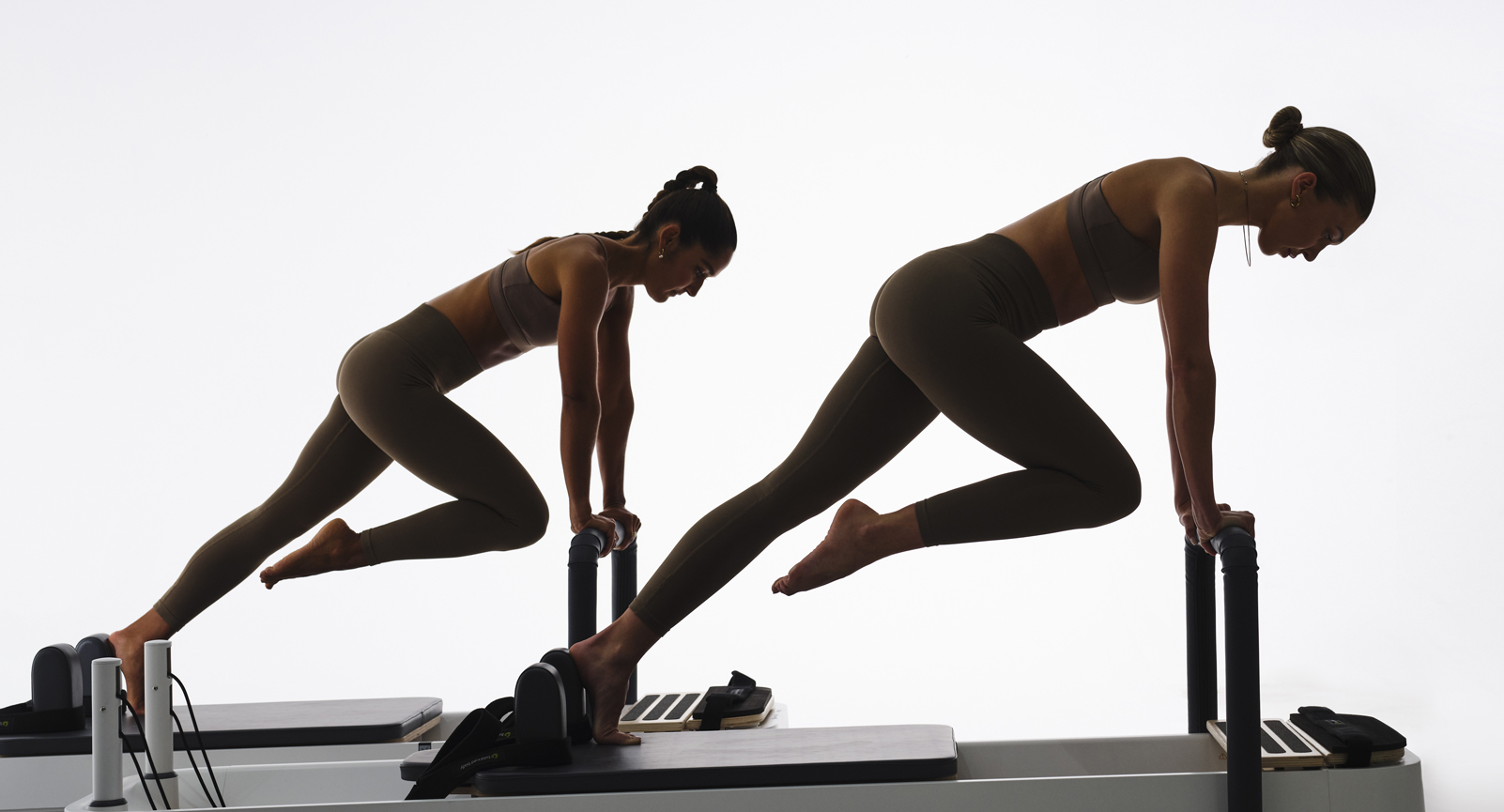

We need tailored solutions to support women in staying active. Life demands – such as work, family and caregiving – often take priority over exercise for women. As a wife and working mum of three young boys, I face this issue myself.
Crunch offers childcare in many of its gyms to accommodate busy mums and we make women feel welcomed no matter where they are on their fitness journey. We’ve added equipment that women are asking for, such as for glutes and abs. And our new hot studio offers a variety of classes that women are particularly interested in, from hot yoga to Pilates.
To increase engagement among women, industry operators can make exercise more social to build that authentic connection, as well as introducing group fitness classes with themed workouts or buddy systems and host social events like post-class meet ups to blend fitness with social connection.
Recovery and wellness are becoming a critical part of “healthy”. Our members have increasingly prioritised recovery and a holistic approach to wellness, so to meet their evolving needs, we recently launched our innovative design, Crunch 3.0.
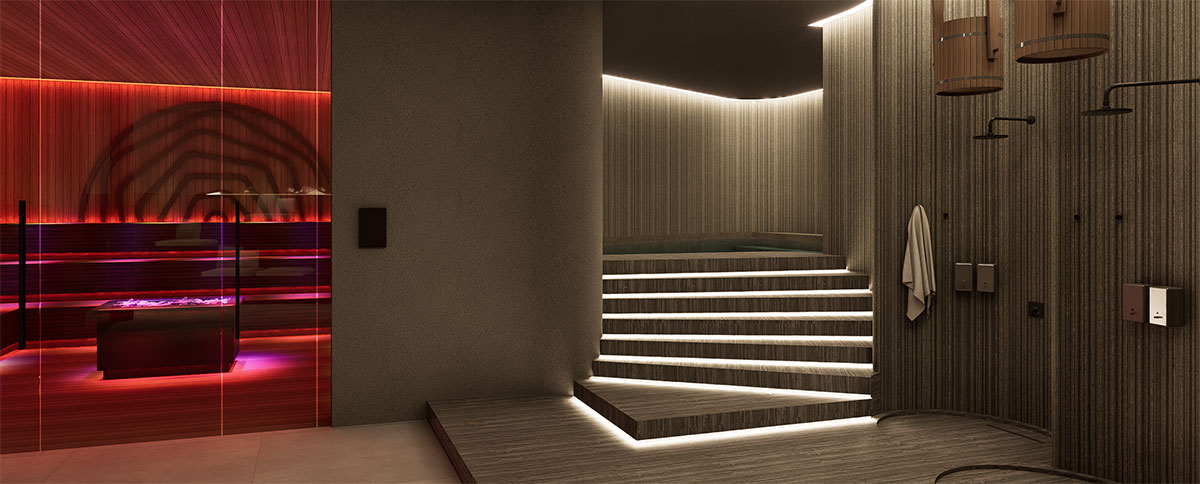
A key part of the new layout includes reinventing the Relax and Recover space to make it feel more spa-like. We’ve enhanced the services in the space, including Hyperice percussive, red light therapy and the infrared sauna. There’s also a dedicated stretching area, dimmed lighting and speakers with soothing music.
Yes. A key part of Crunch 3.0 is “Hot Stuff,” a dedicated hot studio for members looking for holistic offerings. We offer a number of heated group fitness classes including yoga, Pilates and barre for members looking to optimise their mental health. We’re looking at expanding Hot Stuff classes into other modalities including breathwork and meditation.
Innovation doesn’t mean membership prices need to rise. With Crunch 3.0, we have redefined fitness spaces and selectively curated design elements to elevate the member experience, but even with this latest prototype, our base memberships will still start at US$9.99 a month, offering exceptional value.
love listening to our members’ stories. Whenever I’m out in our gyms, I make a point to talk to our members, who will tell you exactly what’s on their mind. It’s the best way to truly understand their motivations. Listening is key to understanding and that insight becomes innovation.
I run about three miles, six days a week. It’s a kind of meditation for me. I’m not fast at all, but I always feel great after. I’m also a huge fan of the Crunch group fitness classes and my next goal is to lean into strength more.
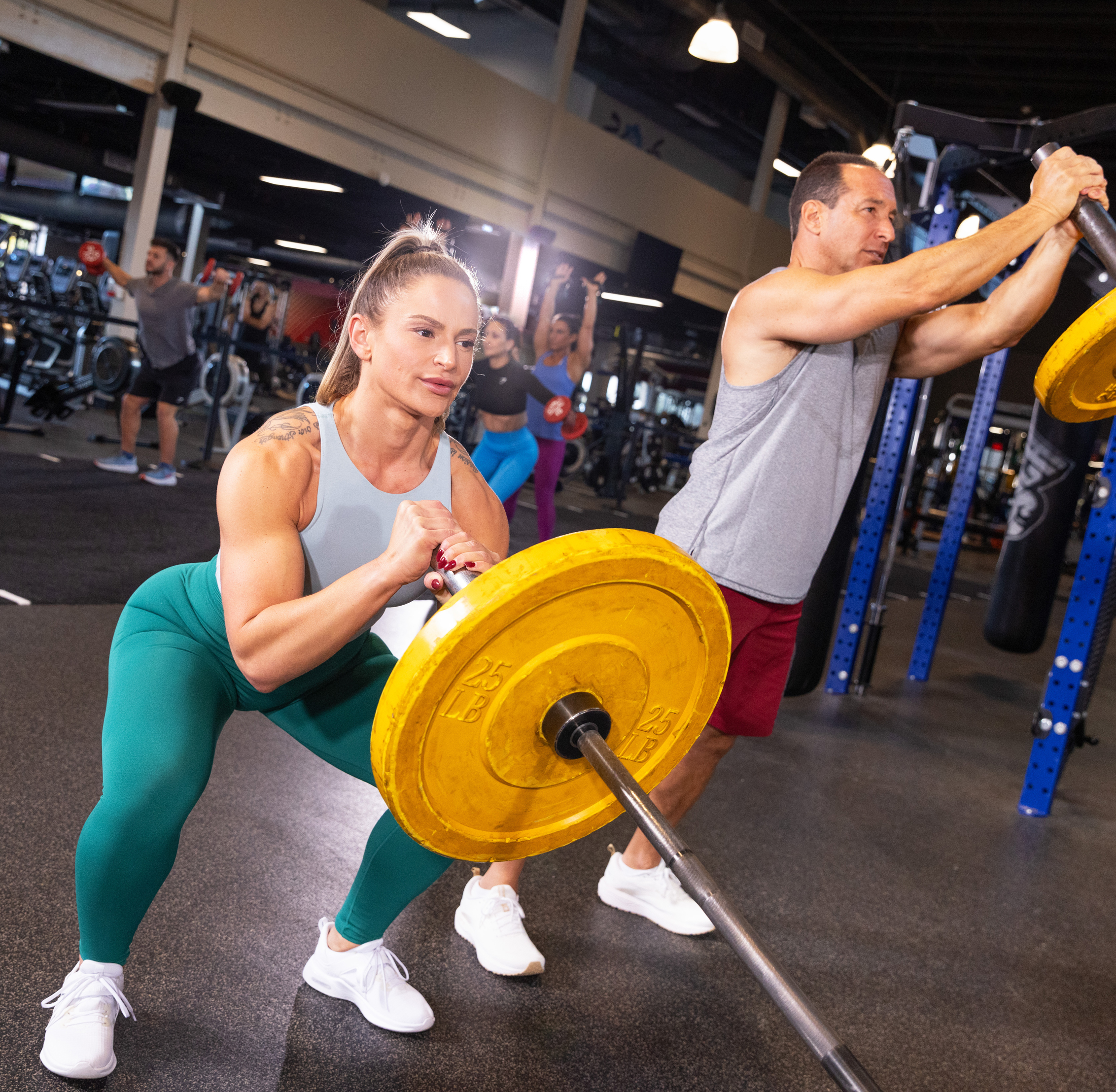
Fitness is no longer solely about aesthetics; it’s about overall wellbeing and empowerment. Women-focused fitness challenges, uplifting group workouts and inclusive spaces foster connection and motivation. When we prioritise accessibility, education and empowerment, we create a fitness culture where more women can thrive.
Creating a supportive, safe, and inclusive environment is essential. Women often reference intimidation and time constraints as barriers to exercise, making inclusive atmospheres and integrating hybrid fitness experiences paramount. Providing flexible class schedules or at-home workout options, like Lift Brands’ Fitness On Demand, ensures women can fit movement into their lives in a way that works for them.
Welcoming gym designs and safe workout environments – both in person and online – are also essential to making fitness more accessible for women. Representation matters too. Seeing women of all ages, backgrounds and fitness levels in marketing and leadership roles helps create a sense of belonging in the industry.
The mindset of go hard or go home is changing, with a sustainable approach to fitness being about enjoyment and recovery.
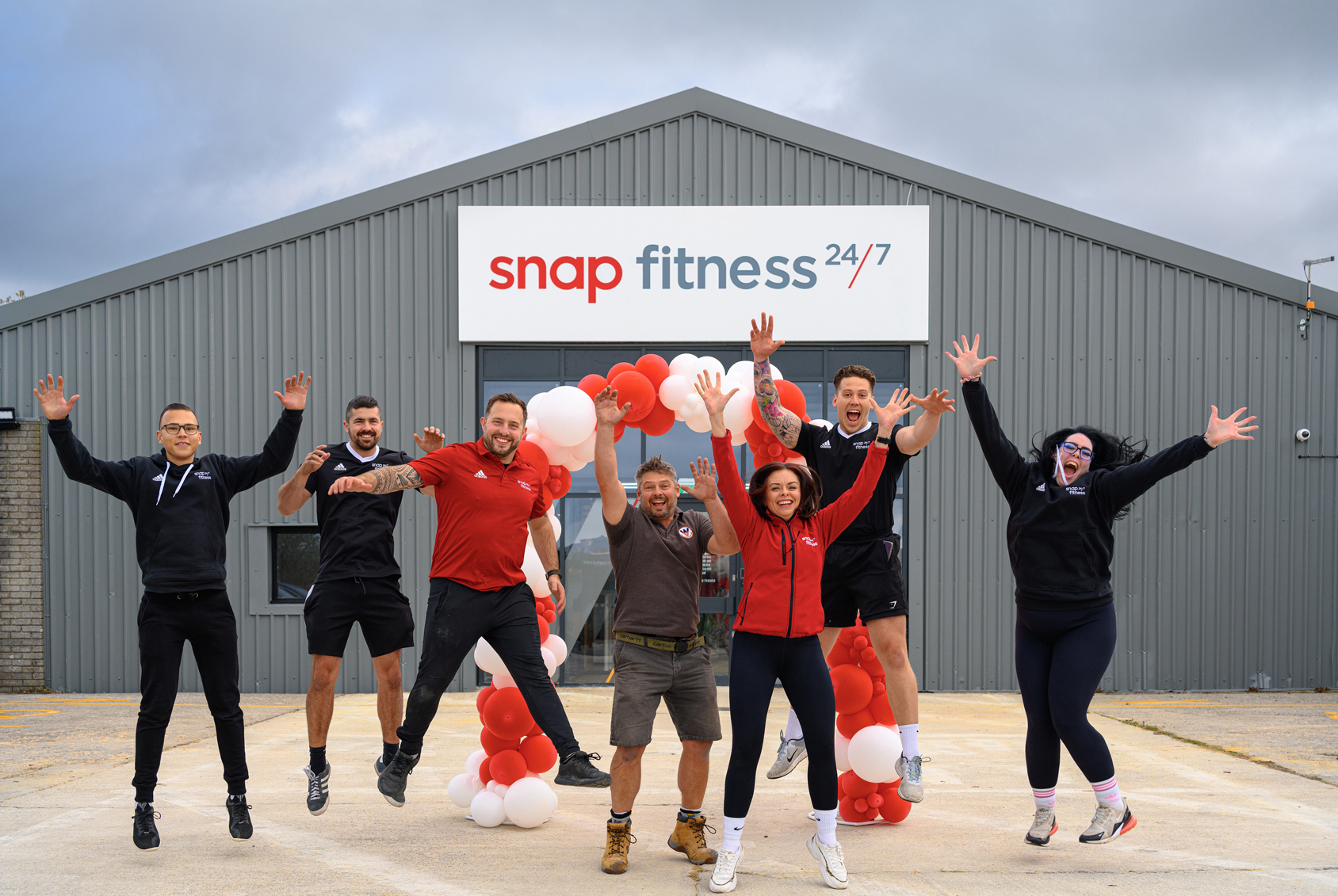
Snap Fitness was an early adopter of recovery solutions, delivering an extensive library of stretching, breathwork and mobility content through our award-winning Snap App.
Fitness On Demand launched Recovery Station in March (2025), which offers guided recovery, mindfulness and breathwork sessions delivered to members through a touch-screen TV.
We know many members prioritise wellbeing over training intensity and it’s my belief that recovery will soon become as mainstream as strength and cardio training.
Providing value is a huge factor in the sales process. In this economic climate members want to feel they’re getting the most for their money. Despite the global economic pressures and the focus on affordability, members are willing to pay for personalised experiences, both at clubs and beyond. Beyond the equipment and facilities, we’ve found that support, guidance and community set clubs apart.
The best part is the people. From passionate franchise owners to personal trainers, the energy is infectious. You get to see firsthand how fitness transforms not just bodies, but also boosts confidence, strengthens communities and supports small business owners’ careers.
Being surrounded by workout enthusiasts means you’re constantly inspired – or guilt tripped! – into staying active yourself.
There’s nothing better than walking into one of our gyms, chatting with members and seeing the brand in action. And if that means testing out the latest equipment or joining a class, that’s just good leadership, right? At the end of the day, it’s about impact, energy, and maybe a few too many protein shakes!
people who are prioritising their health and wellbeing and are savvy spenders. As an industry we’ve got to break down misconceptions – gone are the days of gyms being exclusively for bodybuilders.
Despite this, our sector and associated industries, such as protein and gymwear, continue to present a body beautiful image so it’s vital we counter this to demonstrate gyms are places where everyone is welcome.
Accessibility is also crucial. There are still huge areas of the UK without adequate gym provision. PureGym is opening more than 50 new gyms in the UK this year and adapting formats to include ‘Small’ and ‘Very Small Box Format’ gyms, which enable openings in towns and rural locations that have never had a gym before.
Gymtimidation is an industry-wide issue that requires industry-wide attention. Research undertaken by PureGym last year found 10 per cent of women experience this compared with 6 per cent of men, so we’ve got to break down these barriers to help women feel more comfortable when working out at the gym.
We’re constantly improving our design to be more accommodating towards women, for example, by providing lighter lifting areas to help females and beginners gain confidence.
We’re also offering a range of classes that are very popular with these members, for example our ‘Lift’ weight training class helps members progress with their strength training while also ensuring they learn the correct form and technique in a safe environment.
We must show governments the vital role that gyms play in driving better health outcomes. With more than 10 million gym-goers in the UK alone, plus those exercising outside gyms, people are evidently taking increasing personal responsibility for their health and wellbeing.
Exercise is a hugely successful and cost-effective means of preventative healthcare and in time will help to alleviate pressure on health services. It’s up to us to demonstrate that gyms are perfectly positioned to help the UK government achieve its aim of building a health service fit for the future, by inspiring a healthier nation through affordable, flexible fitness.
As a value gym operator, competitive pricing is essential – PureGym has 1.5 million members in the UK and we work incredibly hard to keep prices as low as we can. All businesses are facing increasing costs and this leads to difficult decisions about how much to pass on to consumers.
need to make price increases it can be done in a targeted and measured way. We operate a lean and highly efficient operating model, meaning we’re better able to absorb increases in our cost base. Despite the challenging cost environment, the average rise of a PureGym membership in January 2025 was only 80p.
We’re likely to implement some modest price rises in the year ahead, but won’t pass on the enormous cost burden presented by the Autumn Budget to our members.
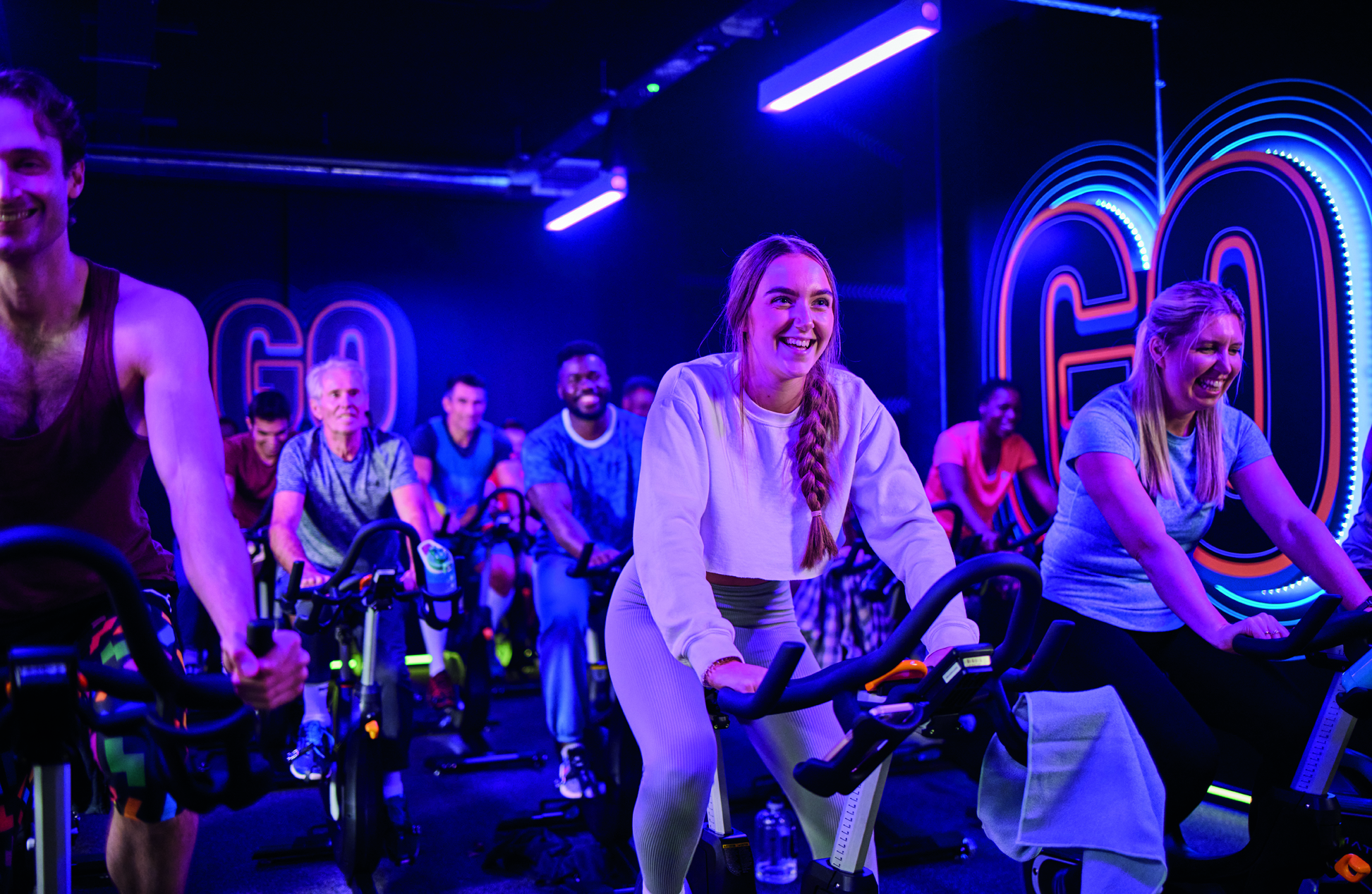
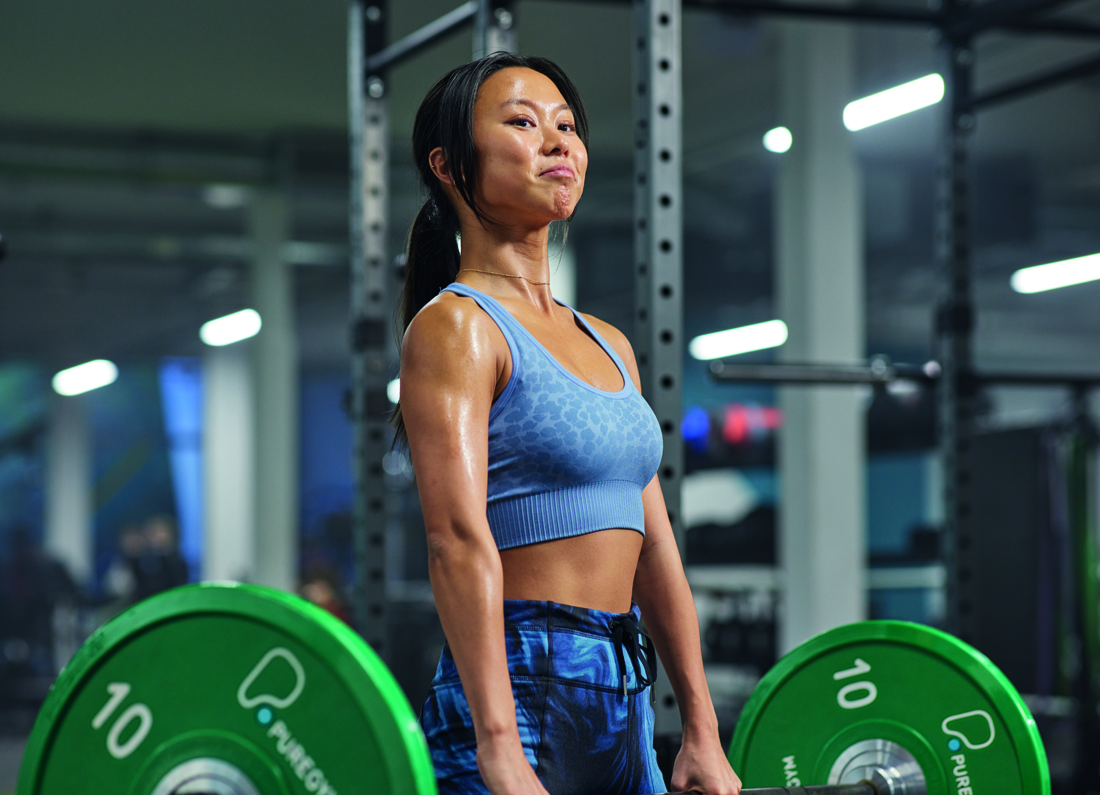
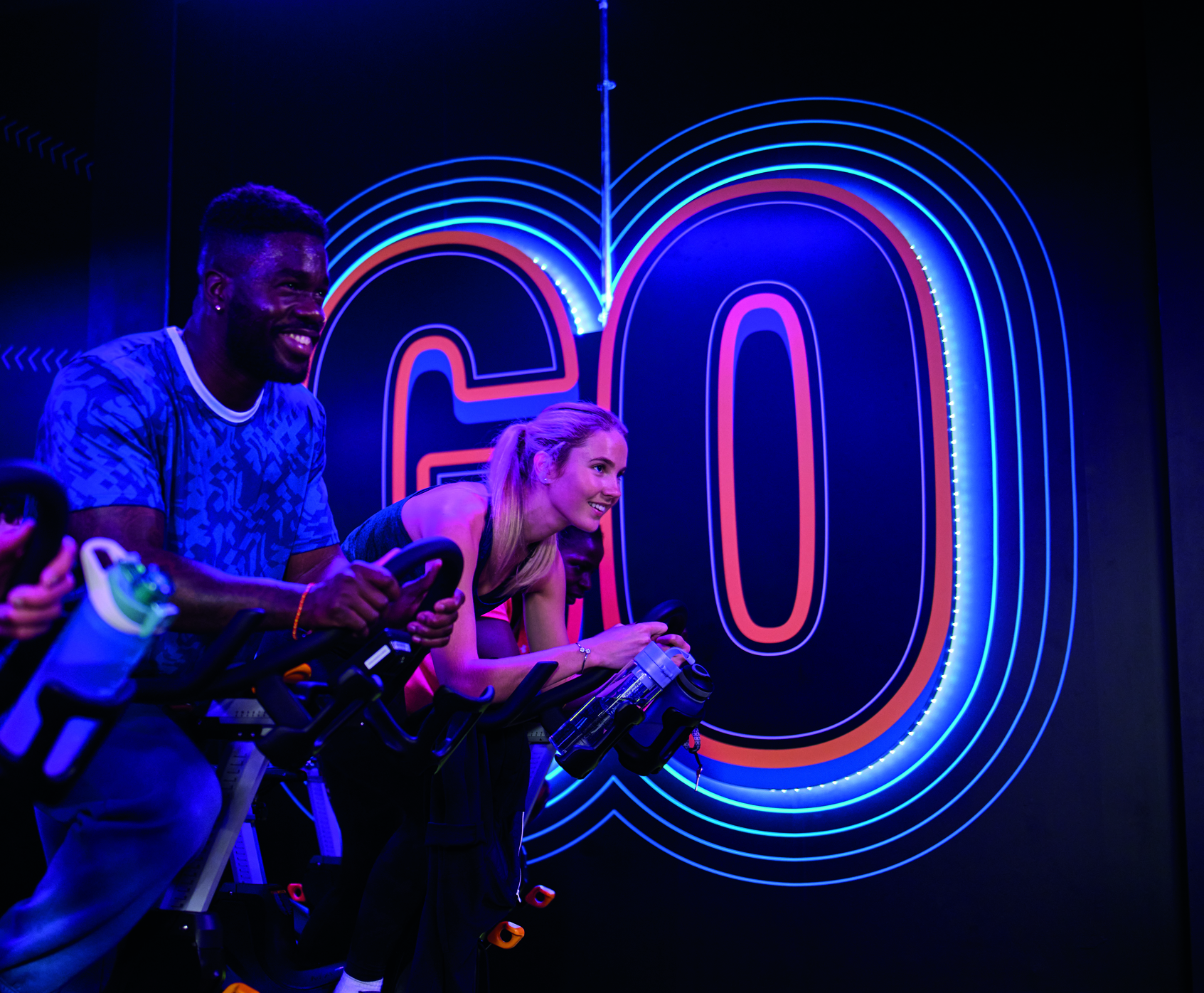

I believe our industry is built on community and connection at a time when so many other sectors in society are seeing less engagement. We’re community hubs and that connection is infectious.
One of the attributes I admire most about our industry in the US is that there’s a facility to meet the needs of every consumer in every corner. Our research tells us consumers know the benefits of exercise for physical and mental health, and our surveys tell us consumers know it empirically through their own experience.
I’m proud to see the innovations in our sector. At a recent industry event in New York City with an audience of CEOs, investors and industry partners, half the programme represented female entrepreneurs focused on building businesses benefiting women.
Our industry has always rewarded operators who reflect their customer base and their customers’ needs, and the growth of this sector and even the expansion of women-oriented fitness as part of women-oriented health care, are positive developments.
Our industry is very focused on consumer behaviour and preferences, leading on energy efficiency, recycling, responsible water use and similar policies.
This is good for consumer relations and also for business as a cost management policy. In so many areas, especially in cities, facilities are opening in the latest LEED-certified spaces and that relationship between new and innovative property owners and interested tenant fitness businesses is positive.
Every facility operator is the best expert when it comes to determining the prices their customers can support and what value they place on their facilities, operations, and services.
That said, we recently surveyed consumers in key regions around the globe, and we know many consumers are acutely aware of prices and that policymakers are too when they look at incentives and other proposals to expand fitness and wellness.
Getting to know, learning about and advocating for the health and fitness operators who give so much to their communities and who see in their customers the positive impacts of their work every day. I’m proud to share their stories and advocate to government and industry leaders on their behalf.
Our industry is one of the new central connection hubs, bringing people, communities and teams together. Connection is a huge part of what makes communities thrive, and I’m inspired about the connections we create in our facilities every day.
If I had to pick one, I’d say Chris Craytor, who’s not only my chair and my boss, but also a key collaborator.
We had to work to solve a lot of challenges within the organisation, so I know he’s a smart, patient leader.
I love Pilates and weightlifting. I also love playing tennis and golf. I wish I could say I love running, but unfortunately I don’t. Although I appreciate the bang for your buck which running offers – if you don’t have much time it’s a great way to get a little sweat.
For wellness, I love enjoying live music with my husband, shopping with my daughter and occasionally taking a bath.
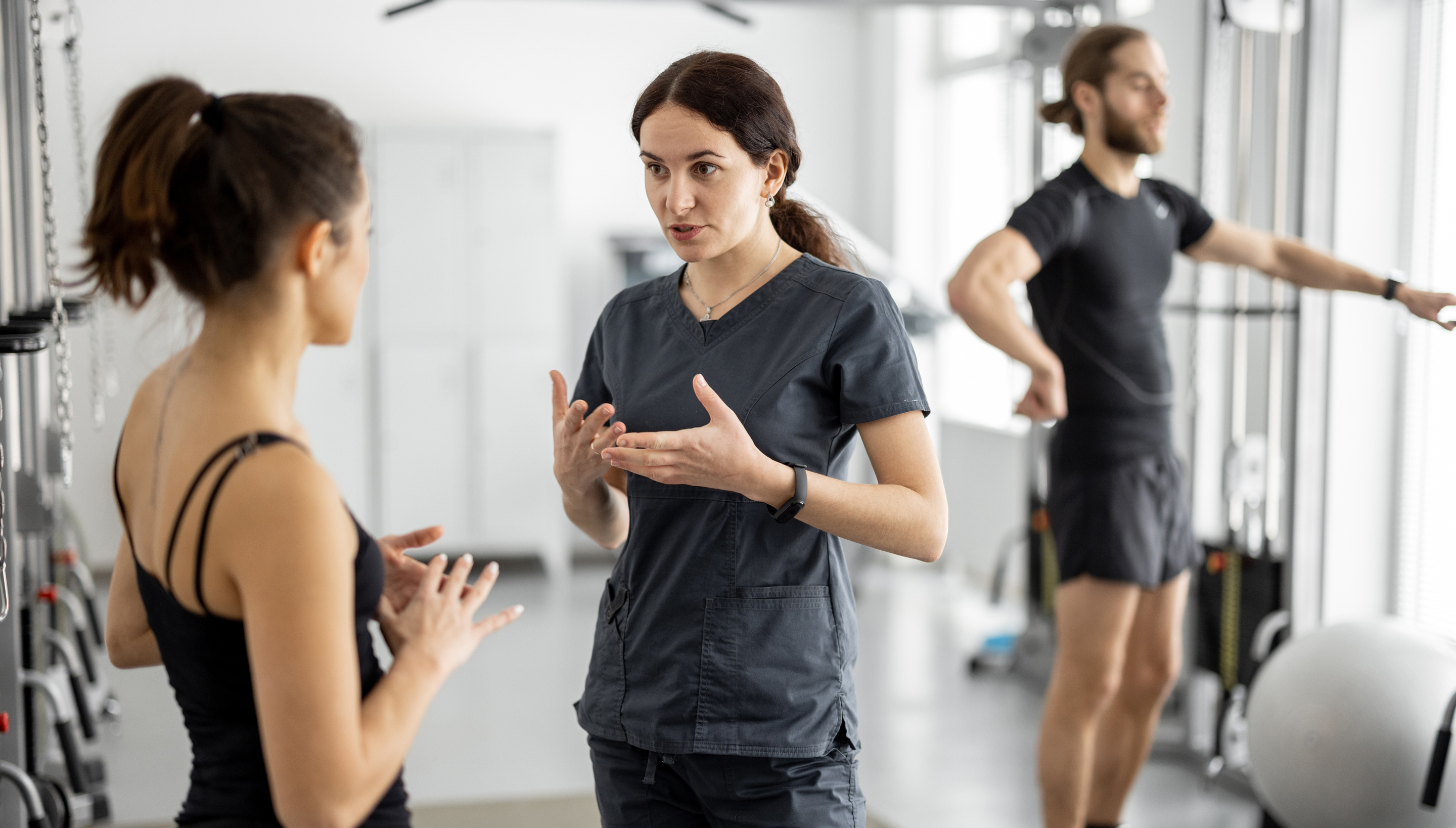

Starting an activity can be daunting, so we must do more to address the barriers to participation and ensure all leisure facilities are welcoming and accessible. This includes websites that offer virtual walkthroughs, fully accessible information and colleagues who make everyone feel valued.
Everyone Active offers gym introductions and wellness sessions to support new people to get active. The next step is finding the right activity to create regular, long-term habits, as the right activity leads to positive behavioral change. We offer more than 3,500 activities and have opened our GP and Exercise referral activities to all.
Additionally, offering concession memberships, online activities and promoting free or low-cost ways to stay active can help remove the financial barriers for many people.
Inactivity leads to one in seven premature deaths, while physical activity can reduce the risk of many long-term illnesses, such as cardiovascular disease (up to 35 per cent) and Type 2 diabetes (up to 40 per cent). So having the government on side should be straightforward. But it isn’t.
The fitness industry is competing with the pharmaceutical industry and an inactive society where people want quick, easy solutions. Additionally, the NHS is struggling to manage immediate demands rather than the fundamental causes of health issues.
However, I believe the awareness of the importance of staying active is on the rise. Eventually, inactivity will be seen like smoking and with the NHS Change Plan, which focuses on prevention rather than treatment, it could provide an opportunity for our sector to play a greater role in supporting the government’s direction.
Wellness is here to stay and will become more defined as time goes on. This year Everyone Active became the first leisure operator to offer a fully-integrated wellness membership to customers. Developed in partnership with industry-leading physiologist Oli Patrick, the You+ membership focuses on six key pillars: sleep, recovery, nutrition, brain health, social wellness and movement.
Within brain health, we’ve used evidence-based strategies to recommend mindfulness practices, such as meditation or deep breathing, to help clients reduce stress and promote mental clarity.
Further to this, each customer receives a consultation from a You+ Coach. The consultation provides insight into each customer’s current wellness and also delivers guidance on breathwork as a critical tool for improving both physical performance and mental wellbeing. Through our facilities and digital platforms, we aim to teach functional breathwork and nervous system regulation through breathing techniques that can greatly enhance our customers overall health.
On weekdays, my morning starts with between 30 minutes to an hour of activity before breakfast. I never feel like doing it beforehand but always feel brilliant when I’ve finished. The activity varies from running, Wattbike, weights or yoga, and will be focused on the latest challenge I’ve set myself. I also play football midweek (when not injured!) and usually do a long run or football at the weekend. This routine has flexibility in situations where I’m away or need to travel early.
Following completion of my You+ questionnaire, I was guided to improve my nutrition and sleep, with areas flagged such as caffeine intake and eating time, both impacted by my hectic schedule and the need to fit in some form of activity!
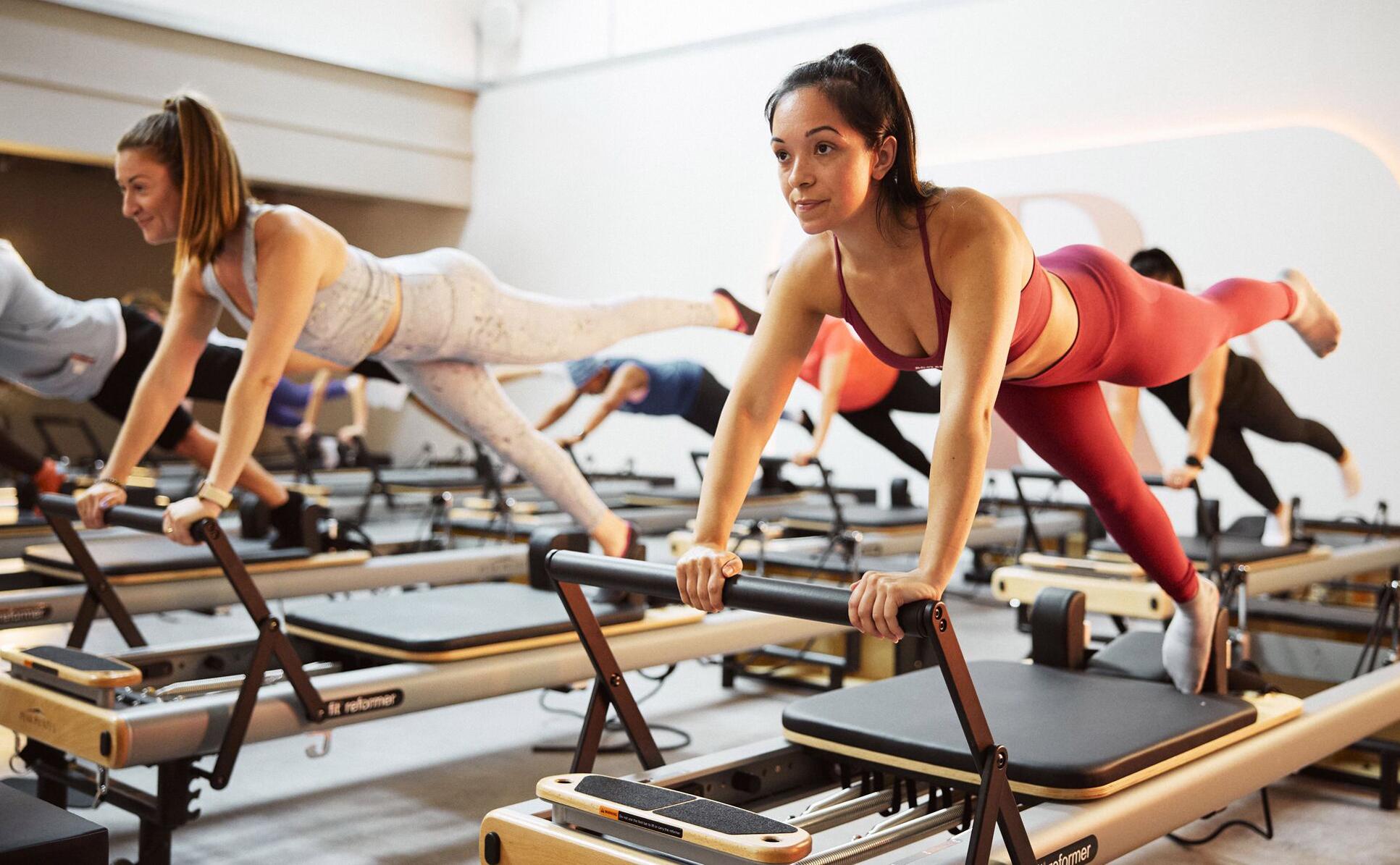
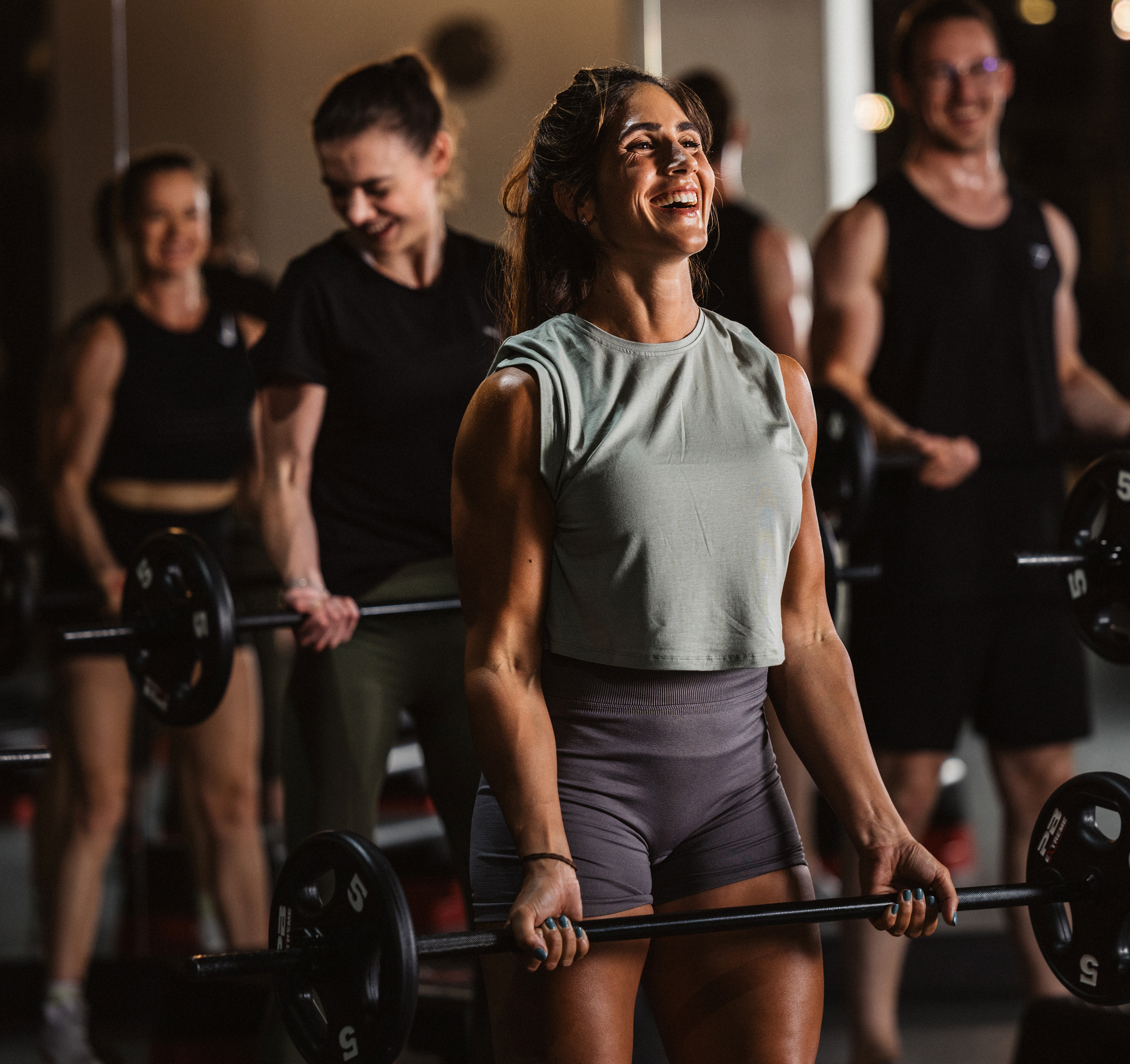
The percentage of people visiting gyms is increasing and we see enormous growth potential for the industry, especially among a younger target audience who make it part of their lifestyle. Our main goal is to remain an attractive partner for these individuals throughout their lives.
Expertise and educational work surrounding the megatrends of health and longevity are crucial factors in conveying the importance of movement and strength training, providing more people with access to a gym and – consequently – an active and healthy lifestyle.
We must continue to unite within the industry and work collaboratively to convince governments of our efforts. This requires visibility for our offerings and services, as well as the expertise of science that clearly demonstrates the importance of movement, activity and muscle strength. There are many great initiatives, clubs and associations that are already doing this.
As an industry, we have long failed to ensure we’re recognised as essential. The pandemic opened our eyes and showed us how important it is to bring our work more into the focus of governments, so they understand the societal contribution we make through our offerings.
The costs for the healthcare system are rising so it is time to invest more in prevention and the lifestyle of individuals. Governments need to consider this aspect and the fitness industry needs to be the strong partner by their side.
Rest and recovery have long been an integral part of our offerings, not only through our wellness programmes but also through body and mind courses, such as yoga and Pilates. A relatively new addition is our meditation course MyMeditation, which places less emphasis on physical activity without completely disregarding it.
It’s fascinating to observe how the industry has generally evolved in this area and how it will continue to develop in the future. In my opinion, the focus on rest and recovery will remain a key aspect within the fitness industry; the specific form it will take remains to be seen.
I love what I do. I have been in the industry for more than 25 years and I can’t imagine anything better. In the fitness industry, we focus on motivating people to lead a healthy and active lifestyle. We strive to improve their lives through activity and, in doing so, provide them with a better quality of life. That’s just fantastic!
I’m someone who stays active, moves a lot, and tries to eat healthily. I share this with my teams and work daily alongside many like-minded individuals.
At the LifeFit Group, we hire people according to the Sunday Tea Index – people we would want to sit down with for a cup of tea with on a Sunday! This creates a great atmosphere within the teams and supports collaboration, even when things get a bit bumpy.
Working with the latest trends and young people motivates me to stay fit.
Into the fitaverse

Ali Jawad

Hannes Sjöblad

Jamie Buck


Fahad Alhagbani: reinventing fitness

Building on the blockchain

Bold move

Check your form


New reality


Reverse Ageing

Going hybrid

Physical activity monitors boost activity levels

Two-way coaching

Laurent Petit

Adam Zeitsiff

Anantharaman Pattabiraman

Mike Hansen

