







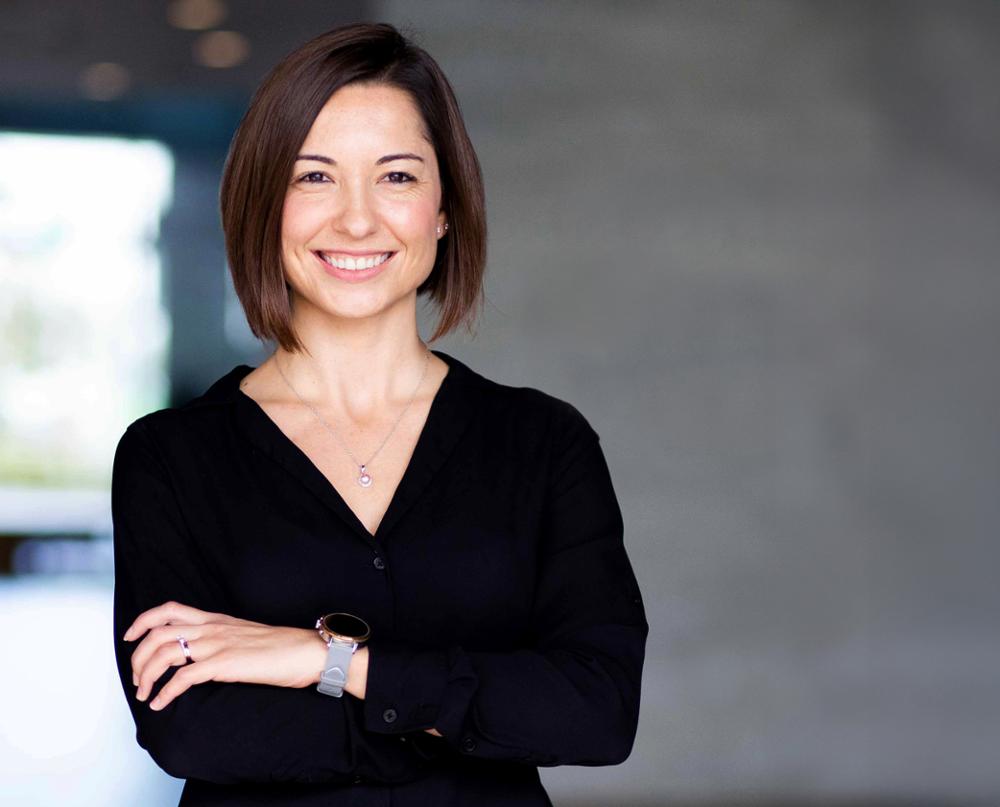
You’re back with a new brand. How is Pilates Addiction different from other reformer concepts?
I spent many months researching what’s being offered and where the demand is going. We're seeing a younger demographic who want to participate in Pilates, but feel as though it isn’t vibey enough, or at the right intensity, so we looked at who’s competing in the space.
At the moment we’re seeing traditional Pilates and then bootcamp Pilates-inspired concepts, which leaves many of the Pilates principles behind. There’s nothing in between that both builds on the Pilates principles and offers a consistent intensity. Pilates Addiction reaches to solve that problem. We believe it's Pilates 3.0 and the best of both worlds.
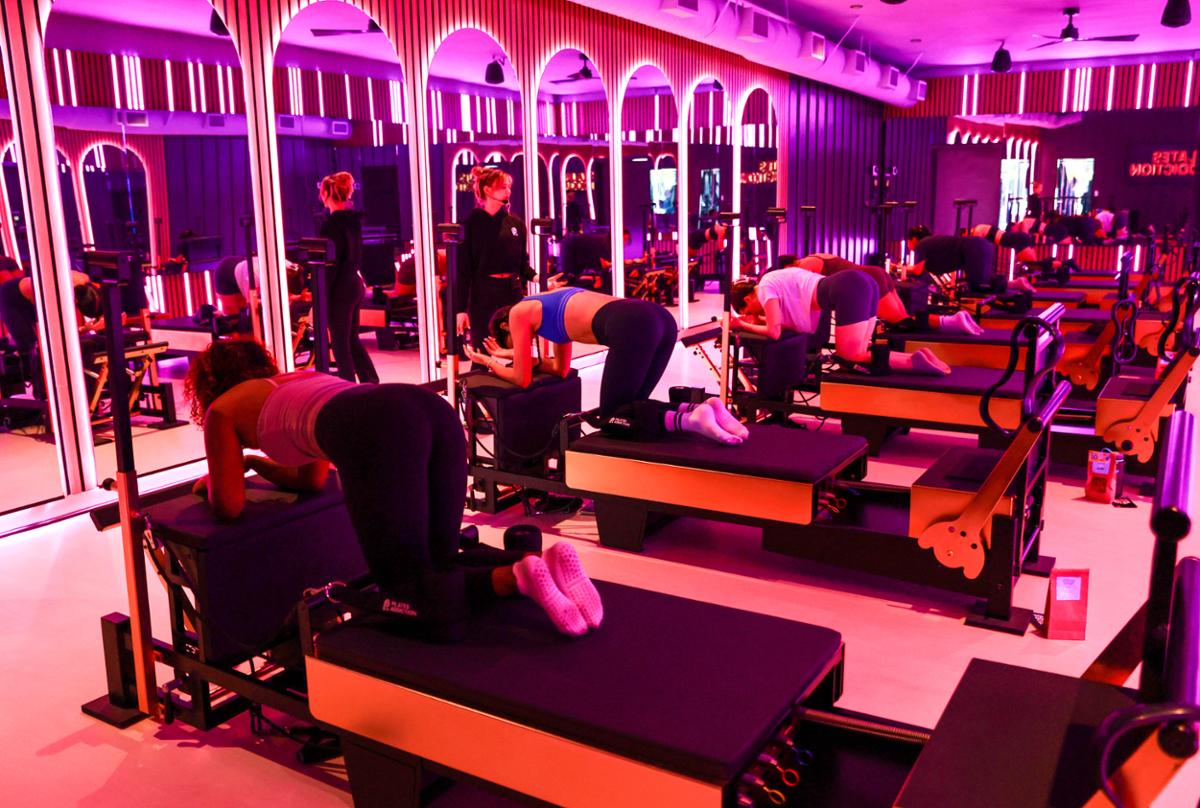
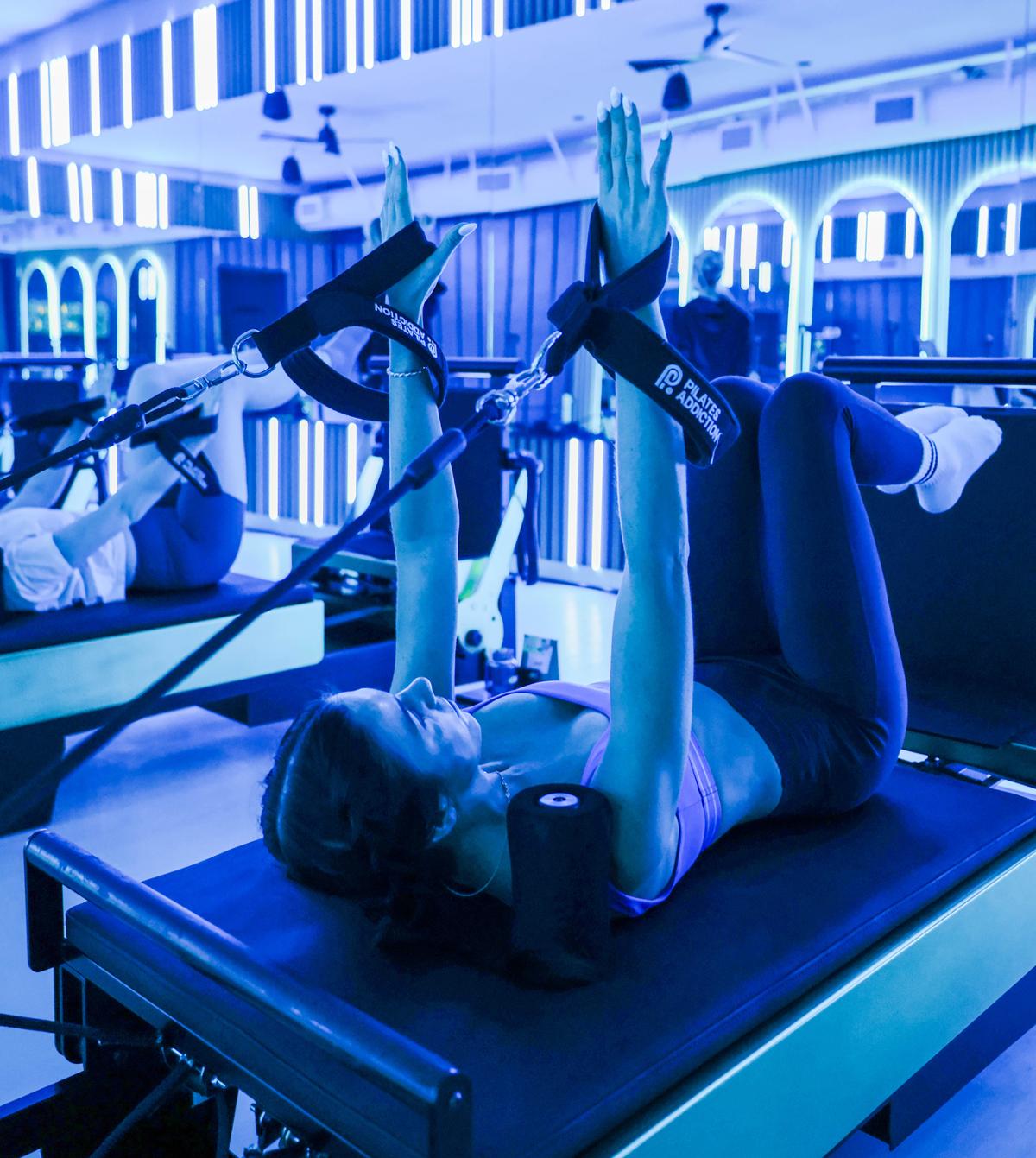
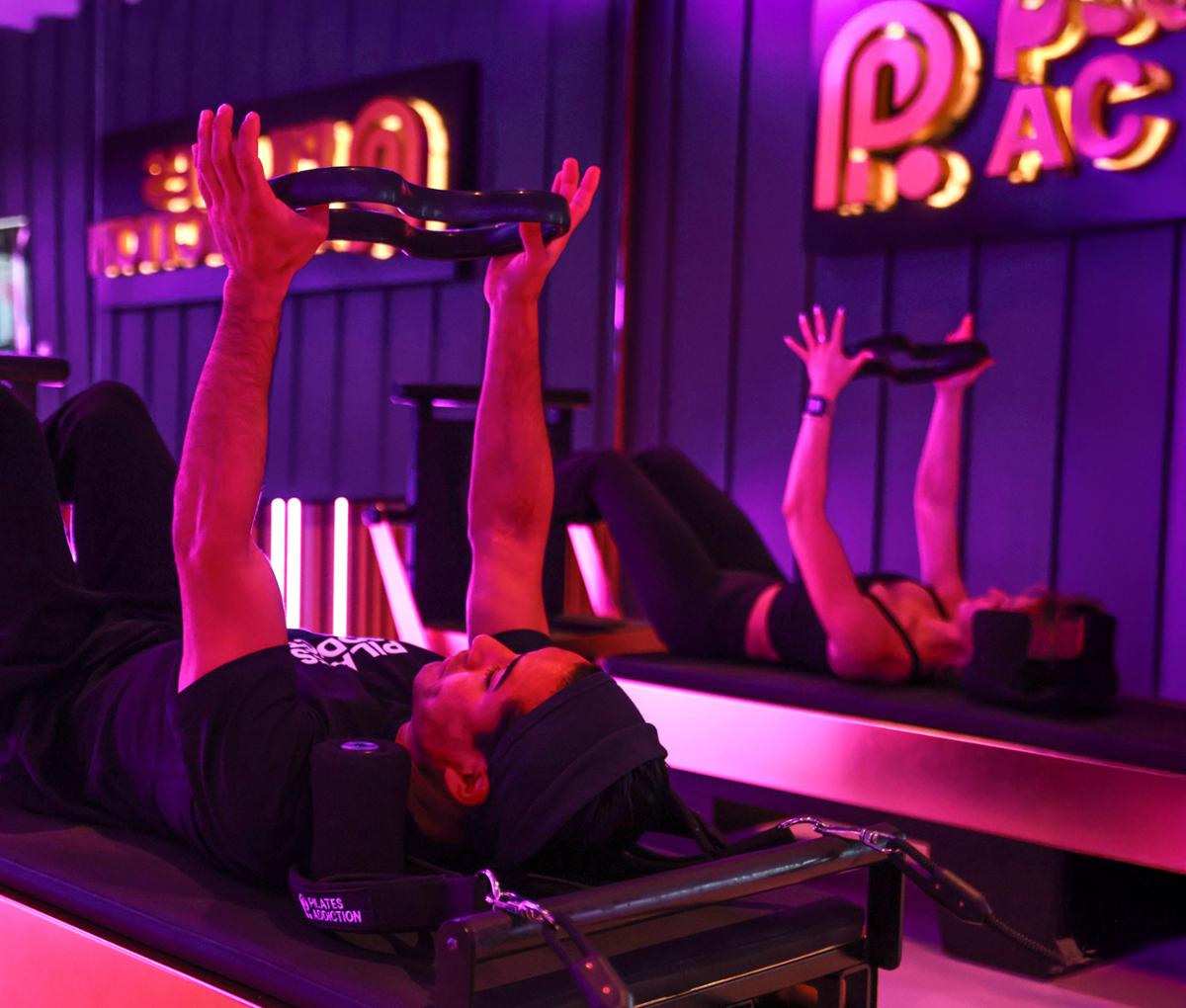
What makes Pilates Addiction really special is the fact we have our own proprietary equipment, the Wundaformer. It’s a Wundachair, a reformer, a ballet barre and a jump board all combined. What we love about it is that it’s really easy to use and has very minimal configuration or setup time, making for a time-efficient workout. It's very easy to use and to have a great first time experience. It's a game changer.
Pilates Addiction has been kickstarted with the acquisition of Wundabar, what’s the history of the company?
Wundabar is the best kept secret in Pilates. It’s a tried and tested concept which has been around for 14 years and currently has 11 locations: nine owned by the founder, Amy Jordan, and two other franchisees. It has a great footprint and is performing very well, but as a single operator there was limited capital and resources to scale the brand.
We now own the brand and franchising rights to take it forward. Amy Jordan and the other franchisees have kept their locations, which will be converted from Wundabar to Pilates Addiction, and the Wundabar brand will sunset. Amy has a development schedule of 11 locations to come to market and has been great to work with – she sees this as a partnership.
Was Wundabar already skewing younger?
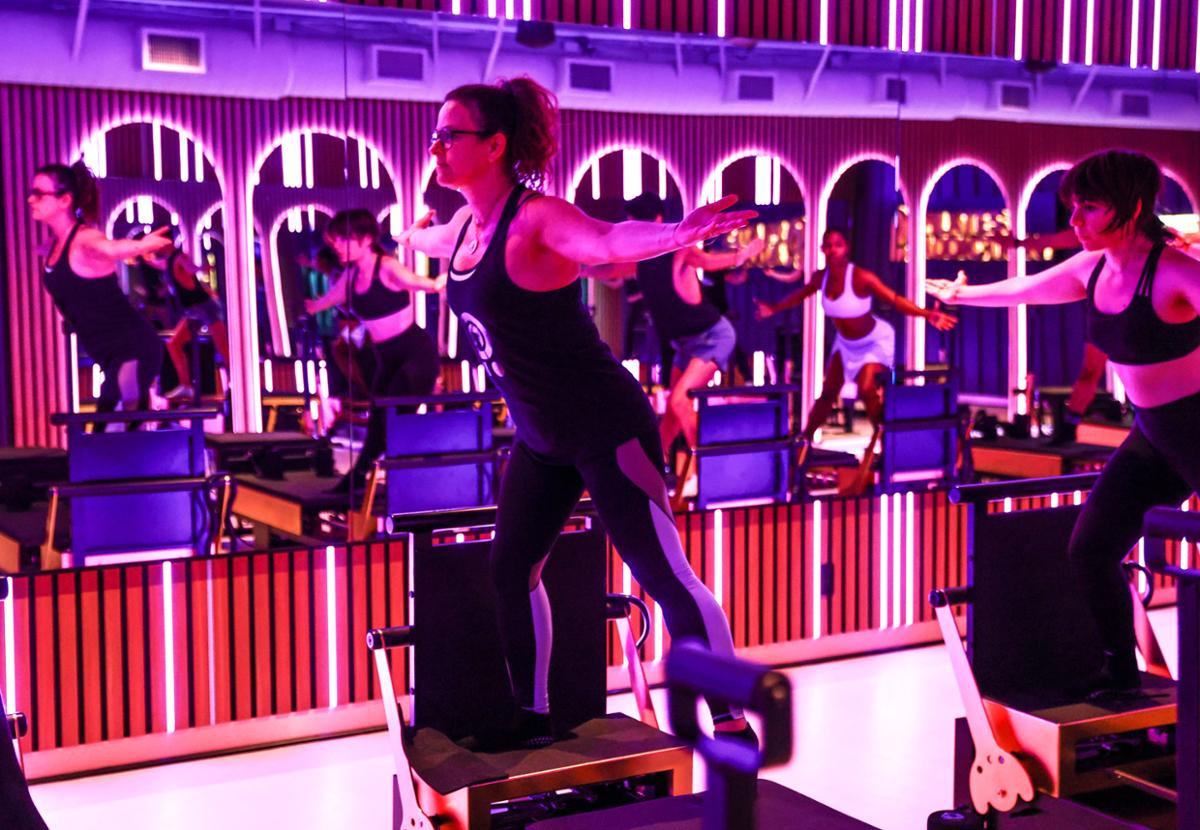
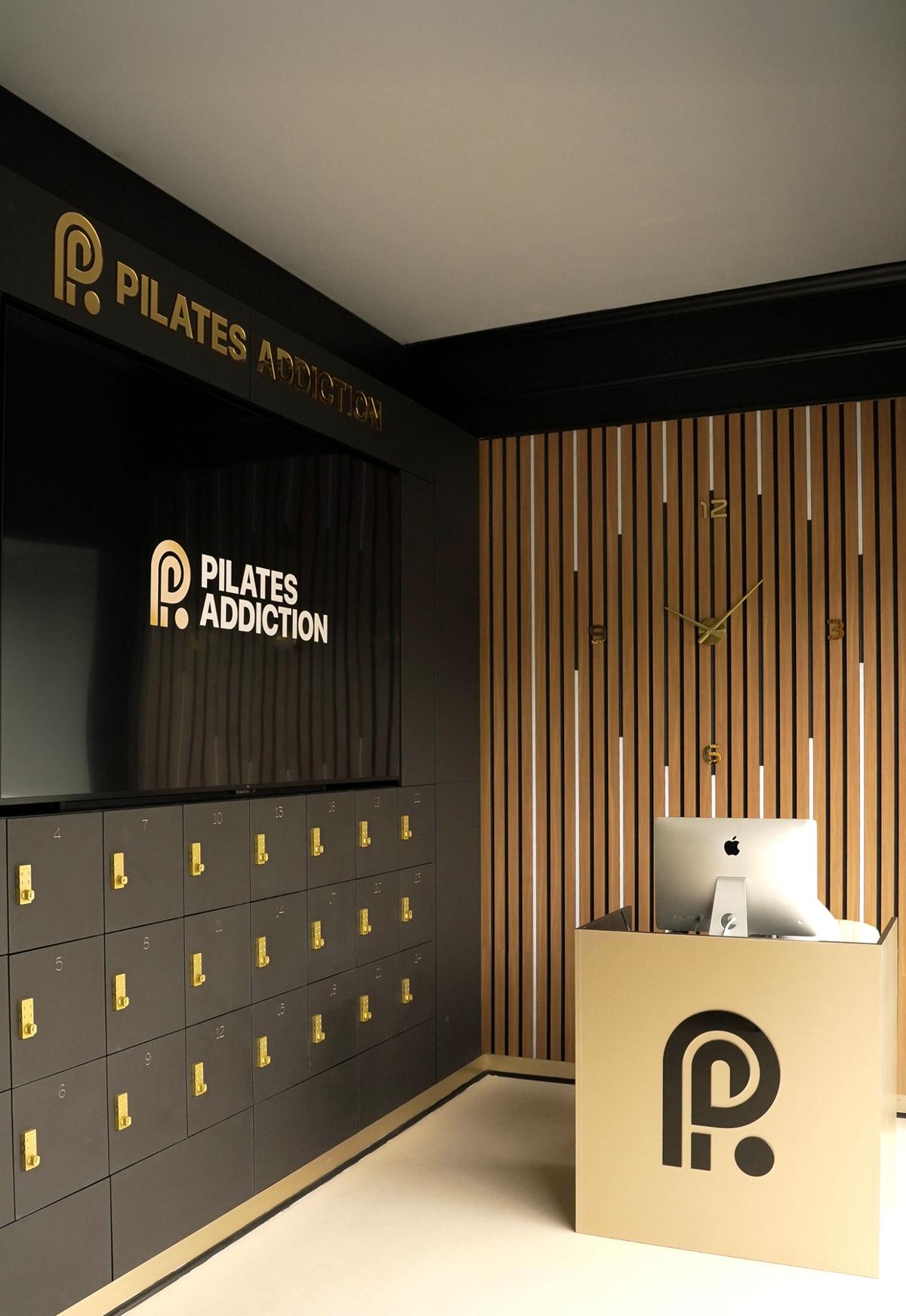
Yes, that's what made it highly attractive for us to want to franchise it. It was already geared towards the younger demographic and had the right product approach we were looking for. Under Wundabar, the studios were white and bright. At Pilates Addiction, we’ve created a more sensory environment that appeals to a younger crowd; so the studio experience ultimately matches the intensity of the workout and is supported with great lighting and music. We're also evaluating the class formats and the way the Pilates educators are teaching the classes to ensure consistency and an updated class standard that matches the whole new experience.
How different or similar is your day to day job from what you were doing at Xponential Fitness?
Very different. It's been fun to focus on a single brand and be back on the ground floor, working day-to-day with the franchisees and studio staff, and figuring out how we bring this to market. I have a very small team – two corporate employees and myself – so I'm really a jack of all trades at this point. I'm in the studio several times a week. It reminds me of the old Club Pilates days where I was in the studio and travelling the country and just making sure that we were figuring out what was working, what wasn't working, and addressing it very quickly.
Sequel Brands has arrived on the scene with several concepts and lots of sites. How much crossover is there between the brands?
The four CEOs are located within the same headquarters and we're constantly in communication sharing knowledge. What's interesting is that each of the brands are in a different part of the maturation cycle.
Body20 and Beem Light Sauna each have more than 60 locations open, so their challenges and opportunities are very different from those iFlex and Pilates Addiction are facing. Right now we're just wrapping our arms around the business and the franchisees and making sure that we put the right support in place to set them up for future growth.
All the CEOs at Sequel have come from Xponential – what is it that you like so much about working with Anthony Geisler?
We're a family. A lot of us have worked together for 10 years and this is really the core group that formed Xponential in the early days. When you get back in with your work family you know what everyone's good at and what everyone’s role will be and where all the strengths and weaknesses lie, so we don’t have to waste time getting to know each other, but can dive straight in and build the business. That makes it very exciting.
Why has Sequel Brands chosen to go for these particular concepts?
The portfolio is made up of longevity and wellness brands. Anthony spent a good year looking at which concepts were attractive and growing in the boutique segment. Even though Pilates is a crowded space, there is still a lot of overflow in studios and members on wait lists trying to get into locations, so we saw there was a demand. The same on the stretching side – that’s still an emerging concept. The other two are more in the longevity and wellness space, and it was appealing to get into those areas.
How big do you think the company can go in terms of brands?
We're thinking probably five or six different verticals. There are discussions happening across a couple of other segments and brands.
What lessons have you learned from scaling businesses that you're going to bring to Sequel Brands?
We’ve learned a lot throughout the years and we’re able to apply those learnings across many areas of the business. A few examples include leveraging technology platforms where appropriate, implementing robust communications channels and overall organisational structure.
How does it feel to go against Club Pilates after spending so many years growing it?
I'm not worried about it, because it's a completely different brand and segment. If Pilates Addiction starts to cannibalise Club Pilates, then I wouldn’t have done a good job of differentiating in the marketplace. My goal isn't to take over or take down Club Pilates but to run alongside it.
What are the short, medium and long term goals?
The short term goal is proving the concept – there's a lot of time and energy going into our first location to make sure that everything from the front of the house to the back of the house is buttoned up and working together. We're putting a sales process in place, bringing new technology and new operational procedures and then repeating that over the next 10 locations to make sure that we can go from West Coast to East Coast – where the corporate office is not in the backyard – and still get the same results. We're also launching our franchise broker networks and have our new FDD filed in the US.
The medium goals are to find great franchisees who are interested in bringing Pilates Addiction to their local community. We've got some pretty aspirational goals in terms of how big this brand can grow. Long term we want to take the brand global.