




EGYM | Fit Tech promotion
features

HCM People: Dr Madeleine Jago

Founder, Seven Lion Yard

The body isn’t built to operate under stress for a prolonged period of time and unresolved, negative emotions are not good for health

Published in Health Club Management 2025 issue 4

Tell us about Seven Lion Yard
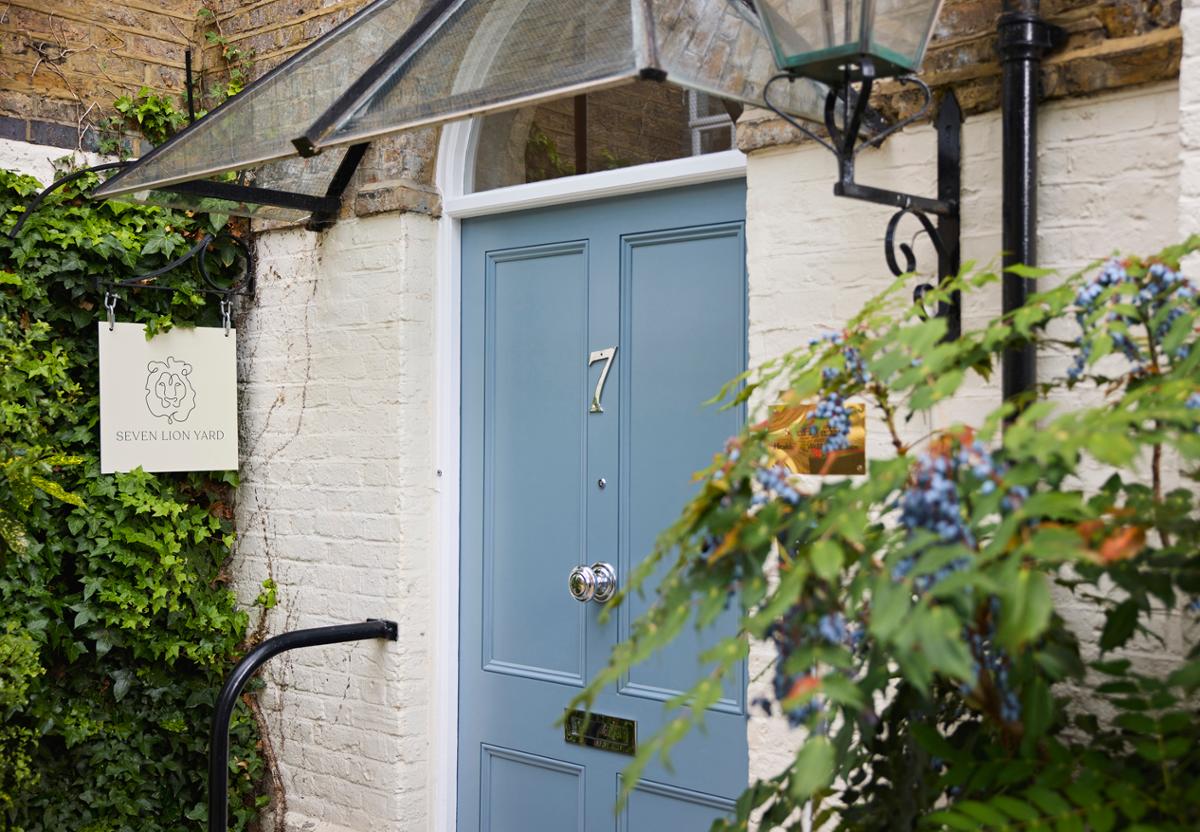
It’s a holistic health and wellbeing centre in South London that combines traditional psychological therapy with somatic approaches, to integrate the mind and the body to enhance wellbeing.

The psychology clinic offers a range of talking therapies, including Cognitive Behavioural Therapy (CBT), Compassion-Focused Therapy (CFT) and EMDR (Eye Movement Desensitisation and Reprocessing).

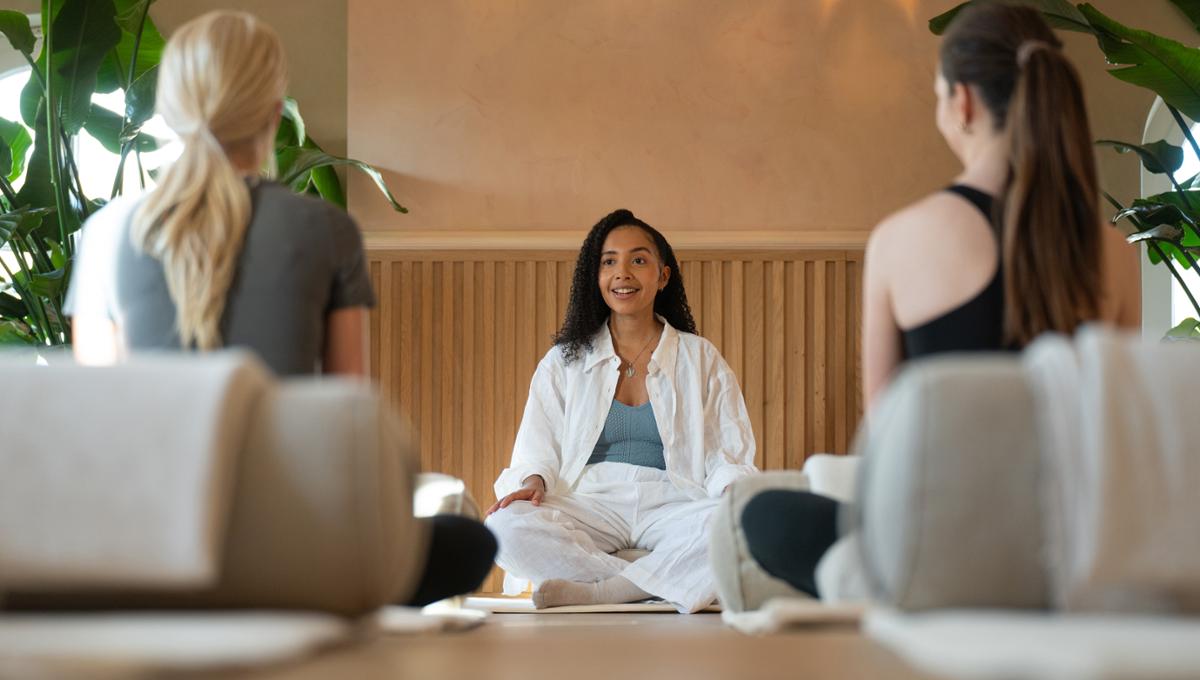
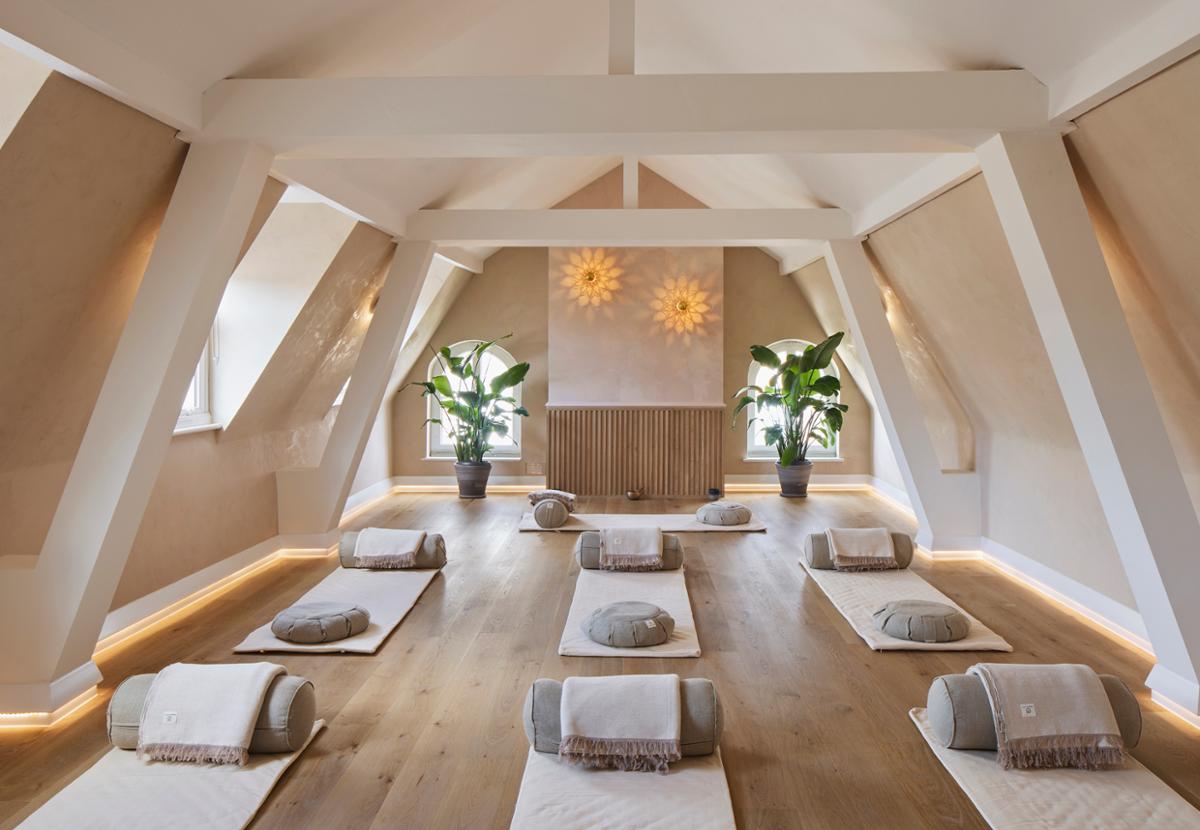
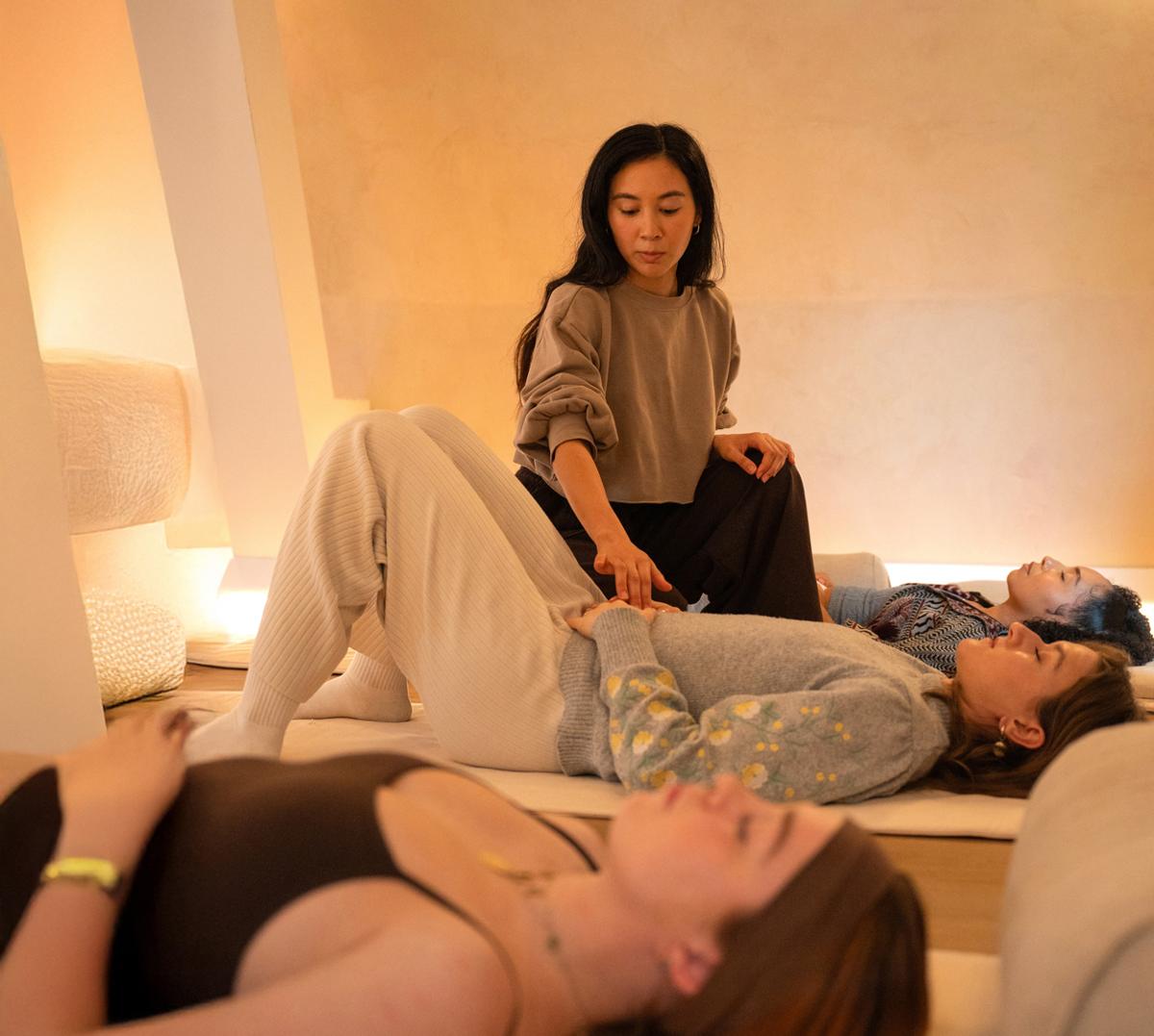
The group studio has been designed with relaxation, calm and restoration in mind and offers breathwork, mindfulness and meditation classes, as well as one off events, such as sound baths and workshops.

By using the two approaches of talking therapy and somatic exercises we empower individuals to develop coping skills, resilience and self-awareness to promote long-term mental health and wellbeing.

What inspired you to launch?
As a clinical psychologist, I’ve worked for a long time in an NHS burns unit, helping people adjust to scarring and overcome PTSD after injuries.

This experience sparked an interest in the way trauma impacts our physical health. I'm interested in the coming together of the body-based and cognitive approaches, both within the therapy room and other parts of life. Even 10 years ago, this crossover between mental and physical health might have been thought of as a bit wacky, but now there’s so much research about how the psychological state directly impacts medical diagnoses.

Why is this?
The body isn’t built to operate under stress for a prolonged period of time and unresolved, negative emotions which sit in the body are not good for health. In my experience, people who struggle with personal boundaries – such as being assertive and saying no – often find their bodies take the brunt of their people-pleasing behaviour. They avoid setting boundaries because of the guilt that accompanies it, but the alternative can be a build-up of resentment towards those one prioritises over oneself. This in itself can have an impact on relationships and also put a lot of stress on the body.

For people who struggle with always pleasing others, guilt can be a positive sign that they might finally be setting the boundaries and listening to their own needs.

In my therapeutic practice I found that sometimes less talking is better and tuning into our bodies can give the clues to getting unstuck. A lot of anxiety can start in the body, with a sense of unease and then our minds make a story out of it, which may or may not be true, but which perpetuates the anxious feeling.

Often anxiety comes about from something triggering a past situation, as opposed to reacting to what is actually happening and that’s very much in the nervous system. In that scenario thoughts can soothe the body, or they can make it worse.

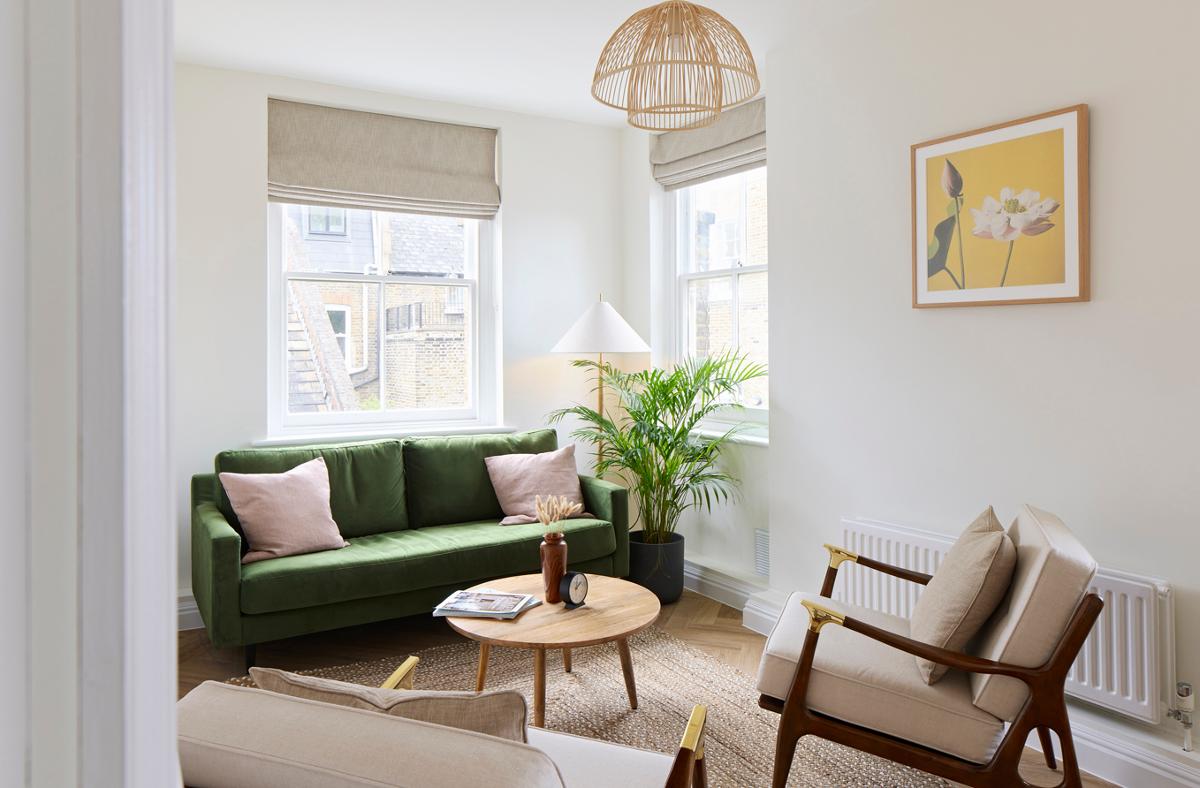
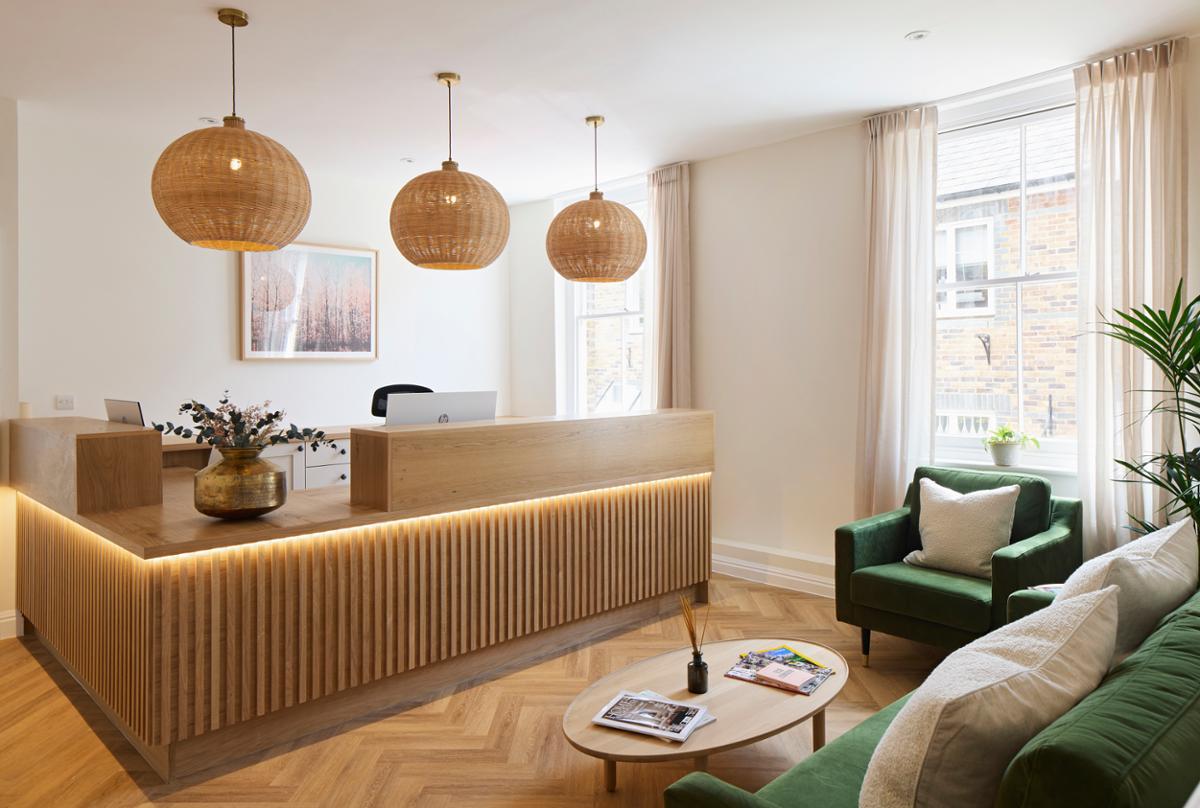
When dealing with emotions, the environment is also very important. A calm, containing space encourages people to open up, which can have a real impact on what comes out in a session. Seven Lion Yard is intentionally designed with lots of plants, neutral colours and nature-based pictures.

Were you inspired by any other centres?
There are some lovely studios in London, such as Re:Mind which offers sound therapy, breathwork and energy healing in a serene setting and 7 Breaths which offers yoga qi gong, breathwork, and mindfulness meditation.

There are also some interesting mental health clinics popping up, including The Soke, which offers therapy in an environment which is designed to enhance a sense of wellness, comfort and security. There are reflection rooms where people can lie on a lounger after their session to digest what came up for them.

However, I'm not aware of anyone else offering psychological therapy alongside a meditation, mindfulness and breathwork studio.

What can people expect from the classes?
They’re a blend of meditation, mindfulness and breathwork, encouraging people to connect with their senses and tune into any physical sensations going on in their bodies, guiding them to be present and noticing what emotions come up.

Our sound baths create an amazing, meditative atmosphere, which can bring about a different state. It’s all aimed at getting people to tune into their bodies again.

Most of us block out what our bodies are telling us, so emotions don’t get processed and things build up, until suddenly you have a reaction to something and you think, where did that come from?

We give people the tools to listen to their bodies in a manageable, guided practice which prevents that build up, so they react to things differently and generally cope better. It also empowers them to access that state for themselves outside the session.

Is this type of offering likely to become a trend?
Going forward I think therapists using the more traditional talking therapies may move into the body-based realm. People are realising there’s more to both healing from trauma and improving your wellbeing than talking therapy. It’s an interesting time for mental health in terms of treatment, with all the research going on around psychedelics, as well as the more spiritual practices, which have always been used in other cultures and are sacred and ritualistic.

What are your plans for Seven Lion Yard?
I'd like to do more psychology group work. Creating a therapeutic provision in a group setting makes it more financially-accessible and there can be some really lovely effects that you miss out on in one-to-one sessions.

Further down the line, we might look at streamed classes to be accessible to more people and I would love to host a retreat offering psychology, breathwork and mindfulness.

What advice do you have for operators who want to support members’ mental health?
Health and fitness operators can play a valuable role in supporting their members’ mental health through somatic interventions such as breathwork, yoga, or mindful movement.

However, it’s essential to approach these practices responsibly and within the scope of their expertise. Operators should focus on general wellness such as stress reduction and body awareness, rather than attempting to address deeper mental health issues such as trauma which require specialised training.

Investing in trauma-informed certifications and understanding when to refer participants to qualified mental health professionals is key to ensuring members’ safety and wellbeing.

Creating a safe, inclusive and trauma-informed environment is important to supporting members. This includes offering choices, avoiding physical touch without consent and using non-judgmental language. Collaborating with mental health professionals for workshops or co-facilitation can add depth and credibility to offerings, while ensuring members receive appropriate support.

By fostering self-care practices, building a referral network, and being transparent about the scope of services, operators can provide meaningful mental health support without overstepping their professional boundaries.
Sign up here to get Fit Tech's weekly ezine and every issue of Fit Tech magazine free on digital.
Gallery
More features
Editor's letter

Into the fitaverse

Fitness is already among the top three markets in the metaverse, with new technology and partnerships driving real growth and consumer engagement that looks likely to spill over into health clubs, gyms and studios
Fit Tech people

Ali Jawad

Paralympic powerlifter and founder, Accessercise
Users can easily identify which facilities in the UK are accessible to the disabled community
Fit Tech people

Hannes Sjöblad

MD, DSruptive
We want to give our users an implantable tool that allows them to collect their health data at any time and in any setting
Fit Tech people

Jamie Buck

Co-founder, Active in Time
We created a solution called AiT Voice, which turns digital data into a spoken audio timetable that connects to phone systems
Profile

Fahad Alhagbani: reinventing fitness

Alexa can help you book classes, check trainers’ bios and schedules, find out opening times, and a host of other information
Opinion

Building on the blockchain

For small sports teams looking to compete with giants, blockchain can be a secret weapon explains Lars Rensing, CEO of Protokol
Innovation

Bold move

We ended up raising US$7m in venture capital from incredible investors, including Andreessen Horowitz, Khosla Ventures, Primetime Partners, and GingerBread Capital
App analysis

Check your form

Sency’s motion analysis technology is allowing users to check their technique as they exercise. Co-founder and CEO Gal Rotman explains how
Profile

New reality

Sam Cole, CEO of FitXR, talks to Fit Tech about taking digital workouts to the next level, with an immersive, virtual reality fitness club
Profile

Sohail Rashid

The app is free and it’s $40 to participate in one of our virtual events
Ageing

Reverse Ageing

Many apps help people track their health, but Humanity founders Peter Ward and Michael Geer have put the focus on ageing, to help users to see the direct repercussions of their habits. They talk to Steph Eaves
App analysis

Going hybrid

Workout Anytime created its app in partnership with Virtuagym. Workout Anytime’s Greg Maurer and Virtuagym’s Hugo Braam explain the process behind its creation
Research

Physical activity monitors boost activity levels

Researchers at the University of Copenhagen have conducted a meta analysis of all relevant research and found that the body of evidence shows an impact
Editor's letter

Two-way coaching

Content providers have been hugely active in the fit tech market since the start of the pandemic. We expect the industry to move on from delivering these services on a ‘broadcast-only’ basis as two-way coaching becomes the new USP
Fit Tech People

Laurent Petit

Co-founder, Active Giving
The future of sports and fitness are dependent on the climate. Our goal is to positively influence the future of our planet by instilling a global vision of wellbeing and a sense of collective action
Fit Tech People

Adam Zeitsiff

CEO, Intelivideo
We don’t just create the technology and bail – we support our clients’ ongoing hybridisation efforts
Fit Tech People

Anantharaman Pattabiraman

CEO and co-founder, Auro
When you’re undertaking fitness activities, unless you’re on a stationary bike, in most cases it’s not safe or necessary to be tied to a screen, especially a small screen
Fit Tech People

Mike Hansen

Managing partner, Endorphinz
We noticed a big gap in the market – customers needed better insights but also recommendations on what to do, whether that be customer acquisition, content creation, marketing and more
More features
CoverMe Fitness, an app for seamless, on-demand management and cover solutions for sports and fitness ...
PSLT offer a range of new and refurbished fitness equipment being the UK supplier of ...
22-23 Sep 2026
Four Seasons Hotel Bangkok at Chao Phraya River, Bangkok , Thailand
CoverMe Fitness, an app for seamless, on-demand management and cover solutions for sports and fitness ...
PSLT offer a range of new and refurbished fitness equipment being the UK supplier of ...
Get Fit Tech
Sign up for the free Fit Tech ezine and breaking news alerts
Sign up
22-23 Sep 2026
Four Seasons Hotel Bangkok at Chao Phraya River, Bangkok , Thailand

latest fit tech news

PureGym is encouraging people to step away from their screens and go for a walk, in a new initiative timed ...
news • 29 May 2026
Active people app, Strava, has overhauled its strength training experience, allowing gym-goers to automatically log and share their lifts from ...
news • 27 May 2026

Fitness First UK is embracing digital wellness technology by installing Kip’s tap-to-activate phone controls across its UK estate. Kip tags ...
news • 22 May 2026
The world’s first awareness ring has been launched. Designed to promote presence, focus and calm via gentle haptic vibrations, the ...
news • 13 May 2026
Center Parcs’ Aqua Sana Forest Spa, Woburn Forest, UK, has transformed an unused space into a touchless wellness area called ...
news • 12 May 2026
Gharieni Group has launched a new company, Cobotics Innovations, to create automated wellness experiences. The first solution is a robotic ...
product innovation • 07 May 2026

US-based robotics wellness company Aescape Inc has entered insolvency proceedings following the sale of substantially all of its ...

news • 06 May 2026
Fitness platform, Zing Coach, has teamed up with Les Mills, in a partnership that gives its users access to group ...
news • 23 Apr 2026

TMActive is launching a new Active Wellbeing Studio next month in Tonbridge, UK, specifically aimed at people who face higher ...
news • 13 Apr 2026

Indian billionaire, Deepinder Goyal, is working on a device called Temple that aims to track blood flow to the brain ...
news • 10 Apr 2026
More fit tech news
features

HCM People: Dr Madeleine Jago

Founder, Seven Lion Yard

The body isn’t built to operate under stress for a prolonged period of time and unresolved, negative emotions are not good for health

Published in Health Club Management 2025 issue 4

Tell us about Seven Lion Yard
It’s a holistic health and wellbeing centre in South London that combines traditional psychological therapy with somatic approaches, to integrate the mind and the body to enhance wellbeing.

The psychology clinic offers a range of talking therapies, including Cognitive Behavioural Therapy (CBT), Compassion-Focused Therapy (CFT) and EMDR (Eye Movement Desensitisation and Reprocessing).

The group studio has been designed with relaxation, calm and restoration in mind and offers breathwork, mindfulness and meditation classes, as well as one off events, such as sound baths and workshops.

By using the two approaches of talking therapy and somatic exercises we empower individuals to develop coping skills, resilience and self-awareness to promote long-term mental health and wellbeing.

What inspired you to launch?
As a clinical psychologist, I’ve worked for a long time in an NHS burns unit, helping people adjust to scarring and overcome PTSD after injuries.

This experience sparked an interest in the way trauma impacts our physical health. I'm interested in the coming together of the body-based and cognitive approaches, both within the therapy room and other parts of life. Even 10 years ago, this crossover between mental and physical health might have been thought of as a bit wacky, but now there’s so much research about how the psychological state directly impacts medical diagnoses.

Why is this?
The body isn’t built to operate under stress for a prolonged period of time and unresolved, negative emotions which sit in the body are not good for health. In my experience, people who struggle with personal boundaries – such as being assertive and saying no – often find their bodies take the brunt of their people-pleasing behaviour. They avoid setting boundaries because of the guilt that accompanies it, but the alternative can be a build-up of resentment towards those one prioritises over oneself. This in itself can have an impact on relationships and also put a lot of stress on the body.

For people who struggle with always pleasing others, guilt can be a positive sign that they might finally be setting the boundaries and listening to their own needs.

In my therapeutic practice I found that sometimes less talking is better and tuning into our bodies can give the clues to getting unstuck. A lot of anxiety can start in the body, with a sense of unease and then our minds make a story out of it, which may or may not be true, but which perpetuates the anxious feeling.

Often anxiety comes about from something triggering a past situation, as opposed to reacting to what is actually happening and that’s very much in the nervous system. In that scenario thoughts can soothe the body, or they can make it worse.

When dealing with emotions, the environment is also very important. A calm, containing space encourages people to open up, which can have a real impact on what comes out in a session. Seven Lion Yard is intentionally designed with lots of plants, neutral colours and nature-based pictures.

Were you inspired by any other centres?
There are some lovely studios in London, such as Re:Mind which offers sound therapy, breathwork and energy healing in a serene setting and 7 Breaths which offers yoga qi gong, breathwork, and mindfulness meditation.

There are also some interesting mental health clinics popping up, including The Soke, which offers therapy in an environment which is designed to enhance a sense of wellness, comfort and security. There are reflection rooms where people can lie on a lounger after their session to digest what came up for them.

However, I'm not aware of anyone else offering psychological therapy alongside a meditation, mindfulness and breathwork studio.

What can people expect from the classes?
They’re a blend of meditation, mindfulness and breathwork, encouraging people to connect with their senses and tune into any physical sensations going on in their bodies, guiding them to be present and noticing what emotions come up.

Our sound baths create an amazing, meditative atmosphere, which can bring about a different state. It’s all aimed at getting people to tune into their bodies again.

Most of us block out what our bodies are telling us, so emotions don’t get processed and things build up, until suddenly you have a reaction to something and you think, where did that come from?

We give people the tools to listen to their bodies in a manageable, guided practice which prevents that build up, so they react to things differently and generally cope better. It also empowers them to access that state for themselves outside the session.

Is this type of offering likely to become a trend?
Going forward I think therapists using the more traditional talking therapies may move into the body-based realm. People are realising there’s more to both healing from trauma and improving your wellbeing than talking therapy. It’s an interesting time for mental health in terms of treatment, with all the research going on around psychedelics, as well as the more spiritual practices, which have always been used in other cultures and are sacred and ritualistic.

What are your plans for Seven Lion Yard?
I'd like to do more psychology group work. Creating a therapeutic provision in a group setting makes it more financially-accessible and there can be some really lovely effects that you miss out on in one-to-one sessions.

Further down the line, we might look at streamed classes to be accessible to more people and I would love to host a retreat offering psychology, breathwork and mindfulness.

What advice do you have for operators who want to support members’ mental health?
Health and fitness operators can play a valuable role in supporting their members’ mental health through somatic interventions such as breathwork, yoga, or mindful movement.

However, it’s essential to approach these practices responsibly and within the scope of their expertise. Operators should focus on general wellness such as stress reduction and body awareness, rather than attempting to address deeper mental health issues such as trauma which require specialised training.

Investing in trauma-informed certifications and understanding when to refer participants to qualified mental health professionals is key to ensuring members’ safety and wellbeing.

Creating a safe, inclusive and trauma-informed environment is important to supporting members. This includes offering choices, avoiding physical touch without consent and using non-judgmental language. Collaborating with mental health professionals for workshops or co-facilitation can add depth and credibility to offerings, while ensuring members receive appropriate support.

By fostering self-care practices, building a referral network, and being transparent about the scope of services, operators can provide meaningful mental health support without overstepping their professional boundaries.
Sign up here to get Fit Tech's weekly ezine and every issue of Fit Tech magazine free on digital.
Gallery
More features
Editor's letter

Into the fitaverse

Fitness is already among the top three markets in the metaverse, with new technology and partnerships driving real growth and consumer engagement that looks likely to spill over into health clubs, gyms and studios
Fit Tech people

Ali Jawad

Paralympic powerlifter and founder, Accessercise
Users can easily identify which facilities in the UK are accessible to the disabled community
Fit Tech people

Hannes Sjöblad

MD, DSruptive
We want to give our users an implantable tool that allows them to collect their health data at any time and in any setting
Fit Tech people

Jamie Buck

Co-founder, Active in Time
We created a solution called AiT Voice, which turns digital data into a spoken audio timetable that connects to phone systems
Profile

Fahad Alhagbani: reinventing fitness

Alexa can help you book classes, check trainers’ bios and schedules, find out opening times, and a host of other information
Opinion

Building on the blockchain

For small sports teams looking to compete with giants, blockchain can be a secret weapon explains Lars Rensing, CEO of Protokol
Innovation

Bold move

We ended up raising US$7m in venture capital from incredible investors, including Andreessen Horowitz, Khosla Ventures, Primetime Partners, and GingerBread Capital
App analysis

Check your form

Sency’s motion analysis technology is allowing users to check their technique as they exercise. Co-founder and CEO Gal Rotman explains how
Profile

New reality

Sam Cole, CEO of FitXR, talks to Fit Tech about taking digital workouts to the next level, with an immersive, virtual reality fitness club
Profile

Sohail Rashid

The app is free and it’s $40 to participate in one of our virtual events
Ageing

Reverse Ageing

Many apps help people track their health, but Humanity founders Peter Ward and Michael Geer have put the focus on ageing, to help users to see the direct repercussions of their habits. They talk to Steph Eaves

App analysis

Going hybrid

Workout Anytime created its app in partnership with Virtuagym. Workout Anytime’s Greg Maurer and Virtuagym’s Hugo Braam explain the process behind its creation

Research

Physical activity monitors boost activity levels

Researchers at the University of Copenhagen have conducted a meta analysis of all relevant research and found that the body of evidence shows an impact
Editor's letter

Two-way coaching

Content providers have been hugely active in the fit tech market since the start of the pandemic. We expect the industry to move on from delivering these services on a ‘broadcast-only’ basis as two-way coaching becomes the new USP
Fit Tech People

Laurent Petit

Co-founder, Active Giving
The future of sports and fitness are dependent on the climate. Our goal is to positively influence the future of our planet by instilling a global vision of wellbeing and a sense of collective action
Fit Tech People

Adam Zeitsiff

CEO, Intelivideo
We don’t just create the technology and bail – we support our clients’ ongoing hybridisation efforts
Fit Tech People

Anantharaman Pattabiraman

CEO and co-founder, Auro
When you’re undertaking fitness activities, unless you’re on a stationary bike, in most cases it’s not safe or necessary to be tied to a screen, especially a small screen
Fit Tech People

Mike Hansen

Managing partner, Endorphinz
We noticed a big gap in the market – customers needed better insights but also recommendations on what to do, whether that be customer acquisition, content creation, marketing and more
More features