










GET FIT TECH
Sign up for the FREE digital edition of Fit Tech magazine and also get the Fit Tech ezine and breaking news email alerts.
Not right now, thanksclose this window I've already subscribed!
The Leisure Media Company Ltd | Fit Tech promotion
features

Feedback: HCM Forum

Fuel the debate about issues and opportunities across the industry. We’d love to hear from you. Write to [email protected]

Published in Health Club Management 2025 issue 6

Collaborating with healthcare on obesity
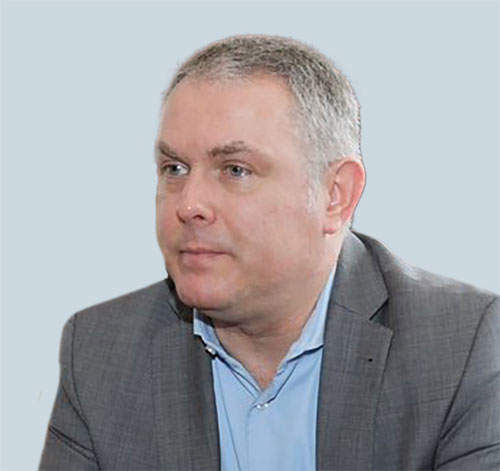
Kai Troll, CEO, Europe Active
Kai Troll

Obesity rates in Europe have more than doubled in the past 40 years, with over half of EU adults and nearly one in three children in the WHO Europe region now overweight or obese.

To develop solutions to this crisis, EuropeActive recently attended an event at the European Parliament called Connecting the dots: obesity, digestive diseases and cancers, hosted by MEP Romana Jerković and organised by United European Gastroenterology.

Key takeaways to share are firstly that obesity isn't a personal choice, but is often shaped by environments, inequality and stigma.

Language matters – delegates were advised to avoid blaming people, instead focusing on systemic change.

While the scale of the obesity epidemic is enormous, requiring bold policy interventions, as well as mass media campaigns and educational programmes, physical activity must be recognised as a key part of the solution.

The event highlighted the powerful preventative and therapeutic role of physical activity in supporting a healthy body weight and improving overall health and quality of life.

There was also a focus on the growing need to integrate exercise professionals into healthcare systems to support cardiovascular health and preserve muscle function.

Experts advised that prevention efforts must target all age groups, with particular focus on children.

Tackling obesity calls for collaboration and the sector can play a meaningful role by supporting prevention.

Jerković said: “We’ve started connecting the dots, now it’s time to draw the line and create policies that are coherent, collaborative and impactful.”

EuropeActive recently attended an event on obesity strategy at the European Parliament, hosted by MEP Romana Jerković
The forum was led by MEP Romana Jerković (centre) / photo: europeactive
It’s time to consider a complementary model of physical activity
Paul Batman, founder, Reframing Exercise
Paul Batman

The World Health Organization’s guidelines provide a blueprint for physical activity, however, many countries struggle to implement them, highlighting the need for a population-based approach to complement existing programmes.

We need options that support people in making the journey from being inactive to being active, without expecting them to jump straight to meeting WHO guidelines.

A complementary programme, called Movement is Wellbeing, encourages people to explore exercise by encouraging sustainable physical activity that emphasises the positive emotions associated with movement, including enjoyment, social connection and purpose.

This reframes the message in ways that resonate, creating a desire to be more active and encouraging people to seek improvements in their health, rather than focusing on goals associated with Exercise is Medicine, such as weight loss and high levels of fitness.

Movement is Wellbeing also acts as a bridge to Exercise is Medicine, making the transition easier.

It isn’t a replacement for the Exercise is Medicine message, but an alternative for those who struggle with traditional exercise approaches or who are more motivated by feeling good in the moment.

It also provides choices that are convenient, enjoyable, affordable, unintimidating, sustainable and achievable, while also fostering active habits, self-selection, emotional attachment and social connection.

There’s an emphasis on small changes over time, education and a sense of identity, all of which are cornerstones of creating active lifestyles.

Movement is Wellbeing acts as a powerful bridge to Exercise is Medicine, making the transition easier
The journey: Inactivity ▶︎ Movement is Wellbeing ▶︎ Exercise is Medicine
Paul Batman is reframing the exercise message for health and fitness professionals
Stage 1: Physical Inactivity

Not meeting the WHO guidelines for physical activity and exhibiting sedentary behaviour that threatens quality of life and undermines good health and wellbeing.

Stage 2: Movement is Wellbeing

Taking every opportunity to engage in any activity at any speed and for any amount of time, with whomever you like at any venue and at any time.

Priorities: Physical, mental, emotional and social wellbeing

Messages:

1. You’re not alone if you find it difficult to maintain motivation to exercise.

2. You don’t have to do very much physical activity to improve health and wellbeing.

3. Building daily intermittent movement into everyday life to break up prolonged periods of physical inactivity is the cornerstone of health and wellbeing.

4. Every life-based movement counts in improving health and wellbeing.

5. Consistency over intensity – muscle-organ cross-talk can reduce inflammation.

Stage 3: Exercise is Medicine

Exercise is Medicine treats chronic diseases to allow you to live a longer, higher quality life. Healthcare systems think of exercise as a medication that should be prescribed for patients.

Priorities: Better body image, weight loss, peak fitness, general health improvements

Recommendations

1. Exercise at moderate intensity for 150 - 300 minutes per week.

2. Exercise at vigorous intensity for 75 - 150 minutes per week.

3. Perform resistance exercises on two days each week.

4. Limit sedentary time and replace it with activity.

5. Perform activity that emphasises balance (older adults).

More:www.hcmmag.com/paulbatman

Movement is Wellbeing is a gentle transition to exercise / photo: Shutterstock / Zoran Zeremski
Sign up here to get Fit Tech's weekly ezine and every issue of Fit Tech magazine free on digital.
More features
Editor's letter

Into the fitaverse

Fitness is already among the top three markets in the metaverse, with new technology and partnerships driving real growth and consumer engagement that looks likely to spill over into health clubs, gyms and studios
Fit Tech people

Ali Jawad

Paralympic powerlifter and founder, Accessercise
Users can easily identify which facilities in the UK are accessible to the disabled community
Fit Tech people

Hannes Sjöblad

MD, DSruptive
We want to give our users an implantable tool that allows them to collect their health data at any time and in any setting
Fit Tech people

Jamie Buck

Co-founder, Active in Time
We created a solution called AiT Voice, which turns digital data into a spoken audio timetable that connects to phone systems
Profile

Fahad Alhagbani: reinventing fitness

Let’s live in the future to improve today
Opinion

Building on the blockchain

For small sports teams looking to compete with giants, blockchain can be a secret weapon explains Lars Rensing, CEO of Protokol
Innovation

Bold move

We ended up raising US$7m in venture capital from incredible investors, including Andreessen Horowitz, Khosla Ventures, Primetime Partners, and GingerBread Capital
App analysis

Check your form

Sency’s motion analysis technology is allowing users to check their technique as they exercise. Co-founder and CEO Gal Rotman explains how
Profile

New reality

Sam Cole, CEO of FitXR, talks to Fit Tech about taking digital workouts to the next level, with an immersive, virtual reality fitness club
Profile

Sohail Rashid

The app is free and it’s $40 to participate in one of our virtual events
Ageing

Reverse Ageing

Many apps help people track their health, but Humanity founders Peter Ward and Michael Geer have put the focus on ageing, to help users to see the direct repercussions of their habits. They talk to Steph Eaves
App analysis

Going hybrid

Workout Anytime created its app in partnership with Virtuagym. Workout Anytime’s Greg Maurer and Virtuagym’s Hugo Braam explain the process behind its creation
Research

Physical activity monitors boost activity levels

Researchers at the University of Copenhagen have conducted a meta analysis of all relevant research and found that the body of evidence shows an impact
Editor's letter

Two-way coaching

Content providers have been hugely active in the fit tech market since the start of the pandemic. We expect the industry to move on from delivering these services on a ‘broadcast-only’ basis as two-way coaching becomes the new USP
Fit Tech People

Laurent Petit

Co-founder, Active Giving
The future of sports and fitness are dependent on the climate. Our goal is to positively influence the future of our planet by instilling a global vision of wellbeing and a sense of collective action
Fit Tech People

Adam Zeitsiff

CEO, Intelivideo
We don’t just create the technology and bail – we support our clients’ ongoing hybridisation efforts
Fit Tech People

Anantharaman Pattabiraman

CEO and co-founder, Auro
When you’re undertaking fitness activities, unless you’re on a stationary bike, in most cases it’s not safe or necessary to be tied to a screen, especially a small screen
Fit Tech People

Mike Hansen

Managing partner, Endorphinz
We noticed a big gap in the market – customers needed better insights but also recommendations on what to do, whether that be customer acquisition, content creation, marketing and more
More features
Technogym provides a complete Ecosystem made of connected smart fitness equipment, digital services and training ...
Matrix provides equipment to facilities in all market sectors including private health clubs, residential housing, ...
22-23 Sep 2026
Four Seasons Hotel Bangkok at Chao Phraya River, Bangkok , Thailand
Technogym provides a complete Ecosystem made of connected smart fitness equipment, digital services and training ...
Matrix provides equipment to facilities in all market sectors including private health clubs, residential housing, ...
Get Fit Tech
Sign up for the free Fit Tech ezine and breaking news alerts
Sign up
22-23 Sep 2026
Four Seasons Hotel Bangkok at Chao Phraya River, Bangkok , Thailand

latest fit tech news

PureGym is encouraging people to step away from their screens and go for a walk, in a new initiative timed ...
news • 29 May 2026
Active people app, Strava, has overhauled its strength training experience, allowing gym-goers to automatically log and share their lifts from ...
news • 27 May 2026

Fitness First UK is embracing digital wellness technology by installing Kip’s tap-to-activate phone controls across its UK estate. Kip tags ...
news • 22 May 2026
The world’s first awareness ring has been launched. Designed to promote presence, focus and calm via gentle haptic vibrations, the ...
news • 13 May 2026
Center Parcs’ Aqua Sana Forest Spa, Woburn Forest, UK, has transformed an unused space into a touchless wellness area called ...
news • 12 May 2026
Gharieni Group has launched a new company, Cobotics Innovations, to create automated wellness experiences. The first solution is a robotic ...
product innovation • 07 May 2026

US-based robotics wellness company Aescape Inc has entered insolvency proceedings following the sale of substantially all of its ...

news • 06 May 2026
Fitness platform, Zing Coach, has teamed up with Les Mills, in a partnership that gives its users access to group ...
news • 23 Apr 2026

TMActive is launching a new Active Wellbeing Studio next month in Tonbridge, UK, specifically aimed at people who face higher ...
news • 13 Apr 2026

Indian billionaire, Deepinder Goyal, is working on a device called Temple that aims to track blood flow to the brain ...
news • 10 Apr 2026
More fit tech news
features

Feedback: HCM Forum

Fuel the debate about issues and opportunities across the industry. We’d love to hear from you. Write to [email protected]

Published in Health Club Management 2025 issue 6

Collaborating with healthcare on obesity
Kai Troll, CEO, Europe Active
Kai Troll

Obesity rates in Europe have more than doubled in the past 40 years, with over half of EU adults and nearly one in three children in the WHO Europe region now overweight or obese.

To develop solutions to this crisis, EuropeActive recently attended an event at the European Parliament called Connecting the dots: obesity, digestive diseases and cancers, hosted by MEP Romana Jerković and organised by United European Gastroenterology.

Key takeaways to share are firstly that obesity isn't a personal choice, but is often shaped by environments, inequality and stigma.

Language matters – delegates were advised to avoid blaming people, instead focusing on systemic change.

While the scale of the obesity epidemic is enormous, requiring bold policy interventions, as well as mass media campaigns and educational programmes, physical activity must be recognised as a key part of the solution.

The event highlighted the powerful preventative and therapeutic role of physical activity in supporting a healthy body weight and improving overall health and quality of life.

There was also a focus on the growing need to integrate exercise professionals into healthcare systems to support cardiovascular health and preserve muscle function.

Experts advised that prevention efforts must target all age groups, with particular focus on children.

Tackling obesity calls for collaboration and the sector can play a meaningful role by supporting prevention.

Jerković said: “We’ve started connecting the dots, now it’s time to draw the line and create policies that are coherent, collaborative and impactful.”
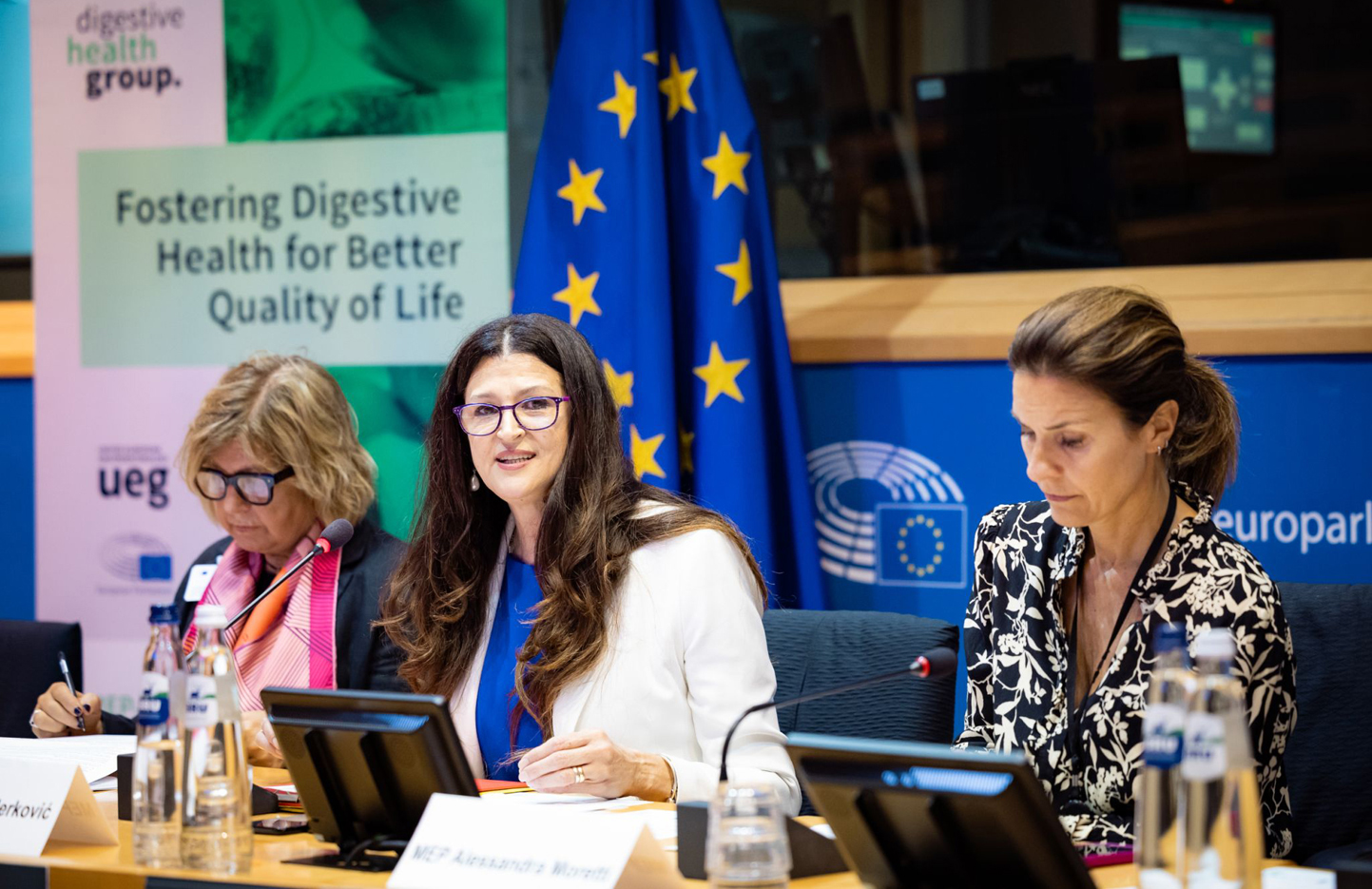

EuropeActive recently attended an event on obesity strategy at the European Parliament, hosted by MEP Romana Jerković
The forum was led by MEP Romana Jerković (centre) / photo: europeactive
It’s time to consider a complementary model of physical activity
Paul Batman, founder, Reframing Exercise
Paul Batman

The World Health Organization’s guidelines provide a blueprint for physical activity, however, many countries struggle to implement them, highlighting the need for a population-based approach to complement existing programmes.

We need options that support people in making the journey from being inactive to being active, without expecting them to jump straight to meeting WHO guidelines.

A complementary programme, called Movement is Wellbeing, encourages people to explore exercise by encouraging sustainable physical activity that emphasises the positive emotions associated with movement, including enjoyment, social connection and purpose.

This reframes the message in ways that resonate, creating a desire to be more active and encouraging people to seek improvements in their health, rather than focusing on goals associated with Exercise is Medicine, such as weight loss and high levels of fitness.

Movement is Wellbeing also acts as a bridge to Exercise is Medicine, making the transition easier.

It isn’t a replacement for the Exercise is Medicine message, but an alternative for those who struggle with traditional exercise approaches or who are more motivated by feeling good in the moment.

It also provides choices that are convenient, enjoyable, affordable, unintimidating, sustainable and achievable, while also fostering active habits, self-selection, emotional attachment and social connection.

There’s an emphasis on small changes over time, education and a sense of identity, all of which are cornerstones of creating active lifestyles.

Movement is Wellbeing acts as a powerful bridge to Exercise is Medicine, making the transition easier
The journey: Inactivity ▶︎ Movement is Wellbeing ▶︎ Exercise is Medicine
Paul Batman is reframing the exercise message for health and fitness professionals
Stage 1: Physical Inactivity

Not meeting the WHO guidelines for physical activity and exhibiting sedentary behaviour that threatens quality of life and undermines good health and wellbeing.

Stage 2: Movement is Wellbeing

Taking every opportunity to engage in any activity at any speed and for any amount of time, with whomever you like at any venue and at any time.

Priorities: Physical, mental, emotional and social wellbeing

Messages:

1. You’re not alone if you find it difficult to maintain motivation to exercise.

2. You don’t have to do very much physical activity to improve health and wellbeing.

3. Building daily intermittent movement into everyday life to break up prolonged periods of physical inactivity is the cornerstone of health and wellbeing.

4. Every life-based movement counts in improving health and wellbeing.

5. Consistency over intensity – muscle-organ cross-talk can reduce inflammation.

Stage 3: Exercise is Medicine

Exercise is Medicine treats chronic diseases to allow you to live a longer, higher quality life. Healthcare systems think of exercise as a medication that should be prescribed for patients.

Priorities: Better body image, weight loss, peak fitness, general health improvements

Recommendations

1. Exercise at moderate intensity for 150 - 300 minutes per week.

2. Exercise at vigorous intensity for 75 - 150 minutes per week.

3. Perform resistance exercises on two days each week.

4. Limit sedentary time and replace it with activity.

5. Perform activity that emphasises balance (older adults).

More:www.hcmmag.com/paulbatman

Movement is Wellbeing is a gentle transition to exercise / photo: Shutterstock / Zoran Zeremski
Sign up here to get Fit Tech's weekly ezine and every issue of Fit Tech magazine free on digital.
More features
Editor's letter

Into the fitaverse

Fitness is already among the top three markets in the metaverse, with new technology and partnerships driving real growth and consumer engagement that looks likely to spill over into health clubs, gyms and studios
Fit Tech people

Ali Jawad

Paralympic powerlifter and founder, Accessercise
Users can easily identify which facilities in the UK are accessible to the disabled community
Fit Tech people

Hannes Sjöblad

MD, DSruptive
We want to give our users an implantable tool that allows them to collect their health data at any time and in any setting
Fit Tech people

Jamie Buck

Co-founder, Active in Time
We created a solution called AiT Voice, which turns digital data into a spoken audio timetable that connects to phone systems
Profile

Fahad Alhagbani: reinventing fitness

Let’s live in the future to improve today
Opinion

Building on the blockchain

For small sports teams looking to compete with giants, blockchain can be a secret weapon explains Lars Rensing, CEO of Protokol
Innovation

Bold move

We ended up raising US$7m in venture capital from incredible investors, including Andreessen Horowitz, Khosla Ventures, Primetime Partners, and GingerBread Capital
App analysis

Check your form

Sency’s motion analysis technology is allowing users to check their technique as they exercise. Co-founder and CEO Gal Rotman explains how
Profile

New reality

Sam Cole, CEO of FitXR, talks to Fit Tech about taking digital workouts to the next level, with an immersive, virtual reality fitness club
Profile

Sohail Rashid

The app is free and it’s $40 to participate in one of our virtual events
Ageing

Reverse Ageing

Many apps help people track their health, but Humanity founders Peter Ward and Michael Geer have put the focus on ageing, to help users to see the direct repercussions of their habits. They talk to Steph Eaves
App analysis

Going hybrid

Workout Anytime created its app in partnership with Virtuagym. Workout Anytime’s Greg Maurer and Virtuagym’s Hugo Braam explain the process behind its creation
Research

Physical activity monitors boost activity levels

Researchers at the University of Copenhagen have conducted a meta analysis of all relevant research and found that the body of evidence shows an impact
Editor's letter

Two-way coaching

Content providers have been hugely active in the fit tech market since the start of the pandemic. We expect the industry to move on from delivering these services on a ‘broadcast-only’ basis as two-way coaching becomes the new USP
Fit Tech People

Laurent Petit

Co-founder, Active Giving
The future of sports and fitness are dependent on the climate. Our goal is to positively influence the future of our planet by instilling a global vision of wellbeing and a sense of collective action
Fit Tech People

Adam Zeitsiff

CEO, Intelivideo
We don’t just create the technology and bail – we support our clients’ ongoing hybridisation efforts
Fit Tech People

Anantharaman Pattabiraman

CEO and co-founder, Auro
When you’re undertaking fitness activities, unless you’re on a stationary bike, in most cases it’s not safe or necessary to be tied to a screen, especially a small screen
Fit Tech People

Mike Hansen

Managing partner, Endorphinz
We noticed a big gap in the market – customers needed better insights but also recommendations on what to do, whether that be customer acquisition, content creation, marketing and more
More features