









EGYM | Fit Tech promotion
features

Talking point: Women-only gyms

Research conducted by the Vitality Health Institute, found the pressures of life mean that only 23 per cent of UK women meet WHO physical activity guidelines. Kath Hudson finds out what the industry can do to make exercise a non-negotiable

Published in Health Club Management 2025 issue 2

Baz Moffat
Co-founder, The Well HQ
Moffat is working with the Gym Group to train instructors in female health / photo: THE GYM GROUP

The findings from Active Women, Healthy Lives: Understanding Barriers to Women’s Participation in Physical Activity are frustrating, but not surprising.

We’ve long known that women face barriers when it comes to physical activity – barriers men often don’t encounter. For example, finding the time for it when they have to balance work, caregiving and household responsibilities, or the pressure to exercise for weight management, which makes exercise feel like punishment instead of something they can do for fun, socialising or personal achievement.

The report quantifies these barriers and confirms that activity levels remain stubbornly low in women throughout life. The numbers confirm what we’ve been noticing for years, but seeing them laid out is a powerful call to action.

It’s important for operators to create a welcoming and judgment-free environment, which is very easy to say and far harder to do, day in, day out. With 37 per cent of women saying that their pelvic floor health stops them from exercising, having clean toilets with freely available sanitary products and not doing high knees or star jumps in a warm-up, make a huge difference. As does welcoming everyone into the class – even when they’re late.

We need to have well-qualified instructors who coach women to move and exercise in a way that’s designed for their age and experience, so they feel they‘re being looked after by people who understand their bodies.

We also need to shift the focus of exercising away from weight management to function and health. The messaging around women’s fitness has historically leaned heavily on weight loss or looking a certain way, which is demotivating and unsustainable in the long term.

We should focus on the benefits of exercise, such as stress relief, improved mental health, better sleep and increased energy. When we focus more on what women gain, instead of what they’re trying to lose, it feels more empowering. Sharing relatable stories of women who find joy or rediscovered confidence through movement can also be very inspiring for others.

The report found that women do want to be more active – nearly three-quarters of them said this – but they struggle against a system that doesn’t acknowledge or prioritise their needs to achieve this. The fact that walking is the most common activity shows that accessible options are essential to get women moving. But it should be a starting point, not the only option. We need to consider how we make other forms of activity just as accessible and appealing.

It’s also important to understand that creating systems that work for women is not their responsibility. We can’t blame them for struggling to adapt to systems that were never designed with them in mind. Employers, partners, friends, the government and fitness industry, all have a role to play in helping women be more active – facilitating childcare and making exercise accessible during the workday, with initiatives such as walking meetings or exercise ‘snacks’, are good places to start.

To achieve the systemic change we want to see, we must understand that women go through numerous pivotal life stages which impact everything in their lives to the point that fitness often drops to the bottom of their list.

Creating systems that work for women is not their responsibility. We can’t blame them for struggling to adapt to systems that weren’t designed with them in mind
Sophie Lawler & Kerry Curtis
CEO & Director of brand development, Total Fitness
Sophie Lawler / Total Fitness
Kerry Curtis / Total Fitness

In the last 12 months, we’ve also opened two women’s gyms in response to customer demand and in the last 12 months, Google search trends for women’s only fitness have increased by 80 per cent.

We’re delighted this is now a hot topic because, historically, gyms have been designed with men in mind. A tailored built environment is key to attracting women. We can’t pretend the gym environment isn’t intimidating, which is a big barrier for many people, especially women. As operators, it’s our responsibility to make spaces both physically and mentally welcoming and built to accommodate the needs of our customers. A simple thing for building confidence is easy access to a bathroom from the workout space and not including star jumps in group exercise workouts.

As a result of our own research and deep listening, we’re not on board with segmenting women according to life stage. This is too simplistic because women can have different needs at different points in the month, completely irrespective of life stage. It takes hard work to establish the common needs that unite all women and that’s what we’ve been doing. There needs to be awareness training and we’ve been offering this to our team members for many years. But it’s in the background, it doesn’t need to be put on the gym floor.

One of the biggest feedback pieces we’ve had about Women’s Gym is that they need to have a calming atmosphere. Feedback has validated the decision we made to create a lighter, welcoming space, using a colour palette of peach, grey and blues. Not pink. We‘ve used light to help cast the eyes up – as women tend to look down for wayfinding – and then strip lighting to direct the eye beyond what they can immediately see. This helps women to look up and ahead with more confidence.

We‘ve also created zoned spaces which offer choice: some with mirrors, some without; an area with air con and an area without; areas with music, areas without. The whole environment is not overstimulating, so there are no TVs and it’s never overcrowded. Our changing rooms are well thought out too, with individual shower and changing cubicles.

Because of the environment being so calm and welcoming and the way we’ve laid it out, it doesn’t feel intimidating. Our figures show that 62 per cent of our members have had the confidence to try something new. It’s a place to experiment without worrying about feeling stupid.

We’ve also found it’s really unhelpful to talk about fitness as ‘me time’. Our listening has evidenced that women can easily feel guilty about most things and so we interpreted that it would be unhelpful to position Women’s Gym as anything else but a gym for women. We take women’s fitness seriously and women working out needs to be normalised rather than positioned as something that must have time carved out for.

We need more innovation from suppliers around making equipment female-friendly. We haven’t been able to achieve the economies of scale of a main equipment partner because there wasn’t any company that could do the full range. An evolution from black equipment would be welcome: it can make spaces feel dark, intimidating, masculine and tough, which is unhelpful.

We need to see more innovation from suppliers around making equipment female-friendly
A move away from black equipment ‘would be welcome’ / Poto: Total Fitness
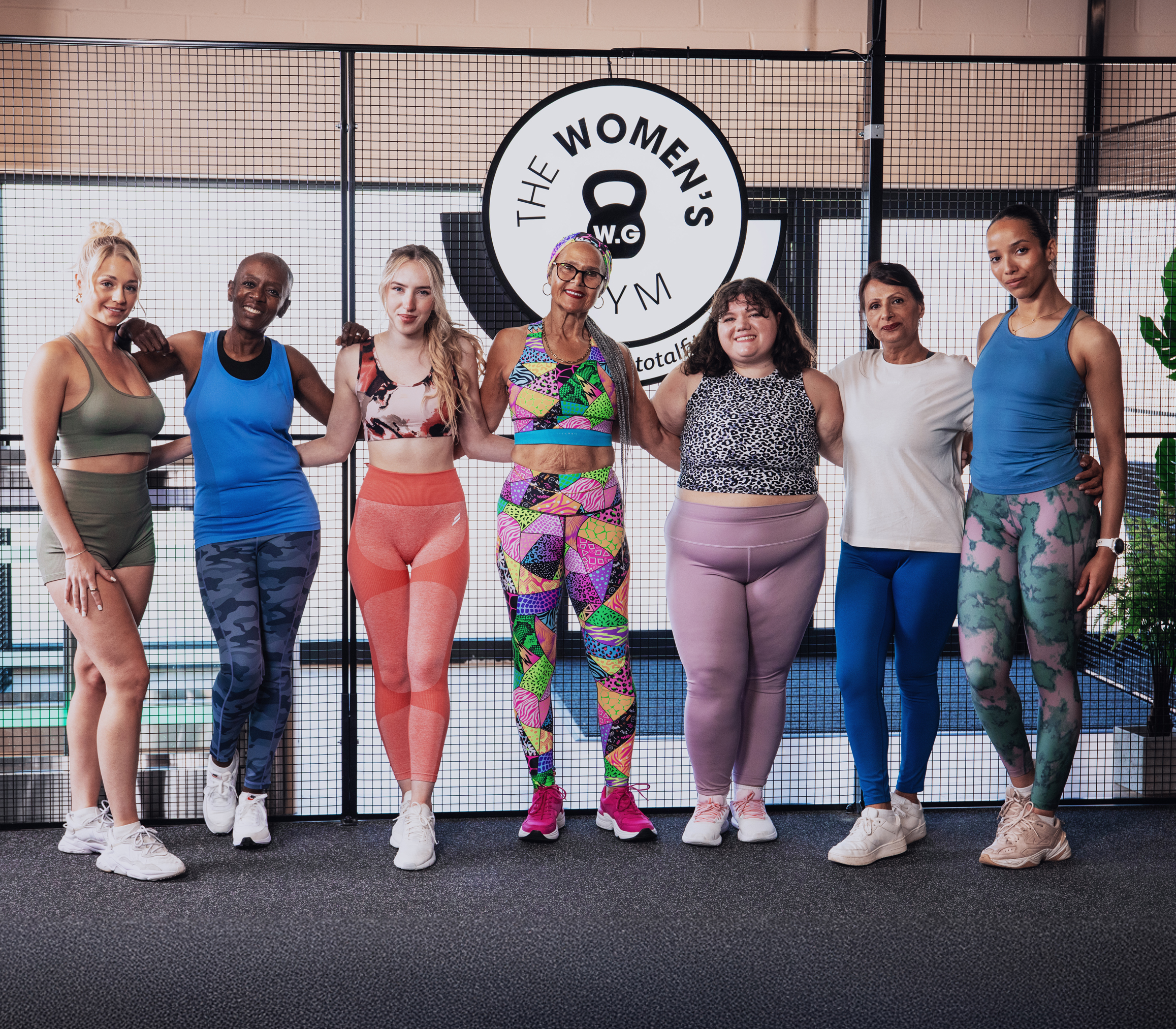
Total Fitness launched its Women’s Gym in 2024 / photo: Total Fitness
Joan Murphy
Co-founder, Frame

I’m both unsurprised and deeply saddened that only 23 per cent of women in the UK are meeting activity guidelines. I believe this reflects the overwhelming societal pressures us women face – caregiving in its many forms, work and the guilt many feel about prioritising themselves. The fact that so many women see exercise as a nice-to-have rather than essential for health and mental wellbeing speaks volumes and shows we still have a long way to go to normalise exercise as a fundamental part of women’s lives.

I love that the Vitality report emphasises that this situation isn’t women’s responsibility to fix. For too long, society has placed the burden of change squarely on women, when structural and cultural shifts are needed. In order to make an impact, we also need to shift the narrative away from appearance or weight loss to benefits such as mental clarity, strength and energy.

The drop-off in participation during the teenage years is alarming and I question why schools still focus on sports for PE. Competitive sport does not have a universal appeal and there need to be options offered that are more inclusive and less intimidating, for example focusing on the joy and health benefits of movement rather than competition or performance.

Exposure to a variety of movement options in schools, including yoga, Pilates and strength training could have a positive impact on activity levels.

We also need relatable role models who prioritise exercise – mums, professionals and women of all shapes and sizes – can inspire others. To make a meaningful change, we need to foster a culture where women feel that movement isn’t just for fitness, it’s for mental wellbeing, connection and empowerment. Exercise should be a celebration of what our bodies can do, not a punishment for how we look. And we need to ensure every woman feels supported in making time for herself without guilt or judgment.

Frame focuses on making exercise enjoyable and inclusive. We have the mantra that choosing a class you enjoy is the best class for you. We pride ourselves on creating a space where everyone feels welcome, comfortable and unjudged and offer an extensive timetable to make it as easier to fit exercise into busy lives. For those with time, location and financial constraints, and people who feel too embarrassed to try new things in public, we have designed Frame Online.

Exercise should be a celebration of what our bodies can do, not a punishment for how we look
Women should be encouraged to make more time for themselves / photo: FRAME / MORGAN WHITE
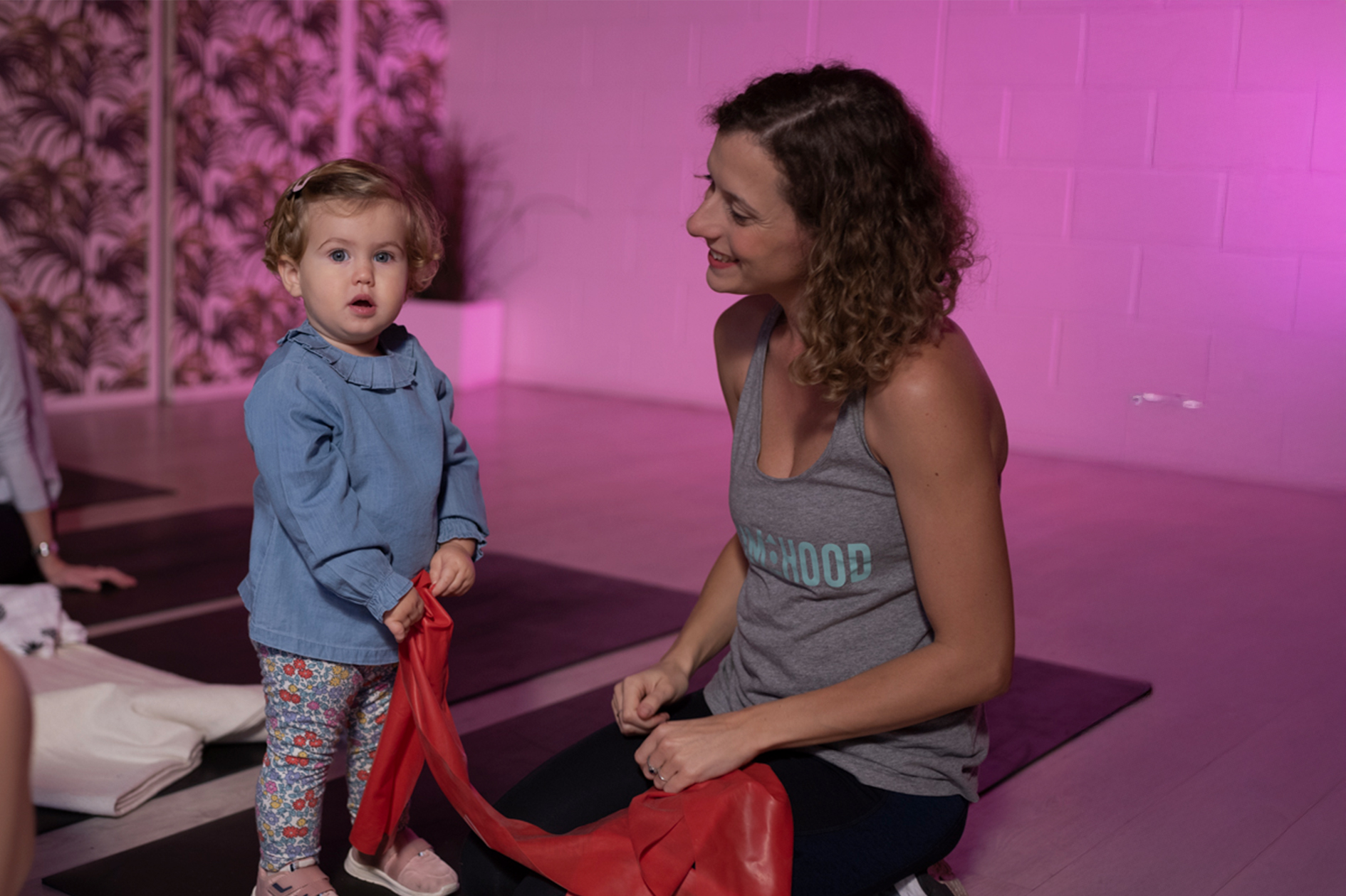
Frame offers Mumhood classes to support women with children / photo: FRAME
Sarah Berne
National wellbeing manager, Serco Leisure
Photo: SERCO LEISURE

The amount of pressure that is generally placed upon women across the life course is phenomenal. Girls and younger women feel the pressures to be strong academically and be a solid friend while dealing with their bodies changing rapidly. What they could do with ease activity wise before puberty can feel harder, or more exposing, as they mature.

Through their working lives, women must juggle career demands and the absence that comes from starting a family. Following maternity leave women can often find themselves a few steps behind their male counterparts and feel as though they must work harder to catch up, all while juggling the mental load that comes hand in hand with operating a household and ensuring children are thriving academically, emotionally and socially.

I agree with the recommendations that men need to step up: both in the equal division of the unpaid, unseen labour that goes on in the majority of households and also in the gym or exercise space. If you see a woman being active outdoors, give her space, cross the road, let her know she’s safe. In the gym environment, be aware of the women around you, give them the space they need to do their routine and definitely don’t mansplain!

Women fear being judged when they exercise because they’re bombarded with images of younger, picture-perfect, Instagram-ready women. Seeing pictures and campaigns of real women, of all ages, shapes and abilities will help them know there‘s a space for them.

I fully agree with the recommendation that we need to look at different cohorts of women and their needs when it comes to being physically active. There‘s a huge knowledge gap across our sector on the effects of perimenopause and menopause.

Often the message to all women is around how exercise can help you burn calories. However, by reframing the message to fit the various stages of our life, it can start to resonate at a more meaningful level on the relevant benefits.

Serco Leisure is implementing an Active Wellbeing strategy across all contracts to help address some of the challenging health inequalities and within this we have a definite focus on women and girls. We have numerous This Girl Can initiatives running across our centres, including backing the “Lets Lift the Curfew Campaign” by offering free supported walks and runs in areas of demand for women and girls of all ages to come along and feel safe outdoors during the dark nights. Planned in for 2025 we’ll have a focus around training our staff on exercise and the effects of menopause and wider training around understanding behaviour change.

Serco Leisure is implementing an Active Wellbeing strategy to help address health inequalities with a definite focus on women and girls
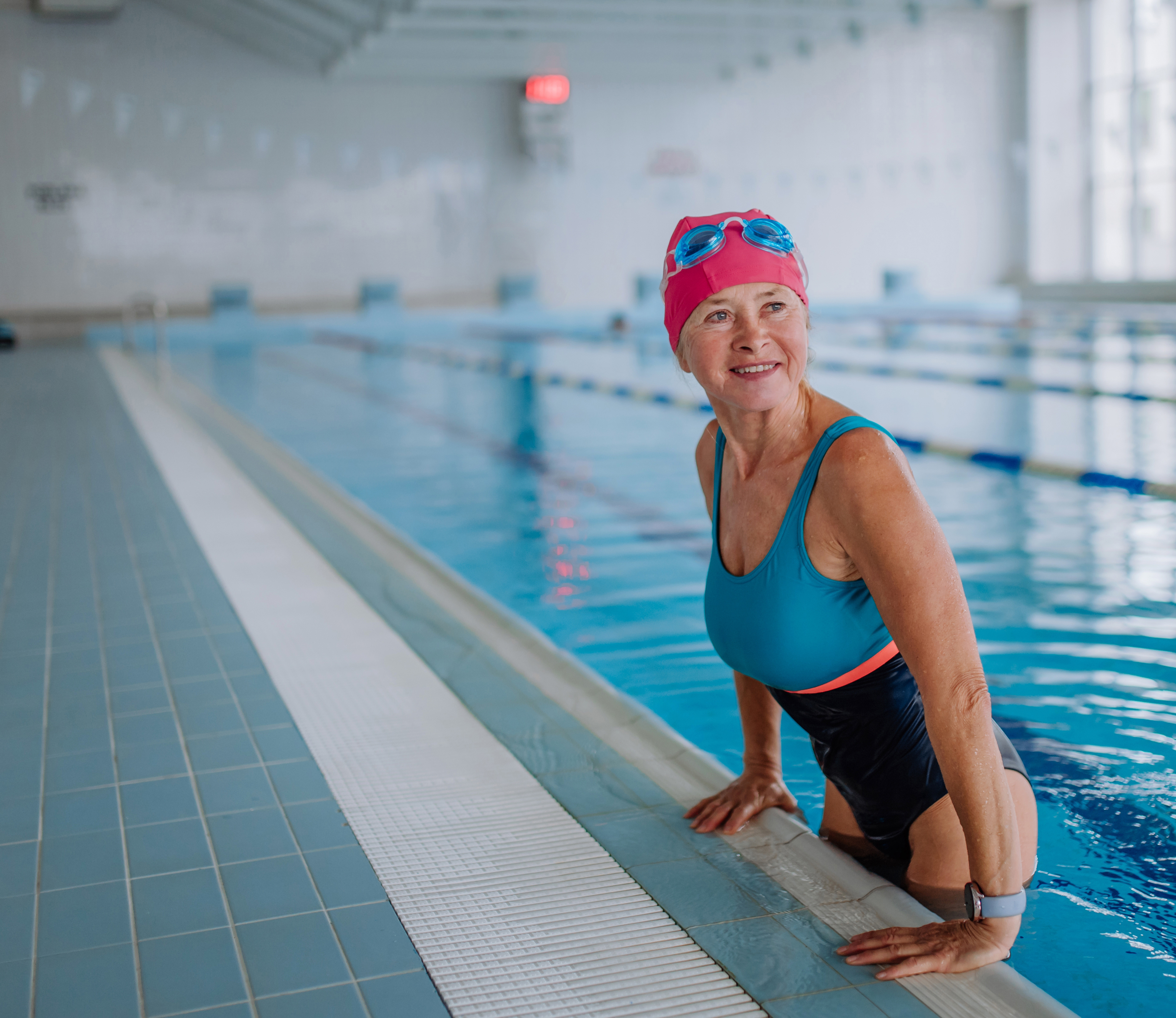
There’s a big knowledge gap in the sector around menopause / photo: Shutterstock / Halfpoint
Molly Long
COO, Crunch Fitness
photo: Madeline Strum Photography

As a wife and mom of three young boys, with a very full career, I felt a deep connection to the findings of this report. It highlights how life demands – for example work, family and caregiving – often take priority over exercise. It’s encouraging to see this issue being highlighted, as it underscores the need for tailored solutions to support women in staying active.

Operators could help to remove barriers, for example by introducing group fitness classes with a social focus, such as themed workouts, buddy systems or post-class meet-ups, as well as hosting social events, such as wellness workshops, fitness brunches, or outdoor activities that blend fitness with social connection. Gamification, challenges and rewards can also make workouts more engaging and interactive.

The other opportunity is making people feel welcomed no matter where they are on their fitness journey. Our No Judgments philosophy is not just a tagline – it runs deep within every team member at our gyms.

We’ve introduced a number of initiatives to increase engagement with women and seen a positive response in terms of membership retention and engagement. We’ve added kit that women are asking for, including that which focuses on glutes and abs. Flexible class schedules and childcare services are offered in many of our gyms to accommodate busy mothers or caregivers.

Our new Hot Studio offers a wide variety of classes, from Hot Yoga to Hot Pilates to Hot HIIT, in a boutique setting. The new Relax & Recover space has been designed to feel premium and spa-like: a retreat in and of itself.

We also have a great balance of male and female trainers and have had very positive feedback from our female PT clients about the impact this has made for them.

There is the opportunity to redefine fitness messaging to focus on holistic health and wellbeing, rather than weight management: the overall wellbeing, improved mental health, strength, energy, social aspects, self-confidence boost and decreased stress levels, as well as a form of self-care and empowerment.

Imagery and language used in marketing also needs to reflect diverse body types and fitness goals.

It’s critical that we, as an industry, address the unique challenges women face in prioritising exercise. Operators that create flexible, inclusive and supportive environments will win with women and help them stay active. We also need to listen, turning members’ insights into innovation. I love listening to our members’ stories. Their challenges. Their Why. They will tell you exactly what’s on their mind.

Flexible class schedules and childcare services are offered in many of our gyms to accommodate busy mothers or caregivers
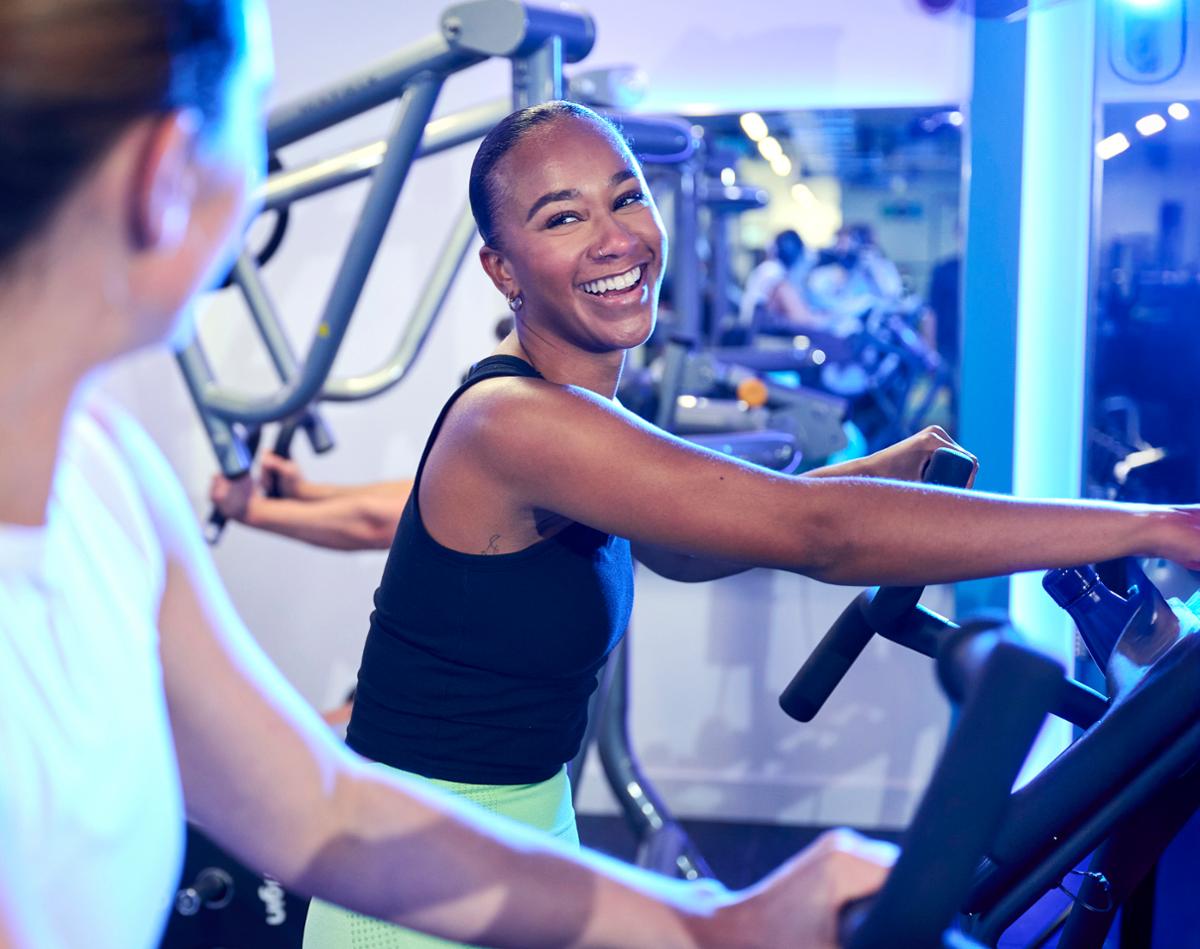
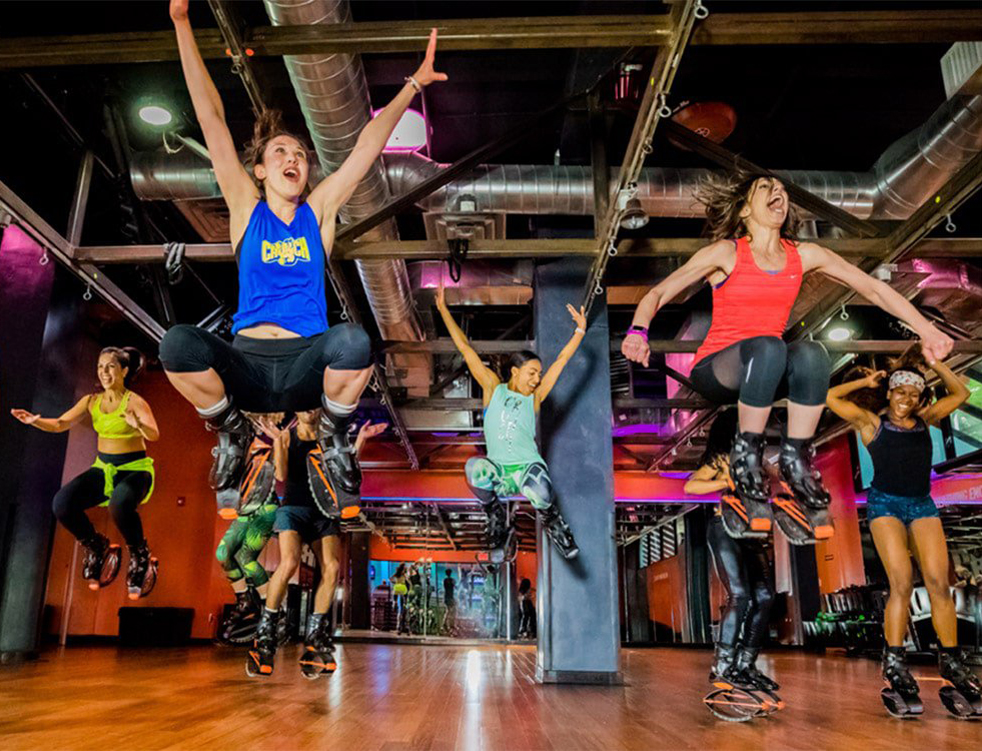
Classes with a more social focus have a wider appeal to women / photo: Crunch Fitness
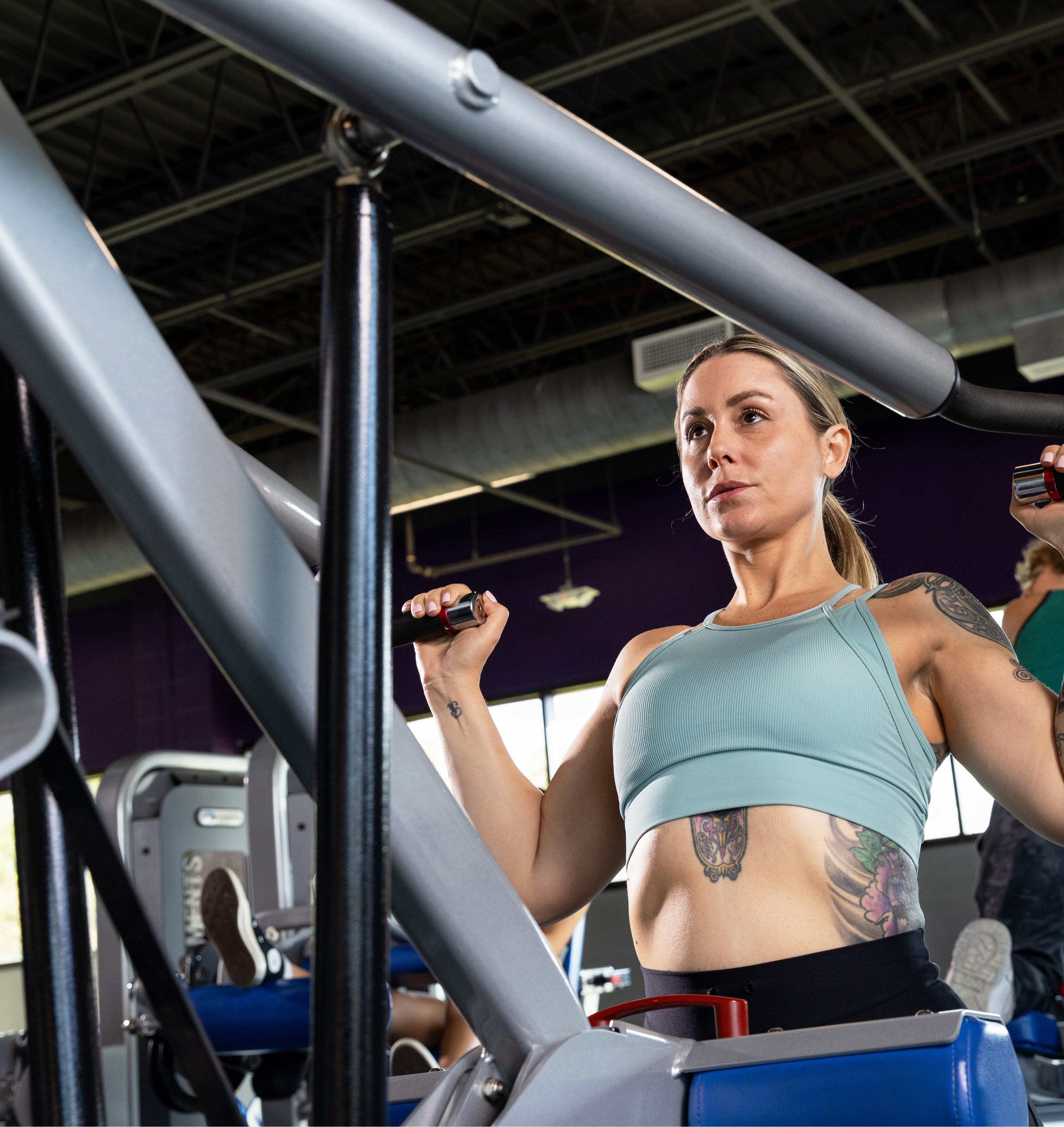
photo: crunch fitness/murphymade
Vitality insights

✻ Only 23 per cent of women in the UK engage in 30 minutes of exercise a week, or do 7k steps/day five or more times a week

80 per cent say time is a barrier to exercise versus 35 per cent of men

36 per cent of women feel guilty taking time for themselves

✻ Work, caring and chores are seen as non-negotiable while exercise is a nice-to-have

82 per cent said lack of motivation is the main reason for not exercising

65 per cent said it was down to lack of enjoyment

62 per cent cited fear of judgment about their ability or body image

✻ One million girls who once considered themselves sporty disengaged after primary school

37 per cent said their pelvic floor health stops them from exercising

41 per cent say they would like to move more

64 per cent say walking is their movement of choice

✻ Gym-based classes are the second most popular activity, at 27 per cent

Report recommendations:

✻ Provide better information

✻ Move the conversation away from weight management

✻ Embed training about the different life stages women travel through

✻ Offer more inclusive facilities, including childcare if possible

✻ Make health checks part of the offering

✻ Focus on fun and social opportunities

✻ Provide snackable workouts at flexible times

More: www.HCMmag.com/Vitality

Source: Vitality Health, Active Women, Healthy Lives: Understanding Barriers to Women’s Participation in Physical Activity

CASE STUDY: Female Health First

The Gym Group partnered with Baz Moffat and The Well HQ in 2023 to launch the Female Health First programme to equip teams with specialist knowledge on female fitness and translate this to the gym floor to make the gyms welcoming spaces for women.

To date 170 members of staff have completed the course, which includes female functional fitness classes, pelvic floor health workshops, female-focused weight training and small group training sessions.

“Being able to provide these kinds of sessions for our teams helps them open up conversations around female training, supporting our members to better understand how they can work comfortably and effectively and to see exercise as an enjoyable, important part of their routine,” says Laura Travis, female health first lead at The Gym Group.

Ruth Jackson, chief people officer at The Gym Group says the knowledge and benefits are being shared around the company: “We’re seeing the fantastic benefits of empowering our gym teams with specialist knowledge on female fitness, and how that helps us to ensure our gym environments are even more welcoming and inspiring for all, including bespoke group exercises classes and one to one support to help women at every life stage.”

In the last two years, The Gym Group reports that it has trebled the number of training sessions available on a female-only basis under its Weights for Women programme.

The industry needs more specialist knowledge on female fitness / photo: The Gym Group
Sign up here to get Fit Tech's weekly ezine and every issue of Fit Tech magazine free on digital.
More features
Editor's letter

Into the fitaverse

Fitness is already among the top three markets in the metaverse, with new technology and partnerships driving real growth and consumer engagement that looks likely to spill over into health clubs, gyms and studios
Fit Tech people

Ali Jawad

Paralympic powerlifter and founder, Accessercise
Users can easily identify which facilities in the UK are accessible to the disabled community
Fit Tech people

Hannes Sjöblad

MD, DSruptive
We want to give our users an implantable tool that allows them to collect their health data at any time and in any setting
Fit Tech people

Jamie Buck

Co-founder, Active in Time
We created a solution called AiT Voice, which turns digital data into a spoken audio timetable that connects to phone systems
Profile

Fahad Alhagbani: reinventing fitness

The team is young and ambitious, and the awareness of technology is very high. We share trends and out-of-the-box ideas almost every day
Opinion

Building on the blockchain

For small sports teams looking to compete with giants, blockchain can be a secret weapon explains Lars Rensing, CEO of Protokol
Innovation

Bold move

Our results showed a greater than 60 per cent reduction in falls for individuals who actively participated in Bold’s programme
App analysis

Check your form

Sency’s motion analysis technology is allowing users to check their technique as they exercise. Co-founder and CEO Gal Rotman explains how
Profile

New reality

Sam Cole, CEO of FitXR, talks to Fit Tech about taking digital workouts to the next level, with an immersive, virtual reality fitness club
Profile

Sohail Rashid

35 million people a week participate in strength training. We want Brawn to help this audience achieve their goals
Ageing

Reverse Ageing

Many apps help people track their health, but Humanity founders Peter Ward and Michael Geer have put the focus on ageing, to help users to see the direct repercussions of their habits. They talk to Steph Eaves
App analysis

Going hybrid

Workout Anytime created its app in partnership with Virtuagym. Workout Anytime’s Greg Maurer and Virtuagym’s Hugo Braam explain the process behind its creation
Research

Physical activity monitors boost activity levels

Researchers at the University of Copenhagen have conducted a meta analysis of all relevant research and found that the body of evidence shows an impact
Editor's letter

Two-way coaching

Content providers have been hugely active in the fit tech market since the start of the pandemic. We expect the industry to move on from delivering these services on a ‘broadcast-only’ basis as two-way coaching becomes the new USP
Fit Tech People

Laurent Petit

Co-founder, Active Giving
The future of sports and fitness are dependent on the climate. Our goal is to positively influence the future of our planet by instilling a global vision of wellbeing and a sense of collective action
Fit Tech People

Adam Zeitsiff

CEO, Intelivideo
We don’t just create the technology and bail – we support our clients’ ongoing hybridisation efforts
Fit Tech People

Anantharaman Pattabiraman

CEO and co-founder, Auro
When you’re undertaking fitness activities, unless you’re on a stationary bike, in most cases it’s not safe or necessary to be tied to a screen, especially a small screen
Fit Tech People

Mike Hansen

Managing partner, Endorphinz
We noticed a big gap in the market – customers needed better insights but also recommendations on what to do, whether that be customer acquisition, content creation, marketing and more
More features
Orbit4 is a digital operations platform designed to help fitness and leisure operators manage assets, ...
FIBO pursues the vision of a strong and healthy society and as a global network ...
22-23 Sep 2026
Four Seasons Hotel Bangkok at Chao Phraya River, Bangkok , Thailand
Orbit4 is a digital operations platform designed to help fitness and leisure operators manage assets, ...
FIBO pursues the vision of a strong and healthy society and as a global network ...
Get Fit Tech
Sign up for the free Fit Tech ezine and breaking news alerts
Sign up
22-23 Sep 2026
Four Seasons Hotel Bangkok at Chao Phraya River, Bangkok , Thailand

latest fit tech news

PureGym is encouraging people to step away from their screens and go for a walk, in a new initiative timed ...
news • 29 May 2026
Active people app, Strava, has overhauled its strength training experience, allowing gym-goers to automatically log and share their lifts from ...
news • 27 May 2026

Fitness First UK is embracing digital wellness technology by installing Kip’s tap-to-activate phone controls across its UK estate. Kip tags ...
news • 22 May 2026
The world’s first awareness ring has been launched. Designed to promote presence, focus and calm via gentle haptic vibrations, the ...
news • 13 May 2026
Center Parcs’ Aqua Sana Forest Spa, Woburn Forest, UK, has transformed an unused space into a touchless wellness area called ...
news • 12 May 2026
Gharieni Group has launched a new company, Cobotics Innovations, to create automated wellness experiences. The first solution is a robotic ...
product innovation • 07 May 2026

US-based robotics wellness company Aescape Inc has entered insolvency proceedings following the sale of substantially all of its ...

news • 06 May 2026
Fitness platform, Zing Coach, has teamed up with Les Mills, in a partnership that gives its users access to group ...
news • 23 Apr 2026

TMActive is launching a new Active Wellbeing Studio next month in Tonbridge, UK, specifically aimed at people who face higher ...
news • 13 Apr 2026

Indian billionaire, Deepinder Goyal, is working on a device called Temple that aims to track blood flow to the brain ...
news • 10 Apr 2026
More fit tech news
features

Talking point: Women-only gyms

Research conducted by the Vitality Health Institute, found the pressures of life mean that only 23 per cent of UK women meet WHO physical activity guidelines. Kath Hudson finds out what the industry can do to make exercise a non-negotiable

Published in Health Club Management 2025 issue 2

Baz Moffat
Co-founder, The Well HQ
Moffat is working with the Gym Group to train instructors in female health / photo: THE GYM GROUP

The findings from Active Women, Healthy Lives: Understanding Barriers to Women’s Participation in Physical Activity are frustrating, but not surprising.

We’ve long known that women face barriers when it comes to physical activity – barriers men often don’t encounter. For example, finding the time for it when they have to balance work, caregiving and household responsibilities, or the pressure to exercise for weight management, which makes exercise feel like punishment instead of something they can do for fun, socialising or personal achievement.

The report quantifies these barriers and confirms that activity levels remain stubbornly low in women throughout life. The numbers confirm what we’ve been noticing for years, but seeing them laid out is a powerful call to action.

It’s important for operators to create a welcoming and judgment-free environment, which is very easy to say and far harder to do, day in, day out. With 37 per cent of women saying that their pelvic floor health stops them from exercising, having clean toilets with freely available sanitary products and not doing high knees or star jumps in a warm-up, make a huge difference. As does welcoming everyone into the class – even when they’re late.

We need to have well-qualified instructors who coach women to move and exercise in a way that’s designed for their age and experience, so they feel they‘re being looked after by people who understand their bodies.

We also need to shift the focus of exercising away from weight management to function and health. The messaging around women’s fitness has historically leaned heavily on weight loss or looking a certain way, which is demotivating and unsustainable in the long term.

We should focus on the benefits of exercise, such as stress relief, improved mental health, better sleep and increased energy. When we focus more on what women gain, instead of what they’re trying to lose, it feels more empowering. Sharing relatable stories of women who find joy or rediscovered confidence through movement can also be very inspiring for others.

The report found that women do want to be more active – nearly three-quarters of them said this – but they struggle against a system that doesn’t acknowledge or prioritise their needs to achieve this. The fact that walking is the most common activity shows that accessible options are essential to get women moving. But it should be a starting point, not the only option. We need to consider how we make other forms of activity just as accessible and appealing.

It’s also important to understand that creating systems that work for women is not their responsibility. We can’t blame them for struggling to adapt to systems that were never designed with them in mind. Employers, partners, friends, the government and fitness industry, all have a role to play in helping women be more active – facilitating childcare and making exercise accessible during the workday, with initiatives such as walking meetings or exercise ‘snacks’, are good places to start.

To achieve the systemic change we want to see, we must understand that women go through numerous pivotal life stages which impact everything in their lives to the point that fitness often drops to the bottom of their list.
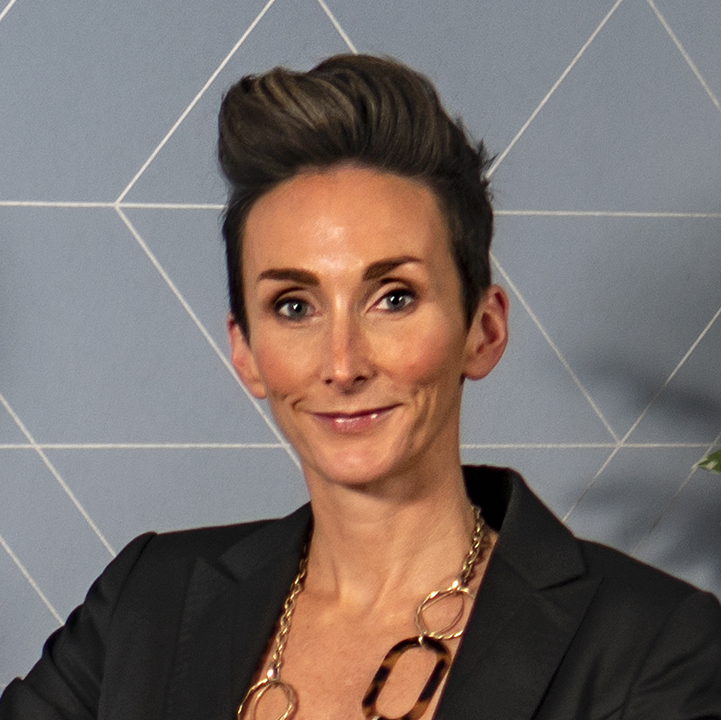

Creating systems that work for women is not their responsibility. We can’t blame them for struggling to adapt to systems that weren’t designed with them in mind
Sophie Lawler & Kerry Curtis
CEO & Director of brand development, Total Fitness
Sophie Lawler / Total Fitness
Kerry Curtis / Total Fitness

In the last 12 months, we’ve also opened two women’s gyms in response to customer demand and in the last 12 months, Google search trends for women’s only fitness have increased by 80 per cent.

We’re delighted this is now a hot topic because, historically, gyms have been designed with men in mind. A tailored built environment is key to attracting women. We can’t pretend the gym environment isn’t intimidating, which is a big barrier for many people, especially women. As operators, it’s our responsibility to make spaces both physically and mentally welcoming and built to accommodate the needs of our customers. A simple thing for building confidence is easy access to a bathroom from the workout space and not including star jumps in group exercise workouts.

As a result of our own research and deep listening, we’re not on board with segmenting women according to life stage. This is too simplistic because women can have different needs at different points in the month, completely irrespective of life stage. It takes hard work to establish the common needs that unite all women and that’s what we’ve been doing. There needs to be awareness training and we’ve been offering this to our team members for many years. But it’s in the background, it doesn’t need to be put on the gym floor.

One of the biggest feedback pieces we’ve had about Women’s Gym is that they need to have a calming atmosphere. Feedback has validated the decision we made to create a lighter, welcoming space, using a colour palette of peach, grey and blues. Not pink. We‘ve used light to help cast the eyes up – as women tend to look down for wayfinding – and then strip lighting to direct the eye beyond what they can immediately see. This helps women to look up and ahead with more confidence.

We‘ve also created zoned spaces which offer choice: some with mirrors, some without; an area with air con and an area without; areas with music, areas without. The whole environment is not overstimulating, so there are no TVs and it’s never overcrowded. Our changing rooms are well thought out too, with individual shower and changing cubicles.

Because of the environment being so calm and welcoming and the way we’ve laid it out, it doesn’t feel intimidating. Our figures show that 62 per cent of our members have had the confidence to try something new. It’s a place to experiment without worrying about feeling stupid.

We’ve also found it’s really unhelpful to talk about fitness as ‘me time’. Our listening has evidenced that women can easily feel guilty about most things and so we interpreted that it would be unhelpful to position Women’s Gym as anything else but a gym for women. We take women’s fitness seriously and women working out needs to be normalised rather than positioned as something that must have time carved out for.

We need more innovation from suppliers around making equipment female-friendly. We haven’t been able to achieve the economies of scale of a main equipment partner because there wasn’t any company that could do the full range. An evolution from black equipment would be welcome: it can make spaces feel dark, intimidating, masculine and tough, which is unhelpful.
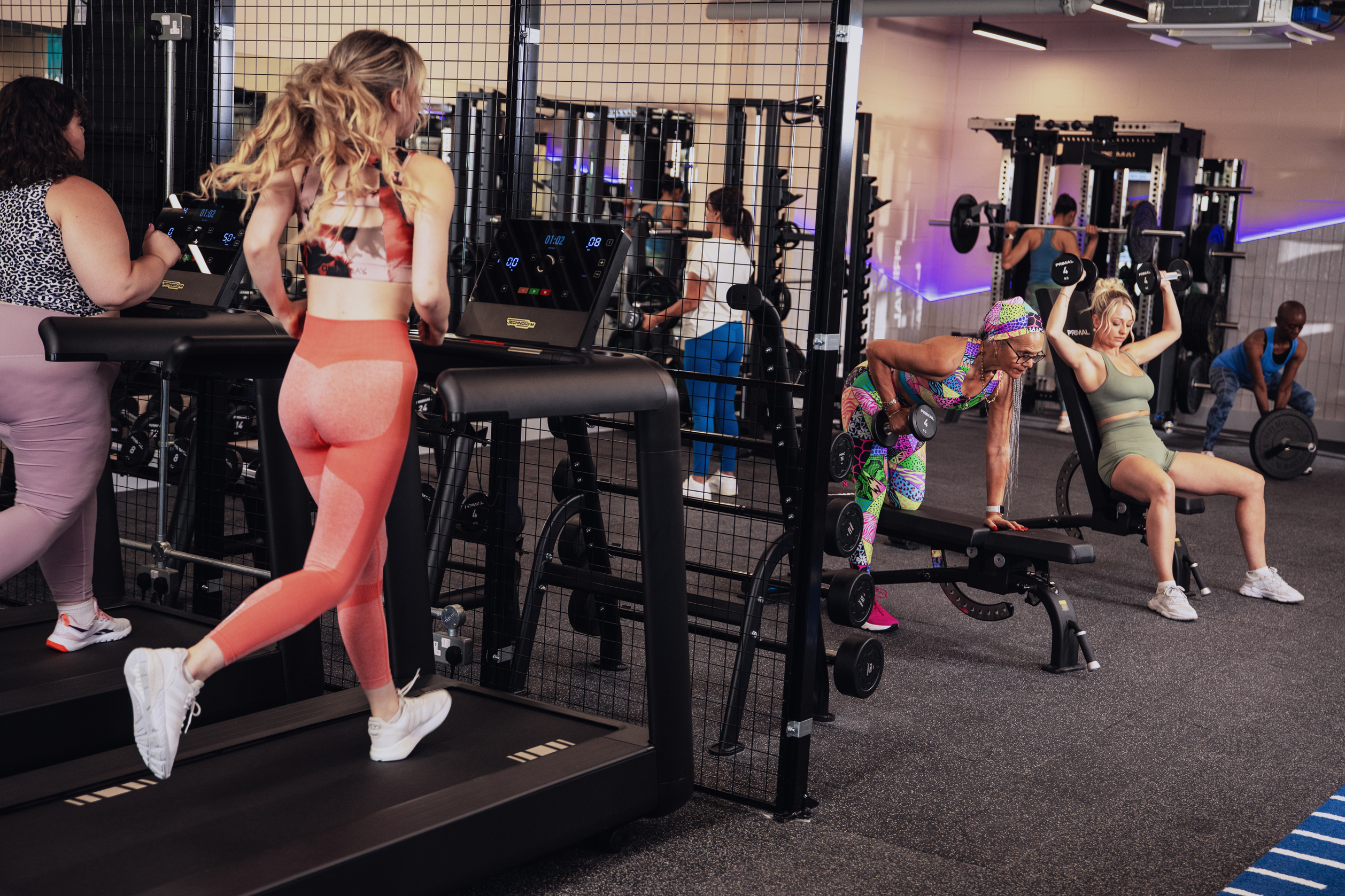
We need to see more innovation from suppliers around making equipment female-friendly
A move away from black equipment ‘would be welcome’ / Poto: Total Fitness
Total Fitness launched its Women’s Gym in 2024 / photo: Total Fitness
Joan Murphy
Co-founder, Frame

I’m both unsurprised and deeply saddened that only 23 per cent of women in the UK are meeting activity guidelines. I believe this reflects the overwhelming societal pressures us women face – caregiving in its many forms, work and the guilt many feel about prioritising themselves. The fact that so many women see exercise as a nice-to-have rather than essential for health and mental wellbeing speaks volumes and shows we still have a long way to go to normalise exercise as a fundamental part of women’s lives.

I love that the Vitality report emphasises that this situation isn’t women’s responsibility to fix. For too long, society has placed the burden of change squarely on women, when structural and cultural shifts are needed. In order to make an impact, we also need to shift the narrative away from appearance or weight loss to benefits such as mental clarity, strength and energy.

The drop-off in participation during the teenage years is alarming and I question why schools still focus on sports for PE. Competitive sport does not have a universal appeal and there need to be options offered that are more inclusive and less intimidating, for example focusing on the joy and health benefits of movement rather than competition or performance.

Exposure to a variety of movement options in schools, including yoga, Pilates and strength training could have a positive impact on activity levels.

We also need relatable role models who prioritise exercise – mums, professionals and women of all shapes and sizes – can inspire others. To make a meaningful change, we need to foster a culture where women feel that movement isn’t just for fitness, it’s for mental wellbeing, connection and empowerment. Exercise should be a celebration of what our bodies can do, not a punishment for how we look. And we need to ensure every woman feels supported in making time for herself without guilt or judgment.

Frame focuses on making exercise enjoyable and inclusive. We have the mantra that choosing a class you enjoy is the best class for you. We pride ourselves on creating a space where everyone feels welcome, comfortable and unjudged and offer an extensive timetable to make it as easier to fit exercise into busy lives. For those with time, location and financial constraints, and people who feel too embarrassed to try new things in public, we have designed Frame Online.
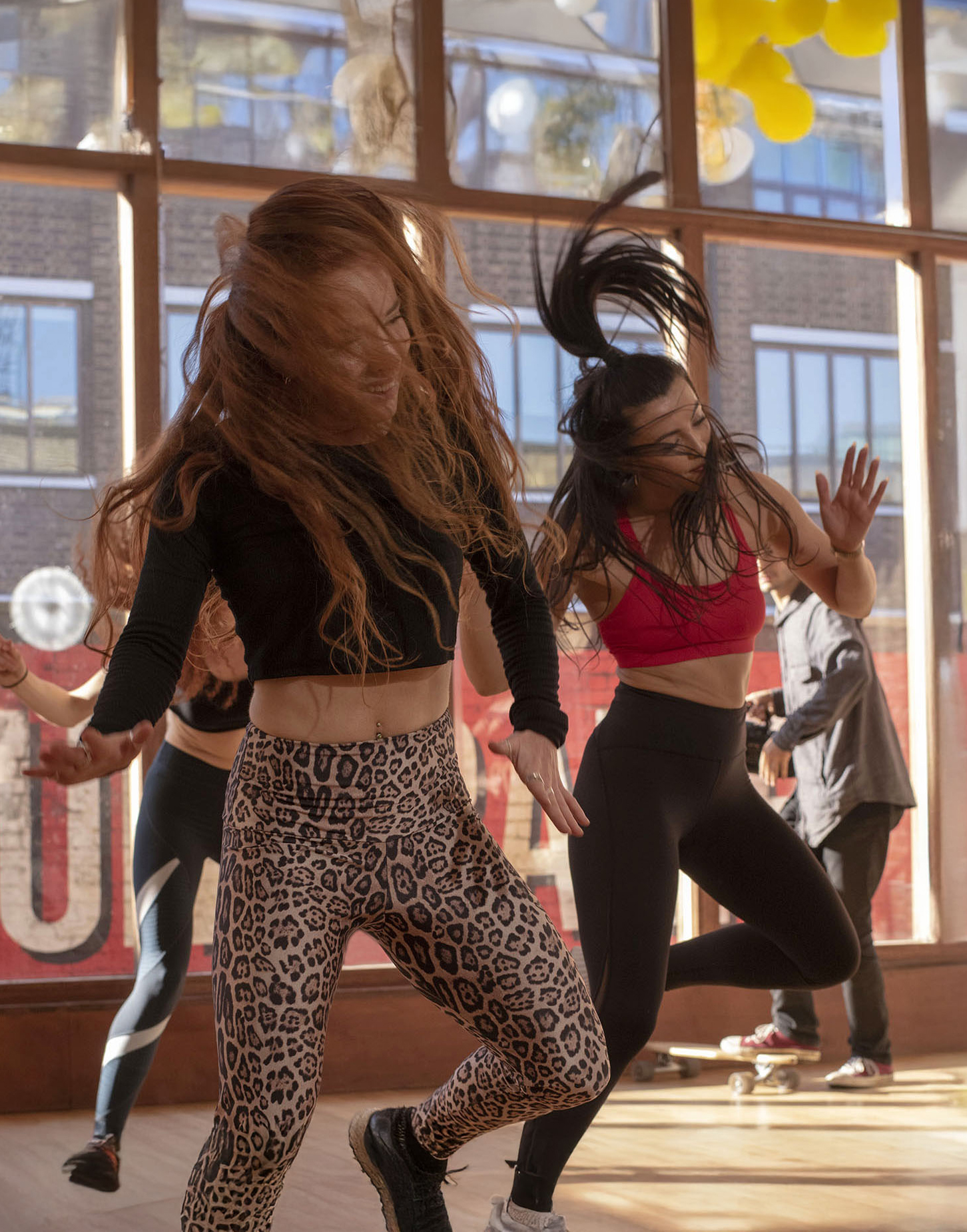
Exercise should be a celebration of what our bodies can do, not a punishment for how we look
Women should be encouraged to make more time for themselves / photo: FRAME / MORGAN WHITE
Frame offers Mumhood classes to support women with children / photo: FRAME
Sarah Berne
National wellbeing manager, Serco Leisure
Photo: SERCO LEISURE

The amount of pressure that is generally placed upon women across the life course is phenomenal. Girls and younger women feel the pressures to be strong academically and be a solid friend while dealing with their bodies changing rapidly. What they could do with ease activity wise before puberty can feel harder, or more exposing, as they mature.

Through their working lives, women must juggle career demands and the absence that comes from starting a family. Following maternity leave women can often find themselves a few steps behind their male counterparts and feel as though they must work harder to catch up, all while juggling the mental load that comes hand in hand with operating a household and ensuring children are thriving academically, emotionally and socially.

I agree with the recommendations that men need to step up: both in the equal division of the unpaid, unseen labour that goes on in the majority of households and also in the gym or exercise space. If you see a woman being active outdoors, give her space, cross the road, let her know she’s safe. In the gym environment, be aware of the women around you, give them the space they need to do their routine and definitely don’t mansplain!

Women fear being judged when they exercise because they’re bombarded with images of younger, picture-perfect, Instagram-ready women. Seeing pictures and campaigns of real women, of all ages, shapes and abilities will help them know there‘s a space for them.

I fully agree with the recommendation that we need to look at different cohorts of women and their needs when it comes to being physically active. There‘s a huge knowledge gap across our sector on the effects of perimenopause and menopause.

Often the message to all women is around how exercise can help you burn calories. However, by reframing the message to fit the various stages of our life, it can start to resonate at a more meaningful level on the relevant benefits.

Serco Leisure is implementing an Active Wellbeing strategy across all contracts to help address some of the challenging health inequalities and within this we have a definite focus on women and girls. We have numerous This Girl Can initiatives running across our centres, including backing the “Lets Lift the Curfew Campaign” by offering free supported walks and runs in areas of demand for women and girls of all ages to come along and feel safe outdoors during the dark nights. Planned in for 2025 we’ll have a focus around training our staff on exercise and the effects of menopause and wider training around understanding behaviour change.
Serco Leisure is implementing an Active Wellbeing strategy to help address health inequalities with a definite focus on women and girls
There’s a big knowledge gap in the sector around menopause / photo: Shutterstock / Halfpoint
Molly Long
COO, Crunch Fitness
photo: Madeline Strum Photography

As a wife and mom of three young boys, with a very full career, I felt a deep connection to the findings of this report. It highlights how life demands – for example work, family and caregiving – often take priority over exercise. It’s encouraging to see this issue being highlighted, as it underscores the need for tailored solutions to support women in staying active.

Operators could help to remove barriers, for example by introducing group fitness classes with a social focus, such as themed workouts, buddy systems or post-class meet-ups, as well as hosting social events, such as wellness workshops, fitness brunches, or outdoor activities that blend fitness with social connection. Gamification, challenges and rewards can also make workouts more engaging and interactive.

The other opportunity is making people feel welcomed no matter where they are on their fitness journey. Our No Judgments philosophy is not just a tagline – it runs deep within every team member at our gyms.

We’ve introduced a number of initiatives to increase engagement with women and seen a positive response in terms of membership retention and engagement. We’ve added kit that women are asking for, including that which focuses on glutes and abs. Flexible class schedules and childcare services are offered in many of our gyms to accommodate busy mothers or caregivers.

Our new Hot Studio offers a wide variety of classes, from Hot Yoga to Hot Pilates to Hot HIIT, in a boutique setting. The new Relax & Recover space has been designed to feel premium and spa-like: a retreat in and of itself.

We also have a great balance of male and female trainers and have had very positive feedback from our female PT clients about the impact this has made for them.

There is the opportunity to redefine fitness messaging to focus on holistic health and wellbeing, rather than weight management: the overall wellbeing, improved mental health, strength, energy, social aspects, self-confidence boost and decreased stress levels, as well as a form of self-care and empowerment.

Imagery and language used in marketing also needs to reflect diverse body types and fitness goals.

It’s critical that we, as an industry, address the unique challenges women face in prioritising exercise. Operators that create flexible, inclusive and supportive environments will win with women and help them stay active. We also need to listen, turning members’ insights into innovation. I love listening to our members’ stories. Their challenges. Their Why. They will tell you exactly what’s on their mind.
Flexible class schedules and childcare services are offered in many of our gyms to accommodate busy mothers or caregivers
Classes with a more social focus have a wider appeal to women / photo: Crunch Fitness
photo: crunch fitness/murphymade
Vitality insights

✻ Only 23 per cent of women in the UK engage in 30 minutes of exercise a week, or do 7k steps/day five or more times a week

80 per cent say time is a barrier to exercise versus 35 per cent of men

36 per cent of women feel guilty taking time for themselves

✻ Work, caring and chores are seen as non-negotiable while exercise is a nice-to-have

82 per cent said lack of motivation is the main reason for not exercising

65 per cent said it was down to lack of enjoyment

62 per cent cited fear of judgment about their ability or body image

✻ One million girls who once considered themselves sporty disengaged after primary school

37 per cent said their pelvic floor health stops them from exercising

41 per cent say they would like to move more

64 per cent say walking is their movement of choice

✻ Gym-based classes are the second most popular activity, at 27 per cent

Report recommendations:

✻ Provide better information

✻ Move the conversation away from weight management

✻ Embed training about the different life stages women travel through

✻ Offer more inclusive facilities, including childcare if possible

✻ Make health checks part of the offering

✻ Focus on fun and social opportunities

✻ Provide snackable workouts at flexible times

More: www.HCMmag.com/Vitality

Source: Vitality Health, Active Women, Healthy Lives: Understanding Barriers to Women’s Participation in Physical Activity

CASE STUDY: Female Health First

The Gym Group partnered with Baz Moffat and The Well HQ in 2023 to launch the Female Health First programme to equip teams with specialist knowledge on female fitness and translate this to the gym floor to make the gyms welcoming spaces for women.

To date 170 members of staff have completed the course, which includes female functional fitness classes, pelvic floor health workshops, female-focused weight training and small group training sessions.

“Being able to provide these kinds of sessions for our teams helps them open up conversations around female training, supporting our members to better understand how they can work comfortably and effectively and to see exercise as an enjoyable, important part of their routine,” says Laura Travis, female health first lead at The Gym Group.

Ruth Jackson, chief people officer at The Gym Group says the knowledge and benefits are being shared around the company: “We’re seeing the fantastic benefits of empowering our gym teams with specialist knowledge on female fitness, and how that helps us to ensure our gym environments are even more welcoming and inspiring for all, including bespoke group exercises classes and one to one support to help women at every life stage.”

In the last two years, The Gym Group reports that it has trebled the number of training sessions available on a female-only basis under its Weights for Women programme.
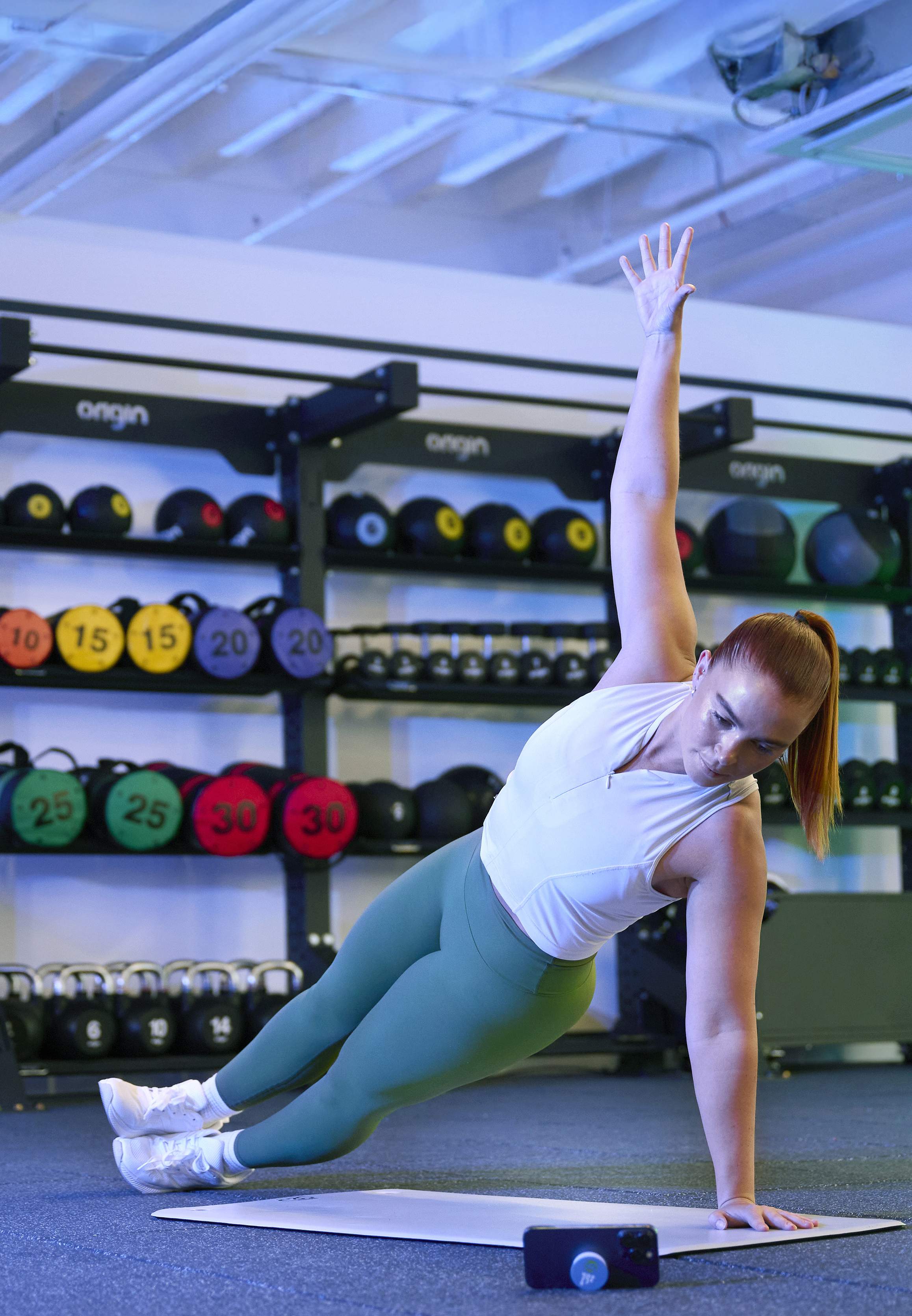
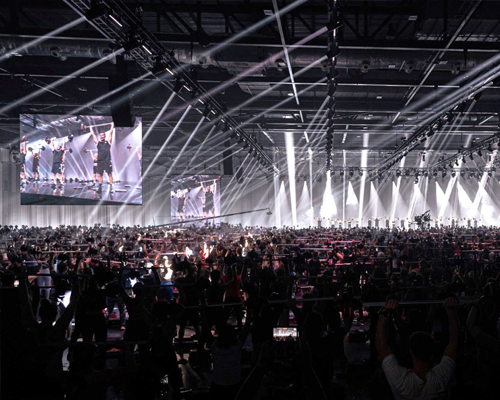
The industry needs more specialist knowledge on female fitness / photo: The Gym Group
Sign up here to get Fit Tech's weekly ezine and every issue of Fit Tech magazine free on digital.
More features
Editor's letter

Into the fitaverse

Fitness is already among the top three markets in the metaverse, with new technology and partnerships driving real growth and consumer engagement that looks likely to spill over into health clubs, gyms and studios
Fit Tech people

Ali Jawad

Paralympic powerlifter and founder, Accessercise
Users can easily identify which facilities in the UK are accessible to the disabled community
Fit Tech people

Hannes Sjöblad

MD, DSruptive
We want to give our users an implantable tool that allows them to collect their health data at any time and in any setting
Fit Tech people

Jamie Buck

Co-founder, Active in Time
We created a solution called AiT Voice, which turns digital data into a spoken audio timetable that connects to phone systems
Profile

Fahad Alhagbani: reinventing fitness

The team is young and ambitious, and the awareness of technology is very high. We share trends and out-of-the-box ideas almost every day
Opinion

Building on the blockchain

For small sports teams looking to compete with giants, blockchain can be a secret weapon explains Lars Rensing, CEO of Protokol
Innovation

Bold move

Our results showed a greater than 60 per cent reduction in falls for individuals who actively participated in Bold’s programme
App analysis

Check your form

Sency’s motion analysis technology is allowing users to check their technique as they exercise. Co-founder and CEO Gal Rotman explains how
Profile

New reality

Sam Cole, CEO of FitXR, talks to Fit Tech about taking digital workouts to the next level, with an immersive, virtual reality fitness club
Profile

Sohail Rashid

35 million people a week participate in strength training. We want Brawn to help this audience achieve their goals
Ageing

Reverse Ageing

Many apps help people track their health, but Humanity founders Peter Ward and Michael Geer have put the focus on ageing, to help users to see the direct repercussions of their habits. They talk to Steph Eaves
App analysis

Going hybrid

Workout Anytime created its app in partnership with Virtuagym. Workout Anytime’s Greg Maurer and Virtuagym’s Hugo Braam explain the process behind its creation
Research

Physical activity monitors boost activity levels

Researchers at the University of Copenhagen have conducted a meta analysis of all relevant research and found that the body of evidence shows an impact
Editor's letter

Two-way coaching

Content providers have been hugely active in the fit tech market since the start of the pandemic. We expect the industry to move on from delivering these services on a ‘broadcast-only’ basis as two-way coaching becomes the new USP
Fit Tech People

Laurent Petit

Co-founder, Active Giving
The future of sports and fitness are dependent on the climate. Our goal is to positively influence the future of our planet by instilling a global vision of wellbeing and a sense of collective action
Fit Tech People

Adam Zeitsiff

CEO, Intelivideo
We don’t just create the technology and bail – we support our clients’ ongoing hybridisation efforts
Fit Tech People

Anantharaman Pattabiraman

CEO and co-founder, Auro
When you’re undertaking fitness activities, unless you’re on a stationary bike, in most cases it’s not safe or necessary to be tied to a screen, especially a small screen
Fit Tech People

Mike Hansen

Managing partner, Endorphinz
We noticed a big gap in the market – customers needed better insights but also recommendations on what to do, whether that be customer acquisition, content creation, marketing and more
More features