







A world-first study has found that cognitive behavioural therapy (CBT) and exercise can successfully treat Takotsuba syndrome, also known as a broken heart.
University of Aberdeen researchers have recently completed the world’s first randomised trial of treatments for the syndrome, that is often mistaken for a heart attack, even by medical professionals.
Scientists believe the phenomenon occurs as a reaction to a surge of adrenaline to the heart after extreme emotional or physical stress, although some cases have no known trigger. The heart may not return to normal and patients have twice the risk of death compared to the general population.
Funded by the British Heart Foundation (BHF), the university has been studying the illness since 2010. Researcher Professor Dana Dawson says: “This is the strongest interaction of where mental state affects physical health that we know of in medicine.”
The results of the study
The results of the trial – which compared 12 weeks of CBT, 12 of exercise and 12 of standard care – involved 76 patients with an average age of 66, of whom 91 per cent were women. Patients were randomly assigned to receive CBT, the exercise programme, or standard care. All continued to receive the care and treatment recommended by their cardiologist.
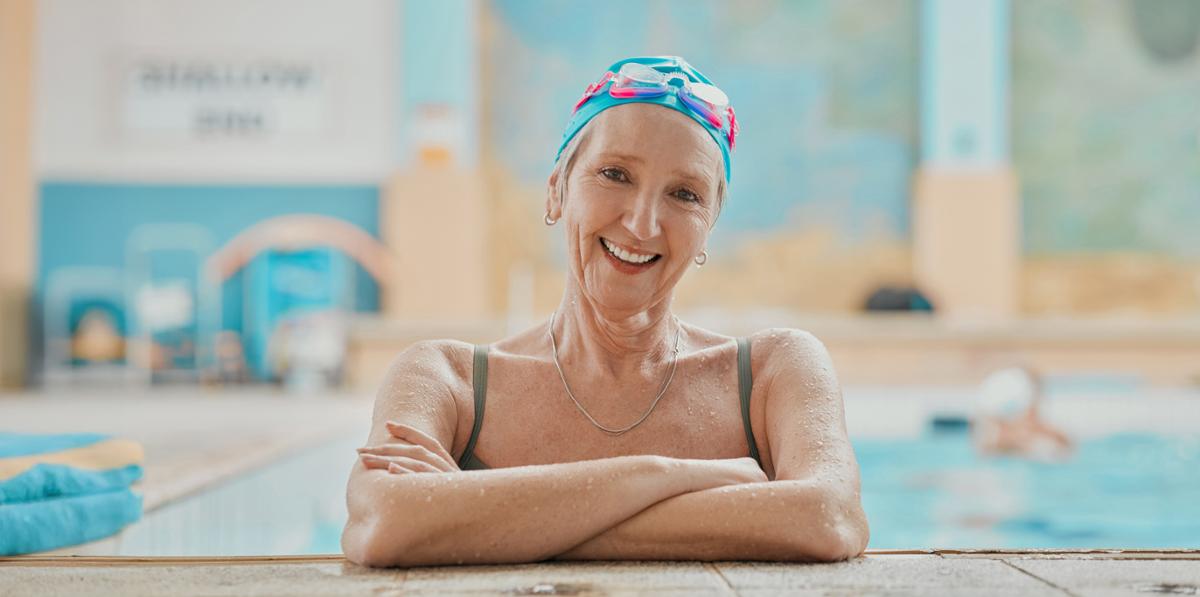
The CBT group had 12 one-to-one weekly sessions, as well as daily support if needed, while the exercise group completed a structured exercise programme which included indoor cycling, treadmills, aerobics and swimming. The number of sessions and intensity were increased each week.
Researchers used an imaging technique, called 31P-Magnetic Resonance Spectroscopy, which allowed them to study how patients' hearts were producing, storing and using energy – the heart’s metabolism.
Previous research had shown that patients with Takotsubo syndrome have a significant impairment to how their hearts handle energy and that this persists long term. However, the imaging showed that after 12 weeks of CBT or exercise, there was an increase in the amount of fuel available to the hearts, which was not seen in people who had standard care.
Increased capacity
The average distance patients could walk in six minutes increased, as well as their VO2 max, in both the exercise and CBT group. In contrast, there was little change in the group that received standard care.
Researchers will now test whether the treatments improve patients’ health, and reduce their risk of premature death, over a longer period.