






GET FIT TECH
Sign up for the FREE digital edition of Fit Tech magazine and also get the Fit Tech ezine and breaking news email alerts.
Not right now, thanksclose this window I've already subscribed!
The Leisure Media Company Ltd | Fit Tech promotion
features

Promotional feature: iDEA - Switched on kids

For budget-conscious facilities looking to expand their customer base, virtual classes are still a largely untapped market, particularly in the children and families segment. Classes can be run with little investment, with a facilitator rather than an instructor, and most importantly, can get less sporty kids moving in a fun way

Published in Health Club Management 2015 issue 9

While rising obesity rates and declining physical activity levels represent a huge challenge for government, the problem also presents a great opportunity for leisure providers to become more involved in the public health agenda and deliver potentially life-changing results.

The spotlight has more recently shone on childhood inactivity in particular. There’s a generation at risk of longer-term health problems due to sedentary lifestyles, often compounded by the over-use of technology. ukactive’s recent Generation Inactive report, for instance, showed that only 50 per cent of the UK’s seven-year-olds are meeting current activity guidelines of an hour a day.

But rather than point the finger at ‘culprits’ like computers, iPads and PlayStations, more enlightened leisure facilities are starting to embrace the popularity of technology to attract more children and families into their facilities.

Virtual classes, which are becoming established among adults at many clubs and leisure facilities, have the potential to impact on children’s programming too.

Children’s activity specialist Chris Sharman, who heads up the iKidz Training and Consultancy, is currently developing exciting new content for a virtual kids class product, called iDEA, to be launched (see interview, right) at Leisure Industry Week 2015.

As someone who started out as a lifeguard, rising through the ranks of both public and private leisure operations, becoming head of family activities for the Esporta chain, Sharman is well aware of the challenges of catering to this segment of the market.

He says: “One of the biggest challenges providers face is finding the right people to deliver a variety of kids programmes, and to do it consistently well. It’s never been a well paid activity, earnings are commonly close to the minimum wage, so you’ll often find that instructors quickly move on to teach aerobics or PT where they can earn upwards of £25 an hour.

“So there’s a huge gap in instructor availability, which makes programming extremely difficult. Class cancellations are common due to the reliance on such a small pool of people for just a couple of hours each day, and many classes never get off the ground because clubs don’t attract the numbers to make running them economically viable.”

By contrast, he says, virtual classes require no specialist instructor, simply a facilitator to run the technology (any internet-enabled device and a screen) and guide the participants enthusiastically as they follow simple instructions on the screen. Clubs and centres have more flexibility to run these classes anywhere ­ ­– perhaps in a studio, a conference room or even an old squash court – depending upon the weekly demand.

Sharman continues: “Participating in a virtual kids class should be as easy as watching a YouTube video and following along. Done correctly and timetabled intelligently, I think virtual classes can be a game changer for the children’s market.”

There is no need to send your instructors off on special training courses the moment a new type of class comes out. They simply need to be versed in the content being screened, and any member of staff could fill this role. This alone could save a centre thousands of pounds each year in training fees.”

Sharman adds: “There have also been studies done on club retention, which show that families who exercise together have far great rates of retention than those who don’t.”

So it really makes good business sense, he says, to attract families to your facility. While waiting for their kids, parents might be encouraged to try a work out for themselves, or spend more time and money in the catering areas.

“For leisure facilities that are already doing children’s programming well, virtual classes can grow their business rather than replace current content.

“If kids are visiting twice a week for football and swimming, a virtual class could tempt them to come a third time.

“For those sites who struggle with family content, virtual classes could offer a great kick start to attracting this market, at very little investment and ongoing cost.”

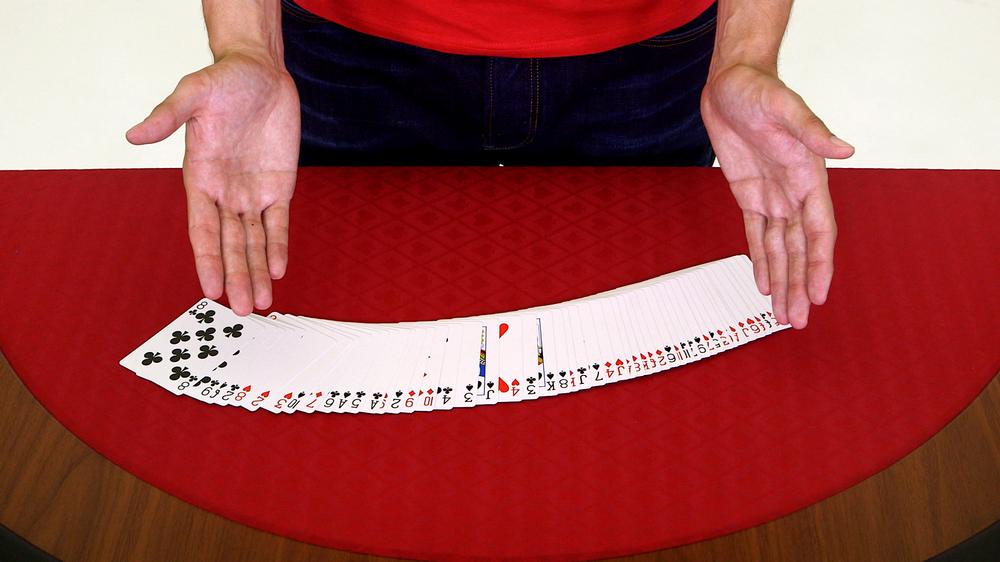
The new virtual offer that Sharman is working on – called iDEA – will bring a host of new activities for kids, from magic and card tricks, to martial arts and army bootcamp, and he feels that it’s really important that classes should appeal to all children’s tastes.

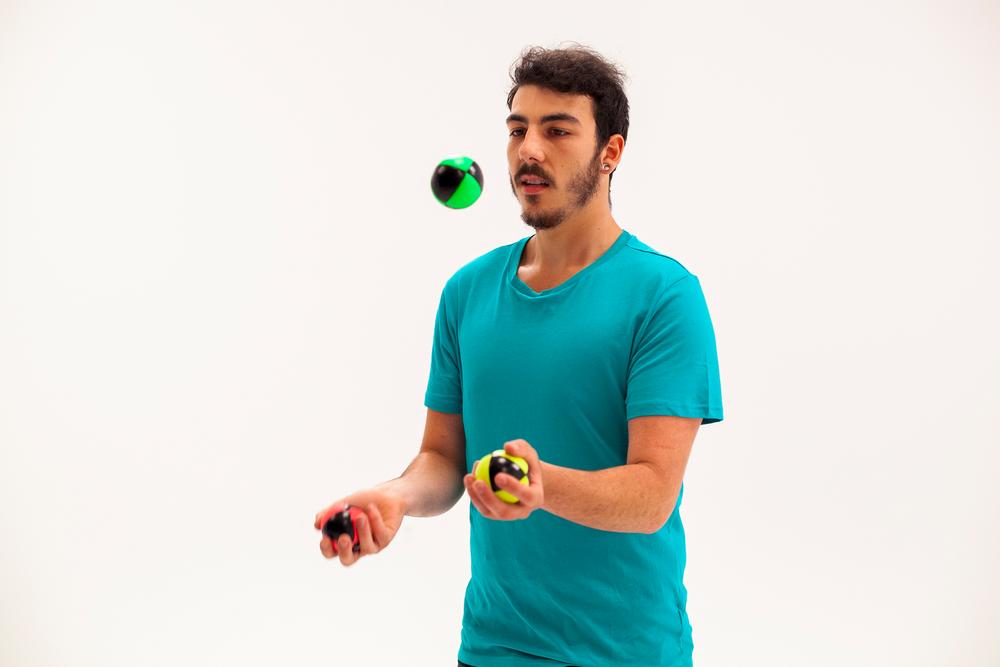
“Many kids today are not at all sporty, so operators should draw them in with other fun offers, like juggling, that don’t require any physical fitness or even special equipment, to be enjoyed. “It’s essential to engage kids physically, socially and mentally, because their long term wellbeing is dependent on all these needs being nurtured and developed,” he says.

“In doing so, facilities can make a valuable contribution to the health and social agenda, raise their profile in the community, increase their revenues and diversify their business at the same time.”
Sign up here to get Fit Tech's weekly ezine and every issue of Fit Tech magazine free on digital.
Gallery
More features
Editor's letter

Into the fitaverse

Fitness is already among the top three markets in the metaverse, with new technology and partnerships driving real growth and consumer engagement that looks likely to spill over into health clubs, gyms and studios
Fit Tech people

Ali Jawad

Paralympic powerlifter and founder, Accessercise
Users can easily identify which facilities in the UK are accessible to the disabled community
Fit Tech people

Hannes Sjöblad

MD, DSruptive
We want to give our users an implantable tool that allows them to collect their health data at any time and in any setting
Fit Tech people

Jamie Buck

Co-founder, Active in Time
We created a solution called AiT Voice, which turns digital data into a spoken audio timetable that connects to phone systems
Profile

Fahad Alhagbani: reinventing fitness

Let’s live in the future to improve today
Opinion

Building on the blockchain

For small sports teams looking to compete with giants, blockchain can be a secret weapon explains Lars Rensing, CEO of Protokol
Innovation

Bold move

Our results showed a greater than 60 per cent reduction in falls for individuals who actively participated in Bold’s programme
App analysis

Check your form

Sency’s motion analysis technology is allowing users to check their technique as they exercise. Co-founder and CEO Gal Rotman explains how
Profile

New reality

Sam Cole, CEO of FitXR, talks to Fit Tech about taking digital workouts to the next level, with an immersive, virtual reality fitness club
Profile

Sohail Rashid

The app is free and it’s $40 to participate in one of our virtual events
Ageing

Reverse Ageing

Many apps help people track their health, but Humanity founders Peter Ward and Michael Geer have put the focus on ageing, to help users to see the direct repercussions of their habits. They talk to Steph Eaves
App analysis

Going hybrid

Workout Anytime created its app in partnership with Virtuagym. Workout Anytime’s Greg Maurer and Virtuagym’s Hugo Braam explain the process behind its creation
Research

Physical activity monitors boost activity levels

Researchers at the University of Copenhagen have conducted a meta analysis of all relevant research and found that the body of evidence shows an impact
Editor's letter

Two-way coaching

Content providers have been hugely active in the fit tech market since the start of the pandemic. We expect the industry to move on from delivering these services on a ‘broadcast-only’ basis as two-way coaching becomes the new USP
Fit Tech People

Laurent Petit

Co-founder, Active Giving
The future of sports and fitness are dependent on the climate. Our goal is to positively influence the future of our planet by instilling a global vision of wellbeing and a sense of collective action
Fit Tech People

Adam Zeitsiff

CEO, Intelivideo
We don’t just create the technology and bail – we support our clients’ ongoing hybridisation efforts
Fit Tech People

Anantharaman Pattabiraman

CEO and co-founder, Auro
When you’re undertaking fitness activities, unless you’re on a stationary bike, in most cases it’s not safe or necessary to be tied to a screen, especially a small screen
Fit Tech People

Mike Hansen

Managing partner, Endorphinz
We noticed a big gap in the market – customers needed better insights but also recommendations on what to do, whether that be customer acquisition, content creation, marketing and more
More features
ABC Fitness is the #1 software provider for fitness businesses of any size, all around ...
Founded nearly 50 years ago, Balanced Body works with the highest quality materials, and pride ...
22-23 Sep 2026
Four Seasons Hotel Bangkok at Chao Phraya River, Bangkok , Thailand
ABC Fitness is the #1 software provider for fitness businesses of any size, all around ...
Founded nearly 50 years ago, Balanced Body works with the highest quality materials, and pride ...
Get Fit Tech
Sign up for the free Fit Tech ezine and breaking news alerts
Sign up
22-23 Sep 2026
Four Seasons Hotel Bangkok at Chao Phraya River, Bangkok , Thailand

latest fit tech news

PureGym is encouraging people to step away from their screens and go for a walk, in a new initiative timed ...
news • 29 May 2026
Active people app, Strava, has overhauled its strength training experience, allowing gym-goers to automatically log and share their lifts from ...
news • 27 May 2026

Fitness First UK is embracing digital wellness technology by installing Kip’s tap-to-activate phone controls across its UK estate. Kip tags ...
news • 22 May 2026
The world’s first awareness ring has been launched. Designed to promote presence, focus and calm via gentle haptic vibrations, the ...
news • 13 May 2026
Center Parcs’ Aqua Sana Forest Spa, Woburn Forest, UK, has transformed an unused space into a touchless wellness area called ...
news • 12 May 2026
Gharieni Group has launched a new company, Cobotics Innovations, to create automated wellness experiences. The first solution is a robotic ...
product innovation • 07 May 2026

US-based robotics wellness company Aescape Inc has entered insolvency proceedings following the sale of substantially all of its ...

news • 06 May 2026
Fitness platform, Zing Coach, has teamed up with Les Mills, in a partnership that gives its users access to group ...
news • 23 Apr 2026

TMActive is launching a new Active Wellbeing Studio next month in Tonbridge, UK, specifically aimed at people who face higher ...
news • 13 Apr 2026

Indian billionaire, Deepinder Goyal, is working on a device called Temple that aims to track blood flow to the brain ...
news • 10 Apr 2026
More fit tech news
features

Promotional feature: iDEA - Switched on kids

For budget-conscious facilities looking to expand their customer base, virtual classes are still a largely untapped market, particularly in the children and families segment. Classes can be run with little investment, with a facilitator rather than an instructor, and most importantly, can get less sporty kids moving in a fun way

Published in Health Club Management 2015 issue 9

While rising obesity rates and declining physical activity levels represent a huge challenge for government, the problem also presents a great opportunity for leisure providers to become more involved in the public health agenda and deliver potentially life-changing results.

The spotlight has more recently shone on childhood inactivity in particular. There’s a generation at risk of longer-term health problems due to sedentary lifestyles, often compounded by the over-use of technology. ukactive’s recent Generation Inactive report, for instance, showed that only 50 per cent of the UK’s seven-year-olds are meeting current activity guidelines of an hour a day.

But rather than point the finger at ‘culprits’ like computers, iPads and PlayStations, more enlightened leisure facilities are starting to embrace the popularity of technology to attract more children and families into their facilities.

Virtual classes, which are becoming established among adults at many clubs and leisure facilities, have the potential to impact on children’s programming too.

Children’s activity specialist Chris Sharman, who heads up the iKidz Training and Consultancy, is currently developing exciting new content for a virtual kids class product, called iDEA, to be launched (see interview, right) at Leisure Industry Week 2015.

As someone who started out as a lifeguard, rising through the ranks of both public and private leisure operations, becoming head of family activities for the Esporta chain, Sharman is well aware of the challenges of catering to this segment of the market.

He says: “One of the biggest challenges providers face is finding the right people to deliver a variety of kids programmes, and to do it consistently well. It’s never been a well paid activity, earnings are commonly close to the minimum wage, so you’ll often find that instructors quickly move on to teach aerobics or PT where they can earn upwards of £25 an hour.

“So there’s a huge gap in instructor availability, which makes programming extremely difficult. Class cancellations are common due to the reliance on such a small pool of people for just a couple of hours each day, and many classes never get off the ground because clubs don’t attract the numbers to make running them economically viable.”

By contrast, he says, virtual classes require no specialist instructor, simply a facilitator to run the technology (any internet-enabled device and a screen) and guide the participants enthusiastically as they follow simple instructions on the screen. Clubs and centres have more flexibility to run these classes anywhere ­ ­– perhaps in a studio, a conference room or even an old squash court – depending upon the weekly demand.

Sharman continues: “Participating in a virtual kids class should be as easy as watching a YouTube video and following along. Done correctly and timetabled intelligently, I think virtual classes can be a game changer for the children’s market.”

There is no need to send your instructors off on special training courses the moment a new type of class comes out. They simply need to be versed in the content being screened, and any member of staff could fill this role. This alone could save a centre thousands of pounds each year in training fees.”

Sharman adds: “There have also been studies done on club retention, which show that families who exercise together have far great rates of retention than those who don’t.”

So it really makes good business sense, he says, to attract families to your facility. While waiting for their kids, parents might be encouraged to try a work out for themselves, or spend more time and money in the catering areas.

“For leisure facilities that are already doing children’s programming well, virtual classes can grow their business rather than replace current content.

“If kids are visiting twice a week for football and swimming, a virtual class could tempt them to come a third time.

“For those sites who struggle with family content, virtual classes could offer a great kick start to attracting this market, at very little investment and ongoing cost.”

The new virtual offer that Sharman is working on – called iDEA – will bring a host of new activities for kids, from magic and card tricks, to martial arts and army bootcamp, and he feels that it’s really important that classes should appeal to all children’s tastes.

“Many kids today are not at all sporty, so operators should draw them in with other fun offers, like juggling, that don’t require any physical fitness or even special equipment, to be enjoyed. “It’s essential to engage kids physically, socially and mentally, because their long term wellbeing is dependent on all these needs being nurtured and developed,” he says.

“In doing so, facilities can make a valuable contribution to the health and social agenda, raise their profile in the community, increase their revenues and diversify their business at the same time.”

Sign up here to get Fit Tech's weekly ezine and every issue of Fit Tech magazine free on digital.
Gallery
More features
Editor's letter

Into the fitaverse

Fitness is already among the top three markets in the metaverse, with new technology and partnerships driving real growth and consumer engagement that looks likely to spill over into health clubs, gyms and studios
Fit Tech people

Ali Jawad

Paralympic powerlifter and founder, Accessercise
Users can easily identify which facilities in the UK are accessible to the disabled community
Fit Tech people

Hannes Sjöblad

MD, DSruptive
We want to give our users an implantable tool that allows them to collect their health data at any time and in any setting
Fit Tech people

Jamie Buck

Co-founder, Active in Time
We created a solution called AiT Voice, which turns digital data into a spoken audio timetable that connects to phone systems
Profile

Fahad Alhagbani: reinventing fitness

Let’s live in the future to improve today
Opinion

Building on the blockchain

For small sports teams looking to compete with giants, blockchain can be a secret weapon explains Lars Rensing, CEO of Protokol
Innovation

Bold move

Our results showed a greater than 60 per cent reduction in falls for individuals who actively participated in Bold’s programme
App analysis

Check your form

Sency’s motion analysis technology is allowing users to check their technique as they exercise. Co-founder and CEO Gal Rotman explains how
Profile

New reality

Sam Cole, CEO of FitXR, talks to Fit Tech about taking digital workouts to the next level, with an immersive, virtual reality fitness club
Profile

Sohail Rashid

The app is free and it’s $40 to participate in one of our virtual events
Ageing

Reverse Ageing

Many apps help people track their health, but Humanity founders Peter Ward and Michael Geer have put the focus on ageing, to help users to see the direct repercussions of their habits. They talk to Steph Eaves
App analysis

Going hybrid

Workout Anytime created its app in partnership with Virtuagym. Workout Anytime’s Greg Maurer and Virtuagym’s Hugo Braam explain the process behind its creation
Research

Physical activity monitors boost activity levels

Researchers at the University of Copenhagen have conducted a meta analysis of all relevant research and found that the body of evidence shows an impact
Editor's letter

Two-way coaching

Content providers have been hugely active in the fit tech market since the start of the pandemic. We expect the industry to move on from delivering these services on a ‘broadcast-only’ basis as two-way coaching becomes the new USP
Fit Tech People

Laurent Petit

Co-founder, Active Giving
The future of sports and fitness are dependent on the climate. Our goal is to positively influence the future of our planet by instilling a global vision of wellbeing and a sense of collective action
Fit Tech People

Adam Zeitsiff

CEO, Intelivideo
We don’t just create the technology and bail – we support our clients’ ongoing hybridisation efforts
Fit Tech People

Anantharaman Pattabiraman

CEO and co-founder, Auro
When you’re undertaking fitness activities, unless you’re on a stationary bike, in most cases it’s not safe or necessary to be tied to a screen, especially a small screen
Fit Tech People

Mike Hansen

Managing partner, Endorphinz
We noticed a big gap in the market – customers needed better insights but also recommendations on what to do, whether that be customer acquisition, content creation, marketing and more
More features