




The Leisure Media Company Ltd | Fit Tech promotion
features

Interview – Shirin Gandhi: Shirin Gandhi

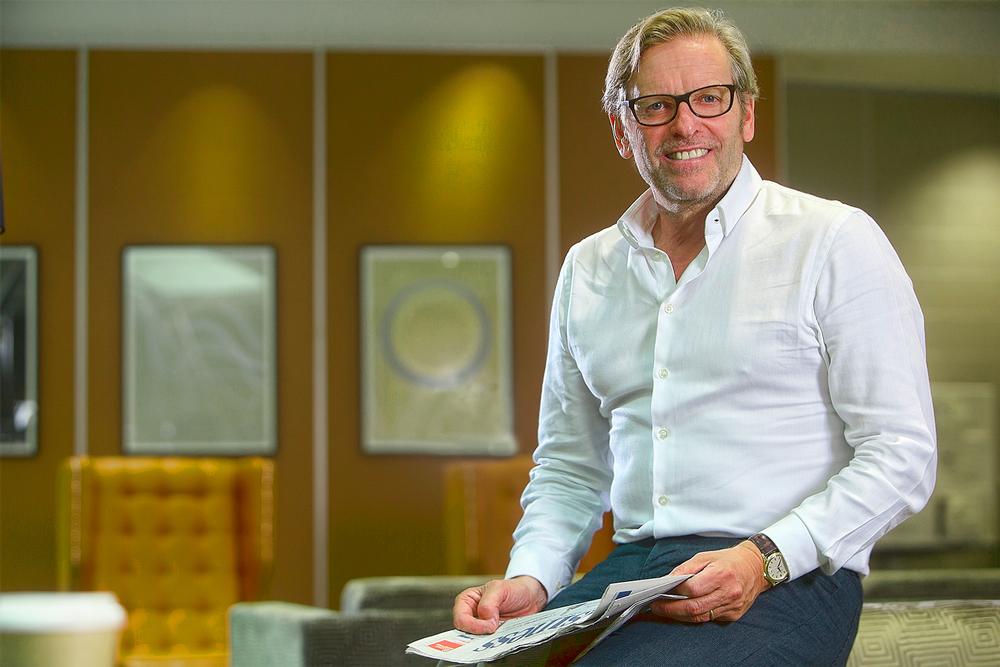
The partner at investment firm Encore Capital talks to Kate Cracknell about its plan to create London’s leading group of premium, holistic health clubs

Published in Health Club Management 2015 issue 2

We have a strategy to be the leading luxury health club operator in London, owning and operating premium health clubs in iconic locations across the capital,” says Shirin Gandhi, partner at London-based investment firm Encore Capital.

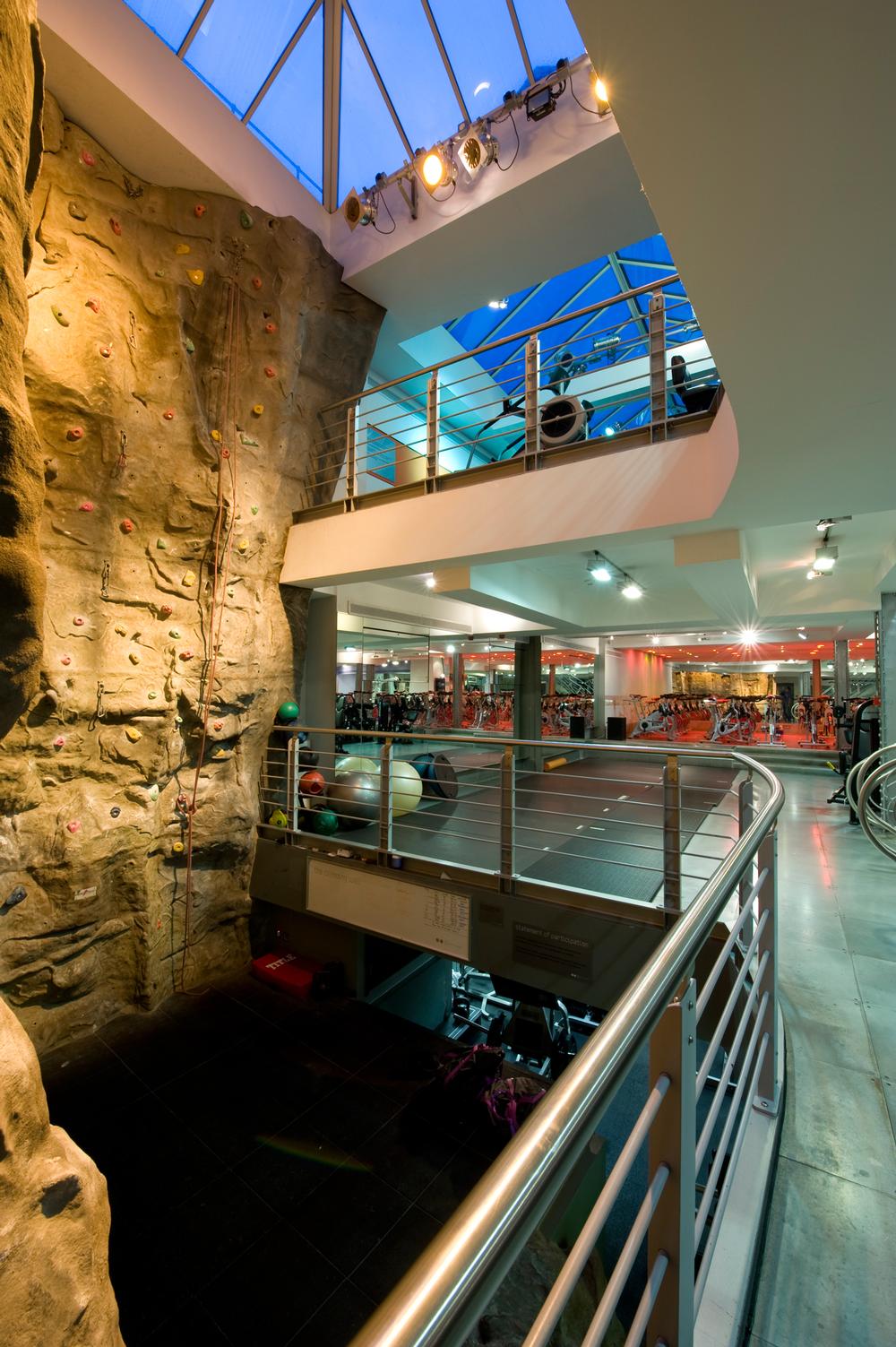
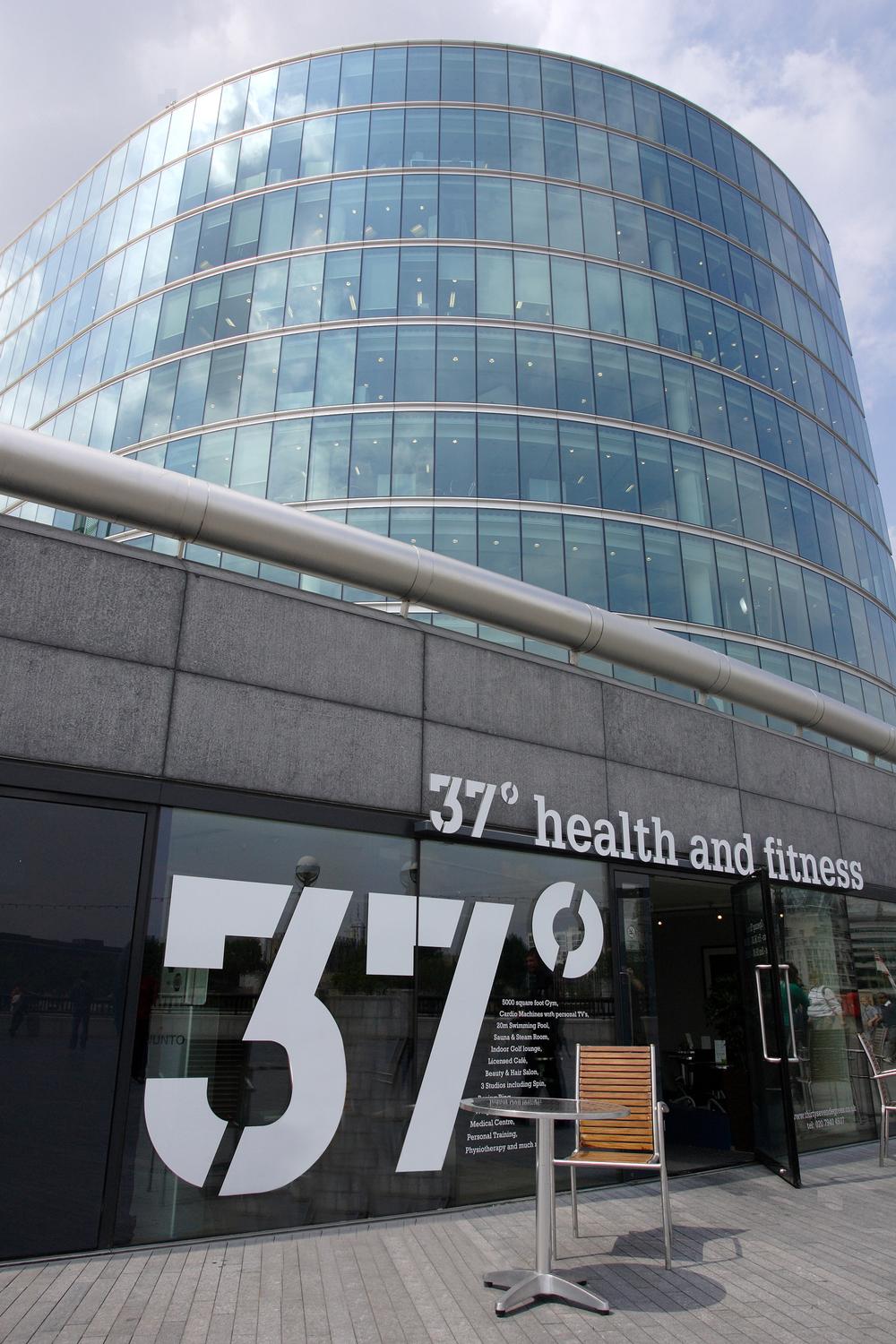
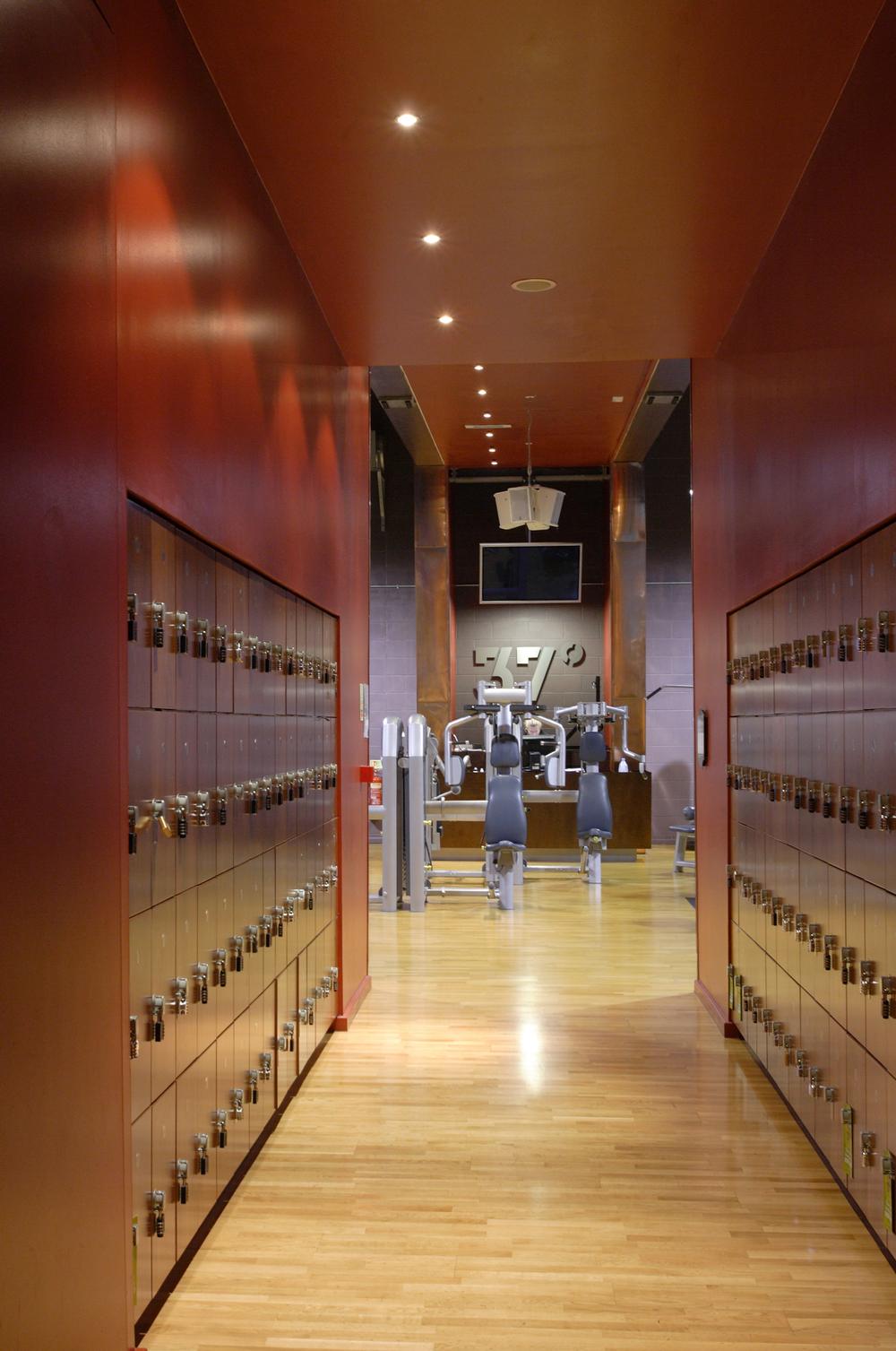
And certainly this bid has started off strongly. Using the springboard of its existing ownership of the Reebok Sports Club London, late last year the firm acquired both of The Third Space clubs – in Soho and Marylebone – as well as the 37 degrees club in Tower Bridge.

That in itself puts the newly formed group immediately on the map, but it’s the way Gandhi speaks about these deals that sets his firm apart from other investment vehicles operating in the fitness market. “We don’t even use the term private equity, because there are two fundamental differences in the way we operate,” he explains.

“First of all, the five partners who are part of Encore have all invested a significant amount of our own money into the fund. We wanted to demonstrate to the people we work with – the investors we have on board – that we’re taking as much risk as they are.

“Secondly, we describe ourselves as a permanent capital vehicle – PCV – which we also describe as an ‘evergreen’ approach. It means we have no end date by which we need to return money to investors, so we’re able to be open-minded about the investments we make. We can stay invested in a business for as long as we feel it’s right for the business.”

A foothold in fitness
He continues: “Reebok is a case in point. We first invested in 2006, which was an interesting time: Ian [Mahoney – then MD] and Diane [Kay, sales and marketing director] had already done a great job at turning the business around, but it still needed to build its membership base. That’s tough in a location like Canary Wharf, where there’s a lot of fluidity in employment, and in a club that has a policy of not tying people in to annual contracts.

“From day one we were clear we would never discount, as that just undervalues the offering. Instead we set out to give members more for their money, and we worked very hard on improving service levels and driving retention. We became a lot more proactive with members, making sure they understood the importance of fitness as part of their routine, and encouraging them to attend regularly enough that their membership represented good value.

“Our retention improved significantly, membership started to grow again, and average member visits rose – from an average of 1.5 visits a week to over two a week – and remained at a high. We now average more than 70,000 visits a month from a base of around 8,500 members.

“We then had a decision to make. With any asset we own, at some point we consider selling it – that’s the whole purpose of what we do – and we had potentially reached that point with the Reebok club. However, because of the way our fund is structured there’s no pressure to sell, and we’d realised this was a robust business. It had gone through a very tricky time in 2008 due to the recession and the uncertainty in the financial markets – really the biggest stress test you can imagine – and it came through with flying colours. Even more importantly, the management team learned a lot and came through strongly.

“We took the view that this – health and fitness – was a good space to be in, and we already owned probably the best club in the country with a fantastic management team. So we decided to stay in the sector for the longer term.

“We knew that would require building scale, but first of all we wanted to improve the facility we already had, making it a bit more contemporary without losing the soul, the feeling, it’s always had here. We started by refurbishing the spa in 2011, followed by the restaurant, and then spent a good 18 months going through the fitness floor, moving things around and making the whole member journey much more pleasurable and more sensible. That project was completed last year.

“We then knew we really did have the best club in the country, but there’s a limit to how far you can take a single club. So we decided, if we were going to stay in this sector, that we needed to build a group of clubs that met our criteria: very high-end, in iconic locations across London, with a genuinely holistic approach to wellbeing.

“Because that’s our real vision. If someone just wants to come to us to get fitter or stronger, that’s fine, but we want to create a 360-degree approach to wellbeing: where it isn’t just about the type of exercise you do, but also how and what you eat, the precautionary steps you can take, what to do if you become injured or unwell. Our vision is to offer the best facilities, the best people, the best nutrition – all in a luxurious environment – to help members lead a much better, healthier life.”

Building the portfolio
Which brings us full circle to the acquisition of 37 degrees Tower Bridge and The Third Space’s two clubs. “The Third Space has just gone through a pretty material refurbishment programme,” says Gandhi. “There’s still work to do – some sharpening of the offering to be done – but in terms of location, in terms of quality, in terms of the brand, they’re a fantastic couple of clubs.

“And 37 degrees in the More London estate has a very similar dynamic: a fantastic location with good people in the club. There’s now an opportunity for us to take that club to another level, to a Reebok standard, and generally improve the performance of the business.

“Once we’ve settled those investments down, I think we’ll have a fantastic core of clubs in very prime locations in London, with approximately 17,000–18,000 members across the group. And then it will be time to drive through the next phase of our plans: building brand new sites.

“These new sites will be around 40,000sq ft clubs, and we’re already in discussions with landlords about three or four sites. The brief is the same as for the four existing clubs: the right mix of residential and commercial, in iconic locations, and with a single landlord with whom we can build a relationship and who understands the value we can bring to the overall development.

“Nothing is imminent – it’s all at least 12 to 24 months away yet – but in my mind, if we can get to seven or eight clubs in total, that will really be the core of the group we want to create. 

I don’t think we’d grow bigger than that, or go outside of London.

“However, we are looking at other options such as microgyms. We’re assessing the model and if we feel it’s here to stay, it may well be that we complement those seven or eight large clubs with a number of microgyms across London. There’s a possibility those may happen sooner – conversations are ongoing as we speak – but it’s still very fluid at the moment.”

All of which sounds like Encore is becoming an operator in its own right, I suggest. “That’s probably right in some ways, but not in others,” says Gandhi. “We’re not the guys who are in it every single day, making sure it all happens, but we are very proactive in all our investments. I’d describe it as a partnership approach: we identify opportunities together, agree the strategy together and then work together to execute it. Some things only the management team can do: we don’t have the experience to get involved. In fact, if we’re the ones having to tell management how to run any business we’ve invested in, we’ve probably got the wrong management team.

“But there’s other stuff we can bring to the party: negotiating with landlords and potential vendors of clubs, stepping back and looking at the bigger picture and the bigger opportunities, bringing the commercial perspective and in fact also the consumer perspective.

“And of course we’re putting our own money into this, and we’re viewing it as a long-term strategy. I’d say five years is the absolute minimum timeframe, after which we’ll sit down and review again.”

Branding matters
So for now, what will the new group of clubs be called? “Brand is a big issue at the moment and we’ll be reviewing it as part of the long-term, broader strategy over the next six months or so,” says Gandhi.

“We have a vision that we’re trying to create – a holistic, high-end wellness offering – so what brand reflects that best? Is it Reebok, The Third Space, 37 degrees, or something completely different? Alternatively, do we let the clubs carry on under their existing brands, with one management team and an umbrella brand that sits quietly behind them all, but where each site is slightly different to fit its specific location? There are lots of different ways we could go with this and we’ll take our time over it.

“Ultimately we just need to ensure we have one eye on our end game, remembering that it’s about delivering our very rounded approach to health and fitness and communicating that through our brand and messaging. We’re not just building a group of clubs in London.”

Sign up here to get Fit Tech's weekly ezine and every issue of Fit Tech magazine free on digital.
Gallery
More features
Editor's letter

Into the fitaverse

Fitness is already among the top three markets in the metaverse, with new technology and partnerships driving real growth and consumer engagement that looks likely to spill over into health clubs, gyms and studios
Fit Tech people

Ali Jawad

Paralympic powerlifter and founder, Accessercise
Users can easily identify which facilities in the UK are accessible to the disabled community
Fit Tech people

Hannes Sjöblad

MD, DSruptive
We want to give our users an implantable tool that allows them to collect their health data at any time and in any setting
Fit Tech people

Jamie Buck

Co-founder, Active in Time
We created a solution called AiT Voice, which turns digital data into a spoken audio timetable that connects to phone systems
Profile

Fahad Alhagbani: reinventing fitness

Alexa can help you book classes, check trainers’ bios and schedules, find out opening times, and a host of other information
Opinion

Building on the blockchain

For small sports teams looking to compete with giants, blockchain can be a secret weapon explains Lars Rensing, CEO of Protokol
Innovation

Bold move

We ended up raising US$7m in venture capital from incredible investors, including Andreessen Horowitz, Khosla Ventures, Primetime Partners, and GingerBread Capital
App analysis

Check your form

Sency’s motion analysis technology is allowing users to check their technique as they exercise. Co-founder and CEO Gal Rotman explains how
Profile

New reality

Sam Cole, CEO of FitXR, talks to Fit Tech about taking digital workouts to the next level, with an immersive, virtual reality fitness club
Profile

Sohail Rashid

My vision was to create a platform that could improve the sport for lifters at all levels and attract more people, similar to how Strava, Peloton and Zwift have in other sports
Ageing

Reverse Ageing

Many apps help people track their health, but Humanity founders Peter Ward and Michael Geer have put the focus on ageing, to help users to see the direct repercussions of their habits. They talk to Steph Eaves
App analysis

Going hybrid

Workout Anytime created its app in partnership with Virtuagym. Workout Anytime’s Greg Maurer and Virtuagym’s Hugo Braam explain the process behind its creation
Research

Physical activity monitors boost activity levels

Researchers at the University of Copenhagen have conducted a meta analysis of all relevant research and found that the body of evidence shows an impact
Editor's letter

Two-way coaching

Content providers have been hugely active in the fit tech market since the start of the pandemic. We expect the industry to move on from delivering these services on a ‘broadcast-only’ basis as two-way coaching becomes the new USP
Fit Tech People

Laurent Petit

Co-founder, Active Giving
The future of sports and fitness are dependent on the climate. Our goal is to positively influence the future of our planet by instilling a global vision of wellbeing and a sense of collective action
Fit Tech People

Adam Zeitsiff

CEO, Intelivideo
We don’t just create the technology and bail – we support our clients’ ongoing hybridisation efforts
Fit Tech People

Anantharaman Pattabiraman

CEO and co-founder, Auro
When you’re undertaking fitness activities, unless you’re on a stationary bike, in most cases it’s not safe or necessary to be tied to a screen, especially a small screen
Fit Tech People

Mike Hansen

Managing partner, Endorphinz
We noticed a big gap in the market – customers needed better insights but also recommendations on what to do, whether that be customer acquisition, content creation, marketing and more
More features
Orbit4 is a digital operations platform designed to help fitness and leisure operators manage assets, ...
Taylor Made Designs offer health clubs a fully-managed end-to-end service. From garment design to sourcing, ...
22-23 Sep 2026
Four Seasons Hotel Bangkok at Chao Phraya River, Bangkok , Thailand
Orbit4 is a digital operations platform designed to help fitness and leisure operators manage assets, ...
Taylor Made Designs offer health clubs a fully-managed end-to-end service. From garment design to sourcing, ...
Get Fit Tech
Sign up for the free Fit Tech ezine and breaking news alerts
Sign up
22-23 Sep 2026
Four Seasons Hotel Bangkok at Chao Phraya River, Bangkok , Thailand

latest fit tech news

PureGym is encouraging people to step away from their screens and go for a walk, in a new initiative timed ...
news • 29 May 2026
Active people app, Strava, has overhauled its strength training experience, allowing gym-goers to automatically log and share their lifts from ...
news • 27 May 2026

Fitness First UK is embracing digital wellness technology by installing Kip’s tap-to-activate phone controls across its UK estate. Kip tags ...
news • 22 May 2026
The world’s first awareness ring has been launched. Designed to promote presence, focus and calm via gentle haptic vibrations, the ...
news • 13 May 2026
Center Parcs’ Aqua Sana Forest Spa, Woburn Forest, UK, has transformed an unused space into a touchless wellness area called ...
news • 12 May 2026
Gharieni Group has launched a new company, Cobotics Innovations, to create automated wellness experiences. The first solution is a robotic ...
product innovation • 07 May 2026

US-based robotics wellness company Aescape Inc has entered insolvency proceedings following the sale of substantially all of its ...

news • 06 May 2026
Fitness platform, Zing Coach, has teamed up with Les Mills, in a partnership that gives its users access to group ...
news • 23 Apr 2026

TMActive is launching a new Active Wellbeing Studio next month in Tonbridge, UK, specifically aimed at people who face higher ...
news • 13 Apr 2026

Indian billionaire, Deepinder Goyal, is working on a device called Temple that aims to track blood flow to the brain ...
news • 10 Apr 2026
More fit tech news
features

Interview – Shirin Gandhi: Shirin Gandhi

The partner at investment firm Encore Capital talks to Kate Cracknell about its plan to create London’s leading group of premium, holistic health clubs

Published in Health Club Management 2015 issue 2

We have a strategy to be the leading luxury health club operator in London, owning and operating premium health clubs in iconic locations across the capital,” says Shirin Gandhi, partner at London-based investment firm Encore Capital.

And certainly this bid has started off strongly. Using the springboard of its existing ownership of the Reebok Sports Club London, late last year the firm acquired both of The Third Space clubs – in Soho and Marylebone – as well as the 37 degrees club in Tower Bridge.

That in itself puts the newly formed group immediately on the map, but it’s the way Gandhi speaks about these deals that sets his firm apart from other investment vehicles operating in the fitness market. “We don’t even use the term private equity, because there are two fundamental differences in the way we operate,” he explains.

“First of all, the five partners who are part of Encore have all invested a significant amount of our own money into the fund. We wanted to demonstrate to the people we work with – the investors we have on board – that we’re taking as much risk as they are.

“Secondly, we describe ourselves as a permanent capital vehicle – PCV – which we also describe as an ‘evergreen’ approach. It means we have no end date by which we need to return money to investors, so we’re able to be open-minded about the investments we make. We can stay invested in a business for as long as we feel it’s right for the business.”

A foothold in fitness
He continues: “Reebok is a case in point. We first invested in 2006, which was an interesting time: Ian [Mahoney – then MD] and Diane [Kay, sales and marketing director] had already done a great job at turning the business around, but it still needed to build its membership base. That’s tough in a location like Canary Wharf, where there’s a lot of fluidity in employment, and in a club that has a policy of not tying people in to annual contracts.

“From day one we were clear we would never discount, as that just undervalues the offering. Instead we set out to give members more for their money, and we worked very hard on improving service levels and driving retention. We became a lot more proactive with members, making sure they understood the importance of fitness as part of their routine, and encouraging them to attend regularly enough that their membership represented good value.

“Our retention improved significantly, membership started to grow again, and average member visits rose – from an average of 1.5 visits a week to over two a week – and remained at a high. We now average more than 70,000 visits a month from a base of around 8,500 members.

“We then had a decision to make. With any asset we own, at some point we consider selling it – that’s the whole purpose of what we do – and we had potentially reached that point with the Reebok club. However, because of the way our fund is structured there’s no pressure to sell, and we’d realised this was a robust business. It had gone through a very tricky time in 2008 due to the recession and the uncertainty in the financial markets – really the biggest stress test you can imagine – and it came through with flying colours. Even more importantly, the management team learned a lot and came through strongly.

“We took the view that this – health and fitness – was a good space to be in, and we already owned probably the best club in the country with a fantastic management team. So we decided to stay in the sector for the longer term.

“We knew that would require building scale, but first of all we wanted to improve the facility we already had, making it a bit more contemporary without losing the soul, the feeling, it’s always had here. We started by refurbishing the spa in 2011, followed by the restaurant, and then spent a good 18 months going through the fitness floor, moving things around and making the whole member journey much more pleasurable and more sensible. That project was completed last year.

“We then knew we really did have the best club in the country, but there’s a limit to how far you can take a single club. So we decided, if we were going to stay in this sector, that we needed to build a group of clubs that met our criteria: very high-end, in iconic locations across London, with a genuinely holistic approach to wellbeing.

“Because that’s our real vision. If someone just wants to come to us to get fitter or stronger, that’s fine, but we want to create a 360-degree approach to wellbeing: where it isn’t just about the type of exercise you do, but also how and what you eat, the precautionary steps you can take, what to do if you become injured or unwell. Our vision is to offer the best facilities, the best people, the best nutrition – all in a luxurious environment – to help members lead a much better, healthier life.”

Building the portfolio
Which brings us full circle to the acquisition of 37 degrees Tower Bridge and The Third Space’s two clubs. “The Third Space has just gone through a pretty material refurbishment programme,” says Gandhi. “There’s still work to do – some sharpening of the offering to be done – but in terms of location, in terms of quality, in terms of the brand, they’re a fantastic couple of clubs.

“And 37 degrees in the More London estate has a very similar dynamic: a fantastic location with good people in the club. There’s now an opportunity for us to take that club to another level, to a Reebok standard, and generally improve the performance of the business.

“Once we’ve settled those investments down, I think we’ll have a fantastic core of clubs in very prime locations in London, with approximately 17,000–18,000 members across the group. And then it will be time to drive through the next phase of our plans: building brand new sites.

“These new sites will be around 40,000sq ft clubs, and we’re already in discussions with landlords about three or four sites. The brief is the same as for the four existing clubs: the right mix of residential and commercial, in iconic locations, and with a single landlord with whom we can build a relationship and who understands the value we can bring to the overall development.

“Nothing is imminent – it’s all at least 12 to 24 months away yet – but in my mind, if we can get to seven or eight clubs in total, that will really be the core of the group we want to create. 

I don’t think we’d grow bigger than that, or go outside of London.

“However, we are looking at other options such as microgyms. We’re assessing the model and if we feel it’s here to stay, it may well be that we complement those seven or eight large clubs with a number of microgyms across London. There’s a possibility those may happen sooner – conversations are ongoing as we speak – but it’s still very fluid at the moment.”

All of which sounds like Encore is becoming an operator in its own right, I suggest. “That’s probably right in some ways, but not in others,” says Gandhi. “We’re not the guys who are in it every single day, making sure it all happens, but we are very proactive in all our investments. I’d describe it as a partnership approach: we identify opportunities together, agree the strategy together and then work together to execute it. Some things only the management team can do: we don’t have the experience to get involved. In fact, if we’re the ones having to tell management how to run any business we’ve invested in, we’ve probably got the wrong management team.

“But there’s other stuff we can bring to the party: negotiating with landlords and potential vendors of clubs, stepping back and looking at the bigger picture and the bigger opportunities, bringing the commercial perspective and in fact also the consumer perspective.

“And of course we’re putting our own money into this, and we’re viewing it as a long-term strategy. I’d say five years is the absolute minimum timeframe, after which we’ll sit down and review again.”

Branding matters
So for now, what will the new group of clubs be called? “Brand is a big issue at the moment and we’ll be reviewing it as part of the long-term, broader strategy over the next six months or so,” says Gandhi.

“We have a vision that we’re trying to create – a holistic, high-end wellness offering – so what brand reflects that best? Is it Reebok, The Third Space, 37 degrees, or something completely different? Alternatively, do we let the clubs carry on under their existing brands, with one management team and an umbrella brand that sits quietly behind them all, but where each site is slightly different to fit its specific location? There are lots of different ways we could go with this and we’ll take our time over it.

“Ultimately we just need to ensure we have one eye on our end game, remembering that it’s about delivering our very rounded approach to health and fitness and communicating that through our brand and messaging. We’re not just building a group of clubs in London.”

Sign up here to get Fit Tech's weekly ezine and every issue of Fit Tech magazine free on digital.
Gallery
More features
Editor's letter

Into the fitaverse

Fitness is already among the top three markets in the metaverse, with new technology and partnerships driving real growth and consumer engagement that looks likely to spill over into health clubs, gyms and studios
Fit Tech people

Ali Jawad

Paralympic powerlifter and founder, Accessercise
Users can easily identify which facilities in the UK are accessible to the disabled community
Fit Tech people

Hannes Sjöblad

MD, DSruptive
We want to give our users an implantable tool that allows them to collect their health data at any time and in any setting
Fit Tech people

Jamie Buck

Co-founder, Active in Time
We created a solution called AiT Voice, which turns digital data into a spoken audio timetable that connects to phone systems
Profile

Fahad Alhagbani: reinventing fitness

Alexa can help you book classes, check trainers’ bios and schedules, find out opening times, and a host of other information
Opinion

Building on the blockchain

For small sports teams looking to compete with giants, blockchain can be a secret weapon explains Lars Rensing, CEO of Protokol
Innovation

Bold move

We ended up raising US$7m in venture capital from incredible investors, including Andreessen Horowitz, Khosla Ventures, Primetime Partners, and GingerBread Capital
App analysis

Check your form

Sency’s motion analysis technology is allowing users to check their technique as they exercise. Co-founder and CEO Gal Rotman explains how
Profile

New reality

Sam Cole, CEO of FitXR, talks to Fit Tech about taking digital workouts to the next level, with an immersive, virtual reality fitness club
Profile

Sohail Rashid

My vision was to create a platform that could improve the sport for lifters at all levels and attract more people, similar to how Strava, Peloton and Zwift have in other sports
Ageing

Reverse Ageing

Many apps help people track their health, but Humanity founders Peter Ward and Michael Geer have put the focus on ageing, to help users to see the direct repercussions of their habits. They talk to Steph Eaves
App analysis

Going hybrid

Workout Anytime created its app in partnership with Virtuagym. Workout Anytime’s Greg Maurer and Virtuagym’s Hugo Braam explain the process behind its creation
Research

Physical activity monitors boost activity levels

Researchers at the University of Copenhagen have conducted a meta analysis of all relevant research and found that the body of evidence shows an impact
Editor's letter

Two-way coaching

Content providers have been hugely active in the fit tech market since the start of the pandemic. We expect the industry to move on from delivering these services on a ‘broadcast-only’ basis as two-way coaching becomes the new USP
Fit Tech People

Laurent Petit

Co-founder, Active Giving
The future of sports and fitness are dependent on the climate. Our goal is to positively influence the future of our planet by instilling a global vision of wellbeing and a sense of collective action
Fit Tech People

Adam Zeitsiff

CEO, Intelivideo
We don’t just create the technology and bail – we support our clients’ ongoing hybridisation efforts
Fit Tech People

Anantharaman Pattabiraman

CEO and co-founder, Auro
When you’re undertaking fitness activities, unless you’re on a stationary bike, in most cases it’s not safe or necessary to be tied to a screen, especially a small screen
Fit Tech People

Mike Hansen

Managing partner, Endorphinz
We noticed a big gap in the market – customers needed better insights but also recommendations on what to do, whether that be customer acquisition, content creation, marketing and more
More features