



The Leisure Media Company Ltd | Fit Tech promotion
features

Interview: Dean Kowarski

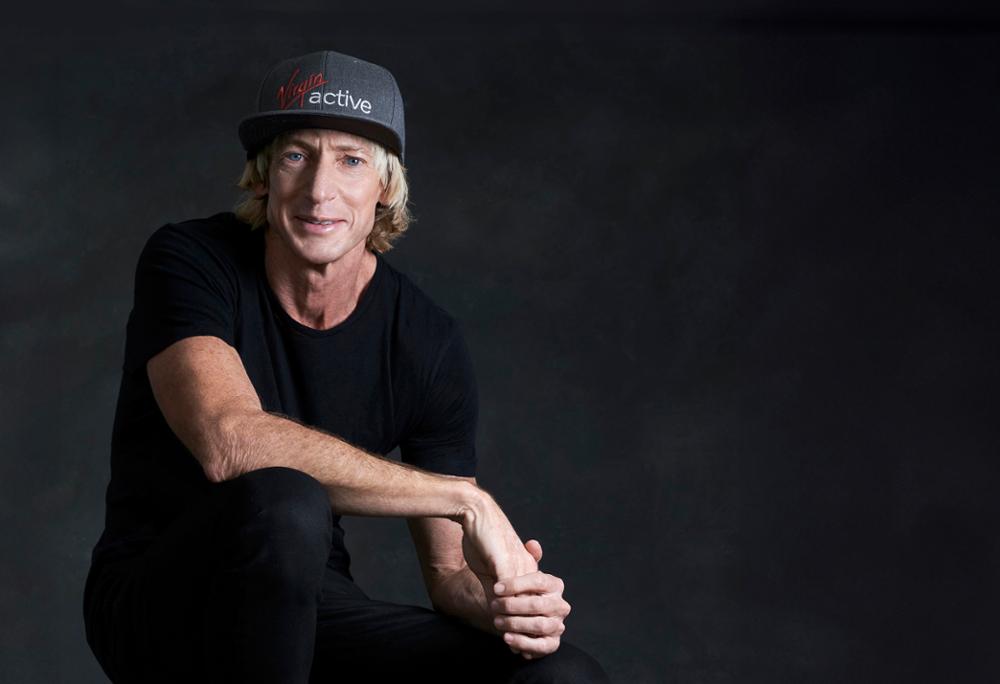
The group CEO of Virgin Active and healthy food brands Nü and Kauai is taking the combined operation on a journey to be an authentic and highly-valued wellness business. He talks to Liz Terry

Published in Health Club Management 2024 issue 9

How did it all start for you?
Wellness is something I’m incredibly passionate about. It resonates very powerfully with me and has made a huge difference to my life.

I come from an investment banking background – an accountant by qualification. I worked at KPMG and then in New York in corporate finance.

In terms of wellness, my journey was typical of many in that I did sport every day at school then stopped when I went to university – by the time I was working in New York I was eating unhealthily and not exercising and eventually, although I was doing well at work, got Crohn’s disease which I believe was caused by stress.

Eventually they wanted to operate, but instead of going down that road I changed my diet and started to exercise again and after a while I was able to take myself off all medication, got tested and the doctors found I’d totally recovered.

I’m the kind of person who has to see, touch and feel things in order to believe them and having gone on that journey, I understood the power of nutrition and exercise and how it can change lives.

How has that experience shaped your life?
I was fortunate to sell my financial businesses and out of pure passion opened a healthy food restaurant about 12 years ago.

At the time, in the fast casual food space in South Africa there were more burger, chicken and pizza brands than healthy eating concepts, so commercially there was an opportunity to do something revolutionary and we started to open restaurants, then bought a health food group and expanded that business. Today this has over 233 stores globally under the Nü and Kauai brands.

What came next?
Healthy eating is only one piece of the puzzle and appreciating what exercise had done for me, I started planning to bring the two together because if people are eating healthily, but not exercising or sleeping well or have mental health challenges that aren’t resolved, they’re not optimising their health.

It’s challenging for consumers when services are siloed. The nutrition industry isn’t aligned with health and fitness, or mental wellness, or spa and wellness and added to that, they’re also territorial, with a lot of vested interests.

The foundations of wellness for me are nutrition and health and fitness and I realised the way to make it work was to bring these together in common ownership so we could properly align them and that’s when the Virgin Active business came onto my radar.

So you did a deal?
We were fortunate to put a transaction together where we merged our nutrition company with Virgin Active and now they’re one business, with Virgin Active and the two food brands absolutely aligned – commercially, financially and philosophically.

You’ve integrated them very quickly…
The food business is now a hundred per cent owned by Virgin Active. I sit across both and they have the same objective – an obsession with empowering people to change their lives.

The old Virgin Active structure was very territorial.

We had businesses around the world that hardly spoke to each other. Never mind aligning food with fitness, just aligning different territories within the same business unit was a challenge.

There was no sharing of best practice, there was a huge duplication of costs and the businesses showed up differently in each territory.

We’ve totally rebuilt the company over the last few years. Overhauled structures, simplified head office and changed the organisation of territories.

We’ve appointed a new group CTO, a new group CMO, new group COO, new head of legal and new chief of customer value and also created a raft of new positions.

We think we’ve brought in some of the hottest talent from outside the industry with skills we know can add value and are complementary to the fitness and wellness space. Although they sit in different countries, they work across the business as one team.

What’s been the impact of these changes?
It’s the first time Virgin Active has been one company and our new structure gives us the ability to expand fast.

In the past, if I’d wanted to go into Germany, for example, I’d have had to set up a head office and go deep into the territory to sustain this overhead, as we did with the Italian businesses, where we have 40 clubs.

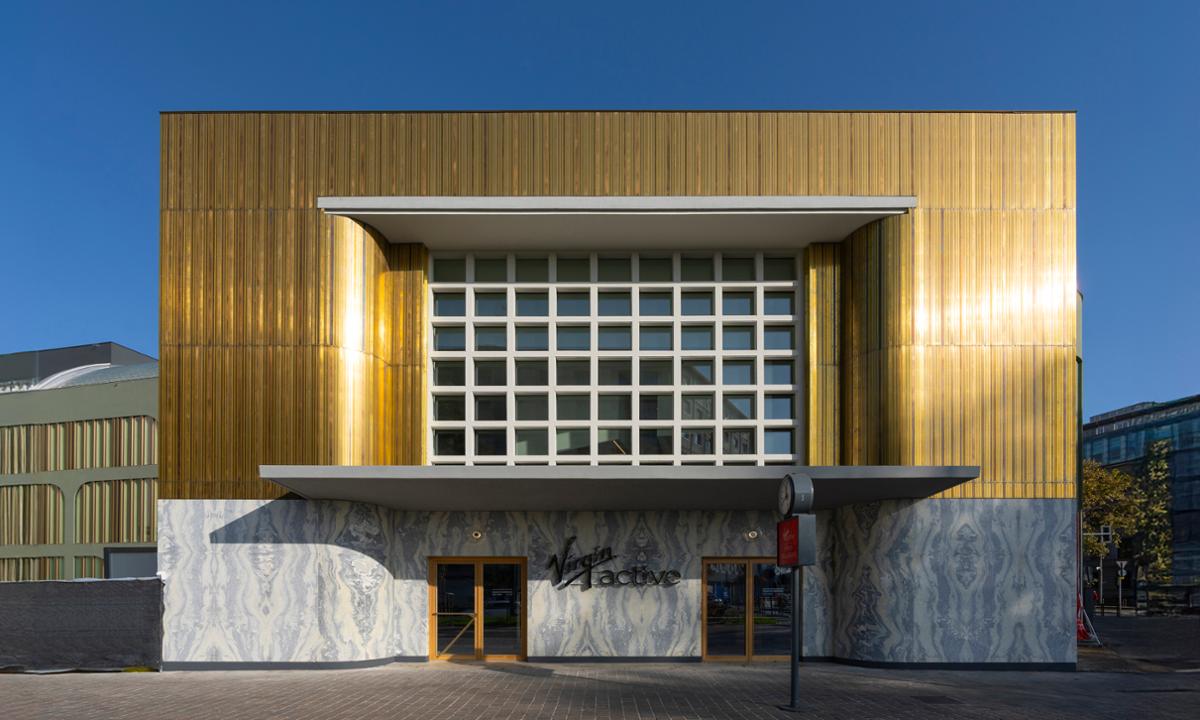
Now, with this centralised structure, I can go to Berlin, Geneva and Stockholm etc and do flagship clubs without the need to set up head offices.

We’re now much more efficient in terms of our ability to grow the business and for the first time, we’re looking at territories beyond our existing footprint – Qatar will be the first to open, in collaboration with a local partner.

What’s the plan for growth?
Our goal is to have flagship premium clubs in major cities and with our new structure we look at Europe as one ‘country’. We think there are between 28 and 32 cities that can take a flagship club. Some will take two – Paris for example – but never more than two is our initial plan.

Give us a quick recap of the business
Virgin Active currently has 225 clubs in eight countries. We’re in many major cities from Sydney to Melbourne, Singapore to Bangkok and Milan to Rome.

In addition, we have the 233 restaurants, so we’re not just a gym operator; we’re a healthy nutrition and wellness operator at scale.

Not a lot of other health club operators can call themselves global at the premium end of the market and with a recognised brand.

What’s the customer journey now through these synergistic businesses?
I’ll start with South Africa because that’s the most advanced, as we have the biggest footprint there in terms of the food business.

You’ll find our food brands in all the Virgin Active clubs and these restaurants aren’t an afterthought. This isn’t just a gym business doing food, it’s an experienced food business with an incredible amount of knowledge, fantastic product, innovation, two menu releases a year and people constantly checking the quality.

Before the deal, Virgin Active had a food offering, but it was organised as a separate business and not aligned with the gyms – they didn’t know who was spending on food and there was no integration.

Club managers have the relationship with members and if there’s a third party food business operating in their club they’re not interested because it doesn’t do anything for their KPIs.

When they start to understand that the more members engage with the food, the quicker they see results – because they’re eating healthily and are more motivated – it drives usage of the gym and is another reason to come back.

What we’ve done since the deal is give our gym managers incentives to make the food business successful, so they encourage members to use it and understand the benefits of members engaging with the food offering when it comes to churn, engagement and results, as it has a huge impact in all these areas.

What’s the impact on churn?
Ultimately it’s around engagement and usage and how you keep members for life.

I don’t come from the gym industry, so I was shocked to find that even though it’s a subscription business, it’s like a leaky bucket and can have up to 40-50 per cent churn each year – even if operators are selling, selling, selling, it just flows out of the bucket.

This business model makes no sense and doesn’t work for anyone and we’re moving to a better model.

I remember my parents joined a country club and felt part of a community and that’s similar to the environment we want to create. Our managers now understand that this approach is about how we drive engagement by building connections with members.

This is what the food business has done – we see that come through remarkably in our churn numbers and nutrition percentages when we get it right.


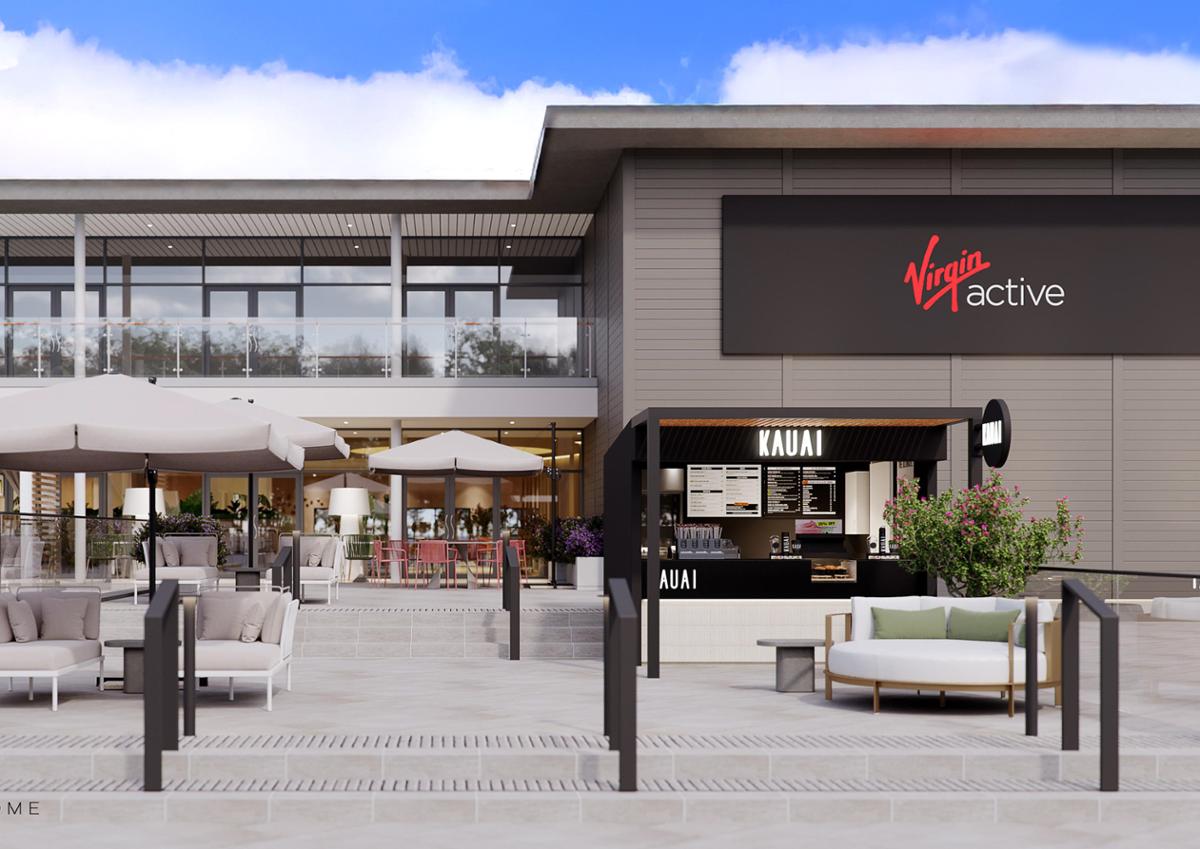
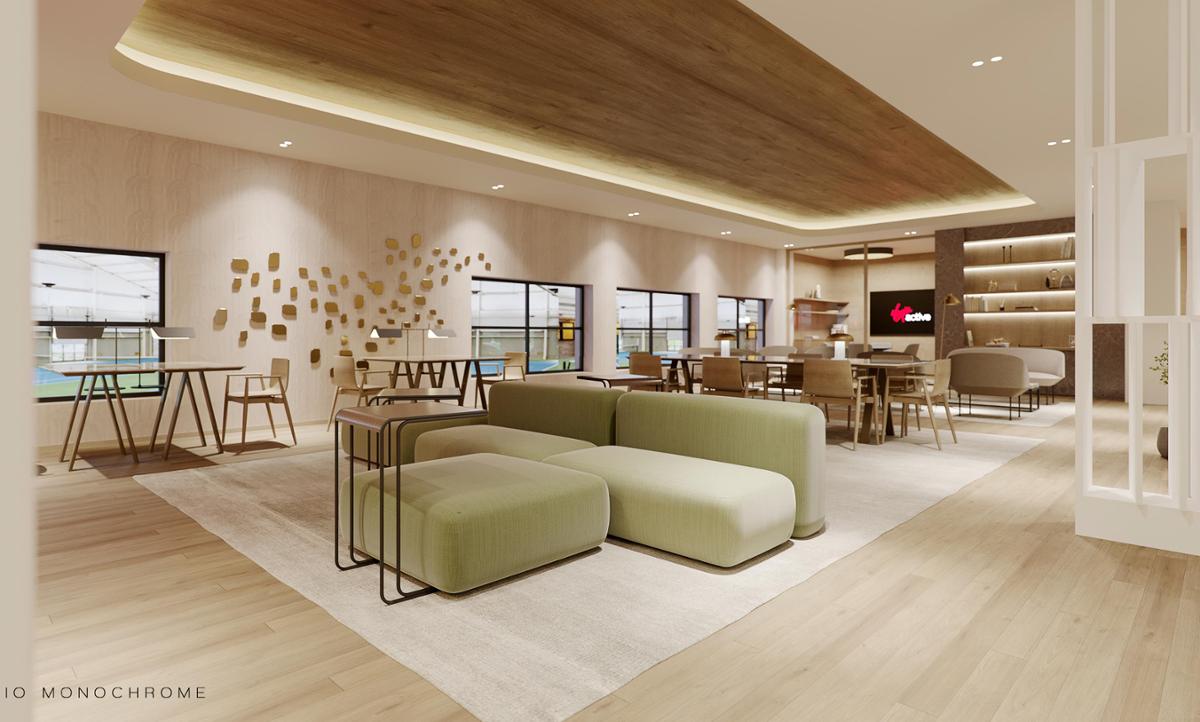
But it’s about a lot more than food. We have what we call social wellness areas in our clubs, with the restaurant and a work component, such as co-working space and the ability to book boardrooms.

They also have a lounge area where we encourage people to engage and socialise and get to know new people, not just their own community.

We’ve got locations now where we’ve got the mix right and what you see is very different behaviour from that of a typical gym, where there are morning, lunchtime and evening peaks. These new-style gyms become all-day spaces. People may still train in the morning, but they don’t leave – they have breakfast, do some work, book a boardroom and have meetings, meet friends and socialise.

We’re moving from these clubs being third spaces to being second spaces – for the time between eight and five where you do multiple things outside the home.

Commercially there’s a strong reason to do it and when you have that level of engagement you start to have a material impact on churn and the success of the operation.

We’re currently retrofitting these new facilities, particularly in the UK, and where we’ve done the upgrade and have a strong food offering plus work and social spaces, it has had a very significant impact on churn. People join and they don’t want to leave.

Commercially it makes sense to expand this model, as it delivers results a gym business alone can’t.

What else can be added to the mix?
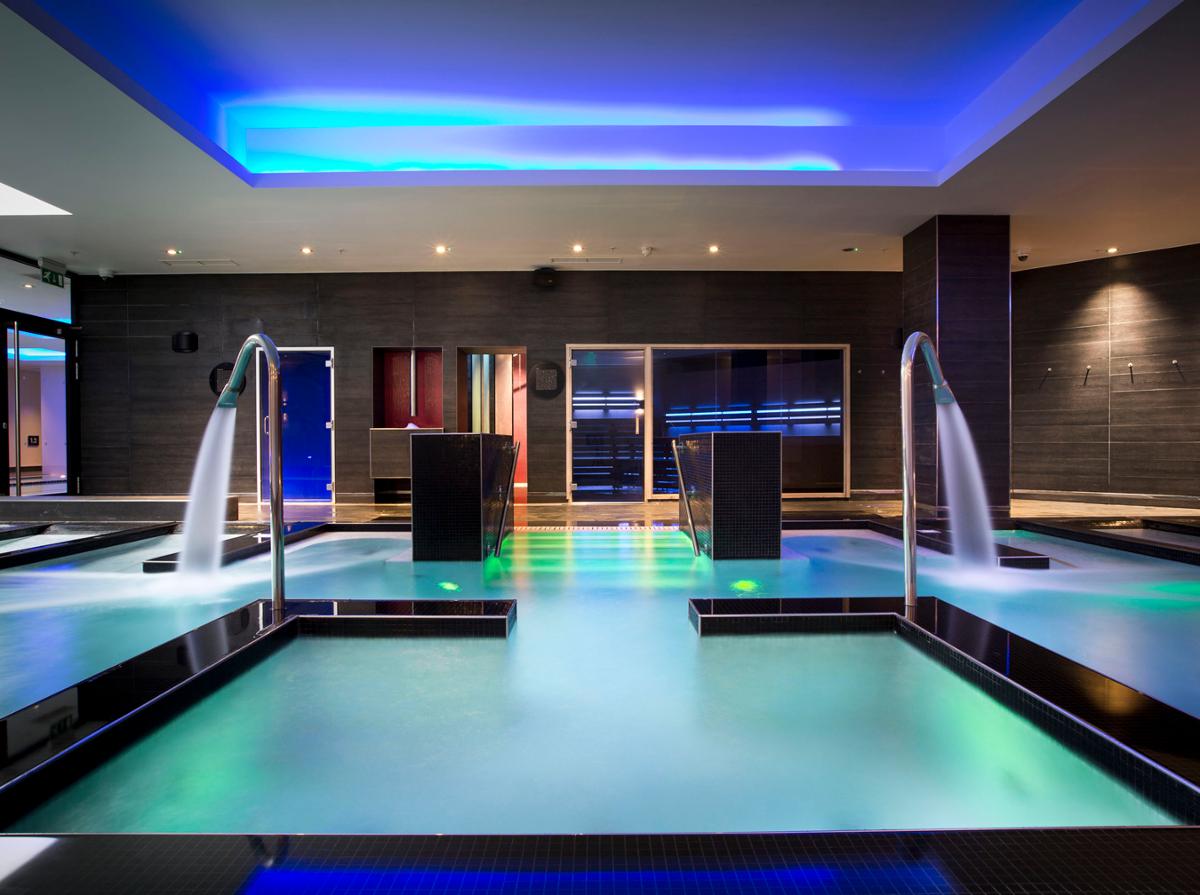
Spa and recovery are becoming popular, with things such as contrast therapy and we’ve added cold plunges into quite a few of our gyms, along with heat treatments.

What’s important is making people feel well. Having an after-work gym session, then a heat treatment and a cold plunge, a healthy meal and then some time in the social space just really lifts people.

As our members go along this journey of self improvement we want to provide beautiful spaces where all of these things are integrated.

What about product development?
We spend a lot of time redeveloping our gym floor concept and making sure it’s what consumers want.

We used to think every market was different and we had to customise, but 80 per cent of what people want is exactly the same all over the world.

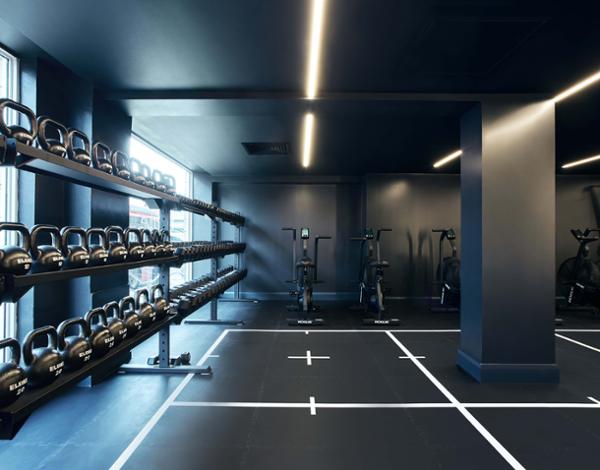
Today they want more free weights and more strength and plate-loaded equipment, so we’re being consistent in terms of what the gym floor looks like.

When it comes to group exercise we see a big opportunity to encourage the social element of people working out together that drives down churn.

Do you develop your own content?
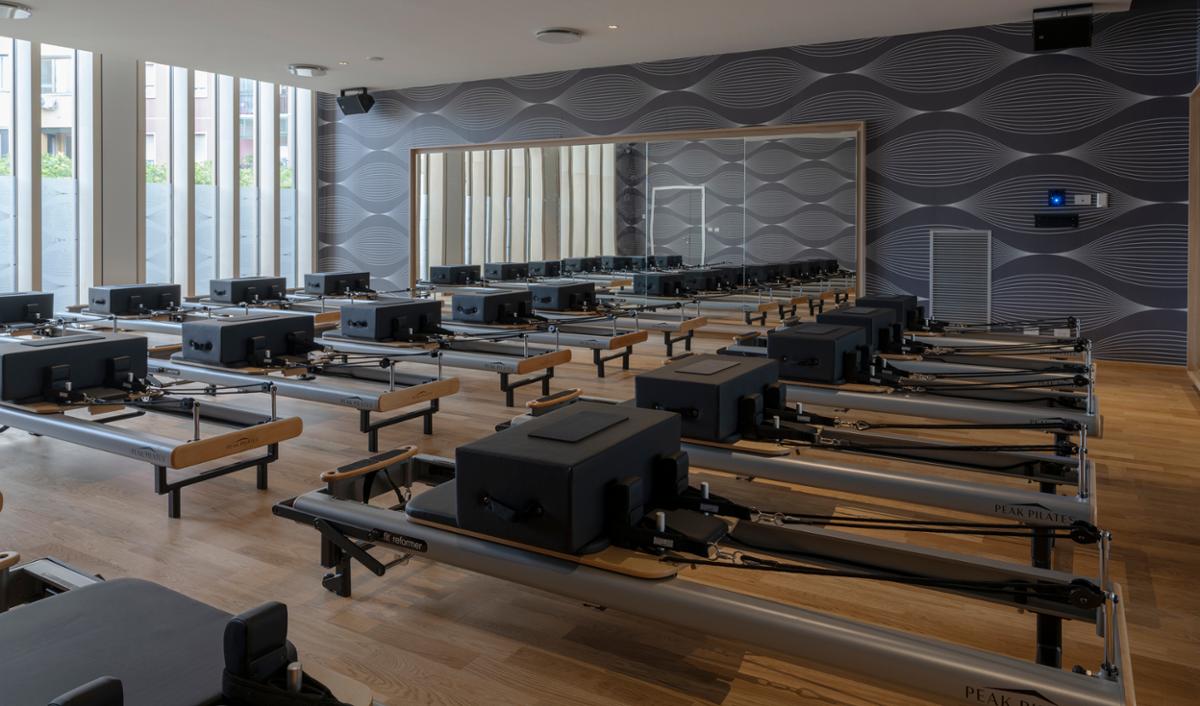
Most of our programmes are bespoke – from yoga to boxing to strength and conditioning and from Reformer Pilates to three different types of cycle.

We have academies in the UK and Italy developing them and our teams are trained through our own systems in our own academies by our own trainers.

How does your pricing work?
It’s all inclusive – members can come and use the social space, the gym floor, the recovery area and do any of the group exercise classes for the cost of their health club membership.

We have one member category and a youth membership. After that charging differentials relate to the length of the contract – flexi one-month, three-month, six-month etc. We don’t have an a la carte membership.

We still find the majority of our members prefer to take out longer-term contracts.

Tell us about your PT model
All members get a free session when they join to set up their programme and we have fitness instructors on the gym floor to support people with progression.

We encourage them to assist members to avoid injury by intervening if they see bad habits in terms of how they’re exercising. Instructors often move up to be PTs.

You’re one of the biggest pool operators...
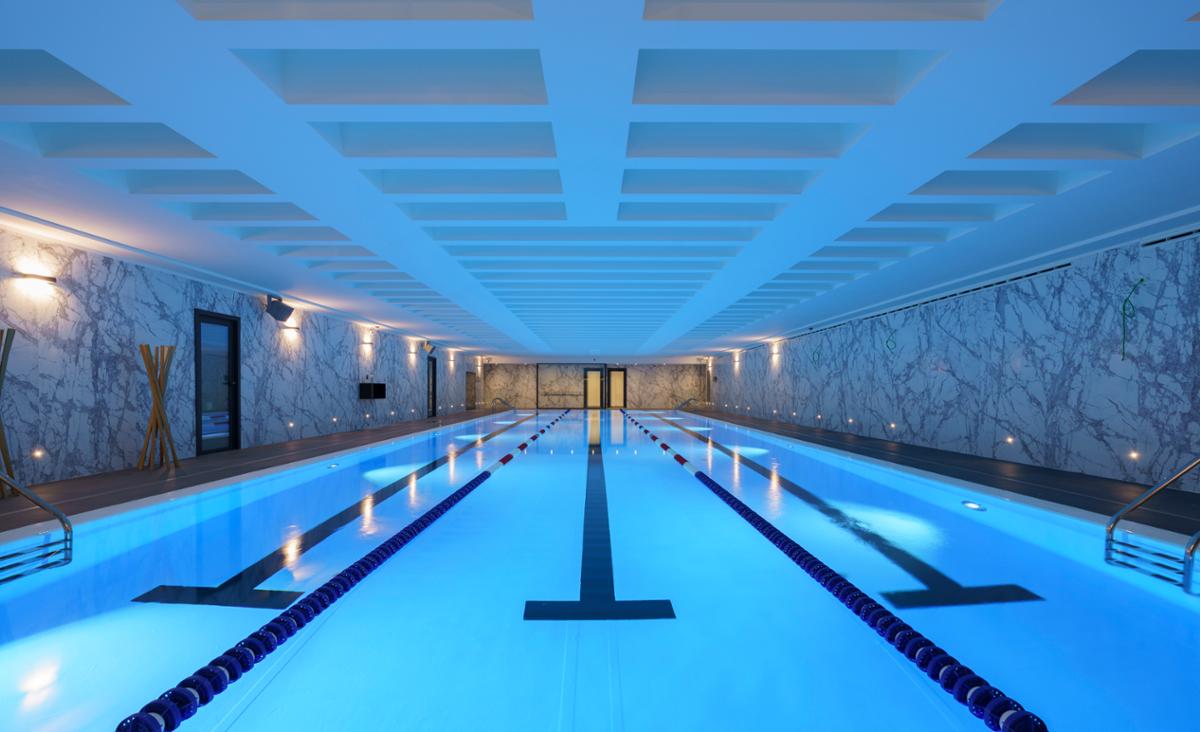
Most of our gyms have pools, making them a USP. Traditionally we rented them to tenants who effectively owned the relationship with customers, but in the UK we were one of the first to start our own learn to swim programme.

Learn to swim by itself is lucrative and from a family point of view it gets people using our gyms more frequently and the more engagement we have, the less likely they are to leave us.

What else is new?
We’ve launched a Virgin Active Padel Club and have 50 courts in South Africa, while Chiswick Riverside in London now has a couple. Eventually most clubs will have padel and pickleball.

This isn’t about the income we can earn, because that’s relatively small compared to gym memberships, it’s more that we know they’re going to play, so we want them to play with us. It’s about engagement and creating another reason for them to visit.

How is the upskilling of teams progressing?
Although we’re working on our facilities, repositioning the brand and ramping up the marketing, none of it means anything without us delivering an exceptional member experience.

It’s a journey getting this service-orientated culture embedded, but we’re making good progress.

I think bringing major hospitality elements into the gym represents a huge opportunity to evolve health clubs into wellness businesses.

Has this approach impacted the culture?
The culture has changed considerably – we’re working in a faster, more entrepreneurial and less corporate way, making quick decisions, encouraging people to take risks and be bold in their decision-making.

We’re also cultivating their ability to share views and collaborate, so we develop an entrepreneurial, startup-type culture and embed this into what is a significant global business with thousands of employees.

One of the big parts of my job is embedding this culture and recognising that when you’re trying to create something unique and special it’s not going to appeal to everyone.

We’ve discovered a wealth of talent right across the business, so we’ve flattened the structures to enable everyone to shine.

What’s your take on the way consumers are viewing wellness as a sector?
There are many obstacles when it comes to people exercising or eating healthily – some financial, some around accessibility or education and some just life getting in the way.

It can also be very intimidating because many parts of the wellness industry have – unfortunately –  made things complex and inaccessible.

Consumers are bombarded with information about what wellness means and some of this is a load of BS and some is just self-serving, so they don’t know what to believe and either don’t engage or check out.

We’ve got to simplify wellness and make it more accessible if we want to take consumers with us.

Each wellness journey is different, so we can’t be prescriptive, we need to be responsive to each customer.

We’re always asking ourselves how we can make our services approachable, simple and meaningful.

Virgin has always been a playful brand. Do you still cherish that playfulness?
I think we’ve lost a little of it. What Richard Branson brought to the brand is a rebellious, disruptive, playful attitude, but the company has gone into spaces where the consumer experience is quite traditional, such as the airline.

Now we’re rediscovering our playfulness and when we talk about going on this wellness journey, we want to do it in a very ‘Virgin’ way, by demystifying it and making it fun, accessible and a little bit rebellious.

We don’t want to conform to how everyone else is positioning wellness, we want to do it in an authentic, spontaneous way and our marketing team has been tasked with being bold in positioning Virgin Active as a united global brand.

How are you engaging consumers?
Apps in the fitness world are often functional and basic, whereas if you look at hotel or airline loyalty programmes, they’re very sophisticated, so this is something we’ve been working on.

When we launched our loyalty programme, we started in South Africa with a booking app that also gives rewards for loyalty with instant gratification.

When a member visits a club twice in a week, an instant reward pops up on their phone and they can go to the in-club Kauai restaurant and get a smoothie, totally free, just for being in the gym twice that week.

What we see in terms of attrition is that this just works. People come twice a week to get their free smoothie and once they’re coming twice a week they’re not going to leave.

So the app has brought practices from hospitality into the gym space that have had a huge impact.

It’s not just around loyalty, however, the app also gives us incredibly rich data which we can use to create personal connections with members.

We know when they’re accessing the gym, which classes they booked, how they rate the instructor and which smoothie they had, so we have transactional data, meaning emails we send are relevant.

More than that, I can then understand why they come to the gym and what their goals are, because I can ask additional questions about their motivations.

Once I understand those deeper motivations that underpin the transactional data I can understand members better and provide more tailored solutions.

App and loyalty functionality has been beta tested in South Africa and is rolling out in other countries. It went live in the UK in June and will launch in Italy in November.

How are you handling all this data?
We had so many different gym systems – member management, loyalty, PT – but they didn’t talk to each other, meaning it was difficult to get a single view of a member, so we’ve created a data lake, pulling this from multiple systems onto one platform so we can mine it.

We’re using AI to identify members who are more likely to churn, so we can design effective interventions and use personalisation to build connections and improve the in-club experience.

Our new group CTO was head of technology for the NHS in the UK and involved with building the contract tracing app at the time of COVID and he’s brought immense knowledge to the company. We’ve also increased the size of our data team.

Following your historic lawsuit, have you rebuilt relationships with your landlords?
We have good relationships with the landlords that continued with our leases and we’ve extended our leases with many of them.

With the ones where we had to terminate, it was really unfortunate, but I think even they understood it was about the survival of the business.

I wasn’t involved at that time, but I know the shareholders and the management team did an amazing job in very difficult circumstances and this has enabled us to come back stronger.

What results are you seeing?
It’s no secret Virgin Active had its challenges post-COVID, but what we’re seeing now are incredibly strong green shoots and the impact of upgrades at club level coming through in the numbers.

We talk internally about being an output-driven business. The inputs – the hard work and effort – are important, but those inputs are there to achieve outputs and they’ve got to deliver. We ask ourselves, are we achieving our purpose? Are we changing people’s lives for the better through wellness? Are member numbers growing? Have we reduced churn? Are more people doing group exercise?

Our recent access numbers are some of the highest we’ve seen and our churn is below pre-COVID levels, which is good. We’ve also had our first reporting period where all territories are EBITDA-positive and growing, with some – such as Italy and South Africa – way beyond this. We’ve seen 18 per cent year-on-year revenue growth and 80 per cent of this flows into EBITDA, so it’s trending in a good direction.

You’re repositioning the brand in the UK…
We’re working hard to reestablish ourselves as a top operator in the UK to push ourselves back into the premium space. Virgin Active was in danger of being stuck in the middle of the market and that’s a place we don’t want to be.

However, although we want to be a premium operator, we want to be priced right too. Our brand is about being accessible and we think some of the premium operators are very expensive.

When prices are very high there are only a few locations that can justify those prices and it’s important for us to build a scalable business with enough volume that it will ultimately have a high valuation.

How are things going in the UK market?
The UK business was once in excess of 120 clubs and now has 32, however, it’s still an incredibly attractive market for us with growth potential.

I realise we disappointed people in the UK – I’m under no illusions about that – by under-investing in the estate and delivering poor service and we’ve got work to do to rebuild trust.

That doesn’t just come just from investing in the estate; it’s also around customer service and we’re really focused on that in all areas of the business.

Are you interested in buying David Lloyd?
Probably not – we’ve got loads of opportunities to create flagship clubs by going into new territories, such as Qatar.

Will you grow by acquisition?
If the right opportunity comes along, but we have our growth plans laid out independent of any acquisitions.

What are the longer term plans – will you list or go for a trade sale?
It’s too soon to say, but I can share that we don’t want to be seen as a fitness or gym operator because the financial metrics don’t make sense to us – when you’ve got a business that’s churning 40-50 per cent of its customers every year, no-one’s going to be interested.

We want to show we’ve got a model where churn is at Netflix-type levels because we’ve got such a great product people don’t want to leave our clubs.

If we can show the investment community we’ve changed the gym model and adopted a hospitality-focused model that’s more sticky, we believe we’ll get the valuations we’re looking for.
KEYNOTE SPEAKER 2024

Dean Kowarski is a keynote speaker at the HCM Summit on 24 October in London. Find out more at www.HCMsummit.live

Sign up here to get Fit Tech's weekly ezine and every issue of Fit Tech magazine free on digital.
Gallery
More features
Editor's letter

Into the fitaverse

Fitness is already among the top three markets in the metaverse, with new technology and partnerships driving real growth and consumer engagement that looks likely to spill over into health clubs, gyms and studios
Fit Tech people

Ali Jawad

Paralympic powerlifter and founder, Accessercise
Users can easily identify which facilities in the UK are accessible to the disabled community
Fit Tech people

Hannes Sjöblad

MD, DSruptive
We want to give our users an implantable tool that allows them to collect their health data at any time and in any setting
Fit Tech people

Jamie Buck

Co-founder, Active in Time
We created a solution called AiT Voice, which turns digital data into a spoken audio timetable that connects to phone systems
Profile

Fahad Alhagbani: reinventing fitness

Let’s live in the future to improve today
Opinion

Building on the blockchain

For small sports teams looking to compete with giants, blockchain can be a secret weapon explains Lars Rensing, CEO of Protokol
Innovation

Bold move

Our results showed a greater than 60 per cent reduction in falls for individuals who actively participated in Bold’s programme
App analysis

Check your form

Sency’s motion analysis technology is allowing users to check their technique as they exercise. Co-founder and CEO Gal Rotman explains how
Profile

New reality

Sam Cole, CEO of FitXR, talks to Fit Tech about taking digital workouts to the next level, with an immersive, virtual reality fitness club
Profile

Sohail Rashid

35 million people a week participate in strength training. We want Brawn to help this audience achieve their goals
Ageing

Reverse Ageing

Many apps help people track their health, but Humanity founders Peter Ward and Michael Geer have put the focus on ageing, to help users to see the direct repercussions of their habits. They talk to Steph Eaves
App analysis

Going hybrid

Workout Anytime created its app in partnership with Virtuagym. Workout Anytime’s Greg Maurer and Virtuagym’s Hugo Braam explain the process behind its creation
Research

Physical activity monitors boost activity levels

Researchers at the University of Copenhagen have conducted a meta analysis of all relevant research and found that the body of evidence shows an impact
Editor's letter

Two-way coaching

Content providers have been hugely active in the fit tech market since the start of the pandemic. We expect the industry to move on from delivering these services on a ‘broadcast-only’ basis as two-way coaching becomes the new USP
Fit Tech People

Laurent Petit

Co-founder, Active Giving
The future of sports and fitness are dependent on the climate. Our goal is to positively influence the future of our planet by instilling a global vision of wellbeing and a sense of collective action
Fit Tech People

Adam Zeitsiff

CEO, Intelivideo
We don’t just create the technology and bail – we support our clients’ ongoing hybridisation efforts
Fit Tech People

Anantharaman Pattabiraman

CEO and co-founder, Auro
When you’re undertaking fitness activities, unless you’re on a stationary bike, in most cases it’s not safe or necessary to be tied to a screen, especially a small screen
Fit Tech People

Mike Hansen

Managing partner, Endorphinz
We noticed a big gap in the market – customers needed better insights but also recommendations on what to do, whether that be customer acquisition, content creation, marketing and more
More features
CET have developed ice baths specifically for the fitness and wellness sectors in addition to ...
Panatta's mission is to create machines that are aesthetically pleasing, functional and competitive in price ...
22-23 Sep 2026
Four Seasons Hotel Bangkok at Chao Phraya River, Bangkok , Thailand
CET have developed ice baths specifically for the fitness and wellness sectors in addition to ...
Panatta's mission is to create machines that are aesthetically pleasing, functional and competitive in price ...
Get Fit Tech
Sign up for the free Fit Tech ezine and breaking news alerts
Sign up
22-23 Sep 2026
Four Seasons Hotel Bangkok at Chao Phraya River, Bangkok , Thailand

latest fit tech news

PureGym is encouraging people to step away from their screens and go for a walk, in a new initiative timed ...
news • 29 May 2026
Active people app, Strava, has overhauled its strength training experience, allowing gym-goers to automatically log and share their lifts from ...
news • 27 May 2026

Fitness First UK is embracing digital wellness technology by installing Kip’s tap-to-activate phone controls across its UK estate. Kip tags ...
news • 22 May 2026
The world’s first awareness ring has been launched. Designed to promote presence, focus and calm via gentle haptic vibrations, the ...
news • 13 May 2026
Center Parcs’ Aqua Sana Forest Spa, Woburn Forest, UK, has transformed an unused space into a touchless wellness area called ...
news • 12 May 2026
Gharieni Group has launched a new company, Cobotics Innovations, to create automated wellness experiences. The first solution is a robotic ...
product innovation • 07 May 2026

US-based robotics wellness company Aescape Inc has entered insolvency proceedings following the sale of substantially all of its ...

news • 06 May 2026
Fitness platform, Zing Coach, has teamed up with Les Mills, in a partnership that gives its users access to group ...
news • 23 Apr 2026

TMActive is launching a new Active Wellbeing Studio next month in Tonbridge, UK, specifically aimed at people who face higher ...
news • 13 Apr 2026

Indian billionaire, Deepinder Goyal, is working on a device called Temple that aims to track blood flow to the brain ...
news • 10 Apr 2026
More fit tech news
features

Interview: Dean Kowarski

The group CEO of Virgin Active and healthy food brands Nü and Kauai is taking the combined operation on a journey to be an authentic and highly-valued wellness business. He talks to Liz Terry

Published in Health Club Management 2024 issue 9

How did it all start for you?
Wellness is something I’m incredibly passionate about. It resonates very powerfully with me and has made a huge difference to my life.

I come from an investment banking background – an accountant by qualification. I worked at KPMG and then in New York in corporate finance.

In terms of wellness, my journey was typical of many in that I did sport every day at school then stopped when I went to university – by the time I was working in New York I was eating unhealthily and not exercising and eventually, although I was doing well at work, got Crohn’s disease which I believe was caused by stress.

Eventually they wanted to operate, but instead of going down that road I changed my diet and started to exercise again and after a while I was able to take myself off all medication, got tested and the doctors found I’d totally recovered.

I’m the kind of person who has to see, touch and feel things in order to believe them and having gone on that journey, I understood the power of nutrition and exercise and how it can change lives.

How has that experience shaped your life?
I was fortunate to sell my financial businesses and out of pure passion opened a healthy food restaurant about 12 years ago.

At the time, in the fast casual food space in South Africa there were more burger, chicken and pizza brands than healthy eating concepts, so commercially there was an opportunity to do something revolutionary and we started to open restaurants, then bought a health food group and expanded that business. Today this has over 233 stores globally under the Nü and Kauai brands.

What came next?
Healthy eating is only one piece of the puzzle and appreciating what exercise had done for me, I started planning to bring the two together because if people are eating healthily, but not exercising or sleeping well or have mental health challenges that aren’t resolved, they’re not optimising their health.

It’s challenging for consumers when services are siloed. The nutrition industry isn’t aligned with health and fitness, or mental wellness, or spa and wellness and added to that, they’re also territorial, with a lot of vested interests.

The foundations of wellness for me are nutrition and health and fitness and I realised the way to make it work was to bring these together in common ownership so we could properly align them and that’s when the Virgin Active business came onto my radar.

So you did a deal?
We were fortunate to put a transaction together where we merged our nutrition company with Virgin Active and now they’re one business, with Virgin Active and the two food brands absolutely aligned – commercially, financially and philosophically.

You’ve integrated them very quickly…
The food business is now a hundred per cent owned by Virgin Active. I sit across both and they have the same objective – an obsession with empowering people to change their lives.

The old Virgin Active structure was very territorial.

We had businesses around the world that hardly spoke to each other. Never mind aligning food with fitness, just aligning different territories within the same business unit was a challenge.

There was no sharing of best practice, there was a huge duplication of costs and the businesses showed up differently in each territory.

We’ve totally rebuilt the company over the last few years. Overhauled structures, simplified head office and changed the organisation of territories.

We’ve appointed a new group CTO, a new group CMO, new group COO, new head of legal and new chief of customer value and also created a raft of new positions.

We think we’ve brought in some of the hottest talent from outside the industry with skills we know can add value and are complementary to the fitness and wellness space. Although they sit in different countries, they work across the business as one team.

What’s been the impact of these changes?
It’s the first time Virgin Active has been one company and our new structure gives us the ability to expand fast.

In the past, if I’d wanted to go into Germany, for example, I’d have had to set up a head office and go deep into the territory to sustain this overhead, as we did with the Italian businesses, where we have 40 clubs.

Now, with this centralised structure, I can go to Berlin, Geneva and Stockholm etc and do flagship clubs without the need to set up head offices.

We’re now much more efficient in terms of our ability to grow the business and for the first time, we’re looking at territories beyond our existing footprint – Qatar will be the first to open, in collaboration with a local partner.

What’s the plan for growth?
Our goal is to have flagship premium clubs in major cities and with our new structure we look at Europe as one ‘country’. We think there are between 28 and 32 cities that can take a flagship club. Some will take two – Paris for example – but never more than two is our initial plan.

Give us a quick recap of the business
Virgin Active currently has 225 clubs in eight countries. We’re in many major cities from Sydney to Melbourne, Singapore to Bangkok and Milan to Rome.

In addition, we have the 233 restaurants, so we’re not just a gym operator; we’re a healthy nutrition and wellness operator at scale.

Not a lot of other health club operators can call themselves global at the premium end of the market and with a recognised brand.

What’s the customer journey now through these synergistic businesses?
I’ll start with South Africa because that’s the most advanced, as we have the biggest footprint there in terms of the food business.

You’ll find our food brands in all the Virgin Active clubs and these restaurants aren’t an afterthought. This isn’t just a gym business doing food, it’s an experienced food business with an incredible amount of knowledge, fantastic product, innovation, two menu releases a year and people constantly checking the quality.

Before the deal, Virgin Active had a food offering, but it was organised as a separate business and not aligned with the gyms – they didn’t know who was spending on food and there was no integration.

Club managers have the relationship with members and if there’s a third party food business operating in their club they’re not interested because it doesn’t do anything for their KPIs.

When they start to understand that the more members engage with the food, the quicker they see results – because they’re eating healthily and are more motivated – it drives usage of the gym and is another reason to come back.

What we’ve done since the deal is give our gym managers incentives to make the food business successful, so they encourage members to use it and understand the benefits of members engaging with the food offering when it comes to churn, engagement and results, as it has a huge impact in all these areas.

What’s the impact on churn?
Ultimately it’s around engagement and usage and how you keep members for life.

I don’t come from the gym industry, so I was shocked to find that even though it’s a subscription business, it’s like a leaky bucket and can have up to 40-50 per cent churn each year – even if operators are selling, selling, selling, it just flows out of the bucket.

This business model makes no sense and doesn’t work for anyone and we’re moving to a better model.

I remember my parents joined a country club and felt part of a community and that’s similar to the environment we want to create. Our managers now understand that this approach is about how we drive engagement by building connections with members.

This is what the food business has done – we see that come through remarkably in our churn numbers and nutrition percentages when we get it right.


But it’s about a lot more than food. We have what we call social wellness areas in our clubs, with the restaurant and a work component, such as co-working space and the ability to book boardrooms.

They also have a lounge area where we encourage people to engage and socialise and get to know new people, not just their own community.

We’ve got locations now where we’ve got the mix right and what you see is very different behaviour from that of a typical gym, where there are morning, lunchtime and evening peaks. These new-style gyms become all-day spaces. People may still train in the morning, but they don’t leave – they have breakfast, do some work, book a boardroom and have meetings, meet friends and socialise.

We’re moving from these clubs being third spaces to being second spaces – for the time between eight and five where you do multiple things outside the home.

Commercially there’s a strong reason to do it and when you have that level of engagement you start to have a material impact on churn and the success of the operation.

We’re currently retrofitting these new facilities, particularly in the UK, and where we’ve done the upgrade and have a strong food offering plus work and social spaces, it has had a very significant impact on churn. People join and they don’t want to leave.

Commercially it makes sense to expand this model, as it delivers results a gym business alone can’t.

What else can be added to the mix?
Spa and recovery are becoming popular, with things such as contrast therapy and we’ve added cold plunges into quite a few of our gyms, along with heat treatments.

What’s important is making people feel well. Having an after-work gym session, then a heat treatment and a cold plunge, a healthy meal and then some time in the social space just really lifts people.

As our members go along this journey of self improvement we want to provide beautiful spaces where all of these things are integrated.

What about product development?
We spend a lot of time redeveloping our gym floor concept and making sure it’s what consumers want.

We used to think every market was different and we had to customise, but 80 per cent of what people want is exactly the same all over the world.

Today they want more free weights and more strength and plate-loaded equipment, so we’re being consistent in terms of what the gym floor looks like.

When it comes to group exercise we see a big opportunity to encourage the social element of people working out together that drives down churn.

Do you develop your own content?
Most of our programmes are bespoke – from yoga to boxing to strength and conditioning and from Reformer Pilates to three different types of cycle.

We have academies in the UK and Italy developing them and our teams are trained through our own systems in our own academies by our own trainers.

How does your pricing work?
It’s all inclusive – members can come and use the social space, the gym floor, the recovery area and do any of the group exercise classes for the cost of their health club membership.

We have one member category and a youth membership. After that charging differentials relate to the length of the contract – flexi one-month, three-month, six-month etc. We don’t have an a la carte membership.

We still find the majority of our members prefer to take out longer-term contracts.

Tell us about your PT model
All members get a free session when they join to set up their programme and we have fitness instructors on the gym floor to support people with progression.

We encourage them to assist members to avoid injury by intervening if they see bad habits in terms of how they’re exercising. Instructors often move up to be PTs.

You’re one of the biggest pool operators...
Most of our gyms have pools, making them a USP. Traditionally we rented them to tenants who effectively owned the relationship with customers, but in the UK we were one of the first to start our own learn to swim programme.

Learn to swim by itself is lucrative and from a family point of view it gets people using our gyms more frequently and the more engagement we have, the less likely they are to leave us.

What else is new?
We’ve launched a Virgin Active Padel Club and have 50 courts in South Africa, while Chiswick Riverside in London now has a couple. Eventually most clubs will have padel and pickleball.

This isn’t about the income we can earn, because that’s relatively small compared to gym memberships, it’s more that we know they’re going to play, so we want them to play with us. It’s about engagement and creating another reason for them to visit.

How is the upskilling of teams progressing?
Although we’re working on our facilities, repositioning the brand and ramping up the marketing, none of it means anything without us delivering an exceptional member experience.

It’s a journey getting this service-orientated culture embedded, but we’re making good progress.

I think bringing major hospitality elements into the gym represents a huge opportunity to evolve health clubs into wellness businesses.

Has this approach impacted the culture?
The culture has changed considerably – we’re working in a faster, more entrepreneurial and less corporate way, making quick decisions, encouraging people to take risks and be bold in their decision-making.

We’re also cultivating their ability to share views and collaborate, so we develop an entrepreneurial, startup-type culture and embed this into what is a significant global business with thousands of employees.

One of the big parts of my job is embedding this culture and recognising that when you’re trying to create something unique and special it’s not going to appeal to everyone.

We’ve discovered a wealth of talent right across the business, so we’ve flattened the structures to enable everyone to shine.

What’s your take on the way consumers are viewing wellness as a sector?
There are many obstacles when it comes to people exercising or eating healthily – some financial, some around accessibility or education and some just life getting in the way.

It can also be very intimidating because many parts of the wellness industry have – unfortunately –  made things complex and inaccessible.

Consumers are bombarded with information about what wellness means and some of this is a load of BS and some is just self-serving, so they don’t know what to believe and either don’t engage or check out.

We’ve got to simplify wellness and make it more accessible if we want to take consumers with us.

Each wellness journey is different, so we can’t be prescriptive, we need to be responsive to each customer.

We’re always asking ourselves how we can make our services approachable, simple and meaningful.

Virgin has always been a playful brand. Do you still cherish that playfulness?
I think we’ve lost a little of it. What Richard Branson brought to the brand is a rebellious, disruptive, playful attitude, but the company has gone into spaces where the consumer experience is quite traditional, such as the airline.

Now we’re rediscovering our playfulness and when we talk about going on this wellness journey, we want to do it in a very ‘Virgin’ way, by demystifying it and making it fun, accessible and a little bit rebellious.

We don’t want to conform to how everyone else is positioning wellness, we want to do it in an authentic, spontaneous way and our marketing team has been tasked with being bold in positioning Virgin Active as a united global brand.

How are you engaging consumers?
Apps in the fitness world are often functional and basic, whereas if you look at hotel or airline loyalty programmes, they’re very sophisticated, so this is something we’ve been working on.

When we launched our loyalty programme, we started in South Africa with a booking app that also gives rewards for loyalty with instant gratification.

When a member visits a club twice in a week, an instant reward pops up on their phone and they can go to the in-club Kauai restaurant and get a smoothie, totally free, just for being in the gym twice that week.

What we see in terms of attrition is that this just works. People come twice a week to get their free smoothie and once they’re coming twice a week they’re not going to leave.

So the app has brought practices from hospitality into the gym space that have had a huge impact.

It’s not just around loyalty, however, the app also gives us incredibly rich data which we can use to create personal connections with members.

We know when they’re accessing the gym, which classes they booked, how they rate the instructor and which smoothie they had, so we have transactional data, meaning emails we send are relevant.

More than that, I can then understand why they come to the gym and what their goals are, because I can ask additional questions about their motivations.

Once I understand those deeper motivations that underpin the transactional data I can understand members better and provide more tailored solutions.

App and loyalty functionality has been beta tested in South Africa and is rolling out in other countries. It went live in the UK in June and will launch in Italy in November.

How are you handling all this data?
We had so many different gym systems – member management, loyalty, PT – but they didn’t talk to each other, meaning it was difficult to get a single view of a member, so we’ve created a data lake, pulling this from multiple systems onto one platform so we can mine it.

We’re using AI to identify members who are more likely to churn, so we can design effective interventions and use personalisation to build connections and improve the in-club experience.

Our new group CTO was head of technology for the NHS in the UK and involved with building the contract tracing app at the time of COVID and he’s brought immense knowledge to the company. We’ve also increased the size of our data team.

Following your historic lawsuit, have you rebuilt relationships with your landlords?
We have good relationships with the landlords that continued with our leases and we’ve extended our leases with many of them.

With the ones where we had to terminate, it was really unfortunate, but I think even they understood it was about the survival of the business.

I wasn’t involved at that time, but I know the shareholders and the management team did an amazing job in very difficult circumstances and this has enabled us to come back stronger.

What results are you seeing?
It’s no secret Virgin Active had its challenges post-COVID, but what we’re seeing now are incredibly strong green shoots and the impact of upgrades at club level coming through in the numbers.

We talk internally about being an output-driven business. The inputs – the hard work and effort – are important, but those inputs are there to achieve outputs and they’ve got to deliver. We ask ourselves, are we achieving our purpose? Are we changing people’s lives for the better through wellness? Are member numbers growing? Have we reduced churn? Are more people doing group exercise?

Our recent access numbers are some of the highest we’ve seen and our churn is below pre-COVID levels, which is good. We’ve also had our first reporting period where all territories are EBITDA-positive and growing, with some – such as Italy and South Africa – way beyond this. We’ve seen 18 per cent year-on-year revenue growth and 80 per cent of this flows into EBITDA, so it’s trending in a good direction.

You’re repositioning the brand in the UK…
We’re working hard to reestablish ourselves as a top operator in the UK to push ourselves back into the premium space. Virgin Active was in danger of being stuck in the middle of the market and that’s a place we don’t want to be.

However, although we want to be a premium operator, we want to be priced right too. Our brand is about being accessible and we think some of the premium operators are very expensive.

When prices are very high there are only a few locations that can justify those prices and it’s important for us to build a scalable business with enough volume that it will ultimately have a high valuation.

How are things going in the UK market?
The UK business was once in excess of 120 clubs and now has 32, however, it’s still an incredibly attractive market for us with growth potential.

I realise we disappointed people in the UK – I’m under no illusions about that – by under-investing in the estate and delivering poor service and we’ve got work to do to rebuild trust.

That doesn’t just come just from investing in the estate; it’s also around customer service and we’re really focused on that in all areas of the business.

Are you interested in buying David Lloyd?
Probably not – we’ve got loads of opportunities to create flagship clubs by going into new territories, such as Qatar.

Will you grow by acquisition?
If the right opportunity comes along, but we have our growth plans laid out independent of any acquisitions.

What are the longer term plans – will you list or go for a trade sale?
It’s too soon to say, but I can share that we don’t want to be seen as a fitness or gym operator because the financial metrics don’t make sense to us – when you’ve got a business that’s churning 40-50 per cent of its customers every year, no-one’s going to be interested.

We want to show we’ve got a model where churn is at Netflix-type levels because we’ve got such a great product people don’t want to leave our clubs.

If we can show the investment community we’ve changed the gym model and adopted a hospitality-focused model that’s more sticky, we believe we’ll get the valuations we’re looking for.
KEYNOTE SPEAKER 2024

Dean Kowarski is a keynote speaker at the HCM Summit on 24 October in London. Find out more at www.HCMsummit.live

Sign up here to get Fit Tech's weekly ezine and every issue of Fit Tech magazine free on digital.
Gallery
More features
Editor's letter

Into the fitaverse

Fitness is already among the top three markets in the metaverse, with new technology and partnerships driving real growth and consumer engagement that looks likely to spill over into health clubs, gyms and studios
Fit Tech people

Ali Jawad

Paralympic powerlifter and founder, Accessercise
Users can easily identify which facilities in the UK are accessible to the disabled community
Fit Tech people

Hannes Sjöblad

MD, DSruptive
We want to give our users an implantable tool that allows them to collect their health data at any time and in any setting
Fit Tech people

Jamie Buck

Co-founder, Active in Time
We created a solution called AiT Voice, which turns digital data into a spoken audio timetable that connects to phone systems
Profile

Fahad Alhagbani: reinventing fitness

Let’s live in the future to improve today
Opinion

Building on the blockchain

For small sports teams looking to compete with giants, blockchain can be a secret weapon explains Lars Rensing, CEO of Protokol
Innovation

Bold move

Our results showed a greater than 60 per cent reduction in falls for individuals who actively participated in Bold’s programme
App analysis

Check your form

Sency’s motion analysis technology is allowing users to check their technique as they exercise. Co-founder and CEO Gal Rotman explains how
Profile

New reality

Sam Cole, CEO of FitXR, talks to Fit Tech about taking digital workouts to the next level, with an immersive, virtual reality fitness club
Profile

Sohail Rashid

35 million people a week participate in strength training. We want Brawn to help this audience achieve their goals
Ageing

Reverse Ageing

Many apps help people track their health, but Humanity founders Peter Ward and Michael Geer have put the focus on ageing, to help users to see the direct repercussions of their habits. They talk to Steph Eaves
App analysis

Going hybrid

Workout Anytime created its app in partnership with Virtuagym. Workout Anytime’s Greg Maurer and Virtuagym’s Hugo Braam explain the process behind its creation
Research

Physical activity monitors boost activity levels

Researchers at the University of Copenhagen have conducted a meta analysis of all relevant research and found that the body of evidence shows an impact
Editor's letter

Two-way coaching

Content providers have been hugely active in the fit tech market since the start of the pandemic. We expect the industry to move on from delivering these services on a ‘broadcast-only’ basis as two-way coaching becomes the new USP
Fit Tech People

Laurent Petit

Co-founder, Active Giving
The future of sports and fitness are dependent on the climate. Our goal is to positively influence the future of our planet by instilling a global vision of wellbeing and a sense of collective action
Fit Tech People

Adam Zeitsiff

CEO, Intelivideo
We don’t just create the technology and bail – we support our clients’ ongoing hybridisation efforts
Fit Tech People

Anantharaman Pattabiraman

CEO and co-founder, Auro
When you’re undertaking fitness activities, unless you’re on a stationary bike, in most cases it’s not safe or necessary to be tied to a screen, especially a small screen
Fit Tech People

Mike Hansen

Managing partner, Endorphinz
We noticed a big gap in the market – customers needed better insights but also recommendations on what to do, whether that be customer acquisition, content creation, marketing and more
More features