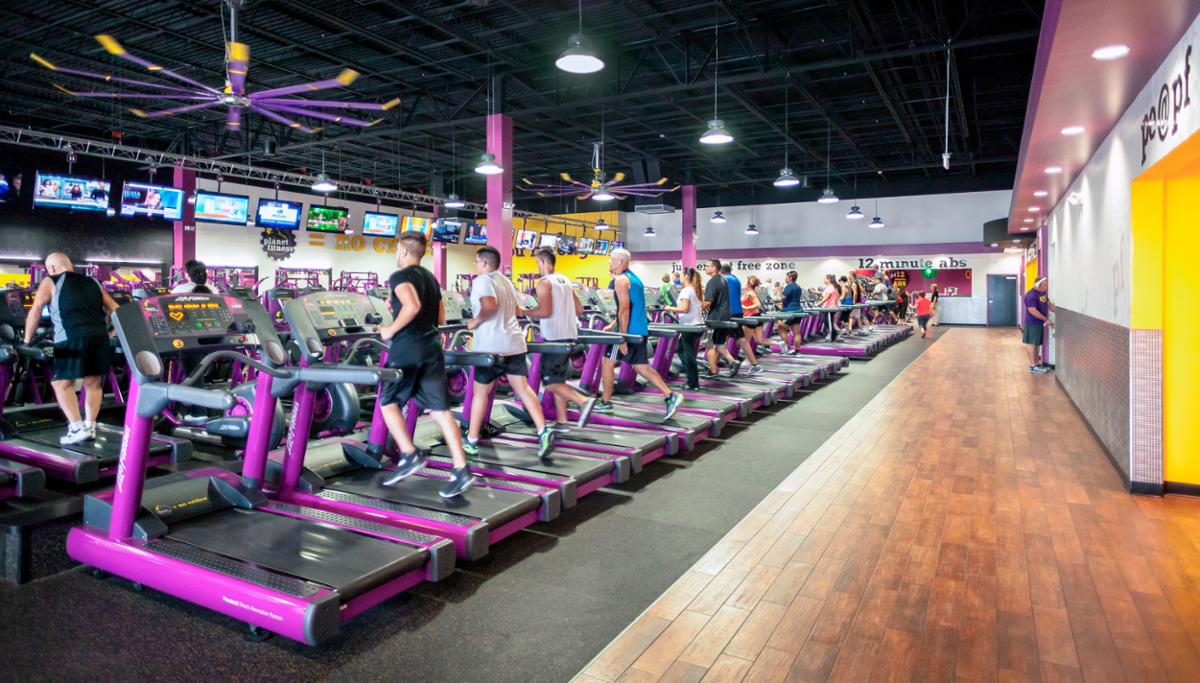









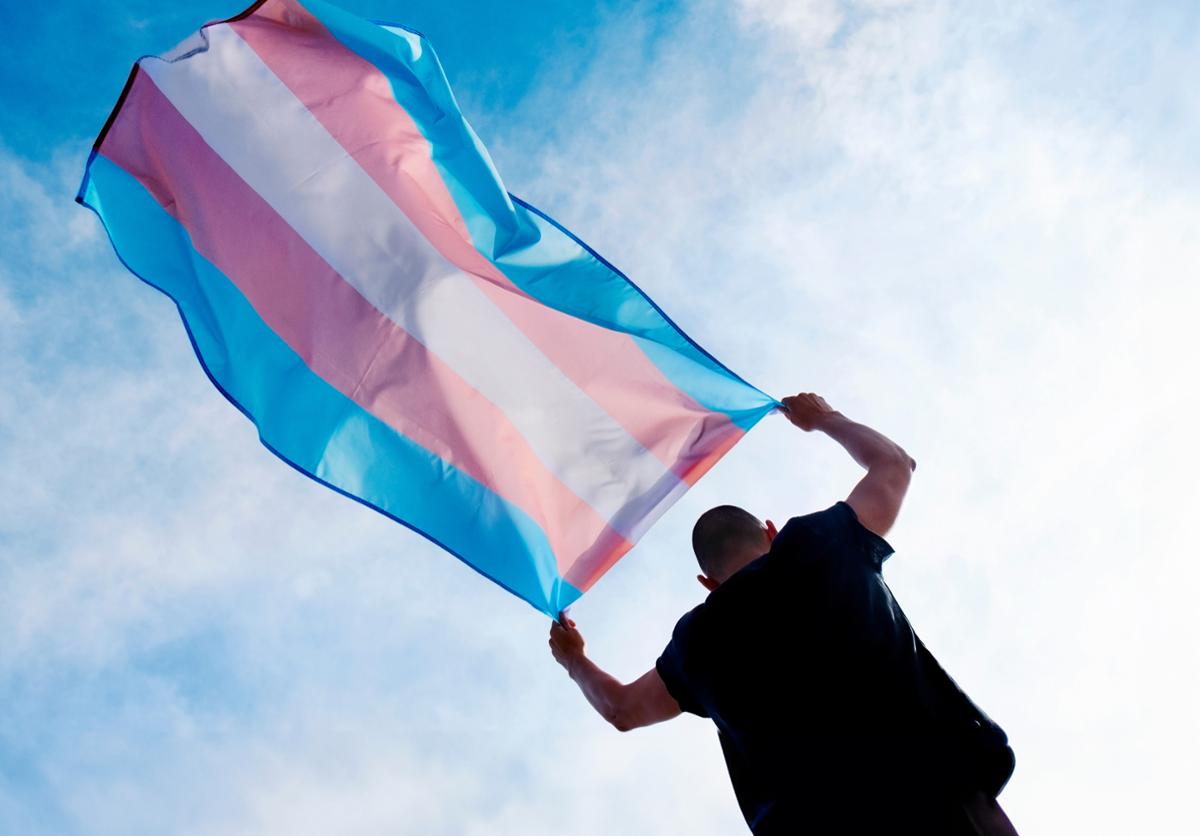
Health club operators have been running into challenges around locker room policy. Planet Fitness saw US$400m wiped off its share price last month, received bomb threats and was subjected to a “go woke, go broke” campaign when a woman posted a video on social media of a trans person shaving in the female locker rooms.
The situation was further inflamed when the female member took to social media again about her membership being cancelled for videoing in the locker rooms and Planet Fitness co-founder, Mike Grondahl – who’s no longer with the business – took the opportunity to jump on board to criticise his former company with transphobic comments.
This situation could potentially occur anywhere, especially since Planet Fitness followed industry guidance – which is informed by equality legislation – to allow the trans woman to use the locker room of the gender with which she identified.
The challenges
Also impacted is David Lloyd Leisure, which follows UK Active guidance and has been criticised by a former member for allowing trans women to use the female locker room.
She says she was mis-sold and wants access to changing areas for herself and her two daughters that are allocated according to their biological sex at birth, saying she doesn’t feel safe in the changing rooms if trans women – or as she puts it “a man who says he’s not a man” – are allowed there. She has mounted a legal challenge in relation to this, which remains in progress.
A spokesperson from David Lloyd Leisure told HCM: “We always seek to comply with the current legislation and believe that we acted within the law, while balancing the needs of all our members.”
The way forward
Both Planet Fitness and David Lloyd Leisure acted in accordance with legislation and industry guidance, yet have still faced challenges. It’s such an emotive matter that it looks as though following the letter of the law is not enough to avoid issues arising.
HCM editor, Liz Terry, says: "We can all agree that the health club industry is in the business of making all members, guests, customers and staff feel safe and welcome.
"Current industry guidelines focus on outlining the legal position in relation to people who are trans, but existing legislation doesn’t take into account the human aspect for all concerned – trans customers, other customers and staff.
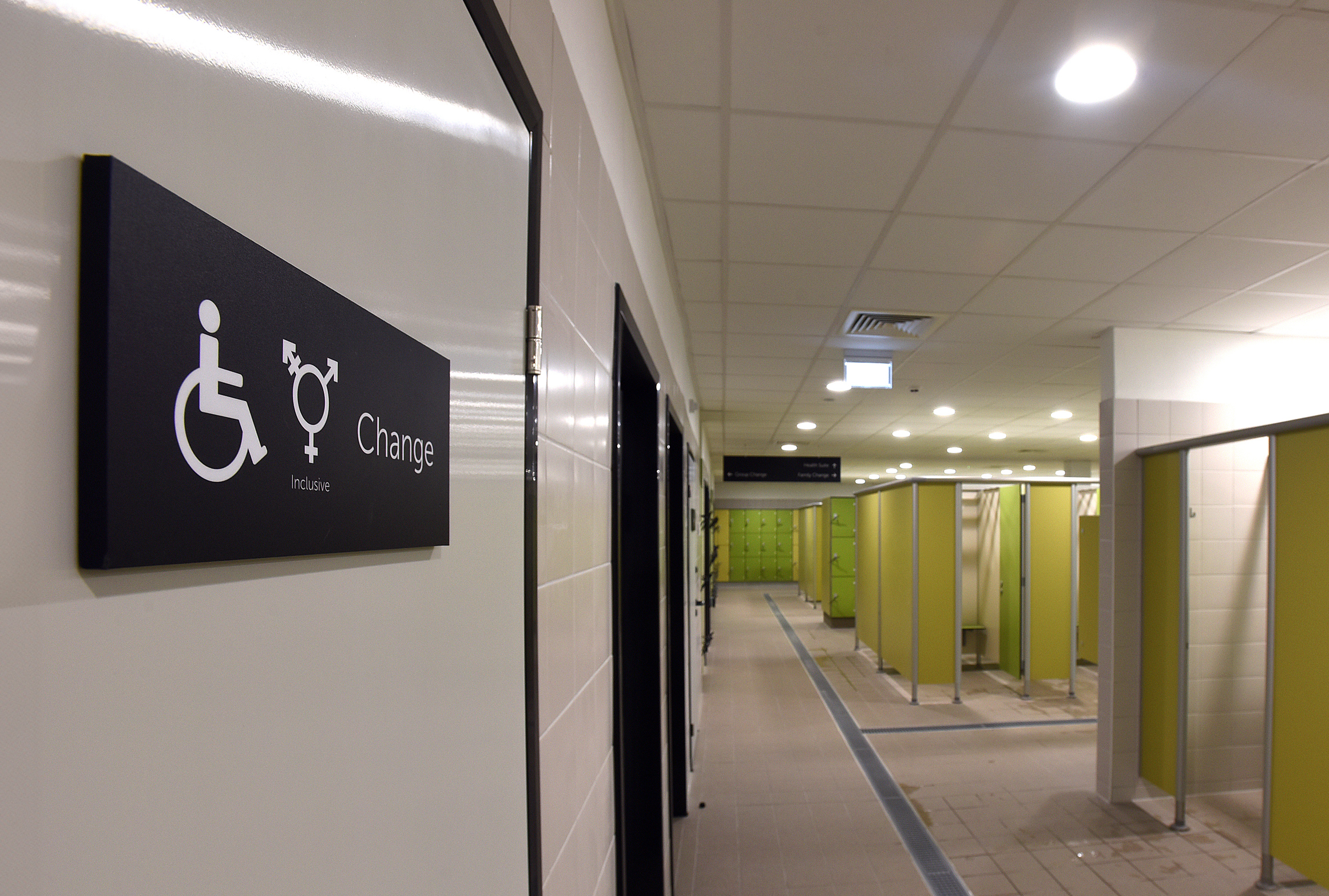
"We can go beyond the basic legal requirements as an industry by being smart about changing room design to ensure all feel safe, comfortable and at ease.
"It's important to also factor in training, so health club staff are fully equipped to deal with all queries with kindness and confidence and we’re fortunate that excellent trans awareness training is widely available.
"The numbers of people in the world undergoing gender reassignment, or identifying their sex in their own individual way is increasing,” says Terry. “Operators need to be ahead of this and ready with sensible, compassionate and effective solutions to ensure all customers are keen to return and enjoy the huge benefits of exercise and community that our industry offers”.
Smart changing room design
Keith Ashton, CEO at Space & Place architects believes that even where space is limited within facilities, the industry can find elegant changing room solutions that enable all members, visitors and guests to feel comfortable, safe and secure if decisions around design and provision are based on a spirit of inclusivity.
“Changing rooms can be redesigned to be gender-neutral, so there are safe spaces for everyone,” he told HCM. “As soon as segregation occurs, there’s potential to cause upset and division.”
To enable this, changing room technology also needs to evolve, says Ashton: “Changing cubicles also need to be designed to be easy for operators to clean, while also making it impossible for those with bad intentions to spy under or over them, to ensure everyone feels safe in the space.”
The university health and fitness and sports sector is ahead of the game in making these changes and Space & Place has been working in this part of the sector for almost 50 years, says Ashton: “Universities have been specifying inclusive changing spaces for sometime,” he explains, “so there’s a wealth of best practice in this area that health club operators can utilise when addressing this change to their own facility design.”
How the law is evolving
In the UK, ambiguities surrounding the definition of ‘sex’ in the Equality Act 2010 have led the government to call for changes to be made. The UK’s Equalities Minister wants to redefine ‘sex’ to specifically refer to legal protections relating to people’s ‘biological sex’ – the sex assigned to them at birth.
The likely future Labour government in the UK also intends to protect single sex spaces and agrees that legal clarifications are needed, but there are no details yet about how this would be achieved.
Until these changes are made, organisations are relying on the guidance published by the Equality and Human Rights Commission (EHRC) and their industry bodies.
UK Active and CIMSPA have guidance that complies with the law and is revalidated annually. The guidance provides practical steps for operators when it comes to providing solutions for customers.
The Health and Fitness Association (formerly IHRSA) advocates that operators follow the law while also being welcoming. “We’re proud that our industry has built a legacy of understanding and a welcoming culture, building a sense of community in classes and programmes and other ways,” CEO Liz Clark told HCM. “We support and advocate that fitness facilities fully comply with local and state laws protecting access, which also includes many facilities’ use of equality and privacy policies.”
Ensuring awareness of the law among operators is vital. The trans community has been critical of those who ask for proof of their transition – such as a Gender Reassignment Certificate or an updated birth certificate – before allowing them to use the locker room of their choice.
Only a small proportion have this documentation because it’s difficult to get, so operators who ask for such proof are in danger of falling foul of the Equality Act 2010. Trans people don’t have to undergo medical interventions, or be diagnosed with gender dysmorphia, to be protected from discrimination.
Striking the balance
Sam Marshall, founder of the Be Trans Aware training course, says inclusion needs to start with policy and culture. If businesses genuinely want to welcome trans people they need to have trans and DEIB (diversity, equity, inclusion and belonging) policies in place and a culture which flows throughout the club, including representation in marketing.
She points out that many trans women are terrified when they come out and risk-assess places before they visit. Most trans women won’t use any locker rooms at the gym, as they fear being victimised in the female changing rooms and using the male locker rooms could put them at risk.
“In the light of these recent incidents, it would be worth operators sending out updates to their members highlighting their policies and showing they’re operating in accordance with the Equality Act 2010,” she said.
“There needs to be signage around the club showing it’s a trans-friendly space and these policies should be accessible online, so the trans community can see they're welcome and transphobic people are also aware,” she continued.
She also calls for the use of pronouns on emails, pronoun badges for the staff, enabling trans staff to feel safe working in the facility and for gyms to do something to give back to the LGBTQ+ community – for example, by allowing local trans groups to run sessions and supporting local pride events.
Most importantly, she says there should be access to lockable changing rooms rather than communal areas, which make many people self-conscious.
If this isn’t easy to offer, she suggests the accessible toilet could be used by anyone who feels uncomfortable: “Using the accessible toilet is a reasonable adjustment for any woman regardless of their trans status,” she says. “In these cases it becomes a safe space.”