



GET FIT TECH
Sign up for the FREE digital edition of Fit Tech magazine and also get the Fit Tech ezine and breaking news email alerts.
Not right now, thanksclose this window I've already subscribed!
The Leisure Media Company Ltd | Fit Tech promotion
features

Industry insights: The wellbeing trajectory

Oli Patrick shares seven areas he believes operators should prioritise to be on point with the wants and needs of consumers

Published in HCM Handbook 2025 issue 1

1. Cardio
VO2 max will move out of gyms and labs and into medical offices, corporate workplace wellness initiatives as an objective measure of cardiovascular fitness and a broader health and longevity marker.

VO2 could be seen as the overarching health and wellbeing marker and become a defining number to determine the volume and effectiveness of aerobic exercise.

One of the key challenges of anxiousness and high stress is difficulty in shifting body fat and regulating sleep. Educating younger members in particular that training light will help them to sleep and regulate their appetite – so improving their physique – ties into a more holistic way of thinking.

Up to 80 per cent of training volume should be in the low zone area and I expect to see more classes and group exercise at that low intensity which can fuse cardiovascular gains with an additional mood stabilising impact.

Cardio can also play a role in active relaxation: a much needed recovery and decompression tool for calming people who are hypervigilant or heading towards burnout.

2. Effectiveness
People will increasingly want to know whether the service they’re receiving or the product they’re using is effective. Is the dose evidence-based? What’s the efficacy and provenance of the ingredients? What protocols are being use and why were they chosen? More evidence will be required for an increasingly discerning audience to engage with products and services. The language used by fitness professionals will need to sharpen to become more science-based and outcome-focused to meet consumer questioning.

3. Light therapy
Light therapy will have its moment. Infrared sauna is becoming a key modality for fitness operators. Red light therapy offers 55 to 65 degree ambient temperatures, with embedded photobiomodulation, which mimics cardiovascular exercise to activate all the benefits of heat, but also supports relaxation, stress management and sleep.

We’ll also see blue light devices. Blue light at the same frequencies as natural sunlight can trigger the hormone cascade that manages our circadian rhythm. We need that in the morning, so we might find gyms either deploying circadian lighting, so they’ve got brighter lights in the morning, darker in the evening, but more importantly, we’ll see the rise of consumers interested in how they get first morning light, that could mean well tech, or morning walking and running clubs.

4. Fibre
The bedrock of the gut microbiome, fibre is probably the most missing nutrient from the average household. Making fibre the hero will be the opportunity for people to go back to whole food versus the ultra-processed tsunami we’re surfing.

There’s an obsession with protein, which is valid, but clouds the judgment so people forget about fibre. We need to go back to the roots of eating food instead of post-exercise protein supplements. I think protein has had its year. It’s still relevant, but fibre needs to get back on the map.

5. Social wellness
Being with people, performing non-essential tasks, is a huge part of our pleasure. But more people are feeling lonely and isolated. The fractured workforce and remote working patterns means many young people won’t build the social bonds that Gen X and Millennials have, so will have to find new ways of finding their people. Sport is the easiest modality for dropping barriers – so we’ll start to see more social clubs, such as for running or cold water swimming. Padel is so popular because it’s a four-person game. Extending the social outreach of facilities to broader hobbies would be a logical play – for example starting chess clubs or art classes.

6. Quantified self
The quantified self will blur between medicine, medical data, lifestyle data and functional data. Every individual piece of hardware and software wants to own the customer, and at the moment the data is in silos that never quite bind together and seem to sit separately from the fitness industry. The data won’t slow down, so understanding where we sit in the ecosystem will be important this year.

The search for the data aggregator will begin. The question mark is whether the fitness industry can absorb and use that data more effectively, or sit outside of that picture. Operators will have to decide whether they want to just pretend it’s not happening, or whether they want to train their teams in wearables, lifestyle data and health data and then ensure that embeds into programming and progression.

7. Brain health
The rise in people looking to optimise their brain is running concurrently with a global neurocognitive decline. There’s a pandemic in the increasing rate of dementia and Alzheimer’s and a new generation who are interested in preventing these outcomes.

Anyone worried about their brain health should already be in a fitness facility and fitness professionals need to be able to understand brain health.

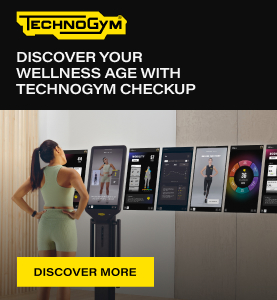
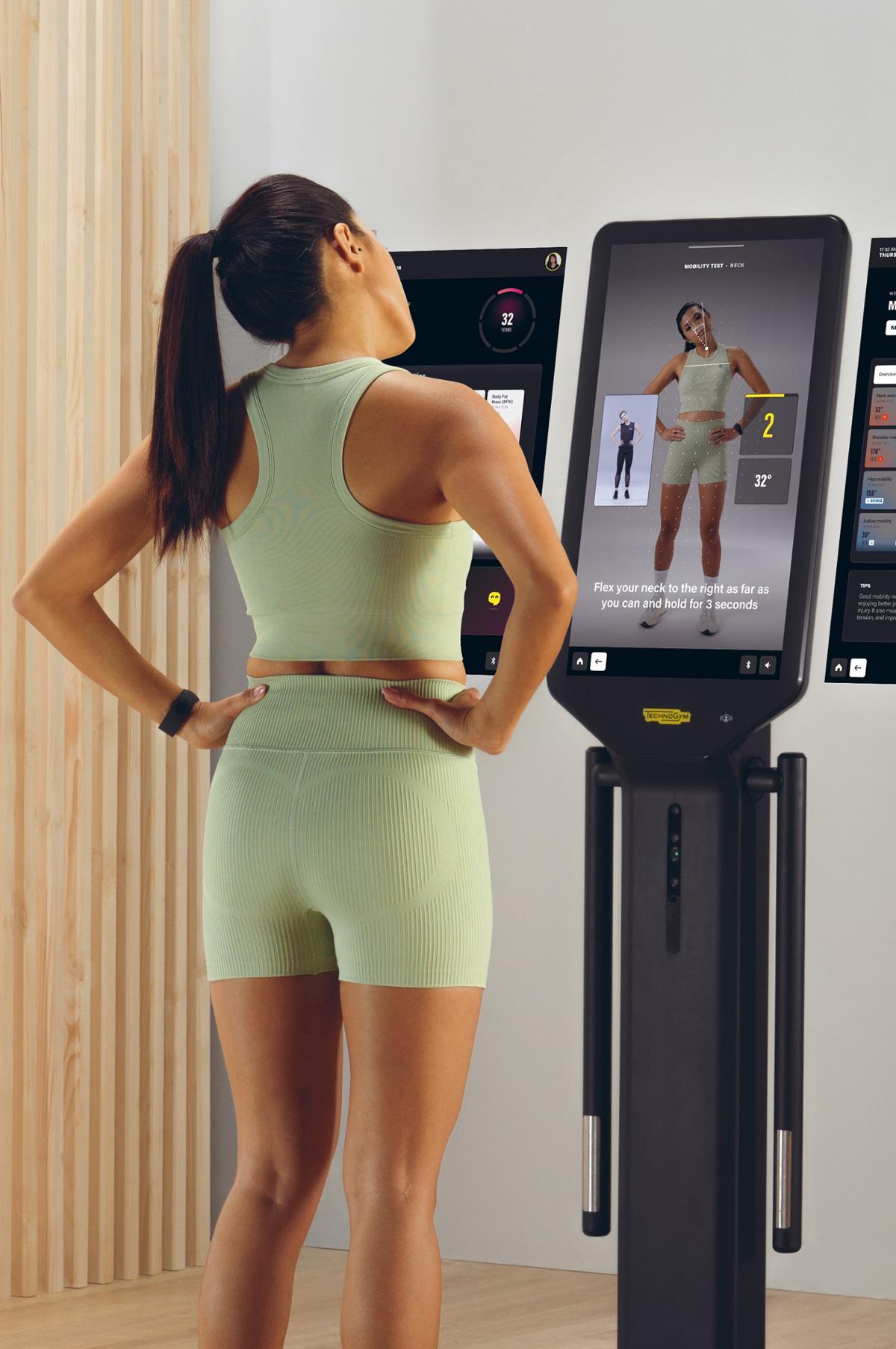
Technogym Checkup has kicked off the trend, using a cognitive test in a gym assessment for the first time and I think we’ll also see a rise in cognitive testing, reflex and neuro-cognitive testing, to include potential functional markers.

Objective measurements of the brain through EEG are becoming more accessible with companies, such as Wavi, doing brain mapping, which allow us to measure the impact of lifestyle on the brain: the role of exercise, the role of blood glucose control and increasing ranges of nootropics and adaptogens that are targeted at the brain – most notably products that are mushroom centric, such as lion’s mane.

There will also be an increased focus on the role cardiorespiratory fitness, sleep, nutrition and blood glucose control play in brain function.

Oli Patrick has 25 years’ experience as a physiologist and wellbeing specialist and is also the co-founder of both Future Practice and Pillar Wellbeing


Sign up here to get Fit Tech's weekly ezine and every issue of Fit Tech magazine free on digital.
Gallery
More features
Editor's letter

Into the fitaverse

Fitness is already among the top three markets in the metaverse, with new technology and partnerships driving real growth and consumer engagement that looks likely to spill over into health clubs, gyms and studios
Fit Tech people

Ali Jawad

Paralympic powerlifter and founder, Accessercise
Users can easily identify which facilities in the UK are accessible to the disabled community
Fit Tech people

Hannes Sjöblad

MD, DSruptive
We want to give our users an implantable tool that allows them to collect their health data at any time and in any setting
Fit Tech people

Jamie Buck

Co-founder, Active in Time
We created a solution called AiT Voice, which turns digital data into a spoken audio timetable that connects to phone systems
Profile

Fahad Alhagbani: reinventing fitness

Let’s live in the future to improve today
Opinion

Building on the blockchain

For small sports teams looking to compete with giants, blockchain can be a secret weapon explains Lars Rensing, CEO of Protokol
Innovation

Bold move

We ended up raising US$7m in venture capital from incredible investors, including Andreessen Horowitz, Khosla Ventures, Primetime Partners, and GingerBread Capital
App analysis

Check your form

Sency’s motion analysis technology is allowing users to check their technique as they exercise. Co-founder and CEO Gal Rotman explains how
Profile

New reality

Sam Cole, CEO of FitXR, talks to Fit Tech about taking digital workouts to the next level, with an immersive, virtual reality fitness club
Profile

Sohail Rashid

My vision was to create a platform that could improve the sport for lifters at all levels and attract more people, similar to how Strava, Peloton and Zwift have in other sports
Ageing

Reverse Ageing

Many apps help people track their health, but Humanity founders Peter Ward and Michael Geer have put the focus on ageing, to help users to see the direct repercussions of their habits. They talk to Steph Eaves
App analysis

Going hybrid

Workout Anytime created its app in partnership with Virtuagym. Workout Anytime’s Greg Maurer and Virtuagym’s Hugo Braam explain the process behind its creation
Research

Physical activity monitors boost activity levels

Researchers at the University of Copenhagen have conducted a meta analysis of all relevant research and found that the body of evidence shows an impact
Editor's letter

Two-way coaching

Content providers have been hugely active in the fit tech market since the start of the pandemic. We expect the industry to move on from delivering these services on a ‘broadcast-only’ basis as two-way coaching becomes the new USP
Fit Tech People

Laurent Petit

Co-founder, Active Giving
The future of sports and fitness are dependent on the climate. Our goal is to positively influence the future of our planet by instilling a global vision of wellbeing and a sense of collective action
Fit Tech People

Adam Zeitsiff

CEO, Intelivideo
We don’t just create the technology and bail – we support our clients’ ongoing hybridisation efforts
Fit Tech People

Anantharaman Pattabiraman

CEO and co-founder, Auro
When you’re undertaking fitness activities, unless you’re on a stationary bike, in most cases it’s not safe or necessary to be tied to a screen, especially a small screen
Fit Tech People

Mike Hansen

Managing partner, Endorphinz
We noticed a big gap in the market – customers needed better insights but also recommendations on what to do, whether that be customer acquisition, content creation, marketing and more
More features
Taylor Made Designs offer health clubs a fully-managed end-to-end service. From garment design to sourcing, ...
FIBO pursues the vision of a strong and healthy society and as a global network ...
22-23 Sep 2026
Four Seasons Hotel Bangkok at Chao Phraya River, Bangkok , Thailand
Taylor Made Designs offer health clubs a fully-managed end-to-end service. From garment design to sourcing, ...
FIBO pursues the vision of a strong and healthy society and as a global network ...
Get Fit Tech
Sign up for the free Fit Tech ezine and breaking news alerts
Sign up
22-23 Sep 2026
Four Seasons Hotel Bangkok at Chao Phraya River, Bangkok , Thailand

latest fit tech news

PureGym is encouraging people to step away from their screens and go for a walk, in a new initiative timed ...
news • 29 May 2026
Active people app, Strava, has overhauled its strength training experience, allowing gym-goers to automatically log and share their lifts from ...
news • 27 May 2026

Fitness First UK is embracing digital wellness technology by installing Kip’s tap-to-activate phone controls across its UK estate. Kip tags ...
news • 22 May 2026
The world’s first awareness ring has been launched. Designed to promote presence, focus and calm via gentle haptic vibrations, the ...
news • 13 May 2026
Center Parcs’ Aqua Sana Forest Spa, Woburn Forest, UK, has transformed an unused space into a touchless wellness area called ...
news • 12 May 2026
Gharieni Group has launched a new company, Cobotics Innovations, to create automated wellness experiences. The first solution is a robotic ...
product innovation • 07 May 2026

US-based robotics wellness company Aescape Inc has entered insolvency proceedings following the sale of substantially all of its ...

news • 06 May 2026
Fitness platform, Zing Coach, has teamed up with Les Mills, in a partnership that gives its users access to group ...
news • 23 Apr 2026

TMActive is launching a new Active Wellbeing Studio next month in Tonbridge, UK, specifically aimed at people who face higher ...
news • 13 Apr 2026

Indian billionaire, Deepinder Goyal, is working on a device called Temple that aims to track blood flow to the brain ...
news • 10 Apr 2026
More fit tech news
features

Industry insights: The wellbeing trajectory

Oli Patrick shares seven areas he believes operators should prioritise to be on point with the wants and needs of consumers

Published in HCM Handbook 2025 issue 1

1. Cardio
VO2 max will move out of gyms and labs and into medical offices, corporate workplace wellness initiatives as an objective measure of cardiovascular fitness and a broader health and longevity marker.

VO2 could be seen as the overarching health and wellbeing marker and become a defining number to determine the volume and effectiveness of aerobic exercise.

One of the key challenges of anxiousness and high stress is difficulty in shifting body fat and regulating sleep. Educating younger members in particular that training light will help them to sleep and regulate their appetite – so improving their physique – ties into a more holistic way of thinking.

Up to 80 per cent of training volume should be in the low zone area and I expect to see more classes and group exercise at that low intensity which can fuse cardiovascular gains with an additional mood stabilising impact.

Cardio can also play a role in active relaxation: a much needed recovery and decompression tool for calming people who are hypervigilant or heading towards burnout.

2. Effectiveness
People will increasingly want to know whether the service they’re receiving or the product they’re using is effective. Is the dose evidence-based? What’s the efficacy and provenance of the ingredients? What protocols are being use and why were they chosen? More evidence will be required for an increasingly discerning audience to engage with products and services. The language used by fitness professionals will need to sharpen to become more science-based and outcome-focused to meet consumer questioning.

3. Light therapy
Light therapy will have its moment. Infrared sauna is becoming a key modality for fitness operators. Red light therapy offers 55 to 65 degree ambient temperatures, with embedded photobiomodulation, which mimics cardiovascular exercise to activate all the benefits of heat, but also supports relaxation, stress management and sleep.

We’ll also see blue light devices. Blue light at the same frequencies as natural sunlight can trigger the hormone cascade that manages our circadian rhythm. We need that in the morning, so we might find gyms either deploying circadian lighting, so they’ve got brighter lights in the morning, darker in the evening, but more importantly, we’ll see the rise of consumers interested in how they get first morning light, that could mean well tech, or morning walking and running clubs.

4. Fibre
The bedrock of the gut microbiome, fibre is probably the most missing nutrient from the average household. Making fibre the hero will be the opportunity for people to go back to whole food versus the ultra-processed tsunami we’re surfing.

There’s an obsession with protein, which is valid, but clouds the judgment so people forget about fibre. We need to go back to the roots of eating food instead of post-exercise protein supplements. I think protein has had its year. It’s still relevant, but fibre needs to get back on the map.

5. Social wellness
Being with people, performing non-essential tasks, is a huge part of our pleasure. But more people are feeling lonely and isolated. The fractured workforce and remote working patterns means many young people won’t build the social bonds that Gen X and Millennials have, so will have to find new ways of finding their people. Sport is the easiest modality for dropping barriers – so we’ll start to see more social clubs, such as for running or cold water swimming. Padel is so popular because it’s a four-person game. Extending the social outreach of facilities to broader hobbies would be a logical play – for example starting chess clubs or art classes.

6. Quantified self
The quantified self will blur between medicine, medical data, lifestyle data and functional data. Every individual piece of hardware and software wants to own the customer, and at the moment the data is in silos that never quite bind together and seem to sit separately from the fitness industry. The data won’t slow down, so understanding where we sit in the ecosystem will be important this year.

The search for the data aggregator will begin. The question mark is whether the fitness industry can absorb and use that data more effectively, or sit outside of that picture. Operators will have to decide whether they want to just pretend it’s not happening, or whether they want to train their teams in wearables, lifestyle data and health data and then ensure that embeds into programming and progression.

7. Brain health
The rise in people looking to optimise their brain is running concurrently with a global neurocognitive decline. There’s a pandemic in the increasing rate of dementia and Alzheimer’s and a new generation who are interested in preventing these outcomes.

Anyone worried about their brain health should already be in a fitness facility and fitness professionals need to be able to understand brain health.

Technogym Checkup has kicked off the trend, using a cognitive test in a gym assessment for the first time and I think we’ll also see a rise in cognitive testing, reflex and neuro-cognitive testing, to include potential functional markers.

Objective measurements of the brain through EEG are becoming more accessible with companies, such as Wavi, doing brain mapping, which allow us to measure the impact of lifestyle on the brain: the role of exercise, the role of blood glucose control and increasing ranges of nootropics and adaptogens that are targeted at the brain – most notably products that are mushroom centric, such as lion’s mane.

There will also be an increased focus on the role cardiorespiratory fitness, sleep, nutrition and blood glucose control play in brain function.

Oli Patrick has 25 years’ experience as a physiologist and wellbeing specialist and is also the co-founder of both Future Practice and Pillar Wellbeing
Sign up here to get Fit Tech's weekly ezine and every issue of Fit Tech magazine free on digital.
Gallery
More features
Editor's letter

Into the fitaverse

Fitness is already among the top three markets in the metaverse, with new technology and partnerships driving real growth and consumer engagement that looks likely to spill over into health clubs, gyms and studios
Fit Tech people

Ali Jawad

Paralympic powerlifter and founder, Accessercise
Users can easily identify which facilities in the UK are accessible to the disabled community
Fit Tech people

Hannes Sjöblad

MD, DSruptive
We want to give our users an implantable tool that allows them to collect their health data at any time and in any setting
Fit Tech people

Jamie Buck

Co-founder, Active in Time
We created a solution called AiT Voice, which turns digital data into a spoken audio timetable that connects to phone systems
Profile

Fahad Alhagbani: reinventing fitness

Let’s live in the future to improve today
Opinion

Building on the blockchain

For small sports teams looking to compete with giants, blockchain can be a secret weapon explains Lars Rensing, CEO of Protokol
Innovation

Bold move

We ended up raising US$7m in venture capital from incredible investors, including Andreessen Horowitz, Khosla Ventures, Primetime Partners, and GingerBread Capital
App analysis

Check your form

Sency’s motion analysis technology is allowing users to check their technique as they exercise. Co-founder and CEO Gal Rotman explains how
Profile

New reality

Sam Cole, CEO of FitXR, talks to Fit Tech about taking digital workouts to the next level, with an immersive, virtual reality fitness club
Profile

Sohail Rashid

My vision was to create a platform that could improve the sport for lifters at all levels and attract more people, similar to how Strava, Peloton and Zwift have in other sports
Ageing

Reverse Ageing

Many apps help people track their health, but Humanity founders Peter Ward and Michael Geer have put the focus on ageing, to help users to see the direct repercussions of their habits. They talk to Steph Eaves
App analysis

Going hybrid

Workout Anytime created its app in partnership with Virtuagym. Workout Anytime’s Greg Maurer and Virtuagym’s Hugo Braam explain the process behind its creation
Research

Physical activity monitors boost activity levels

Researchers at the University of Copenhagen have conducted a meta analysis of all relevant research and found that the body of evidence shows an impact
Editor's letter

Two-way coaching

Content providers have been hugely active in the fit tech market since the start of the pandemic. We expect the industry to move on from delivering these services on a ‘broadcast-only’ basis as two-way coaching becomes the new USP
Fit Tech People

Laurent Petit

Co-founder, Active Giving
The future of sports and fitness are dependent on the climate. Our goal is to positively influence the future of our planet by instilling a global vision of wellbeing and a sense of collective action

Fit Tech People

Adam Zeitsiff

CEO, Intelivideo
We don’t just create the technology and bail – we support our clients’ ongoing hybridisation efforts
Fit Tech People

Anantharaman Pattabiraman

CEO and co-founder, Auro
When you’re undertaking fitness activities, unless you’re on a stationary bike, in most cases it’s not safe or necessary to be tied to a screen, especially a small screen
Fit Tech People

Mike Hansen

Managing partner, Endorphinz
We noticed a big gap in the market – customers needed better insights but also recommendations on what to do, whether that be customer acquisition, content creation, marketing and more
More features