



The Leisure Media Company Ltd | Fit Tech promotion
features

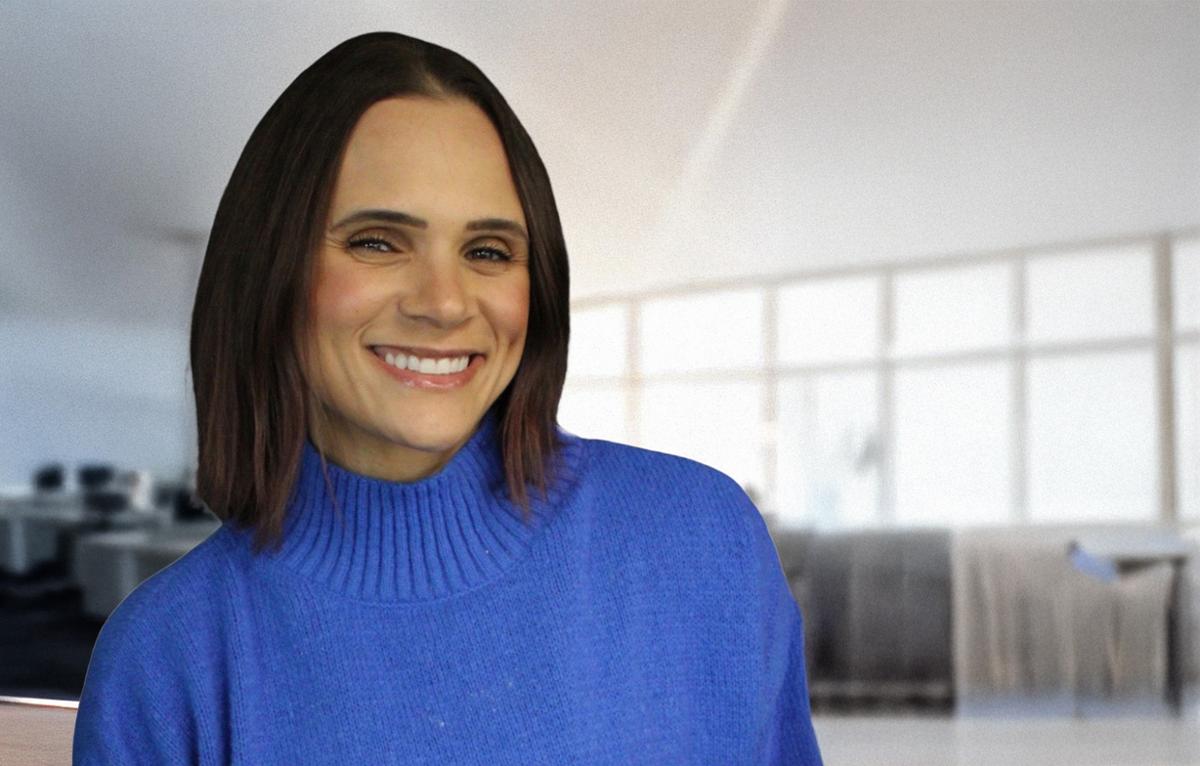
HCM people: Brittany LeBoeuf

Orangetheory Fitness: brain expert

One great thing about a group fitness class is not having phones and being immersed in the experience

Published in Health Club Management 2025 issue 6

What’s your role at Orangetheory Fitness?
I’m an applied exercise physiologist and research scientist at Orangetheory Fitness, so I oversee research projects and work in tandem with our fitness design team to ensure our workouts are the most beneficial for our members. I then communicate these evidence-based ideas to our coaches and members, making what the scientists say applicable for our coaches and members.

More research is emerging all the time about the impact of exercise and nutrition on brain-related illnesses and chronic diseases and we’re going to keep getting more robust evidence that will allow us to build stronger recommendations for certain groups of people.

We work on three areas: endurance, strength and power to engage the body in different ways. Our workouts prime the body's physiological systems to improve balance and strength and aerobic capability. Our aim is to support our members throughout their lives, as well as improving their cognitive wellness.

Brain fitness is having a moment, why do you think this is?
People are looking for benefits of exercise beyond just aesthetics, for example longevity. People are ageing, they’re stressed and struggling with their mental health and as a result they’re looking for evidence that exercise can help with these issues.

Cognitive wellness has also become a bigger topic of conversation. Thanks to more research being done on this topic, we know more than we used to about how exercise can positively benefit the brain.

How can you optimise brain health?
There are four foundational health pillars – movement, nutrition, stress management and sleep – and it’s important to focus on all of them. Consistently participating in exercise is one of the best things you can do. I'm a strong proponent of anything is better than nothing.

Aerobic exercise, especially if it's moderate intensity or higher, stimulates the release of brain derived neurotrophic factors (BDNF), which support mood regulation: the euphoric feeling often referred to as a runner's high. Moderate to vigorous intensity is also helpful because it allows the person to escape their stresses.

There are also studies that have found participation in resistance training can stimulate regions related to the memory, including the hippocampus. Sports also give the added benefit of social interaction, which is good for brain health.

Eating a healthy, balanced diet definitely plays a factor in managing health and as chronic stress is detrimental to our health, working on stress reduction strategies is important, as is quality sleep.

Working on all the foundational health habits will help individuals to improve their overall health, brain health and reach their goals.

What can people do to improve sleep?
The sleep strategies I recommend are not complicated, but they tend to be difficult for many people, such as limiting screen time one to two hours prior to laying down for the night. Reading before bed is much better.

Not sleeping with your cell phone in your room is another one – unless using a meditation app to get to sleep – so there is not the temptation to scroll in the middle of the night, which does happen and is a really poor sleep habit.

The constant influx of information is really overwhelming to us as humans. We aren't designed to be able to carry that, so it's leading to chronic stress which can contribute to issues with quality sleep. We need to give ourselves time to detach from our phones.

A dark, cool environment can be helpful for better quality sleep, as is establishing a consistent night time routine. Doing these things consistently will bring about a difference pretty quickly.

What is the information overload from phones doing to our brains?
We don’t have the data yet, but I think we are likely to see a decline in brain health if individuals are not participating in counteractive measures, such as limiting screen time and managing stress.

By and large, what we consume on a regular basis impacts our thoughts, emotions and stress levels, which can impact things such as hormones, sleep and overall health. The good work done with exercise and nutrition can be undone by participating in things that increase stress.

Focusing on health and just being aware of it is a really powerful tool. Not every day is going to be perfect and sometimes we can't control stressful environments, but we do have the power to control how much we scroll on our phones, to take a walk and not to watch really traumatic TV shows.

It’s also important to be aware of how negative things impact us, so we start to become more discerning about what we engage in. Many young people feel their whole world is Snapchat and Tiktok – they don't want to miss out on anything and want to be connected to their friends all the time. Many are also anxious and struggling with aspects of their mental health.

When I work with young people it’s astounding how well they respond to being separated from their phones. When someone else tells them to put their phone away they feel a sense of relief. At first they say they don't know what to do with their hands, but once they get past that, they say they feel amazing. They say their brains feel so much better, they feel free. I've had countless experiences like that, especially with girls.

One great thing about a group fitness class is not having phones and being immersed in the experience. We know our members crave the interactions and experience of a fitness studio, as well as the feeling of having done something really hard and accomplishing it.
Insight: Brain science
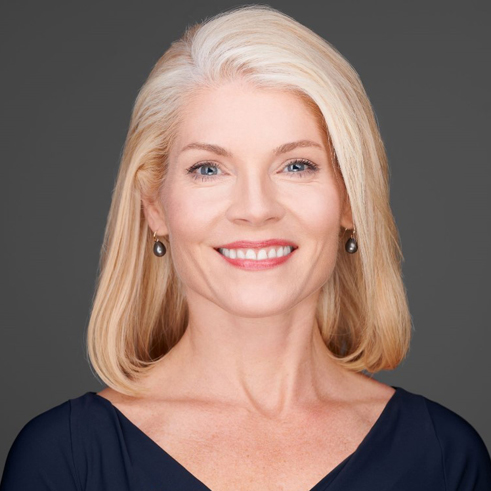
HCM talks to Lauren Cody, brand president at Orangetheory Fitness
Lauren Cody
Why does Orangetheory Fitness employ a brain expert?

Longevity planning is rightly gaining momentum, and I believe it’s because people are beginning to view wellness through a more complete, longevity-driven lens. We’re not just talking about physical strength anymore, we’re talking about sharper thinking, better memory, emotional resilience and living a longer, more vibrant life.

Today’s consumer wants more than just a workout – they’re seeking long-term support for how they feel, think and function. That’s exactly what our programming is designed to deliver. Orangetheory’s combination of cardiovascular interval training and strength work drives physical results and supports cognitive performance by boosting memory, focus and neuroplasticity.

As wellness continues to evolve, we’re well-positioned to meet the demands of a more informed, longevity-minded member. While trends like nootropics and neurostimulation gain attention, we remain focused on what’s proven: movement is one of the most powerful tools for brain health. At Orangetheory, our priority is to translate science into accessible, effective experiences that benefit both body and mind.

We’re not just talking about physical strength anymore, we’re talking about sharper thinking, better memory, emotional resilience and living a longer, more vibrant life
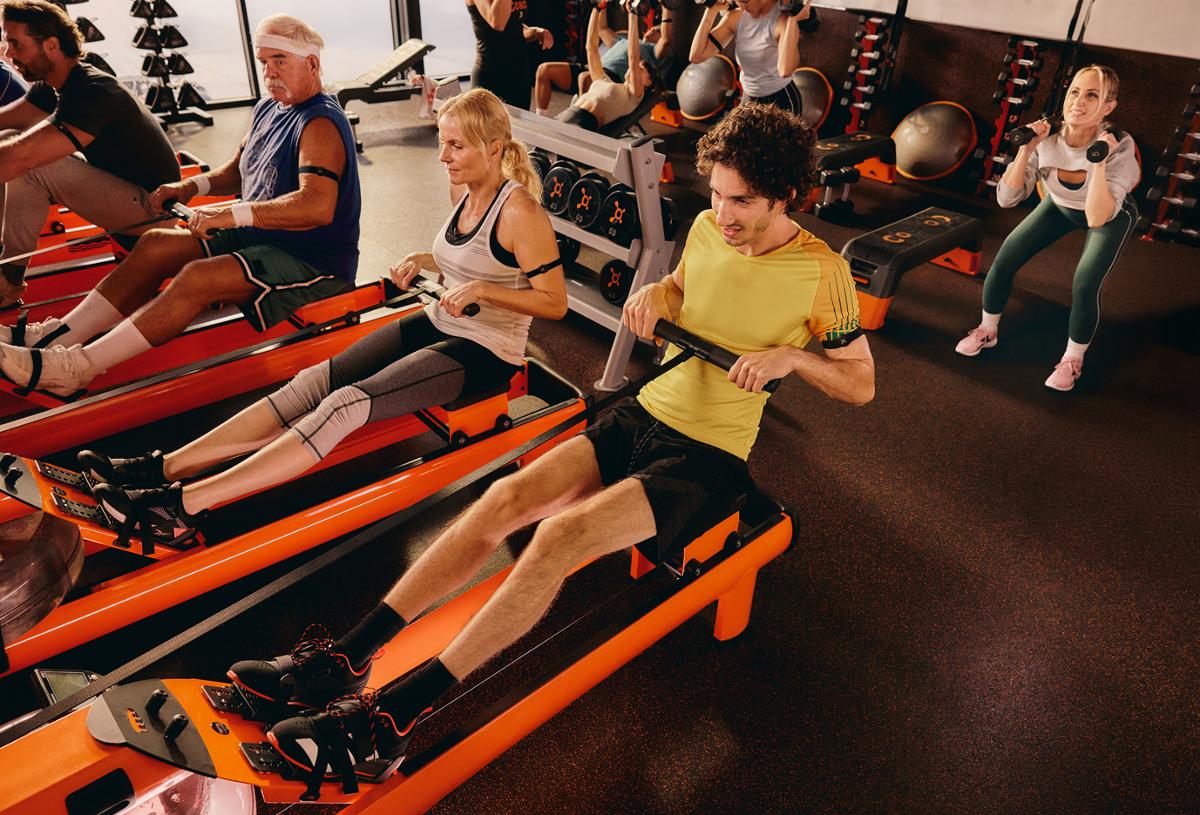
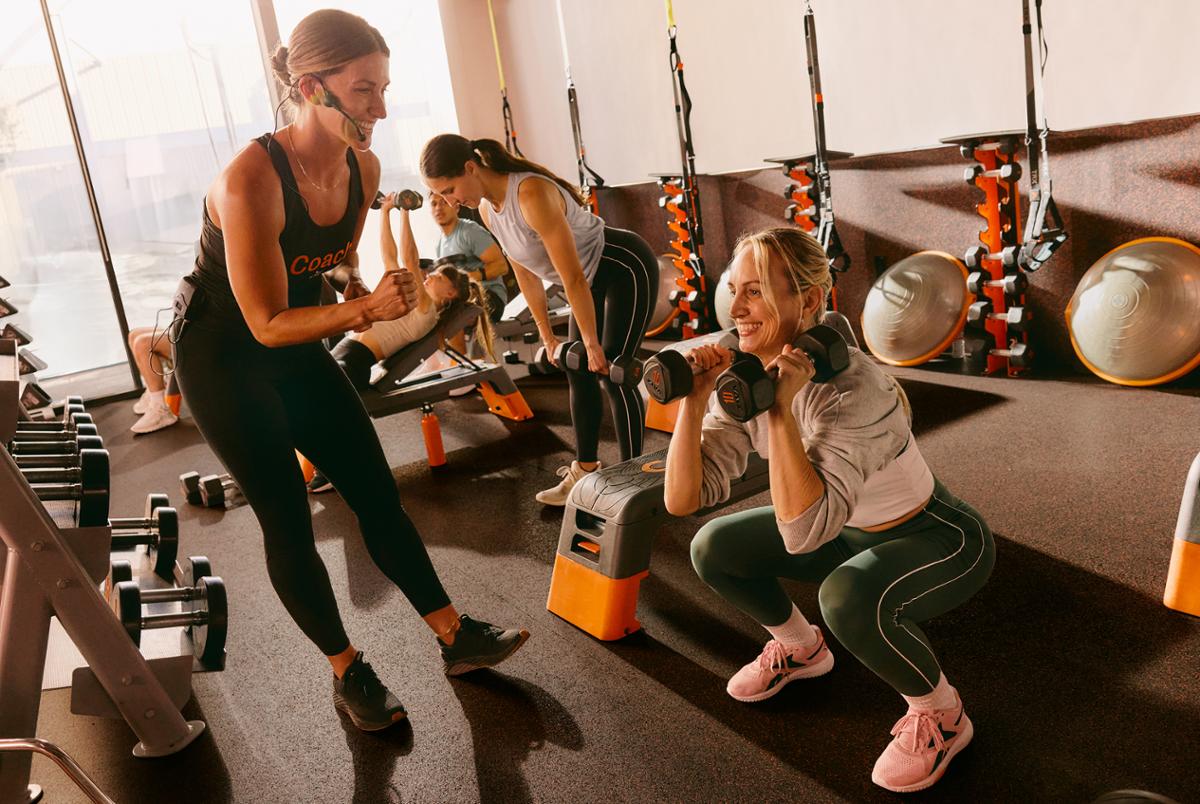
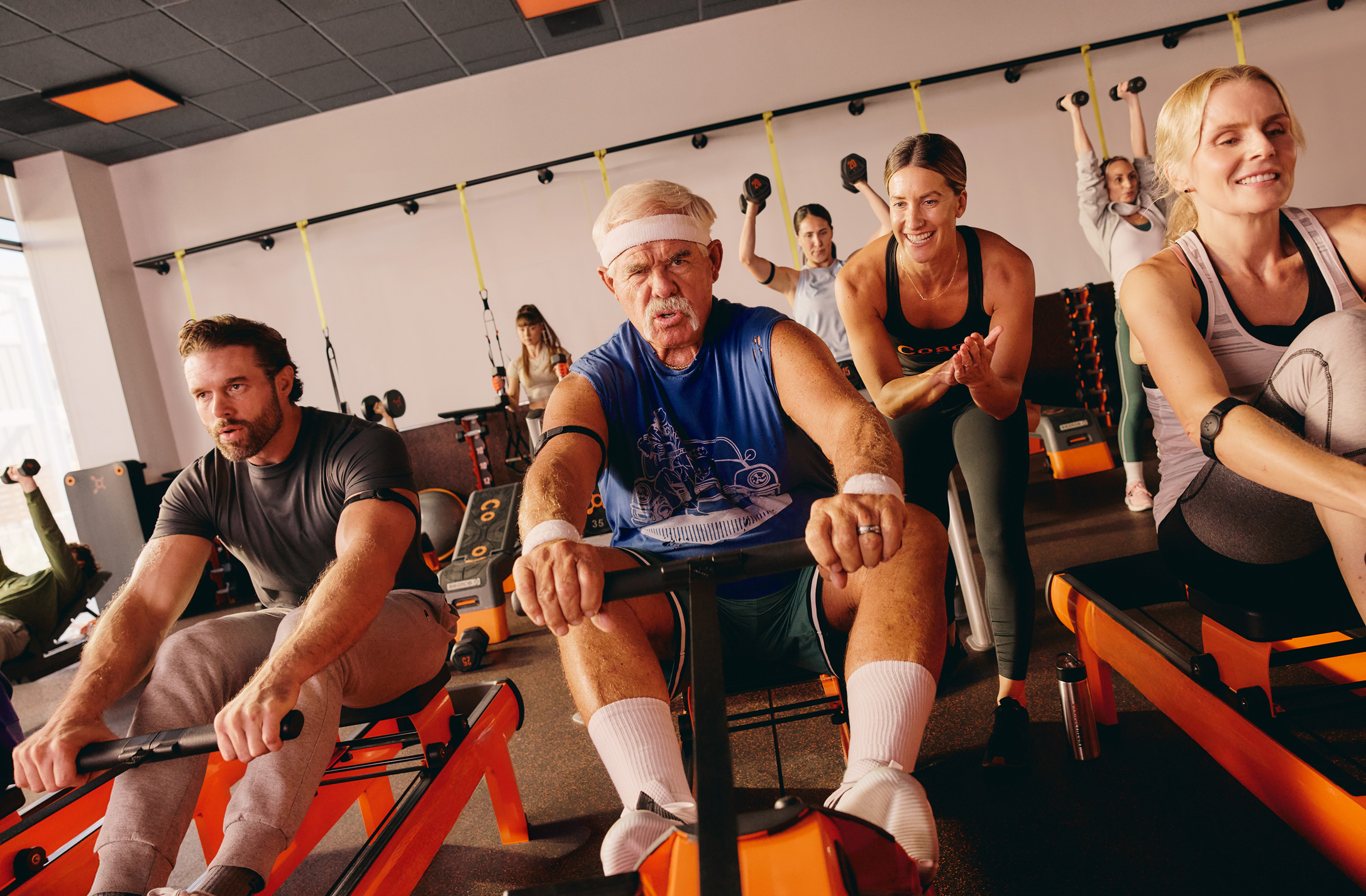
Exercise boosts memory, focus and neuroplasticity / photo: Orangetheory Fitness
Sign up here to get Fit Tech's weekly ezine and every issue of Fit Tech magazine free on digital.
Gallery
More features
Editor's letter

Into the fitaverse

Fitness is already among the top three markets in the metaverse, with new technology and partnerships driving real growth and consumer engagement that looks likely to spill over into health clubs, gyms and studios
Fit Tech people

Ali Jawad

Paralympic powerlifter and founder, Accessercise
Users can easily identify which facilities in the UK are accessible to the disabled community
Fit Tech people

Hannes Sjöblad

MD, DSruptive
We want to give our users an implantable tool that allows them to collect their health data at any time and in any setting
Fit Tech people

Jamie Buck

Co-founder, Active in Time
We created a solution called AiT Voice, which turns digital data into a spoken audio timetable that connects to phone systems
Profile

Fahad Alhagbani: reinventing fitness

Let’s live in the future to improve today
Opinion

Building on the blockchain

For small sports teams looking to compete with giants, blockchain can be a secret weapon explains Lars Rensing, CEO of Protokol
Innovation

Bold move

We ended up raising US$7m in venture capital from incredible investors, including Andreessen Horowitz, Khosla Ventures, Primetime Partners, and GingerBread Capital
App analysis

Check your form

Sency’s motion analysis technology is allowing users to check their technique as they exercise. Co-founder and CEO Gal Rotman explains how
Profile

New reality

Sam Cole, CEO of FitXR, talks to Fit Tech about taking digital workouts to the next level, with an immersive, virtual reality fitness club
Profile

Sohail Rashid

My vision was to create a platform that could improve the sport for lifters at all levels and attract more people, similar to how Strava, Peloton and Zwift have in other sports
Ageing

Reverse Ageing

Many apps help people track their health, but Humanity founders Peter Ward and Michael Geer have put the focus on ageing, to help users to see the direct repercussions of their habits. They talk to Steph Eaves
App analysis

Going hybrid

Workout Anytime created its app in partnership with Virtuagym. Workout Anytime’s Greg Maurer and Virtuagym’s Hugo Braam explain the process behind its creation
Research

Physical activity monitors boost activity levels

Researchers at the University of Copenhagen have conducted a meta analysis of all relevant research and found that the body of evidence shows an impact
Editor's letter

Two-way coaching

Content providers have been hugely active in the fit tech market since the start of the pandemic. We expect the industry to move on from delivering these services on a ‘broadcast-only’ basis as two-way coaching becomes the new USP
Fit Tech People

Laurent Petit

Co-founder, Active Giving
The future of sports and fitness are dependent on the climate. Our goal is to positively influence the future of our planet by instilling a global vision of wellbeing and a sense of collective action
Fit Tech People

Adam Zeitsiff

CEO, Intelivideo
We don’t just create the technology and bail – we support our clients’ ongoing hybridisation efforts
Fit Tech People

Anantharaman Pattabiraman

CEO and co-founder, Auro
When you’re undertaking fitness activities, unless you’re on a stationary bike, in most cases it’s not safe or necessary to be tied to a screen, especially a small screen
Fit Tech People

Mike Hansen

Managing partner, Endorphinz
We noticed a big gap in the market – customers needed better insights but also recommendations on what to do, whether that be customer acquisition, content creation, marketing and more
More features
Wattbike’s mission is to make Wattbike the ultimate training partner for improving health and performance. ...
Technogym provides a complete Ecosystem made of connected smart fitness equipment, digital services and training ...
22-23 Sep 2026
Four Seasons Hotel Bangkok at Chao Phraya River, Bangkok , Thailand
Wattbike’s mission is to make Wattbike the ultimate training partner for improving health and performance. ...
Technogym provides a complete Ecosystem made of connected smart fitness equipment, digital services and training ...
Get Fit Tech
Sign up for the free Fit Tech ezine and breaking news alerts
Sign up
22-23 Sep 2026
Four Seasons Hotel Bangkok at Chao Phraya River, Bangkok , Thailand

latest fit tech news

PureGym is encouraging people to step away from their screens and go for a walk, in a new initiative timed ...
news • 29 May 2026
Active people app, Strava, has overhauled its strength training experience, allowing gym-goers to automatically log and share their lifts from ...
news • 27 May 2026

Fitness First UK is embracing digital wellness technology by installing Kip’s tap-to-activate phone controls across its UK estate. Kip tags ...
news • 22 May 2026
The world’s first awareness ring has been launched. Designed to promote presence, focus and calm via gentle haptic vibrations, the ...
news • 13 May 2026
Center Parcs’ Aqua Sana Forest Spa, Woburn Forest, UK, has transformed an unused space into a touchless wellness area called ...
news • 12 May 2026
Gharieni Group has launched a new company, Cobotics Innovations, to create automated wellness experiences. The first solution is a robotic ...
product innovation • 07 May 2026

US-based robotics wellness company Aescape Inc has entered insolvency proceedings following the sale of substantially all of its ...

news • 06 May 2026
Fitness platform, Zing Coach, has teamed up with Les Mills, in a partnership that gives its users access to group ...
news • 23 Apr 2026

TMActive is launching a new Active Wellbeing Studio next month in Tonbridge, UK, specifically aimed at people who face higher ...
news • 13 Apr 2026

Indian billionaire, Deepinder Goyal, is working on a device called Temple that aims to track blood flow to the brain ...
news • 10 Apr 2026
More fit tech news
features

HCM people: Brittany LeBoeuf

Orangetheory Fitness: brain expert

One great thing about a group fitness class is not having phones and being immersed in the experience

Published in Health Club Management 2025 issue 6

What’s your role at Orangetheory Fitness?
I’m an applied exercise physiologist and research scientist at Orangetheory Fitness, so I oversee research projects and work in tandem with our fitness design team to ensure our workouts are the most beneficial for our members. I then communicate these evidence-based ideas to our coaches and members, making what the scientists say applicable for our coaches and members.

More research is emerging all the time about the impact of exercise and nutrition on brain-related illnesses and chronic diseases and we’re going to keep getting more robust evidence that will allow us to build stronger recommendations for certain groups of people.

We work on three areas: endurance, strength and power to engage the body in different ways. Our workouts prime the body's physiological systems to improve balance and strength and aerobic capability. Our aim is to support our members throughout their lives, as well as improving their cognitive wellness.

Brain fitness is having a moment, why do you think this is?
People are looking for benefits of exercise beyond just aesthetics, for example longevity. People are ageing, they’re stressed and struggling with their mental health and as a result they’re looking for evidence that exercise can help with these issues.

Cognitive wellness has also become a bigger topic of conversation. Thanks to more research being done on this topic, we know more than we used to about how exercise can positively benefit the brain.

How can you optimise brain health?
There are four foundational health pillars – movement, nutrition, stress management and sleep – and it’s important to focus on all of them. Consistently participating in exercise is one of the best things you can do. I'm a strong proponent of anything is better than nothing.

Aerobic exercise, especially if it's moderate intensity or higher, stimulates the release of brain derived neurotrophic factors (BDNF), which support mood regulation: the euphoric feeling often referred to as a runner's high. Moderate to vigorous intensity is also helpful because it allows the person to escape their stresses.

There are also studies that have found participation in resistance training can stimulate regions related to the memory, including the hippocampus. Sports also give the added benefit of social interaction, which is good for brain health.

Eating a healthy, balanced diet definitely plays a factor in managing health and as chronic stress is detrimental to our health, working on stress reduction strategies is important, as is quality sleep.

Working on all the foundational health habits will help individuals to improve their overall health, brain health and reach their goals.

What can people do to improve sleep?
The sleep strategies I recommend are not complicated, but they tend to be difficult for many people, such as limiting screen time one to two hours prior to laying down for the night. Reading before bed is much better.

Not sleeping with your cell phone in your room is another one – unless using a meditation app to get to sleep – so there is not the temptation to scroll in the middle of the night, which does happen and is a really poor sleep habit.

The constant influx of information is really overwhelming to us as humans. We aren't designed to be able to carry that, so it's leading to chronic stress which can contribute to issues with quality sleep. We need to give ourselves time to detach from our phones.

A dark, cool environment can be helpful for better quality sleep, as is establishing a consistent night time routine. Doing these things consistently will bring about a difference pretty quickly.

What is the information overload from phones doing to our brains?
We don’t have the data yet, but I think we are likely to see a decline in brain health if individuals are not participating in counteractive measures, such as limiting screen time and managing stress.

By and large, what we consume on a regular basis impacts our thoughts, emotions and stress levels, which can impact things such as hormones, sleep and overall health. The good work done with exercise and nutrition can be undone by participating in things that increase stress.

Focusing on health and just being aware of it is a really powerful tool. Not every day is going to be perfect and sometimes we can't control stressful environments, but we do have the power to control how much we scroll on our phones, to take a walk and not to watch really traumatic TV shows.

It’s also important to be aware of how negative things impact us, so we start to become more discerning about what we engage in. Many young people feel their whole world is Snapchat and Tiktok – they don't want to miss out on anything and want to be connected to their friends all the time. Many are also anxious and struggling with aspects of their mental health.

When I work with young people it’s astounding how well they respond to being separated from their phones. When someone else tells them to put their phone away they feel a sense of relief. At first they say they don't know what to do with their hands, but once they get past that, they say they feel amazing. They say their brains feel so much better, they feel free. I've had countless experiences like that, especially with girls.

One great thing about a group fitness class is not having phones and being immersed in the experience. We know our members crave the interactions and experience of a fitness studio, as well as the feeling of having done something really hard and accomplishing it.
Insight: Brain science
HCM talks to Lauren Cody, brand president at Orangetheory Fitness
Lauren Cody
Why does Orangetheory Fitness employ a brain expert?

Longevity planning is rightly gaining momentum, and I believe it’s because people are beginning to view wellness through a more complete, longevity-driven lens. We’re not just talking about physical strength anymore, we’re talking about sharper thinking, better memory, emotional resilience and living a longer, more vibrant life.

Today’s consumer wants more than just a workout – they’re seeking long-term support for how they feel, think and function. That’s exactly what our programming is designed to deliver. Orangetheory’s combination of cardiovascular interval training and strength work drives physical results and supports cognitive performance by boosting memory, focus and neuroplasticity.

As wellness continues to evolve, we’re well-positioned to meet the demands of a more informed, longevity-minded member. While trends like nootropics and neurostimulation gain attention, we remain focused on what’s proven: movement is one of the most powerful tools for brain health. At Orangetheory, our priority is to translate science into accessible, effective experiences that benefit both body and mind.

We’re not just talking about physical strength anymore, we’re talking about sharper thinking, better memory, emotional resilience and living a longer, more vibrant life
Exercise boosts memory, focus and neuroplasticity / photo: Orangetheory Fitness
Sign up here to get Fit Tech's weekly ezine and every issue of Fit Tech magazine free on digital.
Gallery
More features
Editor's letter

Into the fitaverse

Fitness is already among the top three markets in the metaverse, with new technology and partnerships driving real growth and consumer engagement that looks likely to spill over into health clubs, gyms and studios
Fit Tech people

Ali Jawad

Paralympic powerlifter and founder, Accessercise
Users can easily identify which facilities in the UK are accessible to the disabled community
Fit Tech people

Hannes Sjöblad

MD, DSruptive
We want to give our users an implantable tool that allows them to collect their health data at any time and in any setting
Fit Tech people

Jamie Buck

Co-founder, Active in Time
We created a solution called AiT Voice, which turns digital data into a spoken audio timetable that connects to phone systems
Profile

Fahad Alhagbani: reinventing fitness

Let’s live in the future to improve today
Opinion

Building on the blockchain

For small sports teams looking to compete with giants, blockchain can be a secret weapon explains Lars Rensing, CEO of Protokol
Innovation

Bold move

We ended up raising US$7m in venture capital from incredible investors, including Andreessen Horowitz, Khosla Ventures, Primetime Partners, and GingerBread Capital
App analysis

Check your form

Sency’s motion analysis technology is allowing users to check their technique as they exercise. Co-founder and CEO Gal Rotman explains how
Profile

New reality

Sam Cole, CEO of FitXR, talks to Fit Tech about taking digital workouts to the next level, with an immersive, virtual reality fitness club
Profile

Sohail Rashid

My vision was to create a platform that could improve the sport for lifters at all levels and attract more people, similar to how Strava, Peloton and Zwift have in other sports
Ageing

Reverse Ageing

Many apps help people track their health, but Humanity founders Peter Ward and Michael Geer have put the focus on ageing, to help users to see the direct repercussions of their habits. They talk to Steph Eaves
App analysis

Going hybrid

Workout Anytime created its app in partnership with Virtuagym. Workout Anytime’s Greg Maurer and Virtuagym’s Hugo Braam explain the process behind its creation
Research

Physical activity monitors boost activity levels

Researchers at the University of Copenhagen have conducted a meta analysis of all relevant research and found that the body of evidence shows an impact
Editor's letter

Two-way coaching

Content providers have been hugely active in the fit tech market since the start of the pandemic. We expect the industry to move on from delivering these services on a ‘broadcast-only’ basis as two-way coaching becomes the new USP
Fit Tech People

Laurent Petit

Co-founder, Active Giving
The future of sports and fitness are dependent on the climate. Our goal is to positively influence the future of our planet by instilling a global vision of wellbeing and a sense of collective action
Fit Tech People

Adam Zeitsiff

CEO, Intelivideo
We don’t just create the technology and bail – we support our clients’ ongoing hybridisation efforts
Fit Tech People

Anantharaman Pattabiraman

CEO and co-founder, Auro
When you’re undertaking fitness activities, unless you’re on a stationary bike, in most cases it’s not safe or necessary to be tied to a screen, especially a small screen
Fit Tech People

Mike Hansen

Managing partner, Endorphinz
We noticed a big gap in the market – customers needed better insights but also recommendations on what to do, whether that be customer acquisition, content creation, marketing and more
More features