







What’s the story behind Volt Gym?
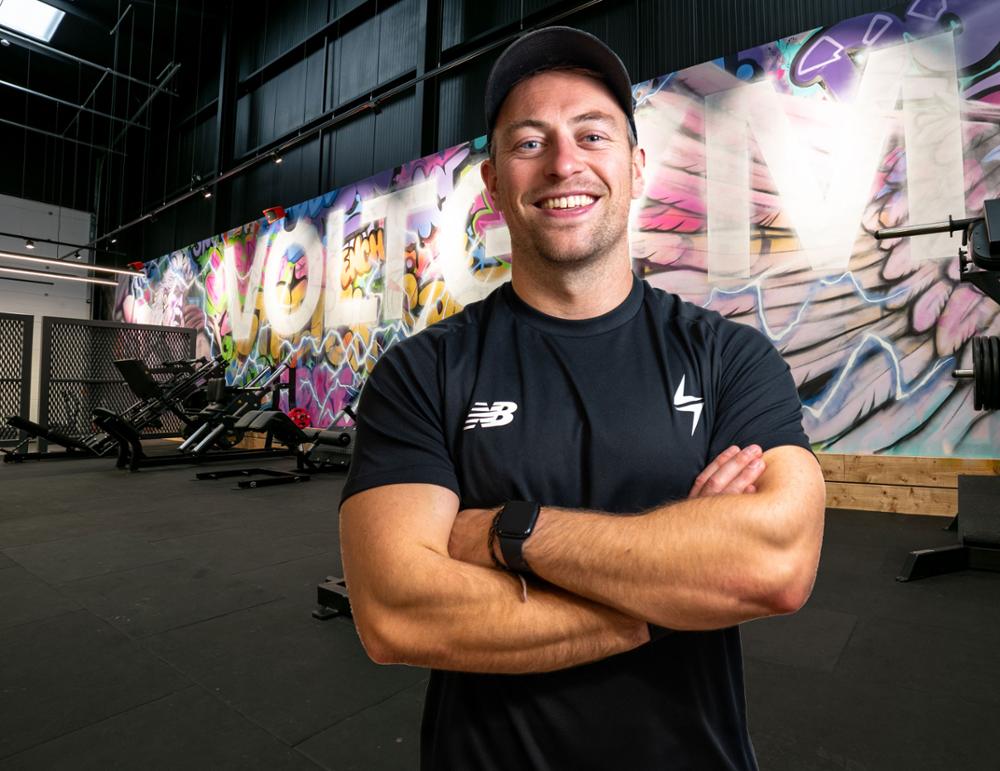
It’s a self-funded, independent gym located in an affluent village near Ormskirk, in the north west of England. It was started by Ali and Cameron Mitchell seven years ago and I came on board six months later. It started off as a 3,000 square foot gym and earlier this year we relocated to a 16,000 square foot unit and launched Volt 2.0.
Cameron has now left the business, but Ali and I are in every day and know all our members personally. Building a community helped us come through the pandemic. During lockdowns most of our members carried on paying and afterwards we saw a huge spike in membership, taking on an extra 400 members and reaching our 1,000-member limit. That was one of the reasons for the relocation.
How else is Volt 2.0 different?
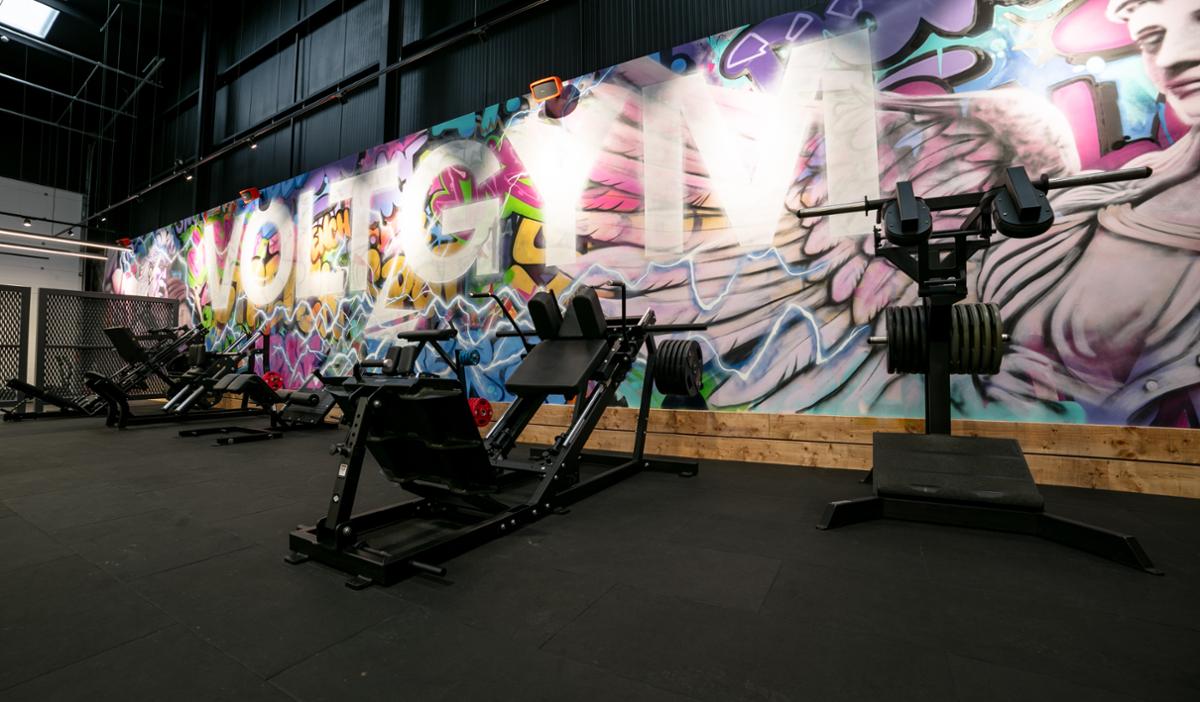
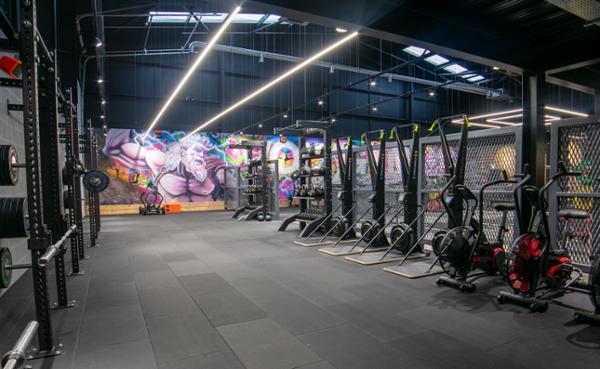
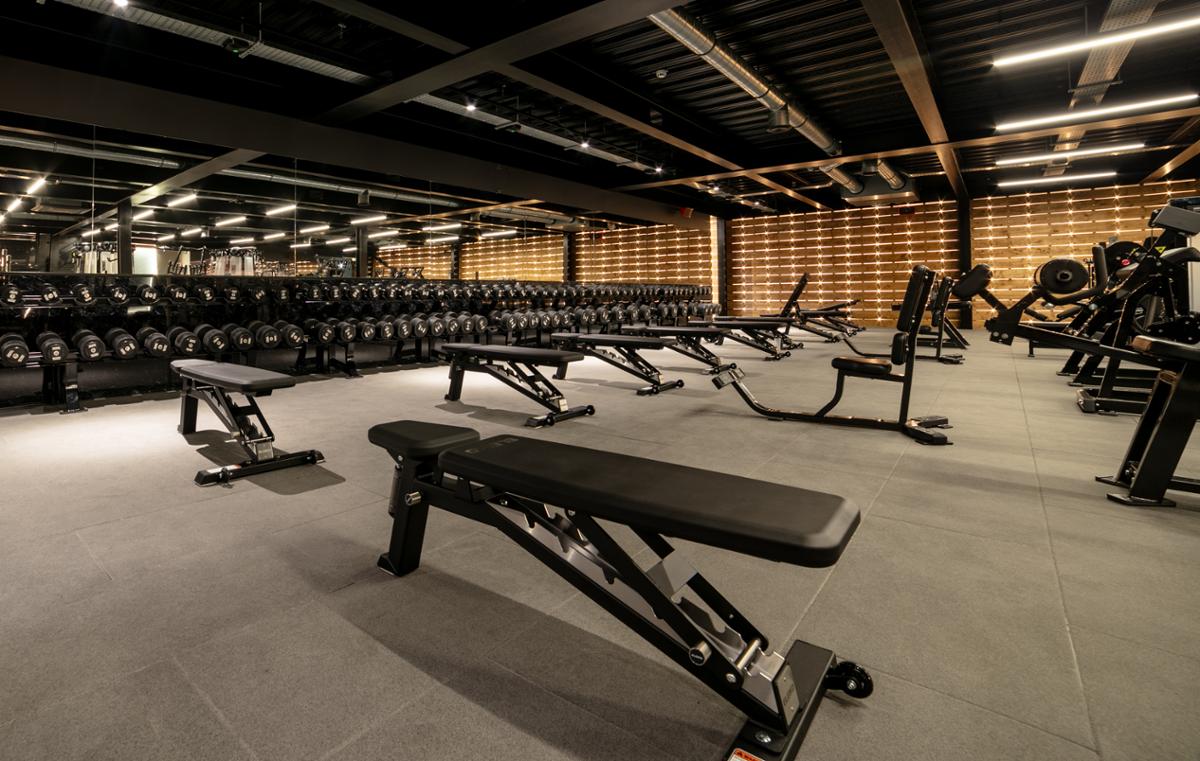
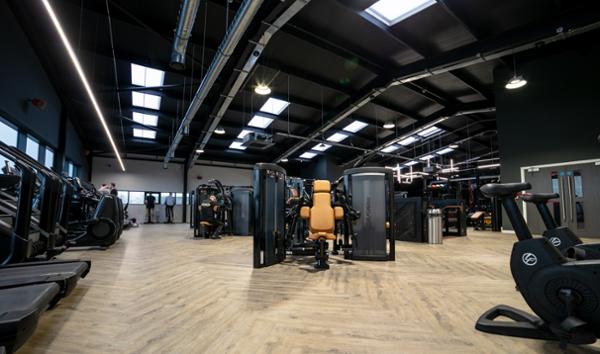
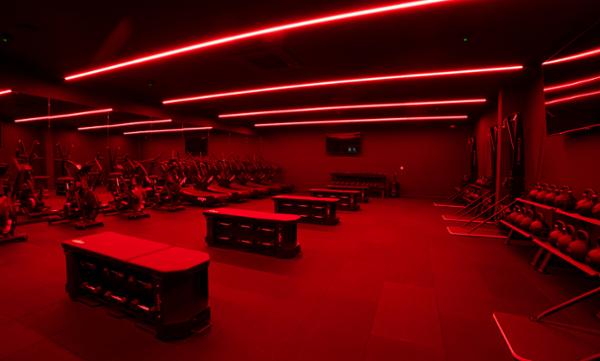
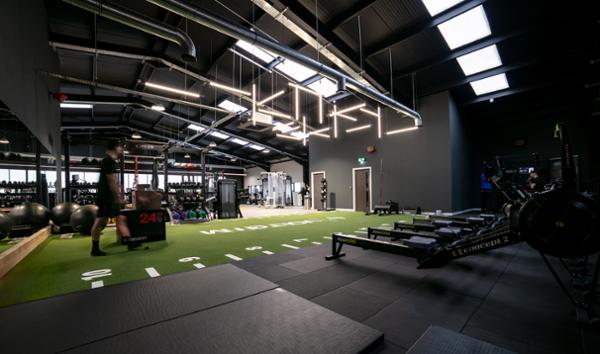
We’ve extended the gym and now have more than 50 pieces of cardio and 100 pieces of resistance kit. In the old gym we didn't have the space to do many classes, whereas now we have three studios: a dedicated Hyrox space, which has a roller-shutter door we open up for people to go out on runs around the estate; a dedicated HIIT studio and a low intensity studio for Pilates and yoga-style sessions.
We also have a recovery suite with an eight-person Himalayan salt sauna, a thermal experience shower, an ice bath and an area for physiotherapy. This has been so popular we wish we’d made this area bigger.
Now we offer three membership tiers: £29.99 a month for gym-only; £34.99 for gym and unlimited classes; and £39.99 for full access, including the recovery area. We want to keep the membership as affordable as possible, so in order to do that we do ask people to sign up for a 12 month contract.
What is involved with being a Hyrox-affiliated gym?
There’s been a huge surge in fitness competitions, especially Hyrox, so it was something we wanted to put in and it’s a big draw. We started with four classes a week and swiftly had to increase it to 10 because of demand. Some people want to enter the competitions, but lots of people just do it because it’s a great workout and it combines running outside and working out in the gym.
Another benefit for us is that we can give our members a 48-hour headstart to access event tickets, as they sell out within 15 minutes when they go live. We’ve got 30 people going down to the London race in November, so we’ll go down together and have T-shirts printed.
How do you deal with gymtimidation?
We give everyone a 20-minute gym tour before they join, so they know exactly what we're about and we find out what they like doing in the gym, what their goals are and how we can help them achieve them.
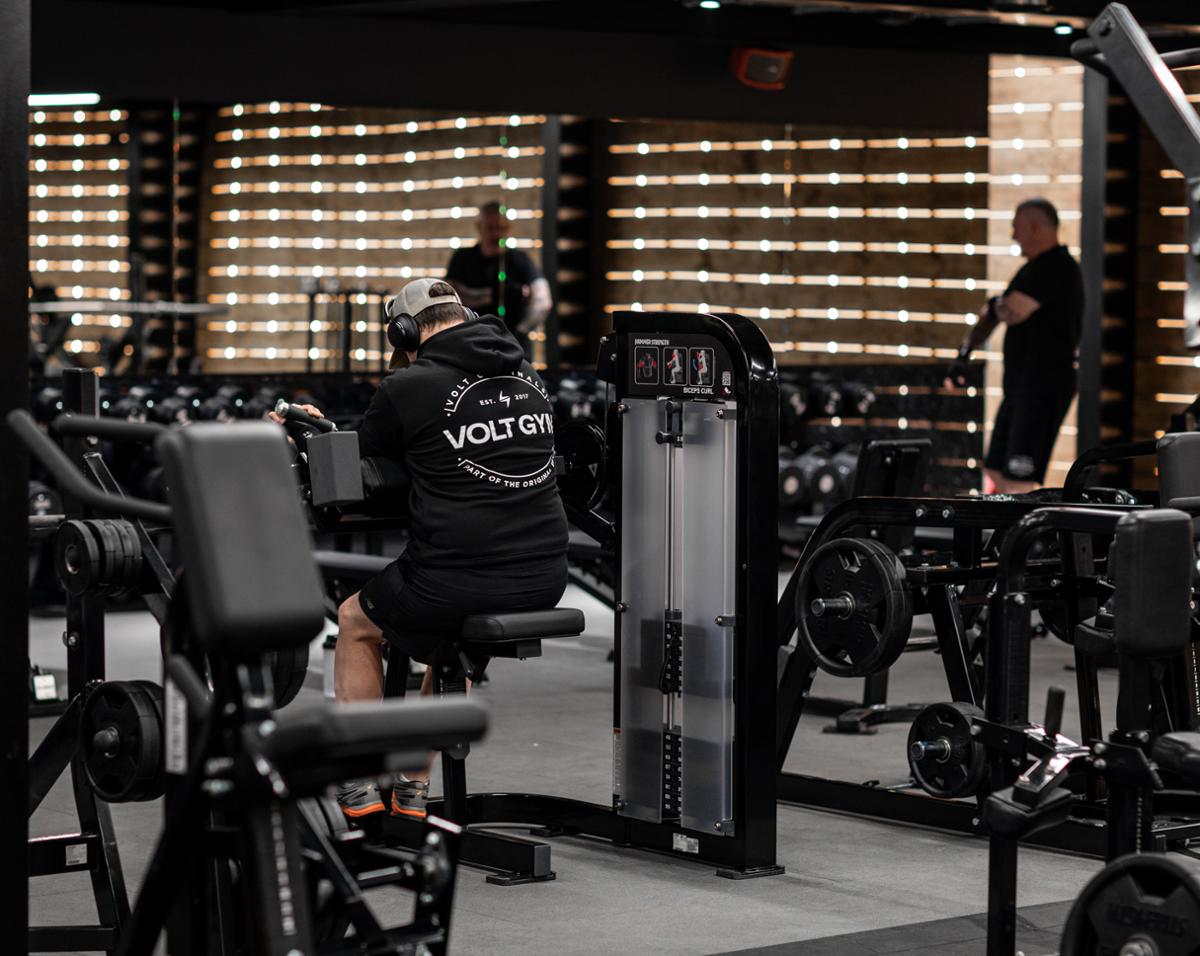
Once they've signed up we offer a free induction of 45 to 60 minutes with one of our PTs, so they fully understand the kit and when they’re working out we encourage them to ask us if they’re unsure about anything, as there are always six or seven staff in the gym.
I've drilled into our staff that every single person gets a warm welcome into the building and one of the most important aspects is building relationships on a personal level with each member. I think a nice conversation with a member of staff massively helps to break down the barriers of gymtimidation. The more we get to know our members, the more comfortable they are in this environment.
Also we have a café which is open to the public, so that gets people into the club.
Who are your members?
The bulk sit between the 20- to 40-year-old age range. In the former gym we probably had about a 75 to 25 male/female split and it was quite dominated by powerlifters and bodybuilders. Now it’s more like 55/45: partly because of our boutique-style classes, but also the welcoming upstairs area, which has a country club vibe. All the cardio equipment looks out of big windows with nice views over Lancashire.
We’re also seeing more older people coming in to try resistance training because the messaging is getting out there of how important it is to do strength training as you age – our women’s lifting classes are really popular.
We also offer classes for juniors from eight- to 12-years-old and also for 12- to 16-year-olds. Anyone under 16 has to be supervised while they work out.
What are the main issues impacting independent operators?
Getting the name out there is the main thing, as we don’t have a nationwide brand or the budgets of the big companies. But we do a lot of graft: before the launch we spent hours putting leaflets through letterboxes, which was really powerful for us.
Independent operators also tend to be very hands-on and go into a great amount of detail – we spent two years planning and building this place and we actually hit our end of year target a couple of weeks ago, which is amazing given we’ve only been open five months. This is more than just a business to us, this is our passion. We train and use the facilities ourselves every single day, which helps in being proactive about any issues that might arise in the club.
What are the plans for the future?
I would love to do more Volt gyms. I think so many people would enjoy this style of gym with the range of kit and classes, and the community aspect. We’re in talks with a few people and scoping out different areas, to find suitable facilities to replicate this club.