




EGYM | Fit Tech promotion
features

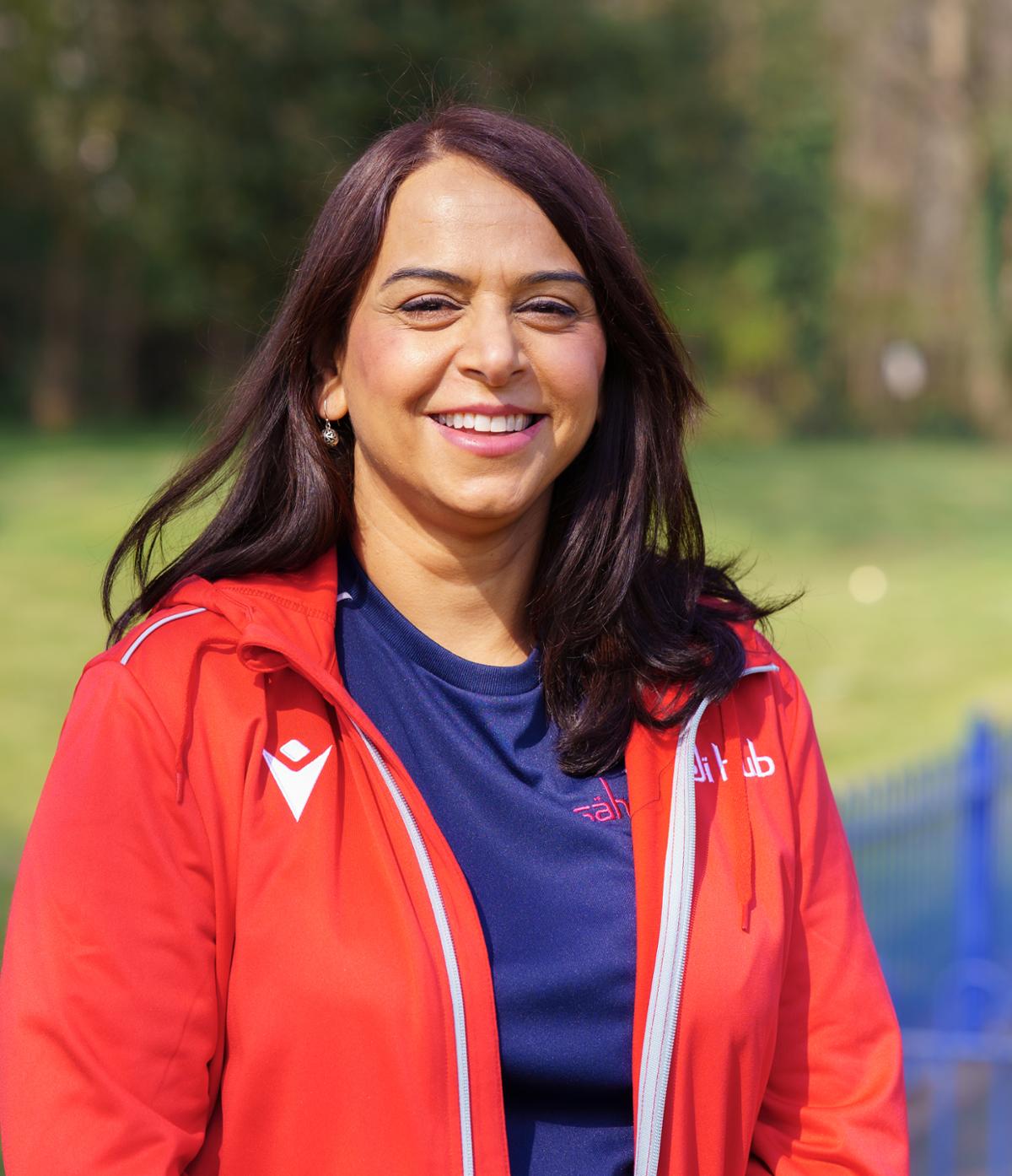
HCM People: Naseem Akhtar

Founder, Sähëlï Hub

It’s really rare to meet someone over 70 in my community

Published in Health Club Management 2024 issue 8

How did Sähëlï Hub come about?
I come from a deprived area of Birmingham in the UK, which has shocking health statistics. In the late 1990s and early 2000s one in every three babies died before their first birthday – most of them born prematurely – and while the national and Birmingham city average mortality rate was 73, in my neighbourhood many of the men were dying by the age of 65.

Even now men in my community die eight to ten years earlier than their white counterparts who live in the next road. It’s really rare to meet someone over 70 in my community. We also had one of the worst mortality rates during COVID because of all the undiagnosed underlying health conditions.

My chance to make a difference came when I was offered a job with a local neighbourhood forum that was trying to engage with more women, especially Asian women. My role was to find out about attitudes to physical exercise.

I found many Muslim and Asian women believed there were no real opportunities for them at the local leisure centre, where activities were framed around men's exercise. Only one or two hours a week were offered for women and this was at inappropriate times. Many of the women didn’t speak English and were embarrassed about their language and culture not being understood.

I asked the leisure centre to work with me, to give women a morning, or an afternoon with the aim of growing it to a full day, but they couldn’t see how this would work for our communities, so I set about doing it myself, securing funding and registering a charity.

How has the charity expanded?
Under the Blair government the neighbourhood forum formed a partnership and we secured £500k through the Healthy Living Centre initiative, allowing me to pilot a space to provide women-only physical activities at a local college. We started with two sessions a week and six months later had so many committed women we could run sessions four days a week and invite men in on Wednesdays.

In 2006, we were awarded £258k from a National Lottery/Sport England fund which allowed us to open up a facility with 20 pieces of gym equipment and a wooden sprung floor for exercise classes, along with a changing room and toilets. Within two weeks, 265 women joined paying £10 a month.

When we launched the centre, called Sähëlï Adventure Hub, we invited representatives from the NHS, which led to us getting our first NHS contract, offering programmes for weight management and long-term health conditions.

Since then we’ve been awarded four contracts and have recently secured a culturally appropriate diabetes prevention programme, which has the highest participation of black and Asian people in the country. We've also developed a ‘know your numbers’ programme, teaching people to understand their blood pressure, weight, cholesterol, waist and hip ratio.

Diabetes levels in my community are three times the city average – we've got the highest rate in the east of Birmingham. My community still eats rich food full of sugar and salt – as though we’re going to be labouring in the field for eight hours a day – but we mainly have sedentary jobs, so we educate people about the hidden sugars in the Asian diet.

What services does Sähëlï Hub offer now?
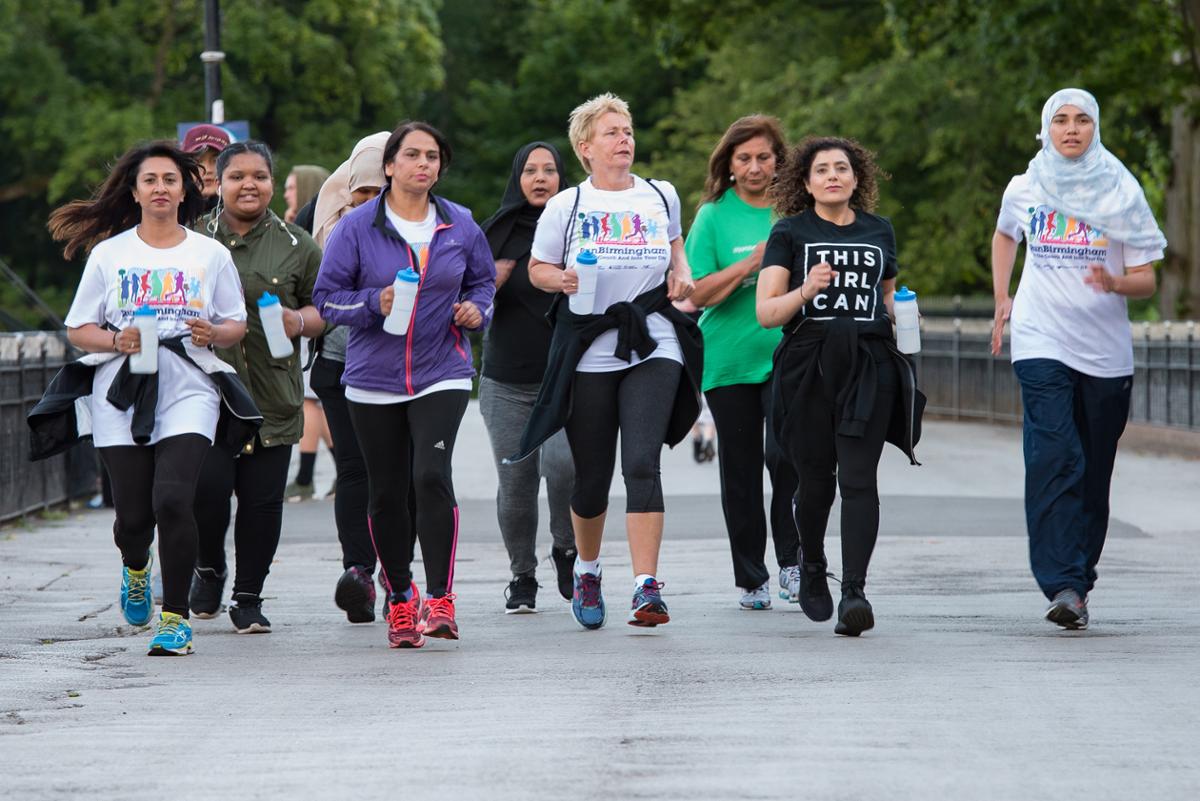
Each year we support 3,000 people to access free, culturally-appropriate physical activity programmes and social clubs in parks, GP surgeries and two of our own community centres. We’ve worked with around 16,000 women over the years, offering walking and running programmes – encouraging many people to run half marathons. We’ve taught around 3,200 women to cycle and also enable them to try other outdoor activities, such as kayaking, tennis, quad biking and wild swimming.

Many of the women we work with want to get active, but it ends up being more than that because it gives them confidence and empowers them to go to college or get a job, or be an activity leader. I always say to our team, we’re the stepping stone to help women become the being they want to be.

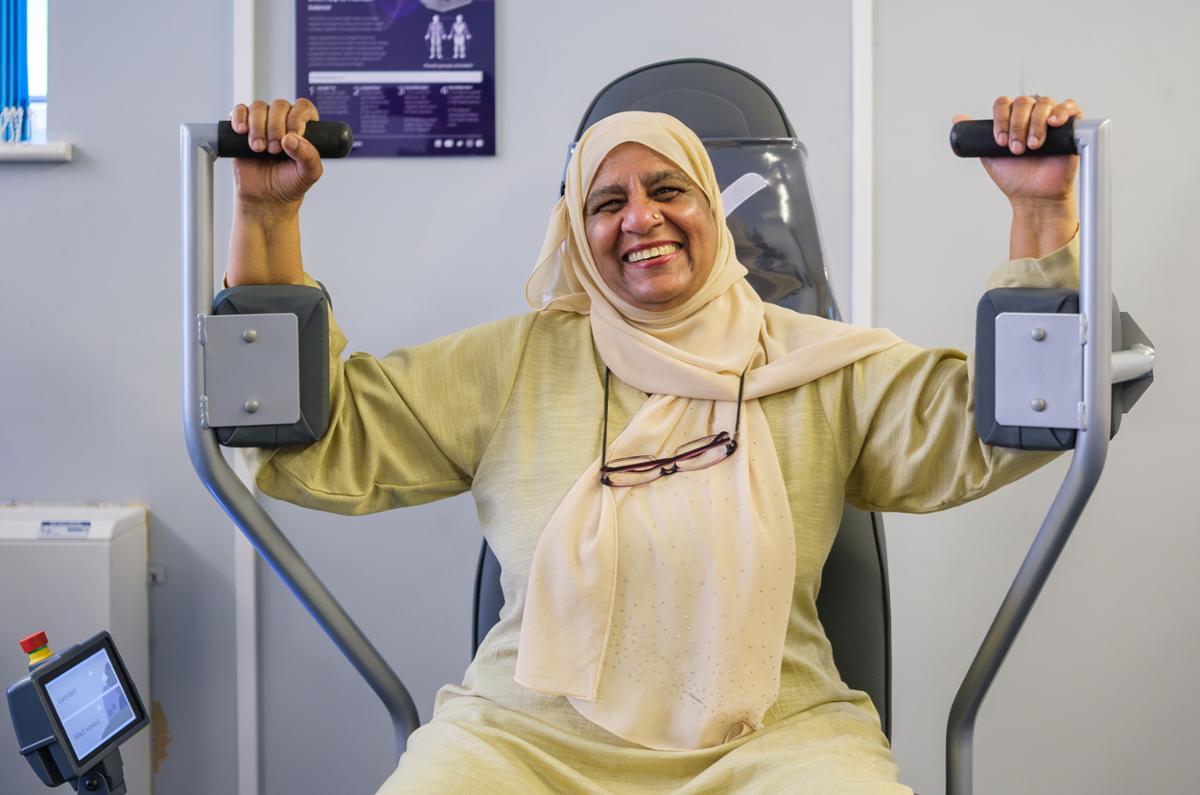
In the wake of COVID, we did a study about men to find out what they wanted and learned that men from my community are as unlikely as women to use normal leisure centres. This led to us putting on a programme for them, including the launch of a wellbeing suite at a local community centre, in partnership with Innerva, which has supplied power-assisted equipment. We have nine stations to support the community to access physical activity that’s tailored to all abilities.

What can mainstream gyms do to engage with Muslim and Asian communities?
The biggest barrier is always cost and it's difficult because so many gyms are built on a finance model that’s about membership in numbers.

The second issue is that gyms aren’t often based in the poorest and most deprived communities, they're based in the places where people can pay.

If gym operators aren’t attracting a membership reflective of the demographic of their area, they need to get to know their community so they can deliver appropriate programmes, or partner up with organisations who are delivering to these communities.

What are your future plans?
We’re working on a capacity-building programme for our organisation and are going to carry on developing our programmes, creating sustainable, long-term interventions to help break the cycle of inactivity, isolation, loneliness and depression, as well as tackling health inequalities and low life expectancy for the poorest communities. We want to work with committed sports governing bodies and partners who want to help us to make a dent in the poor physical activity statistics, not just for ethnic minorities, but for all communities.
Sign up here to get Fit Tech's weekly ezine and every issue of Fit Tech magazine free on digital.
Gallery
More features
Editor's letter

Into the fitaverse

Fitness is already among the top three markets in the metaverse, with new technology and partnerships driving real growth and consumer engagement that looks likely to spill over into health clubs, gyms and studios
Fit Tech people

Ali Jawad

Paralympic powerlifter and founder, Accessercise
Users can easily identify which facilities in the UK are accessible to the disabled community
Fit Tech people

Hannes Sjöblad

MD, DSruptive
We want to give our users an implantable tool that allows them to collect their health data at any time and in any setting
Fit Tech people

Jamie Buck

Co-founder, Active in Time
We created a solution called AiT Voice, which turns digital data into a spoken audio timetable that connects to phone systems
Profile

Fahad Alhagbani: reinventing fitness

The team is young and ambitious, and the awareness of technology is very high. We share trends and out-of-the-box ideas almost every day
Opinion

Building on the blockchain

For small sports teams looking to compete with giants, blockchain can be a secret weapon explains Lars Rensing, CEO of Protokol
Innovation

Bold move

We ended up raising US$7m in venture capital from incredible investors, including Andreessen Horowitz, Khosla Ventures, Primetime Partners, and GingerBread Capital
App analysis

Check your form

Sency’s motion analysis technology is allowing users to check their technique as they exercise. Co-founder and CEO Gal Rotman explains how
Profile

New reality

Sam Cole, CEO of FitXR, talks to Fit Tech about taking digital workouts to the next level, with an immersive, virtual reality fitness club
Profile

Sohail Rashid

My vision was to create a platform that could improve the sport for lifters at all levels and attract more people, similar to how Strava, Peloton and Zwift have in other sports
Ageing

Reverse Ageing

Many apps help people track their health, but Humanity founders Peter Ward and Michael Geer have put the focus on ageing, to help users to see the direct repercussions of their habits. They talk to Steph Eaves
App analysis

Going hybrid

Workout Anytime created its app in partnership with Virtuagym. Workout Anytime’s Greg Maurer and Virtuagym’s Hugo Braam explain the process behind its creation
Research

Physical activity monitors boost activity levels

Researchers at the University of Copenhagen have conducted a meta analysis of all relevant research and found that the body of evidence shows an impact
Editor's letter

Two-way coaching

Content providers have been hugely active in the fit tech market since the start of the pandemic. We expect the industry to move on from delivering these services on a ‘broadcast-only’ basis as two-way coaching becomes the new USP
Fit Tech People

Laurent Petit

Co-founder, Active Giving
The future of sports and fitness are dependent on the climate. Our goal is to positively influence the future of our planet by instilling a global vision of wellbeing and a sense of collective action
Fit Tech People

Adam Zeitsiff

CEO, Intelivideo
We don’t just create the technology and bail – we support our clients’ ongoing hybridisation efforts
Fit Tech People

Anantharaman Pattabiraman

CEO and co-founder, Auro
When you’re undertaking fitness activities, unless you’re on a stationary bike, in most cases it’s not safe or necessary to be tied to a screen, especially a small screen
Fit Tech People

Mike Hansen

Managing partner, Endorphinz
We noticed a big gap in the market – customers needed better insights but also recommendations on what to do, whether that be customer acquisition, content creation, marketing and more
More features
Panatta's mission is to create machines that are aesthetically pleasing, functional and competitive in price ...
Orbit4 is a digital operations platform designed to help fitness and leisure operators manage assets, ...
22-23 Sep 2026
Four Seasons Hotel Bangkok at Chao Phraya River, Bangkok , Thailand
Panatta's mission is to create machines that are aesthetically pleasing, functional and competitive in price ...
Orbit4 is a digital operations platform designed to help fitness and leisure operators manage assets, ...
Get Fit Tech
Sign up for the free Fit Tech ezine and breaking news alerts
Sign up
22-23 Sep 2026
Four Seasons Hotel Bangkok at Chao Phraya River, Bangkok , Thailand

latest fit tech news

PureGym is encouraging people to step away from their screens and go for a walk, in a new initiative timed ...
news • 29 May 2026
Active people app, Strava, has overhauled its strength training experience, allowing gym-goers to automatically log and share their lifts from ...
news • 27 May 2026

Fitness First UK is embracing digital wellness technology by installing Kip’s tap-to-activate phone controls across its UK estate. Kip tags ...
news • 22 May 2026
The world’s first awareness ring has been launched. Designed to promote presence, focus and calm via gentle haptic vibrations, the ...
news • 13 May 2026
Center Parcs’ Aqua Sana Forest Spa, Woburn Forest, UK, has transformed an unused space into a touchless wellness area called ...
news • 12 May 2026
Gharieni Group has launched a new company, Cobotics Innovations, to create automated wellness experiences. The first solution is a robotic ...
product innovation • 07 May 2026

US-based robotics wellness company Aescape Inc has entered insolvency proceedings following the sale of substantially all of its ...

news • 06 May 2026
Fitness platform, Zing Coach, has teamed up with Les Mills, in a partnership that gives its users access to group ...
news • 23 Apr 2026

TMActive is launching a new Active Wellbeing Studio next month in Tonbridge, UK, specifically aimed at people who face higher ...
news • 13 Apr 2026

Indian billionaire, Deepinder Goyal, is working on a device called Temple that aims to track blood flow to the brain ...
news • 10 Apr 2026
More fit tech news
features

HCM People: Naseem Akhtar

Founder, Sähëlï Hub

It’s really rare to meet someone over 70 in my community

Published in Health Club Management 2024 issue 8

How did Sähëlï Hub come about?
I come from a deprived area of Birmingham in the UK, which has shocking health statistics. In the late 1990s and early 2000s one in every three babies died before their first birthday – most of them born prematurely – and while the national and Birmingham city average mortality rate was 73, in my neighbourhood many of the men were dying by the age of 65.

Even now men in my community die eight to ten years earlier than their white counterparts who live in the next road. It’s really rare to meet someone over 70 in my community. We also had one of the worst mortality rates during COVID because of all the undiagnosed underlying health conditions.

My chance to make a difference came when I was offered a job with a local neighbourhood forum that was trying to engage with more women, especially Asian women. My role was to find out about attitudes to physical exercise.

I found many Muslim and Asian women believed there were no real opportunities for them at the local leisure centre, where activities were framed around men's exercise. Only one or two hours a week were offered for women and this was at inappropriate times. Many of the women didn’t speak English and were embarrassed about their language and culture not being understood.

I asked the leisure centre to work with me, to give women a morning, or an afternoon with the aim of growing it to a full day, but they couldn’t see how this would work for our communities, so I set about doing it myself, securing funding and registering a charity.

How has the charity expanded?
Under the Blair government the neighbourhood forum formed a partnership and we secured £500k through the Healthy Living Centre initiative, allowing me to pilot a space to provide women-only physical activities at a local college. We started with two sessions a week and six months later had so many committed women we could run sessions four days a week and invite men in on Wednesdays.

In 2006, we were awarded £258k from a National Lottery/Sport England fund which allowed us to open up a facility with 20 pieces of gym equipment and a wooden sprung floor for exercise classes, along with a changing room and toilets. Within two weeks, 265 women joined paying £10 a month.

When we launched the centre, called Sähëlï Adventure Hub, we invited representatives from the NHS, which led to us getting our first NHS contract, offering programmes for weight management and long-term health conditions.

Since then we’ve been awarded four contracts and have recently secured a culturally appropriate diabetes prevention programme, which has the highest participation of black and Asian people in the country. We've also developed a ‘know your numbers’ programme, teaching people to understand their blood pressure, weight, cholesterol, waist and hip ratio.

Diabetes levels in my community are three times the city average – we've got the highest rate in the east of Birmingham. My community still eats rich food full of sugar and salt – as though we’re going to be labouring in the field for eight hours a day – but we mainly have sedentary jobs, so we educate people about the hidden sugars in the Asian diet.

What services does Sähëlï Hub offer now?
Each year we support 3,000 people to access free, culturally-appropriate physical activity programmes and social clubs in parks, GP surgeries and two of our own community centres. We’ve worked with around 16,000 women over the years, offering walking and running programmes – encouraging many people to run half marathons. We’ve taught around 3,200 women to cycle and also enable them to try other outdoor activities, such as kayaking, tennis, quad biking and wild swimming.

Many of the women we work with want to get active, but it ends up being more than that because it gives them confidence and empowers them to go to college or get a job, or be an activity leader. I always say to our team, we’re the stepping stone to help women become the being they want to be.

In the wake of COVID, we did a study about men to find out what they wanted and learned that men from my community are as unlikely as women to use normal leisure centres. This led to us putting on a programme for them, including the launch of a wellbeing suite at a local community centre, in partnership with Innerva, which has supplied power-assisted equipment. We have nine stations to support the community to access physical activity that’s tailored to all abilities.

What can mainstream gyms do to engage with Muslim and Asian communities?
The biggest barrier is always cost and it's difficult because so many gyms are built on a finance model that’s about membership in numbers.

The second issue is that gyms aren’t often based in the poorest and most deprived communities, they're based in the places where people can pay.

If gym operators aren’t attracting a membership reflective of the demographic of their area, they need to get to know their community so they can deliver appropriate programmes, or partner up with organisations who are delivering to these communities.

What are your future plans?
We’re working on a capacity-building programme for our organisation and are going to carry on developing our programmes, creating sustainable, long-term interventions to help break the cycle of inactivity, isolation, loneliness and depression, as well as tackling health inequalities and low life expectancy for the poorest communities. We want to work with committed sports governing bodies and partners who want to help us to make a dent in the poor physical activity statistics, not just for ethnic minorities, but for all communities.
Sign up here to get Fit Tech's weekly ezine and every issue of Fit Tech magazine free on digital.
Gallery
More features
Editor's letter

Into the fitaverse

Fitness is already among the top three markets in the metaverse, with new technology and partnerships driving real growth and consumer engagement that looks likely to spill over into health clubs, gyms and studios
Fit Tech people

Ali Jawad

Paralympic powerlifter and founder, Accessercise
Users can easily identify which facilities in the UK are accessible to the disabled community
Fit Tech people

Hannes Sjöblad

MD, DSruptive
We want to give our users an implantable tool that allows them to collect their health data at any time and in any setting
Fit Tech people

Jamie Buck

Co-founder, Active in Time
We created a solution called AiT Voice, which turns digital data into a spoken audio timetable that connects to phone systems
Profile

Fahad Alhagbani: reinventing fitness

The team is young and ambitious, and the awareness of technology is very high. We share trends and out-of-the-box ideas almost every day
Opinion

Building on the blockchain

For small sports teams looking to compete with giants, blockchain can be a secret weapon explains Lars Rensing, CEO of Protokol
Innovation

Bold move

We ended up raising US$7m in venture capital from incredible investors, including Andreessen Horowitz, Khosla Ventures, Primetime Partners, and GingerBread Capital
App analysis

Check your form

Sency’s motion analysis technology is allowing users to check their technique as they exercise. Co-founder and CEO Gal Rotman explains how
Profile

New reality

Sam Cole, CEO of FitXR, talks to Fit Tech about taking digital workouts to the next level, with an immersive, virtual reality fitness club
Profile

Sohail Rashid

My vision was to create a platform that could improve the sport for lifters at all levels and attract more people, similar to how Strava, Peloton and Zwift have in other sports
Ageing

Reverse Ageing

Many apps help people track their health, but Humanity founders Peter Ward and Michael Geer have put the focus on ageing, to help users to see the direct repercussions of their habits. They talk to Steph Eaves
App analysis

Going hybrid

Workout Anytime created its app in partnership with Virtuagym. Workout Anytime’s Greg Maurer and Virtuagym’s Hugo Braam explain the process behind its creation
Research

Physical activity monitors boost activity levels

Researchers at the University of Copenhagen have conducted a meta analysis of all relevant research and found that the body of evidence shows an impact
Editor's letter

Two-way coaching

Content providers have been hugely active in the fit tech market since the start of the pandemic. We expect the industry to move on from delivering these services on a ‘broadcast-only’ basis as two-way coaching becomes the new USP
Fit Tech People

Laurent Petit

Co-founder, Active Giving
The future of sports and fitness are dependent on the climate. Our goal is to positively influence the future of our planet by instilling a global vision of wellbeing and a sense of collective action
Fit Tech People

Adam Zeitsiff

CEO, Intelivideo
We don’t just create the technology and bail – we support our clients’ ongoing hybridisation efforts
Fit Tech People

Anantharaman Pattabiraman

CEO and co-founder, Auro
When you’re undertaking fitness activities, unless you’re on a stationary bike, in most cases it’s not safe or necessary to be tied to a screen, especially a small screen
Fit Tech People

Mike Hansen

Managing partner, Endorphinz
We noticed a big gap in the market – customers needed better insights but also recommendations on what to do, whether that be customer acquisition, content creation, marketing and more
More features








