



EGYM | Fit Tech promotion
features

HCM People: Mariah Rooney

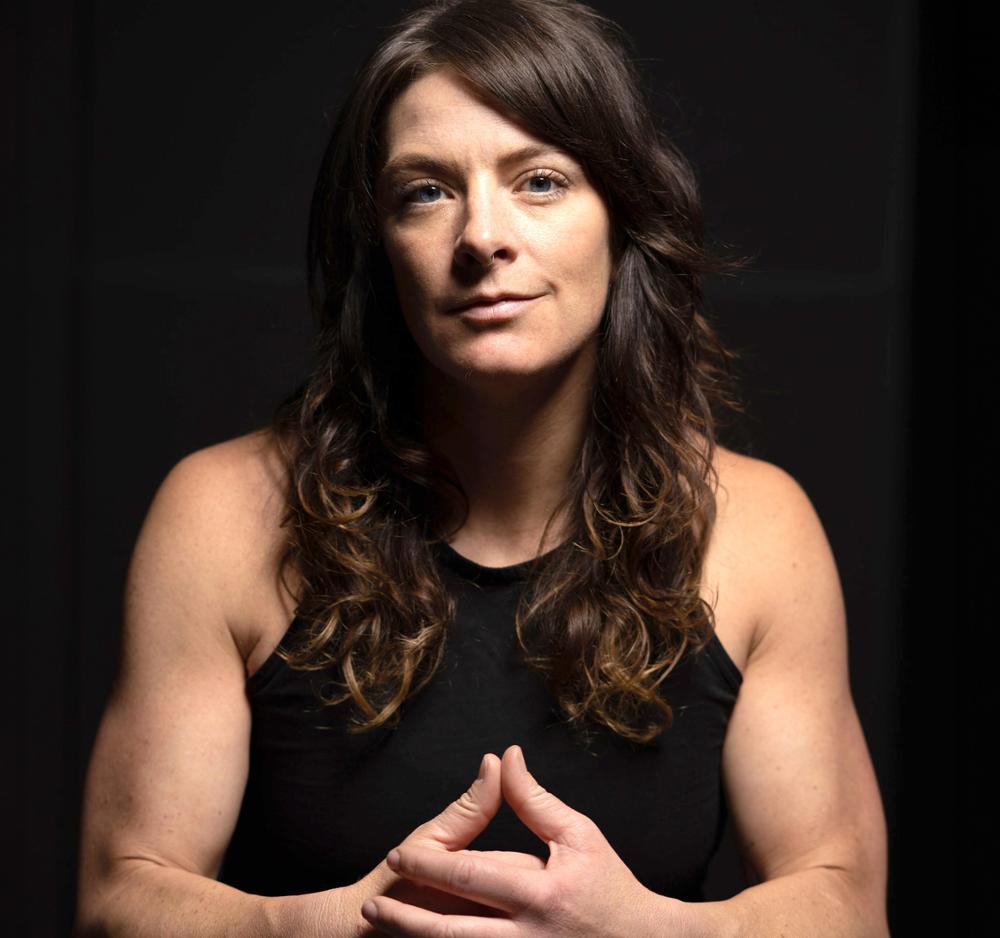
Founder, Trauma Informed Weight Lifting

When people experience early life trauma it impacts their bodies and nervous systems. I became curious about how lifting weights could help them have the experience of strength

Published in Health Club Management 2024 issue 5

Tell us about Trauma Informed Weight Lifting
Some personal trainers say they feel like their clients’ therapist because of the trusting relationship they build up – people confide in them.

At Trauma Informed Weightlifting, we train them to be therapeutic within their scope of practice, including how to engage with a client who shows signs of trauma and how to make the gym spaces more inclusive.

We’ve found a real hunger for this and every training course we’ve run, since starting in 2020, has sold out. To date, we’ve trained around 600 people from a dozen countries.

The training appeals to personal trainers and sports coaches, as well as occupational therapists and mental health providers.

How does it work?
Trauma affects every aspect of human function, so treatment should holistically address the physical, emotional and social components of healing.

In Trauma Informed Weight Lifting, we talk about the idea of embodied metaphor and how certain movements or experiences can create shifts in our narratives. Science shows there’s a huge relationship between sensory processing and early traumatic experiences and this can impact many physiological factors, including muscle tone, coordination and balance.

For example, someone who has suffered abuse in their childhood might feel weak and their posture might be curled forward. It can be very empowering for a trauma survivor to deadlift, where they literally pull the weight up off the ground and come upright. Then they get to put the weight back down and walk away from it. They don't have to keep carrying it, like they have carried the weight of their trauma.

In time, they start to feel strength along the back of their bodies and then start to carry themselves more upright, which can translate into them looking and feeling more confident and becoming more present in, and connected with, their bodies.

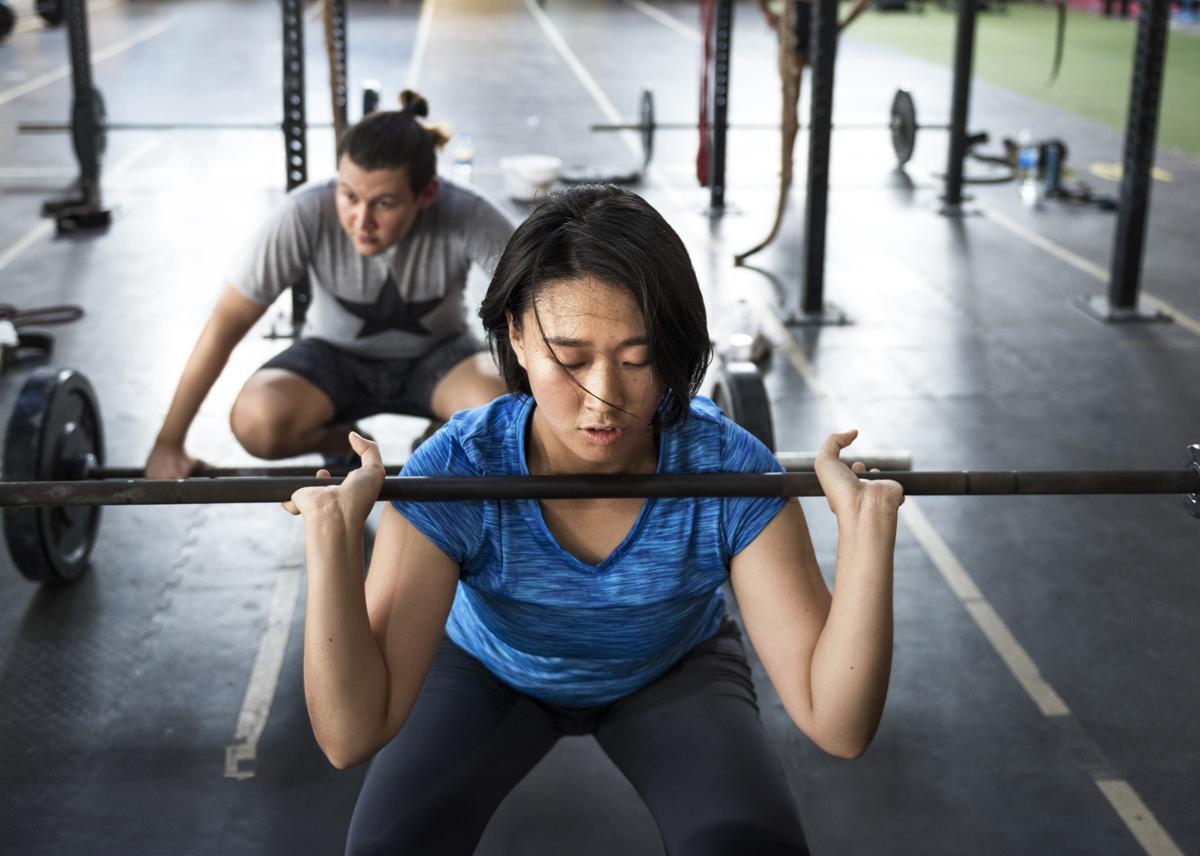
When someone learns to back squat, they also have to learn how to bail, to listen to their body and get out of a movement if they’re not able to complete it. This also builds self trust, which they may not have experienced before. They learn they can get out of the situation if they need to and it's going to be OK. This is very important for people who have not felt safe in their own bodies.

What is the background to you developing Trauma Informed Weight Lifting?
I was working as a psychotherapist at a trauma centre in Massachusetts and used trauma informed yoga, meditation and somatic exercises in my practice, while competitively weightlifting in my spare time. I started to see how the three overlapped and thought the formulas used for yoga could also work within weightlifting with some adaptations, to help people who have experienced trauma.

When people experience early life trauma it impacts their bodies and their nervous systems, so I became curious about how lifting weights could help people have the experience of strength in their body.

My therapy practice was very bodycentric and nervous system-informed, which I thought was a strong foundation to create a modality. I partnered with a weightlifting coach and we developed it together.

Because trauma impacts people across a variety of domains: the body, the nervous system, relationships and how they move through the world, when people are recovering from trauma a combination of approaches are needed and talking therapy alone is rarely enough.

What does your training course cover?
Environmental factors come into it, to help people feel safer in the gym. Some trainers might have no control over the music, or the lighting, but they can still be very thoughtful about how they tend the relationship with their client and understand the many ways trauma can manifest for someone.

For example, if someone keeps cancelling, or they show up late, traditionally those behaviours would be labelled as lazy, or unmotivated. However, we take the stance that all behaviour makes sense and encourage trainers and coaches to find answers to the “why” instead of applying socially constructed and pathologising labels.

We train instructors to approach the situation with curiosity, saying to the client: “I’m wondering if something is making this really tough for you and if we could figure it out together, maybe there is a barrier I could remove?” It's a huge shift in perspective to hold the stance of curiosity.

For those who can influence the environment, there's a lot which can be done. If an operator wants to be trauma-informed, they need to be welcoming of people who’ve historically been left out of fitness environments.

For example, gender inclusive bathrooms can help make trans and gender non-conforming folks feel more safe and included.

What should trainers do if they’re interested in training in this modality?
We have both foundational training and a more in-depth certificate programme. The courses are online, and we also offer in-person training if operators want to host it. We’re currently talking to two big fitness companies that have sites all over the world.

We're not strict about who comes through the training. Many come from the mental health sector, wanting a better understanding of how to support their clients and to get more insight into working with them in a radically different way.

More: www.TIWL.org
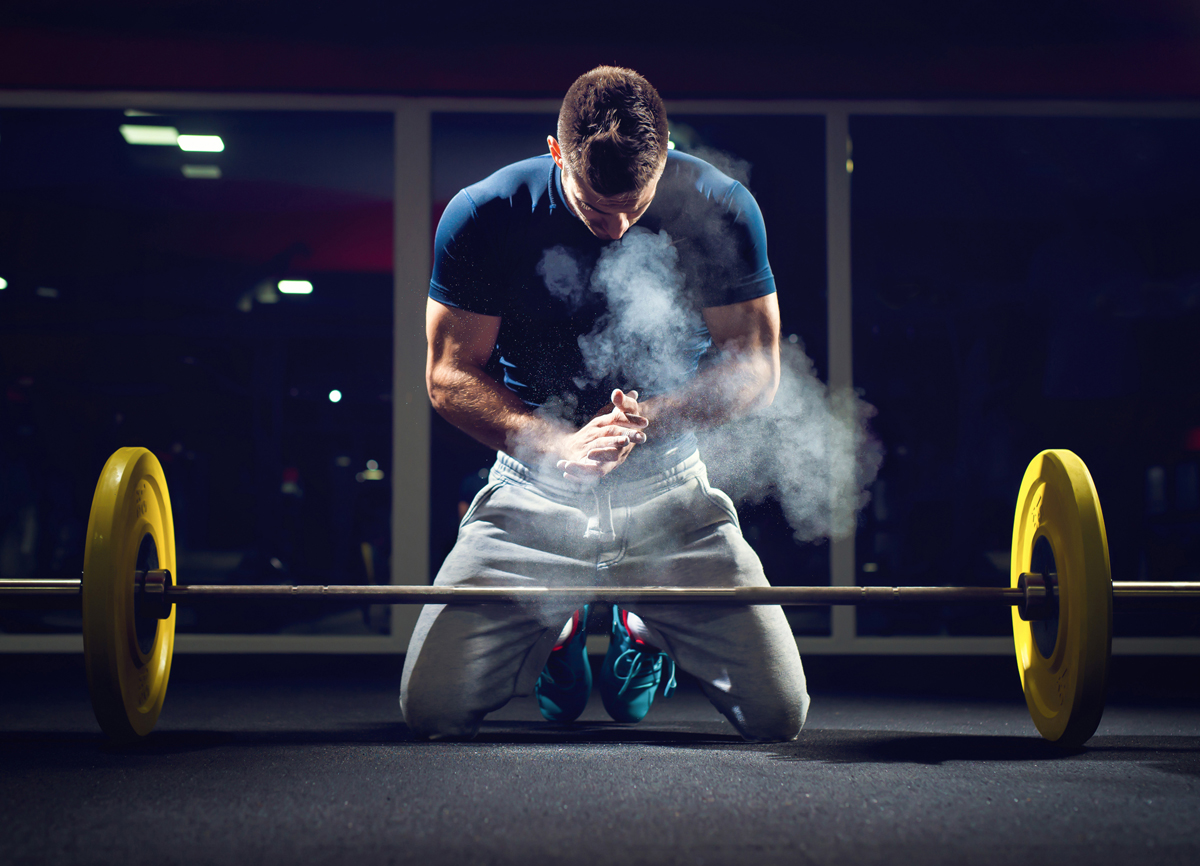
Trauma Informed Weight Lifting: The Science
Trauma-informed Weight Lifting is undertaking a series of research studies to understand the scientific benefits of lifting weights. Two studies were published last year and there will be more this year

One of the research programmes was interview-based and involved a mixed-gender group of 46 trauma survivors, who had been weightlifting for at least three months and ranged in age from 23 to 68-years.

The results were encouraging and showed lifting weights, combined with the sense of belonging in a gym community, can be transformational for trauma survivors, leading to healing and post-traumatic growth.

Trauma commonly presents in a sense of disembodiment and social isolation. It leads to the individual disconnecting from their body, which feels unsafe because a dysregulated nervous system gets easily triggered, sending alarm signals to the brain, leading to a cascade of anxious thoughts.

As a result, trauma survivors can lose the ability to listen to their bodies and fail to recognise physical cues, such as tiredness and hunger. This can lead to negative coping strategies, such as disordered eating, substance and alcohol use.

Another symptom of trauma is dissociation, when the mind disconnects from reality, so individuals struggle to feel present and grounded. In short, trauma survivors aren’t connected to their bodies and are tortured by their minds.

The research shows that weightlifting can heal the trauma by reigniting the mind-body connection. As research participants focused on their breathing while they lifted, they spoke of feeling internal sensations again and feeling the contraction of the muscles in connection with the breath.

Strength in the body was found to be empowering in itself – individuals spoke of the feeling being transformational – and it also led to increased mental resilience. Participants also found they were better able to stop their minds wandering off to catastrophic thoughts, and their feelings of self-worth and self-esteem improved.

This led to secondary benefits, such as being more motivated to follow a healthy routine and habits around eating, sleeping, exercise and social connection, which led to healing and making them more proactive about making positive changes.

Furthermore, the gym community gave them support through social connection and helped them reshape the way they perceived themselves, their lives and their world.

Weightlifting can heal trauma by reigniting the mind-body connection / photo: Shutterstock / Dusan Petkovic
Sign up here to get Fit Tech's weekly ezine and every issue of Fit Tech magazine free on digital.
Gallery
More features
Editor's letter

Into the fitaverse

Fitness is already among the top three markets in the metaverse, with new technology and partnerships driving real growth and consumer engagement that looks likely to spill over into health clubs, gyms and studios
Fit Tech people

Ali Jawad

Paralympic powerlifter and founder, Accessercise
Users can easily identify which facilities in the UK are accessible to the disabled community
Fit Tech people

Hannes Sjöblad

MD, DSruptive
We want to give our users an implantable tool that allows them to collect their health data at any time and in any setting
Fit Tech people

Jamie Buck

Co-founder, Active in Time
We created a solution called AiT Voice, which turns digital data into a spoken audio timetable that connects to phone systems
Profile

Fahad Alhagbani: reinventing fitness

The team is young and ambitious, and the awareness of technology is very high. We share trends and out-of-the-box ideas almost every day
Opinion

Building on the blockchain

For small sports teams looking to compete with giants, blockchain can be a secret weapon explains Lars Rensing, CEO of Protokol
Innovation

Bold move

Our results showed a greater than 60 per cent reduction in falls for individuals who actively participated in Bold’s programme
App analysis

Check your form

Sency’s motion analysis technology is allowing users to check their technique as they exercise. Co-founder and CEO Gal Rotman explains how
Profile

New reality

Sam Cole, CEO of FitXR, talks to Fit Tech about taking digital workouts to the next level, with an immersive, virtual reality fitness club
Profile

Sohail Rashid

The app is free and it’s $40 to participate in one of our virtual events
Ageing

Reverse Ageing

Many apps help people track their health, but Humanity founders Peter Ward and Michael Geer have put the focus on ageing, to help users to see the direct repercussions of their habits. They talk to Steph Eaves
App analysis

Going hybrid

Workout Anytime created its app in partnership with Virtuagym. Workout Anytime’s Greg Maurer and Virtuagym’s Hugo Braam explain the process behind its creation
Research

Physical activity monitors boost activity levels

Researchers at the University of Copenhagen have conducted a meta analysis of all relevant research and found that the body of evidence shows an impact
Editor's letter

Two-way coaching

Content providers have been hugely active in the fit tech market since the start of the pandemic. We expect the industry to move on from delivering these services on a ‘broadcast-only’ basis as two-way coaching becomes the new USP
Fit Tech People

Laurent Petit

Co-founder, Active Giving
The future of sports and fitness are dependent on the climate. Our goal is to positively influence the future of our planet by instilling a global vision of wellbeing and a sense of collective action
Fit Tech People

Adam Zeitsiff

CEO, Intelivideo
We don’t just create the technology and bail – we support our clients’ ongoing hybridisation efforts
Fit Tech People

Anantharaman Pattabiraman

CEO and co-founder, Auro
When you’re undertaking fitness activities, unless you’re on a stationary bike, in most cases it’s not safe or necessary to be tied to a screen, especially a small screen
Fit Tech People

Mike Hansen

Managing partner, Endorphinz
We noticed a big gap in the market – customers needed better insights but also recommendations on what to do, whether that be customer acquisition, content creation, marketing and more
More features
CoverMe Fitness, an app for seamless, on-demand management and cover solutions for sports and fitness ...
Wattbike’s mission is to make Wattbike the ultimate training partner for improving health and performance. ...
22-23 Sep 2026
Four Seasons Hotel Bangkok at Chao Phraya River, Bangkok , Thailand
CoverMe Fitness, an app for seamless, on-demand management and cover solutions for sports and fitness ...
Wattbike’s mission is to make Wattbike the ultimate training partner for improving health and performance. ...
Get Fit Tech
Sign up for the free Fit Tech ezine and breaking news alerts
Sign up
22-23 Sep 2026
Four Seasons Hotel Bangkok at Chao Phraya River, Bangkok , Thailand

latest fit tech news

PureGym is encouraging people to step away from their screens and go for a walk, in a new initiative timed ...
news • 29 May 2026
Active people app, Strava, has overhauled its strength training experience, allowing gym-goers to automatically log and share their lifts from ...
news • 27 May 2026

Fitness First UK is embracing digital wellness technology by installing Kip’s tap-to-activate phone controls across its UK estate. Kip tags ...
news • 22 May 2026
The world’s first awareness ring has been launched. Designed to promote presence, focus and calm via gentle haptic vibrations, the ...
news • 13 May 2026
Center Parcs’ Aqua Sana Forest Spa, Woburn Forest, UK, has transformed an unused space into a touchless wellness area called ...
news • 12 May 2026
Gharieni Group has launched a new company, Cobotics Innovations, to create automated wellness experiences. The first solution is a robotic ...
product innovation • 07 May 2026

US-based robotics wellness company Aescape Inc has entered insolvency proceedings following the sale of substantially all of its ...

news • 06 May 2026
Fitness platform, Zing Coach, has teamed up with Les Mills, in a partnership that gives its users access to group ...
news • 23 Apr 2026

TMActive is launching a new Active Wellbeing Studio next month in Tonbridge, UK, specifically aimed at people who face higher ...
news • 13 Apr 2026

Indian billionaire, Deepinder Goyal, is working on a device called Temple that aims to track blood flow to the brain ...
news • 10 Apr 2026
More fit tech news
features

HCM People: Mariah Rooney

Founder, Trauma Informed Weight Lifting

When people experience early life trauma it impacts their bodies and nervous systems. I became curious about how lifting weights could help them have the experience of strength

Published in Health Club Management 2024 issue 5

Tell us about Trauma Informed Weight Lifting
Some personal trainers say they feel like their clients’ therapist because of the trusting relationship they build up – people confide in them.

At Trauma Informed Weightlifting, we train them to be therapeutic within their scope of practice, including how to engage with a client who shows signs of trauma and how to make the gym spaces more inclusive.

We’ve found a real hunger for this and every training course we’ve run, since starting in 2020, has sold out. To date, we’ve trained around 600 people from a dozen countries.

The training appeals to personal trainers and sports coaches, as well as occupational therapists and mental health providers.

How does it work?
Trauma affects every aspect of human function, so treatment should holistically address the physical, emotional and social components of healing.

In Trauma Informed Weight Lifting, we talk about the idea of embodied metaphor and how certain movements or experiences can create shifts in our narratives. Science shows there’s a huge relationship between sensory processing and early traumatic experiences and this can impact many physiological factors, including muscle tone, coordination and balance.

For example, someone who has suffered abuse in their childhood might feel weak and their posture might be curled forward. It can be very empowering for a trauma survivor to deadlift, where they literally pull the weight up off the ground and come upright. Then they get to put the weight back down and walk away from it. They don't have to keep carrying it, like they have carried the weight of their trauma.

In time, they start to feel strength along the back of their bodies and then start to carry themselves more upright, which can translate into them looking and feeling more confident and becoming more present in, and connected with, their bodies.

When someone learns to back squat, they also have to learn how to bail, to listen to their body and get out of a movement if they’re not able to complete it. This also builds self trust, which they may not have experienced before. They learn they can get out of the situation if they need to and it's going to be OK. This is very important for people who have not felt safe in their own bodies.

What is the background to you developing Trauma Informed Weight Lifting?
I was working as a psychotherapist at a trauma centre in Massachusetts and used trauma informed yoga, meditation and somatic exercises in my practice, while competitively weightlifting in my spare time. I started to see how the three overlapped and thought the formulas used for yoga could also work within weightlifting with some adaptations, to help people who have experienced trauma.

When people experience early life trauma it impacts their bodies and their nervous systems, so I became curious about how lifting weights could help people have the experience of strength in their body.

My therapy practice was very bodycentric and nervous system-informed, which I thought was a strong foundation to create a modality. I partnered with a weightlifting coach and we developed it together.

Because trauma impacts people across a variety of domains: the body, the nervous system, relationships and how they move through the world, when people are recovering from trauma a combination of approaches are needed and talking therapy alone is rarely enough.

What does your training course cover?
Environmental factors come into it, to help people feel safer in the gym. Some trainers might have no control over the music, or the lighting, but they can still be very thoughtful about how they tend the relationship with their client and understand the many ways trauma can manifest for someone.

For example, if someone keeps cancelling, or they show up late, traditionally those behaviours would be labelled as lazy, or unmotivated. However, we take the stance that all behaviour makes sense and encourage trainers and coaches to find answers to the “why” instead of applying socially constructed and pathologising labels.

We train instructors to approach the situation with curiosity, saying to the client: “I’m wondering if something is making this really tough for you and if we could figure it out together, maybe there is a barrier I could remove?” It's a huge shift in perspective to hold the stance of curiosity.

For those who can influence the environment, there's a lot which can be done. If an operator wants to be trauma-informed, they need to be welcoming of people who’ve historically been left out of fitness environments.

For example, gender inclusive bathrooms can help make trans and gender non-conforming folks feel more safe and included.

What should trainers do if they’re interested in training in this modality?
We have both foundational training and a more in-depth certificate programme. The courses are online, and we also offer in-person training if operators want to host it. We’re currently talking to two big fitness companies that have sites all over the world.

We're not strict about who comes through the training. Many come from the mental health sector, wanting a better understanding of how to support their clients and to get more insight into working with them in a radically different way.

More: www.TIWL.org
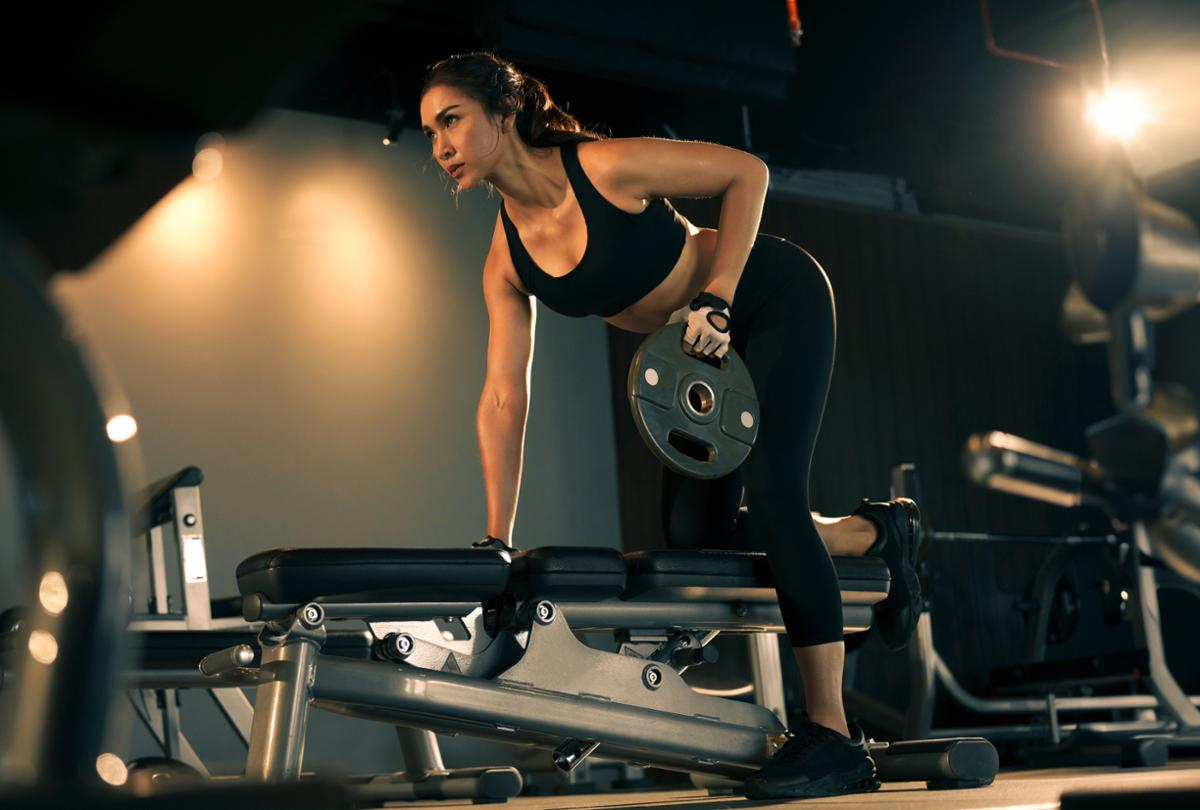
Trauma Informed Weight Lifting: The Science
Trauma-informed Weight Lifting is undertaking a series of research studies to understand the scientific benefits of lifting weights. Two studies were published last year and there will be more this year

One of the research programmes was interview-based and involved a mixed-gender group of 46 trauma survivors, who had been weightlifting for at least three months and ranged in age from 23 to 68-years.

The results were encouraging and showed lifting weights, combined with the sense of belonging in a gym community, can be transformational for trauma survivors, leading to healing and post-traumatic growth.

Trauma commonly presents in a sense of disembodiment and social isolation. It leads to the individual disconnecting from their body, which feels unsafe because a dysregulated nervous system gets easily triggered, sending alarm signals to the brain, leading to a cascade of anxious thoughts.

As a result, trauma survivors can lose the ability to listen to their bodies and fail to recognise physical cues, such as tiredness and hunger. This can lead to negative coping strategies, such as disordered eating, substance and alcohol use.

Another symptom of trauma is dissociation, when the mind disconnects from reality, so individuals struggle to feel present and grounded. In short, trauma survivors aren’t connected to their bodies and are tortured by their minds.

The research shows that weightlifting can heal the trauma by reigniting the mind-body connection. As research participants focused on their breathing while they lifted, they spoke of feeling internal sensations again and feeling the contraction of the muscles in connection with the breath.

Strength in the body was found to be empowering in itself – individuals spoke of the feeling being transformational – and it also led to increased mental resilience. Participants also found they were better able to stop their minds wandering off to catastrophic thoughts, and their feelings of self-worth and self-esteem improved.

This led to secondary benefits, such as being more motivated to follow a healthy routine and habits around eating, sleeping, exercise and social connection, which led to healing and making them more proactive about making positive changes.

Furthermore, the gym community gave them support through social connection and helped them reshape the way they perceived themselves, their lives and their world.

Weightlifting can heal trauma by reigniting the mind-body connection / photo: Shutterstock / Dusan Petkovic
Sign up here to get Fit Tech's weekly ezine and every issue of Fit Tech magazine free on digital.
Gallery
More features
Editor's letter

Into the fitaverse

Fitness is already among the top three markets in the metaverse, with new technology and partnerships driving real growth and consumer engagement that looks likely to spill over into health clubs, gyms and studios
Fit Tech people

Ali Jawad

Paralympic powerlifter and founder, Accessercise
Users can easily identify which facilities in the UK are accessible to the disabled community
Fit Tech people

Hannes Sjöblad

MD, DSruptive
We want to give our users an implantable tool that allows them to collect their health data at any time and in any setting
Fit Tech people

Jamie Buck

Co-founder, Active in Time
We created a solution called AiT Voice, which turns digital data into a spoken audio timetable that connects to phone systems
Profile

Fahad Alhagbani: reinventing fitness

The team is young and ambitious, and the awareness of technology is very high. We share trends and out-of-the-box ideas almost every day
Opinion

Building on the blockchain

For small sports teams looking to compete with giants, blockchain can be a secret weapon explains Lars Rensing, CEO of Protokol
Innovation

Bold move

Our results showed a greater than 60 per cent reduction in falls for individuals who actively participated in Bold’s programme
App analysis

Check your form

Sency’s motion analysis technology is allowing users to check their technique as they exercise. Co-founder and CEO Gal Rotman explains how
Profile

New reality

Sam Cole, CEO of FitXR, talks to Fit Tech about taking digital workouts to the next level, with an immersive, virtual reality fitness club
Profile

Sohail Rashid

The app is free and it’s $40 to participate in one of our virtual events
Ageing

Reverse Ageing

Many apps help people track their health, but Humanity founders Peter Ward and Michael Geer have put the focus on ageing, to help users to see the direct repercussions of their habits. They talk to Steph Eaves
App analysis

Going hybrid

Workout Anytime created its app in partnership with Virtuagym. Workout Anytime’s Greg Maurer and Virtuagym’s Hugo Braam explain the process behind its creation
Research

Physical activity monitors boost activity levels

Researchers at the University of Copenhagen have conducted a meta analysis of all relevant research and found that the body of evidence shows an impact
Editor's letter

Two-way coaching

Content providers have been hugely active in the fit tech market since the start of the pandemic. We expect the industry to move on from delivering these services on a ‘broadcast-only’ basis as two-way coaching becomes the new USP
Fit Tech People

Laurent Petit

Co-founder, Active Giving
The future of sports and fitness are dependent on the climate. Our goal is to positively influence the future of our planet by instilling a global vision of wellbeing and a sense of collective action
Fit Tech People

Adam Zeitsiff

CEO, Intelivideo
We don’t just create the technology and bail – we support our clients’ ongoing hybridisation efforts
Fit Tech People

Anantharaman Pattabiraman

CEO and co-founder, Auro
When you’re undertaking fitness activities, unless you’re on a stationary bike, in most cases it’s not safe or necessary to be tied to a screen, especially a small screen
Fit Tech People

Mike Hansen

Managing partner, Endorphinz
We noticed a big gap in the market – customers needed better insights but also recommendations on what to do, whether that be customer acquisition, content creation, marketing and more
More features