



GET FIT TECH
Sign up for the FREE digital edition of Fit Tech magazine and also get the Fit Tech ezine and breaking news email alerts.
Not right now, thanksclose this window I've already subscribed!
EGYM | Fit Tech promotion
features

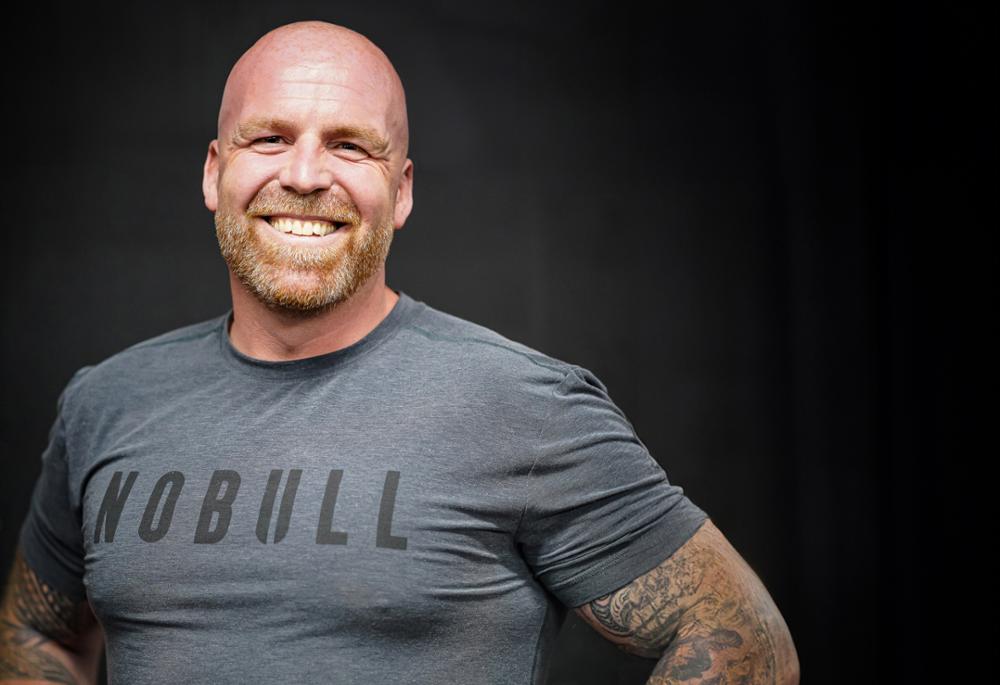
HCM People: Jean-Claude Vacassin

MD, Foundry

There wasn’t time to implement change slowly, so we just had to rip the Band-Aid off

Published in Health Club Management 2024 issue 9

What led to you joining Foundry?
I previously had my own operationally robust gym called W10 and off the back of that set up a consultancy, helping other gym owners to replicate the model with their own brands.

Two years ago, the guys behind Foundry called me and said they’d got an under-performing business with a lot of brand equity and decent leases in overall reasonable locations, but they’d lost their way a little bit in terms of operating systems, personnel and standards.

They asked if I wanted to put my operating systems and model behind their brand.

What were the main issues?
It was very busy, but not very profitable, with 23 different membership options. We had a lot of freelance instructors and even those that were on PAYE were allowed to use the premises to train their own clients, so they were basically using Foundry as a platform to grow their own businesses. People would come in on a Classpass and the PTs would recruit them as their own clients.

There needed to be boundaries. We needed to clean the house and professionalise, while at the same time conveying to the members the plans for the business.

Previously there had been a lot of collaboration with clients, but the way the business was trending there wasn’t time to implement change slowly, so we just had to rip the Band-Aid off.

What model did you introduce?
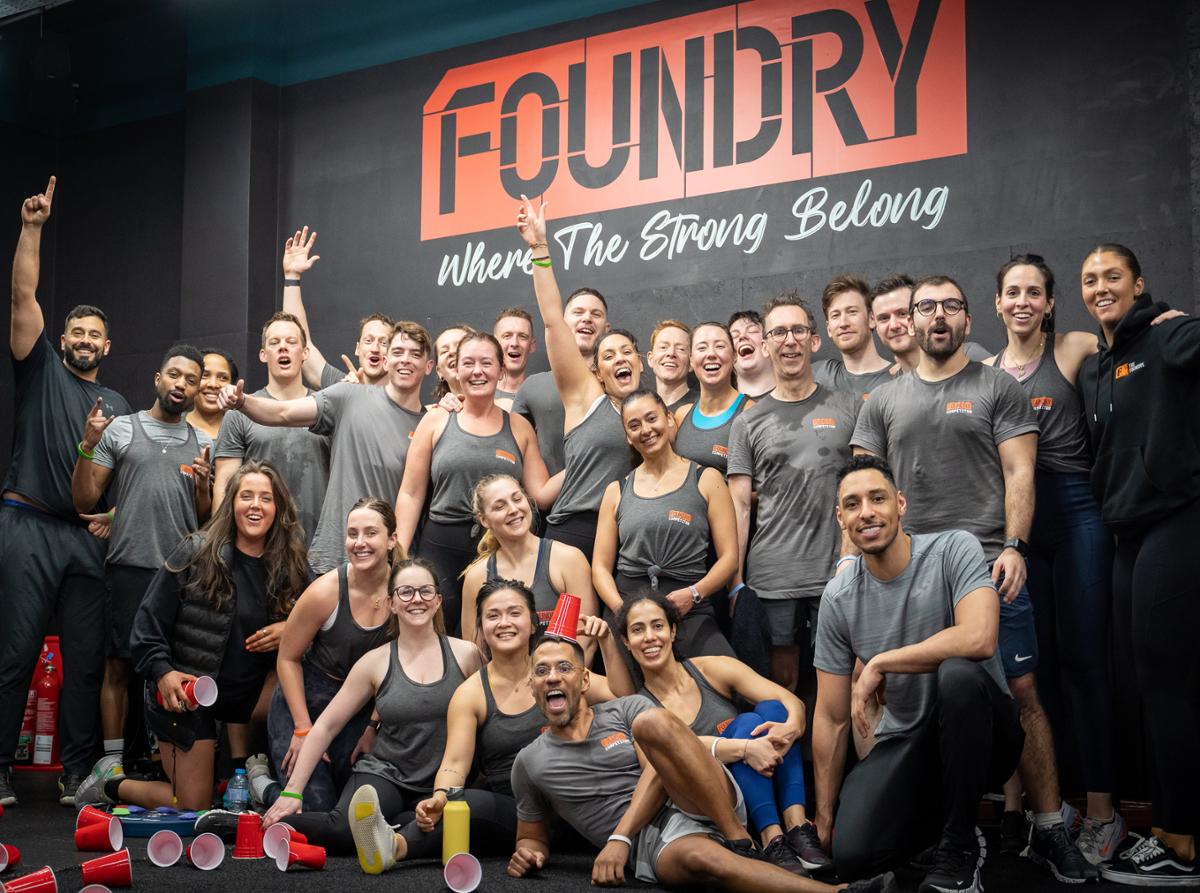
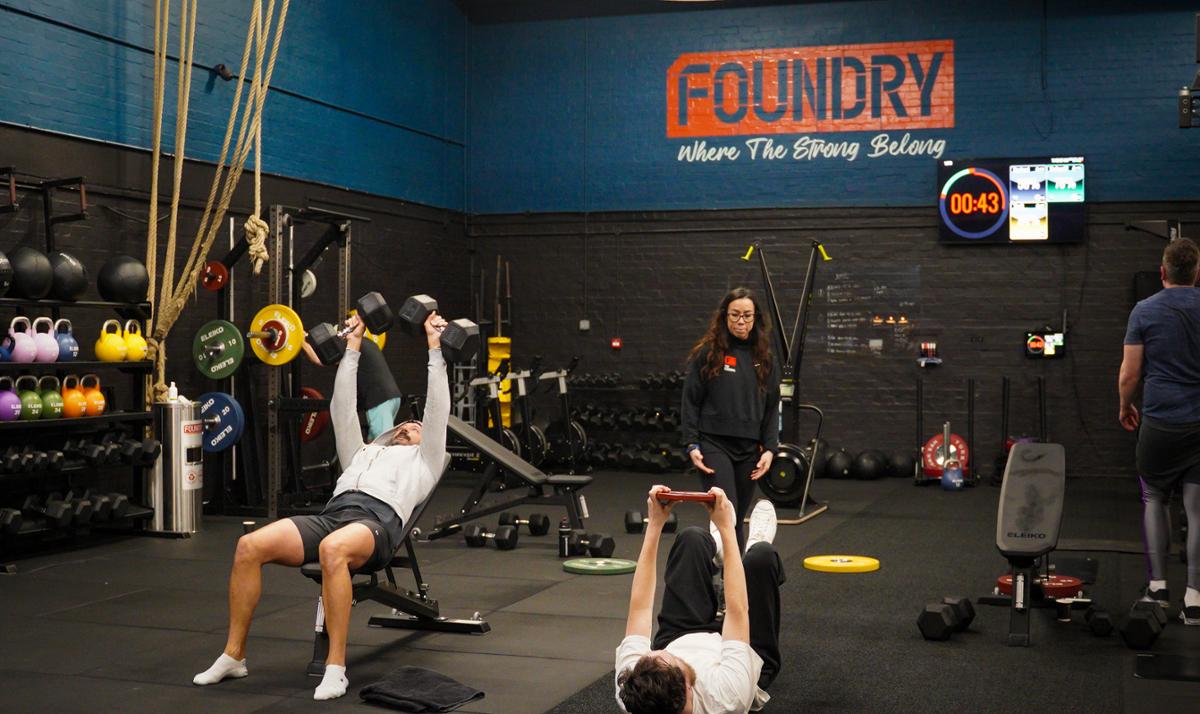
It’s a small group training model with a 50-minute class on the hour every hour. Although we have a strong training culture, it’s marketed to slightly older people who either don’t like the gym, have never been to a gym, or have failed in the gym. We offer the type of environment you can be in at 6.00am without your face on – no mirrors and no judgment.

It’s a recurring revenue model, so we charge a monthly fee that includes coaching, which makes us an expensive gym but a cheap way to have personal training. The monthly subscription is between £250 and £500 depending on how much inclusive personal training people choose to have.

At first glance the price point isn’t for the faint-hearted, but we offer access to personal training with no more than six in a group – plus large group training classes of up to 16 and an open gym membership.

People can buy a four-, eight- or 12-pass monthly membership or all-access that gives them unlimited small group sessions. Depending on the site, we run sessions from 6.00am until 9.00pm.

The larger group sessions are what they say on the tin: Stretch, Build, Hybrid, Run Club in the summer and an erg class called Sweat. These complement the personal training sessions and there are 15 of them each week.

What have been the impact of the changes?
It’s now a 90 per cent recurring revenue model, with 45 per cent revenue growth and 30 per cent membership growth in 2023, as well as 15 per cent site-on-site growth and so far two new sites in 2024.

How would you describe Foundry?
The vibe is posh spit and sawdust. Industrial chic. We’ve got common themes in terms of the brand and the style, but each one looks slightly different because we want them to feel like local sites and individual, so we've deliberately made them look and feel a bit different from each other.

All our fit-outs have an eco/sustainability thread running through them. We try to buy remanufactured and refurbished kit. We don't waste money on marble walls or glamorous fountains, but spend our money on best-in-class equipment and invest heavily in our staff, as well as keeping clubs spotlessly clean.

Ideally we’d always choose natural light over a nightclubby vibe, but that’s not always possible. Our Aldgate club is in a basement so we’ve gone for a loungy, members’ club feel. At Richmond, North Kensington and Bank, we've got natural light, floor to ceiling and Tunbridge Wells is a converted barn.

How many sites do you have?
Seven, including the acquisition of a former client of mine near Tunbridge Wells, which was a profitable club with an established membership base. It started operating as Foundry on 1 September. We also have a new build at Aldgate, east London.

When you start from zero you've got to come out the traps hard to meet the fixed costs and break even as quickly as possible. Typically we sell a 21-day challenge to get people into the gyms.

What are the expansion plans going forward?
We’ve recently taken on some investment and brought in a new chair, Rob Foreman, who is ex-private equity and has worked with lots of consumer-based businesses to steer us through the next phase of growth. Steph McCall has joined as finance director. Formerly with The Gym Group, she’ll be holding the purse strings.

We’d like to take Foundry to other local markets. I think there are lots of opportunities in pockets of London to do that and more opportunities in the south east, especially areas similar to Tunbridge Wells. We don't need a lot of chimney pots: only 200 people in a given location to agree that we’re the right fit for them.

Could you go beyond London and the south east? Could it work in a rural area?
My consultancy spent five years working with around 600 gym owners to introduce the model under their own brands, so there are examples of it across the UK. Franchise is one of the options for us as we grow and we've got a franchise package ready to pilot.

It’s a model that lends itself to franchising and working with other owner operators. Supporting this, we've got a very robust CIMSPA-accredited education pathway.

Do you still have a charitable arm?
Yes, we continue to work with the Black Prince Trust on various community projects, as well as the Felix Project. We donate to a charity called Magic Breakfast: we pay forward £2 for every direct debit line that we run every month and give our customers the opportunity to match it. We’ve paid for well over 100,000 breakfasts and climbing.

We've always been acutely aware that the price isn’t inclusive and accessible to everybody. We can't provide the product we want at a price everybody can afford, but we can pay it forward and do social enterprise work. As we evolve, this will become an increasing focus for us.

As chair of UK Active’s Independent Gym Owners’ group, are there issues which are specifically impacting independents?
It’s a broad and eclectic mix that sits under the independent umbrella, but there are some macro challenges affecting us all. Anything in the brick and mortar service sector is volatile, and there are some real challenges around rising costs in terms of rents, utilities and staff. Recruitment is an issue globally.

As an independent, in order to be sustainable you have to be very good operationally and position yourself in a place where you've got a unique edge. If you try to do the same thing as the larger operators, but not as well, it’s gonna be a tough ride.

But independents are well placed because they're so nimble. We can't splash the cash, or be the first to market and we’re not necessarily going to be seen as innovators, but we can move quickly and adapt to trends.

Fundamentally, what a lot of us are selling is relationships, service and coaching – services that have a human element. We’re seeing increased demand when it comes to people wanting really good quality, in-person service.

Sign up here to get Fit Tech's weekly ezine and every issue of Fit Tech magazine free on digital.
Gallery
More features
Editor's letter

Into the fitaverse

Fitness is already among the top three markets in the metaverse, with new technology and partnerships driving real growth and consumer engagement that looks likely to spill over into health clubs, gyms and studios
Fit Tech people

Ali Jawad

Paralympic powerlifter and founder, Accessercise
Users can easily identify which facilities in the UK are accessible to the disabled community
Fit Tech people

Hannes Sjöblad

MD, DSruptive
We want to give our users an implantable tool that allows them to collect their health data at any time and in any setting
Fit Tech people

Jamie Buck

Co-founder, Active in Time
We created a solution called AiT Voice, which turns digital data into a spoken audio timetable that connects to phone systems
Profile

Fahad Alhagbani: reinventing fitness

The team is young and ambitious, and the awareness of technology is very high. We share trends and out-of-the-box ideas almost every day
Opinion

Building on the blockchain

For small sports teams looking to compete with giants, blockchain can be a secret weapon explains Lars Rensing, CEO of Protokol
Innovation

Bold move

Our results showed a greater than 60 per cent reduction in falls for individuals who actively participated in Bold’s programme
App analysis

Check your form

Sency’s motion analysis technology is allowing users to check their technique as they exercise. Co-founder and CEO Gal Rotman explains how
Profile

New reality

Sam Cole, CEO of FitXR, talks to Fit Tech about taking digital workouts to the next level, with an immersive, virtual reality fitness club
Profile

Sohail Rashid

35 million people a week participate in strength training. We want Brawn to help this audience achieve their goals
Ageing

Reverse Ageing

Many apps help people track their health, but Humanity founders Peter Ward and Michael Geer have put the focus on ageing, to help users to see the direct repercussions of their habits. They talk to Steph Eaves
App analysis

Going hybrid

Workout Anytime created its app in partnership with Virtuagym. Workout Anytime’s Greg Maurer and Virtuagym’s Hugo Braam explain the process behind its creation
Research

Physical activity monitors boost activity levels

Researchers at the University of Copenhagen have conducted a meta analysis of all relevant research and found that the body of evidence shows an impact
Editor's letter

Two-way coaching

Content providers have been hugely active in the fit tech market since the start of the pandemic. We expect the industry to move on from delivering these services on a ‘broadcast-only’ basis as two-way coaching becomes the new USP
Fit Tech People

Laurent Petit

Co-founder, Active Giving
The future of sports and fitness are dependent on the climate. Our goal is to positively influence the future of our planet by instilling a global vision of wellbeing and a sense of collective action
Fit Tech People

Adam Zeitsiff

CEO, Intelivideo
We don’t just create the technology and bail – we support our clients’ ongoing hybridisation efforts
Fit Tech People

Anantharaman Pattabiraman

CEO and co-founder, Auro
When you’re undertaking fitness activities, unless you’re on a stationary bike, in most cases it’s not safe or necessary to be tied to a screen, especially a small screen
Fit Tech People

Mike Hansen

Managing partner, Endorphinz
We noticed a big gap in the market – customers needed better insights but also recommendations on what to do, whether that be customer acquisition, content creation, marketing and more
More features
Every week, millions of people get fit in 21,000 clubs, across 100 countries with the ...
CET have developed ice baths specifically for the fitness and wellness sectors in addition to ...
22-23 Sep 2026
Four Seasons Hotel Bangkok at Chao Phraya River, Bangkok , Thailand
Every week, millions of people get fit in 21,000 clubs, across 100 countries with the ...
CET have developed ice baths specifically for the fitness and wellness sectors in addition to ...
Get Fit Tech
Sign up for the free Fit Tech ezine and breaking news alerts
Sign up
22-23 Sep 2026
Four Seasons Hotel Bangkok at Chao Phraya River, Bangkok , Thailand

latest fit tech news

PureGym is encouraging people to step away from their screens and go for a walk, in a new initiative timed ...
news • 29 May 2026
Active people app, Strava, has overhauled its strength training experience, allowing gym-goers to automatically log and share their lifts from ...
news • 27 May 2026

Fitness First UK is embracing digital wellness technology by installing Kip’s tap-to-activate phone controls across its UK estate. Kip tags ...
news • 22 May 2026
The world’s first awareness ring has been launched. Designed to promote presence, focus and calm via gentle haptic vibrations, the ...
news • 13 May 2026
Center Parcs’ Aqua Sana Forest Spa, Woburn Forest, UK, has transformed an unused space into a touchless wellness area called ...
news • 12 May 2026
Gharieni Group has launched a new company, Cobotics Innovations, to create automated wellness experiences. The first solution is a robotic ...
product innovation • 07 May 2026

US-based robotics wellness company Aescape Inc has entered insolvency proceedings following the sale of substantially all of its ...

news • 06 May 2026
Fitness platform, Zing Coach, has teamed up with Les Mills, in a partnership that gives its users access to group ...
news • 23 Apr 2026

TMActive is launching a new Active Wellbeing Studio next month in Tonbridge, UK, specifically aimed at people who face higher ...
news • 13 Apr 2026

Indian billionaire, Deepinder Goyal, is working on a device called Temple that aims to track blood flow to the brain ...
news • 10 Apr 2026
More fit tech news
features

HCM People: Jean-Claude Vacassin

MD, Foundry

There wasn’t time to implement change slowly, so we just had to rip the Band-Aid off

Published in Health Club Management 2024 issue 9

What led to you joining Foundry?
I previously had my own operationally robust gym called W10 and off the back of that set up a consultancy, helping other gym owners to replicate the model with their own brands.

Two years ago, the guys behind Foundry called me and said they’d got an under-performing business with a lot of brand equity and decent leases in overall reasonable locations, but they’d lost their way a little bit in terms of operating systems, personnel and standards.

They asked if I wanted to put my operating systems and model behind their brand.

What were the main issues?
It was very busy, but not very profitable, with 23 different membership options. We had a lot of freelance instructors and even those that were on PAYE were allowed to use the premises to train their own clients, so they were basically using Foundry as a platform to grow their own businesses. People would come in on a Classpass and the PTs would recruit them as their own clients.

There needed to be boundaries. We needed to clean the house and professionalise, while at the same time conveying to the members the plans for the business.

Previously there had been a lot of collaboration with clients, but the way the business was trending there wasn’t time to implement change slowly, so we just had to rip the Band-Aid off.

What model did you introduce?
It’s a small group training model with a 50-minute class on the hour every hour. Although we have a strong training culture, it’s marketed to slightly older people who either don’t like the gym, have never been to a gym, or have failed in the gym. We offer the type of environment you can be in at 6.00am without your face on – no mirrors and no judgment.

It’s a recurring revenue model, so we charge a monthly fee that includes coaching, which makes us an expensive gym but a cheap way to have personal training. The monthly subscription is between £250 and £500 depending on how much inclusive personal training people choose to have.

At first glance the price point isn’t for the faint-hearted, but we offer access to personal training with no more than six in a group – plus large group training classes of up to 16 and an open gym membership.

People can buy a four-, eight- or 12-pass monthly membership or all-access that gives them unlimited small group sessions. Depending on the site, we run sessions from 6.00am until 9.00pm.

The larger group sessions are what they say on the tin: Stretch, Build, Hybrid, Run Club in the summer and an erg class called Sweat. These complement the personal training sessions and there are 15 of them each week.

What have been the impact of the changes?
It’s now a 90 per cent recurring revenue model, with 45 per cent revenue growth and 30 per cent membership growth in 2023, as well as 15 per cent site-on-site growth and so far two new sites in 2024.

How would you describe Foundry?
The vibe is posh spit and sawdust. Industrial chic. We’ve got common themes in terms of the brand and the style, but each one looks slightly different because we want them to feel like local sites and individual, so we've deliberately made them look and feel a bit different from each other.

All our fit-outs have an eco/sustainability thread running through them. We try to buy remanufactured and refurbished kit. We don't waste money on marble walls or glamorous fountains, but spend our money on best-in-class equipment and invest heavily in our staff, as well as keeping clubs spotlessly clean.

Ideally we’d always choose natural light over a nightclubby vibe, but that’s not always possible. Our Aldgate club is in a basement so we’ve gone for a loungy, members’ club feel. At Richmond, North Kensington and Bank, we've got natural light, floor to ceiling and Tunbridge Wells is a converted barn.

How many sites do you have?
Seven, including the acquisition of a former client of mine near Tunbridge Wells, which was a profitable club with an established membership base. It started operating as Foundry on 1 September. We also have a new build at Aldgate, east London.

When you start from zero you've got to come out the traps hard to meet the fixed costs and break even as quickly as possible. Typically we sell a 21-day challenge to get people into the gyms.

What are the expansion plans going forward?
We’ve recently taken on some investment and brought in a new chair, Rob Foreman, who is ex-private equity and has worked with lots of consumer-based businesses to steer us through the next phase of growth. Steph McCall has joined as finance director. Formerly with The Gym Group, she’ll be holding the purse strings.

We’d like to take Foundry to other local markets. I think there are lots of opportunities in pockets of London to do that and more opportunities in the south east, especially areas similar to Tunbridge Wells. We don't need a lot of chimney pots: only 200 people in a given location to agree that we’re the right fit for them.

Could you go beyond London and the south east? Could it work in a rural area?
My consultancy spent five years working with around 600 gym owners to introduce the model under their own brands, so there are examples of it across the UK. Franchise is one of the options for us as we grow and we've got a franchise package ready to pilot.

It’s a model that lends itself to franchising and working with other owner operators. Supporting this, we've got a very robust CIMSPA-accredited education pathway.

Do you still have a charitable arm?
Yes, we continue to work with the Black Prince Trust on various community projects, as well as the Felix Project. We donate to a charity called Magic Breakfast: we pay forward £2 for every direct debit line that we run every month and give our customers the opportunity to match it. We’ve paid for well over 100,000 breakfasts and climbing.

We've always been acutely aware that the price isn’t inclusive and accessible to everybody. We can't provide the product we want at a price everybody can afford, but we can pay it forward and do social enterprise work. As we evolve, this will become an increasing focus for us.

As chair of UK Active’s Independent Gym Owners’ group, are there issues which are specifically impacting independents?
It’s a broad and eclectic mix that sits under the independent umbrella, but there are some macro challenges affecting us all. Anything in the brick and mortar service sector is volatile, and there are some real challenges around rising costs in terms of rents, utilities and staff. Recruitment is an issue globally.

As an independent, in order to be sustainable you have to be very good operationally and position yourself in a place where you've got a unique edge. If you try to do the same thing as the larger operators, but not as well, it’s gonna be a tough ride.

But independents are well placed because they're so nimble. We can't splash the cash, or be the first to market and we’re not necessarily going to be seen as innovators, but we can move quickly and adapt to trends.

Fundamentally, what a lot of us are selling is relationships, service and coaching – services that have a human element. We’re seeing increased demand when it comes to people wanting really good quality, in-person service.
Sign up here to get Fit Tech's weekly ezine and every issue of Fit Tech magazine free on digital.
Gallery
More features
Editor's letter

Into the fitaverse

Fitness is already among the top three markets in the metaverse, with new technology and partnerships driving real growth and consumer engagement that looks likely to spill over into health clubs, gyms and studios
Fit Tech people

Ali Jawad

Paralympic powerlifter and founder, Accessercise
Users can easily identify which facilities in the UK are accessible to the disabled community
Fit Tech people

Hannes Sjöblad

MD, DSruptive
We want to give our users an implantable tool that allows them to collect their health data at any time and in any setting
Fit Tech people

Jamie Buck

Co-founder, Active in Time
We created a solution called AiT Voice, which turns digital data into a spoken audio timetable that connects to phone systems
Profile

Fahad Alhagbani: reinventing fitness

The team is young and ambitious, and the awareness of technology is very high. We share trends and out-of-the-box ideas almost every day
Opinion

Building on the blockchain

For small sports teams looking to compete with giants, blockchain can be a secret weapon explains Lars Rensing, CEO of Protokol
Innovation

Bold move

Our results showed a greater than 60 per cent reduction in falls for individuals who actively participated in Bold’s programme
App analysis

Check your form

Sency’s motion analysis technology is allowing users to check their technique as they exercise. Co-founder and CEO Gal Rotman explains how
Profile

New reality

Sam Cole, CEO of FitXR, talks to Fit Tech about taking digital workouts to the next level, with an immersive, virtual reality fitness club
Profile

Sohail Rashid

35 million people a week participate in strength training. We want Brawn to help this audience achieve their goals
Ageing

Reverse Ageing

Many apps help people track their health, but Humanity founders Peter Ward and Michael Geer have put the focus on ageing, to help users to see the direct repercussions of their habits. They talk to Steph Eaves
App analysis

Going hybrid

Workout Anytime created its app in partnership with Virtuagym. Workout Anytime’s Greg Maurer and Virtuagym’s Hugo Braam explain the process behind its creation
Research

Physical activity monitors boost activity levels

Researchers at the University of Copenhagen have conducted a meta analysis of all relevant research and found that the body of evidence shows an impact
Editor's letter

Two-way coaching

Content providers have been hugely active in the fit tech market since the start of the pandemic. We expect the industry to move on from delivering these services on a ‘broadcast-only’ basis as two-way coaching becomes the new USP
Fit Tech People

Laurent Petit

Co-founder, Active Giving
The future of sports and fitness are dependent on the climate. Our goal is to positively influence the future of our planet by instilling a global vision of wellbeing and a sense of collective action
Fit Tech People

Adam Zeitsiff

CEO, Intelivideo
We don’t just create the technology and bail – we support our clients’ ongoing hybridisation efforts
Fit Tech People

Anantharaman Pattabiraman

CEO and co-founder, Auro
When you’re undertaking fitness activities, unless you’re on a stationary bike, in most cases it’s not safe or necessary to be tied to a screen, especially a small screen
Fit Tech People

Mike Hansen

Managing partner, Endorphinz
We noticed a big gap in the market – customers needed better insights but also recommendations on what to do, whether that be customer acquisition, content creation, marketing and more
More features