



The Leisure Media Company Ltd | Fit Tech promotion
features

HCM People: Gilly McArthur

Outdoor professional and artist

There’s a pulling back to how we really should be living – a bit more floating and a little less striving

Published in Health Club Management 2025 issue 1

Who are you and what do you do?
I’m an open water and cold water swimming coach, rock climber and outdoor professional. For more than 10 years I’ve been immersing myself in cold water and working with individuals, charities, organisations and luxury hotel brands to help people access cold water in nature.

My specialism is helping absolute newcomers to enter the water safely and connect with nature in a meditative and calm way.

What got you into ice swimming?
After moving to the Lake District as a rock climber, I found myself standing on the shores of Windermere one cold autumn morning with a surfing wetsuit and took my first open water swim. The second day, after speaking to some swimmers, I decided to ditch the wetsuit. They told me that in those temperatures – around 11 or 12°C – wetsuits are a faff and that I would get used to the cold over time. I wasn’t sure, but after that first, short dip I swam through the winter without a wetsuit.

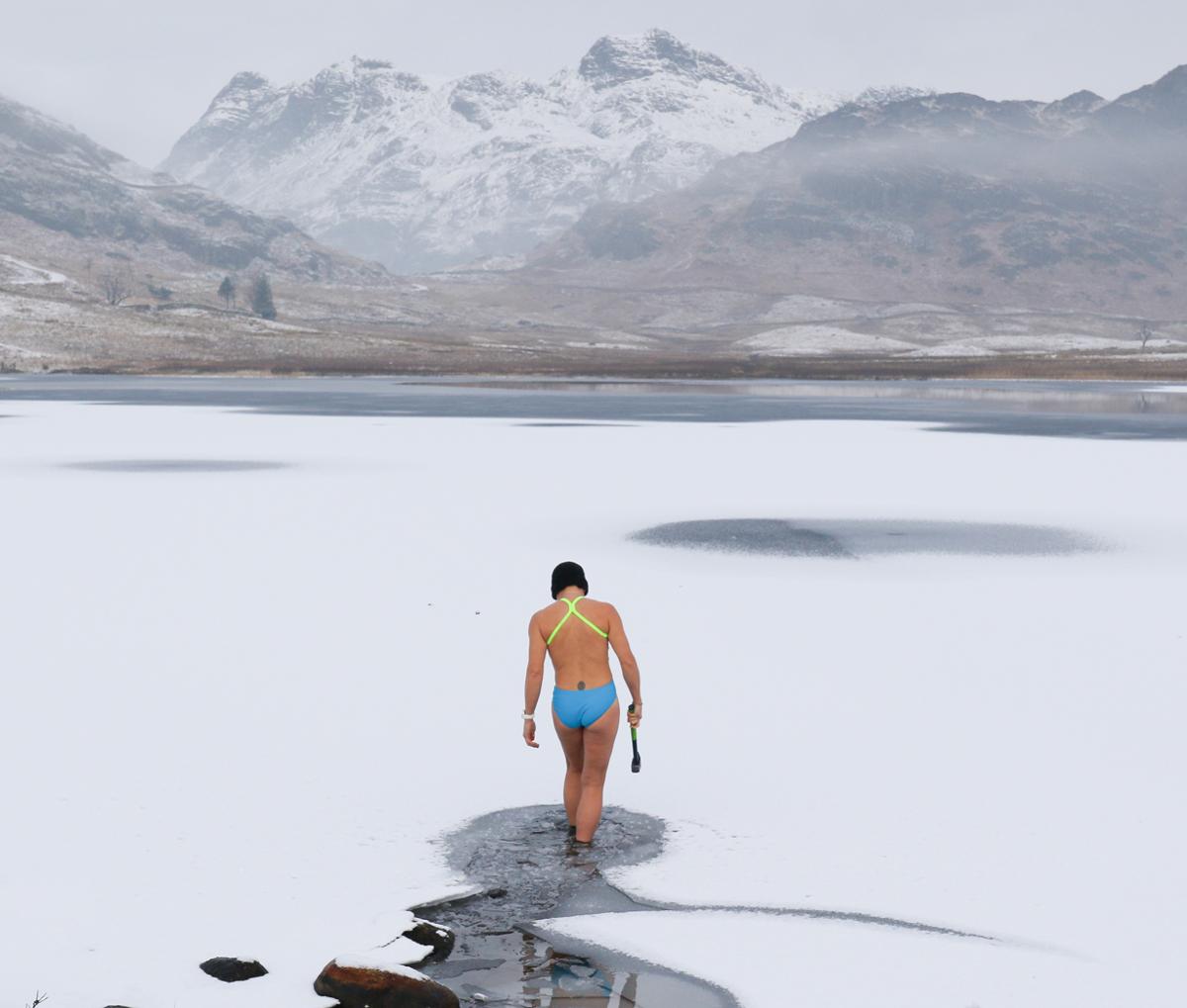
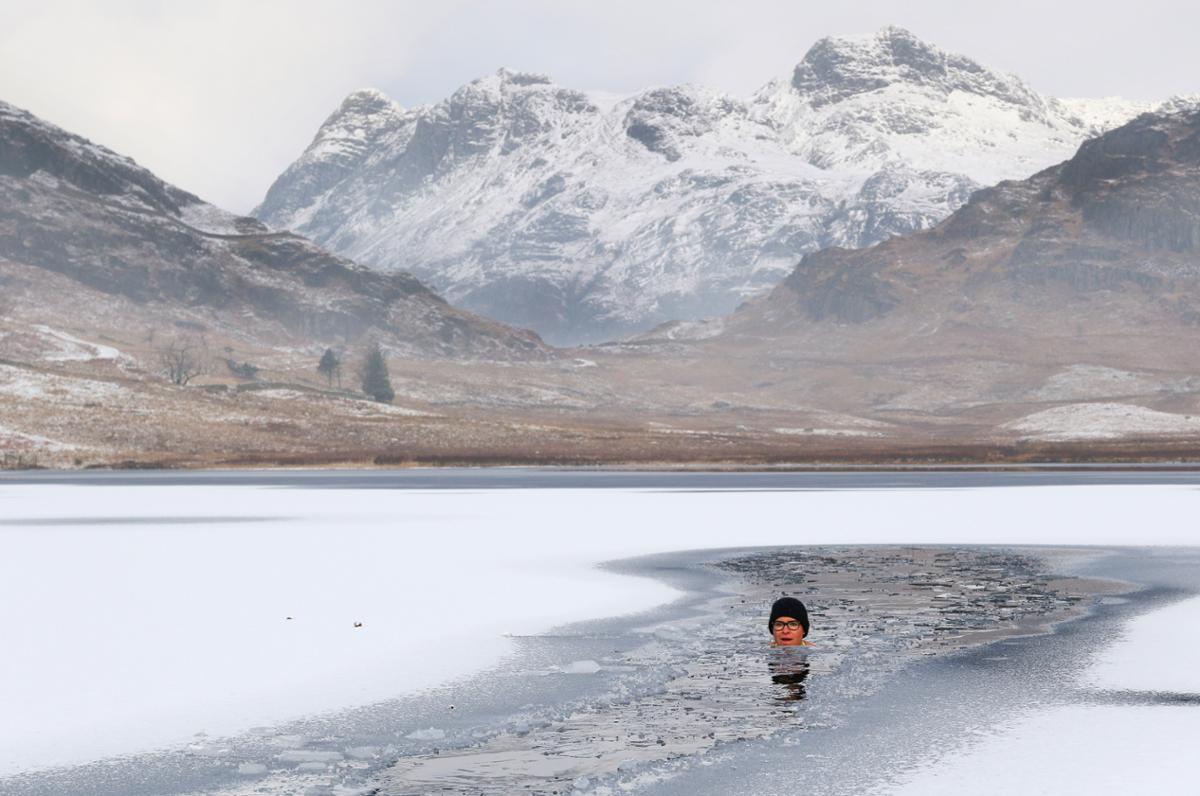
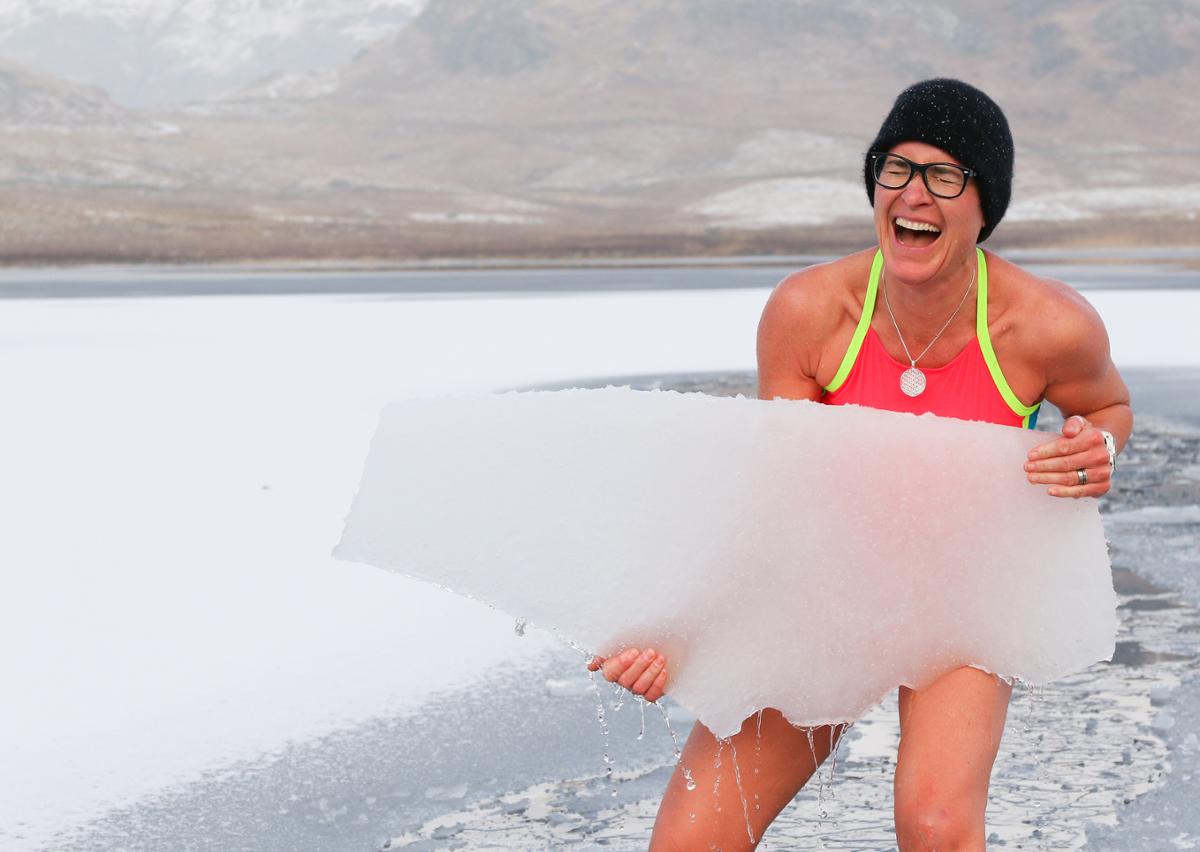
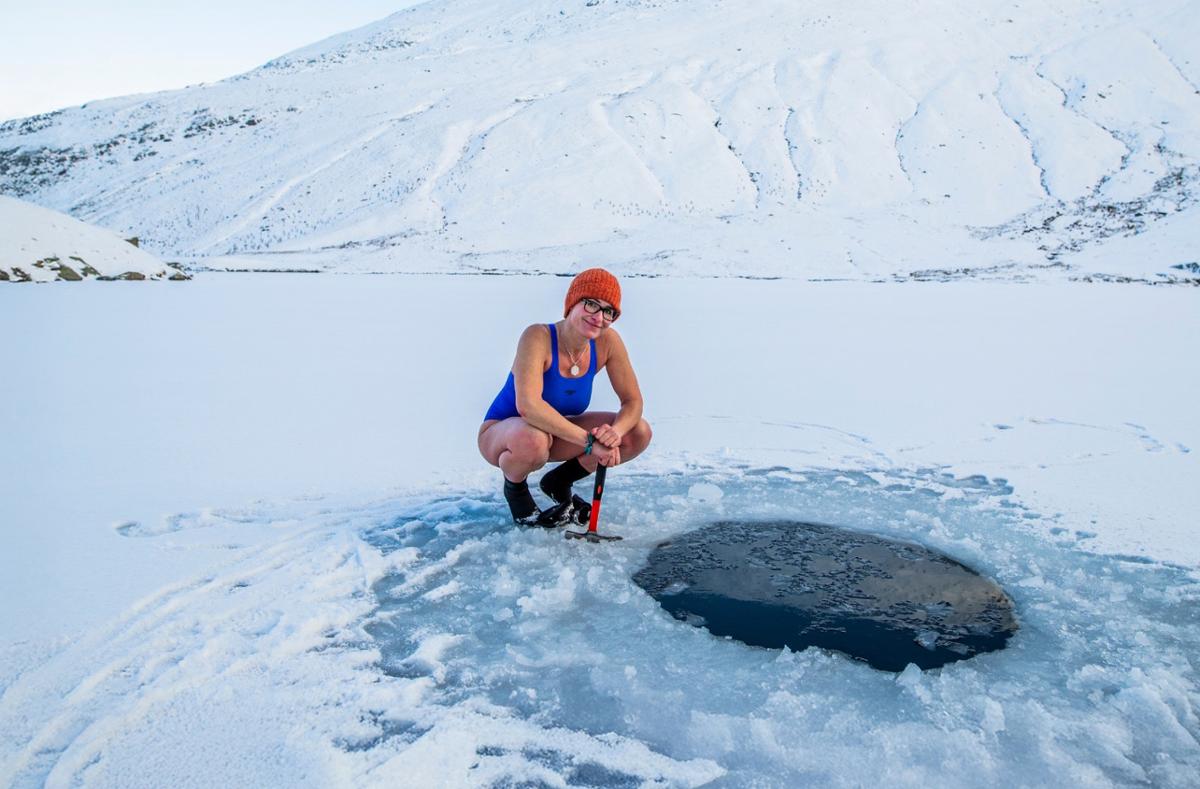
A few years ago, I decided to set myself a challenge to swim every day in January, finding bodies of water up high to swim in. Many of these were frozen and required a huge element of personal risk assessment to access. They also required a lump hammer, sledgehammer and saw! A photographer friend and fellow ice swimmer captured my escapades and we raised money for mental health charities.

When you’re bobbing in an icy lake are you loving it or waiting for it to be over?
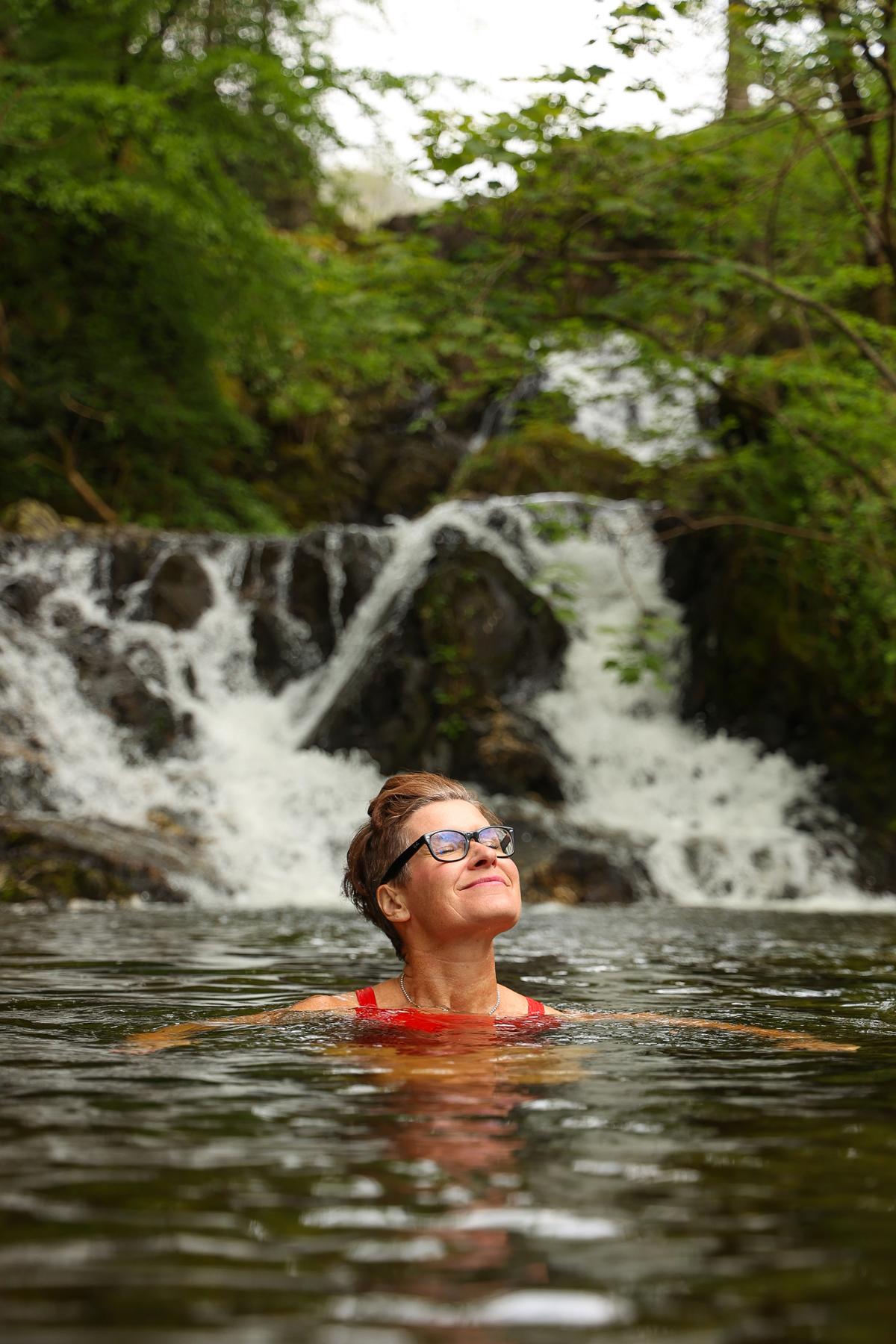
Loving it. It’s hard to explain until you do it. You just get used to the cold, the body adapts and you go from thinking it’s horrible to enjoying it and the cold just being a sensation rather than something you have to escape from. I love the green and blue and being part of a community.

What are your top tips for anyone taking a plunge?
The biggest one is to take it gently, go in slowly and when you take the plunge time it with an exhale, like a sigh, and don’t swim off until your breathing is under control.

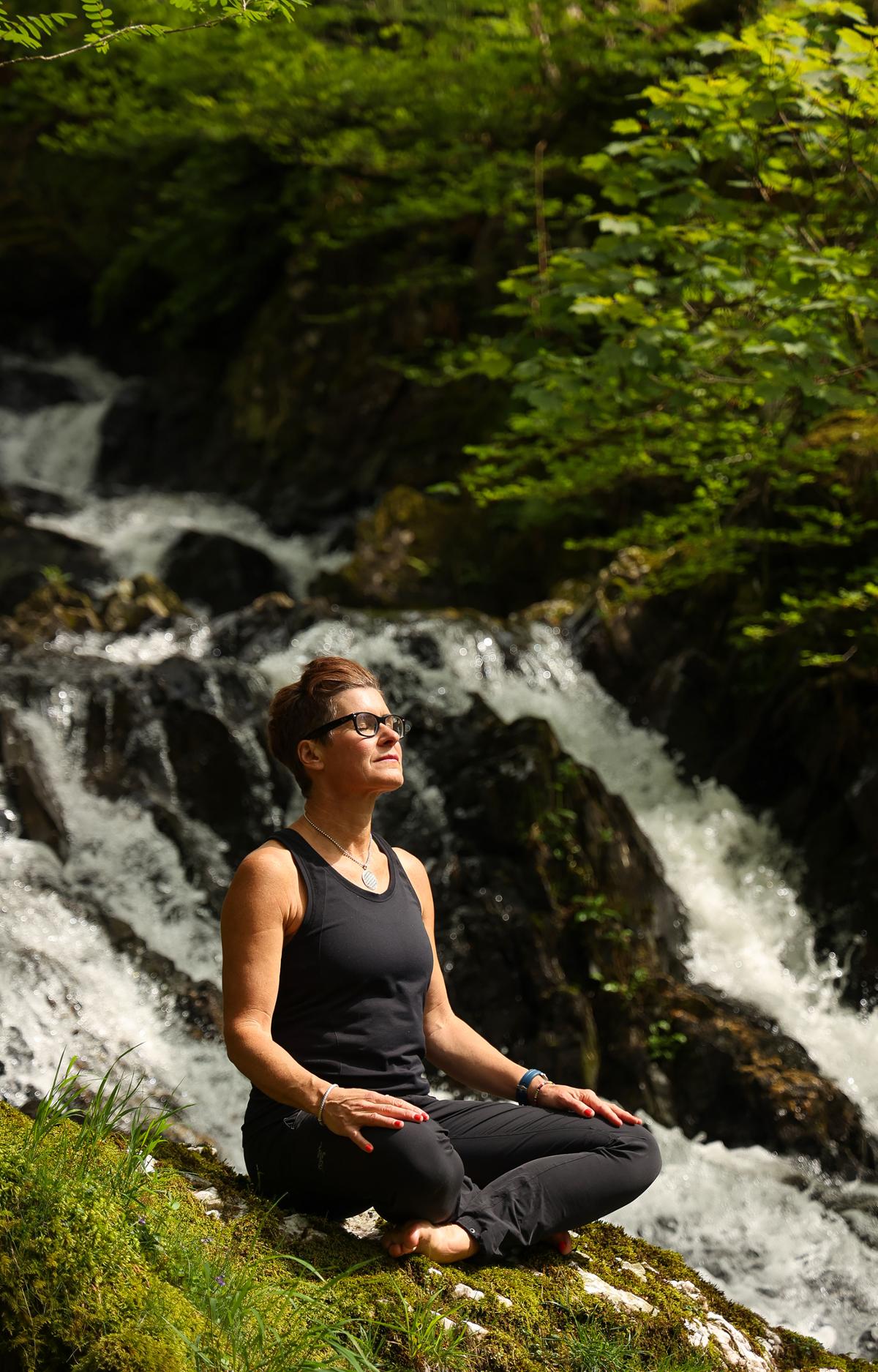
When we’re scared we hold our breath, tighten our hands, raise our shoulders, close our eyes and bow our heads which all signal to our brains that we’re frightened, so we need to do the opposite when we sink into the water. Stay in the body and be present, I ask people to feel into their body and their feet and to focus on their breath. It’s all about being in the moment, which is why it’s so beneficial.

Definitely do not do the macho thing of running into the water and taking a dive. This can cause autonomic conflict – a cold shock response that can cause a gasp and the ingestion of water, which can be dangerous.

How you get out is also important because you carry on cooling down for another 20 minutes, so it’s important to get dressed quickly, from the top down, as any wind can strip degrees off the skin temperature.

Tell us about Blue Mind Men
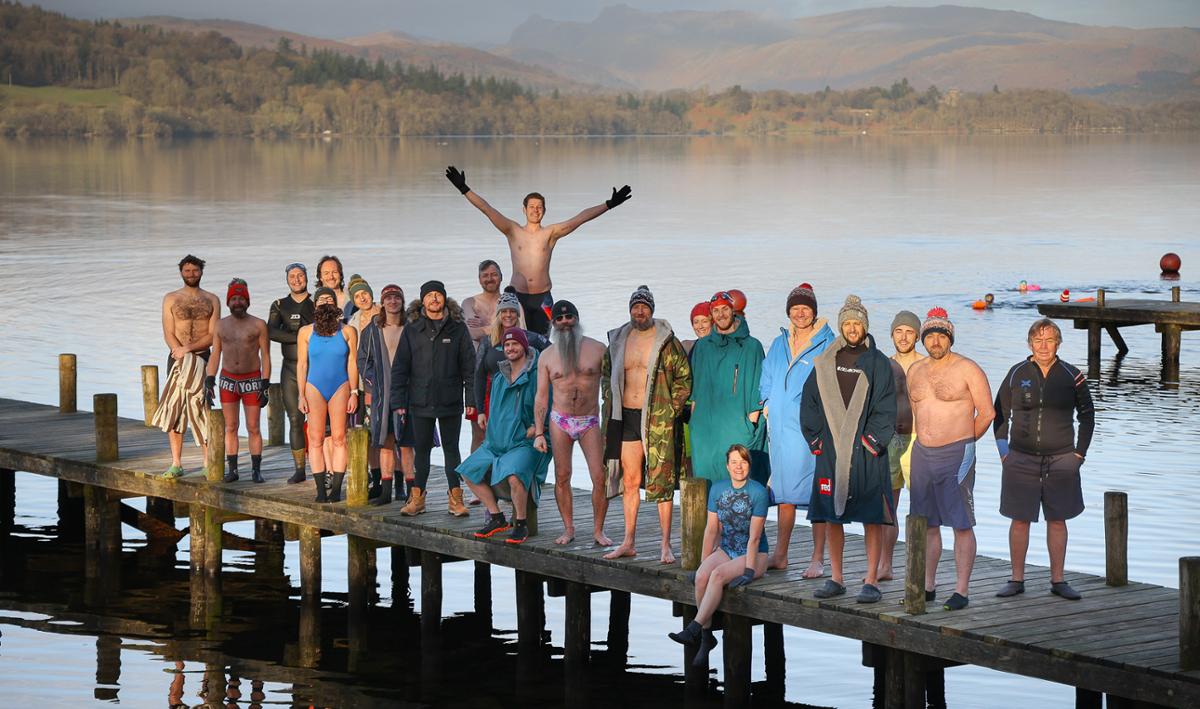
When I set it up in January 2022, women were more featured than men around cold water, so I decided to change it up. I swam with different men and captured their stories on social media. In that month I swam with more than 150 men, raised money for men’s suicide charity, CALM and set up Blue Mind Men which is now almost three years old.

Regardless of the weather, we now meet every Sunday and get into the water more often than not just having a small swim. Many men enjoy the feeling of that connection with themselves, the community and the cold water. There really is nothing better than hearing the chatter on the shore afterwards in this beautiful blue and green space.

What are the mental health benefits?
Cold water is a stressor on your body, but by leaning into the stress in a manageable way you teach your brain that you can do stressful things. This leaning into discomfort is very powerful so long as we’re doing it of our own volition, it’s beautiful not to strive and just be hugely present, much like when you meditate.

Coupled with the community aspect and being in a green and blue space, this can hugely boost our mental wellbeing. Spending time in nature is also a great way to relieve depression and finding some stillness is quite magical.

I’ve taken people into the water who are on strong medication and would never consider themselves to be swimmers and I’ve seen them one year on, forming their own swim groups, off all medication and truly blooming.

Tell us about the evidence
I’m currently involved in a study led by the University of Portsmouth, with NHS Sussex and University of Oxford Extreme Environments Lab, looking at whether cold water can alleviate symptoms of depression and anxiety.

There are 19 groups around the country who are swimming for eight weeks, and control groups who aren’t and then the impact on their mental health is being measured by researchers. We’re seeing amazing results.

My group of swimmers includes men and women ranging from 19 to early their 60s and they’re all baking cakes for each other, car sharing and meeting outside the swimming sessions.

The aim is to teach people to create groups themselves and it could also potentially result in widening access to water, opening up more swimming spots, such as at reservoirs, National Trust properties and lidos and also improving water quality.

Can the same benefits be gained indoors?
Swimming pools are important so people can learn to swim and then safely access open water. Also many open water swimmers I know use pools to get their distance swimming in, as outdoor swims tend to be more mellow. However, I don’t think the benefits are as good, because it’s not as hard and you don’t get the connection to the outdoors.

How can health club operators get involved?
Ideally they’d start by consulting with an open water coach, as open water swimming is classed as an adventure sport and there are dangers, including potentially having to rescue someone. It’s important to swim in places where there’s a phone signal and make sure the body of water is safe.

Also be mindful about being in nature’s home. Leave it better. Don’t make fires or disturb nesting birds or beavers, take home litter and pick up what’s been left by other people.

The secret in all of this is to make it meaningful and impactful and give the clients the right tools to know how to safely do this for themselves. Placing mother nature at the centre of the experience is important, because within that there is a pulling back to how we really should be living – a bit more floating and a little less striving.

More: www.gillymcarthur.com
Sign up here to get Fit Tech's weekly ezine and every issue of Fit Tech magazine free on digital.
Gallery
More features
Editor's letter

Into the fitaverse

Fitness is already among the top three markets in the metaverse, with new technology and partnerships driving real growth and consumer engagement that looks likely to spill over into health clubs, gyms and studios
Fit Tech people

Ali Jawad

Paralympic powerlifter and founder, Accessercise
Users can easily identify which facilities in the UK are accessible to the disabled community
Fit Tech people

Hannes Sjöblad

MD, DSruptive
We want to give our users an implantable tool that allows them to collect their health data at any time and in any setting
Fit Tech people

Jamie Buck

Co-founder, Active in Time
We created a solution called AiT Voice, which turns digital data into a spoken audio timetable that connects to phone systems
Profile

Fahad Alhagbani: reinventing fitness

Let’s live in the future to improve today
Opinion

Building on the blockchain

For small sports teams looking to compete with giants, blockchain can be a secret weapon explains Lars Rensing, CEO of Protokol
Innovation

Bold move

We ended up raising US$7m in venture capital from incredible investors, including Andreessen Horowitz, Khosla Ventures, Primetime Partners, and GingerBread Capital
App analysis

Check your form

Sency’s motion analysis technology is allowing users to check their technique as they exercise. Co-founder and CEO Gal Rotman explains how
Profile

New reality

Sam Cole, CEO of FitXR, talks to Fit Tech about taking digital workouts to the next level, with an immersive, virtual reality fitness club
Profile

Sohail Rashid

35 million people a week participate in strength training. We want Brawn to help this audience achieve their goals
Ageing

Reverse Ageing

Many apps help people track their health, but Humanity founders Peter Ward and Michael Geer have put the focus on ageing, to help users to see the direct repercussions of their habits. They talk to Steph Eaves
App analysis

Going hybrid

Workout Anytime created its app in partnership with Virtuagym. Workout Anytime’s Greg Maurer and Virtuagym’s Hugo Braam explain the process behind its creation
Research

Physical activity monitors boost activity levels

Researchers at the University of Copenhagen have conducted a meta analysis of all relevant research and found that the body of evidence shows an impact
Editor's letter

Two-way coaching

Content providers have been hugely active in the fit tech market since the start of the pandemic. We expect the industry to move on from delivering these services on a ‘broadcast-only’ basis as two-way coaching becomes the new USP
Fit Tech People

Laurent Petit

Co-founder, Active Giving
The future of sports and fitness are dependent on the climate. Our goal is to positively influence the future of our planet by instilling a global vision of wellbeing and a sense of collective action
Fit Tech People

Adam Zeitsiff

CEO, Intelivideo
We don’t just create the technology and bail – we support our clients’ ongoing hybridisation efforts
Fit Tech People

Anantharaman Pattabiraman

CEO and co-founder, Auro
When you’re undertaking fitness activities, unless you’re on a stationary bike, in most cases it’s not safe or necessary to be tied to a screen, especially a small screen
Fit Tech People

Mike Hansen

Managing partner, Endorphinz
We noticed a big gap in the market – customers needed better insights but also recommendations on what to do, whether that be customer acquisition, content creation, marketing and more
More features
Fitbench creates modular training solutions designed to support efficient, high-quality workouts in a wide range ...
EGYM partners with companies to improve employee health by providing access to fitness and health ...
22-23 Sep 2026
Four Seasons Hotel Bangkok at Chao Phraya River, Bangkok , Thailand
Fitbench creates modular training solutions designed to support efficient, high-quality workouts in a wide range ...
EGYM partners with companies to improve employee health by providing access to fitness and health ...
Get Fit Tech
Sign up for the free Fit Tech ezine and breaking news alerts
Sign up
22-23 Sep 2026
Four Seasons Hotel Bangkok at Chao Phraya River, Bangkok , Thailand

latest fit tech news

PureGym is encouraging people to step away from their screens and go for a walk, in a new initiative timed ...
news • 29 May 2026
Active people app, Strava, has overhauled its strength training experience, allowing gym-goers to automatically log and share their lifts from ...
news • 27 May 2026

Fitness First UK is embracing digital wellness technology by installing Kip’s tap-to-activate phone controls across its UK estate. Kip tags ...
news • 22 May 2026
The world’s first awareness ring has been launched. Designed to promote presence, focus and calm via gentle haptic vibrations, the ...
news • 13 May 2026
Center Parcs’ Aqua Sana Forest Spa, Woburn Forest, UK, has transformed an unused space into a touchless wellness area called ...
news • 12 May 2026
Gharieni Group has launched a new company, Cobotics Innovations, to create automated wellness experiences. The first solution is a robotic ...
product innovation • 07 May 2026

US-based robotics wellness company Aescape Inc has entered insolvency proceedings following the sale of substantially all of its ...

news • 06 May 2026
Fitness platform, Zing Coach, has teamed up with Les Mills, in a partnership that gives its users access to group ...
news • 23 Apr 2026

TMActive is launching a new Active Wellbeing Studio next month in Tonbridge, UK, specifically aimed at people who face higher ...
news • 13 Apr 2026

Indian billionaire, Deepinder Goyal, is working on a device called Temple that aims to track blood flow to the brain ...
news • 10 Apr 2026
More fit tech news
features

HCM People: Gilly McArthur

Outdoor professional and artist

There’s a pulling back to how we really should be living – a bit more floating and a little less striving

Published in Health Club Management 2025 issue 1

Who are you and what do you do?
I’m an open water and cold water swimming coach, rock climber and outdoor professional. For more than 10 years I’ve been immersing myself in cold water and working with individuals, charities, organisations and luxury hotel brands to help people access cold water in nature.

My specialism is helping absolute newcomers to enter the water safely and connect with nature in a meditative and calm way.

What got you into ice swimming?
After moving to the Lake District as a rock climber, I found myself standing on the shores of Windermere one cold autumn morning with a surfing wetsuit and took my first open water swim. The second day, after speaking to some swimmers, I decided to ditch the wetsuit. They told me that in those temperatures – around 11 or 12°C – wetsuits are a faff and that I would get used to the cold over time. I wasn’t sure, but after that first, short dip I swam through the winter without a wetsuit.

A few years ago, I decided to set myself a challenge to swim every day in January, finding bodies of water up high to swim in. Many of these were frozen and required a huge element of personal risk assessment to access. They also required a lump hammer, sledgehammer and saw! A photographer friend and fellow ice swimmer captured my escapades and we raised money for mental health charities.

When you’re bobbing in an icy lake are you loving it or waiting for it to be over?
Loving it. It’s hard to explain until you do it. You just get used to the cold, the body adapts and you go from thinking it’s horrible to enjoying it and the cold just being a sensation rather than something you have to escape from. I love the green and blue and being part of a community.

What are your top tips for anyone taking a plunge?
The biggest one is to take it gently, go in slowly and when you take the plunge time it with an exhale, like a sigh, and don’t swim off until your breathing is under control.

When we’re scared we hold our breath, tighten our hands, raise our shoulders, close our eyes and bow our heads which all signal to our brains that we’re frightened, so we need to do the opposite when we sink into the water. Stay in the body and be present, I ask people to feel into their body and their feet and to focus on their breath. It’s all about being in the moment, which is why it’s so beneficial.

Definitely do not do the macho thing of running into the water and taking a dive. This can cause autonomic conflict – a cold shock response that can cause a gasp and the ingestion of water, which can be dangerous.

How you get out is also important because you carry on cooling down for another 20 minutes, so it’s important to get dressed quickly, from the top down, as any wind can strip degrees off the skin temperature.

Tell us about Blue Mind Men
When I set it up in January 2022, women were more featured than men around cold water, so I decided to change it up. I swam with different men and captured their stories on social media. In that month I swam with more than 150 men, raised money for men’s suicide charity, CALM and set up Blue Mind Men which is now almost three years old.

Regardless of the weather, we now meet every Sunday and get into the water more often than not just having a small swim. Many men enjoy the feeling of that connection with themselves, the community and the cold water. There really is nothing better than hearing the chatter on the shore afterwards in this beautiful blue and green space.

What are the mental health benefits?
Cold water is a stressor on your body, but by leaning into the stress in a manageable way you teach your brain that you can do stressful things. This leaning into discomfort is very powerful so long as we’re doing it of our own volition, it’s beautiful not to strive and just be hugely present, much like when you meditate.

Coupled with the community aspect and being in a green and blue space, this can hugely boost our mental wellbeing. Spending time in nature is also a great way to relieve depression and finding some stillness is quite magical.

I’ve taken people into the water who are on strong medication and would never consider themselves to be swimmers and I’ve seen them one year on, forming their own swim groups, off all medication and truly blooming.

Tell us about the evidence
I’m currently involved in a study led by the University of Portsmouth, with NHS Sussex and University of Oxford Extreme Environments Lab, looking at whether cold water can alleviate symptoms of depression and anxiety.

There are 19 groups around the country who are swimming for eight weeks, and control groups who aren’t and then the impact on their mental health is being measured by researchers. We’re seeing amazing results.

My group of swimmers includes men and women ranging from 19 to early their 60s and they’re all baking cakes for each other, car sharing and meeting outside the swimming sessions.

The aim is to teach people to create groups themselves and it could also potentially result in widening access to water, opening up more swimming spots, such as at reservoirs, National Trust properties and lidos and also improving water quality.

Can the same benefits be gained indoors?
Swimming pools are important so people can learn to swim and then safely access open water. Also many open water swimmers I know use pools to get their distance swimming in, as outdoor swims tend to be more mellow. However, I don’t think the benefits are as good, because it’s not as hard and you don’t get the connection to the outdoors.

How can health club operators get involved?
Ideally they’d start by consulting with an open water coach, as open water swimming is classed as an adventure sport and there are dangers, including potentially having to rescue someone. It’s important to swim in places where there’s a phone signal and make sure the body of water is safe.

Also be mindful about being in nature’s home. Leave it better. Don’t make fires or disturb nesting birds or beavers, take home litter and pick up what’s been left by other people.

The secret in all of this is to make it meaningful and impactful and give the clients the right tools to know how to safely do this for themselves. Placing mother nature at the centre of the experience is important, because within that there is a pulling back to how we really should be living – a bit more floating and a little less striving.

More: www.gillymcarthur.com
Sign up here to get Fit Tech's weekly ezine and every issue of Fit Tech magazine free on digital.
Gallery
More features
Editor's letter

Into the fitaverse

Fitness is already among the top three markets in the metaverse, with new technology and partnerships driving real growth and consumer engagement that looks likely to spill over into health clubs, gyms and studios
Fit Tech people

Ali Jawad

Paralympic powerlifter and founder, Accessercise
Users can easily identify which facilities in the UK are accessible to the disabled community
Fit Tech people

Hannes Sjöblad

MD, DSruptive
We want to give our users an implantable tool that allows them to collect their health data at any time and in any setting
Fit Tech people

Jamie Buck

Co-founder, Active in Time
We created a solution called AiT Voice, which turns digital data into a spoken audio timetable that connects to phone systems
Profile

Fahad Alhagbani: reinventing fitness

Let’s live in the future to improve today
Opinion

Building on the blockchain

For small sports teams looking to compete with giants, blockchain can be a secret weapon explains Lars Rensing, CEO of Protokol
Innovation

Bold move

We ended up raising US$7m in venture capital from incredible investors, including Andreessen Horowitz, Khosla Ventures, Primetime Partners, and GingerBread Capital

App analysis

Check your form

Sency’s motion analysis technology is allowing users to check their technique as they exercise. Co-founder and CEO Gal Rotman explains how
Profile

New reality

Sam Cole, CEO of FitXR, talks to Fit Tech about taking digital workouts to the next level, with an immersive, virtual reality fitness club
Profile

Sohail Rashid

35 million people a week participate in strength training. We want Brawn to help this audience achieve their goals
Ageing

Reverse Ageing

Many apps help people track their health, but Humanity founders Peter Ward and Michael Geer have put the focus on ageing, to help users to see the direct repercussions of their habits. They talk to Steph Eaves
App analysis

Going hybrid

Workout Anytime created its app in partnership with Virtuagym. Workout Anytime’s Greg Maurer and Virtuagym’s Hugo Braam explain the process behind its creation
Research

Physical activity monitors boost activity levels

Researchers at the University of Copenhagen have conducted a meta analysis of all relevant research and found that the body of evidence shows an impact
Editor's letter

Two-way coaching

Content providers have been hugely active in the fit tech market since the start of the pandemic. We expect the industry to move on from delivering these services on a ‘broadcast-only’ basis as two-way coaching becomes the new USP
Fit Tech People

Laurent Petit

Co-founder, Active Giving
The future of sports and fitness are dependent on the climate. Our goal is to positively influence the future of our planet by instilling a global vision of wellbeing and a sense of collective action
Fit Tech People

Adam Zeitsiff

CEO, Intelivideo
We don’t just create the technology and bail – we support our clients’ ongoing hybridisation efforts
Fit Tech People

Anantharaman Pattabiraman

CEO and co-founder, Auro
When you’re undertaking fitness activities, unless you’re on a stationary bike, in most cases it’s not safe or necessary to be tied to a screen, especially a small screen
Fit Tech People

Mike Hansen

Managing partner, Endorphinz
We noticed a big gap in the market – customers needed better insights but also recommendations on what to do, whether that be customer acquisition, content creation, marketing and more
More features