









Nuffield Health and Manchester Metropolitan University have partnered to deliver a medical intervention in a fitness environment. What does this involve?
We’re creating a scalable, fitness-led solution – delivered by our workforce of fitness professionals – which uses healthcare language within an evidence-based framework.
The fundamental aim is for the fitness sector to be seen as serious, safe and capable of delivering interventions with high standards and high effectiveness, which aren’t delivered by a doctor and aren’t in a hospital.
Man Met will measure the clinical outcomes and we’ll evolve the programmes in response to the results. We’ll be learning as we go and implementing what we’re learning. We’ll also be publishing our learnings – what works and what doesn’t.
Delivered by Nuffield Health, it will be free to access, allowing us to scale quickly. We hope we can help people return to work, as we know exercise improves quality of life, general wellbeing and longevity, as well as delivering wider societal benefits and relieving the burden on the NHS.
When will you start the programmes?
Man Met is assessing the data sets from Nuffield Health’s joint pain and Long COVID programmes, which have had around 40,000 participants since 2018. We've spent almost a year analysing and understanding those programmes: what's working, what's not and understanding workforce limitations and requirements.
The first site will be a community location in Platt Lane, Manchester, which has been selected because of the health inequalities locally. Some existing community-based rehab sessions take place here and we’ll look to build on this, offering a programme that caters to the symptoms of multiple long-term conditions.
The intention is to go live in Q3. Following on from that, we have 10 Nuffield Health sites signposted for next year. Hopefully by the end of 2027, we’ll be supporting more than 20,000 patients a year who are living with long term conditions.
What will the programmes look like?
Based on the research and evidence base of where physical activity has the best benefit, we’re starting with cardiovascular and pulmonary problems, MSK issues and mental health.
The way the programmes will be put together will follow the same format of our proven Joint Pain Programme and Long-COVID Rehabilitation Programme covering a range of topics including goal setting and goal checking; emotional wellbeing; perceptions of pain; exercise and programming; healthy eating; sleep, rest and recovery; worrying less and acts of kindness to others.
We know from our success with the joint pain programme that peer-to-peer support and social interactions are really important to patients. We also know we need a healthcare triage and the programme has to be at least 12 weeks to see the benefit and ideally 24 weeks to have a long-term outcome.
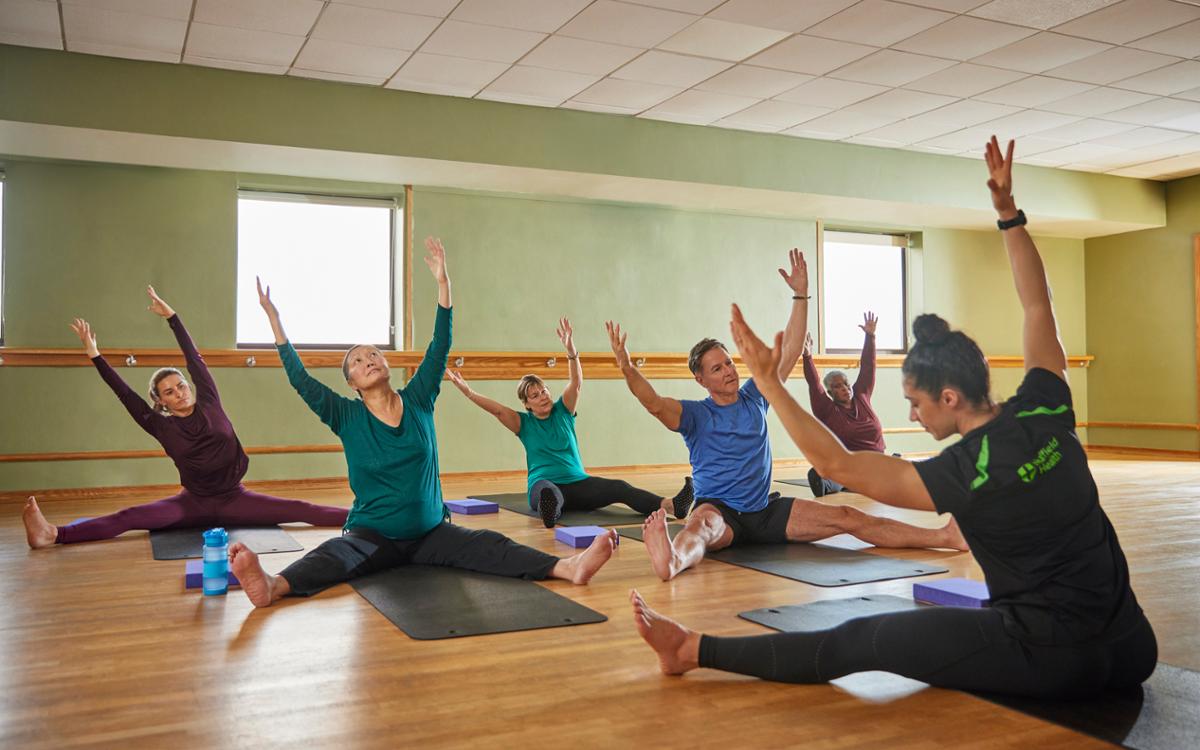
It’s intended that the groups will meet twice a week and the 60-minute sessions will be based around four pillars of move, eat, sleep and think.
During their own time, participants will be encouraged to put what they’ve covered into practice, which might be tools to help improve sleep hygiene, advice around how to adapt their diet or ways to incorporate more movement into their day-to-day life.
Behaviour change techniques are built into the programmes and the educational sessions will cover both physical and mental strategies for dealing with symptoms.
What research have you done to establish need?
We have patient groups set up and general patient satisfaction surveys that run across all the free community rehabilitation programmes we run. There are also a lot of other organisations asking people with long term conditions what they want, including the Richmond Group, so we have some rich insights that allow us to co-design with patients.
We’re also collaborating with the Faculty of Sport and Exercise Medicine at Man Met, which is trying to change the culture in terms of health professionals’ risk aversion to physical activity.
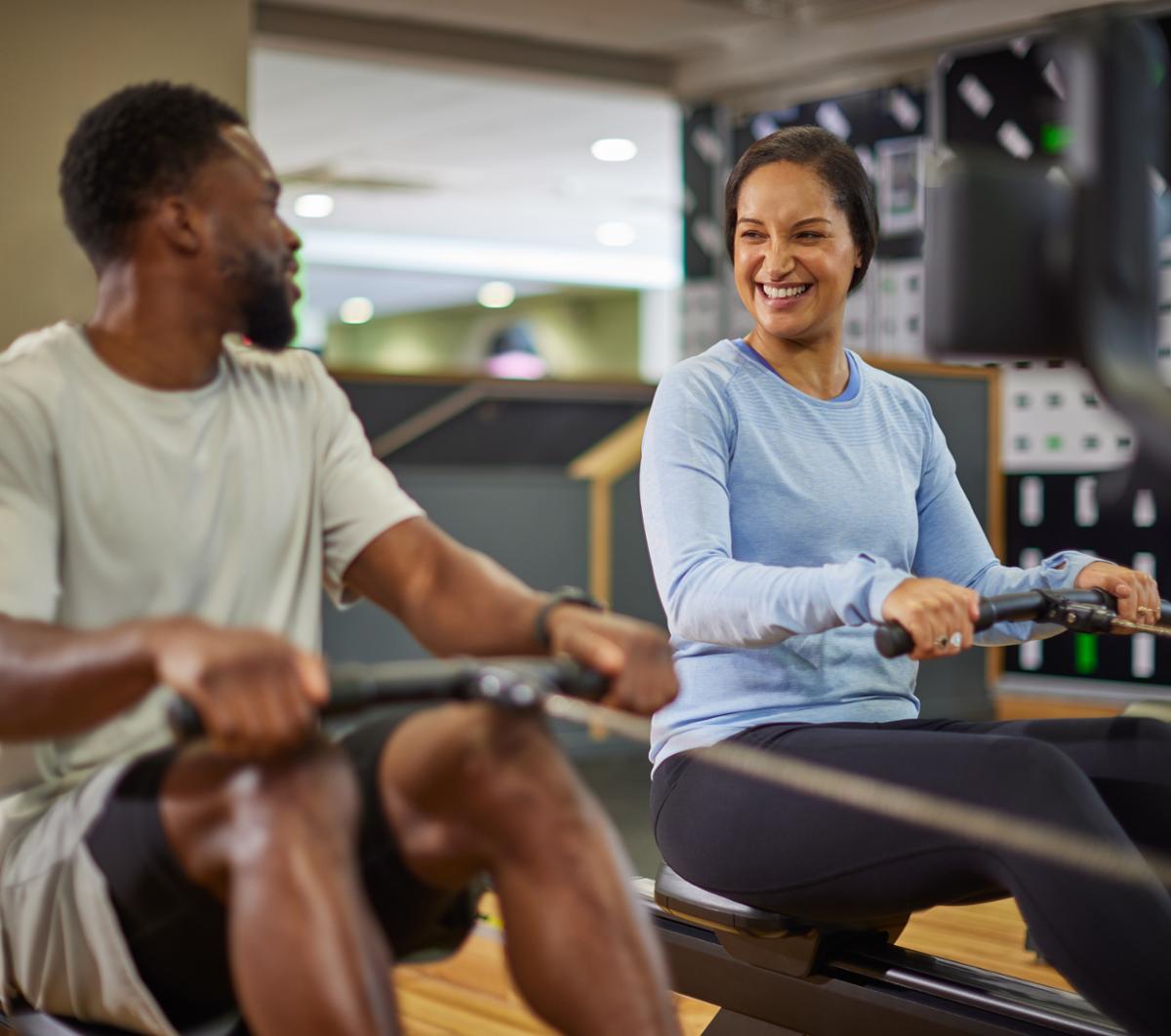
One of the common things we notice is a lack of confidence and some anxiety that symptoms will get worse with exercise. The vast majority of people we work with haven’t been into a fitness environment and we commonly hear: “I never thought this would be a place for someone like me.”
So we do a soft induction, building the relationship with the fitness professionals and then the other patients in a group. We find people really like the opportunity to speak to others like them, who are experiencing the same impacts on quality of life.
We find people don't like being told about their condition – having lived with it for years they're the experts. Goals also have to be personal to the individual, there has to be flexibility with timings and days of the week and there's also a big educational piece around understanding their body's response to movement.
Will you share the programmes with other operators?
Yes, this work is being done as part of Nuffield Health charitable status and for the public benefit. Our collaboration can't support the whole nation, so we've got to be thinking about how we can train others and what the model would look like when it's not delivered in our sites or even inside a gym. Once we've set up a training infrastructure that can support all of our 110 sites, it will be easy to scale to others.
I'm really proud that Nuffield Health is already reaching so many people with significant impacts on quality of life that wouldn’t otherwise have set foot into the fitness sector, but with this collaboration I think it can really leapfrog.
We're really keen to work with others because it’s collaboration that will give us scale. We need a clear framework to scale up.
What are the main challenges?
At some point, budget will have to be considered. Nuffield Health is gifting a good number of spaces, but once the places are filled we’ll need to think about how to scale more.
There's also a cultural adoption aspect to work through to make sure we take healthcare with us. Traditionally there's been a concern among healthcare professional over quality of delivery, potential patient risk and accountability for patient outcomes within the broader fitness industry, so we need to allay those fears so that this will come to be seen as a standard intervention in long-term condition care.