







How did Let’s Dance! come about?
I’ve had a lifelong love of dance, inspired by dance classes at the age of five. I’ve been on the board of English National Ballet and chair for four years, I’m an ambassador for the Royal Academy of Dance and the Silver Swans and then in 2023 I took part in Strictly Come Dancing. Many people said I inspired them and I wanted to do something with that momentum.
The opportunity came when I was being interviewed on the Today programme, after Professor Chris Whitty [England’s chief medical officer]. While I was waiting I could hear him saying on-air we should all take more responsibility for our own health in order to help the National Health Service. So the first words I said in my interview were: “I don’t know if Professor Chris Whitty’s still listening, but this is one pensioner who’s going to try and do her bit to help the National Health Service.”
I rang him afterwards and told him my plans to get all the dance organisations together to get people active and asked if he would back me. He said, “absolutely” and has never stopped supporting me.
I contacted all the dance organisations I knew, asking if they’d work with me on a project to get the UK dancing to get fit and save the NHS money and they all said yes. The idea snowballed, with one contact leading to another. Over the last nine months I’ve spoken to more than 200 organisations – including the National Association of Teachers of Dance, the Imperial Society, the British Sport Council, the Royal Academy, as well as the NHS and government ministers.
Lots of charities have come on board, including the Richmond Group of Charities, Age UK, Parkinson’s UK, Alzheimer’s Society and a number of mental health charities. The Together Consortium and The Sport and Recreation Alliance are helping with the admin and 21X has designed the website and is running it free of charge.
No one has said no to working with me! Even organisations who’ve refused to work together in the past. It’s been brilliant to take all of the great work out of individual silos and work collectively.
What has been the general response from the UK government and the National Health Service?
I’ve had amazing meetings with health secretary, Wes Streeting, who is very approachable and his minister Stephen Kinnock, who looks after social services, and they are both fully supportive. I’ve also had an incredibly important meeting with NHS England, which has resulted in Let’s Dance! being recognised as part of the NHS’s 10-year programme to get the nation fit and healthy.
There are plans to involve all of the 1.3 million employees in the NHS in the Let’s Dance! campaign and promote the use of dance in providing non-medical interventions for some medical conditions, such as obesity, stress and depression, via social prescribing.
A video talking about the initiative and the difference it can make to certain medical conditions has gone out to 55,000 GPs via the medical information site, Red Whale.
Data from the Institute of Social Prescribing shows that prescribing a physical activity for patients instead of a prescription could save the UK’s health service around £1.4bn a year.
What does Let’s Dance! involve?
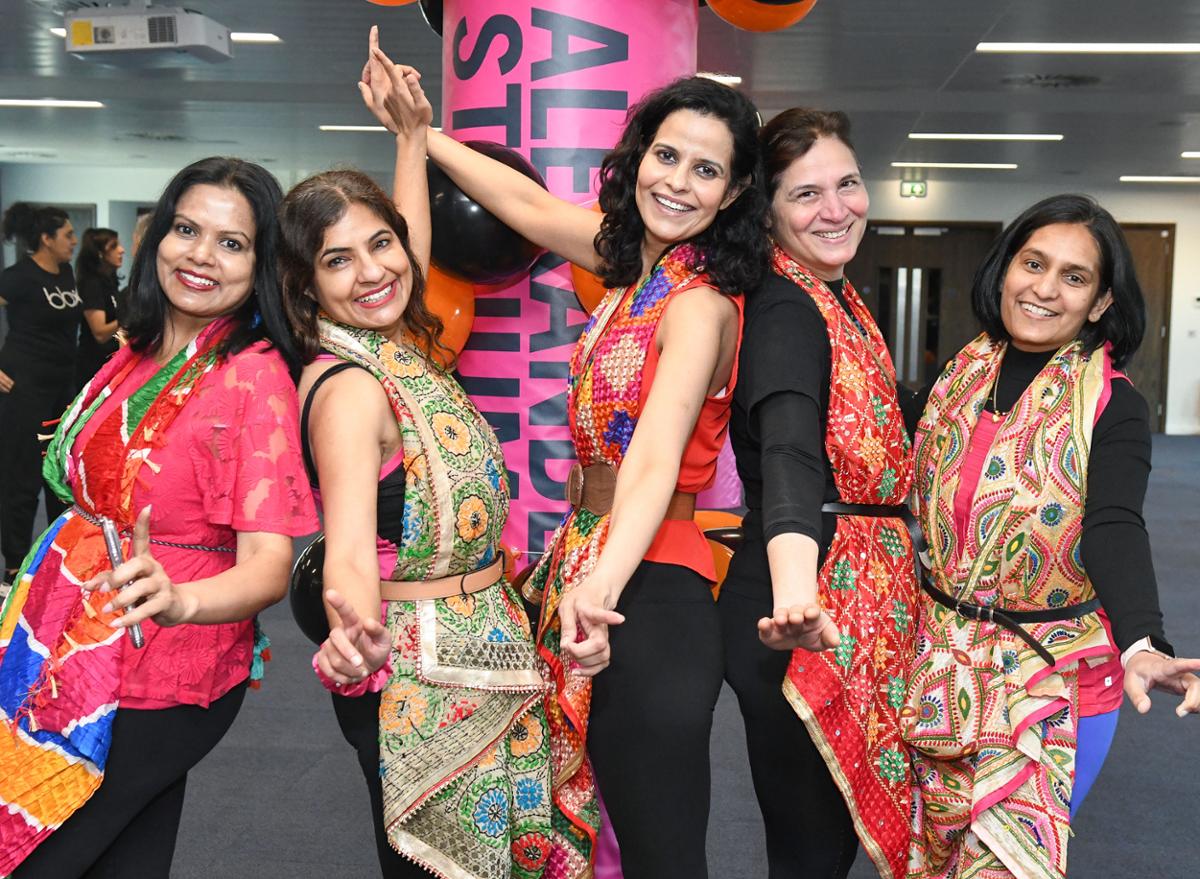
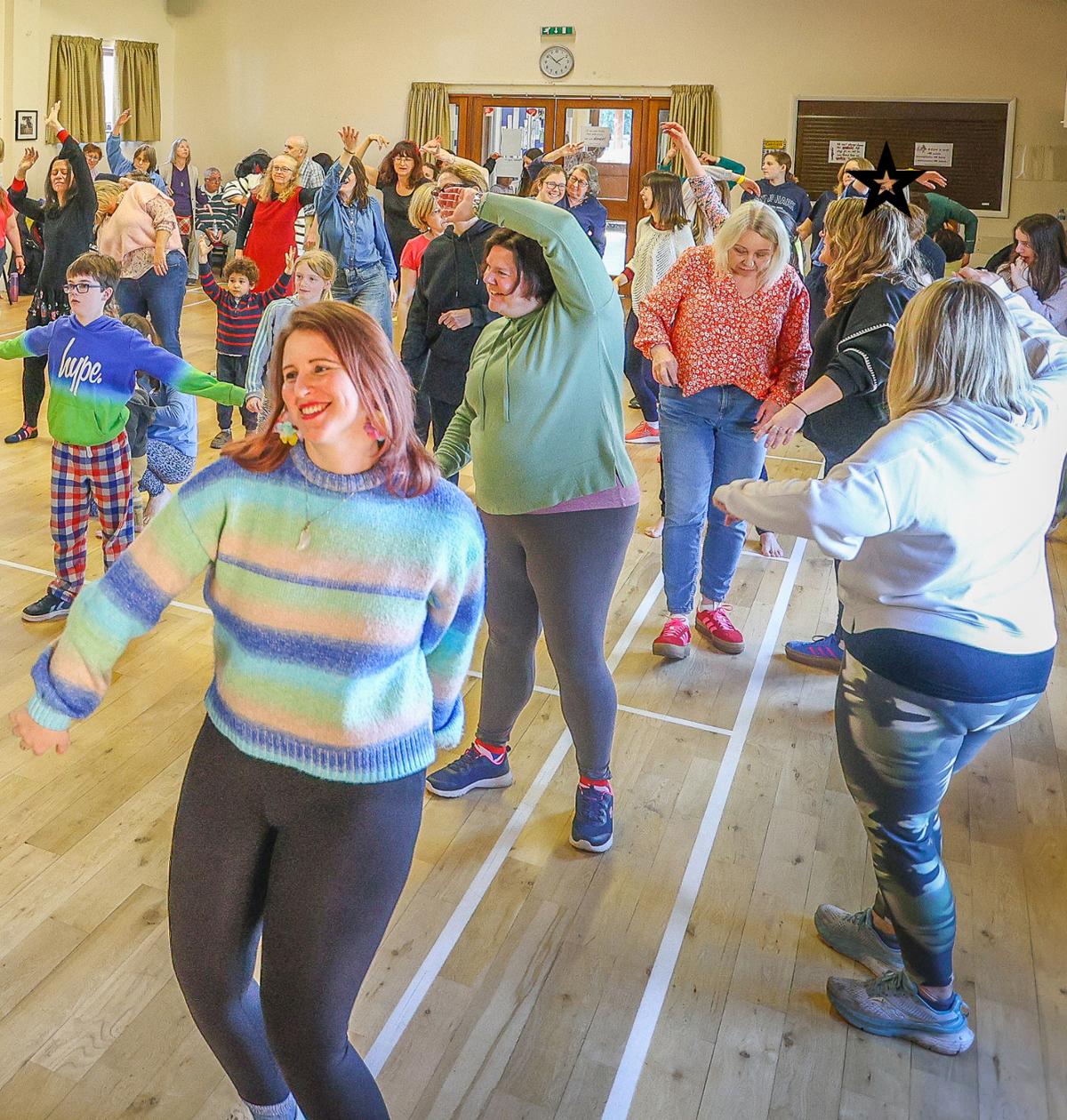
A National Dance Day where we encourage everyone involved with dance to open their doors and invite members of the public to give dance a go at no charge. This year the date was 2 March and so many people got involved – The Eden Project in Cornwall gave us one of its biomes for a group of dance teachers to organise a day of dance. The Blackpool Winter Gardens hosted free Latin and ballroom classes all day and 200 Bhangra dancers in Birmingham opened up what they’re doing to the public.
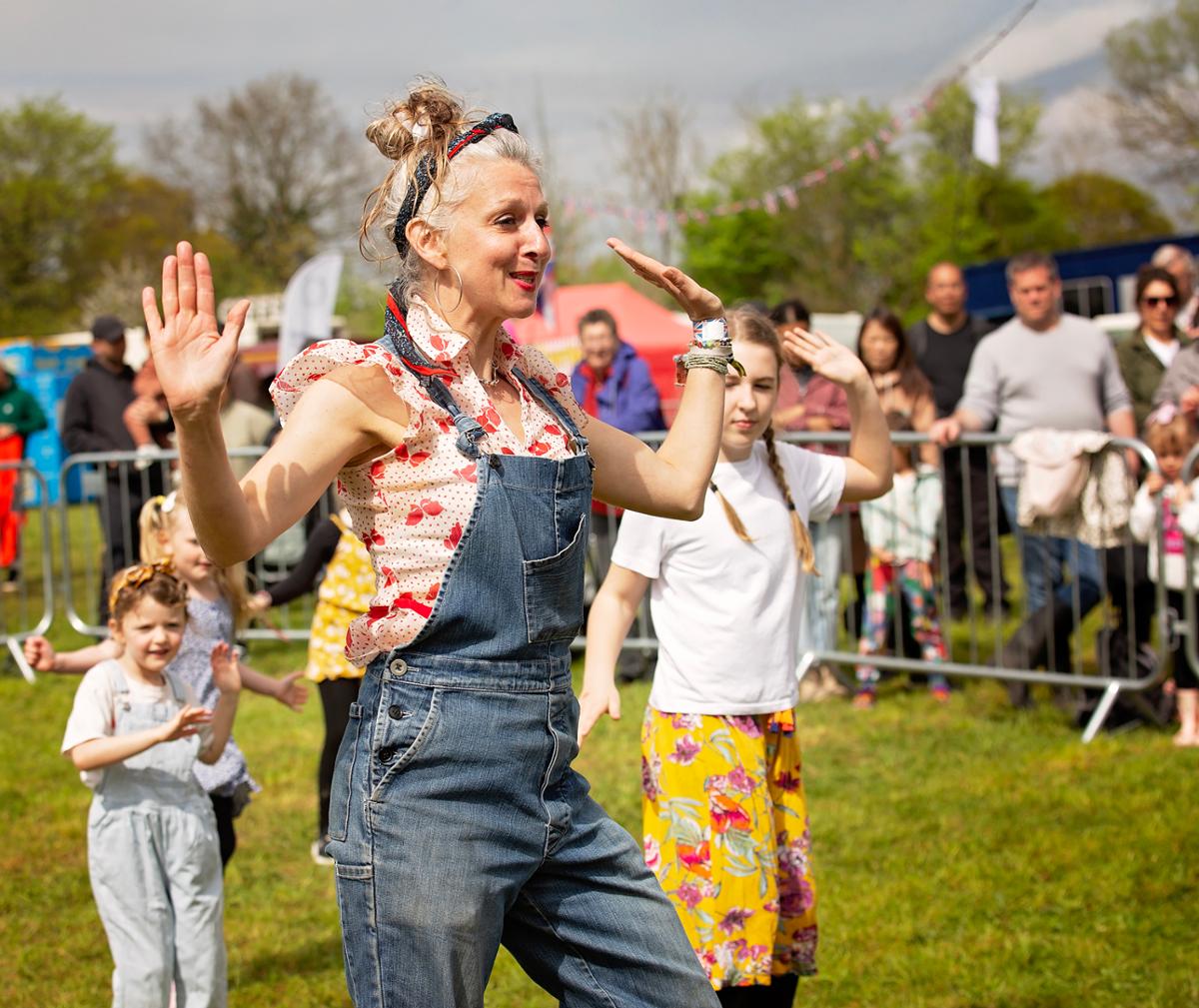
This is in addition to what individuals were doing everywhere. At least 50,000 dance teachers, companies and organisations were engaged.
We’d also love it if more gyms and health clubs got involved with the movement on an ongoing basis, by putting on dance-related activities and inviting people in to sample them for free. It would be wonderful if every gym in the country recognised dance alongside all other forms of exercise.
There’s been a great deal of press coverage surrounding the movement. The Sun newspaper has been running a series of features on the benefits of dance; every BBC local radio station is supporting those wanting airtime to promote their activities ahead of National Dance Day, and The One Show has been airing a series of films highlighting the health, fitness and social benefits of dance.
How will this go forward?
We’re planning the National Dance Day for three years from 2025 to 2027, but we hope the legacy will be that people will want to keep dancing once they’ve experienced how fun and social it is and how it impacts their fitness. The World Health Organization is monitoring what we’re doing with a view to introducing it to other countries.
All I’ve done is bring together all that is already happening and make it a national consortium. It already existed, but I’ve just created a situation where everyone can come together and get a national profile collectively.
What are the benefits of dancing?
It’s an exercise that takes you from cradle to old age. Babies dance automatically when they hear music because the hippocampus takes over. And you can still do it when you’re 90. You can do it if you’re in a wheelchair, if you’re sitting down, or if you’re immobile. Chelsea and Westminster Hospital takes dance programmes into the ICU where people can only move an eyelid.
There is lots of evidence to show that dance helps people with Parkinson’s, as well as supporting stroke rehabilitation and helping with diabetes, obesity, cancer, osteoporosis and mental health.
The statistics around cancer are just staggering. There is now research to show dance can help to reduce pain and increase the rate of recovery, especially with breast, colon and prostate cancer. It also positively prevents recurrence. Dance is a superpower!
We’ve commissioned a research project into the value of dance for care home residents. Teachers from The Royal Academy of Dance, People Dancing and the Keep Fit Association will be running programmes in 21 homes to evaluate the effect regular dancing can have on strength, flexibility and general health. Findings will be shared with Professor Martin Green of Care England to share to all care homes around the UK.
Every year in the UK an average of 1.6 million people over the age of 60 have a fall and end up in hospital, which costs the NHS £4bn a year. Many of those people lose their mobility and then their independence, which costs a further billion to social services. Dance could help these statistics by improving core strength, balance and mobility. I say dance is an investment in your pension plan.
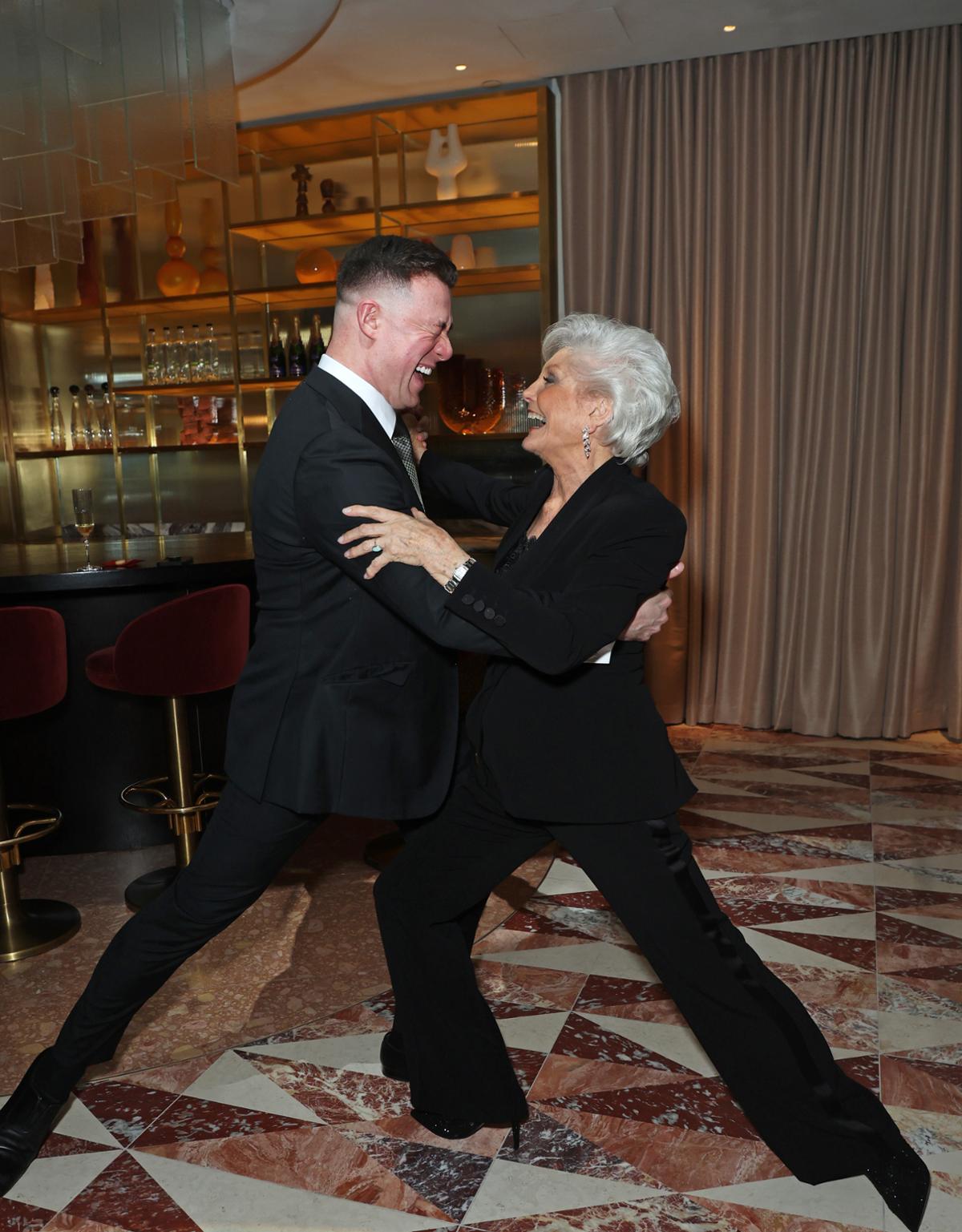
Regular dance will allow people to get to their 60s and 70s without concerns about their mobility. The reason I can still do the splits at the age of 80 is because all my life I’ve looked after my flexibility, my core strength, and my balance. Added to this, it’s fun! I defy anybody to come to dance without a smile on their face.
To get involved with Let’s Dance – National Dance Day, go to www.hcmmag.com/letsdance or www.lets-dance.co.uk