






















latest fit tech news


US-based robotics wellness company Aescape Inc has entered insolvency proceedings following the sale of substantially all of its ...


Feedback: HCM Forum
Fuel the debate about issues and opportunities across the industry. We’d love to hear from you. Write to [email protected]


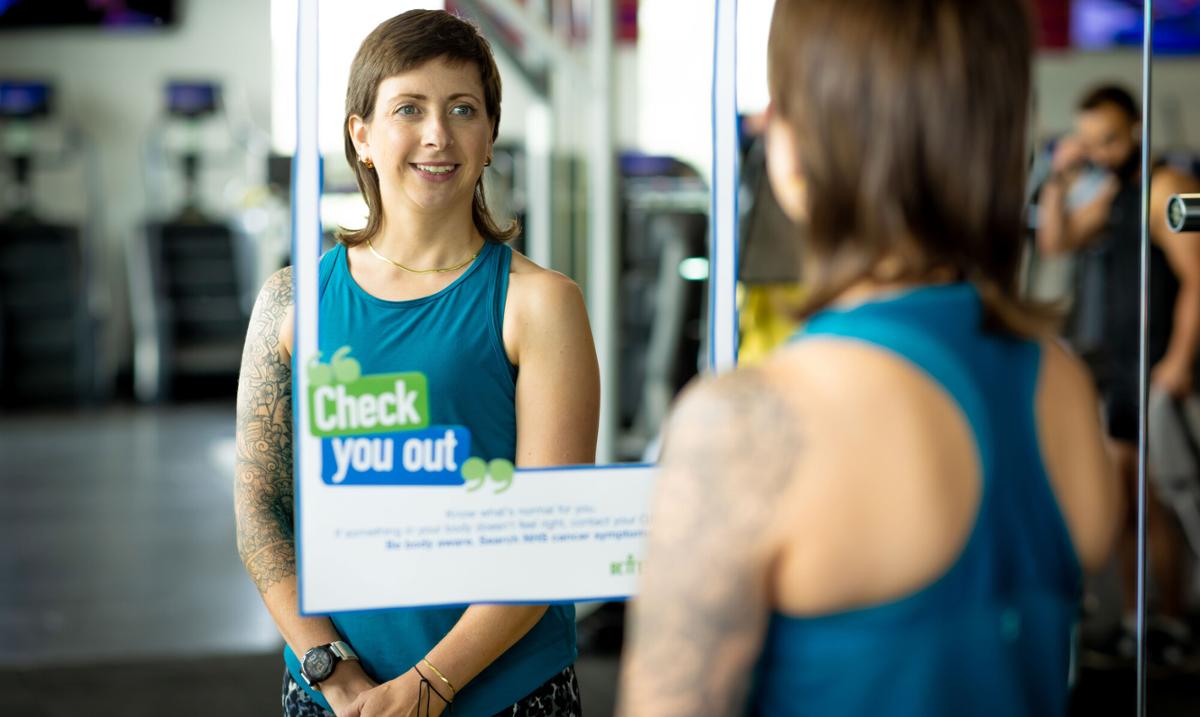

Messages prompting gym-goers to look out for signs of cancer are appearing on mirrors in the changing rooms of more than 240 leisure centres being run by social enterprise GLL under its Better brand in the UK.
The eye-catching stickers feature messages such as ‘Know what’s normal for you’ before reminding people that if something in their body doesn’t feel right, they need to contact their doctor.
The scheme is the latest scheme from the UK’s National Health Service (NHS) which is aiming to identify cancers at an earlier stage and is part of a campaign being run with partners – such as GLL – to highlight cancer messages to the public in everyday situations.
The initiative comes as a survey of more than 2,000 consumers by Better found only 55 per cent of respondents check their bodies for physical changes regularly (classified as at least once a month), while 12 per cent – around one in ten – don’t ever check.
Of those surveyed, 68 per cent of females and 56 per cent of males said they would recognise a lump or swelling as a possible early sign of cancer and would seek medical advice.
The survey also found 59 per cent of respondents were aware of the symptoms of breast cancer – the highest awareness across the UK’s most common cancers. That was followed by skin (50 per cent) and bowel (47 per cent).
However, 20 per cent said they were not aware of the nature of any potential cancer signs.
This was particularly the case among younger age groups, with 33 per cent of those aged 18-34 saying they were not aware of any symptoms, compared to 16 per cent of those aged 35 or over.
Finding cancer early is key to successful treatment and survival and this means people who have new symptoms need to come forward as soon as they spot them. This is why it’s vital people are aware of their bodies, take notice of any change.

Your editor’s letter in a recent issue of HCM raised the question of how the health and fitness industry should respond to the huge growth in the use of weight loss medications (www.hcmmag.com/GLPleader).
With an ever-growing body of evidence showing the benefits, it’s natural to wonder if these weekly injections will disrupt the fitness, health and wellness industry or whether they’ll provide opportunities for growth.
As the operator of medical wellness clinics that have been registered with the Care Quality Commission since 2018, we treat 500 patients a week, supporting them to attain life-changing health results.
Our programmes don’t only focus on weight loss, but also on wider, outcome-driven health targets. We do this by supporting patients on a journey of transformational change, both physically and psychologically and many of our patients are achieving remarkable weight loss on supported weight health programmes that include GLP-1 or GLP-1/GIP medications.
These new medications are not a quick fix and as it states clearly in NICE guidelines – they should always be prescribed alongside support with diet and physical activity.
The market is growing rapidly and even though consumers have the option to get support from the diet and nutrition sector, there’s still a huge gap for fitness and exercise providers to step in to underpin long-term health and wellbeing.
Many of our new patients are considered physically inactive and don’t engage in any form of exercise, meaning there’s demand for fitness programmes not only during their weight loss programme, but also once they’ve reached their goals and are in the maintenance phase of their weight-health journey.
Positive patient outcomes are reliant on long-term behavioural changes in relation to both eating and exercising and this provides opportunities for growth for operators in the health and fitness sector, as well as for powerful collaborations with clinical prescribers and the diet and nutrition sector.
Collectively, we can have an incredible impact on people’s long-term health outcomes, as well as enhancing quality of life for those who are overweight or who have been living with obesity.


Into the fitaverse

Ali Jawad

Hannes Sjöblad

Jamie Buck


Building on the blockchain

Bold move

Check your form


New reality


Reverse Ageing

Going hybrid

Physical activity monitors boost activity levels

Two-way coaching

Laurent Petit

Adam Zeitsiff

Anantharaman Pattabiraman

Mike Hansen

