



GET FIT TECH
Sign up for the FREE digital edition of Fit Tech magazine and also get the Fit Tech ezine and breaking news email alerts.
Not right now, thanksclose this window I've already subscribed!
EGYM | Fit Tech promotion
features

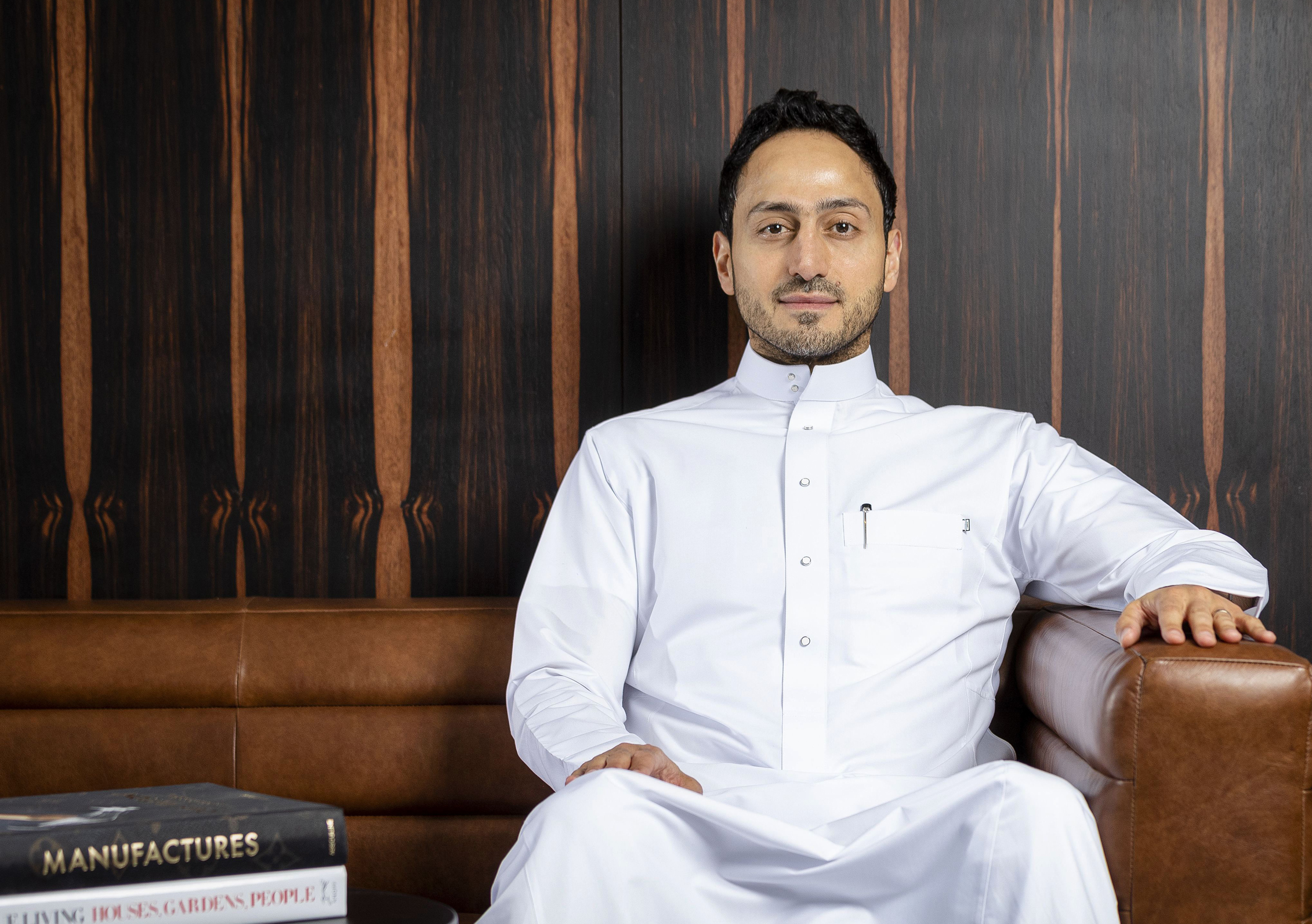
Profile: Fahad Alhagbani

The CEO of Armah Sports speaks to Kate Cracknell about creating defensible USPs and doing two fitness IPOs in five years

Published in Health Club Management 2024 issue 8

Back in November 2020, HCM spoke to Fahad Alhagbani – CEO of Armah Sports – about the founding of this new company and his previous time establishing and building Saudi operator, Fitness Time.

At that point, Armah Sports was on the verge of opening its first B_Fit and Optimo clubs, which Alhagbani described as “business class” and “first class” respectively. The vision: to launch the world’s first fully-fledged smart clubs.

Fast-forward to 2024 and Armah Sports has opened 12 clubs – three Optimo and nine B_Fit – with further locations secured for two Optimo and seven B_Fit openings in 2025–26.

Perhaps most notably, the young business has already completed a successful IPO – Alhagbani’s second in five years, having successfully floated Fitness Time in 2018.

With Alhagbani due to speak at the inaugural HCM Summit on 24 October (www.HCMsummit.live), we felt the time was right for an update on all things Armah Sports.

How’s the business performing?
Optimo and B_Fit are both doing very well. Our three Optimo clubs reached capacity in late July and now have waiting lists of hundreds of people. It’s crucial we don’t overwhelm the clubs, so we monitor access on a daily basis, capping the number of active members.

In doing so, we could theoretically fall short of our short-term sales targets, but we ensure our member experience and high service standards are upheld. Members appreciate this and it builds our brand equity.

Our B_Fit clubs are also reaching capacity, but here we’ve taken a different approach to exert control, removing our one- and three-month membership options so only six- and 12-month memberships are now available to new joiners.

We’re still maturing as a business – our first club opened just two-and-a-half years ago – but we ended 2023 above break even with six clubs open and operating. Profits in H1 2024 then exceeded expectations, reaching almost £2m with 12 clubs open compared to a loss of £1.5m in H1 2023.

We see these clear profits of H1 2024 as the first big step in establishing stability for future growth. The outlook for 2024 and beyond is positive and aligned with the business plan we promised our investors.

Tell us about the Armah Sports IPO
Two-and-a-half years ago, the Saudi stock market was very healthy and we wanted to take advantage of that, raising capital to grow and achieving that growth within the market rather than outside it.

The Capital Market Authority in Saudi Arabia recognises that family businesses are an important part of the economy and encourages them to IPO. However, we didn’t know if it would be possible for such young business.

The other reason for wanting to IPO was a desire to grow within a powerful governance framework. We’re 11 brothers and sisters, all shareholders in the business – mostly as silent partners – and we’re the first generation. There are now second and third generations to pass the business onto and working under the umbrella of governance helps ensure continuity and sustainability.

How did you go about it?
We sought advice from the CEO of Saudi Fransi Capital, which did the 2018 IPO of Fitness Time with us, and he said yes, provided we had proof of concept and a clear business plan for the next five years. What we already had in our favour were a story, a history and a track record – all crucial in building trust among investors.

Even though we’d already done an IPO, it wasn’t any easier the second time around and was still a process that took 22 months, but the discussions that took place were invaluable in further enhancing our strategy and business performance. We secured strong, long-term investors – including a sovereign wealth fund – and listed on the parallel market in November 2023.

Initially listing at £5.80 a share, we currently fluctuate around £19.00 – £20.00 a share, with a market cap of approximately £563m – which is similar to the valuation of Fitness Time when we listed it after 13 years of trading.

This is what all the knowledge and learnings we’ve brought with us are worth. We’ve achieved the same market cap at Armah Sports in less than half the time it took at Fitness Time.

We also won the Best IPO of the Year 2023 – Nomu – Parallel Market at the 2023 Saudi Capital Market Awards, beating 34 other IPOs.

Credit has to go to the whole team for this, from our consultants and advisors to the Armah team that supported the IPO while also building and opening clubs.

As a team, we complete each other. As far as I’m aware, nobody else in the fitness industry has created two companies from scratch and taken them to IPO in the space of five years.

Our next goal is to upgrade Armah Sports to the primary stock market. We’ll aim to do that in the next two years.

What’s your growth strategy now?
We’ll continue with our existing strategy and business plan, leveraging our knowledge and confidence in what we’re doing to grow our network.

We’ll open two new clubs in 2025, both B_Fit, followed by seven in 2026: two Optimo and five B_Fit. We’ve focused on Riyadh and Jeddah so far, but are currently negotiating locations in the eastern province – Mecca and Medina – for 2026–27.

We continue to focus on prime locations in the five major cities of Saudi Arabia. We get so many offers for second- and third-tier cities, but we don’t want to go down this road. The plan is to create an intimate network this time. We’re focused on experience, on service standards, on quality over quantity, keeping a close eye on all clubs from HQ. We’ll get to 30 clubs and then grow only slowly.

Our first 12 clubs and our head office were built on land we acquired with the proceeds of our 2018 IPO – an investment for the future of the business. This also meant we had no landlords to pay during COVID, so it also put us on a strong footing with the banks.

Banks will normally loan 60 per cent of a facility’s value, but in one case our land ownership meant we were offered 100 per cent.

Moving forward, unless there’s a piece of land we particularly want to buy, we’ll follow an asset-light model, as our pre-IPO process found investors prefer this.

You’re using the op co/prop co model
We’ve just signed a deal with the publicly-listed Banan real estate company, whereby the real estate company will purchase land and build and fit out clubs to our specifications. Armah will then install the equipment and operate the clubs and we’ll share the profits. It represents another great way to grow, with six clubs already agreed. They will likely open in 2027 and are in addition to the pipeline I’ve already outlined.

Saudi is an interesting and growing market, as evidenced by the many international companies wanting to enter it. We have no reason to look overseas for growth at this stage.

The market has already doubled in size over five years and will double again in the next five to near maturity. We’ll need to look at diversification at that point – something we’re already planning for.

What about the facilities in your clubs?
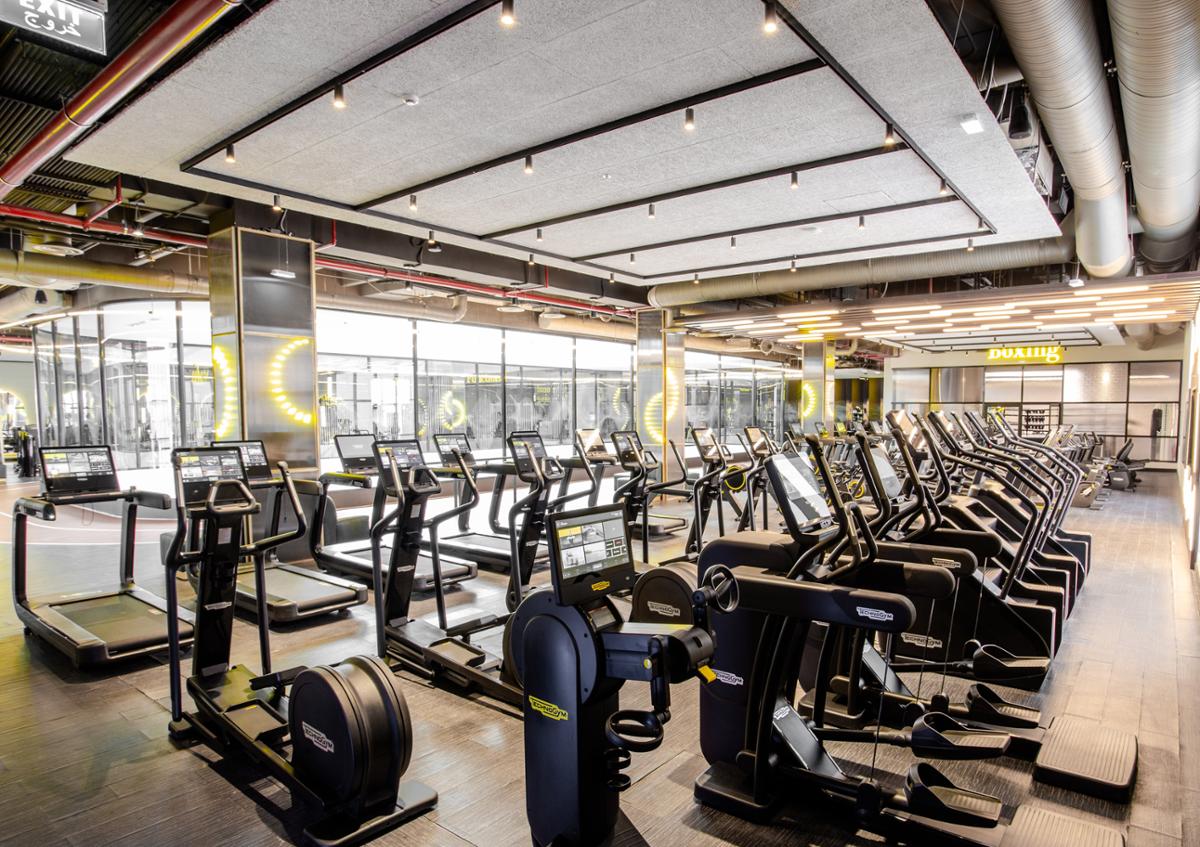
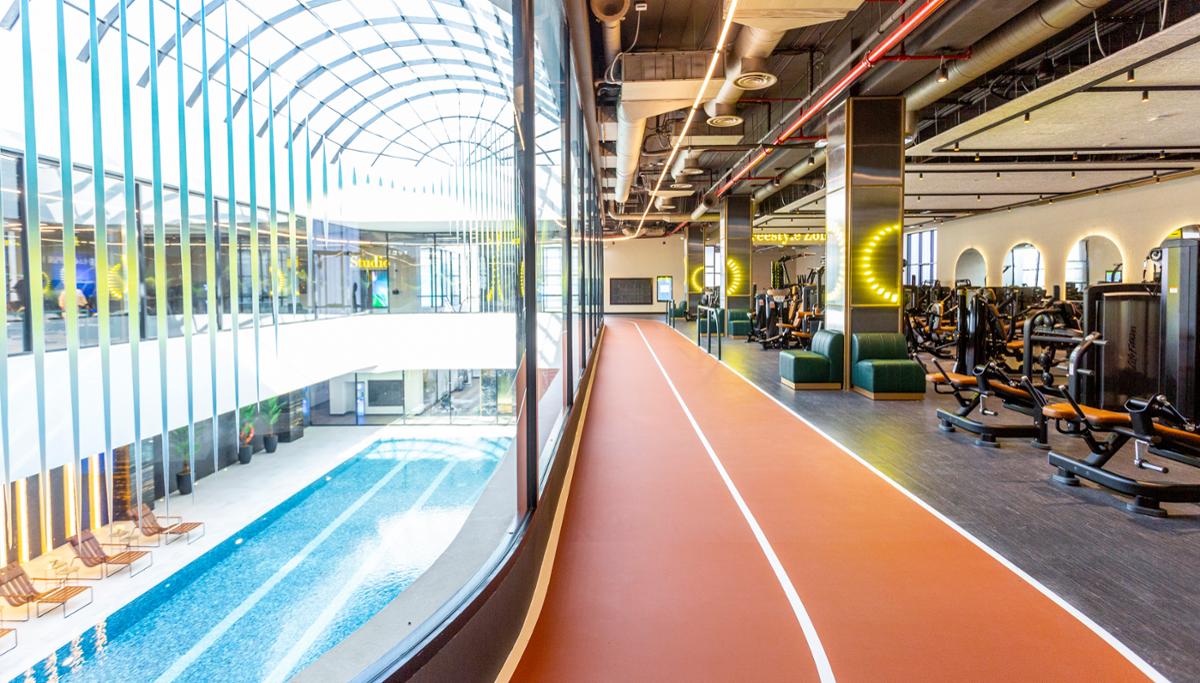
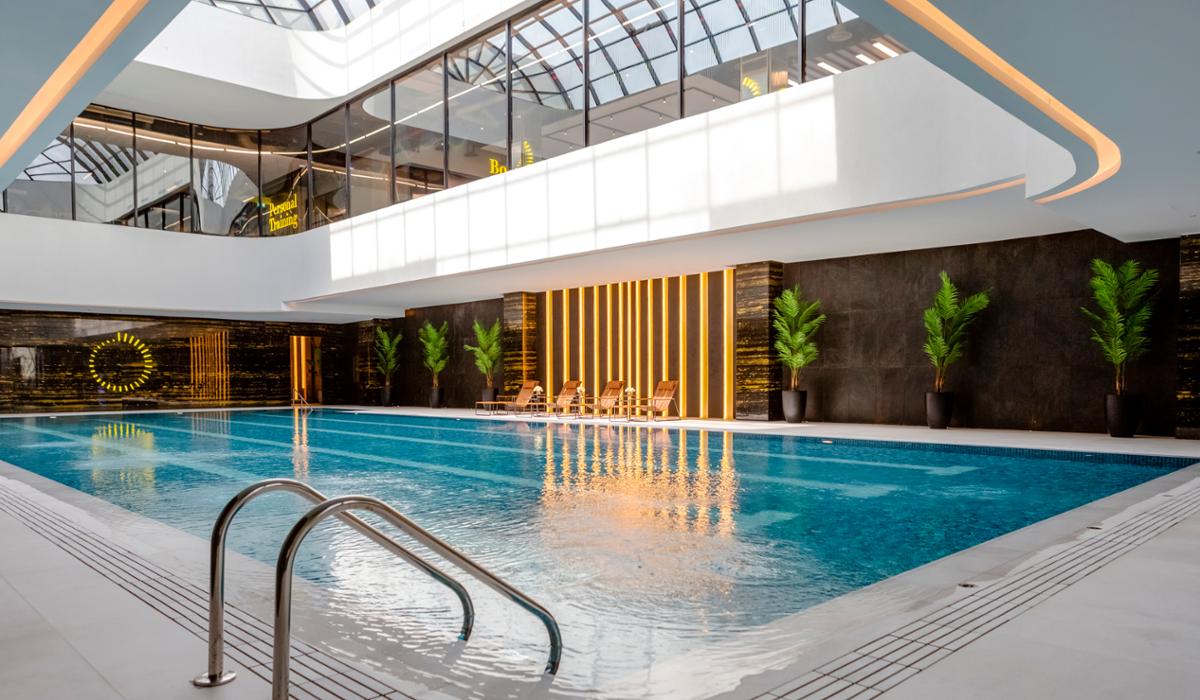
I don’t usually just talk about facilities when describing our brands, because facilities aren’t a defensible USP. Anybody can create beautiful facilities.

What matters is how you put everything together and translate this for your members through your branding, brand personality, language and communication. This is an important part of building a bridge between your clubs and your members and I don’t think the fitness industry focuses on it nearly enough to optimise the opportunity.

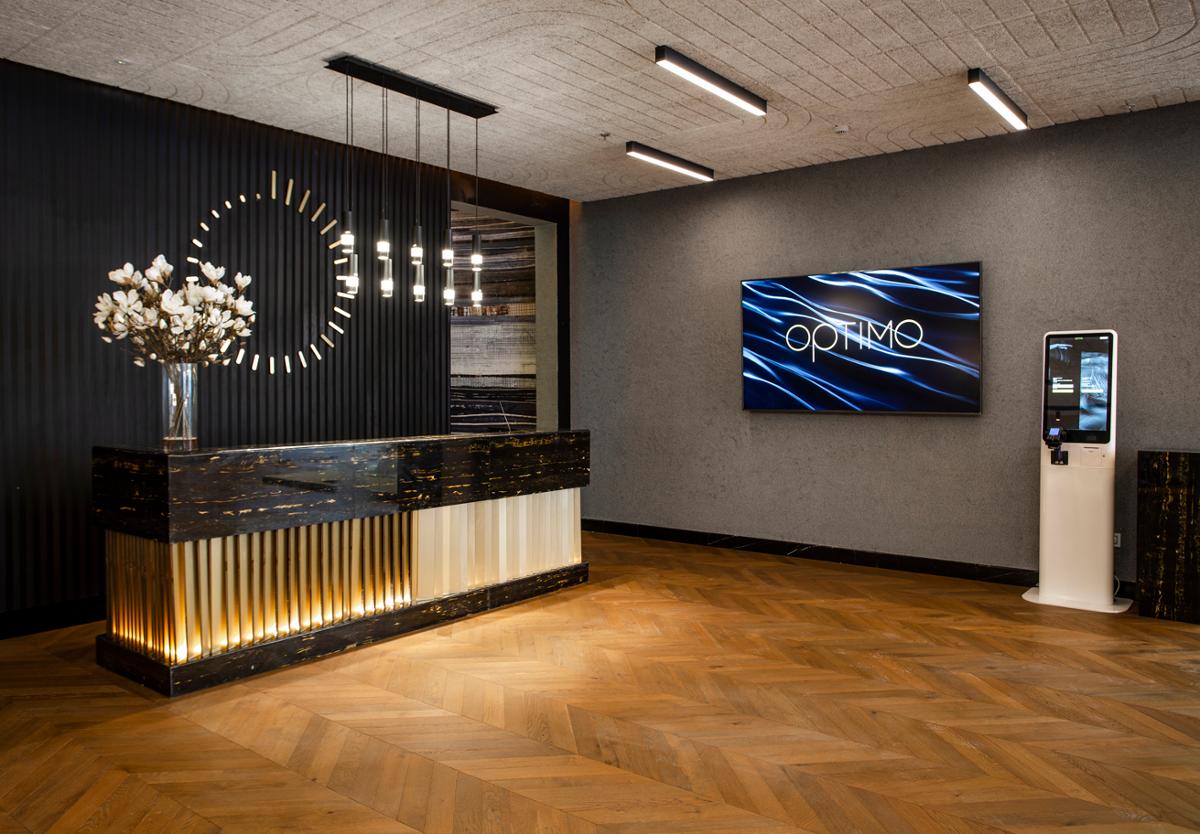
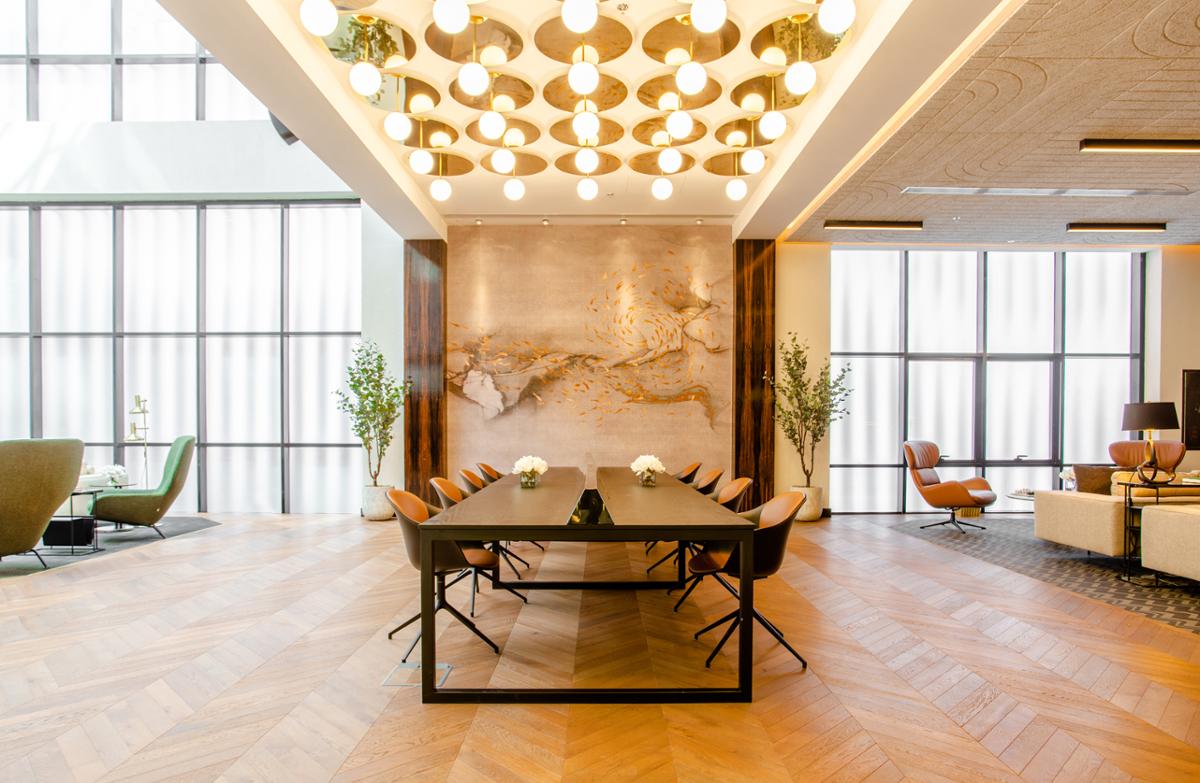
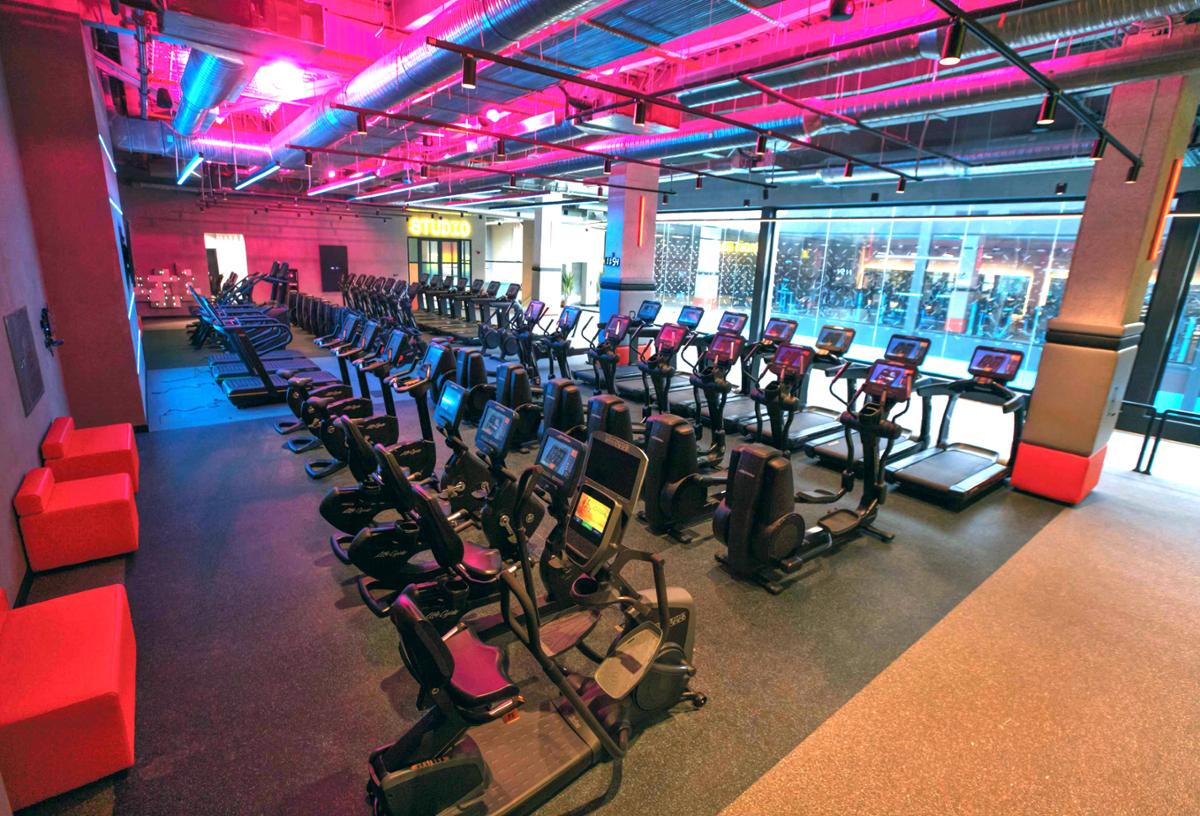
We’ve invested heavily in all these areas and it has translated well into the way the brands are expressed. Optimo has the feel of a hotel – it’s very classy –and the B_Fit concept is more progressive and avant garde. These different personalities come across strongly in everything from the club environment to the way the brands and staff speak to members, both face to face and through our marketing channels.

You’ve embedded mental health support into your clubs
Awareness of mental health remains very low here in Saudi, so we’re taking it slowly, but we’ve signed an exclusive agreement with UK-based wellness culture platform Minderful (www.minderful.com) and we run sessions for members and staff in English and Arabic.

We’re not a medical institution, so our role is to educate and raise awareness rather than to treat people. So far, we’ve run sessions for members on sleep, body image and controlling stress and they’ve all been very positively received.

Will you launch more brands?
We have two more brands already cooking. One we’re calling BYLD, the other is yet to be named.

We’re still focused on Optimo and B_Fit for now, but we’re continuing to develop our other two concepts so they’re ready to go when the time is right. Timing will be determined by two factors. The first is our agreeing the exact market positioning for the two brands, which remains a moving target and we’ll continue to tweak their positioning until the final minute.

The second factor is the market being ready for them. We were originally looking at the low-cost segment – I mentioned that in my interview in HCM in 2020 – but we didn’t want to be the first mover. There are now two brands in that space and we’re continuing to observe their progress. We’ll decide how to position our two new brands over time.

We’re in a great position to do this, because our family has created the fitness market in Saudi Arabia. My eldest brother Abdulmohsen founded Bodymasters in 1994, which I then joined. Together we created Fitness Time and now Armah Sports. It’s one of our competitive advantages: we have the knowledge of the market because we created it, pivoting and improving with each new business.

Do you worry about growing competition?
I used to worry, but now we simply focus on what we do. We play in a different league.

Of course we keep an eye on the market to understand competitors’ strategies, but we’re confident we’ll always find ways to differentiate and strengthen our position and competitive advantage.

It’s also true that the Saudi fitness market is large enough for lots of players to succeed. We, therefore, see competition as a positive force that keeps the engine running well and drives the success of the overall market.

Tell us about your smart club model.
Abdulmohsen and I had already opened more than 100 Fitness Time locations when we created Armah Sports, so we didn’t want to repeat ourselves, but to create something new to differentiate ourselves in the market.

We had a vision of creating the world’s first smart clubs, inspired initially by discussions among my hugely supportive REX Roundtable community.

In the past, we prioritised growth and the fitness element of clubs over technology, which was arguably our weakest link. This time, we developed the tech infrastructure and then built our clubs on top of it – we built the backbone and then integrated everything else into that ecosystem.

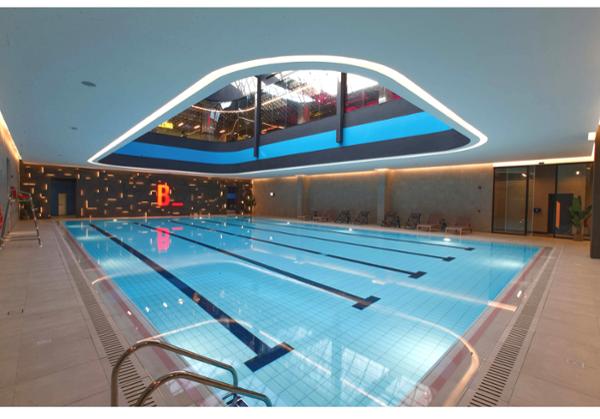
We have an excellent building management system, for example, which is essentially about energy optimisation. It monitors our air conditioning, water consumption, pool temperatures and so on to enable our buildings to be greener. It’s why we were awarded LEED certificates for both Optimo and B_Fit.

We’re also entirely paperless across the entire Armah Sports business and all our systems can talk to each other. Club access is via facial recognition and members will soon be able to use Amazon Alexa voice technology to book classes, request information about our trainers and book personal training.

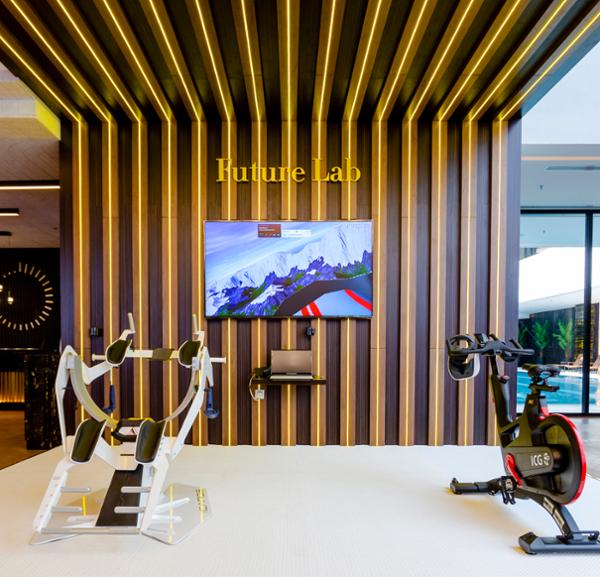
We have Innovation Labs at Optimo and B_Fit where we pilot tech – VR and AR, for example – that members can try. and we can assess – we also anticipated EVs before they were on Saudi streets, installing charging stations at our clubs.

Our ecosystem also includes smartwatch connections to apps and equipment, but of course that isn’t new for fitness.

This is a non-stop journey, constantly pushing the envelope to make our clubs as smart as we can. We view ourselves as a tech company, not just a fitness company, and we’re open to adopting any tech that will optimise operations and enhance the member experience.

It has to make sense, however – if you adopt too much technology, you can make it very complicated for yourself and your members. You have to be careful where you draw the line.

Are you using AI?
Fitness as a sector is slow to adopt technology, which means we can take our time to observe and see what else is coming. This is our approach when it comes to AI.

Nevertheless, machine learning is already part of the software in our clubs and is producing a lot of data. We want to be able to use this to inform our decisions as a business and to precisely target our marketing, so building our data analytics structure is one of the main things we’re working on at the moment.

What’s your vision as a company?
Now, as for the past 30 years, our vision and driving force is to have a positive impact on the community and on the Saudi lifestyle. This is important to the whole family and is the emotional purpose that keeps us going.

In Saudi Arabia, 65 per cent of the population is aged under 35 years. We want to unlock the human potential of our country by using fitness to help them lead a healthier life.
Setting the record straight
Fahad Alhagbani shares insights into his career moves and addresses rumours about recent business decisions
On leaving Fitness Time…

I’m often asked why my brother and I left Leejam after the Fitness Time IPO. There were so many rumours.

The simple answer is that a parting of ways is normal in business when there’s a conflict of opinion over the direction of the company.

We’d done what we could at Fitness Time – put in place a foundation of people and systems to enable future growth and taken the brand through an IPO. We knew the company could continue to succeed and so it has proven. At IPO, Fitness Time had 150 clubs and a market cap of around £563m. Today, it has 199 clubs and a valuation of £2.3bn.

The biggest winner is the consumer, with two successful companies now serving their fitness needs.

On defending the B_Fit brand…

We launched B_FIT to the market with its smart club tag and soon after that, a competitor launched a brand called B-IT, also with a smart element.

We’d get walk-ins to our clubs referencing offers made in our competitor’s campaign and the similarity in brand name was causing confusion.

We tried to communicate informally, but unfortunately it ended up in court. We left it to our lawyers and the process was purely factual – referencing documents showing when the brands launched and so on. In the end it was determined that we had the rights to the name.

The other business has rebranded to IN2 Fitness and continues to operate. We continue to operate. There are no hard feelings. It was simply a business decision that had to be made to resolve the confusion in the market.

On closing Saudi’s 1Rebel studios…

1Rebel was always a private venture for me, a passion project outside of Armah Sports. We opened two locations and had high hopes, with three more locations secured, but the boutique market was still in its infancy in Saudi and we opened during COVID. Quite simply, those first two locations didn’t perform to expectations.

We delivered an experience that nobody else was delivering and the feedback was great. It looked and felt like a success. It just didn’t drive the necessary revenues.

Head office in London was also stretched during COVID and the franchising infrastructure wasn’t in place to give us the support we needed; we were, I think, just the second franchisee outside of the UK. We invested countless hours and millions of dollars over and above the capital to keep the business alive, but it just didn’t work.

Perhaps we should have closed the studios sooner, but I didn’t want to leave any stone unturned and I don’t regret anything. I had fun alongside the stress and I learned a lot.

I’d still be open to taking those learnings and doing something in the boutique market if the positioning were right. It’s a double-edged sword as many boutique businesses are struggling, but the experience they offer makes them an important part of the market, complementing the big boxes.

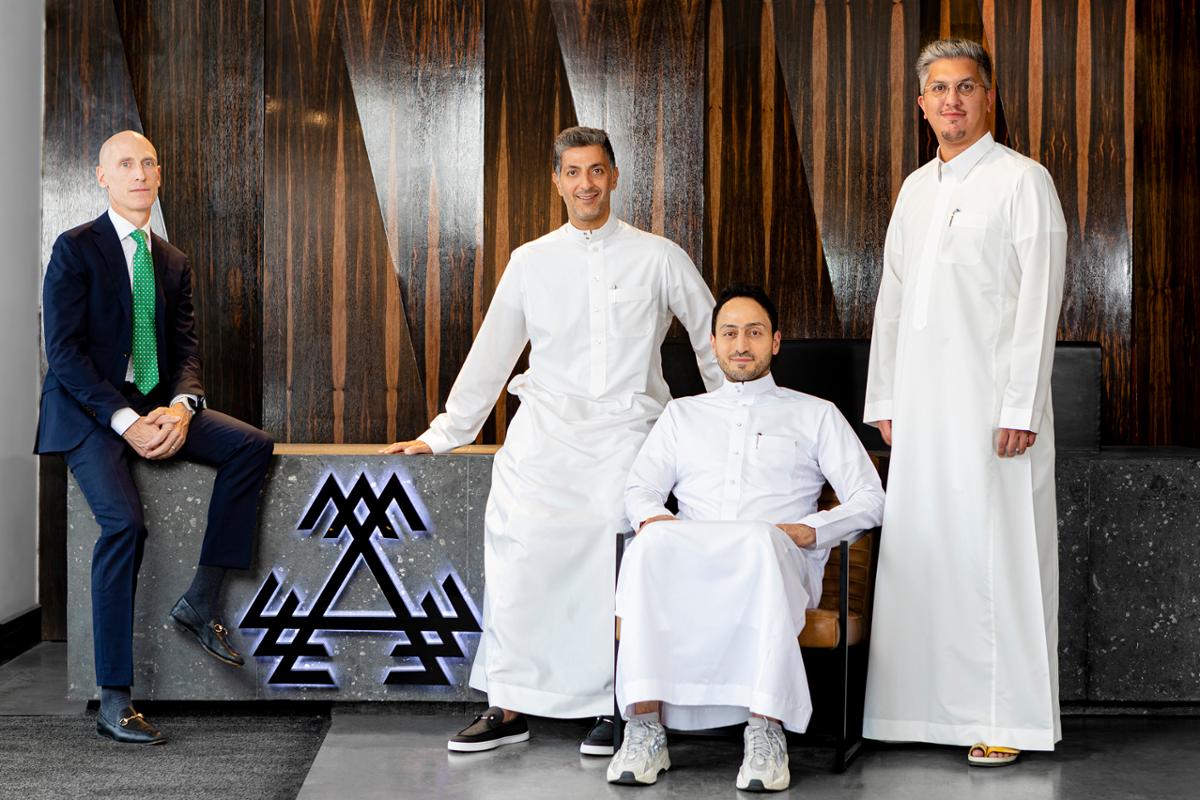
photo: Armah Sports
KEYNOTE SPEAKER 2024

Fahad Alhagbani will be a keynote speaker at the HCM Summit on 24 October in London. Find out more at www.HCMsummit.live

Sign up here to get Fit Tech's weekly ezine and every issue of Fit Tech magazine free on digital.
Gallery
More features
Editor's letter

Into the fitaverse

Fitness is already among the top three markets in the metaverse, with new technology and partnerships driving real growth and consumer engagement that looks likely to spill over into health clubs, gyms and studios
Fit Tech people

Ali Jawad

Paralympic powerlifter and founder, Accessercise
Users can easily identify which facilities in the UK are accessible to the disabled community
Fit Tech people

Hannes Sjöblad

MD, DSruptive
We want to give our users an implantable tool that allows them to collect their health data at any time and in any setting
Fit Tech people

Jamie Buck

Co-founder, Active in Time
We created a solution called AiT Voice, which turns digital data into a spoken audio timetable that connects to phone systems
Profile

Fahad Alhagbani: reinventing fitness

Alexa can help you book classes, check trainers’ bios and schedules, find out opening times, and a host of other information
Opinion

Building on the blockchain

For small sports teams looking to compete with giants, blockchain can be a secret weapon explains Lars Rensing, CEO of Protokol
Innovation

Bold move

Our results showed a greater than 60 per cent reduction in falls for individuals who actively participated in Bold’s programme
App analysis

Check your form

Sency’s motion analysis technology is allowing users to check their technique as they exercise. Co-founder and CEO Gal Rotman explains how
Profile

New reality

Sam Cole, CEO of FitXR, talks to Fit Tech about taking digital workouts to the next level, with an immersive, virtual reality fitness club
Profile

Sohail Rashid

The app is free and it’s $40 to participate in one of our virtual events
Ageing

Reverse Ageing

Many apps help people track their health, but Humanity founders Peter Ward and Michael Geer have put the focus on ageing, to help users to see the direct repercussions of their habits. They talk to Steph Eaves
App analysis

Going hybrid

Workout Anytime created its app in partnership with Virtuagym. Workout Anytime’s Greg Maurer and Virtuagym’s Hugo Braam explain the process behind its creation
Research

Physical activity monitors boost activity levels

Researchers at the University of Copenhagen have conducted a meta analysis of all relevant research and found that the body of evidence shows an impact
Editor's letter

Two-way coaching

Content providers have been hugely active in the fit tech market since the start of the pandemic. We expect the industry to move on from delivering these services on a ‘broadcast-only’ basis as two-way coaching becomes the new USP
Fit Tech People

Laurent Petit

Co-founder, Active Giving
The future of sports and fitness are dependent on the climate. Our goal is to positively influence the future of our planet by instilling a global vision of wellbeing and a sense of collective action
Fit Tech People

Adam Zeitsiff

CEO, Intelivideo
We don’t just create the technology and bail – we support our clients’ ongoing hybridisation efforts
Fit Tech People

Anantharaman Pattabiraman

CEO and co-founder, Auro
When you’re undertaking fitness activities, unless you’re on a stationary bike, in most cases it’s not safe or necessary to be tied to a screen, especially a small screen
Fit Tech People

Mike Hansen

Managing partner, Endorphinz
We noticed a big gap in the market – customers needed better insights but also recommendations on what to do, whether that be customer acquisition, content creation, marketing and more
More features
Taylor Made Designs offer health clubs a fully-managed end-to-end service. From garment design to sourcing, ...
CoverMe Fitness, an app for seamless, on-demand management and cover solutions for sports and fitness ...
22-23 Sep 2026
Four Seasons Hotel Bangkok at Chao Phraya River, Bangkok , Thailand
Taylor Made Designs offer health clubs a fully-managed end-to-end service. From garment design to sourcing, ...
CoverMe Fitness, an app for seamless, on-demand management and cover solutions for sports and fitness ...
Get Fit Tech
Sign up for the free Fit Tech ezine and breaking news alerts
Sign up
22-23 Sep 2026
Four Seasons Hotel Bangkok at Chao Phraya River, Bangkok , Thailand

latest fit tech news

Peloton has made the strategic acquisition of Pilates start-up, Skōp, to support the expansion of its strength ecosystem. As demand ...
news • 09 Jun 2026

Longevitix, a clinical platform for preventive and longevity medicine, has launched its AI-powered intelligence system to help physicians deliver continuous, ...
news • 08 Jun 2026

Fitness First UK is integrating red light therapy into its yoga and Pilates classes through a partnership with Bon Charge. ...
news • 08 Jun 2026
PureGym is encouraging people to step away from their screens and go for a walk, in a new initiative timed ...
news • 29 May 2026
Active people app, Strava, has overhauled its strength training experience, allowing gym-goers to automatically log and share their lifts from ...
news • 27 May 2026

Fitness First UK is embracing digital wellness technology by installing Kip’s tap-to-activate phone controls across its UK estate. Kip tags ...
news • 22 May 2026
The world’s first awareness ring has been launched. Designed to promote presence, focus and calm via gentle haptic vibrations, the ...
news • 13 May 2026
Center Parcs’ Aqua Sana Forest Spa, Woburn Forest, UK, has transformed an unused space into a touchless wellness area called ...
news • 12 May 2026
Gharieni Group has launched a new company, Cobotics Innovations, to create automated wellness experiences. The first solution is a robotic ...
product innovation • 07 May 2026

US-based robotics wellness company Aescape Inc has entered insolvency proceedings following the sale of substantially all of its ...

news • 06 May 2026
More fit tech news
features

Profile: Fahad Alhagbani

The CEO of Armah Sports speaks to Kate Cracknell about creating defensible USPs and doing two fitness IPOs in five years

Published in Health Club Management 2024 issue 8

Back in November 2020, HCM spoke to Fahad Alhagbani – CEO of Armah Sports – about the founding of this new company and his previous time establishing and building Saudi operator, Fitness Time.

At that point, Armah Sports was on the verge of opening its first B_Fit and Optimo clubs, which Alhagbani described as “business class” and “first class” respectively. The vision: to launch the world’s first fully-fledged smart clubs.

Fast-forward to 2024 and Armah Sports has opened 12 clubs – three Optimo and nine B_Fit – with further locations secured for two Optimo and seven B_Fit openings in 2025–26.

Perhaps most notably, the young business has already completed a successful IPO – Alhagbani’s second in five years, having successfully floated Fitness Time in 2018.

With Alhagbani due to speak at the inaugural HCM Summit on 24 October (www.HCMsummit.live), we felt the time was right for an update on all things Armah Sports.

How’s the business performing?
Optimo and B_Fit are both doing very well. Our three Optimo clubs reached capacity in late July and now have waiting lists of hundreds of people. It’s crucial we don’t overwhelm the clubs, so we monitor access on a daily basis, capping the number of active members.

In doing so, we could theoretically fall short of our short-term sales targets, but we ensure our member experience and high service standards are upheld. Members appreciate this and it builds our brand equity.

Our B_Fit clubs are also reaching capacity, but here we’ve taken a different approach to exert control, removing our one- and three-month membership options so only six- and 12-month memberships are now available to new joiners.

We’re still maturing as a business – our first club opened just two-and-a-half years ago – but we ended 2023 above break even with six clubs open and operating. Profits in H1 2024 then exceeded expectations, reaching almost £2m with 12 clubs open compared to a loss of £1.5m in H1 2023.

We see these clear profits of H1 2024 as the first big step in establishing stability for future growth. The outlook for 2024 and beyond is positive and aligned with the business plan we promised our investors.

Tell us about the Armah Sports IPO
Two-and-a-half years ago, the Saudi stock market was very healthy and we wanted to take advantage of that, raising capital to grow and achieving that growth within the market rather than outside it.

The Capital Market Authority in Saudi Arabia recognises that family businesses are an important part of the economy and encourages them to IPO. However, we didn’t know if it would be possible for such young business.

The other reason for wanting to IPO was a desire to grow within a powerful governance framework. We’re 11 brothers and sisters, all shareholders in the business – mostly as silent partners – and we’re the first generation. There are now second and third generations to pass the business onto and working under the umbrella of governance helps ensure continuity and sustainability.

How did you go about it?
We sought advice from the CEO of Saudi Fransi Capital, which did the 2018 IPO of Fitness Time with us, and he said yes, provided we had proof of concept and a clear business plan for the next five years. What we already had in our favour were a story, a history and a track record – all crucial in building trust among investors.

Even though we’d already done an IPO, it wasn’t any easier the second time around and was still a process that took 22 months, but the discussions that took place were invaluable in further enhancing our strategy and business performance. We secured strong, long-term investors – including a sovereign wealth fund – and listed on the parallel market in November 2023.

Initially listing at £5.80 a share, we currently fluctuate around £19.00 – £20.00 a share, with a market cap of approximately £563m – which is similar to the valuation of Fitness Time when we listed it after 13 years of trading.

This is what all the knowledge and learnings we’ve brought with us are worth. We’ve achieved the same market cap at Armah Sports in less than half the time it took at Fitness Time.

We also won the Best IPO of the Year 2023 – Nomu – Parallel Market at the 2023 Saudi Capital Market Awards, beating 34 other IPOs.

Credit has to go to the whole team for this, from our consultants and advisors to the Armah team that supported the IPO while also building and opening clubs.

As a team, we complete each other. As far as I’m aware, nobody else in the fitness industry has created two companies from scratch and taken them to IPO in the space of five years.

Our next goal is to upgrade Armah Sports to the primary stock market. We’ll aim to do that in the next two years.

What’s your growth strategy now?
We’ll continue with our existing strategy and business plan, leveraging our knowledge and confidence in what we’re doing to grow our network.

We’ll open two new clubs in 2025, both B_Fit, followed by seven in 2026: two Optimo and five B_Fit. We’ve focused on Riyadh and Jeddah so far, but are currently negotiating locations in the eastern province – Mecca and Medina – for 2026–27.

We continue to focus on prime locations in the five major cities of Saudi Arabia. We get so many offers for second- and third-tier cities, but we don’t want to go down this road. The plan is to create an intimate network this time. We’re focused on experience, on service standards, on quality over quantity, keeping a close eye on all clubs from HQ. We’ll get to 30 clubs and then grow only slowly.

Our first 12 clubs and our head office were built on land we acquired with the proceeds of our 2018 IPO – an investment for the future of the business. This also meant we had no landlords to pay during COVID, so it also put us on a strong footing with the banks.

Banks will normally loan 60 per cent of a facility’s value, but in one case our land ownership meant we were offered 100 per cent.

Moving forward, unless there’s a piece of land we particularly want to buy, we’ll follow an asset-light model, as our pre-IPO process found investors prefer this.

You’re using the op co/prop co model
We’ve just signed a deal with the publicly-listed Banan real estate company, whereby the real estate company will purchase land and build and fit out clubs to our specifications. Armah will then install the equipment and operate the clubs and we’ll share the profits. It represents another great way to grow, with six clubs already agreed. They will likely open in 2027 and are in addition to the pipeline I’ve already outlined.

Saudi is an interesting and growing market, as evidenced by the many international companies wanting to enter it. We have no reason to look overseas for growth at this stage.

The market has already doubled in size over five years and will double again in the next five to near maturity. We’ll need to look at diversification at that point – something we’re already planning for.

What about the facilities in your clubs?
I don’t usually just talk about facilities when describing our brands, because facilities aren’t a defensible USP. Anybody can create beautiful facilities.

What matters is how you put everything together and translate this for your members through your branding, brand personality, language and communication. This is an important part of building a bridge between your clubs and your members and I don’t think the fitness industry focuses on it nearly enough to optimise the opportunity.

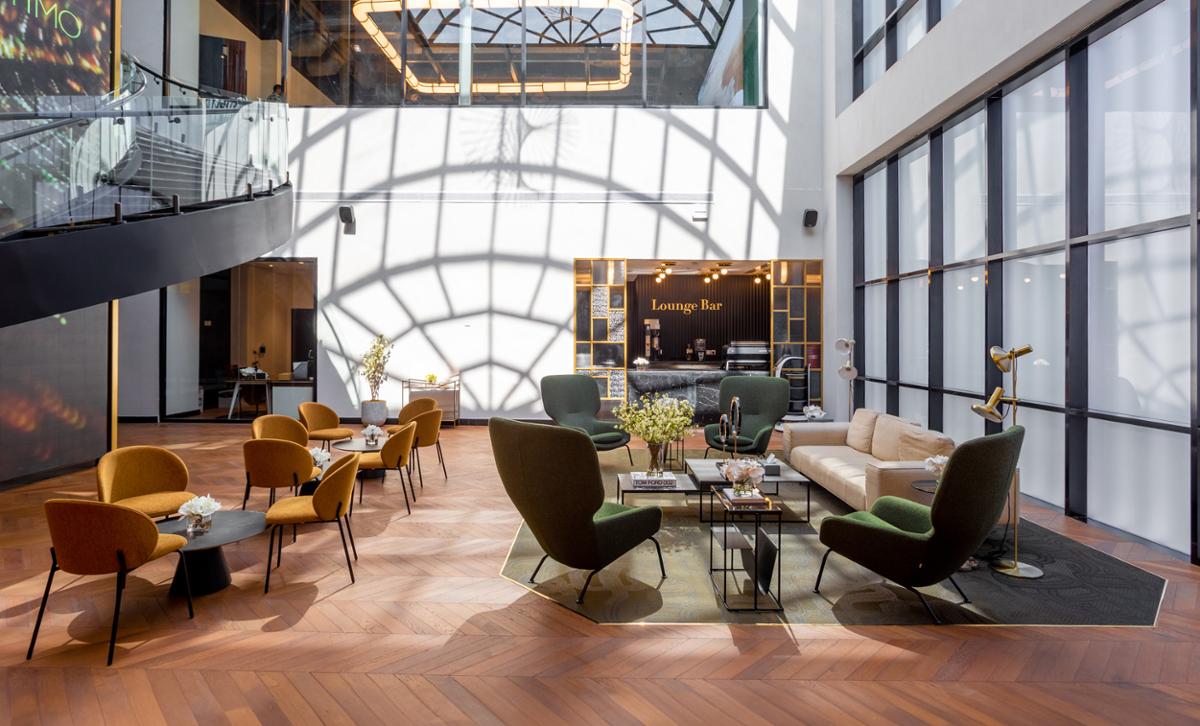
We’ve invested heavily in all these areas and it has translated well into the way the brands are expressed. Optimo has the feel of a hotel – it’s very classy –and the B_Fit concept is more progressive and avant garde. These different personalities come across strongly in everything from the club environment to the way the brands and staff speak to members, both face to face and through our marketing channels.

You’ve embedded mental health support into your clubs
Awareness of mental health remains very low here in Saudi, so we’re taking it slowly, but we’ve signed an exclusive agreement with UK-based wellness culture platform Minderful (www.minderful.com) and we run sessions for members and staff in English and Arabic.

We’re not a medical institution, so our role is to educate and raise awareness rather than to treat people. So far, we’ve run sessions for members on sleep, body image and controlling stress and they’ve all been very positively received.

Will you launch more brands?
We have two more brands already cooking. One we’re calling BYLD, the other is yet to be named.

We’re still focused on Optimo and B_Fit for now, but we’re continuing to develop our other two concepts so they’re ready to go when the time is right. Timing will be determined by two factors. The first is our agreeing the exact market positioning for the two brands, which remains a moving target and we’ll continue to tweak their positioning until the final minute.

The second factor is the market being ready for them. We were originally looking at the low-cost segment – I mentioned that in my interview in HCM in 2020 – but we didn’t want to be the first mover. There are now two brands in that space and we’re continuing to observe their progress. We’ll decide how to position our two new brands over time.

We’re in a great position to do this, because our family has created the fitness market in Saudi Arabia. My eldest brother Abdulmohsen founded Bodymasters in 1994, which I then joined. Together we created Fitness Time and now Armah Sports. It’s one of our competitive advantages: we have the knowledge of the market because we created it, pivoting and improving with each new business.

Do you worry about growing competition?
I used to worry, but now we simply focus on what we do. We play in a different league.

Of course we keep an eye on the market to understand competitors’ strategies, but we’re confident we’ll always find ways to differentiate and strengthen our position and competitive advantage.

It’s also true that the Saudi fitness market is large enough for lots of players to succeed. We, therefore, see competition as a positive force that keeps the engine running well and drives the success of the overall market.

Tell us about your smart club model.
Abdulmohsen and I had already opened more than 100 Fitness Time locations when we created Armah Sports, so we didn’t want to repeat ourselves, but to create something new to differentiate ourselves in the market.

We had a vision of creating the world’s first smart clubs, inspired initially by discussions among my hugely supportive REX Roundtable community.

In the past, we prioritised growth and the fitness element of clubs over technology, which was arguably our weakest link. This time, we developed the tech infrastructure and then built our clubs on top of it – we built the backbone and then integrated everything else into that ecosystem.

We have an excellent building management system, for example, which is essentially about energy optimisation. It monitors our air conditioning, water consumption, pool temperatures and so on to enable our buildings to be greener. It’s why we were awarded LEED certificates for both Optimo and B_Fit.

We’re also entirely paperless across the entire Armah Sports business and all our systems can talk to each other. Club access is via facial recognition and members will soon be able to use Amazon Alexa voice technology to book classes, request information about our trainers and book personal training.

We have Innovation Labs at Optimo and B_Fit where we pilot tech – VR and AR, for example – that members can try. and we can assess – we also anticipated EVs before they were on Saudi streets, installing charging stations at our clubs.

Our ecosystem also includes smartwatch connections to apps and equipment, but of course that isn’t new for fitness.

This is a non-stop journey, constantly pushing the envelope to make our clubs as smart as we can. We view ourselves as a tech company, not just a fitness company, and we’re open to adopting any tech that will optimise operations and enhance the member experience.

It has to make sense, however – if you adopt too much technology, you can make it very complicated for yourself and your members. You have to be careful where you draw the line.

Are you using AI?
Fitness as a sector is slow to adopt technology, which means we can take our time to observe and see what else is coming. This is our approach when it comes to AI.

Nevertheless, machine learning is already part of the software in our clubs and is producing a lot of data. We want to be able to use this to inform our decisions as a business and to precisely target our marketing, so building our data analytics structure is one of the main things we’re working on at the moment.

What’s your vision as a company?
Now, as for the past 30 years, our vision and driving force is to have a positive impact on the community and on the Saudi lifestyle. This is important to the whole family and is the emotional purpose that keeps us going.

In Saudi Arabia, 65 per cent of the population is aged under 35 years. We want to unlock the human potential of our country by using fitness to help them lead a healthier life.
Setting the record straight
Fahad Alhagbani shares insights into his career moves and addresses rumours about recent business decisions
On leaving Fitness Time…

I’m often asked why my brother and I left Leejam after the Fitness Time IPO. There were so many rumours.

The simple answer is that a parting of ways is normal in business when there’s a conflict of opinion over the direction of the company.

We’d done what we could at Fitness Time – put in place a foundation of people and systems to enable future growth and taken the brand through an IPO. We knew the company could continue to succeed and so it has proven. At IPO, Fitness Time had 150 clubs and a market cap of around £563m. Today, it has 199 clubs and a valuation of £2.3bn.

The biggest winner is the consumer, with two successful companies now serving their fitness needs.

On defending the B_Fit brand…

We launched B_FIT to the market with its smart club tag and soon after that, a competitor launched a brand called B-IT, also with a smart element.

We’d get walk-ins to our clubs referencing offers made in our competitor’s campaign and the similarity in brand name was causing confusion.

We tried to communicate informally, but unfortunately it ended up in court. We left it to our lawyers and the process was purely factual – referencing documents showing when the brands launched and so on. In the end it was determined that we had the rights to the name.

The other business has rebranded to IN2 Fitness and continues to operate. We continue to operate. There are no hard feelings. It was simply a business decision that had to be made to resolve the confusion in the market.

On closing Saudi’s 1Rebel studios…

1Rebel was always a private venture for me, a passion project outside of Armah Sports. We opened two locations and had high hopes, with three more locations secured, but the boutique market was still in its infancy in Saudi and we opened during COVID. Quite simply, those first two locations didn’t perform to expectations.

We delivered an experience that nobody else was delivering and the feedback was great. It looked and felt like a success. It just didn’t drive the necessary revenues.

Head office in London was also stretched during COVID and the franchising infrastructure wasn’t in place to give us the support we needed; we were, I think, just the second franchisee outside of the UK. We invested countless hours and millions of dollars over and above the capital to keep the business alive, but it just didn’t work.

Perhaps we should have closed the studios sooner, but I didn’t want to leave any stone unturned and I don’t regret anything. I had fun alongside the stress and I learned a lot.

I’d still be open to taking those learnings and doing something in the boutique market if the positioning were right. It’s a double-edged sword as many boutique businesses are struggling, but the experience they offer makes them an important part of the market, complementing the big boxes.

photo: Armah Sports
KEYNOTE SPEAKER 2024

Fahad Alhagbani will be a keynote speaker at the HCM Summit on 24 October in London. Find out more at www.HCMsummit.live

Sign up here to get Fit Tech's weekly ezine and every issue of Fit Tech magazine free on digital.
Gallery
More features
Editor's letter

Into the fitaverse

Fitness is already among the top three markets in the metaverse, with new technology and partnerships driving real growth and consumer engagement that looks likely to spill over into health clubs, gyms and studios
Fit Tech people

Ali Jawad

Paralympic powerlifter and founder, Accessercise
Users can easily identify which facilities in the UK are accessible to the disabled community
Fit Tech people

Hannes Sjöblad

MD, DSruptive
We want to give our users an implantable tool that allows them to collect their health data at any time and in any setting
Fit Tech people

Jamie Buck

Co-founder, Active in Time
We created a solution called AiT Voice, which turns digital data into a spoken audio timetable that connects to phone systems
Profile

Fahad Alhagbani: reinventing fitness

Alexa can help you book classes, check trainers’ bios and schedules, find out opening times, and a host of other information
Opinion

Building on the blockchain

For small sports teams looking to compete with giants, blockchain can be a secret weapon explains Lars Rensing, CEO of Protokol
Innovation

Bold move

Our results showed a greater than 60 per cent reduction in falls for individuals who actively participated in Bold’s programme
App analysis

Check your form

Sency’s motion analysis technology is allowing users to check their technique as they exercise. Co-founder and CEO Gal Rotman explains how
Profile

New reality

Sam Cole, CEO of FitXR, talks to Fit Tech about taking digital workouts to the next level, with an immersive, virtual reality fitness club
Profile

Sohail Rashid

The app is free and it’s $40 to participate in one of our virtual events
Ageing

Reverse Ageing

Many apps help people track their health, but Humanity founders Peter Ward and Michael Geer have put the focus on ageing, to help users to see the direct repercussions of their habits. They talk to Steph Eaves
App analysis

Going hybrid

Workout Anytime created its app in partnership with Virtuagym. Workout Anytime’s Greg Maurer and Virtuagym’s Hugo Braam explain the process behind its creation
Research

Physical activity monitors boost activity levels

Researchers at the University of Copenhagen have conducted a meta analysis of all relevant research and found that the body of evidence shows an impact
Editor's letter

Two-way coaching

Content providers have been hugely active in the fit tech market since the start of the pandemic. We expect the industry to move on from delivering these services on a ‘broadcast-only’ basis as two-way coaching becomes the new USP
Fit Tech People

Laurent Petit

Co-founder, Active Giving
The future of sports and fitness are dependent on the climate. Our goal is to positively influence the future of our planet by instilling a global vision of wellbeing and a sense of collective action
Fit Tech People

Adam Zeitsiff

CEO, Intelivideo
We don’t just create the technology and bail – we support our clients’ ongoing hybridisation efforts
Fit Tech People

Anantharaman Pattabiraman

CEO and co-founder, Auro
When you’re undertaking fitness activities, unless you’re on a stationary bike, in most cases it’s not safe or necessary to be tied to a screen, especially a small screen
Fit Tech People

Mike Hansen

Managing partner, Endorphinz
We noticed a big gap in the market – customers needed better insights but also recommendations on what to do, whether that be customer acquisition, content creation, marketing and more
More features