







You’ve had investment from Imbiba as part of its new £90m leisure fund – what are your plans?
The pandemic took its toll on our business, as it did everyone’s, so we needed to get finance and Imbiba is a great partner. It specialises in hospitality and leisure, especially in London and has a number of good brands in its portfolio.
The deal also means we have some supportive investment directors on our board – Lizzie Ryan and Alison Wong.
Our core demographic is 25- to 35-years-old and about 70 per cent are female, so it’s going to be incredibly beneficial for the whole business to have women on the board who understand the journey of our core customer base.
Does Imbiba have a background in health and fitness?
It has backgrounds in hospitality and leisure: bars, restaurants, experiential leisure and hotels, so I think fitness is a natural fit for that portfolio.
Compared with the hotel industry, the fitness industry has been unimaginative in terms of design and experience and woeful in training and development. The most exciting hotel chains around the world are works of art – they're beautiful, they're engaging and they've got character.
However, while we can learn a lot from hotels, hotels could also learn a lot from fitness, especially the boutique fitness industry, because hotel gyms are generally boring and lacking in character. If all of the major hotel chains put a boutique studio on their ground floor, which was accessible for guests and on off the street for consumers, they'd have a much more vibrant, applicable fitness offering.
The more brands define themselves and say this is not for everybody, but the people who like me are going to love me, the more that resonates with today's consumer.
How did you steer the business through the pandemic?
Overwhelmingly, it was because of our people and culture. At the start I spoke to the entire team and said we have the choice of reducing the workforce by 20 per cent or we – as the full time employees – can all take a hit on our salary and when we come out of this we'll be able to look to our left and right and say: “Okay, I did this for you, you did this for me.” And that's what we did.
Keeping the team together was the North Star that kept me going and it was also one of the most rewarding things I've ever experienced. We’re a much stronger and more focused business as a result. There's nothing like hard times to make you really analyse what you're doing and where you need to go. While it was a painful process, once you go through adversity you feel stronger for the next challenge.
You must have a very loyal team as a result
Yes, I've always dreamed about having a team where you can have the same relationship as you do with your best friends: you can have the difficult conversations, because you know how they'll react and so you can navigate that pretty easily. We've got that in spades.
Working hard on the culture has paid dividends and we have very low staff turnover, both at head office and with instructors. We have some natural turnover in the front of house team, who tend to be on zero hours contracts and also go off to work in the West End and on cruise ships sometimes, but a lot come back. All of the team are incredibly capable, hardworking, honest and genuine people, so my hope is to keep the team at the same size, while we double the size of the business.
We’ve recently strengthened the business with the appointment of Adam Bellamy – former chief financial officer of PureGym – as our chair. He’s a veteran operator with private equity experience, very smart, very focused and is already having a great impact.
Did your customers also stay loyal through the pandemic?
Absolutely. We’ve got incredible buy-in from our rebel army, although last year (2023) was still challenging, as while the industry and the country opened up, there were still many events that caused a break in fitness habits, such as train strikes, tube strikes, heat waves, spiralling inflation and interest rate hikes. There was a huge amount of uncertainty. But now London is back and 1Rebel is back. It was around November last year when I really started to see things bounce back and I'm pleased to say we’re having our best year ever in 2024. Everyone's smiling. We're looking forward.
Are you planning any expansion now you have the Imbiba investment?
Right now we sit with 10 clubs in the UK, a flagship in Dubai and two in Melbourne, Australia. Within three to five years I’d like to double in size, getting up to 20 clubs in the UK.
Ninety per cent of our focus is going to be in London, where we have an established customer base and a great team.
If you go back to pre-COVID days, international growth was an alluring goal. Everybody wanted to plant flags internationally, to show they had a ubiquitous product that would add zeros for valuations going forward, however, when the pandemic happened a lot of overseas sites that weren't fully established became a very challenging part of businesses, as they weren't able to be supported by the wider cashflows that leverage against head office costs. We were no different and our international clubs need a bit more time to get them to where we want them to be.
We believe 1Rebel can work in any primary and secondary city globally, but we won’t be going to any new countries in the immediate future – we need to focus on where we already have our businesses. At the moment the greater returns are in London, which is partly to do with the immaturity of our international business.
We feel we're in a good position. The business is going exceptionally well and we have a bit of time on our side now, as most private equity companies want to see a multiple of their investment on a three to five year horizon, so we have time to deliver and reach our ambitions.
A lot of our competitors will also come up for sale in the next 18 months – as their pre-COVID private equity partners look to exit – so our timing was good, as the market will become very crowded soon.
We’ve also just raised £6 million of debt and that will help with our rollout.
Will you continue franchising?
Going forward, we're going to do it by ourselves and we’ve already made the decision to exit the franchise agreements we had in Saudi Arabia and Israel [1Rebel’s operations in Tel Aviv are now being run by Holmes Place].
With hindsight, having now done some franchising, we realised that doing boutiques well requires a lot of detailed focus, blood, sweat and tears that can only really be delivered by the homegrown team. Franchise partners often have other priorities.
Boutiques are a very focused, customer service business, there are around 30 touch points from when a customer opens the door to when they leave and getting any of those wrong can impact the potential of that person returning.
Why did you decide on Melbourne and Dubai?
Dubai is one of the most exciting cities in the world and has attracted huge amounts of investment, as well as drawing talent from around the world seeking a great lifestyle and low tax. It’s an exciting place to be with a lot of residents in our demographic.
Australia has always been a fantastic fitness market for my father, [Mike Balfour, founder of Fitness First] and we've learned that if you're an English business you have a greater chance of success in an English-speaking nation, purely due to the fact that some things get lost in translation. We've got a great team in Australia and Melbourne is an incredible city.
Before we pull the trigger on further expansion, we've got to make sure our existing international clubs deliver model returns, so in the near term – the next 12 months – 90 per cent of our focus will be on London.
When you’re ready to go overseas, where looks interesting?
Europe is struggling, America is doing exceptionally well, east Asia and the Middle East is booming. Hong Kong and Singapore have always been great markets. I love Scandinavian cities – the market size is small, but it's very fitness-forward and fashion forward, with an educated population who like to see new brands emerge.
Is there anywhere of interest in the UK where you plan to expand?
Manchester, Liverpool, Dublin and Edinburgh all make sense, but when you make the decision to go somewhere else it should be backed with enough capital for two or three clubs minimum. If you put one club there, you can sometimes create a problem for yourself. Life is a lot easier when you have that network effect and can move people around to cover for holiday or illness. The network gets stronger with scale, but a lone club in a distant city can easily get into problems.
You've diversified into retail, with clothing and toiletries, what's the thinking?
Our brand punches above its weight for its size, but I’m always looking at where we can invest to make it an even greater experience. When we upgraded our toiletries, we entered into a wonderful partnership with Wildsmith to create a signature blend of in-club toiletries to elevate the members’ pre- and post-workout experience and are also selling them in new retail spaces at the clubs.
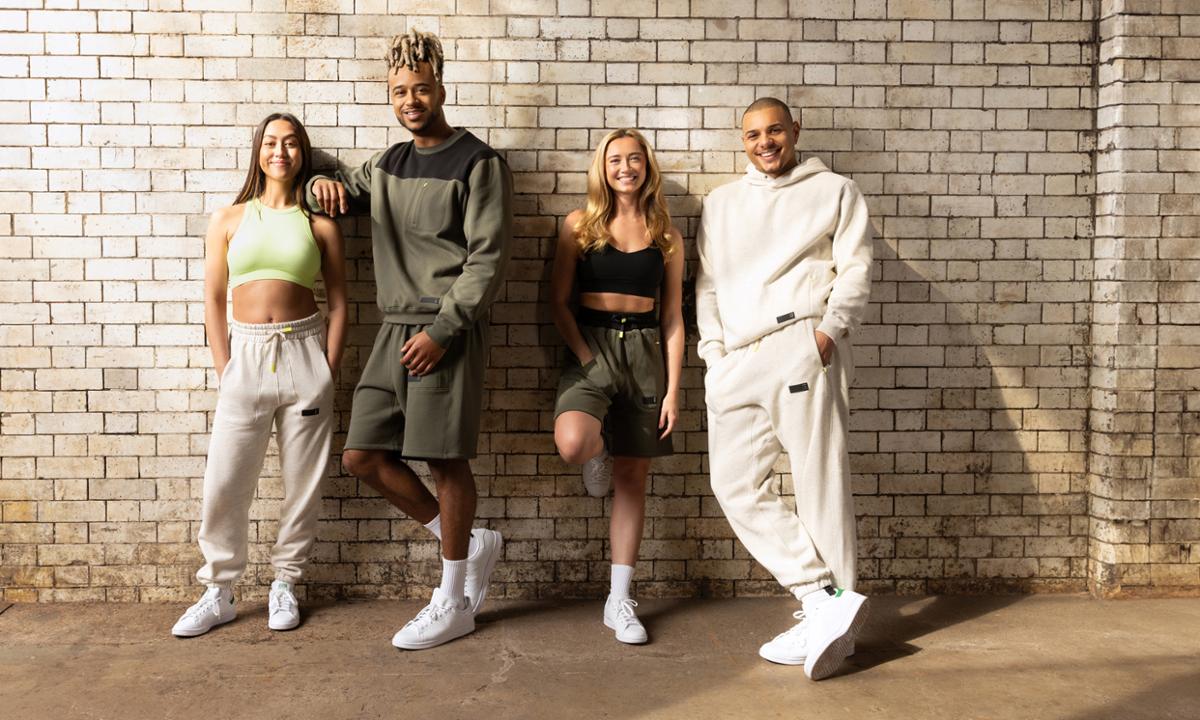
Designing our own clothing range, 1RCollection, was a natural progression to get the brand out there and to be seen by people we haven’t yet reached. We'll be announcing more exciting things in the not too distant future.
How are the four elements of 1Rebel performing at the moment?
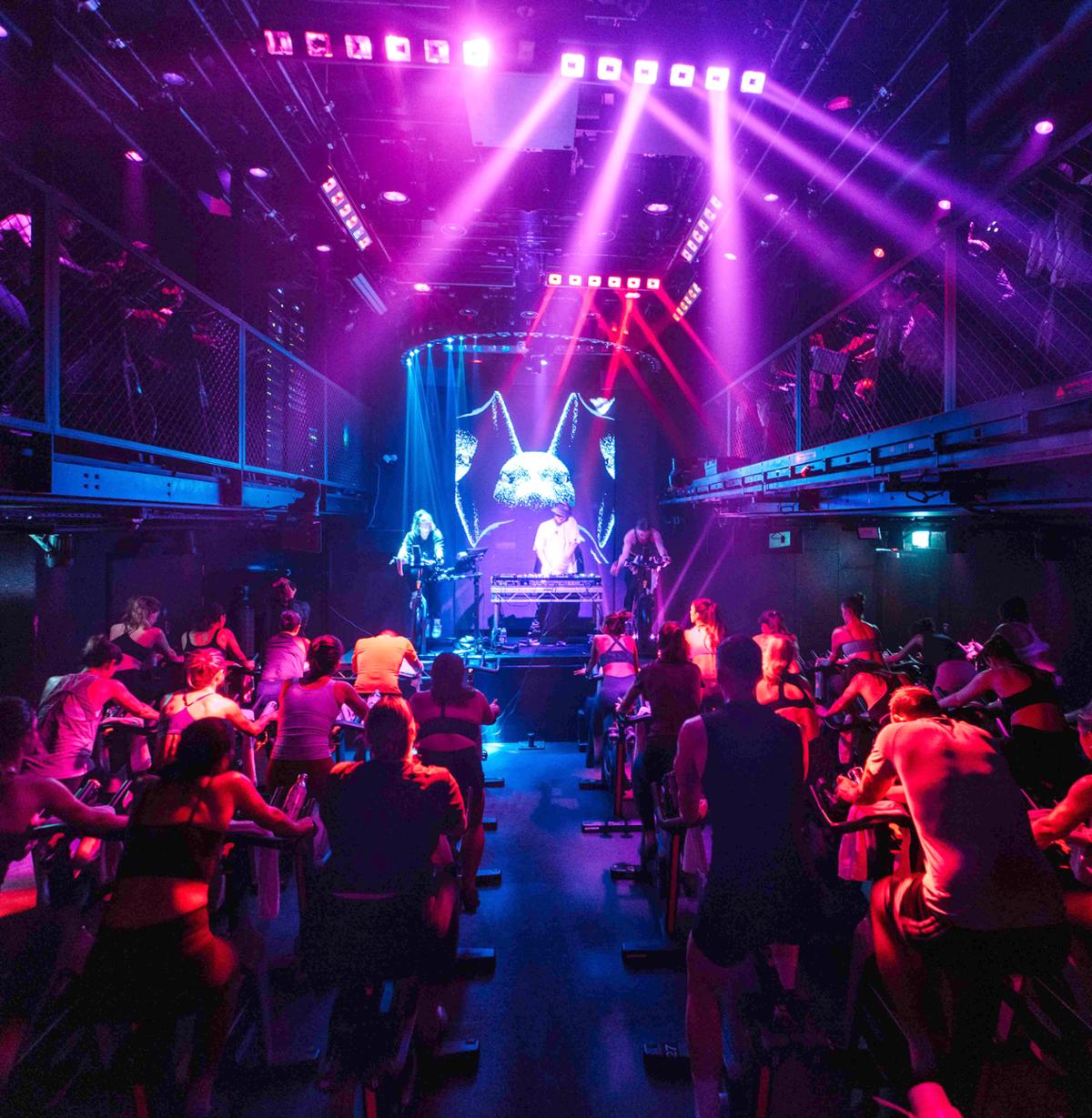
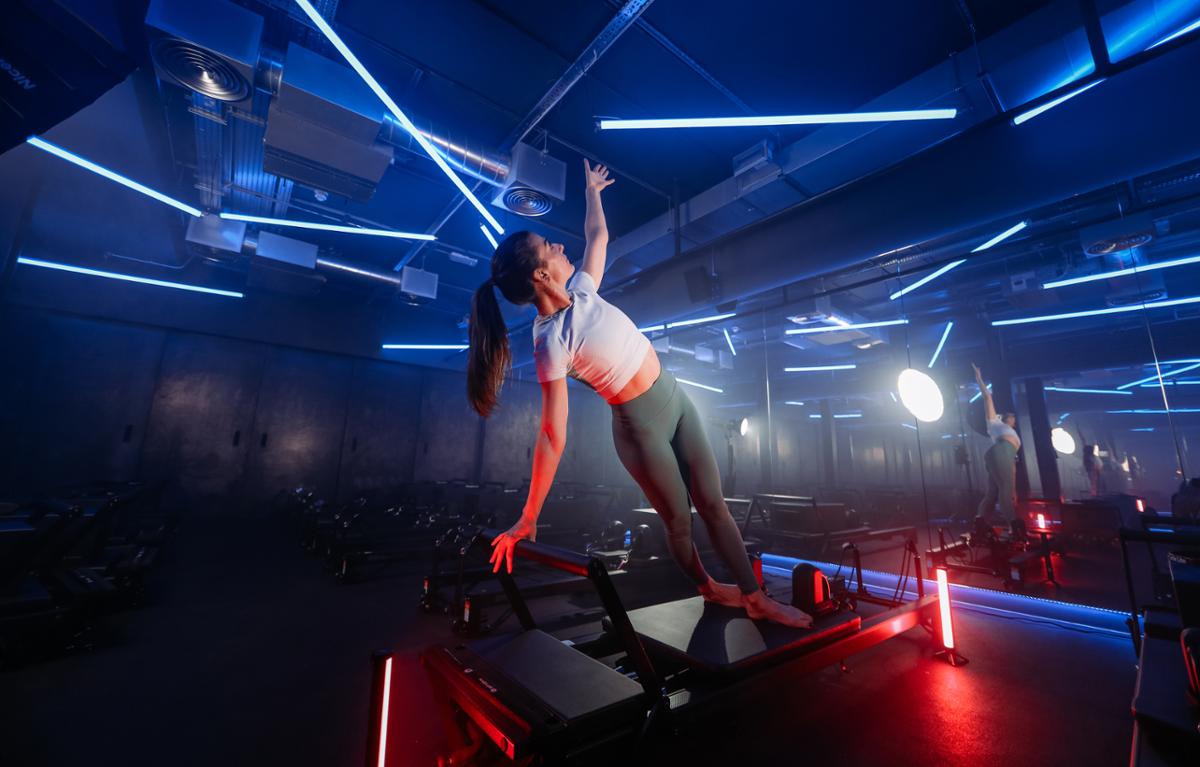
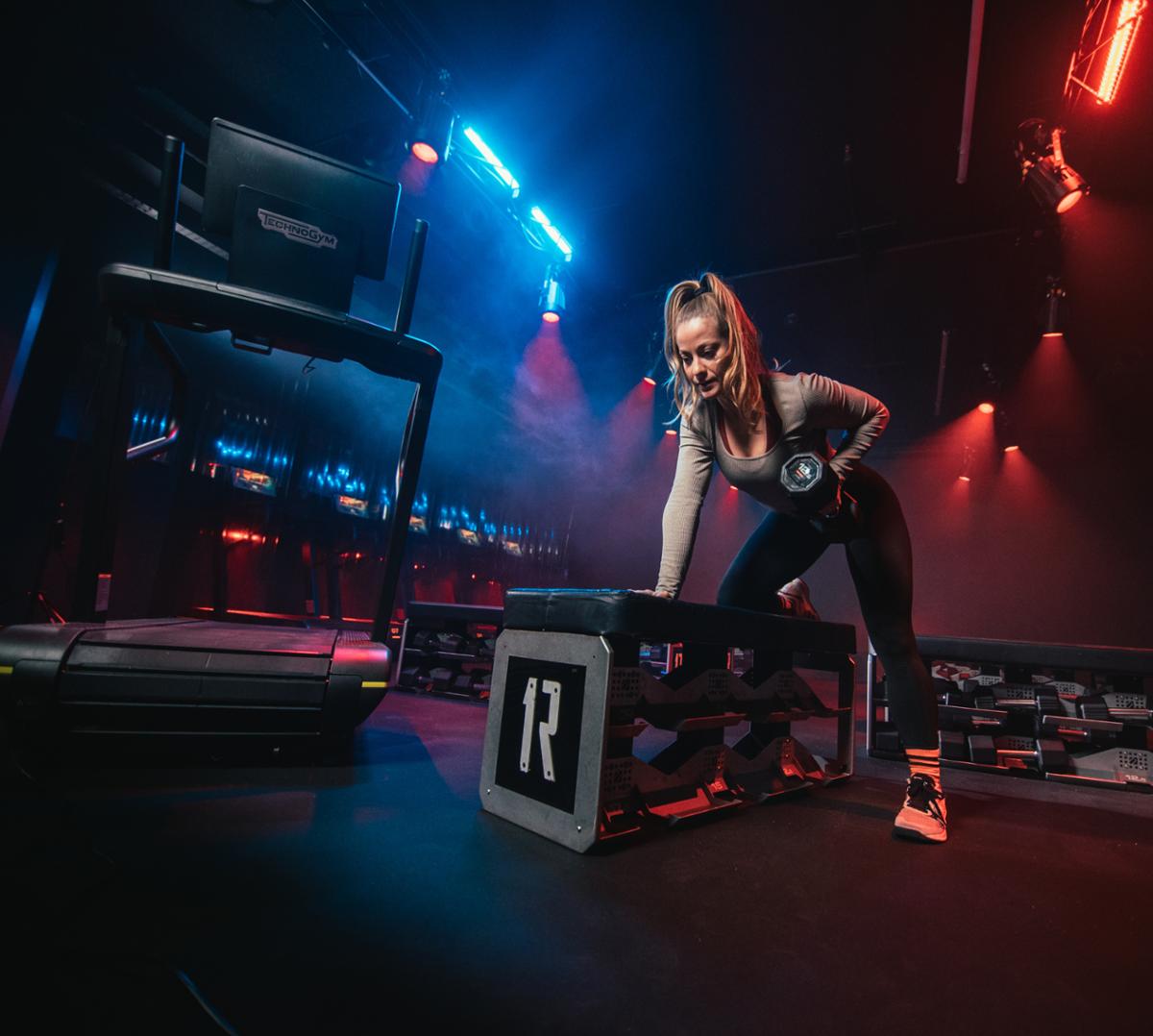
Reformer is doing very well for us, but the other concepts are equally as good. We only have one Rumble studio now, at our flagship location in Oxford Circus, London, because the demand for boxing is more niche and we’re working out whether that will continue to grow alongside the other concepts.
The beauty of having a number of concepts is that our studios are black boxes we can adapt to trends. Having said that, I’d be reluctant to have more than four concepts, because then you lose authority in relation to what you're doing.
There is a lot of talk about mental health. What's your approach?
Gyms can be poor at supporting people with their mental health. Sometimes parts of the sector contribute to poor mental health, such as when you see fitness influencers on social media, quite frankly, telling lies.
I'm not on social media personally and wish it didn't exist. We’re on it as a company, because you can't avoid doing it, but I think it’s causing huge amounts of poor mental health and I think a lot of fitness influencers don't understand the damage they’re doing.
Given the complexity of the mental health categories, it’s important to recognise the limitations of the industry. We’re not doctors or mental health practitioners, but we can inspire people to move and that's a great start. As fitness operators we sell ‘exercise as medicine’, packaged as a fun experience and we need to communicate that message more clearly.
What was the original inspiration for 1Rebel?
We stand on the shoulders of others in many respects. Barry's and SoulCycle were doing incredible things, as pioneers in the boutique industry in the States. It made me feel really connected as a consumer and I thought this is what I want: fun, instructor-led, high intensity classes that are anonymous, but also inclusive. I felt we could do that, but evolve the concept with more strings to our bow and with a focus on design and experience. In many respects that's remained our core belief.
When we founded the business, nine years ago, London was a ‘work hard play, play hard’ environment and we spoke to that in many respects. Now I think it's a ‘consistency’ environment, with young people more informed on things, such as sleep recovery. The messaging we've got to get across now is about how it’s consistent, good practice that delivers compound results.
What are the hottest trends you see?
Longevity is one. We've got to the point in society where very few people die suddenly, the majority live longer, but some suffer from ill health in later life, which can be challenging. The problem is that when you're young you don't think illness will ever happen to you, but there is a huge amount that can be done to communicate the importance of looking after your health while you’re young in order to improve your healthspan.
Another trend I’m supportive of – according to the information currently available – is weight-loss drugs. So often people put off joining a gym until they lose weight and it becomes an element of procrastination. If these drugs can get people to a point of confidence where they’ll go to a gym, we might see the market explode.
We need to remove the stigma of weight-loss drugs and build a relationship with the people who take them, as there's data to show that if people don’t make lifestyle changes they revert when they stop taking the drugs, so it’s important to reach out and help them change their behaviour.
What drew you into the fitness industry?
When I left university I wanted to join the army, but my father convinced me not to, so I did a hybrid and joined an honorable artillery company while also working in the City – it's a very exciting place, but it wasn't for me, I wanted to do something more fulfilling, so I took time off to achieve my goal of climbing Mount Everest.
When I was considering my career choices afterwards, I realised that if I didn't go into the fitness industry I'd be turning my back on a huge amount of collected experience and knowledge from my father, that a lot of people would have killed for. Having been dealt those cards it made sense to make the best of them.
What impact did climbing Everest have on you?
It was an incredibly arduous and challenging expedition, with 72 days on the mountain and some people unfortunately losing their lives during that weather window.
Getting to the summit of any mountain feels like an emotional experience. There's limited oxygen so your heart is pumping harder and it brings a sense of gratitude and appreciation when you have to strain for life.
Last year, I climbed Nevada del Tolima, a volcano in Colombia and I cried my eyes out on the summit. It's heavenly when you're above the clouds, at six in the morning and the sun's coming up. It was such a beautiful place and a reminder I was so lucky to be there and that life is very precious.
Did you ever doubt you’d make it to the summit?
No doubt – I was obsessed and had a real fire in my belly. I thought nothing but positive thoughts over and over on a ridiculous loop – that's the approach you have to take with anything really challenging.
I don’t think any entrepreneur will ever tell you they're ever going to fail. They have a belief that's got to be matched with commitment and hard work and the nimbleness to change plans if required.
That must have been amazing brain training
There are people who were dealt a bad hand in life and create strong minds by going through adversity and coming out of the other side and there are people like me, with comfortable upbringings, who have to seek out adversity.
I always felt I needed to challenge myself to prepare for the future. Adversity gives you perspective and is a powerful tool for dealing with what life throws at you.
What do you think is up ahead for the industry?
We’ve been through a lot in the last few years and it will be a long haul to get through the political nonsense we've had to deal with for so long, which has eroded the middle class and created 1920s levels of wealth inequality.
On the positive side, interest rates will come down, inflation is already at around two per cent and there will be money coming to investors who’ll be looking to deploy their capital. In the next five years, this industry will go through a huge transformation. I believe there are exciting times ahead.