








Tell us about Xtreme Fitness Gyms
Lukasz Dojka: We’re the first health and fitness franchisor in Poland. We opened our first club in 2012 – a small basement gym financed by my own savings – and we've just had our most successful year in terms of performance, franchise sales and openings, as well as hitting a milestone of 100 sites in December 2024.
James Cotton: We're now in a very dynamic scale phase of the business and, on average, opening a club every five days. Last year we opened 42 clubs and this year we plan to open more than 60. In the last 12 months, we’ve made 111 new franchise sales, so we’re growing fast.
Over the next five to six years, we see a space for more than 500 clubs in Poland and we have a road map for overseas expansion as well, starting in 2026, initially targeting neighbouring countries, either franchising directly ourselves, or via master franchising. We’re very much aiming for speed. There isn't another franchise model in Eastern Europe, so we're looking to occupy that space.
What are your back stories?
Lukasz Dojka: For 12 years, I was a competitive bodybuilder and also had a career in health and fitness in the UK, working for chains including Virgin Active, Esporta and Holmes Place.
James Cotton: I have a background in the UK health and fitness market and franchising and was responsible for launching Anytime Fitness into the UK as Operations Director in 2010.
I started talking to Lukasz during COVID and after a period of consultancy moved to Poland and took over the role of CEO at the start of 2024.
Update us on the Polish market
James Cotton: Poland is a challenging market to penetrate – several European operators have attempted but ultimately withdrawn.
Lukasz Dojka: We’re in a unique position with James, a franchise expert from one of the world’s most competitive markets and – being a homegrown company – we have a deep understanding of the Polish market. Our bilingual team brings together a wealth of distinctive strengths and expertise.
James Cotton: The penetration rate in Poland is only 8 to 9 per cent and while infrastructure has significantly improved, there’s still considerable work needed to educate consumers about health and fitness. In addition, because it’s a religious country, understanding cultural nuances is also crucial when it comes to successfully growing a business here.
The most dominant players in the market are aggregators – Benefit Systems and Medicover – they’re larger than the biggest operator in the UK, which means customers have a discount card and can attend multiple facilities.
They dictate the market and determine how the Polish market is developing when compared to other countries.
What’s your offering?
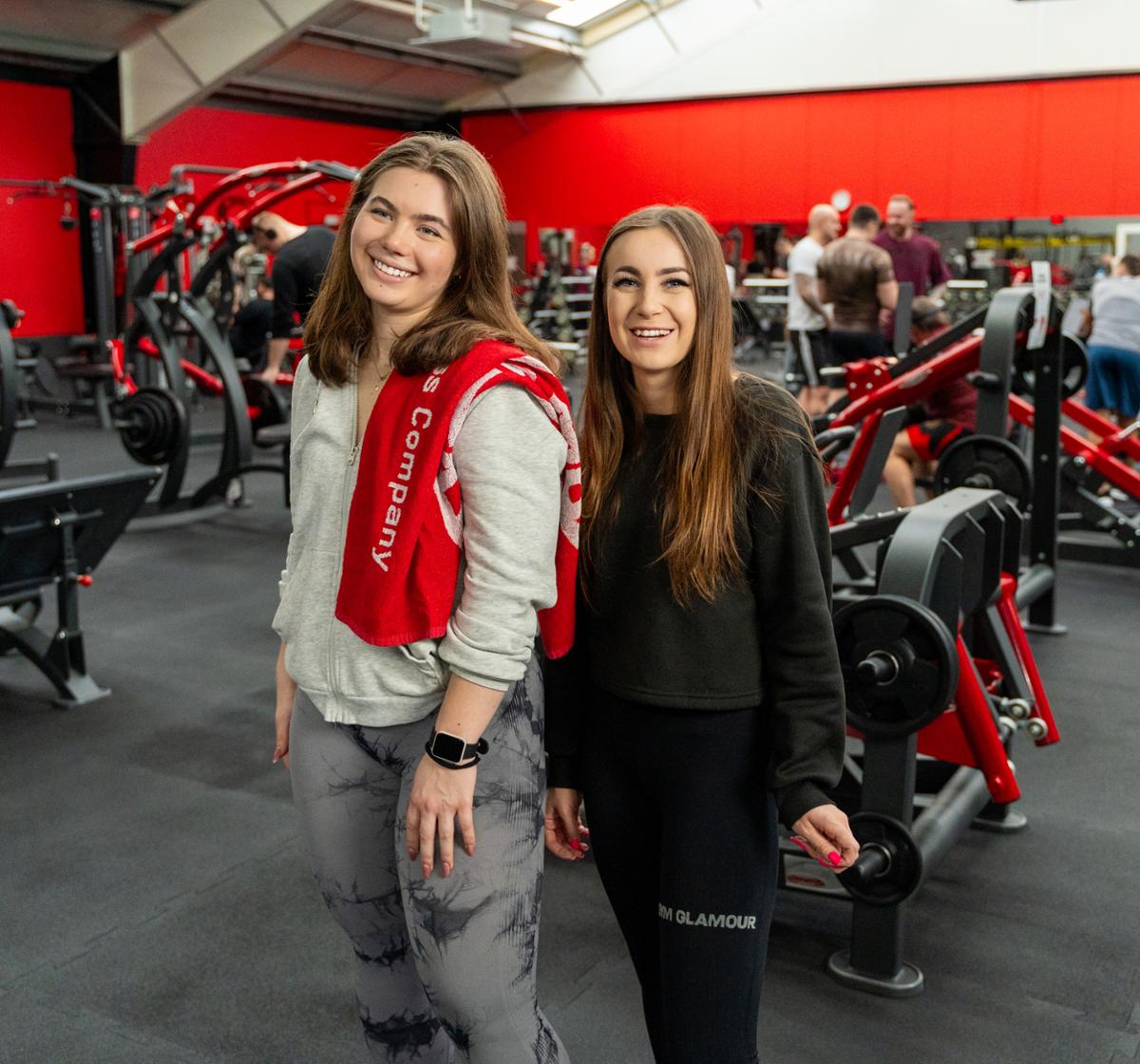
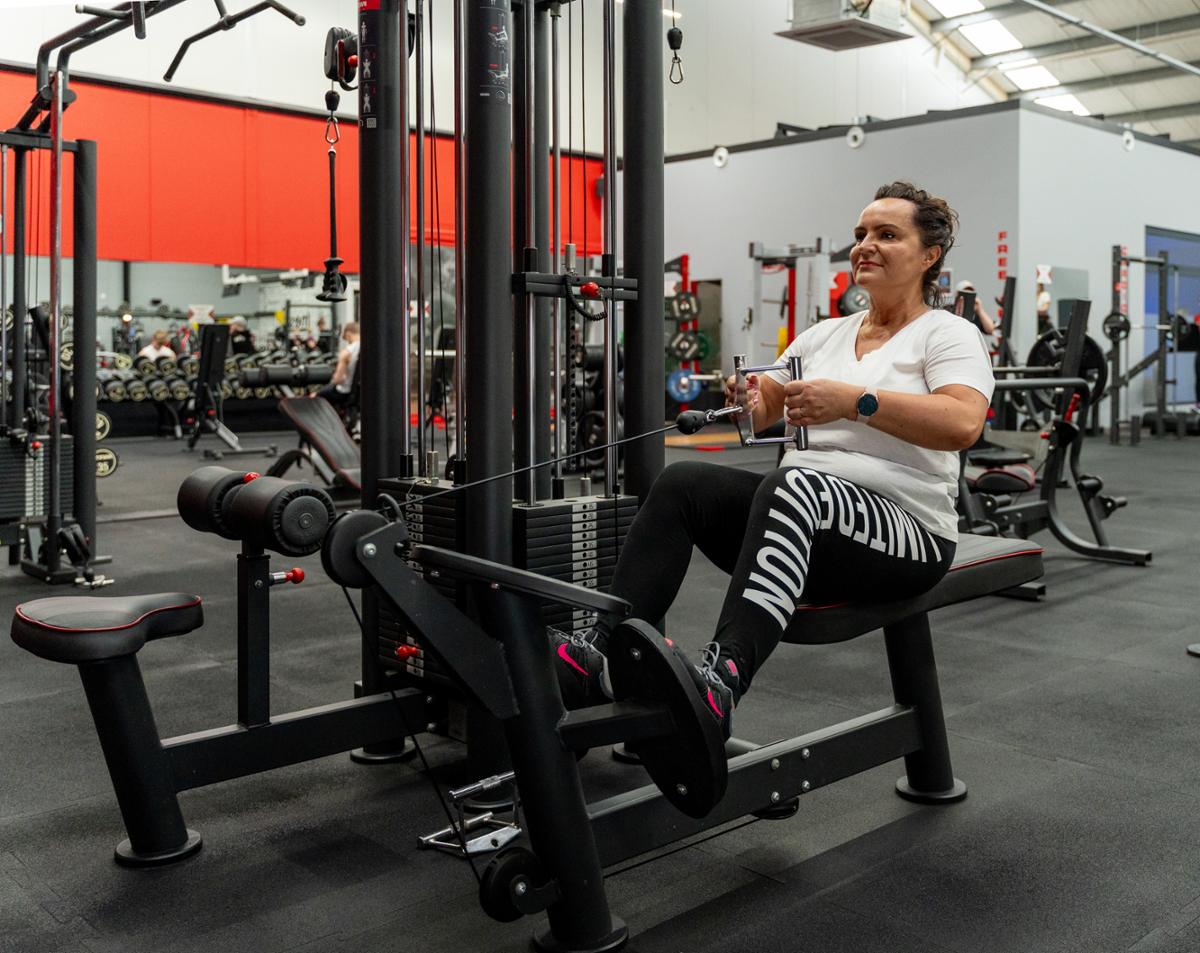
James Cotton: We’re a traditional gym, with four core areas – strength training, cardio, group classes and relaxation. The typical membership size is about 1,200 to 1,500 members and it’s mid-cost – around £30 to £40 a month – comparable with Anytime Fitness and Snap Fitness. We have a membership profile that’s tiered and based on what members want. It’s not a 24-hour concept.
Our target audience is typically 18- to about 50-years-old, with 26-28-year-olds being the biggest cohort. The demographics aren’t massively different to what you see in Western Europe.
There's probably more reliance on strength training than cardio. Class utilisation is very high here. In the UK it’s around 15 to 18 per cent, ours is 35 per cent.
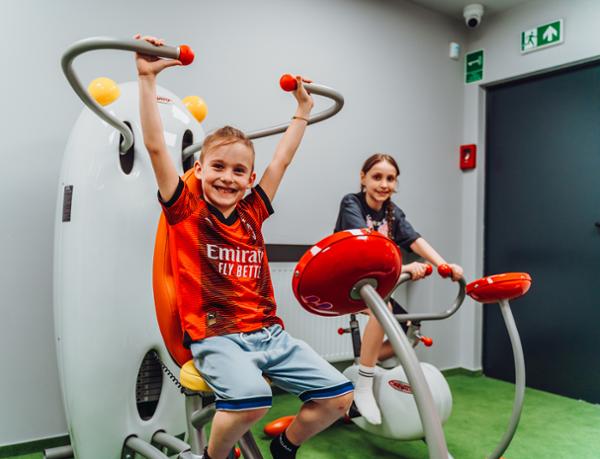
We own a kids brand as well, called Xtreme Kids and aimed at children from three-years-old to late teens. Launched in 2022, we have ambitious plans to grow this business too and so far four have opened, with 10 more coming this year.
Lukasz Dojka: The concept includes a fitness studio, an interactive soft play area, four or five party rooms to host birthday parties and educational rooms, where they can do creative activities. We also have studios for classes, a baby area and a small section for gym equipment with a mini treadmill and mini bike to educate them to develop those habits. There’s a nice cafe for parents, or as the sites tend to be next door to our gyms, we offer the option of going for a workout while the children are supervised.
What sort of gym sites do you look for?
Lukasz Dojka: We’re looking for sites between 500sq m to 1,000sq m. Poland is developing at the moment in terms of real estate and as we’re a Polish-grown company, we have a great relationship with retail park owners and property owners.
We started in small cities and towns: 80 per cent of our clubs are in cities of under 100,000 population and now we’ve started getting a presence in bigger cities. So we have the opposite approach to the other two main players in Poland, and we're the only one so far with a franchise model.
What are the challenges and opportunities?
James Cotton: There are primarily positive challenges. The market is relatively undeveloped, presenting us with a greenfield opportunity to educate people about our business model and concept.
The speed of development we’re aiming for is sometimes a challenge, especially onboarding our franchise partners – we’re on track to open 227 profitable clubs by the end of 2027.
At times, we face a challenge when it comes to blending the old with the new – shifting mindsets from paying with cash to adopting automated recurring membership payments, for example.
In terms of opportunities, we’re seeing a lot of interest in our models. A lot of our franchisees have experience in the UK and are now moving back to Poland, wanting to invest in a business.