






















latest fit tech news


US-based robotics wellness company Aescape Inc has entered insolvency proceedings following the sale of substantially all of its ...


Feedback: HCM Forum
Fuel the debate about issues and opportunities across the industry. We’d love to hear from you. Write to [email protected]


I read with interest your recent HCM Editor’s Letter, highlighting the research around alarming muscle mass loss and weight regain following GLP-1 medication cessation.
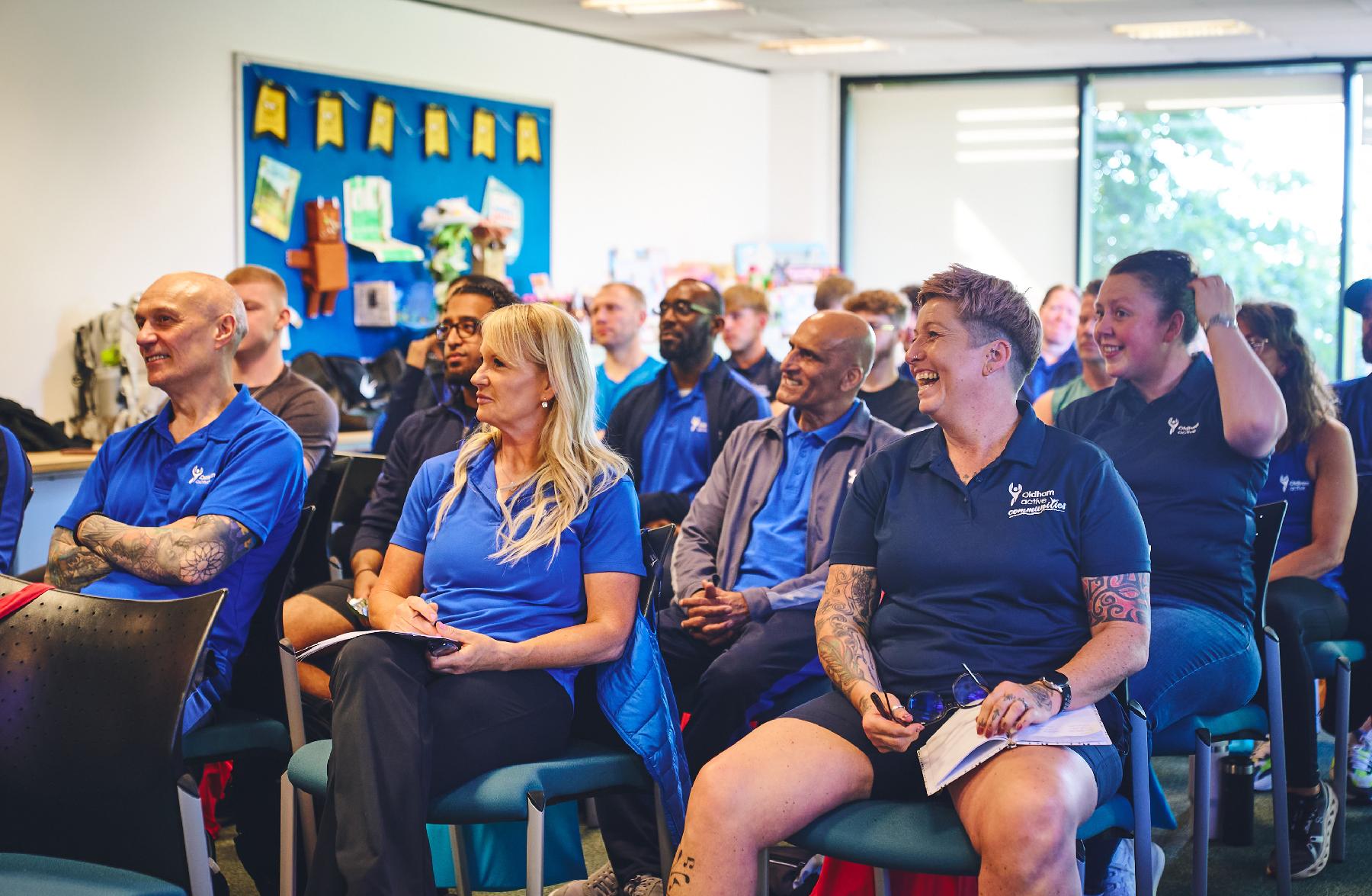
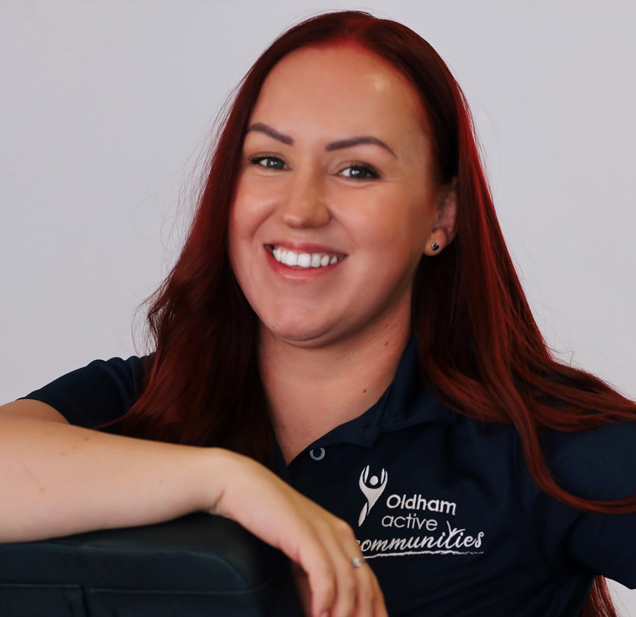
Your letter couldn’t be more timely. Oldham Active is one of the first community leisure trusts in the UK to recognise this looming health catastrophe and we’re taking decisive action.
We’ve recently upskilled 30 of our fitness instructors and PTs, who completed in-person pioneering GLP-1 specialist training called Navigating GLP-1 for sport and physical activity professionals.
Around 50 per cent of our health referral members are taking GLP-1s, many without a prescription
The course was delivered at Oldham University by Dr Hussain Al-Zubaidi and Future Fit, and made our team the first cohort of fitness professionals in the UK to receive this specific training.
At present there’s a significant lack of education about these medications and the training enables the team at Oldham Active to position themselves as experts in their community to counterbalance some of the misinformation in circulation – often to be found on social media and from influencers.
We’re passionate about upskilling our team to support members’ long-term wellbeing and the urgency became clear when we found 50 per cent of our health referral members are taking GLP-1s – many without GP prescriptions or adequate guidance.
Referral pathway for GLP-1s
We’ve also launched an exercise referral pathway for people on GLP-1s in line with the latest World Health Organization (WHO) guidelines, which recommend intensive behavioural interventions – including structured physical activity programme – alongside GLP-1 treatment.
Health and social prescribers across Oldham can now refer patients with a BMI of over 30 to Oldham Active’s specially-trained fitness team to get tailored exercise support.
The new pathway is available to people who purchasing GLP-1s privately or have been prescribed them by their GP and has been designed to help them preserve and build muscle mass while taking the medication.
This isn’t just about individual outcomes for Oldham Active; it’s about preventing a potential public health disaster.
This approach supports healthier, more sustainable weight loss and helps maintain results long-term, especially when they decide to stop taking the medication, and is even more needed given the WHO has just endorsed GLP-1s for long-term use.
Health and social prescribers across Oldham have been informed of the new pathway and the team’s specialist qualifications, enabling them to confidently refer suitable patients to the service.
Your ‘doom scenario’ of patients losing up to 40 per cent muscle mass, then re-gaining weight as fat within two years –as well as recent Les Mills insight that shows that GLP-1s can age people physiologically by ten years in just 68-72 weeks, is precisely what their team is now working to prevent, addressing one of the fundamental flaws your article highlighted: that weight loss drugs don’t require behaviour change.
This isn’t just about individual outcomes for Oldham Active; it’s about preventing a potential public health disaster. As the NHS expands GLP-1 access, Oldham Active’s model demonstrates how operators can fill the crucial gap between treatment and long-term success, potentially saving millions in repeat prescription costs, while also helping people to maintain their health while on GLP-1s.

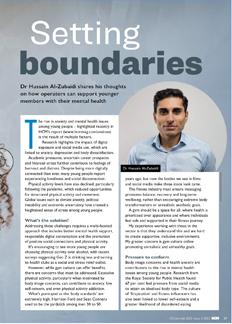
Read more from Dr Hussain Al-Zubaidi at www.hcmmag.com/DRH
I saw your article about the pilot trial of the UK government’s WorkWell centres and it reminded me of events in the market nearly 25 years ago.
At the time, the UK fitness industry was talking a good story and growing fast. The enlightened health secretary at the time was Alan Milburn and he realised that the burgeoning NHS bill was unaffordable and to help combat this he embarked on a mission to get people more active to improve their health.
Milburn commissioned some experts to come together and the result was the National Quality Assurance Framework (NQAF) document which set out the requirements for GPs to refer patients to fitness professionals for exercise programmes.
Do we have enough qualified trainers to help people who are signed off with mental health and musculoskeletal issues?
It was a little controversial because at the time, GPs only referred patients to other healthcare professionals.
The NQAF stipulated the qualifications requirements for fitness trainers and with this came the birth of the Register of Exercise Professionals (REPs UK)*.
The NHS gave us a very small grant to get REPs started and by the time I moved from REPs UK in 2008 to drive the development of REPS in Europe, REPs UK had over 28,000 members and the support of all the major health and fitness operators, while the training providers had come in-line with the awarding organisations to deliver good qualifications.
Exercise referral never really became mainstream at the time, but we did see an impressive upskilling of fitness trainers who gained much higher skill levels, which meant they could work with older population groups, cardiac rehabilitation and other special populations.
I wonder what the position would be today if UK health secretary, Wes Streeting, were to ask GPs to refer patients into the care of fitness professionals? Do we have enough qualified trainers to help with people who are signed off work with mental health conditions such as anxiety and depression, or musculoskeletal disorders such as back pain and injuries?
These areas of health are a focus for the proposed WorkWell centres and present a great opportunity for the sector, but only if we understand the challenge and are prepared to deliver by taking action and continuing to upskill our people.
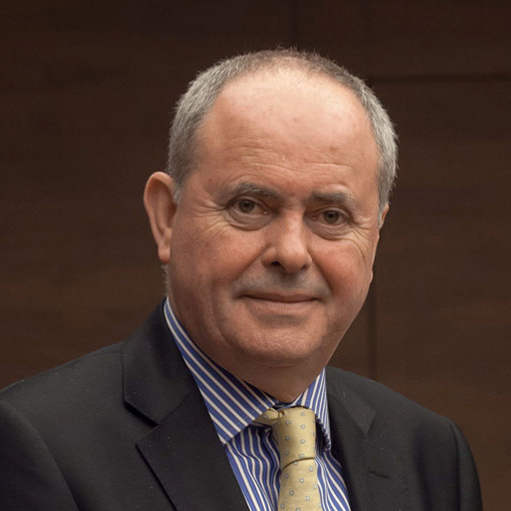
Cliff Collins is convenor of CEN/TC 136 Working Group 2 for European Fitness Club Standards
* Accreditation activity previously carried out by REPs UK is delivered by CIMSPA (www.hcmmag.com/CIMSPAquals). REPs UK is now a private company.


Into the fitaverse

Ali Jawad

Hannes Sjöblad

Jamie Buck


Building on the blockchain

Bold move

Check your form


New reality

Sohail Rashid

Reverse Ageing

Going hybrid

Physical activity monitors boost activity levels

Two-way coaching

Laurent Petit

Adam Zeitsiff

Anantharaman Pattabiraman

Mike Hansen

