



GET FIT TECH
Sign up for the FREE digital edition of Fit Tech magazine and also get the Fit Tech ezine and breaking news email alerts.
Not right now, thanksclose this window I've already subscribed!
EGYM | Fit Tech promotion
features

Indoor cycling: Wheels in motion

So your cycling classes are always full. Does this mean your cycle offering is performing optimally? Not necessarily. Kath Hudson finds out what mainstream operators can learn from the growing number of specialist indoor cycling microgyms

Published in Health Club Management 2014 issue 1

Indoor cycling has become very cool, commanding high ticket prices and prompting long waiting lists. Many of the concepts have been developed by sparky entrepreneurs who have created the type of experience they were looking for themselves (see briefing box, p52). Because of this, the clubs are imbued with a sense of passion, personality and individuality. So is this something the larger chains can replicate? What lessons can full-service clubs learn from the niche indoor cycling clubs?

Make members feel special
Lesson one is to listen to what the members want and make an effort to build a relationship with them. Microgyms tend to work on a pay as you go basis, meaning there’s no security of a monthly or annual contract; they have to stay responsive to members’ needs and keep offering them what they want.

“It’s all about relationships,” says Sarah Morelli, global education and development manager for Star Trac. Are the big clubs creating relationships with their members? I’d say not. In fact, I’d go so far as to say that many big clubs are only interested in how many bums in saddles were in each class, but not which customers were there. Where’s the love?”

Fergus Ahern, managing director of MOSSA in the UK, also identifies the ‘bums on seats’ mentality as an issue, pointing out that having full classes doesn’t necessarily mean happy members, or even that members are getting results. He says members should be regularly surveyed and advises frequent programme changes and up-to-date music to keep people engaged.

CEO of Body Bike, Uffe Olesen, says indoor cycling clubs go to extremes to offer a full-blown experience, and believes this is what full-service clubs also need to do to inspire members. 

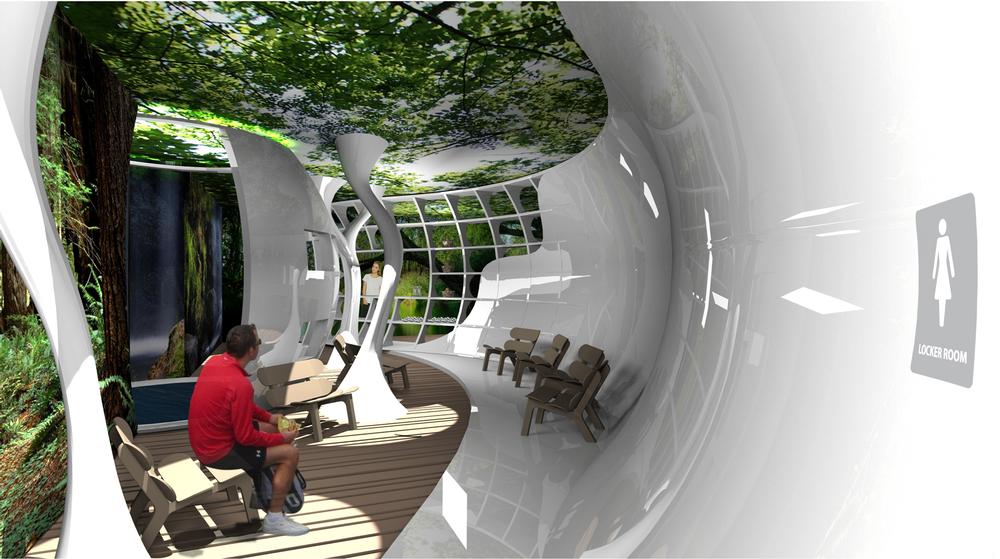
“It’s important to build indoor cycling up to be a real experience, akin to going to the movies, but without the popcorn,” he says. “Create a club within a club, with a separate membership, and charge extra to rent out shoes and towels. There should be a lounge to wait in before the class to build anticipation, and to return to afterwards for a smoothie. Through décor and projections, the lounge should help people shut off from their everyday life.”

Carl McCartney, RPM trainer for Les Mills UK, agrees that – while music, décor and bikes are important – it’s the member experience that’s vital. “Indoor and outdoor cyclists are a breed apart from your typical gym-goer, so make sure you’re able to differentiate your indoor cycling from the other aspects of your club. The specialist indoor cycling clubs are doing amazingly well because they’re fostering a like-minded community through their members, making their clubs very sociable. Use all the tools in your arsenal to make your cycling studio a social hub.”

McCartney recommends regular relaunches, endurance classes for more hardcore users, and road rides or cycling tours to strengthen the bond the instructors have with members.

Bin the strip lights
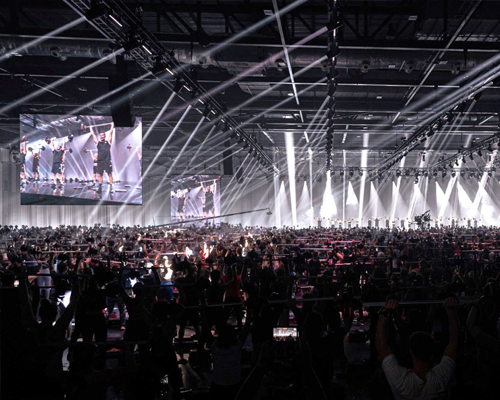
One of the things that currently differentiates the microgyms is their creative use of lighting, with the experience often felt to be more powerful if the room is dark: SoulCycle in New York conducts some classes by candlelight, for example. Morelli suggests that full-service clubs could be more creative in this respect, such as installing a twinkle light ceiling. “People like to sit in the half dark,” agrees Olesen. “Something happens when the lights go out. It becomes a more immersive experience and plunges people into the present moment.”

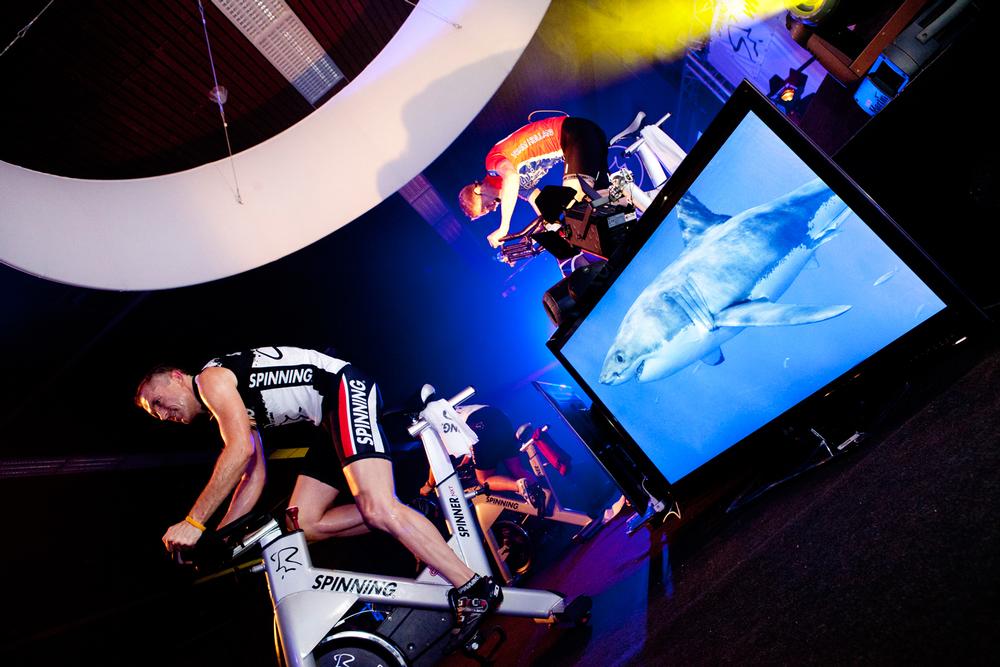
Sound and graphics can also be used to create a cinematic feel. Get the best sound system, with big speakers at the front and back to really draw people into the experience. Have a big screen at the front to display motivational, inspiring, entertaining graphics – it could be a cityscape one day and a famous ride the next.

Olesen says that fitness club operators should think outside of the box about what will entertain cyclists during their class. He suggests themed weeks and special guests, like DJs or even dancers on stage. Meanwhile Elena Lapetra, head of Schwinn UK, says events such as cycle-related workshops and one-off challenges around big cycling events can help build members’ involvement.

But it isn’t only in these dramatic ways that the environment can contribute to the experience. The basics still matter, with cleanliness key to creating an environment people want to return to regularly. Says Lapetra: “Even if clubs don’t have a lot of money to invest, cycling studios can be made more inviting simply by ensuring the bikes are always spotlessly clean.”

“The bikes should be cleaned after each class and have a full clean every night,” agrees Morelli. “Adding a natural oil scent can help get clients in the mood to exercise, or relax, depending on the goal of the class.”

Focus on results
Gary Oleinik, national sales director at Keiser UK, says technology should be used to allow people to see how they are doing in the class, enabling them to compete if they want to, but equally importantly allowing them to track their progress over time; showing participants the results of their in-class effort is key.

With this need for results in mind, he also argues that it’s important to integrate a variety of intensity levels into the workout – for example, mixed terrain and heart rate-based programmes, some hills and some flats, or zone one and two heart rate levels.

Richard Baker, commercial director of Wattbike, agrees that tech-savvy members want real-time performance data, as well as good equipment that gives an excellent ride experience. He also stresses the need for clubs to invest in the best, most knowledgeable instructors to attract, retain and motivate members; microgyms not only have a rigorous recruitment process but also require instructors to keep their knowledge up-to-date.

“Busy classes can mean clubs and instructors become complacent, not showing enough interest in updating or developing knowledge and skills,” observes Lapetra. “Make sure instructors regularly update their skills to embrace the latest research, new class designs and training techniques, otherwise members will drift off to other classes or even other clubs.”

Lapetra also suggests bringing in expertise from other parts of the club by offering 15 minutes of core training or flexibility as part of a cycling class: “The indoor cycling studios are by their very nature specialist, meaning they’re more limited in what they and their instructors can offer. Larger clubs can draw on the full breadth of their offering to provide a more rounded, varied, engaging class with a broader range of benefits. This should be packaged so it’s perceived as one big class, such as indoor cycling integrated with core or yoga.”

Get creative
In the perfect world, your cycling studio will offer everything the niche clubs offer, continues Lapetra: spotless bikes with onboard computers linked to display technologies, stadium layout, perfect temperature and the best sound system. However, she acknowledges this isn’t always practical or within budget: “But creating a wow factor doesn’t always need a huge budget. It needs purpose and creativity. If you can’t afford new bikes, get yours serviced – riders soon tire of rusty bikes, wobbly pedals and inconsistent resistance – and implement strict maintenance routines and studio etiquette to ensure bikes stay looking and riding their best.

“Try and get computers retrofitted – with the growing desire for measurement and tracking, this is a smaller investment that can have a big impact on riders’ experience. And even if you can’t afford a full refurb of the studio, a great sound system is the fuel of the class, and some quirky lighting and a lick of paint can make a big difference.”

Clubs must also make sure it’s easy to book into the class by offering an online booking and payment system, she says: “Do your members have to follow strict and complicated guidelines for booking classes: maximum one week in advance, queueing at reception or on the phone to book? Remove their excuses for not joining your classes. Make booking really simple, including via mobile, and ideally with a live feed to show if someone’s favourite bike is still available.”

It’s this sort of personalised attention to detail that will really help the chains bring a point of difference to their cycling offering. As Morelli observes, boutique cycling clubs offer a five-star service – so what little touches could you introduce to make your members feel really special? Hand out fresh fruit? A smoothie? A cold hand towel?

Lapetra concludes: “Once you’ve gone through all the different scenarios and decided where you can improve your offering, give your studio a new name to mark a new beginning and let the world know about it.”

Sign up here to get Fit Tech's weekly ezine and every issue of Fit Tech magazine free on digital.
Gallery
More features
Editor's letter

Into the fitaverse

Fitness is already among the top three markets in the metaverse, with new technology and partnerships driving real growth and consumer engagement that looks likely to spill over into health clubs, gyms and studios
Fit Tech people

Ali Jawad

Paralympic powerlifter and founder, Accessercise
Users can easily identify which facilities in the UK are accessible to the disabled community
Fit Tech people

Hannes Sjöblad

MD, DSruptive
We want to give our users an implantable tool that allows them to collect their health data at any time and in any setting
Fit Tech people

Jamie Buck

Co-founder, Active in Time
We created a solution called AiT Voice, which turns digital data into a spoken audio timetable that connects to phone systems
Profile

Fahad Alhagbani: reinventing fitness

Alexa can help you book classes, check trainers’ bios and schedules, find out opening times, and a host of other information
Opinion

Building on the blockchain

For small sports teams looking to compete with giants, blockchain can be a secret weapon explains Lars Rensing, CEO of Protokol
Innovation

Bold move

We ended up raising US$7m in venture capital from incredible investors, including Andreessen Horowitz, Khosla Ventures, Primetime Partners, and GingerBread Capital
App analysis

Check your form

Sency’s motion analysis technology is allowing users to check their technique as they exercise. Co-founder and CEO Gal Rotman explains how
Profile

New reality

Sam Cole, CEO of FitXR, talks to Fit Tech about taking digital workouts to the next level, with an immersive, virtual reality fitness club
Profile

Sohail Rashid

My vision was to create a platform that could improve the sport for lifters at all levels and attract more people, similar to how Strava, Peloton and Zwift have in other sports
Ageing

Reverse Ageing

Many apps help people track their health, but Humanity founders Peter Ward and Michael Geer have put the focus on ageing, to help users to see the direct repercussions of their habits. They talk to Steph Eaves
App analysis

Going hybrid

Workout Anytime created its app in partnership with Virtuagym. Workout Anytime’s Greg Maurer and Virtuagym’s Hugo Braam explain the process behind its creation
Research

Physical activity monitors boost activity levels

Researchers at the University of Copenhagen have conducted a meta analysis of all relevant research and found that the body of evidence shows an impact
Editor's letter

Two-way coaching

Content providers have been hugely active in the fit tech market since the start of the pandemic. We expect the industry to move on from delivering these services on a ‘broadcast-only’ basis as two-way coaching becomes the new USP
Fit Tech People

Laurent Petit

Co-founder, Active Giving
The future of sports and fitness are dependent on the climate. Our goal is to positively influence the future of our planet by instilling a global vision of wellbeing and a sense of collective action
Fit Tech People

Adam Zeitsiff

CEO, Intelivideo
We don’t just create the technology and bail – we support our clients’ ongoing hybridisation efforts
Fit Tech People

Anantharaman Pattabiraman

CEO and co-founder, Auro
When you’re undertaking fitness activities, unless you’re on a stationary bike, in most cases it’s not safe or necessary to be tied to a screen, especially a small screen
Fit Tech People

Mike Hansen

Managing partner, Endorphinz
We noticed a big gap in the market – customers needed better insights but also recommendations on what to do, whether that be customer acquisition, content creation, marketing and more
More features
Orbit4 is a digital operations platform designed to help fitness and leisure operators manage assets, ...
Panatta's mission is to create machines that are aesthetically pleasing, functional and competitive in price ...
22-23 Sep 2026
Four Seasons Hotel Bangkok at Chao Phraya River, Bangkok , Thailand
Orbit4 is a digital operations platform designed to help fitness and leisure operators manage assets, ...
Panatta's mission is to create machines that are aesthetically pleasing, functional and competitive in price ...
Get Fit Tech
Sign up for the free Fit Tech ezine and breaking news alerts
Sign up
22-23 Sep 2026
Four Seasons Hotel Bangkok at Chao Phraya River, Bangkok , Thailand

latest fit tech news

PureGym is encouraging people to step away from their screens and go for a walk, in a new initiative timed ...
news • 29 May 2026
Active people app, Strava, has overhauled its strength training experience, allowing gym-goers to automatically log and share their lifts from ...
news • 27 May 2026

Fitness First UK is embracing digital wellness technology by installing Kip’s tap-to-activate phone controls across its UK estate. Kip tags ...
news • 22 May 2026
The world’s first awareness ring has been launched. Designed to promote presence, focus and calm via gentle haptic vibrations, the ...
news • 13 May 2026
Center Parcs’ Aqua Sana Forest Spa, Woburn Forest, UK, has transformed an unused space into a touchless wellness area called ...
news • 12 May 2026
Gharieni Group has launched a new company, Cobotics Innovations, to create automated wellness experiences. The first solution is a robotic ...
product innovation • 07 May 2026

US-based robotics wellness company Aescape Inc has entered insolvency proceedings following the sale of substantially all of its ...

news • 06 May 2026
Fitness platform, Zing Coach, has teamed up with Les Mills, in a partnership that gives its users access to group ...
news • 23 Apr 2026

TMActive is launching a new Active Wellbeing Studio next month in Tonbridge, UK, specifically aimed at people who face higher ...
news • 13 Apr 2026

Indian billionaire, Deepinder Goyal, is working on a device called Temple that aims to track blood flow to the brain ...
news • 10 Apr 2026
More fit tech news
features

Indoor cycling: Wheels in motion

So your cycling classes are always full. Does this mean your cycle offering is performing optimally? Not necessarily. Kath Hudson finds out what mainstream operators can learn from the growing number of specialist indoor cycling microgyms

Published in Health Club Management 2014 issue 1

Indoor cycling has become very cool, commanding high ticket prices and prompting long waiting lists. Many of the concepts have been developed by sparky entrepreneurs who have created the type of experience they were looking for themselves (see briefing box, p52). Because of this, the clubs are imbued with a sense of passion, personality and individuality. So is this something the larger chains can replicate? What lessons can full-service clubs learn from the niche indoor cycling clubs?

Make members feel special
Lesson one is to listen to what the members want and make an effort to build a relationship with them. Microgyms tend to work on a pay as you go basis, meaning there’s no security of a monthly or annual contract; they have to stay responsive to members’ needs and keep offering them what they want.

“It’s all about relationships,” says Sarah Morelli, global education and development manager for Star Trac. Are the big clubs creating relationships with their members? I’d say not. In fact, I’d go so far as to say that many big clubs are only interested in how many bums in saddles were in each class, but not which customers were there. Where’s the love?”

Fergus Ahern, managing director of MOSSA in the UK, also identifies the ‘bums on seats’ mentality as an issue, pointing out that having full classes doesn’t necessarily mean happy members, or even that members are getting results. He says members should be regularly surveyed and advises frequent programme changes and up-to-date music to keep people engaged.

CEO of Body Bike, Uffe Olesen, says indoor cycling clubs go to extremes to offer a full-blown experience, and believes this is what full-service clubs also need to do to inspire members. 

“It’s important to build indoor cycling up to be a real experience, akin to going to the movies, but without the popcorn,” he says. “Create a club within a club, with a separate membership, and charge extra to rent out shoes and towels. There should be a lounge to wait in before the class to build anticipation, and to return to afterwards for a smoothie. Through décor and projections, the lounge should help people shut off from their everyday life.”

Carl McCartney, RPM trainer for Les Mills UK, agrees that – while music, décor and bikes are important – it’s the member experience that’s vital. “Indoor and outdoor cyclists are a breed apart from your typical gym-goer, so make sure you’re able to differentiate your indoor cycling from the other aspects of your club. The specialist indoor cycling clubs are doing amazingly well because they’re fostering a like-minded community through their members, making their clubs very sociable. Use all the tools in your arsenal to make your cycling studio a social hub.”

McCartney recommends regular relaunches, endurance classes for more hardcore users, and road rides or cycling tours to strengthen the bond the instructors have with members.

Bin the strip lights
One of the things that currently differentiates the microgyms is their creative use of lighting, with the experience often felt to be more powerful if the room is dark: SoulCycle in New York conducts some classes by candlelight, for example. Morelli suggests that full-service clubs could be more creative in this respect, such as installing a twinkle light ceiling. “People like to sit in the half dark,” agrees Olesen. “Something happens when the lights go out. It becomes a more immersive experience and plunges people into the present moment.”

Sound and graphics can also be used to create a cinematic feel. Get the best sound system, with big speakers at the front and back to really draw people into the experience. Have a big screen at the front to display motivational, inspiring, entertaining graphics – it could be a cityscape one day and a famous ride the next.

Olesen says that fitness club operators should think outside of the box about what will entertain cyclists during their class. He suggests themed weeks and special guests, like DJs or even dancers on stage. Meanwhile Elena Lapetra, head of Schwinn UK, says events such as cycle-related workshops and one-off challenges around big cycling events can help build members’ involvement.

But it isn’t only in these dramatic ways that the environment can contribute to the experience. The basics still matter, with cleanliness key to creating an environment people want to return to regularly. Says Lapetra: “Even if clubs don’t have a lot of money to invest, cycling studios can be made more inviting simply by ensuring the bikes are always spotlessly clean.”

“The bikes should be cleaned after each class and have a full clean every night,” agrees Morelli. “Adding a natural oil scent can help get clients in the mood to exercise, or relax, depending on the goal of the class.”

Focus on results
Gary Oleinik, national sales director at Keiser UK, says technology should be used to allow people to see how they are doing in the class, enabling them to compete if they want to, but equally importantly allowing them to track their progress over time; showing participants the results of their in-class effort is key.

With this need for results in mind, he also argues that it’s important to integrate a variety of intensity levels into the workout – for example, mixed terrain and heart rate-based programmes, some hills and some flats, or zone one and two heart rate levels.

Richard Baker, commercial director of Wattbike, agrees that tech-savvy members want real-time performance data, as well as good equipment that gives an excellent ride experience. He also stresses the need for clubs to invest in the best, most knowledgeable instructors to attract, retain and motivate members; microgyms not only have a rigorous recruitment process but also require instructors to keep their knowledge up-to-date.

“Busy classes can mean clubs and instructors become complacent, not showing enough interest in updating or developing knowledge and skills,” observes Lapetra. “Make sure instructors regularly update their skills to embrace the latest research, new class designs and training techniques, otherwise members will drift off to other classes or even other clubs.”

Lapetra also suggests bringing in expertise from other parts of the club by offering 15 minutes of core training or flexibility as part of a cycling class: “The indoor cycling studios are by their very nature specialist, meaning they’re more limited in what they and their instructors can offer. Larger clubs can draw on the full breadth of their offering to provide a more rounded, varied, engaging class with a broader range of benefits. This should be packaged so it’s perceived as one big class, such as indoor cycling integrated with core or yoga.”

Get creative
In the perfect world, your cycling studio will offer everything the niche clubs offer, continues Lapetra: spotless bikes with onboard computers linked to display technologies, stadium layout, perfect temperature and the best sound system. However, she acknowledges this isn’t always practical or within budget: “But creating a wow factor doesn’t always need a huge budget. It needs purpose and creativity. If you can’t afford new bikes, get yours serviced – riders soon tire of rusty bikes, wobbly pedals and inconsistent resistance – and implement strict maintenance routines and studio etiquette to ensure bikes stay looking and riding their best.

“Try and get computers retrofitted – with the growing desire for measurement and tracking, this is a smaller investment that can have a big impact on riders’ experience. And even if you can’t afford a full refurb of the studio, a great sound system is the fuel of the class, and some quirky lighting and a lick of paint can make a big difference.”

Clubs must also make sure it’s easy to book into the class by offering an online booking and payment system, she says: “Do your members have to follow strict and complicated guidelines for booking classes: maximum one week in advance, queueing at reception or on the phone to book? Remove their excuses for not joining your classes. Make booking really simple, including via mobile, and ideally with a live feed to show if someone’s favourite bike is still available.”

It’s this sort of personalised attention to detail that will really help the chains bring a point of difference to their cycling offering. As Morelli observes, boutique cycling clubs offer a five-star service – so what little touches could you introduce to make your members feel really special? Hand out fresh fruit? A smoothie? A cold hand towel?

Lapetra concludes: “Once you’ve gone through all the different scenarios and decided where you can improve your offering, give your studio a new name to mark a new beginning and let the world know about it.”
Sign up here to get Fit Tech's weekly ezine and every issue of Fit Tech magazine free on digital.
Gallery
More features
Editor's letter

Into the fitaverse

Fitness is already among the top three markets in the metaverse, with new technology and partnerships driving real growth and consumer engagement that looks likely to spill over into health clubs, gyms and studios
Fit Tech people

Ali Jawad

Paralympic powerlifter and founder, Accessercise
Users can easily identify which facilities in the UK are accessible to the disabled community
Fit Tech people

Hannes Sjöblad

MD, DSruptive
We want to give our users an implantable tool that allows them to collect their health data at any time and in any setting
Fit Tech people

Jamie Buck

Co-founder, Active in Time
We created a solution called AiT Voice, which turns digital data into a spoken audio timetable that connects to phone systems
Profile

Fahad Alhagbani: reinventing fitness

Alexa can help you book classes, check trainers’ bios and schedules, find out opening times, and a host of other information
Opinion

Building on the blockchain

For small sports teams looking to compete with giants, blockchain can be a secret weapon explains Lars Rensing, CEO of Protokol
Innovation

Bold move

We ended up raising US$7m in venture capital from incredible investors, including Andreessen Horowitz, Khosla Ventures, Primetime Partners, and GingerBread Capital
App analysis

Check your form

Sency’s motion analysis technology is allowing users to check their technique as they exercise. Co-founder and CEO Gal Rotman explains how
Profile

New reality

Sam Cole, CEO of FitXR, talks to Fit Tech about taking digital workouts to the next level, with an immersive, virtual reality fitness club
Profile

Sohail Rashid

My vision was to create a platform that could improve the sport for lifters at all levels and attract more people, similar to how Strava, Peloton and Zwift have in other sports
Ageing

Reverse Ageing

Many apps help people track their health, but Humanity founders Peter Ward and Michael Geer have put the focus on ageing, to help users to see the direct repercussions of their habits. They talk to Steph Eaves
App analysis

Going hybrid

Workout Anytime created its app in partnership with Virtuagym. Workout Anytime’s Greg Maurer and Virtuagym’s Hugo Braam explain the process behind its creation
Research

Physical activity monitors boost activity levels

Researchers at the University of Copenhagen have conducted a meta analysis of all relevant research and found that the body of evidence shows an impact
Editor's letter

Two-way coaching

Content providers have been hugely active in the fit tech market since the start of the pandemic. We expect the industry to move on from delivering these services on a ‘broadcast-only’ basis as two-way coaching becomes the new USP
Fit Tech People

Laurent Petit

Co-founder, Active Giving
The future of sports and fitness are dependent on the climate. Our goal is to positively influence the future of our planet by instilling a global vision of wellbeing and a sense of collective action
Fit Tech People

Adam Zeitsiff

CEO, Intelivideo
We don’t just create the technology and bail – we support our clients’ ongoing hybridisation efforts
Fit Tech People

Anantharaman Pattabiraman

CEO and co-founder, Auro
When you’re undertaking fitness activities, unless you’re on a stationary bike, in most cases it’s not safe or necessary to be tied to a screen, especially a small screen
Fit Tech People

Mike Hansen

Managing partner, Endorphinz
We noticed a big gap in the market – customers needed better insights but also recommendations on what to do, whether that be customer acquisition, content creation, marketing and more
More features