



features

Talkback: Everyone's talking ... sober curious

Research shows the sober curious movement is gaining momentum, presenting a perfect opportunity for health club operators to support people wanting to make the shift, as Kath Hudson reports

Published in Health Club Management 2026 issue 2

With the sober curious movement growing and alcohol now known to be a Class 1 carcinogen, it’s a good time for operators to capitalise on the trend of people wanting to do something other than drink alcohol in their spare time.

Wendy O’Beirne
Wendy O’Beirne / Wendy O’Beirne
Wendy O’Beirne
Founder, The Completion Coach

The moment people take a break from alcohol – even briefly – they realise they feel better, sleep better, handle stress better and connect more honestly. Their self-esteem grows because it’s no longer chemically-inflated and they make decisions with a lot more clarity instead of avoidance. Talk to anyone who has stepped back from drinking and they’ll tell you that socialising sober forces you to build the kind of confidence that actually lasts – you feel braver because you can’t hide.

It also makes you more grounded because your nervous system isn’t swinging between chaos and recovery and it makes you more ‘you’, which creates a feeling of acceptance and belonging that – ironically – many people are looking for when they start drinking.

We’ve normalised alcohol as delivering connection, courage and confidence, but it’s none of those things. It’s a mask. A way to dodge the discomfort of being fully present in your own skin or feeling what you need to feel.

Choosing the health club or gym over the pub can form a virtuous circle

Real confidence is certainly a side effect of being sober curious. The more time you spend sober in situations, the more you’re cultivating true confidence rather than masked confidence, because when you take alcohol out of the equation, you lose the buffer that lets you hide. You can’t numb your nerves or outsource bravery to a drink. You start to actually build confidence, even when it feels uncomfortable. 

The health club or gym is one of the easiest places to support this shift, as you have to show up sober. For a lot of people, going to a health club takes a bit of courage and it’s a sober place to connect easily as no-one there is using alcohol to mask. Health clubs are also a great place to make friends with people with similar interests or goals and there’s a growing focus of building community, for example. through small group training and Hyrox.

Among 18- to 35‑year‑olds, 20 per cent are seeking alcohol‑free gatherings and in the UK, 28 per cent of young adults don’t drink and according to Mintel, 71 per cent worry about long‑term health effects of alcohol, with 29 per cent citing mental health as a motivation.

Choosing the health club or gym over the pub can form a virtuous circle: better sleep, no hangovers, better energy, consistent workouts, better results. There’s an opportunity for operators to get creative about hosting events, such as talks and sharing circles, which allow people to swap out the pub for the gym.

Dan Summerson, Everlast Gyms
Dan Summerson, Everlast Gyms / Everlast Gyms

“Our partnership with Myprotein marks a significant step forward in our mission to deliver a 360-fitness experience” Dan Summerson, Everlast Gyms

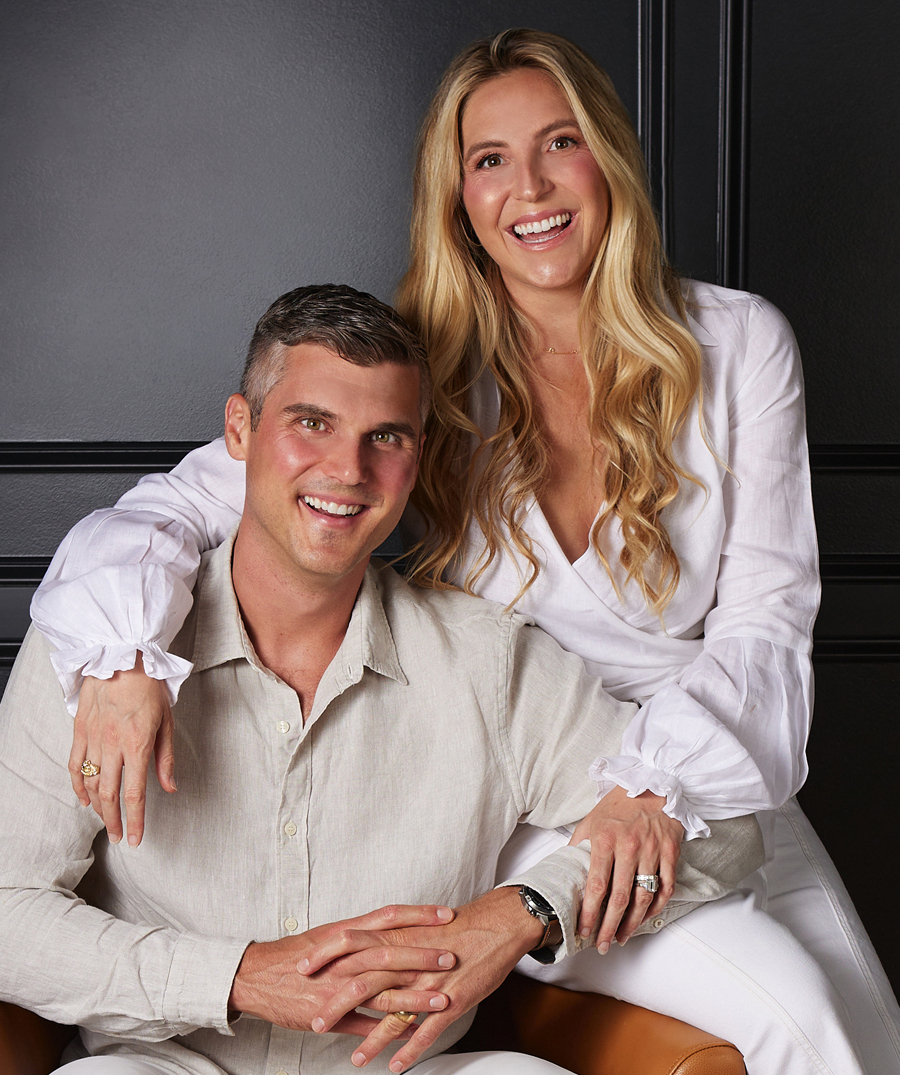
Ryan and Brittany Brown
Ryan and Brittany Brown / HIGHER ORDER / MICHAEL O’MALLEY
Ryan and Brittany Brown
Co-founders, Higher Order

A recent poll showed 54 per cent of Americans – about 100 million adults – are no longer drinking, which is the lowest rate since records began. As a result, the non-alcoholic beverage market is set to be worth almost US$250 billion by 2032.

There’s a lot of top-down focus on health and longevity and more data is coming out which is making many prioritise wellness. People are switching out alcohol for healthy activations – for example, going to bed early so they can go to the run club in the morning. It’s no longer sexy to be drunk. It’s sexy to feel good.

People are making the switch to sober lifestyles not just because they hate hangovers, but because they realise how good they feel when they don’t drink and spend their time and money doing healthy activities instead. There’s a shift in what people are interested in and the late night experience doesn’t fit so well.

There’s also a growing offering for people who don’t want to drink alcohol – group fitness modalities, such as bootcamps and Hyrox are community-based and have a social element. There are music festivals that offer yoga, art and mindfulness instead of alcohol, delivering a fresh new concept.

It’s no longer sexy to be drunk. It’s sexy to feel good

We’re not saying everyone should give up drinking, but it’s time to offer an alternative way to socialise that doesn’t revolve around something that overloads the detox pathways. The data is out that even moderate drinking isn’t good for health. It used to be believed that a glass of red wine is good for sleep and heart health, but even that’s now known not to be true.

We’re seeing a lot of sober bars, zero proof bars and nightclubs, where operators are building social experiences around wellness rather than just food and alcohol. At Higher Order we offer coffee, a range of teas, matcha and zero proof elixirs, using nootropics and adaptogens. There are different ways in which you can have an alternative, social cocktail experience. We also have a signature slushie – an electrolyte beverage which is great after a hot yoga class, or following the sauna and steamroom.

Operators shouldn’t think of a social offering as an afterthought, because amenities such as smoothie bars are fundamental, giving people the chance to get to know each other and create a community.

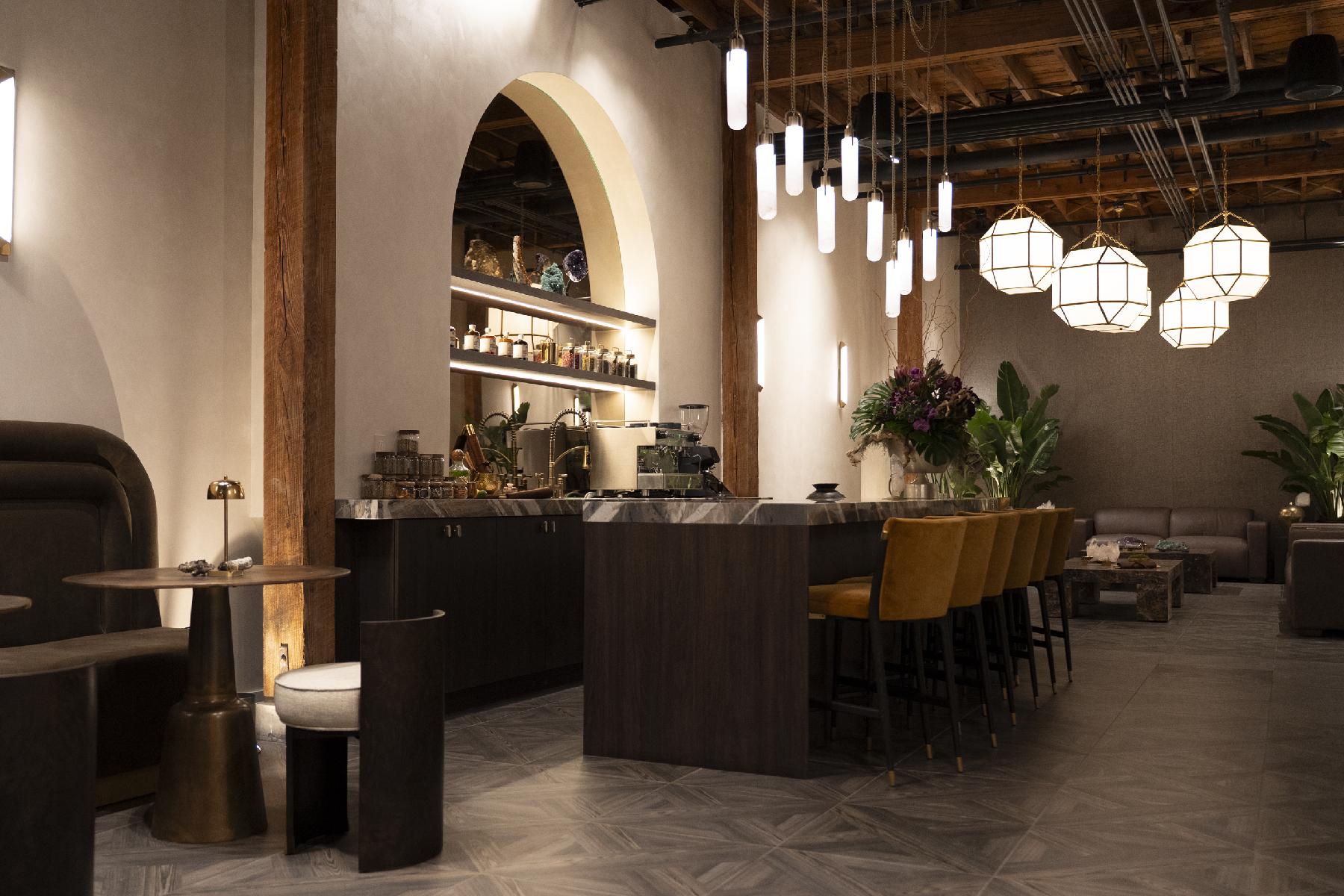
Higher Order serves coffee, teas, matcha and zero proof elixirs with nootropics and adaptogens
Higher Order serves coffee, teas, matcha and zero proof elixirs with nootropics and adaptogens / HIGHER ORDER / MICHAEL O’MALLEY
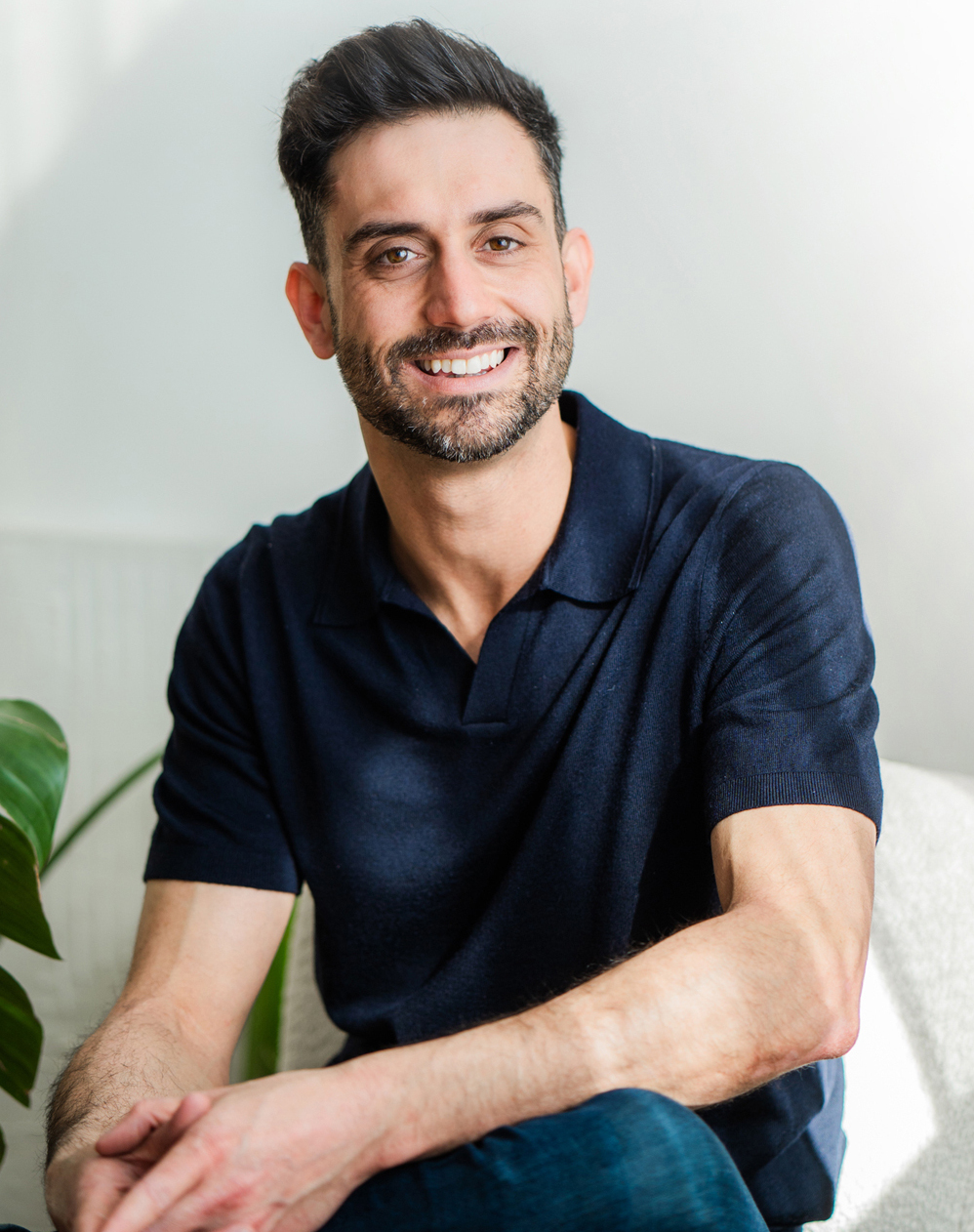
Dr Jonathan Leary
Dr Jonathan Leary / Madeline Tolle@madelinejean
Dr Jonathan Leary
Founder and CEO, Remedy Place

The stats show the sober curious trend is definitely building – in 2025 49 per cent of consumers in the US said they planned to drink less alcohol and almost 40 per cent already follow a sober curious lifestyle, either closely or occasionally, showing the trend is moving toward the mainstream rather than being niche.

People don’t feel good when they’ve been drinking and awareness around alcohol being a toxin that slows them down is growing. By removing alcohol, people often see improvements in sleep, reduced inflammation and better mental health.

It’s imperative, however, that giving up alcohol doesn’t mean giving up socialising. If someone becomes isolated and alone, that can lead to negative health consequences. The real benefit comes from understanding this and maintaining a balance when it comes to the give and take between physical and mental health and real social connection.

This trend offers endless opportunities for health and fitness operators. As AI and the digital world continue to take over, people will increasingly need physical spaces that offer real human connection. This is one of the most important challenges, and opportunities, to solve for the future. I have strong optimism in positive long-term projections for the health and fitness industry and this is one of the biggest reasons why.

It’s imperative that giving up alcohol doesn’t mean giving up socialising

We can capitalise on this trend by putting the client’s health first. That means having real experts guiding the product or experience. It’s also about designing environments that support the purpose of the gathering, and creating fun and social experiences.

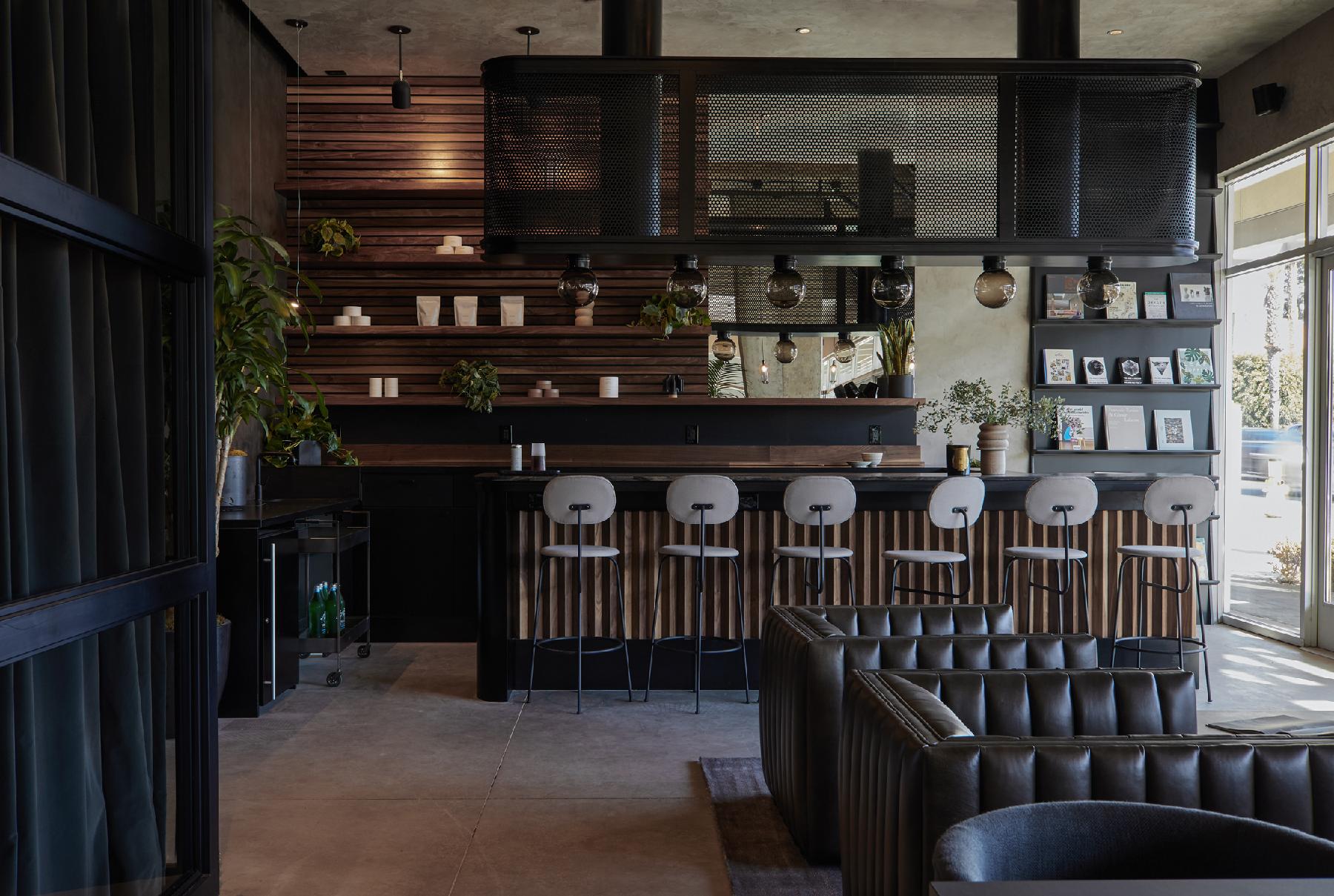
The lounge and nutritional bar at Remedy Place LA offers functional elixirs and bone broth
The lounge and nutritional bar at Remedy Place LA offers functional elixirs and bone broth / Madeline Tolle@madelinejean
Chad Waetzig, Crunch Fitness
Chad Waetzig, Crunch Fitness / Crunch Fitness

“We’ve seen a significant increase in the sober curious movement, which inspired the collaboration with Soft Bar in Brooklyn”Chad Waetzig, Crunch Fitness

Dan D’souza
Dan D’souza / Muush / Vicki Knights Photography
Dan D’souza
Co-founder, Muush

There are multiple drivers behind the sober-curious movement. Fitness and wellness culture is booming, with people wanting to optimise their health. Podcasts and influencers, such as Andrew Huberman are pushing the message that any amount of alcohol is harmful.

The cost-of-living crisis is reshaping habits, with younger people moving away from traditional clubbing and drinking. Millennials are reassessing after overdoing it in their youth, while Gen Z never really saw heavy drinking as aspirational.

Add in job insecurity, the pressure of building careers, and the ever-present risk of social media humiliation while drunk and drinking to excess simply looks less appealing!

Consumer demand is the main driver of the sober curious movement

From the data we’re seeing, Gen Z are the core drivers of this movement. For them, moderation or abstinence is more fundamental to their identity. Millennials are the next biggest group, often rethinking alcohol after their heaviest drinking years. Among Gen X and Boomers, there’s far less change – at the recent Oasis gig, Wembley Stadium sold the most pints ever in a day.

Consumer demand is the main driver. The social and cultural trends shaping the sober curious movement make it inevitable that the market would respond. Supply is catching up with a shift that was already happening and we’re already seeing the drinks industry respond with low and no versions, such as Guinness Zero.

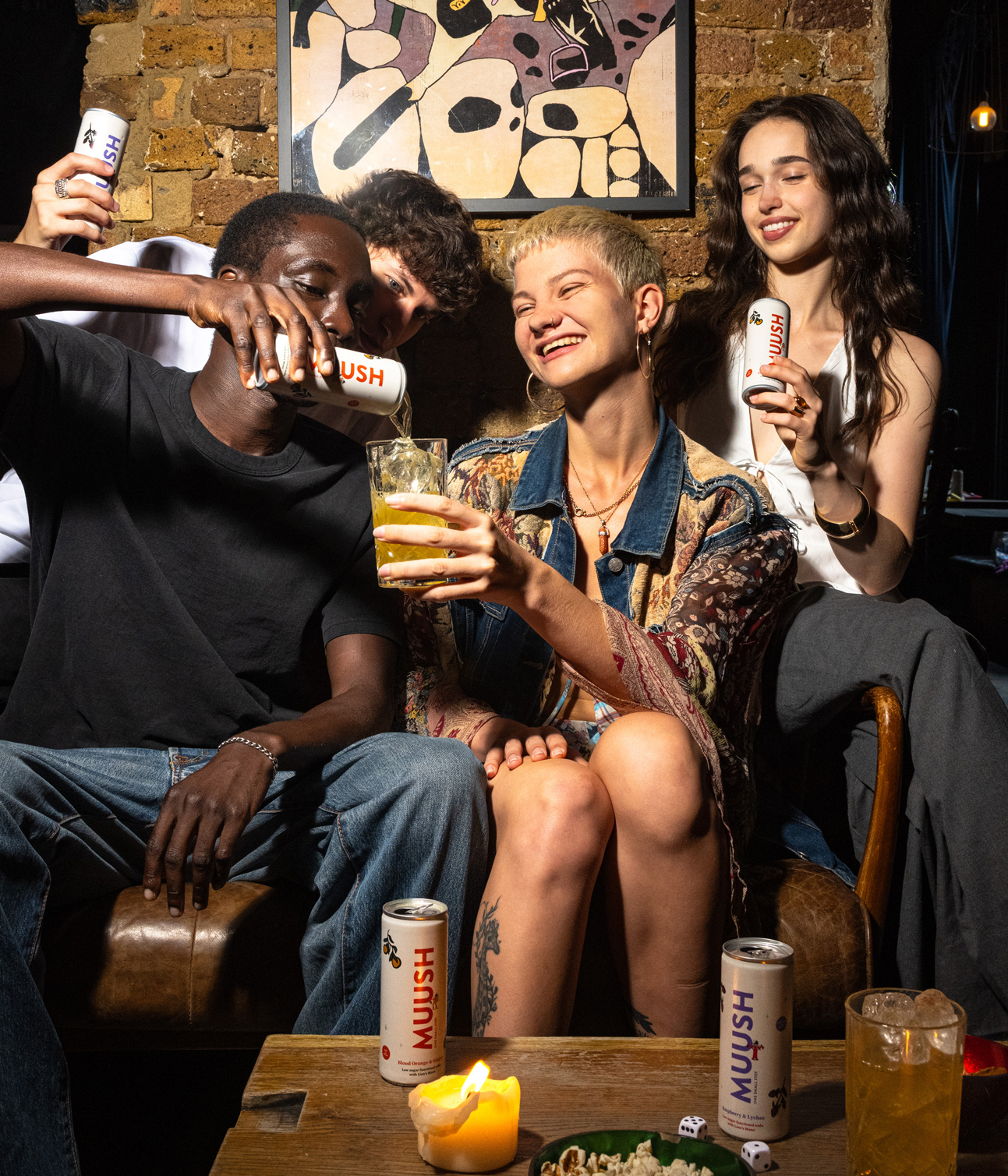
Alongside this, the functional drinks industry is expanding, giving people the chance to do something to enhance their health while having a tasty drink – Muush uses the fruiting body of Lion’s Mane, which has a strong body of evidence to support its benefits, including clearer thinking, gut health and immune system support. 

Young people on a sofa in a bar drinking Muush drinks
Muush drinks are formulated with Lion’s Mane, chicory root and vitamins / Muush


Sign up here to get Fit Tech's weekly ezine and every issue of Fit Tech magazine free on digital.
More features
Editor's letter

Into the fitaverse

Fitness is already among the top three markets in the metaverse, with new technology and partnerships driving real growth and consumer engagement that looks likely to spill over into health clubs, gyms and studios
Fit Tech people

Ali Jawad

Paralympic powerlifter and founder, Accessercise
Users can easily identify which facilities in the UK are accessible to the disabled community
Fit Tech people

Hannes Sjöblad

MD, DSruptive
We want to give our users an implantable tool that allows them to collect their health data at any time and in any setting
Fit Tech people

Jamie Buck

Co-founder, Active in Time
We created a solution called AiT Voice, which turns digital data into a spoken audio timetable that connects to phone systems
Profile

Fahad Alhagbani: reinventing fitness

Let’s live in the future to improve today
Opinion

Building on the blockchain

For small sports teams looking to compete with giants, blockchain can be a secret weapon explains Lars Rensing, CEO of Protokol
Innovation

Bold move

We ended up raising US$7m in venture capital from incredible investors, including Andreessen Horowitz, Khosla Ventures, Primetime Partners, and GingerBread Capital
App analysis

Check your form

Sency’s motion analysis technology is allowing users to check their technique as they exercise. Co-founder and CEO Gal Rotman explains how
Profile

New reality

Sam Cole, CEO of FitXR, talks to Fit Tech about taking digital workouts to the next level, with an immersive, virtual reality fitness club
Profile

Sohail Rashid

The app is free and it’s $40 to participate in one of our virtual events
Ageing

Reverse Ageing

Many apps help people track their health, but Humanity founders Peter Ward and Michael Geer have put the focus on ageing, to help users to see the direct repercussions of their habits. They talk to Steph Eaves
App analysis

Going hybrid

Workout Anytime created its app in partnership with Virtuagym. Workout Anytime’s Greg Maurer and Virtuagym’s Hugo Braam explain the process behind its creation
Research

Physical activity monitors boost activity levels

Researchers at the University of Copenhagen have conducted a meta analysis of all relevant research and found that the body of evidence shows an impact
Editor's letter

Two-way coaching

Content providers have been hugely active in the fit tech market since the start of the pandemic. We expect the industry to move on from delivering these services on a ‘broadcast-only’ basis as two-way coaching becomes the new USP
Fit Tech People

Laurent Petit

Co-founder, Active Giving
The future of sports and fitness are dependent on the climate. Our goal is to positively influence the future of our planet by instilling a global vision of wellbeing and a sense of collective action
Fit Tech People

Adam Zeitsiff

CEO, Intelivideo
We don’t just create the technology and bail – we support our clients’ ongoing hybridisation efforts
Fit Tech People

Anantharaman Pattabiraman

CEO and co-founder, Auro
When you’re undertaking fitness activities, unless you’re on a stationary bike, in most cases it’s not safe or necessary to be tied to a screen, especially a small screen
Fit Tech People

Mike Hansen

Managing partner, Endorphinz
We noticed a big gap in the market – customers needed better insights but also recommendations on what to do, whether that be customer acquisition, content creation, marketing and more
More features
CET have developed ice baths specifically for the fitness and wellness sectors in addition to ...
PSLT offer a range of new and refurbished fitness equipment being the UK supplier of ...

22-23 Sep 2026
Four Seasons Hotel Bangkok at Chao Phraya River, Bangkok , Thailand
CET have developed ice baths specifically for the fitness and wellness sectors in addition to ...
PSLT offer a range of new and refurbished fitness equipment being the UK supplier of ...
Get Fit Tech
Sign up for the free Fit Tech ezine and breaking news alerts
Sign up
22-23 Sep 2026
Four Seasons Hotel Bangkok at Chao Phraya River, Bangkok , Thailand

latest fit tech news

Preventive healthcare company Neko Health has added body composition analysis to its full-body health scan and launched a new mobile ...
news • 24 Jun 2026

A new brain clinic has opened in London, which uses non-invasive brain stimulation to treat chronic pain, anxiety and burnout ...
news • 22 Jun 2026

Samsung has unveiled a suite of AI-powered health features for its Galaxy Watch range, as the technology giant ...

news • 22 Jun 2026

Elevate Arena is underway at London's Excel and the hot topic of AI was the first point of discussion on ...
news • 18 Jun 2026
Peloton has made the strategic acquisition of Pilates start-up, Skōp, to support the expansion of its strength ecosystem. As demand ...
news • 09 Jun 2026

Longevitix, a clinical platform for preventive and longevity medicine, has launched its AI-powered intelligence system to help physicians deliver continuous, ...
news • 08 Jun 2026

Fitness First UK is integrating red light therapy into its yoga and Pilates classes through a partnership with Bon Charge. ...
news • 08 Jun 2026
PureGym is encouraging people to step away from their screens and go for a walk, in a new initiative timed ...
news • 29 May 2026
Active people app, Strava, has overhauled its strength training experience, allowing gym-goers to automatically log and share their lifts from ...
news • 27 May 2026

Fitness First UK is embracing digital wellness technology by installing Kip’s tap-to-activate phone controls across its UK estate. Kip tags ...
news • 22 May 2026
More fit tech news
features

Talkback: Everyone's talking ... sober curious

Research shows the sober curious movement is gaining momentum, presenting a perfect opportunity for health club operators to support people wanting to make the shift, as Kath Hudson reports

Published in Health Club Management 2026 issue 2

With the sober curious movement growing and alcohol now known to be a Class 1 carcinogen, it’s a good time for operators to capitalise on the trend of people wanting to do something other than drink alcohol in their spare time.
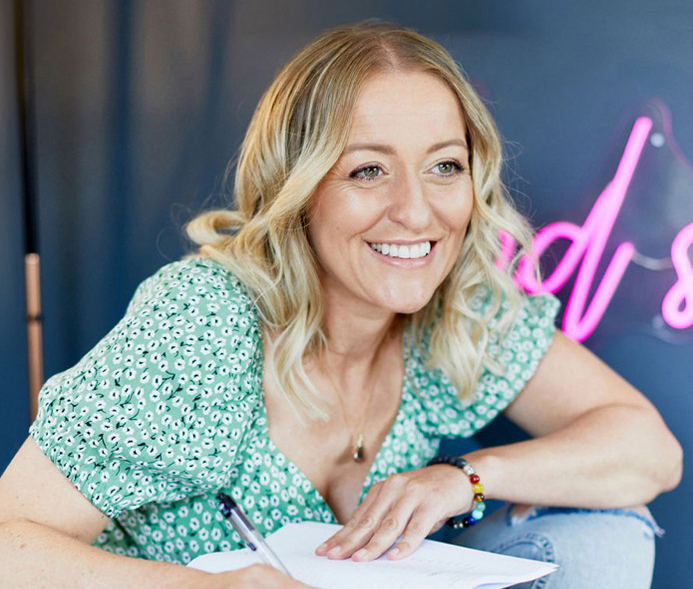
Wendy O’Beirne
Wendy O’Beirne / Wendy O’Beirne
Wendy O’Beirne
Founder, The Completion Coach

The moment people take a break from alcohol – even briefly – they realise they feel better, sleep better, handle stress better and connect more honestly. Their self-esteem grows because it’s no longer chemically-inflated and they make decisions with a lot more clarity instead of avoidance. Talk to anyone who has stepped back from drinking and they’ll tell you that socialising sober forces you to build the kind of confidence that actually lasts – you feel braver because you can’t hide.

It also makes you more grounded because your nervous system isn’t swinging between chaos and recovery and it makes you more ‘you’, which creates a feeling of acceptance and belonging that – ironically – many people are looking for when they start drinking.

We’ve normalised alcohol as delivering connection, courage and confidence, but it’s none of those things. It’s a mask. A way to dodge the discomfort of being fully present in your own skin or feeling what you need to feel.

Choosing the health club or gym over the pub can form a virtuous circle

Real confidence is certainly a side effect of being sober curious. The more time you spend sober in situations, the more you’re cultivating true confidence rather than masked confidence, because when you take alcohol out of the equation, you lose the buffer that lets you hide. You can’t numb your nerves or outsource bravery to a drink. You start to actually build confidence, even when it feels uncomfortable. 

The health club or gym is one of the easiest places to support this shift, as you have to show up sober. For a lot of people, going to a health club takes a bit of courage and it’s a sober place to connect easily as no-one there is using alcohol to mask. Health clubs are also a great place to make friends with people with similar interests or goals and there’s a growing focus of building community, for example. through small group training and Hyrox.

Among 18- to 35‑year‑olds, 20 per cent are seeking alcohol‑free gatherings and in the UK, 28 per cent of young adults don’t drink and according to Mintel, 71 per cent worry about long‑term health effects of alcohol, with 29 per cent citing mental health as a motivation.

Choosing the health club or gym over the pub can form a virtuous circle: better sleep, no hangovers, better energy, consistent workouts, better results. There’s an opportunity for operators to get creative about hosting events, such as talks and sharing circles, which allow people to swap out the pub for the gym.

Dan Summerson, Everlast Gyms
Dan Summerson, Everlast Gyms / Everlast Gyms

“Our partnership with Myprotein marks a significant step forward in our mission to deliver a 360-fitness experience” Dan Summerson, Everlast Gyms

Ryan and Brittany Brown
Ryan and Brittany Brown / HIGHER ORDER / MICHAEL O’MALLEY
Ryan and Brittany Brown
Co-founders, Higher Order

A recent poll showed 54 per cent of Americans – about 100 million adults – are no longer drinking, which is the lowest rate since records began. As a result, the non-alcoholic beverage market is set to be worth almost US$250 billion by 2032.

There’s a lot of top-down focus on health and longevity and more data is coming out which is making many prioritise wellness. People are switching out alcohol for healthy activations – for example, going to bed early so they can go to the run club in the morning. It’s no longer sexy to be drunk. It’s sexy to feel good.

People are making the switch to sober lifestyles not just because they hate hangovers, but because they realise how good they feel when they don’t drink and spend their time and money doing healthy activities instead. There’s a shift in what people are interested in and the late night experience doesn’t fit so well.

There’s also a growing offering for people who don’t want to drink alcohol – group fitness modalities, such as bootcamps and Hyrox are community-based and have a social element. There are music festivals that offer yoga, art and mindfulness instead of alcohol, delivering a fresh new concept.

It’s no longer sexy to be drunk. It’s sexy to feel good

We’re not saying everyone should give up drinking, but it’s time to offer an alternative way to socialise that doesn’t revolve around something that overloads the detox pathways. The data is out that even moderate drinking isn’t good for health. It used to be believed that a glass of red wine is good for sleep and heart health, but even that’s now known not to be true.

We’re seeing a lot of sober bars, zero proof bars and nightclubs, where operators are building social experiences around wellness rather than just food and alcohol. At Higher Order we offer coffee, a range of teas, matcha and zero proof elixirs, using nootropics and adaptogens. There are different ways in which you can have an alternative, social cocktail experience. We also have a signature slushie – an electrolyte beverage which is great after a hot yoga class, or following the sauna and steamroom.

Operators shouldn’t think of a social offering as an afterthought, because amenities such as smoothie bars are fundamental, giving people the chance to get to know each other and create a community.
Higher Order serves coffee, teas, matcha and zero proof elixirs with nootropics and adaptogens
Higher Order serves coffee, teas, matcha and zero proof elixirs with nootropics and adaptogens / HIGHER ORDER / MICHAEL O’MALLEY
Dr Jonathan Leary
Dr Jonathan Leary / Madeline Tolle@madelinejean
Dr Jonathan Leary
Founder and CEO, Remedy Place

The stats show the sober curious trend is definitely building – in 2025 49 per cent of consumers in the US said they planned to drink less alcohol and almost 40 per cent already follow a sober curious lifestyle, either closely or occasionally, showing the trend is moving toward the mainstream rather than being niche.

People don’t feel good when they’ve been drinking and awareness around alcohol being a toxin that slows them down is growing. By removing alcohol, people often see improvements in sleep, reduced inflammation and better mental health.

It’s imperative, however, that giving up alcohol doesn’t mean giving up socialising. If someone becomes isolated and alone, that can lead to negative health consequences. The real benefit comes from understanding this and maintaining a balance when it comes to the give and take between physical and mental health and real social connection.

This trend offers endless opportunities for health and fitness operators. As AI and the digital world continue to take over, people will increasingly need physical spaces that offer real human connection. This is one of the most important challenges, and opportunities, to solve for the future. I have strong optimism in positive long-term projections for the health and fitness industry and this is one of the biggest reasons why.

It’s imperative that giving up alcohol doesn’t mean giving up socialising

We can capitalise on this trend by putting the client’s health first. That means having real experts guiding the product or experience. It’s also about designing environments that support the purpose of the gathering, and creating fun and social experiences.
The lounge and nutritional bar at Remedy Place LA offers functional elixirs and bone broth
The lounge and nutritional bar at Remedy Place LA offers functional elixirs and bone broth / Madeline Tolle@madelinejean

Chad Waetzig, Crunch Fitness
Chad Waetzig, Crunch Fitness / Crunch Fitness

“We’ve seen a significant increase in the sober curious movement, which inspired the collaboration with Soft Bar in Brooklyn”Chad Waetzig, Crunch Fitness

Dan D’souza
Dan D’souza / Muush / Vicki Knights Photography
Dan D’souza
Co-founder, Muush

There are multiple drivers behind the sober-curious movement. Fitness and wellness culture is booming, with people wanting to optimise their health. Podcasts and influencers, such as Andrew Huberman are pushing the message that any amount of alcohol is harmful.

The cost-of-living crisis is reshaping habits, with younger people moving away from traditional clubbing and drinking. Millennials are reassessing after overdoing it in their youth, while Gen Z never really saw heavy drinking as aspirational.

Add in job insecurity, the pressure of building careers, and the ever-present risk of social media humiliation while drunk and drinking to excess simply looks less appealing!

Consumer demand is the main driver of the sober curious movement

From the data we’re seeing, Gen Z are the core drivers of this movement. For them, moderation or abstinence is more fundamental to their identity. Millennials are the next biggest group, often rethinking alcohol after their heaviest drinking years. Among Gen X and Boomers, there’s far less change – at the recent Oasis gig, Wembley Stadium sold the most pints ever in a day.

Consumer demand is the main driver. The social and cultural trends shaping the sober curious movement make it inevitable that the market would respond. Supply is catching up with a shift that was already happening and we’re already seeing the drinks industry respond with low and no versions, such as Guinness Zero.

Alongside this, the functional drinks industry is expanding, giving people the chance to do something to enhance their health while having a tasty drink – Muush uses the fruiting body of Lion’s Mane, which has a strong body of evidence to support its benefits, including clearer thinking, gut health and immune system support. 
Young people on a sofa in a bar drinking Muush drinks
Muush drinks are formulated with Lion’s Mane, chicory root and vitamins / Muush


Sign up here to get Fit Tech's weekly ezine and every issue of Fit Tech magazine free on digital.
More features
Editor's letter

Into the fitaverse

Fitness is already among the top three markets in the metaverse, with new technology and partnerships driving real growth and consumer engagement that looks likely to spill over into health clubs, gyms and studios
Fit Tech people

Ali Jawad

Paralympic powerlifter and founder, Accessercise
Users can easily identify which facilities in the UK are accessible to the disabled community
Fit Tech people

Hannes Sjöblad

MD, DSruptive
We want to give our users an implantable tool that allows them to collect their health data at any time and in any setting
Fit Tech people

Jamie Buck

Co-founder, Active in Time
We created a solution called AiT Voice, which turns digital data into a spoken audio timetable that connects to phone systems
Profile

Fahad Alhagbani: reinventing fitness

Let’s live in the future to improve today
Opinion

Building on the blockchain

For small sports teams looking to compete with giants, blockchain can be a secret weapon explains Lars Rensing, CEO of Protokol
Innovation

Bold move

We ended up raising US$7m in venture capital from incredible investors, including Andreessen Horowitz, Khosla Ventures, Primetime Partners, and GingerBread Capital
App analysis

Check your form

Sency’s motion analysis technology is allowing users to check their technique as they exercise. Co-founder and CEO Gal Rotman explains how
Profile

New reality

Sam Cole, CEO of FitXR, talks to Fit Tech about taking digital workouts to the next level, with an immersive, virtual reality fitness club
Profile

Sohail Rashid

The app is free and it’s $40 to participate in one of our virtual events
Ageing

Reverse Ageing

Many apps help people track their health, but Humanity founders Peter Ward and Michael Geer have put the focus on ageing, to help users to see the direct repercussions of their habits. They talk to Steph Eaves
App analysis

Going hybrid

Workout Anytime created its app in partnership with Virtuagym. Workout Anytime’s Greg Maurer and Virtuagym’s Hugo Braam explain the process behind its creation
Research

Physical activity monitors boost activity levels

Researchers at the University of Copenhagen have conducted a meta analysis of all relevant research and found that the body of evidence shows an impact
Editor's letter

Two-way coaching

Content providers have been hugely active in the fit tech market since the start of the pandemic. We expect the industry to move on from delivering these services on a ‘broadcast-only’ basis as two-way coaching becomes the new USP
Fit Tech People

Laurent Petit

Co-founder, Active Giving
The future of sports and fitness are dependent on the climate. Our goal is to positively influence the future of our planet by instilling a global vision of wellbeing and a sense of collective action
Fit Tech People

Adam Zeitsiff

CEO, Intelivideo
We don’t just create the technology and bail – we support our clients’ ongoing hybridisation efforts
Fit Tech People

Anantharaman Pattabiraman

CEO and co-founder, Auro
When you’re undertaking fitness activities, unless you’re on a stationary bike, in most cases it’s not safe or necessary to be tied to a screen, especially a small screen
Fit Tech People

Mike Hansen

Managing partner, Endorphinz
We noticed a big gap in the market – customers needed better insights but also recommendations on what to do, whether that be customer acquisition, content creation, marketing and more
More features